
Last updated October 8, 2026
Free roof inspection with deck photos before we talk money - GAF and Owens Corning certified installation
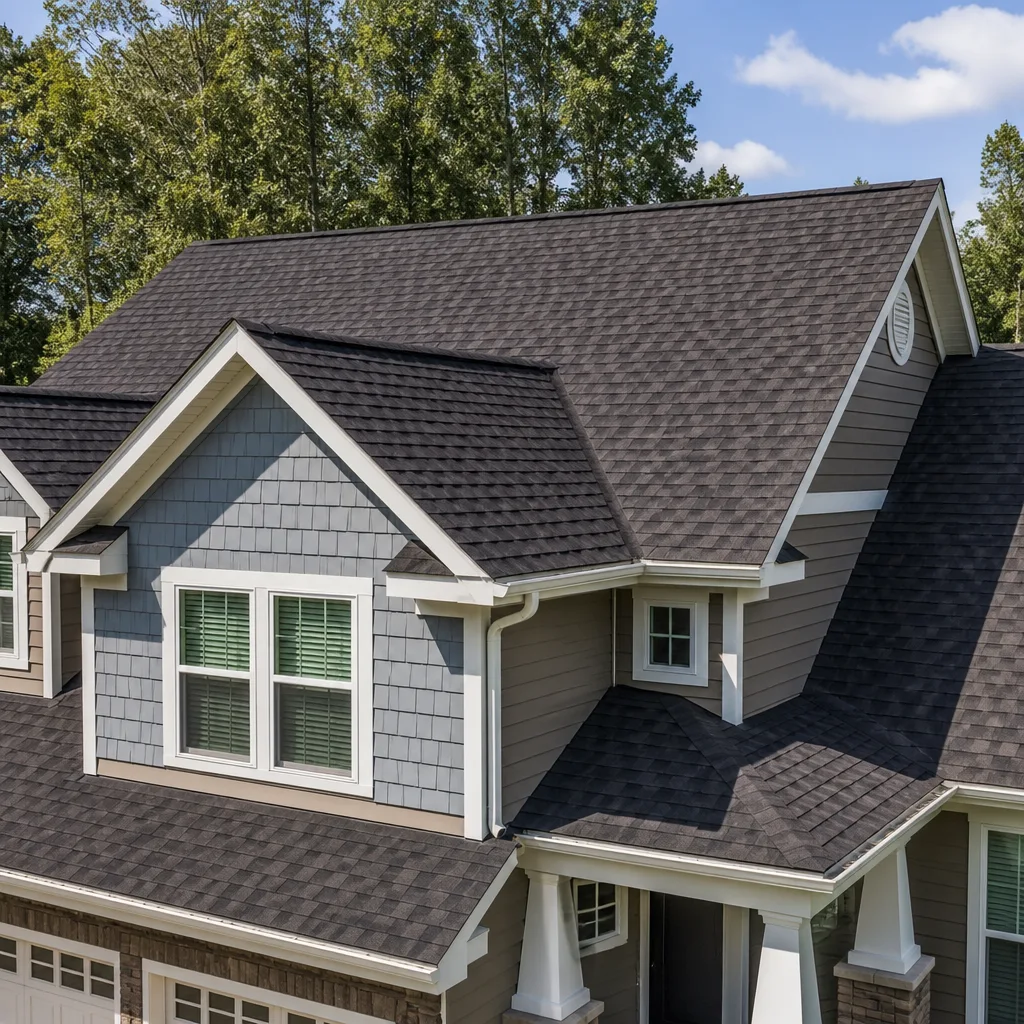
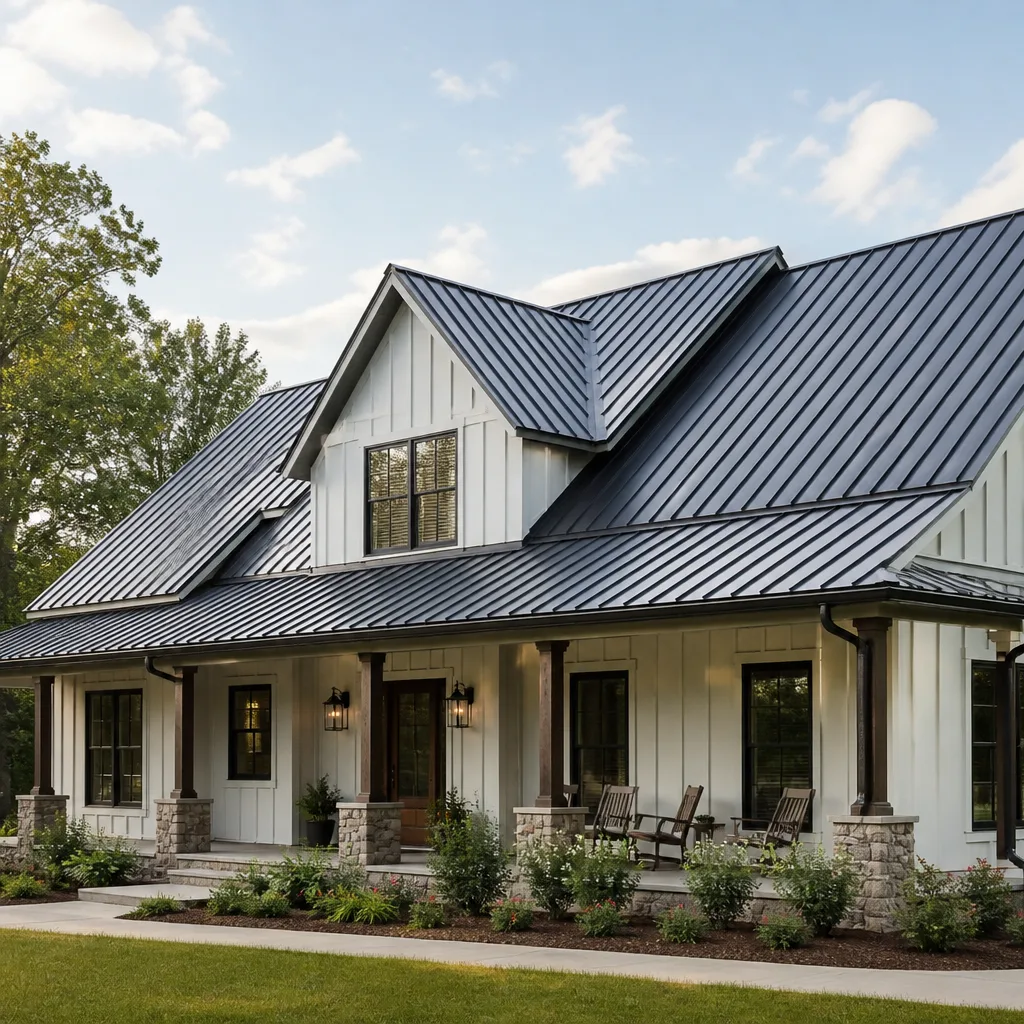
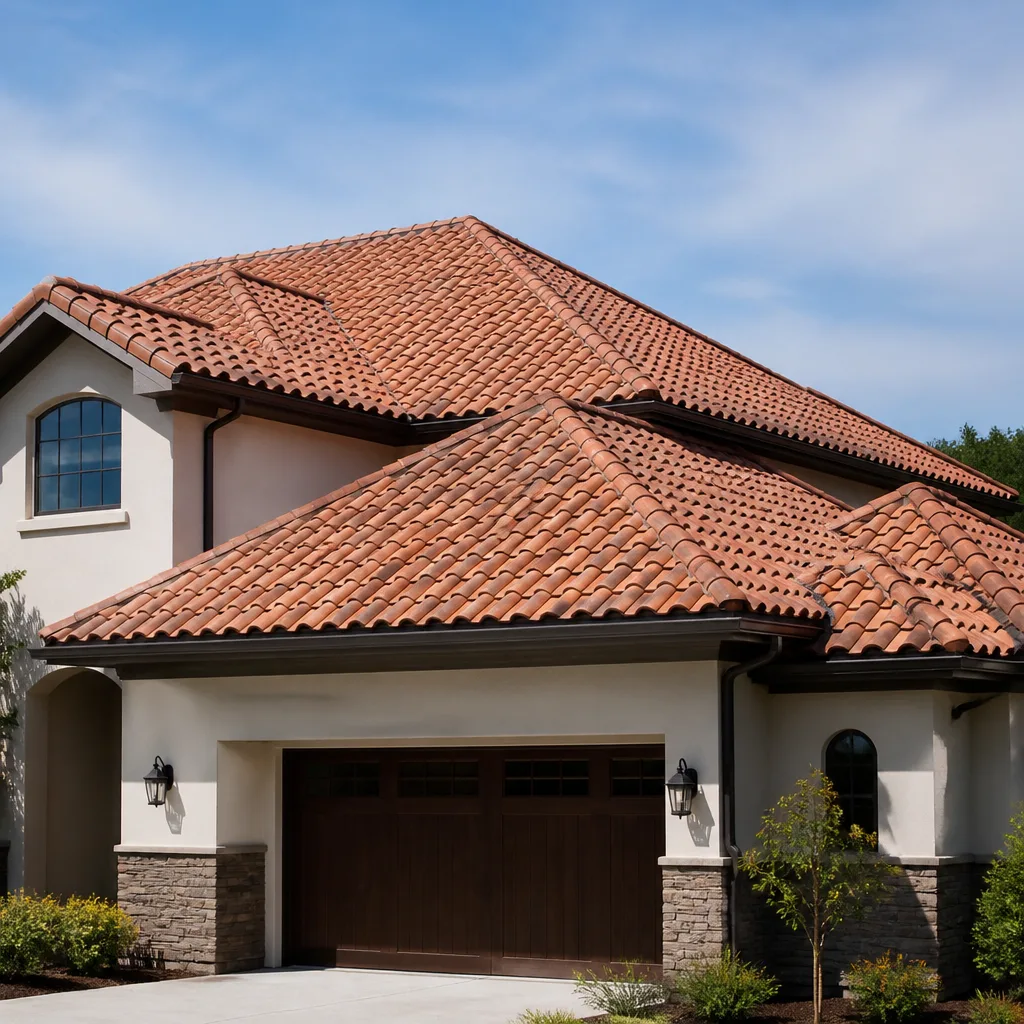
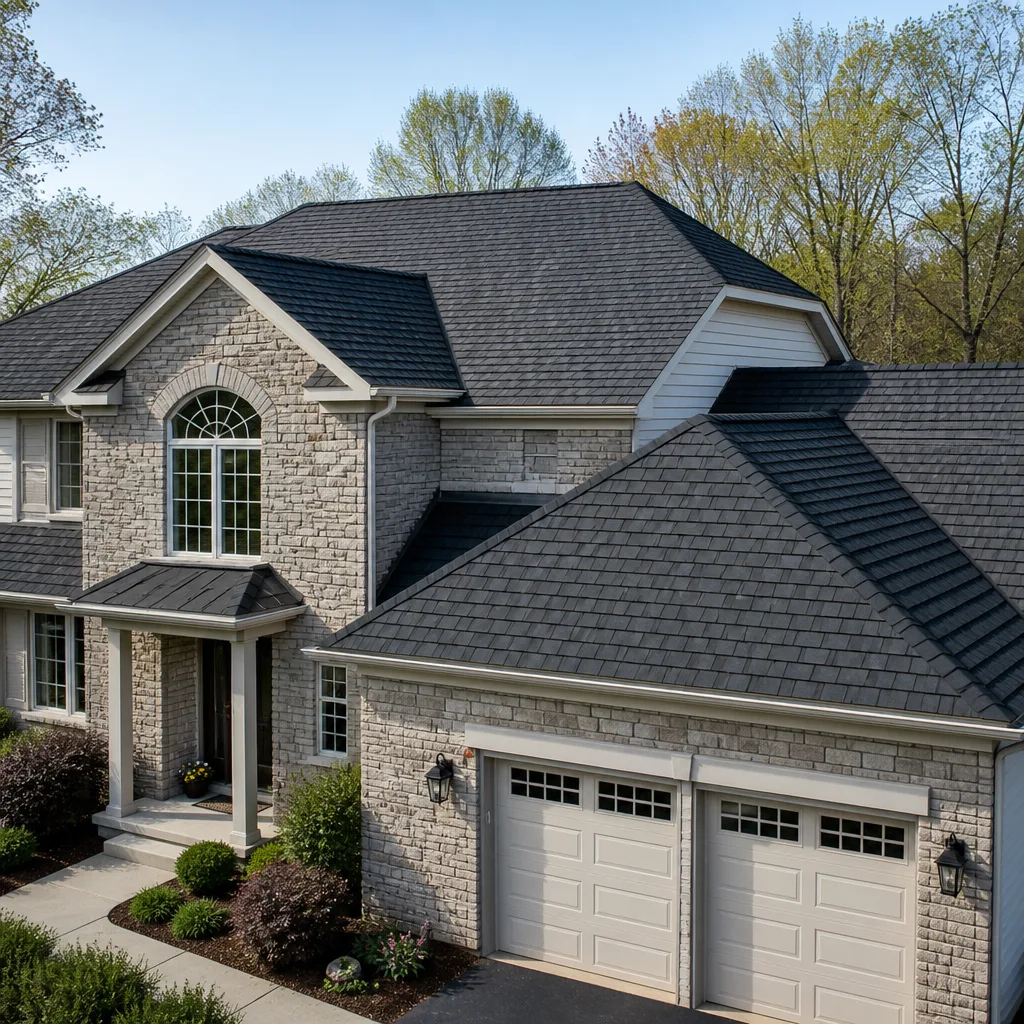
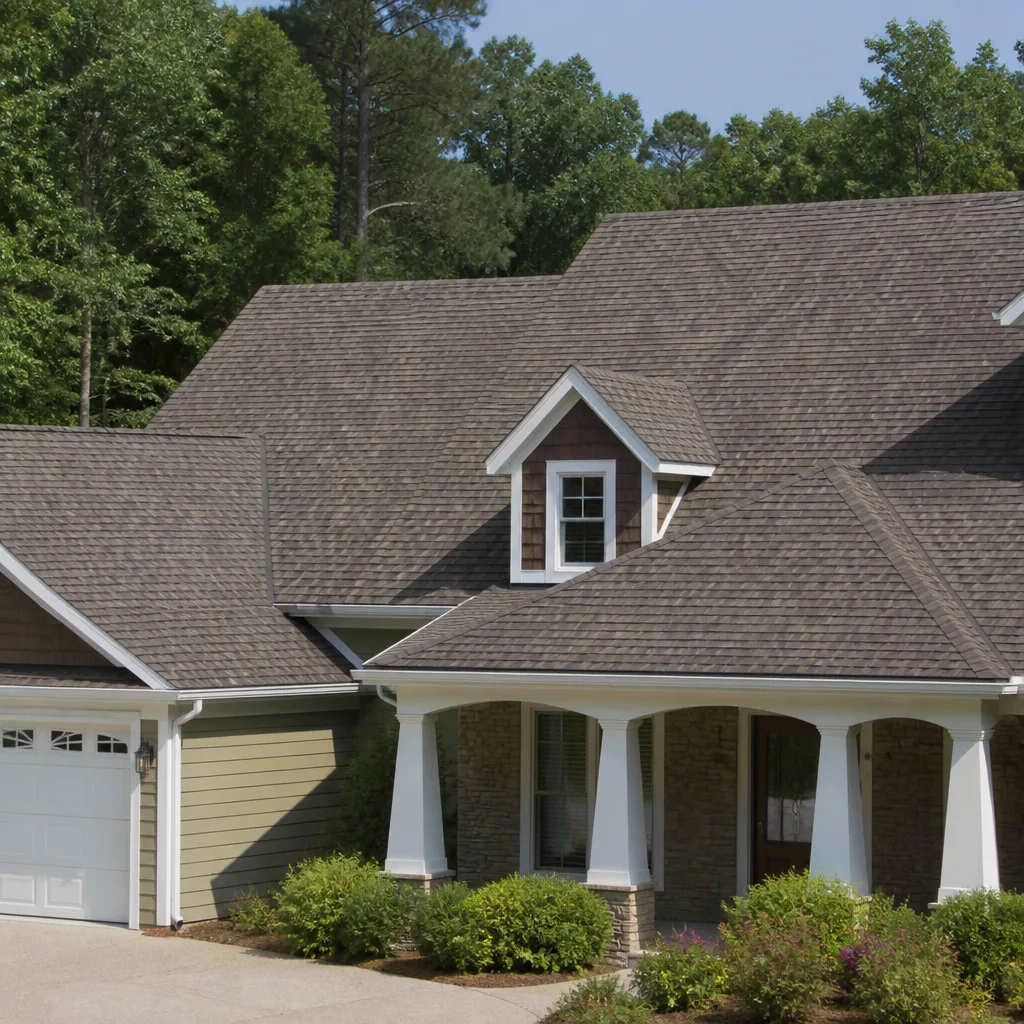
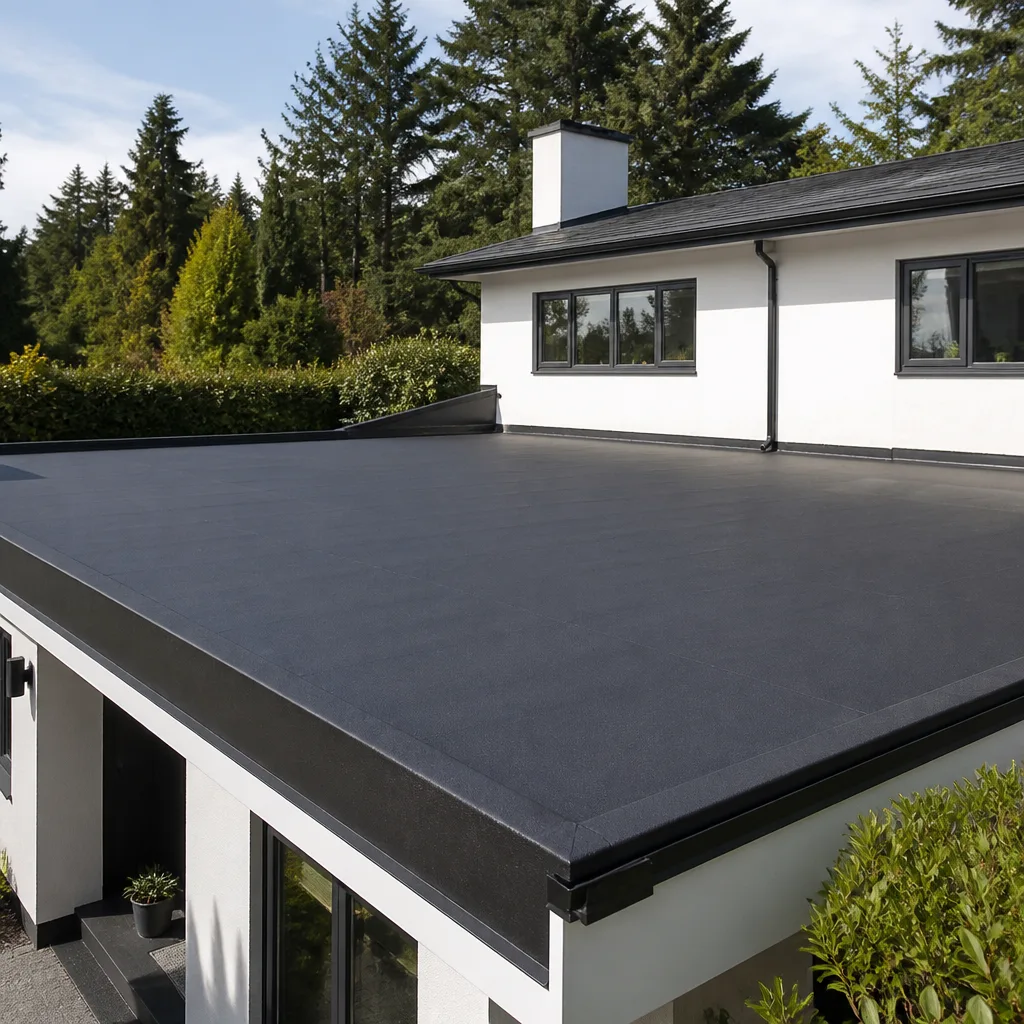
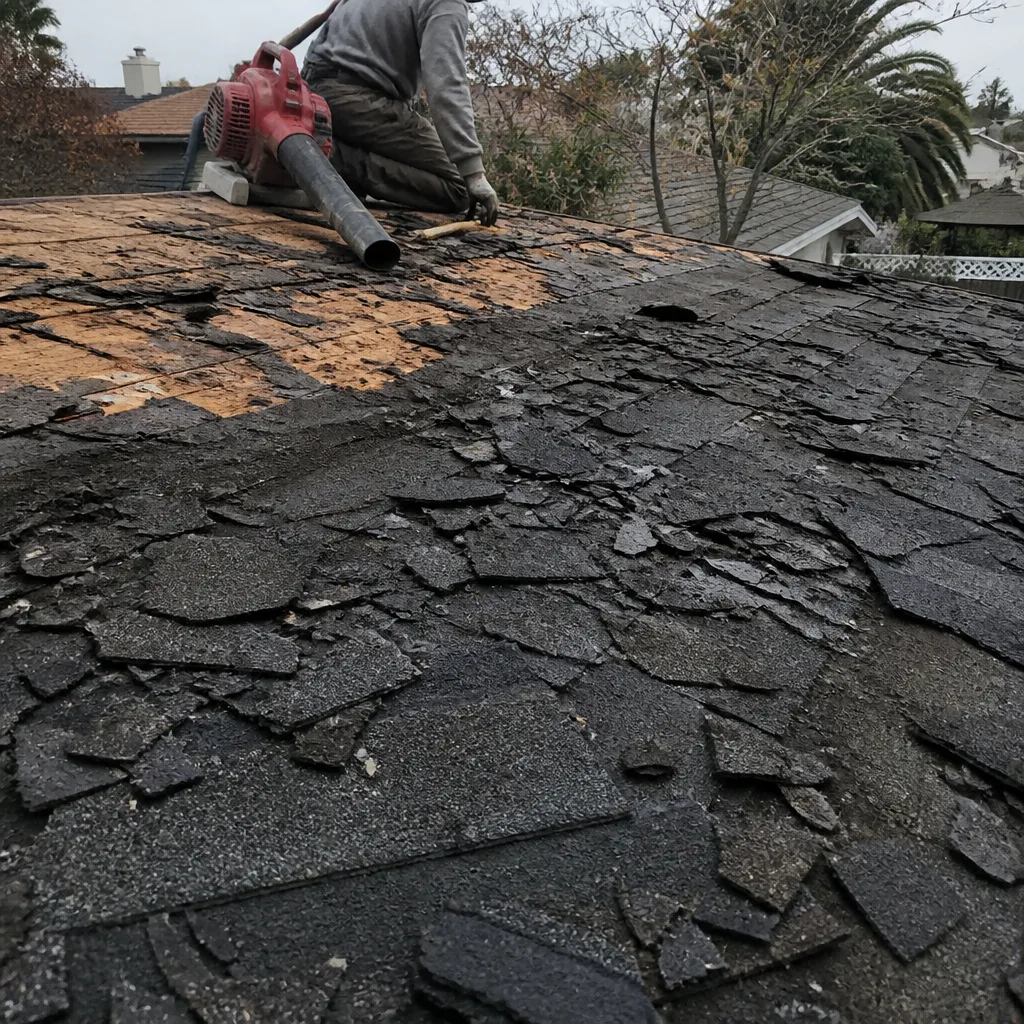 Before
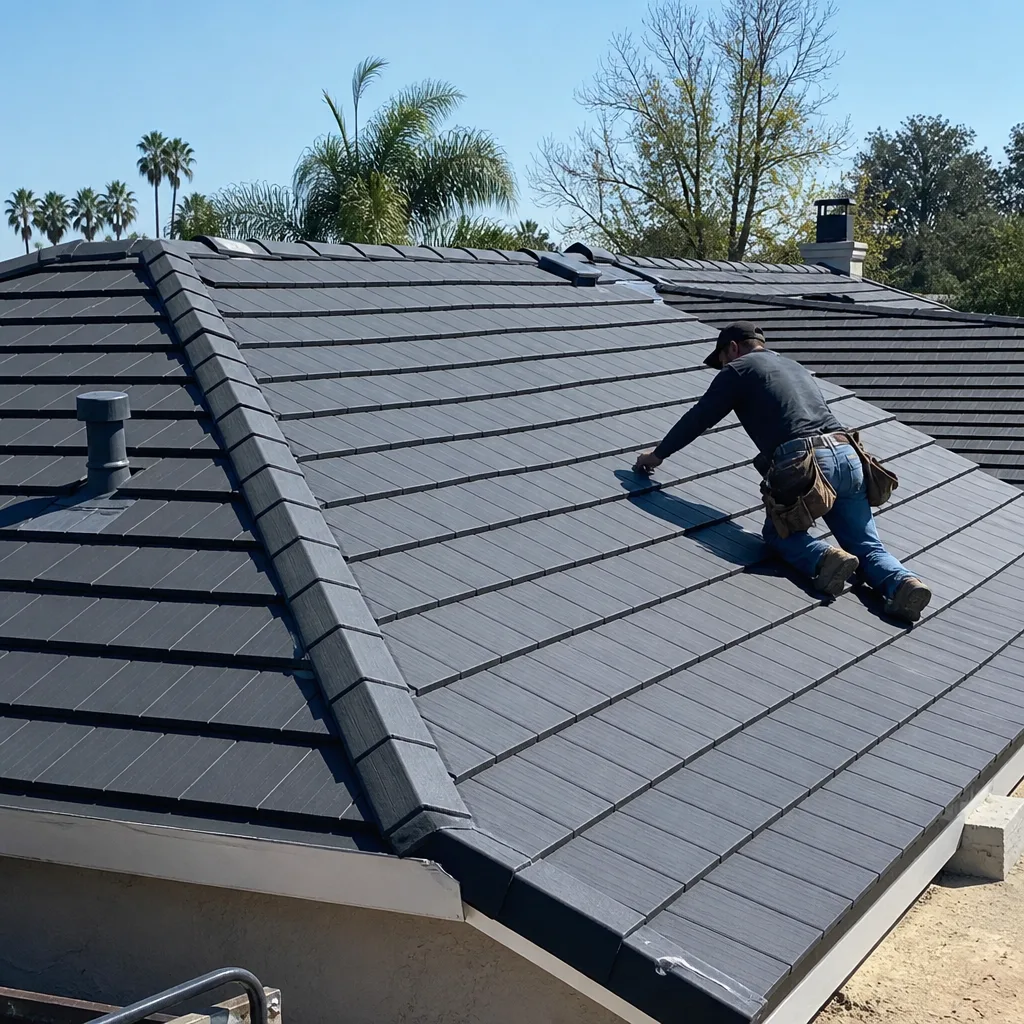 After
After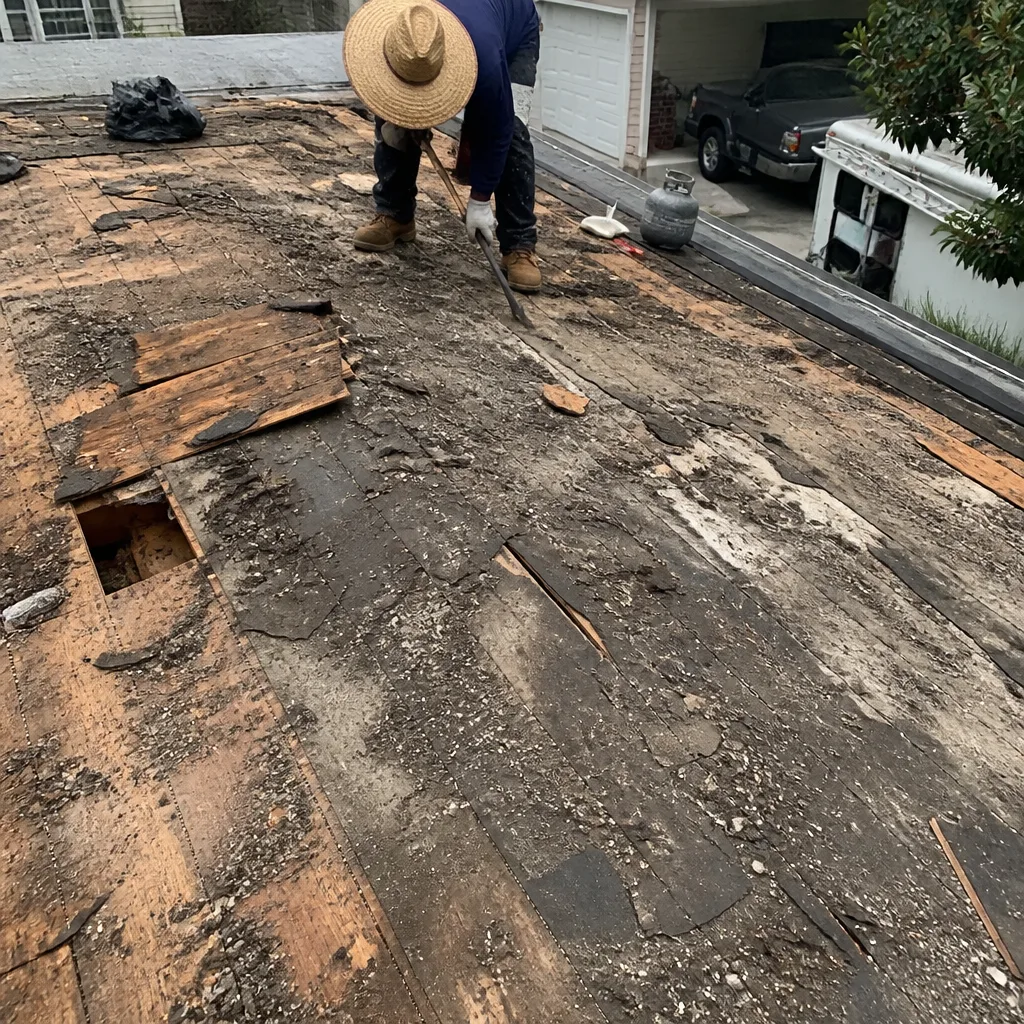 Before
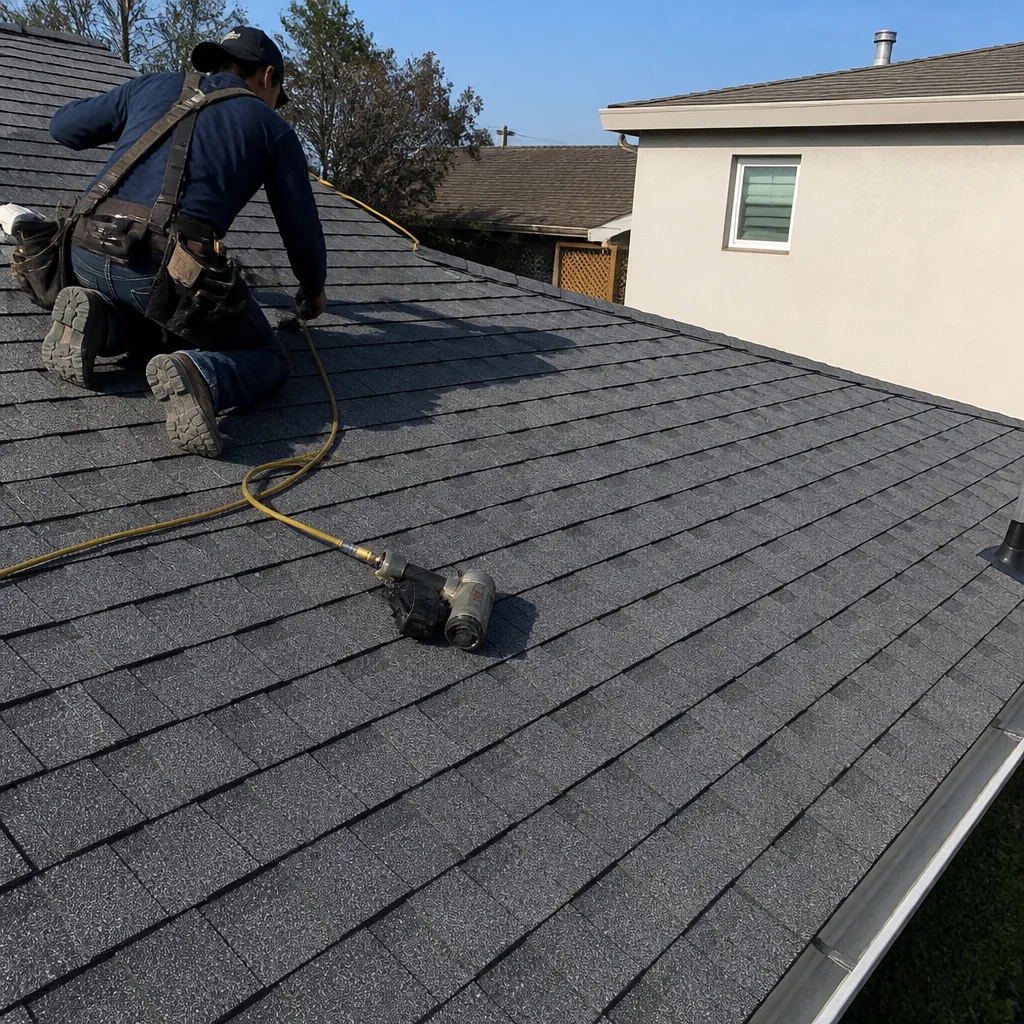 After
After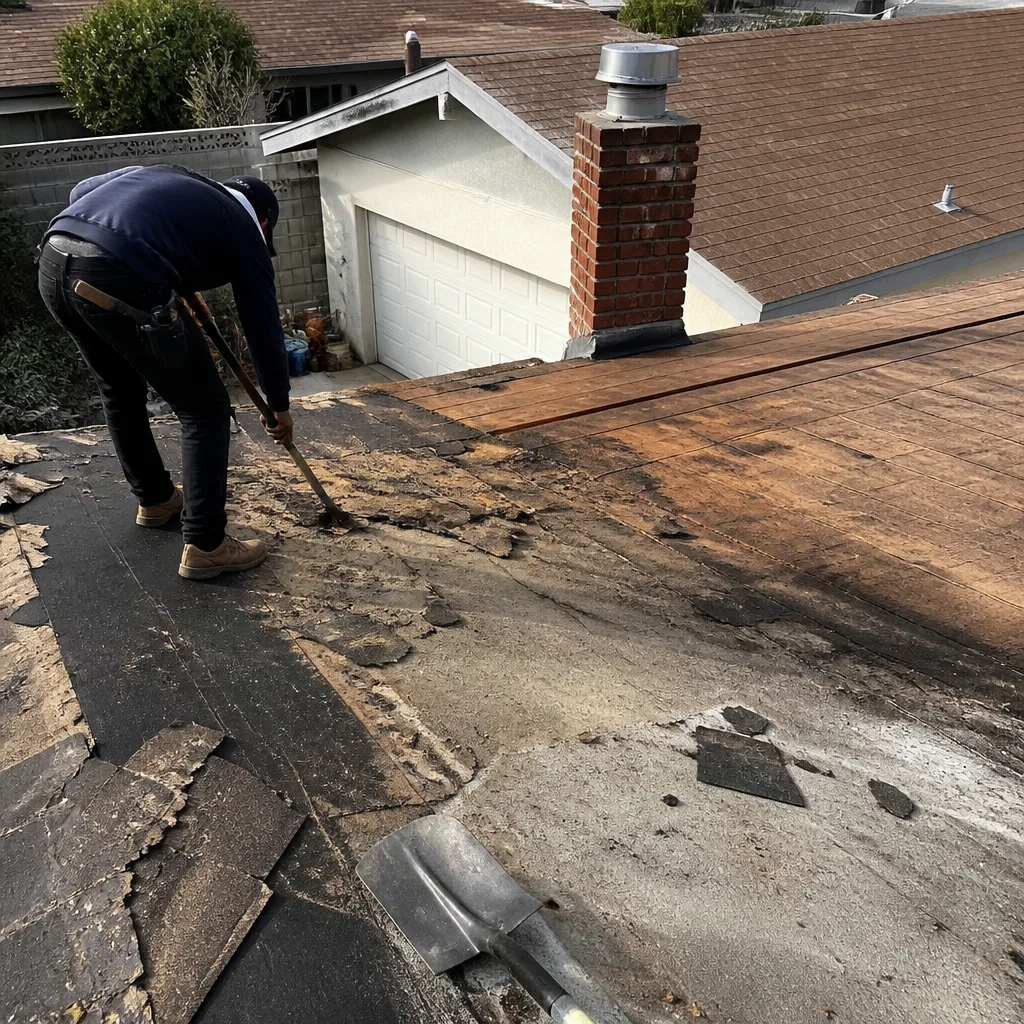 Before
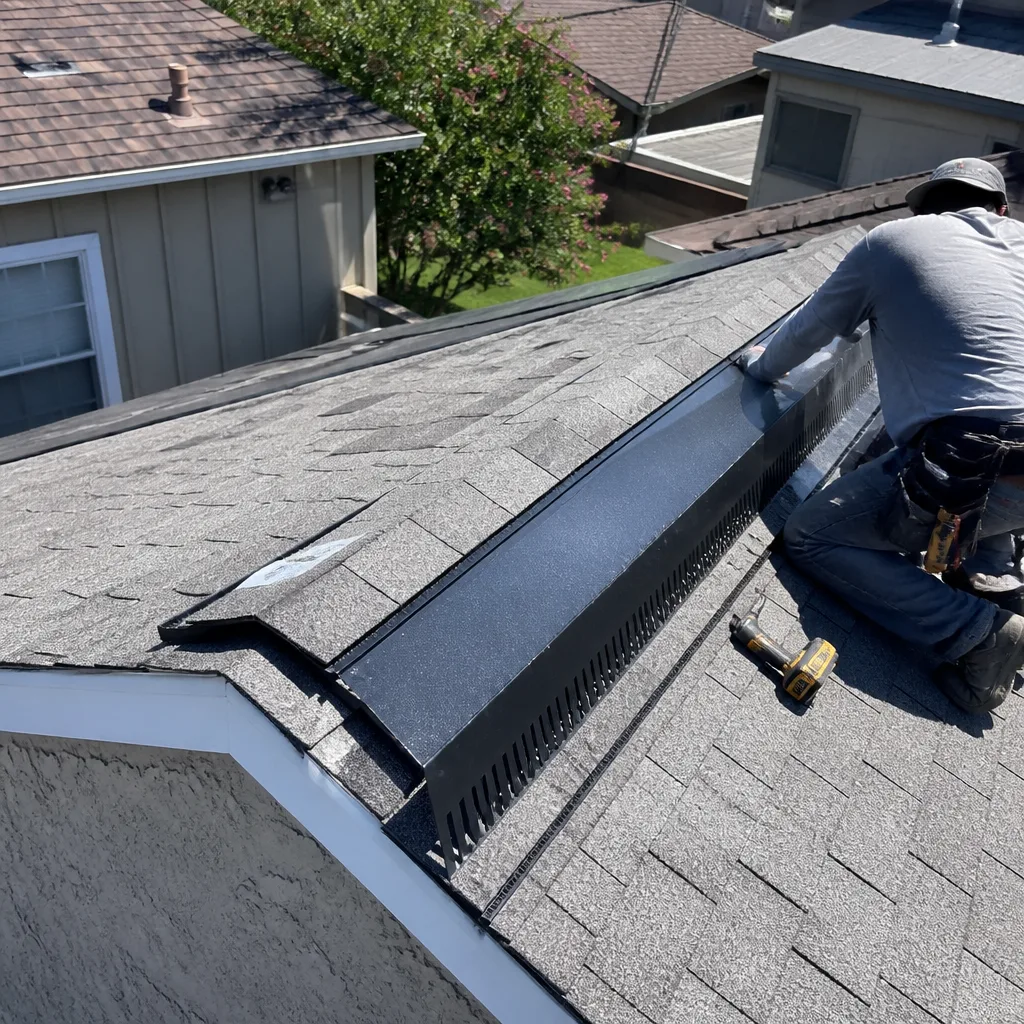 After
AfterRoofing Cost Breakdown: The Los Angeles Homeowner’s Reference for 2026
Two Los Angeles roofing quotes separated by $4,000 often contain identical materials. We’ve pulled apart enough estimates in this city to know the difference usually lives in six line items one contractor listed and the other absorbed into a single number you can’t audit. This guide walks through those line items one by one, with 2026 Los Angeles market ranges, so you can compare quotes at the detail level where the real money hides. For Roofing Warning Signs: A Los Angeles Homeowner’s Reference Guide on spotting trouble early, see our companion post.
Quick Answer
A full tear-off roof replacement on a typical 1,800 sq ft Los Angeles home runs between $14,500 and $27,000 in 2026, depending on slope, material, and decking condition. Repairs generally cost $450 to $1,800 per job. The key to a fair quote is not the bottom line but whether haul-away, permit fees, underlayment, and re-decking are itemized and priced in writing before work begins. Our Roofing Permits, Codes & Inspections in CA: What You Need to Know breaks down what those permit fees actually cover.
Table of Contents
- The Real Line-Item Breakdown: What an 1,800 Sq Ft LA Roof Actually Costs
- Why Los Feliz, Eagle Rock, and Glassell Park Homes Carry a 20-35% Labor Premium
- Tear-Off vs. Overlay: The Cost Difference and Why LA County Inspectors Flag Overlays
- How to Read a Written Estimate: The Five Omitted Line Items That Create Surprise Charges
- What a Fair Payment Schedule Looks Like in California
- Material Cost Drivers: Where Shingle Brand and Underlayment Move the Number
- How Los Angeles Climate Affects Roof Wear and Replacement Timing
- Common Mistakes to Avoid
The Real Line-Item Breakdown: What an 1,800 Sq Ft LA Roof Actually Costs
We’ve built this breakdown from quotes we see across Los Angeles, from the San Fernando Valley to the Westside, adjusted for 2026 material and labor rates. A 1,800 sq ft single-story home with a 4:12 pitch and moderate accessibility is the baseline. Your number will move if your roof is steeper, taller, or surrounded by mature trees.
- Materials (shingles, ridge cap, fasteners): $6,200-$9,800. Architectural asphalt shingles from Atlas, IKO, or Tamko land in the middle of this range depending on grade and warranty level.
- Underlayment (synthetic): $1,100-$1,800. Synthetic underlayment has become standard on LA roofs because it holds up better than felt during the rainy season’s intermittent downpours.
- Labor (tear-off and install): $5,500-$9,500. This is the line item most prone to silent markup on steep-slope homes.
- Tear-off and haul-away (existing roof): $1,200-$2,200. Disposal fees at Los Angeles transfer stations have risen steadily, and some contractors quote this separately while others bury it.
- Decking / re-sheathing allowance: $900-$2,600. Most older LA homes need at least some plywood replaced once the old roof comes off. A quote without a decking allowance line is incomplete.
- Permits and inspections: $450-$950. The Los Angeles Department of Building and Safety requires permits for full replacements, and the fee is tied to valuation.
- Ventilation and flashing upgrades: $500-$1,400. Ridge vents, pipe boots, and step flashing often need replacement rather than reuse.
Total: $14,850-$27,250. If you receive a quote outside this range in 2026, ask which specific line item explains the difference. You deserve a written answer, not a shrug.
Why Los Feliz, Eagle Rock, and Glassell Park Homes Carry a 20-35% Labor Premium
The hillside neighborhoods of Northeast Los Angeles have some of the oldest and most architecturally distinct homes in the city, and their roofs are rarely friendly to a crew. Steep pitches, second and third-story access, narrow driveways, and mature oaks that overhang the ridge line all add hours to a job. Labor on a 7:12 or 8:12 pitch runs 20-35% higher than on a standard 4:12, and that’s before factoring in staging or ladder access constraints.
Here’s what that premium covers and how to spot whether it’s legitimate in your quote:
- Fall protection and safety systems: Steep-slope work requires harnesses, roof brackets, and sometimes scaffolding. Cal/OSHA enforcement in Los Angeles has grown stricter, and compliant contractors price safety into the labor line rather than cutting corners.
- Slower tear-off: Shingles come down differently on a 45-degree surface. Crews work in shorter, safer intervals, which extends labor hours.
- Access and staging constraints: A home on a hillside lot in Glassell Park may have no flat staging area, forcing crews to hand-carry materials from the street or use roof-top delivery. That time shows up as a line item even when the shingle is identical to a flat-lot job in the Valley.
- Decking surprises: Older hill homes in Los Feliz and Eagle Rock were often built before modern sheathing standards, and the steeper the roof, the more likely hidden rot hides beneath the shingle layer.
If you live in one of these ZIP codes and your quote’s labor line doesn’t reflect a premium, ask the contractor how they handle slope safety. If the answer is vague, that’s your signal to keep looking.
Tear-Off vs. Overlay: The Cost Difference and Why LA County Inspectors Flag Overlays
An overlay means installing a second layer of shingles over the existing roof without removing it. It typically saves $1,200 to $2,800 on an 1,800 sq ft home because there’s no tear-off, no haul-away, and no decking exposure. That’s the appeal, and it’s also where the trouble starts.
Los Angeles County building codes limit most residential roofs to two layers, and an overlay on a roof that already has two layers violates that standard. Inspectors from the Los Angeles Department of Building and Safety are increasingly flagging overlays during re-sale inspections, which means a shortcut today can become a mandatory tear-off before you can close a sale. For how to prepare, see our Roofing Emergency Preparedness Guide for Los Angeles Homes. Buyers’ inspectors now routinely check layer count as part of standard due diligence.
Beyond code, an overlay hides problems:
- You can’t see decking damage. The old roof stays in place, so rotted plywood stays hidden and worsens.
- Shingles don’t lay flat over older, uneven surfaces. Warranty claims on overlay jobs get denied more often because the manufacturer can’t control the substrate.
- Added weight stresses older framing, especially in hillside homes built before modern load calculations.
- The “savings” often evaporates when a future replacement has to remove two layers instead of one, doubling haul-away volume and disposal fees.
Our recommendation for Los Angeles homeowners is a full tear-off every time. You get a clean look at the decking, an honest inspection, and a roof that complies with code without asterisks. The savings from an overlay usually come back as a cost within five to ten years.
How to Read a Written Estimate: The Five Omitted Line Items That Create Surprise Charges
A one-page bid with a single number at the bottom is not an estimate. It’s a guessing game where the homeowner always loses. Here are the five line items most often left off Los Angeles roofing quotes, in order of how frequently they produce a surprise charge after work begins:
- Haul-away and disposal: The old roof has to go somewhere, and Los Angeles transfer station fees are real. If there’s no “tear-off and haul” line, expect a call mid-project or a lump charge at the end.
- Decking / re-sheathing allowance: A quote that says “decking as needed” without a per-sheet price is a blank check. You should know how much a sheet costs before the crew finds rot, not after.
- Permit fees and inspection scheduling: Legitimate Los Angeles permits cost money, and someone has to coordinate the inspection. Contractors who omit this line are either skipping permits or planning to bill it later.
- Drip edge and flashing replacement: Reusing old flashing is common and commonly wrong. If the quote doesn’t mention new drip edge at minimum, the install may not meet current code.
- Starter shingles and ridge cap: The field shingles are the show, but the starter course and ridge cap are what stop leaks. Cheap quotes often skip upgraded components here.
At Birchbark Roofing, we provide a written price in dollars before any work starts, and that price includes every line item above. No allowances framed as vague ranges, no “to be determined” after tear-off. You see the number, you approve it, and that’s the number you pay.
What a Fair Payment Schedule Looks Like in California
California law is unusually clear on this point: a contractor may not ask for more than 10% of the total job cost or $1,000, whichever is less, as a down payment before work begins. Any roofer in Los Angeles asking for more than that upfront is operating outside state legal norms, regardless of what their contract says. That’s not a negotiation tactic; it’s Business and Professions Code.
A fair payment schedule for a roof replacement in Los Angeles typically looks like this:
- Deposit at contract signing: 10% or $1,000, whichever is less. This holds your spot and covers initial material ordering.
- Progress payment: Tied to a visible milestone, such as completing tear-off or passing the first inspection. The specific milestone should be written in the contract, not described verbally.
- Final payment: Due only after final inspection passes and you’ve walked the property to confirm clean-up. If a contractor wants final payment before the inspector signs off, that’s a red flag.
You should also see a written schedule for how payments relate to work completed. At Birchbark Roofing, our written price includes a clear payment structure so there’s no ambiguity about when money changes hands and what work triggers each payment. Ask your contractor to put it in the contract. If they won’t, that’s your answer.
Material Cost Drivers: Where Shingle Brand and Underlayment Move the Number
Shingle brand matters less to your price than shingle grade and warranty structure, but understanding the spread helps you evaluate quotes. Here’s what we tell Los Angeles homeowners who ask us to explain the difference between brands we install:
- IKO: Known for mid-range architectural shingles with strong wind ratings, which matter on exposed hillside roofs in the Santa Monica Mountains and parts of the Palos Verdes Peninsula.
- Atlas: Their “Scotchgard” algae-resistance line is relevant for Los Angeles homeowners in coastal zones where marine layer moisture creates stubborn streaking.
- Tamko: Competitive pricing on traditional architectural shingles makes this a solid value for standard-slope roofs in the San Fernando Valley and South Bay flat-lot neighborhoods.
Underlayment is the sleeper cost driver. Synthetic underlayment in 2026 runs higher than felt but almost every Los Angeles contractor we know has moved to synthetic because it’s lighter, tougher, and holds up better when an atmospheric river sits over the city for three days. If a quote pairs premium shingles with cheap felt underlayment, ask why. The shingle is only as good as what sits beneath it.
How Los Angeles Climate Affects Roof Wear and Replacement Timing
Los Angeles roofs don’t fail from snow or ice, but they fail in ways unique to our climate. Prolonged UV exposure breaks down shingle granules faster than almost anywhere in the country, especially on south-facing slopes in neighborhoods like Sherman Oaks, Studio City, and Pasadena where the afternoon sun beats directly on the deck. A roof that lasts 30 years in Seattle may lose five to seven years in Los Angeles simply from sun damage.
Then there’s the rain pattern. Los Angeles gets roughly 14 inches per year, but it arrives in concentrated winter storms that test every seam and flashing joint. A roof that survived the dry season can spring multiple leaks in a single January downpour because small cracks never had water to find them before. The Santa Ana winds add another failure mode, lifting corners and driving debris across valleys where most of the city’s roofing material ends up in gutters.
What does this mean for cost? Plan for replacement slightly earlier than manufacturer warranties suggest, and don’t ignore a minor leak during a dry stretch. The cost to repair a small flashing issue is a fraction of replacing decking that’s been quietly rotting through six rainless months. We’ve walked onto roofs in Los Angeles where a single lifted shingle from a Santa Ana event led to a full re-sheathing job by the time anyone noticed the water stain on the ceiling.
Common Mistakes to Avoid
- Comparing bottom-line numbers without comparing line items. A $19,000 quote with haul-away included is cheaper than an $18,000 quote with a likely $2,000 disposal bill added later. Read the detail lines, not the total.
- Accepting “decking as needed” without a per-sheet price. You need a number, not a promise. A per-sheet price on plywood in writing means you know exactly what rot replacement will cost.
- Signing a contract that omits the permit line item. Some Los Angeles contractors skip permits to save money and time, but an unpermitted roof creates problems when you sell or file an insurance claim. Permits protect you, not just the city.
- Paying more than 10% upfront. California law caps contractor down payments at 10% or $1,000, whichever is less. A larger request is a legal violation, no matter how reasonable it sounds.
- Choosing an overlay to save $2,000. The short-term savings disappear when inspectors flag the second layer, decking rot stays hidden, and the next replacement costs more because there’s twice as much to tear off.
- Not asking how the crew protects your home during tear-off. Old nails end up in driveways and flower beds. Ask about drop cloths, magnetic sweeps, and daily clean-up before you sign.
- Assuming all warranties are equal. A manufacturer warranty covers shingles; a workmanship warranty covers the install. You want both, in writing, with clear terms for who to call if something fails.
When to Call a Professional
Roofing sits at the top of the list of home jobs where DIY costs more than it saves. The danger of working at height, the complexity of flashing details around chimneys and vents, and the reality that one missed nail pattern voids your manufacturer warranty all point the same direction. If you see water stains on a ceiling, granule buildup in gutters, lifting shingles after a wind event, or daylight through the attic boards, call a professional. If your roof is over 18 years old and you’re planning to sell, a pre-listing inspection from a roofer will help you price the home accurately and avoid a renegotiation. Birchbark Roofing offers free estimates in Los Angeles. Call (424) 766-4937 and a real person answers, day or night.
Frequently Asked Questions
A full tear-off replacement on a typical 1,800 sq ft Los Angeles home costs between $14,500 and $27,000 in 2026, with most homes falling between $17,000 and $23,000. The range depends on slope, material grade, decking condition, access, and whether the quote includes haul-away and permits. Call (424) 766-4937 for an exact written quote for your roof - estimates are free.
Most of the variation comes from line items that some contractors itemize and others omit: haul-away, re-decking, permit fees, drip edge, and safety equipment for steep-slope work. The shingles themselves vary by only a few dollars per square. When comparing quotes in Los Angeles, place the line items side by side, not just the final numbers.
Yes, an overlay costs $1,200 to $2,800 less upfront because it skips tear-off and haul-away. But Los Angeles inspectors increasingly flag overlays during resale, hidden decking rot stays hidden, and the next replacement costs more because there are two layers to remove. We recommend a full tear-off every time.
California law caps contractor down payments at 10% of the total contract or $1,000, whichever is less. Any Los Angeles roofing contractor asking for more than that upfront is operating outside state legal standards. A written payment schedule tied to milestones should be in your contract.
Yes. The Los Angeles Department of Building and Safety requires a permit for full roof replacements, and the cost typically falls between $450 and $950 depending on project valuation. A quote without a permit line item means the contractor is either skipping the permit or planning to bill it later. Both are problems.
Most single-family homes in Los Angeles take 2 to 4 days from tear-off to final inspection, with steep-slope hill homes sometimes running 4 to 6 days. Weather delays in winter can extend the schedule, especially during atmospheric river events when crews can’t safely work at height. The timeline should be in your written estimate.
The Bottom Line
The roof over your head is only as honest as the estimate that priced it. In Los Angeles’s 2026 roofing market, the biggest cost differences live in line items that some contractors list and others hide. Haul-away, permits, decking, underlayment, and slope safety all cost real money. A contractor who puts every dollar in writing before work starts is giving you something more valuable than a low bid: certainty. Compare at the line-item level, pay attention to the payment schedule, and know that a fair Los Angeles roof replacement is one you can audit from contract to clean-up. Explore more guides & resources from Birchbark Roofing.
Written by Erik Lindgren, Owner at Birchbark Roofing, serving Los Angeles since 2000.