
Last updated October 8, 2026
Free roof inspection with deck photos before we talk money - GAF and Owens Corning certified installation
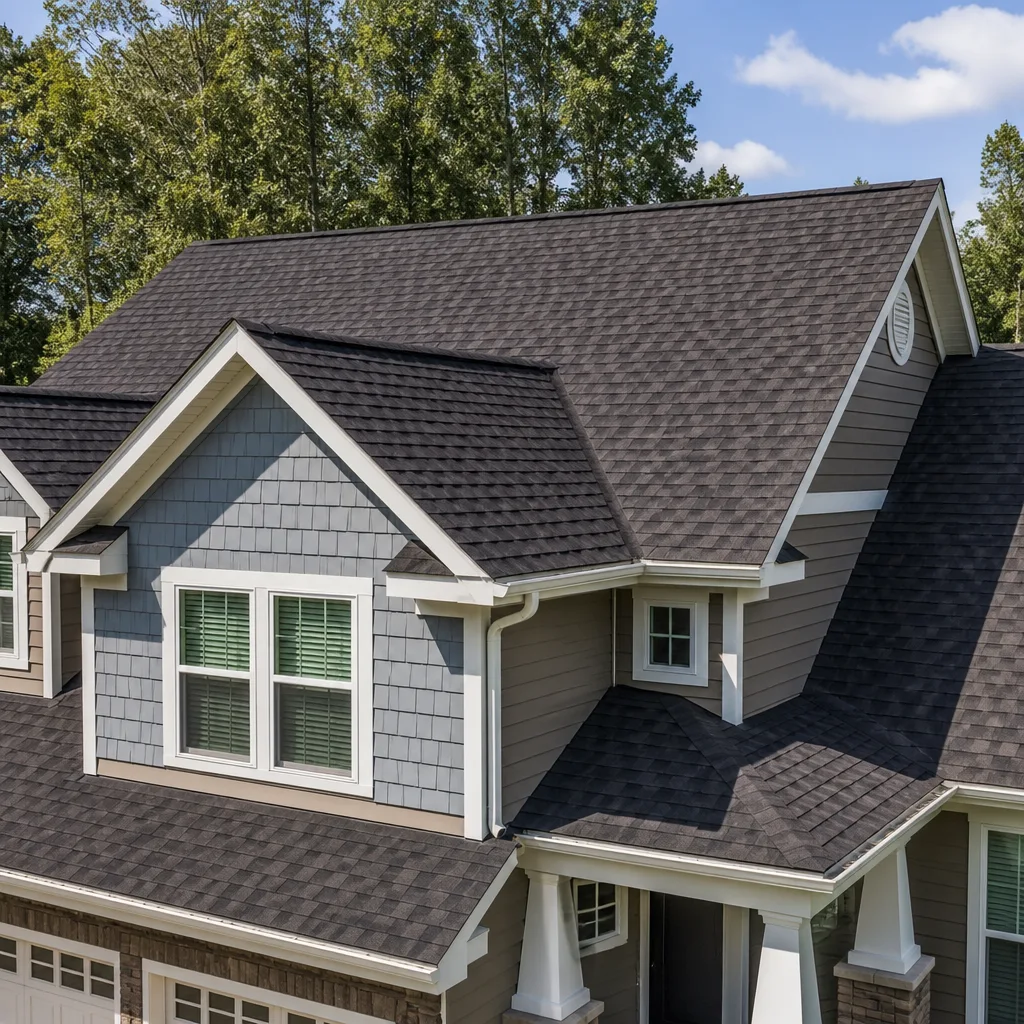
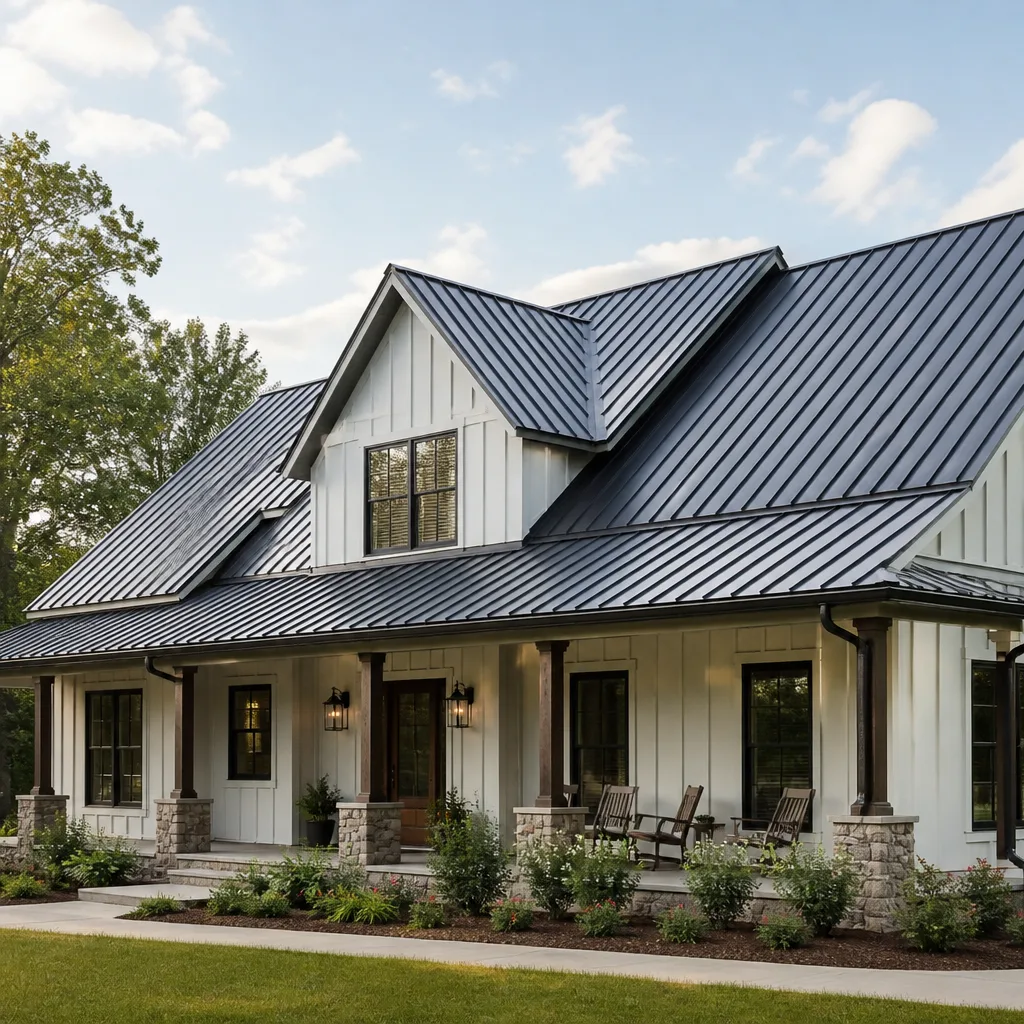
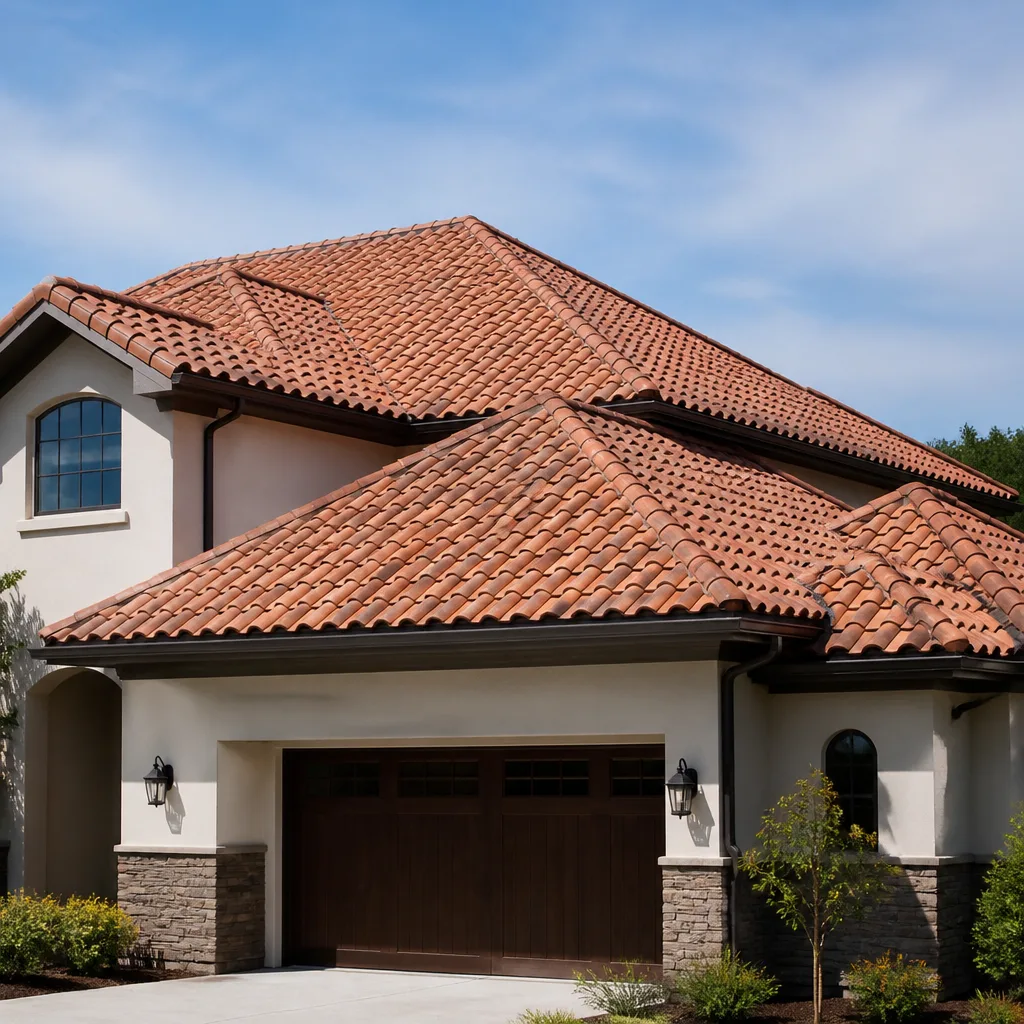
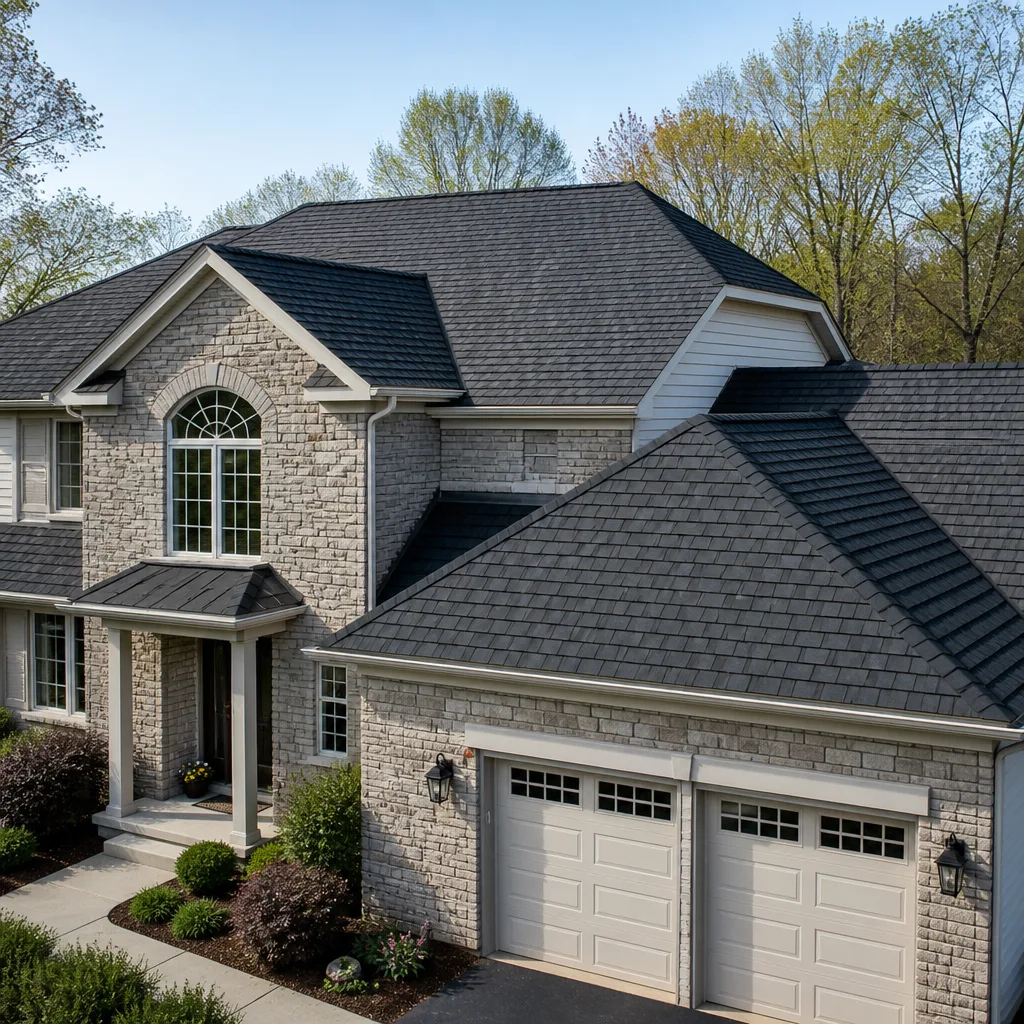
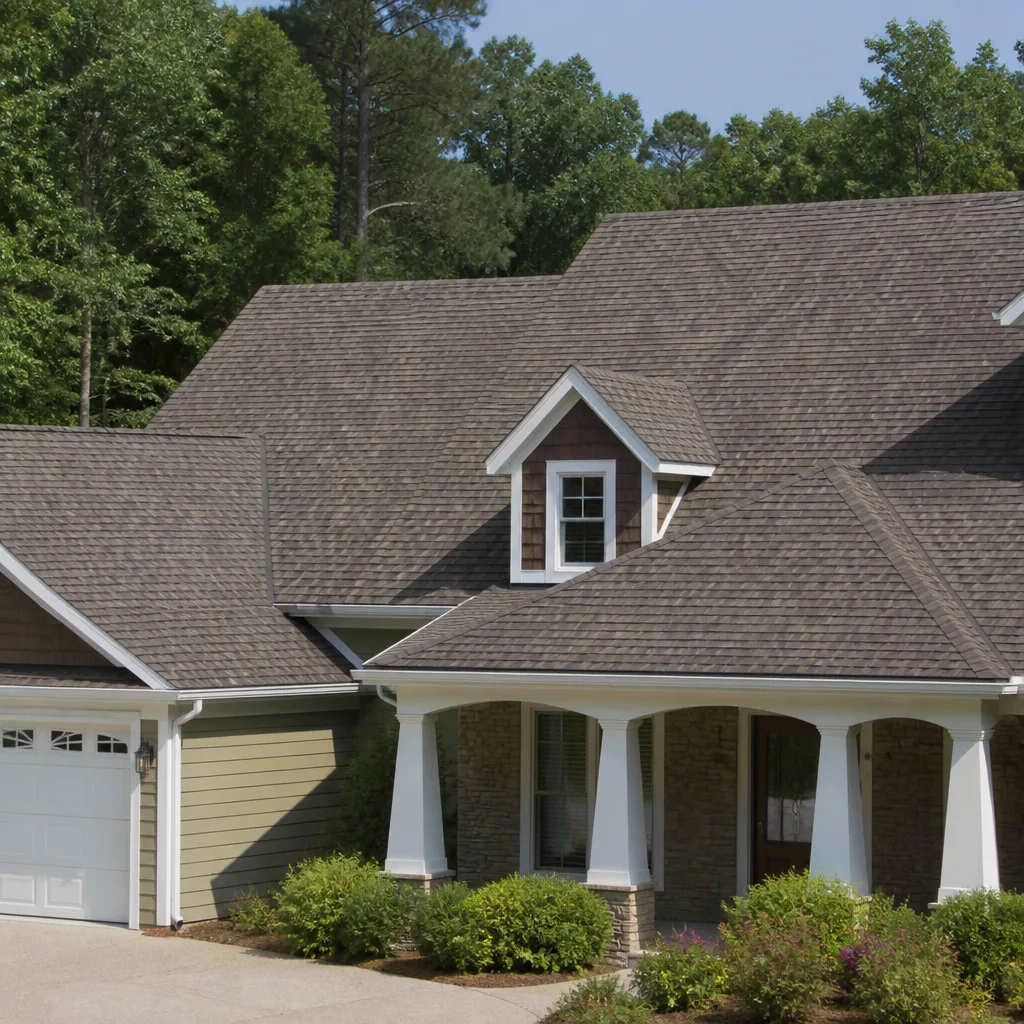
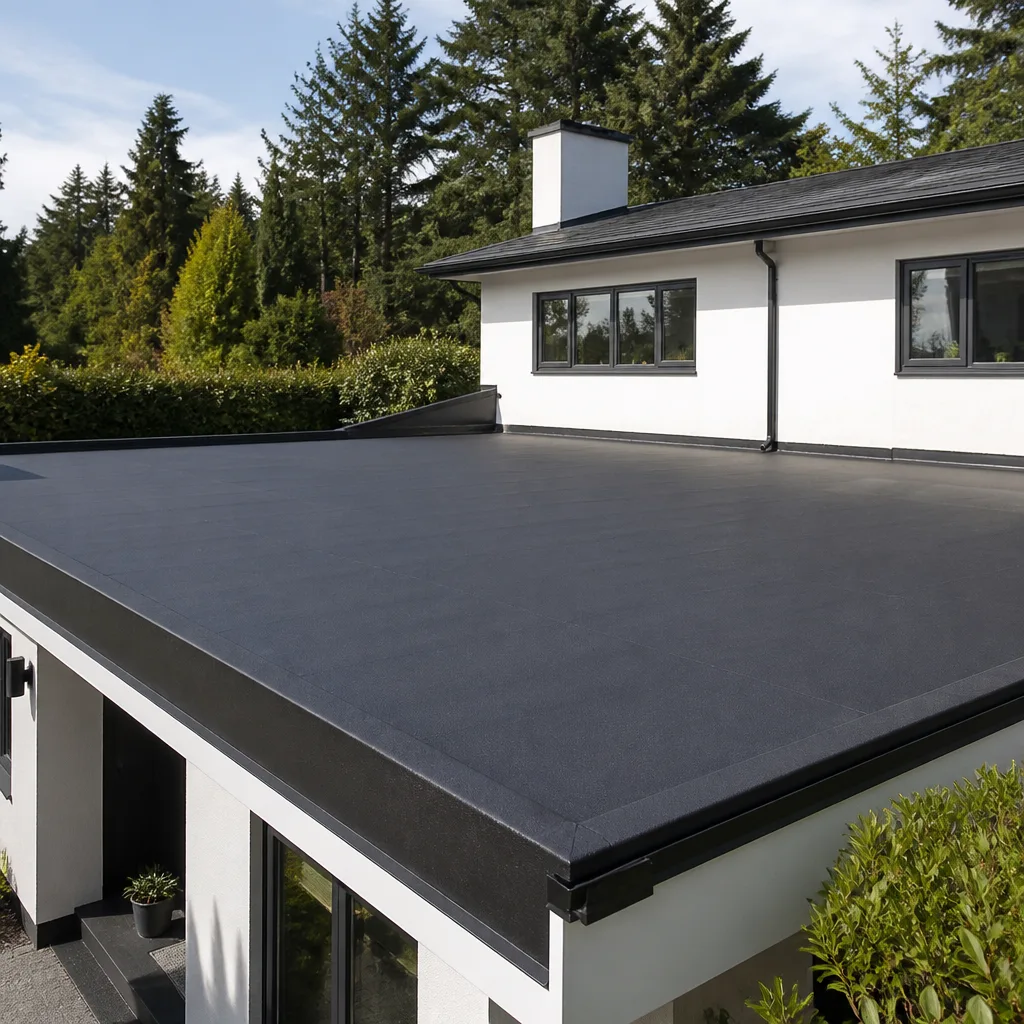
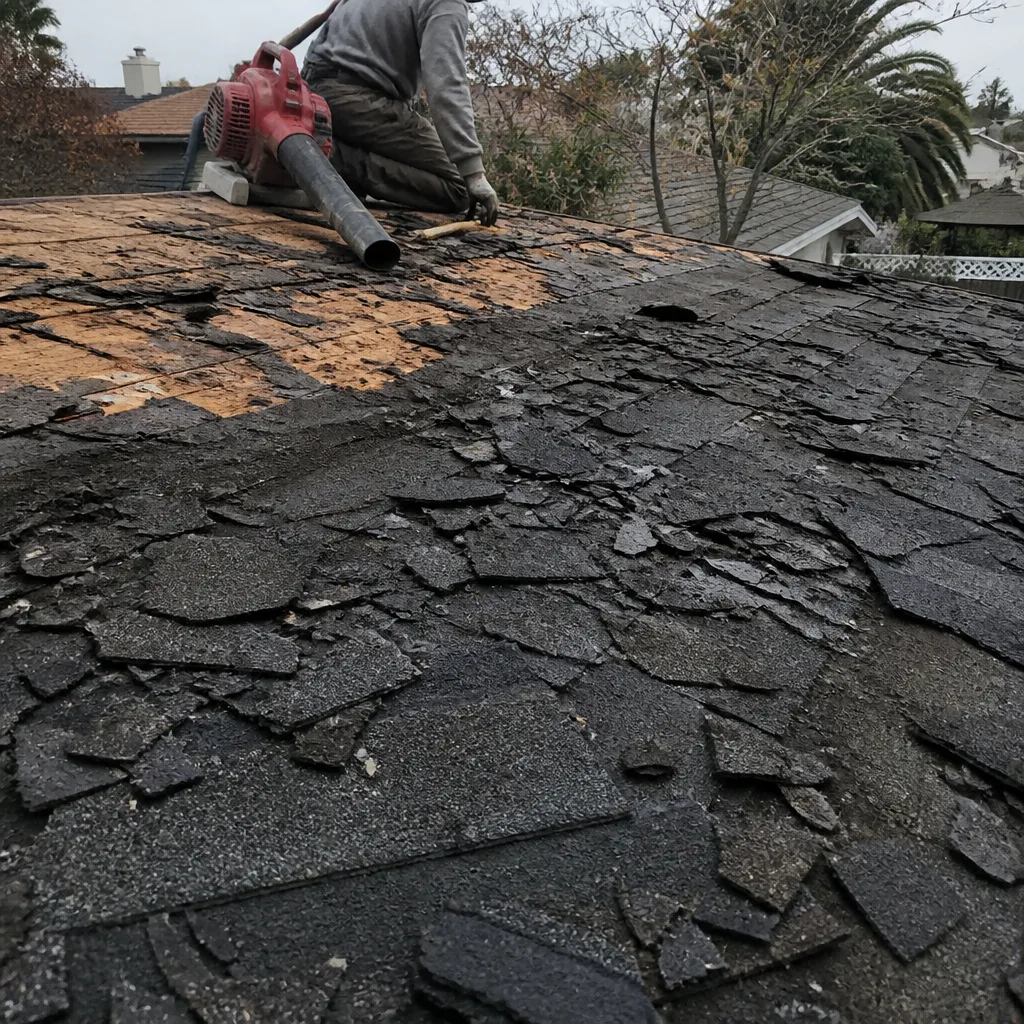 Before
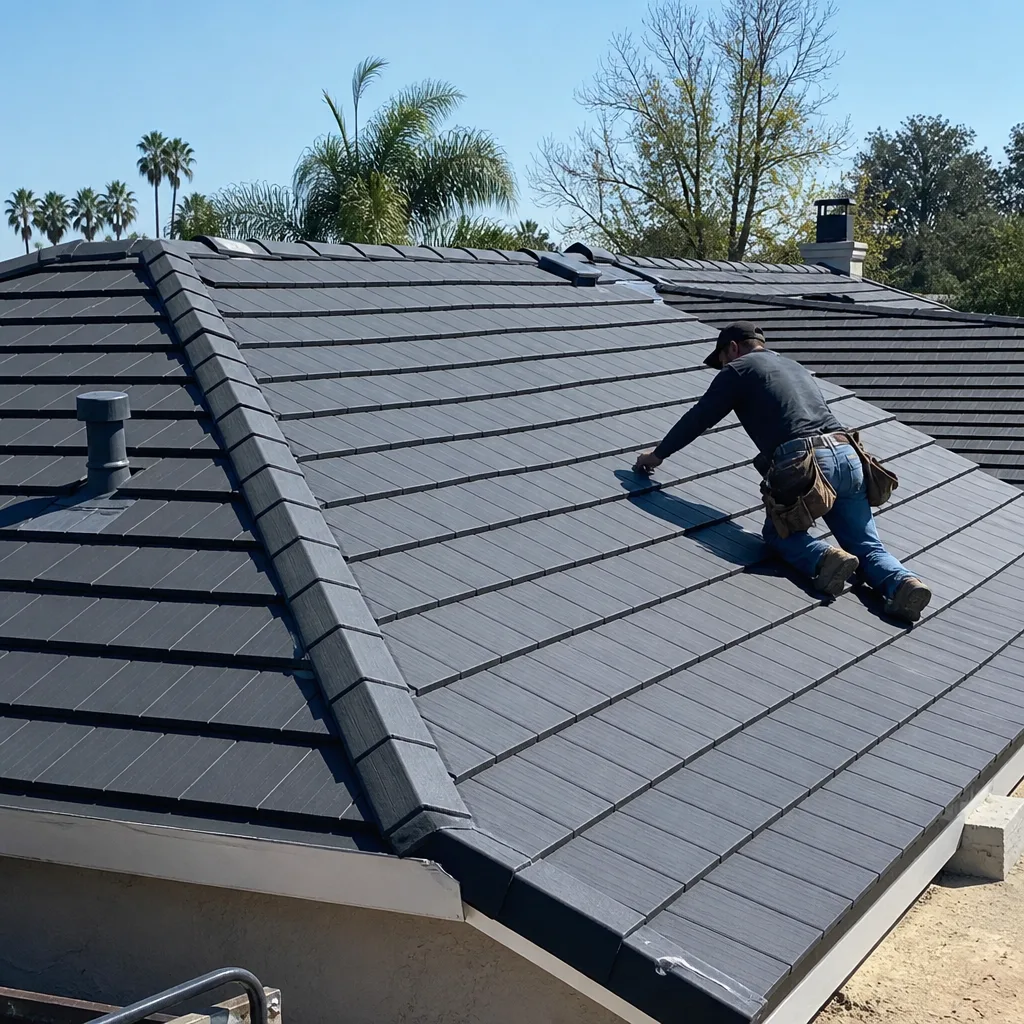 After
After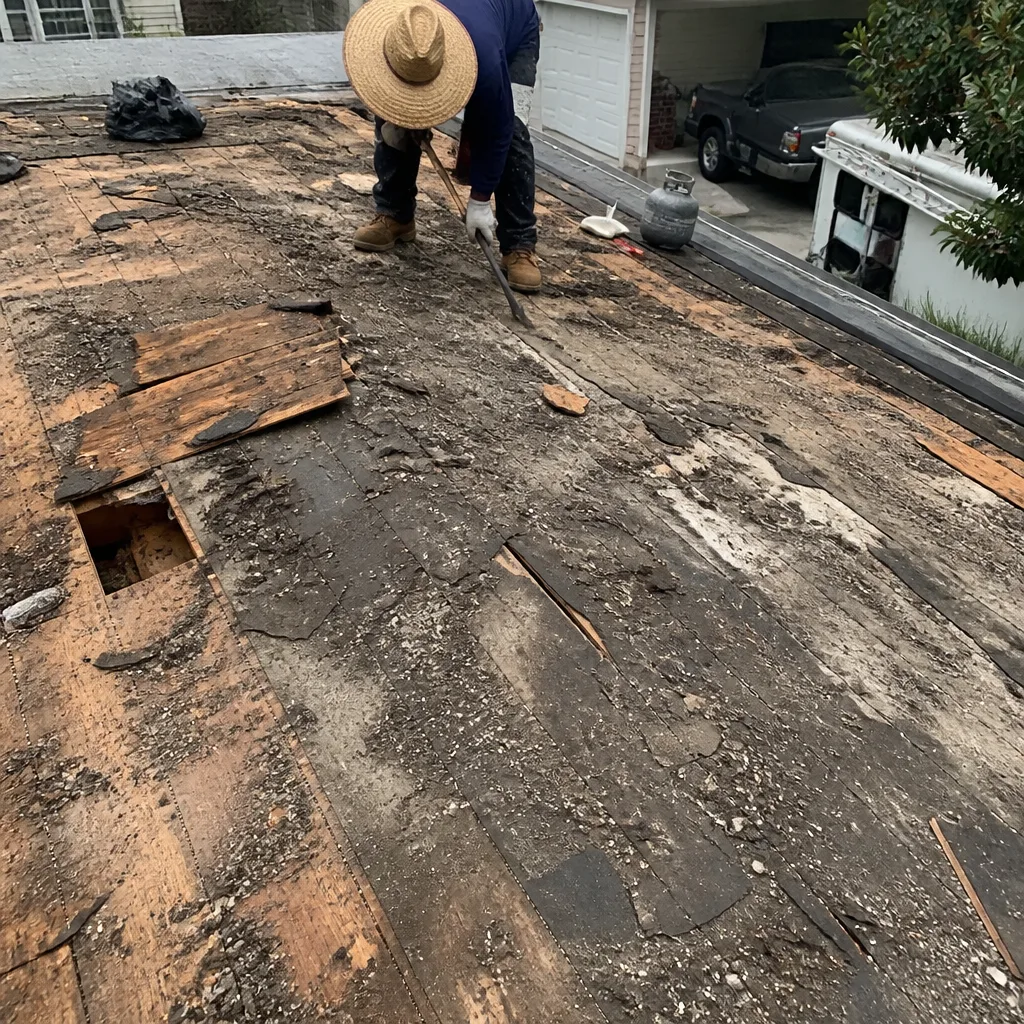 Before
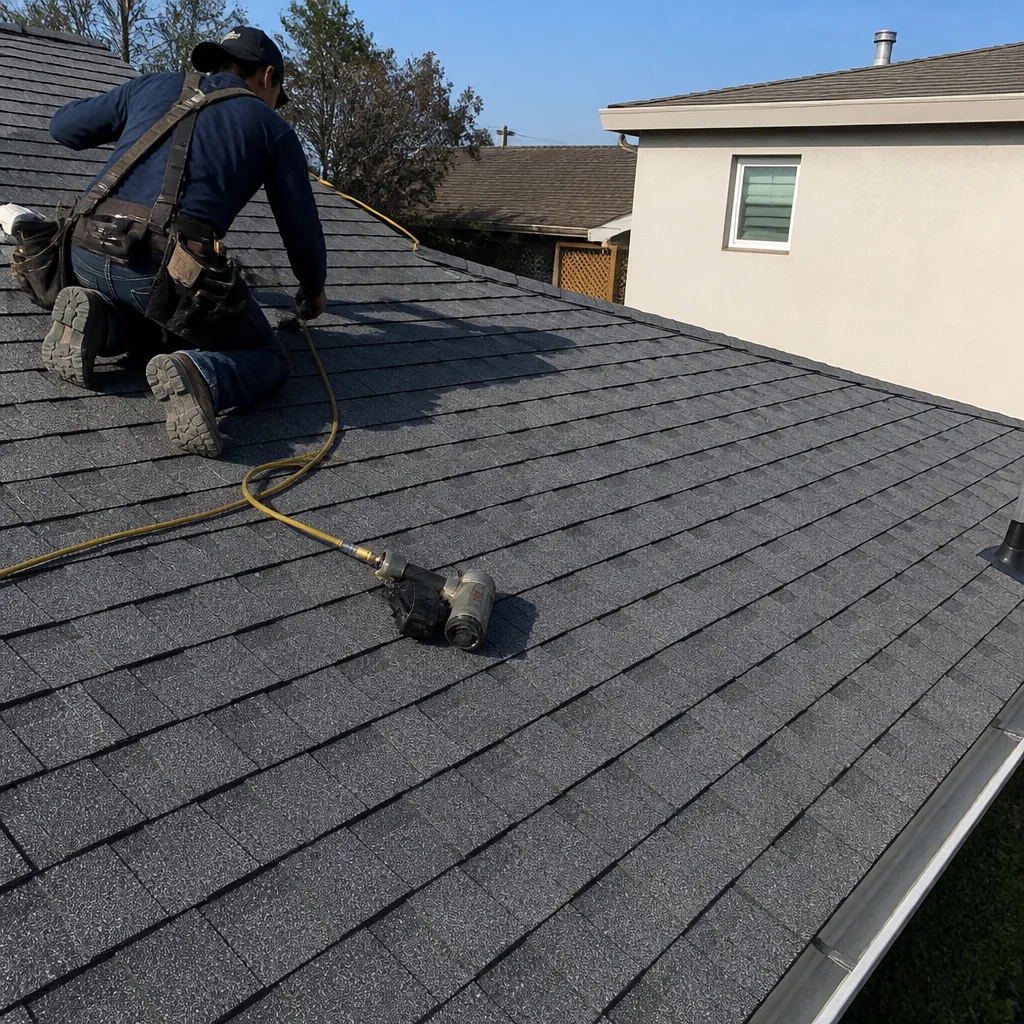 After
After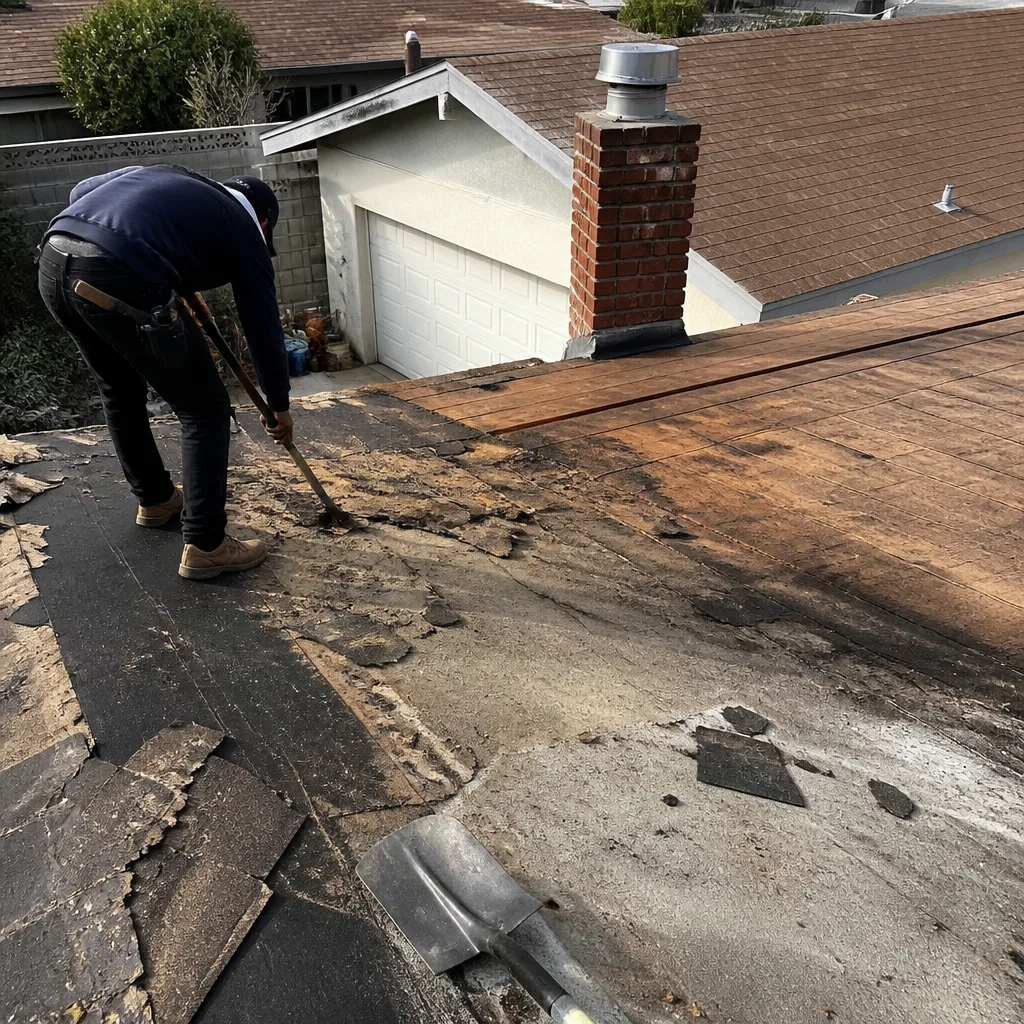 Before
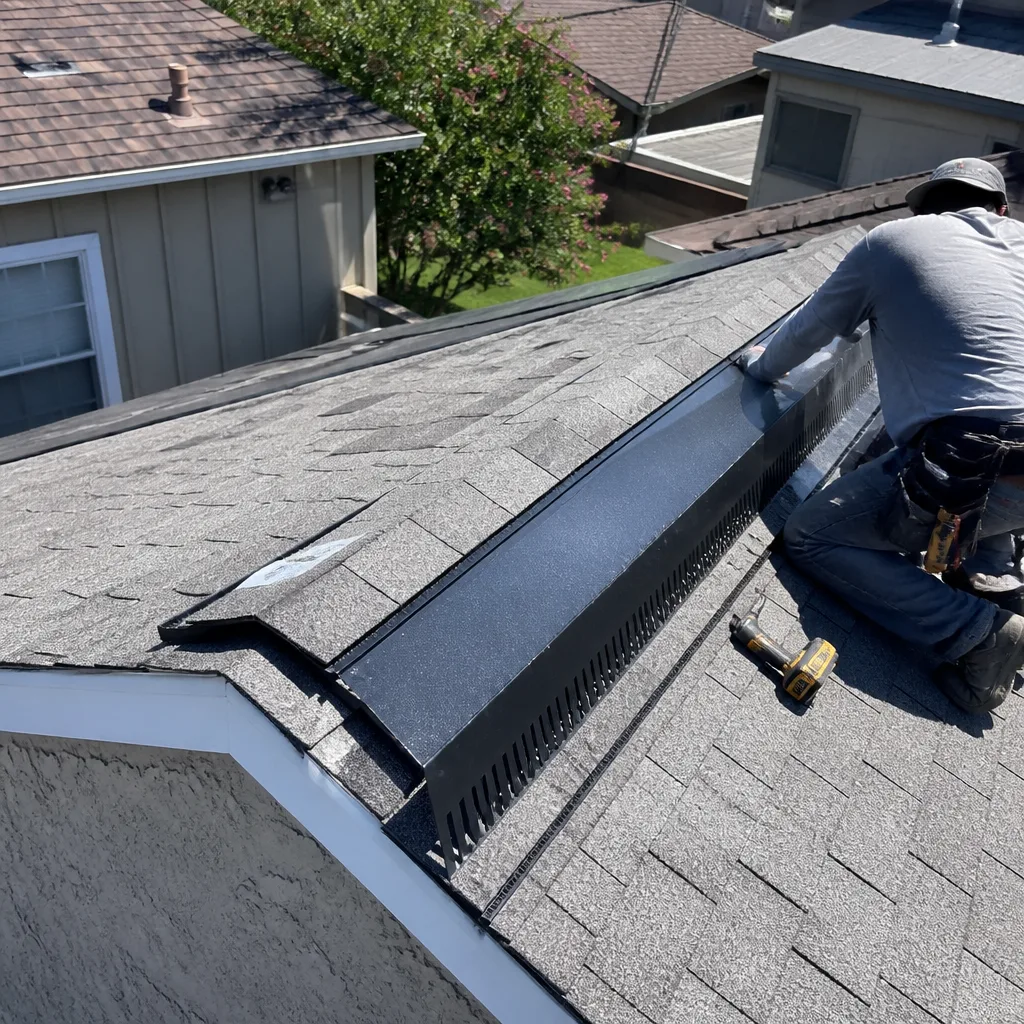 After
AfterRoofing Permits, Codes & Inspections in CA: What You Need to Know
If your roofer suggests “we don’t need a permit for this,” that single sentence could cost you your insurance payout after the next Woolsey-scale fire event. Most Los Angeles homeowners don’t realize that an unpermitted roof becomes a liability that follows the house, not the contractor who installed it. When the insurance adjuster shows up after a claim, when the title company runs its records check before you sell, when the city inspector flags the work years later, the missing permit is your problem. This guide walks you through exactly when a permit is required in Los Angeles, what the inspection process looks like, what Title 24 compliance means for your roof, and the paperwork you need to keep in your files. It’s less bureaucracy than it seems, and it protects more than you might think.
Quick Answer
Roofing permits in Los Angeles are required for any roof replacement, structural repair, or project that removes more than 10% of the roof’s total area, including re-roofing over existing material when it’s the second layer. Repairs under 10% of the roof area are generally exempt from permit requirements but still must meet California Building Code standards. Inspections are handled by the Los Angeles Department of Building and Safety (LADBS), which verifies the roof deck, underlayment, nailing patterns, and Title 24 cool-roof compliance before signing off. The permit and final inspection record protect your insurance claims, your home’s resale value, and your legal standing as a homeowner.
Table of Contents
- When a Los Angeles Roofing Permit Is Required (and When It Isn’t)
- Square-Footage Thresholds: Where the Exemption Line Actually Falls
- Step by Step: How the LADBS Inspection Process Works
- What an Unpermitted Roof Costs You at Sale, on Insurance, and in Fines
- California Title 24 Cool-Roof Requirements and How Inspectors Verify Them
- Documents to Keep After Permit Close-Out: Your Home File Checklist
- Why Hiring a Permitted Contractor Matters More Than the Permit Itself
- Common Mistakes to Avoid
- When to Call a Professional
- Frequently Asked Questions
- The Bottom Line
When a Los Angeles Roofing Permit Is Required (and When It Isn’t)
The short answer: most roofing projects in Los Angeles that involve removing and replacing the roof covering require a permit. The longer answer involves reading the specific wording in the California Residential Code (CRC) Section R105.2, which lists exemptions. Roof repairs that replace less than 10% of the total roof area are exempt from permit requirements, provided the work doesn’t involve structural changes to the roof deck or framing. Once you cross that 10% threshold, you’re into permit territory.
Here’s what requires a permit in the City of Los Angeles:
- Complete roof replacement - tearing off the existing roof covering down to the deck and installing new underlayment and roofing material always requires a permit.
- Re-roofing over an existing layer - adding a second layer of shingles or membrane over the existing roof counts toward the permit requirement, even if the deck isn’t exposed.
- Any repair exceeding 10% of the roof area - a large section of storm damage, extensive dry rot repair, or replacing an entire roof slope typically crosses this line.
- Structural repairs - replacing rafters, trusses, or any part of the roof framing requires a permit regardless of square footage.
- Changing the roof structure - adding a dormer, changing the roof pitch, or installing a rooftop deck.
What’s exempt: small isolated repairs, like replacing a handful of broken tiles or shingles after a wind event, patching a small section of flat roof, or resealing flashing around a vent pipe. These don’t need permits, but they still need to be done correctly. A bad patch job leaks the same as a bad full replacement.
Los Angeles County has its own building department for unincorporated areas, and their thresholds mirror the City of Los Angeles closely but not identically. If you’re in Altadena, Marina del Rey, Topanga, or another unincorporated pocket, the permit comes from LA County Building and Safety rather than LADBS. The 10% rule is the same. The paperwork path is slightly different.
Square-Footage Thresholds: Where the Exemption Line Actually Falls
The 10% exemption creates a math problem most homeowners never run until a contractor mentions it. If your roof is 2,000 square feet, the exemption covers repairs up to 200 square feet. That’s roughly the size of a one-car garage door. A single roof slope on a typical Los Angeles ranch house runs 400 to 600 square feet. So by the time you’re replacing all the shingles on one side of the house, you’re almost certainly over the line.
Here’s how the math works for common Los Angeles home sizes:
- 1,500 sq ft home - roughly 2,100 sq ft of roof area; exemption covers up to 210 sq ft.
- 2,000 sq ft home - roughly 2,800 sq ft of roof area; exemption covers up to 280 sq ft.
- 2,500 sq ft home - roughly 3,500 sq ft of roof area; exemption covers up to 350 sq ft.
- 3,000 sq ft home - roughly 4,200 sq ft of roof area; exemption covers up to 420 sq ft.
The roof area is always larger than the home’s floor area because of overhangs and pitch. A 2,000-square-foot house with a 5:12 pitch roof has roughly 2,600 to 3,000 square feet of roofing surface. That’s why most “repairs” that involve replacing an entire slope, or handling wind damage across multiple sections, land in permit territory once the contractor measures.
We’ve seen this happen in neighborhoods across Los Angeles, from Sherman Oaks to Eagle Rock to Westchester: a homeowner gets three bids, two contractors say “no permit needed, we’ll just fix the damaged section,” and by the time the tarps come off, the crew has replaced a third of the roof. The 10% line gets crossed quietly. The homeowner only learns this when a neighbor reports the work, an insurance agent visits, or a home inspection flags it.
One more detail: the 10% calculation applies to the cumulative repair work over the life of the roof, not per incident. If you replace 8% after one storm and another 5% six months later, the second job technically pushes you over. Contractors who track this properly will tell you. Contractors who don’t won’t.
Step by Step: How the LADBS Inspection Process Works
The Los Angeles Department of Building and Safety runs a structured, multi-visit inspection process for permitted roofing work. Knowing the sequence helps you understand what’s happening on your roof and why the crew stops at certain points. Here’s how a typical permitted re-roof in Los Angeles goes:
- Permit application and plan submission. Your contractor submits the permit application with roof details: material type, existing layers, roof slope, and Title 24 cool-roof product specifications. LADBS reviews and issues the permit. This typically takes a few days to two weeks depending on the project scope.
- First inspection: roof deck and dry-in. After the old roofing is stripped, but before new material goes on, the inspector visits to check the condition of the roof deck, the underlayment, and the flashing details. This is the structural inspection. If the deck shows dry rot or termite damage, repairs happen here and get verified before the roof can be covered.
- Second inspection: nailing pattern and material verification. For shingle roofs, the inspector checks fastener count and placement. For tile roofs, they verify the attachment method and spacing. For flat roofs, they inspect the membrane installation and seams. This inspection often happens mid-installation.
- Final inspection: Title 24 compliance and completion. Once the roof is fully installed, the inspector verifies the finished surface meets California’s energy requirements (cool-roof aged solar reflectance and thermal emittance), checks ridge cap and hip details, and confirms all flashing is complete. If everything passes, the inspector signs off.
- Permit close-out. LADBS closes the permit and issues the final approval record. This is the document you keep with your home’s permanent file. Without it, the permit is technically still open, and open permits are a liability.
In our experience across Los Angeles, the dry-in inspection is where most delays happen. If the inspector finds damaged sheathing or improvised flashing from a previous roof, the crew has to stop, repair, and schedule a re-inspection. It’s not unusual for this to add a day or two to a project. Homeowners with kids and pets should know that this phase is when tarps may stay on overnight, and the crew may need to keep materials staged on site. A crew that respects your home will cover the staging area, keep walkways clear, and communicate clearly about the schedule.
What an Unpermitted Roof Costs You at Sale, on Insurance, and in Fines
This is the section most Roofing Warning Signs: A Los Angeles Homeowner’s Reference Guide skip, and it’s the reason we tell every Los Angeles homeowner to insist on a permit even when a contractor waves it off. The risks break into three categories, and each one hits harder than the permit fee ever will.
The insurance claim problem. California homeowners insurance policies increasingly include language about unpermitted work. After a fire, a wind event, or a water damage claim, adjusters routinely pull permit history from LADBS records. If the roof was replaced without a permit, the insurer can deny the roof portion of the claim, reduce the payout for interior damage, or in serious cases deny the entire claim. The logic: an unpermitted roof wasn’t verified to meet code, so the insurer can’t confirm it was installed correctly. After the Woolsey Fire and the 2020-2021 wildfire seasons, Los Angeles insurers have gotten aggressive about this. A roof that wasn’t permitted before the fire becomes an argument against covering the house after it.
The home sale problem. California’s seller disclosure requirements (Civ. Code §1102) require you to disclose unpermitted work. Title companies in Los Angeles routinely run permit searches during escrow. An unpermitted roof surfaces as a title defect. Buyers’ lenders can refuse financing. Buyers can demand a price reduction, a retroactive permit (which usually means tearing off enough of the roof to inspect the deck), or walk away entirely. Retroactive permits in Los Angeles cost more than the original permit would have: you pay the permit fee plus a penalty that’s typically double the fee, you pay for destructive testing and re-inspection, and you pay for any code corrections found during the inspection. A roof that would have cost $300 to $500 to permit upfront can become a $5,000 to $10,000 escrow problem.
The fine problem. LADBS can issue code enforcement fines for work done without a permit. The base fine starts around $500 but can escalate. If the city finds structural issues during an unpermitted-work investigation, the correction order can require the roof to be brought to current code, which may mean removing work that was just done. The financial math rarely favors skipping the permit.
California Title 24 Cool-Roof Requirements and How Inspectors Verify Them
California’s Title 24 Building Energy Efficiency Standards, covered in our Seasonal Roofing Care for Los Angeles: Year-Round Homeowner’s Guide, have required cool roofs on most residential re-roofing projects since 2008, with stricter standards rolling in through subsequent code cycles. A cool roof reflects more sunlight and absorbs less heat than a standard dark roof. In Los Angeles, where summer attic temperatures regularly exceed 130°F before any roofing upgrade, cool-roof compliance isn’t just a regulatory box. It changes the temperature inside your house.
Here’s what Title 24 actually requires for a Los Angeles roof replacement:
- Aged solar reflectance of 0.20 or higher for steep-slope roofs (pitch above 2:12). This applies years after installation, not just when the material is new. Manufacturers like GAF, CertainTeed, and Owens Corning publish aged reflectance values for their roof products. Contractors select from the state’s Certified Roof Products Directory maintained by the California Energy Commission.
- Aged solar reflectance of 0.63 or higher and thermal emittance of 0.75 or higher for low-slope roofs (pitch at or below 2:12). Flat roofs and low-pitch Los Angeles roofs are held to a higher standard because they absorb sun at a more direct angle.
- Verification at final inspection. The LADBS inspector checks that the installed product matches the CRRC-listed product specified on the permit application. They verify the product by name, not just by color. A contractor who lists “white shingle” on the permit but installs an off-white product from a different manufacturer can fail the inspection on paperwork grounds.
- Exceptions exist for specific conditions. Roofs with building-integrated photovoltaics over more than 50% of the area, roofs under continuous shading, and certain historic structures can qualify for exceptions, but they must be documented, not assumed.
One detail most Los Angeles homeowners don’t know: cool-roof products cost about the same as non-compliant products in most product lines. The price gap that existed fifteen years ago has mostly closed. A roof that meets Title 24 today costs roughly what a dark roof costs, but it runs cooler and clears inspection without argument. We work with GAF, CertainTeed, Owens Corning, and IKO product lines, and nearly all of their current residential lines carry cool-roof options that clear California’s thresholds out of the box, as detailed in our Choosing the Right Roofing Brand: A Buyer’s Guide for Los Angeles.
Documents to Keep After Permit Close-Out: Your Home File Checklist
When the inspector signs off and the permit closes, most homeowners breathe a sigh of relief and never think about the paperwork again. That’s a mistake. These documents are your proof if you sell the house, file an insurance claim, or need warranty service. Here’s what you should receive and keep in a permanent home file, organized and accessible:
- The final inspection approval record from LADBS. This is the document proving the roof was inspected and passed. It’s the first thing a title company or insurance adjuster will ask for. If you have it, the conversation is over. If you don’t, they’ll assume the worst and start pulling records.
- The permit close-out confirmation. LADBS closes the permit after the final inspection. The close-out confirmation proves there are no open permits on the property tied to the roof work. Open permits are flagged in title searches and can stall a sale by weeks.
- The CRRC product listing page for your specific roof material. The Cool Roof Rating Council page for your exact product and color shows the aged solar reflectance and thermal emittance values your roof meets. If Title 24 compliance ever comes into question, this document answers it.
- The manufacturer warranty certificate. GAF, CertainTeed, Owens Corning, and IKO all offer warranty programs, but many require registration and have specific transfer rules. The warranty certificate should list the product, the installation date, the installer, and the warranty coverage term.
- The contractor’s written scope of work and final invoice. The scope of work should describe what was installed, where, and in what quantities. It’s your record of what the warranty covers and what the permit covered.
- Photos of the completed roof and clean-up. Dated photos of the final roof surface and the cleaned-up job site are useful in warranty disputes, insurance claims, and pre-sale disclosure conversations. We send every Los Angeles customer a clean-up photo before the crew pulls off the driveway. Keep it.
Why Hiring a Permitted Contractor Matters More Than the Permit Itself
The permit is only as good as the work it covers. LADBS inspectors verify the roof meets code at specific checkpoints, but they don’t watch every nail get driven, every shingle get set, every piece of flashing get sealed. The contractor’s workmanship between inspections is invisible to the inspector and only becomes visible to you years later, usually as a leak.
So the permit matters, but the contractor matters more. A contractor who pulls permits properly is signaling something. They’re not afraid of an inspector walking their job. They’ve registered with the city, they carry the required workers’ compensation insurance, and they’re putting their contractor’s license number on a public permit record. That’s the baseline of legitimacy. Contractors who suggest skipping the permit are often signaling something else: they’re not licensed, they’re not insured, or they’ve had problems passing inspections in the past.
Roofing Company in Los Angeles work is competitive, and we’ve seen the shortcuts that show up: reused flashing, skipped underlayment in valleys, nail patterns that meet code on inspection day but never get tightened after. Erik Lindgren started Birchbark Roofing with a simple rule: every roof gets permitted when the law requires it, every roof gets inspected, every homeowner gets the close-out documents in hand. Birch bark was one of the first roofing materials, light, tough, and made to shed water. The principle hasn’t changed. The work is either done right, and documented, or it isn’t.
A written price before any work starts is part of this same discipline. If a contractor can’t put their scope and price in writing, they’re asking you to trust a handshake. The permit record is the same kind of paper, and it protects you the same way.
Common Mistakes to Avoid
- Accepting “we don’t need a permit” without checking the 10% threshold. Contractors say this to save time and fees, but it’s your insurance and your resale at stake. You can verify the threshold yourself in five minutes with a tape measure and basic math.
- Letting the contractor pull the permit in their name and then never following up on close-out. The permit is tied to your property, not the contractor’s license. If it stays open because the final inspection never happened, it’s your problem.
- Choosing the cheapest bid that treats the permit as optional. If one bid is $2,000 lower and doesn’t include the permit, the other bids aren’t overpriced. The cheap one is under-scoped.
- Replacing a roof without checking Title 24 cool-roof compliance. A dark roof that fails the energy standards can trigger a failed final inspection, and the fix is usually a full material change, not a small correction.
- Discarding permit and inspection documents after the job. These papers are worth real money at sale. Los Angeles title companies will check. Keeping them in a labeled file takes ten minutes and saves thousands.
- Assuming a home warranty covers work done without a permit. Warranty companies and extended protection plans regularly deny claims on unpermitted work. The denial language is in the fine print.
- Re-roofing over an existing layer without checking whether the code allows it. California building code restricts overlay installations in some conditions, and Los Angeles inspectors can fail an overlay if the existing roof wasn’t properly permitted in the first place.
When to Call a Professional
You should call a licensed, permitted roofing contractor whenever the scope of work crosses the 10% threshold, whenever structural damage is suspected, or whenever the permit process itself feels unclear. A good contractor explains the permit path before the first shingle comes off, handles the LADBS scheduling, and hands you the close-out documents at the end. If you’re in Los Angeles and want to understand what your specific roof requires, Roof Replacement in Los Angeles and Roof Repair in Los Angeles work come with the same promise we make on every job: a written price before any work starts, a 365-Day Done Right Promise, and a clean-up photo before the crew leaves. Birchbark Roofing offers free estimates in Los Angeles, call (424) 766-4937.
Frequently Asked Questions
Yes, unless the repair covers less than 10% of your total roof area and doesn’t involve structural changes. Full roof replacements and re-roofing over existing material always require a permit through the Los Angeles Department of Building and Safety. Call (424) 766-4937 for a free estimate with the permit path explained in writing.
Roof permit fees in the City of Los Angeles typically run between $300 and $800 for a standard residential re-roof, depending on project valuation and square footage, though your exact fee is calculated when the permit is issued. The cost of skipping the permit is almost always higher, once fines, retroactive inspection fees, and insurance complications are counted. For exact permit costs on your project, call (424) 766-4937.
An unpermitted roof can trigger insurance claim denials, title problems during a home sale, and LADBS code enforcement fines. The typical remedy is a retroactive permit, which involves destructive testing, inspection fees, penalty fees, and potentially correcting any code violations the inspector finds. It’s usually more expensive than permitting the roof correctly the first time.
At Birchbark Roofing, the price you see is the price you pay. We provide a written price before any work starts, always included, never optional. If the inspector finds deck damage requiring repair, that’s a visible change to the scope, and you’ll get the updated cost in writing before the repair happens, not after the job is finished.
Yes. Birchbark Roofing handles the full permit process, from application through LADBS inspections to final close-out. You receive the close-out documents at the end of the job, so your home file is complete. We’re part of the Cedarwell family of roofing companies, and the Cedarwell Care Promise means clean-up, communication, and documentation are built into every job.
Most residential roof replacements in Los Angeles take two to five days of on-site work, with inspections scheduled at specific checkpoints along the way. The total timeline, including permit issuance and inspection scheduling, typically runs one to three weeks. Your exact timeline depends on roof size, material, weather, and inspection availability. Call (424) 766-4937 for a written estimate with an honest schedule.
The Bottom Line
A roofing permit in Los Angeles is not a bureaucratic hurdle. It’s a financial protection instrument with your name on the receipt. It protects your insurance claim, your home sale, your legal standing, and your family’s comfort through verified Title 24 cool-roof compliance. The math is simple: a few hundred dollars in permit fees, properly documented, versus thousands in fines, escrow complications, or denied claims when the paperwork doesn’t exist. Insist on the permit. Keep the documents. Work with a contractor who treats your home like a home, not a job site, and who proves it in writing before the first shingle comes off. For more guides & resources on protecting your Los Angeles home, explore our blog.
Written by Erik Lindgren, Owner at Birchbark Roofing, serving Los Angeles since 2000.