
Last updated October 8, 2026
Free roof inspection with deck photos before we talk money - GAF and Owens Corning certified installation
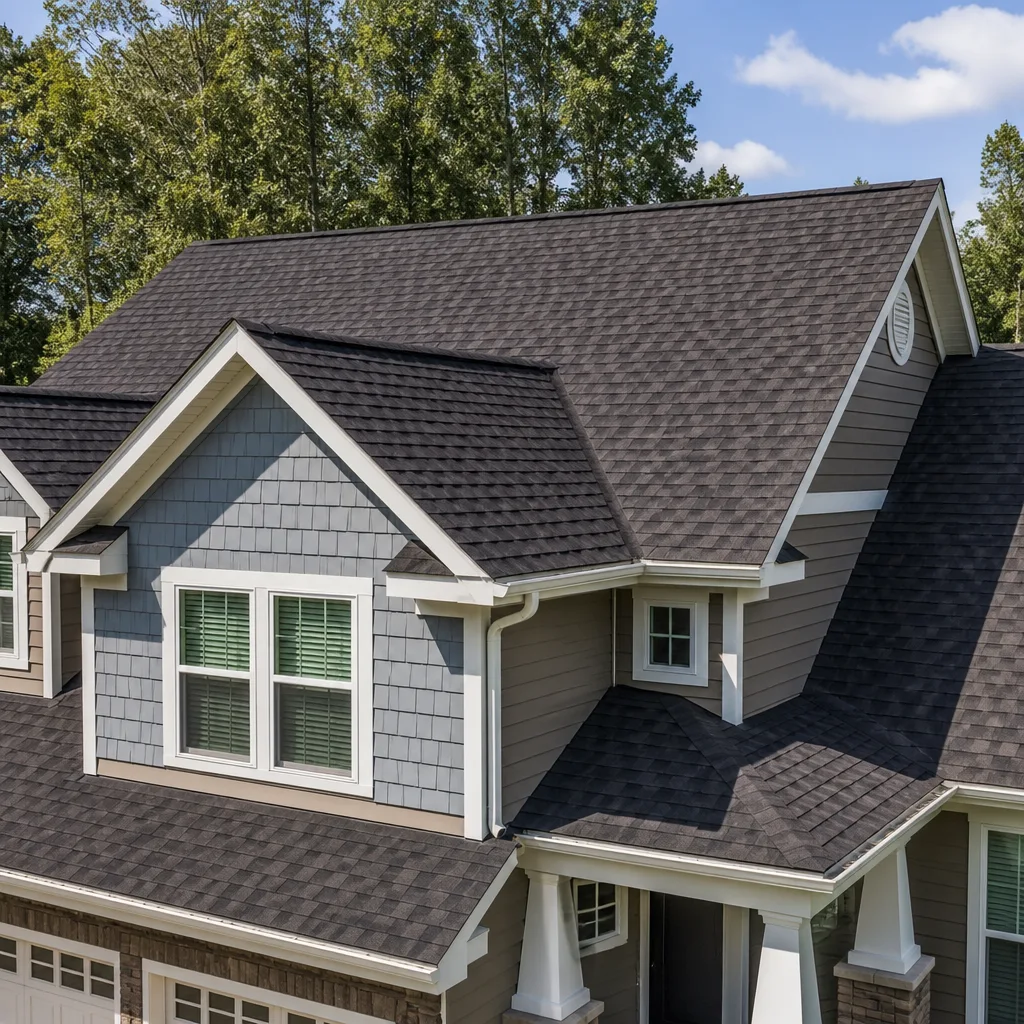
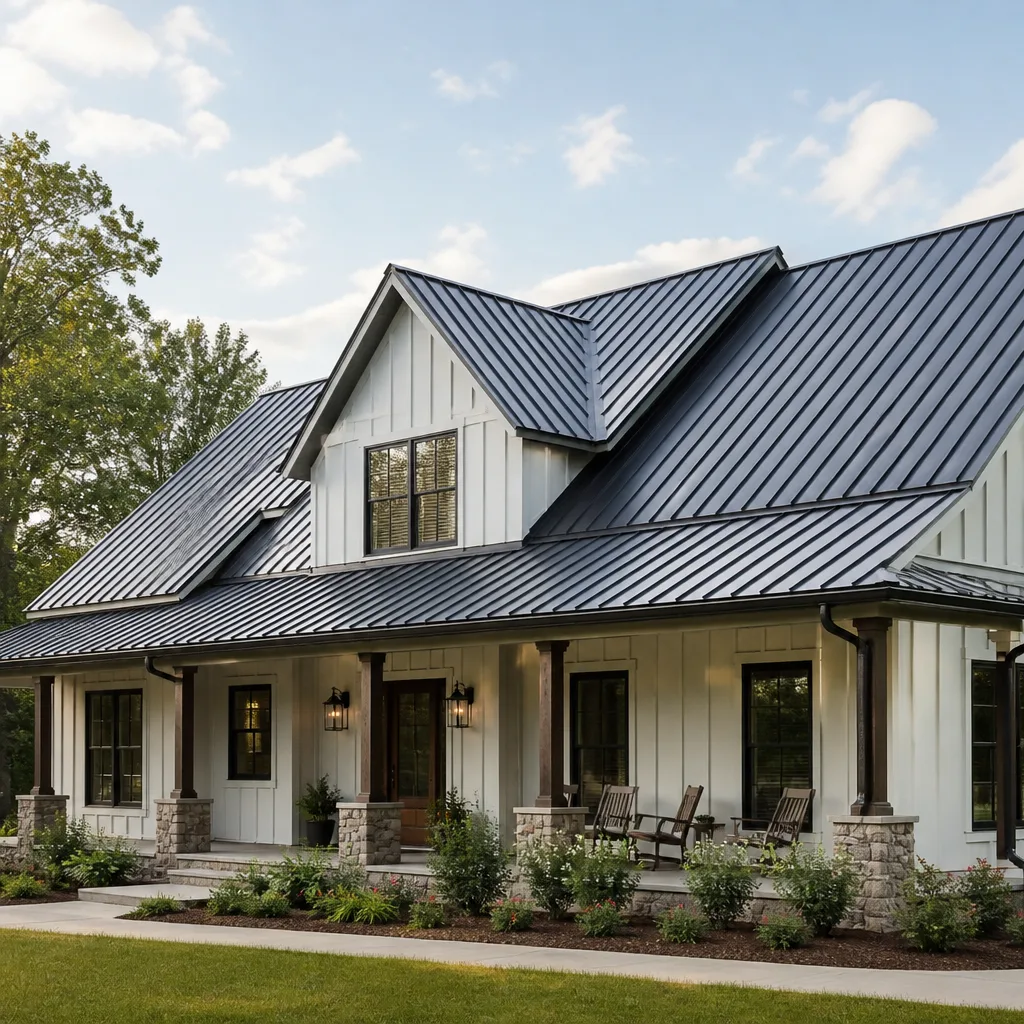
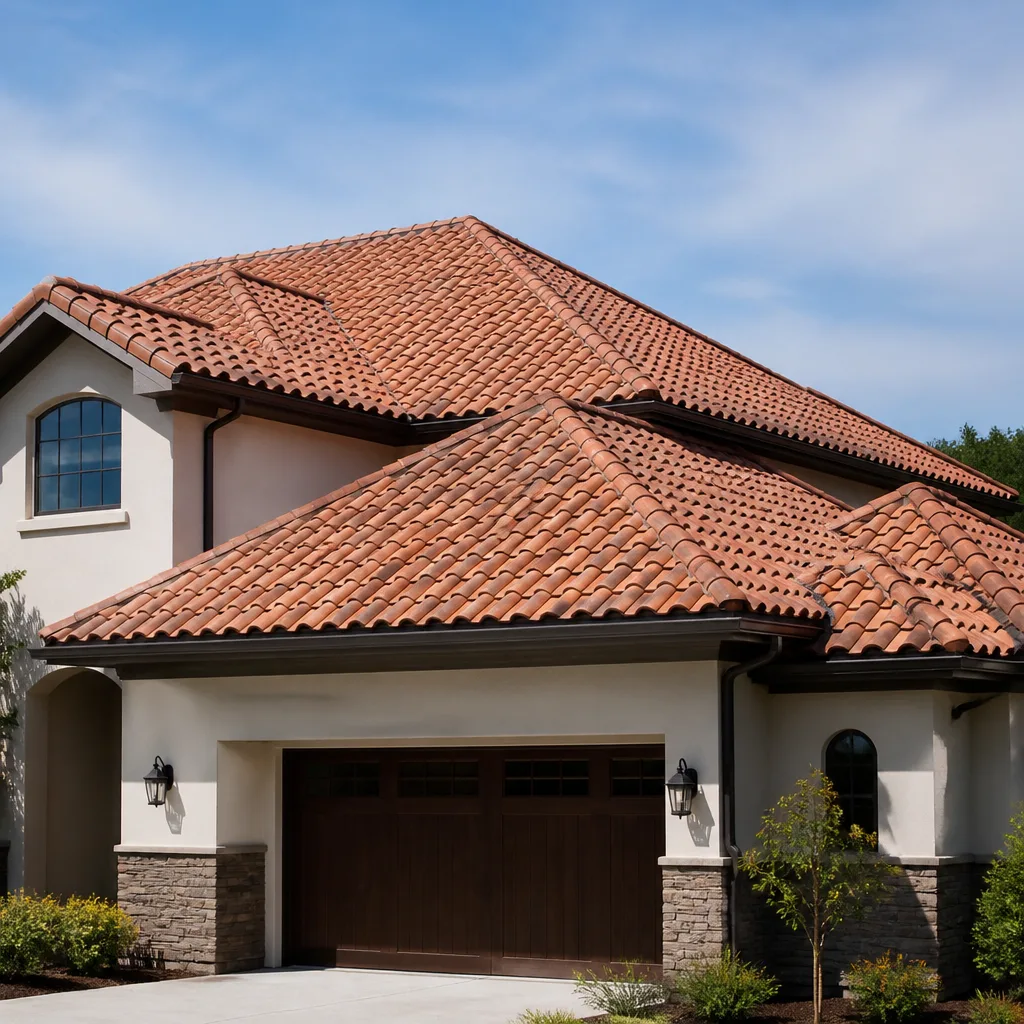
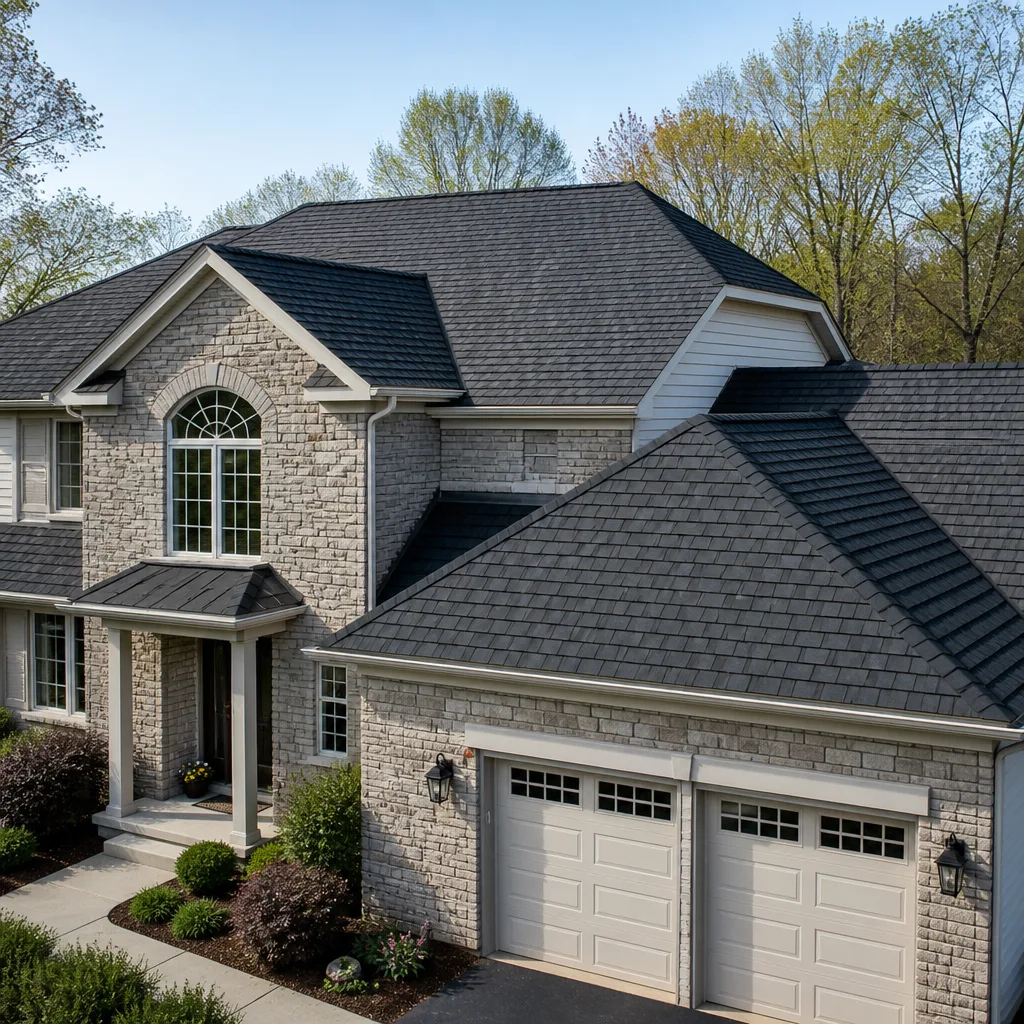
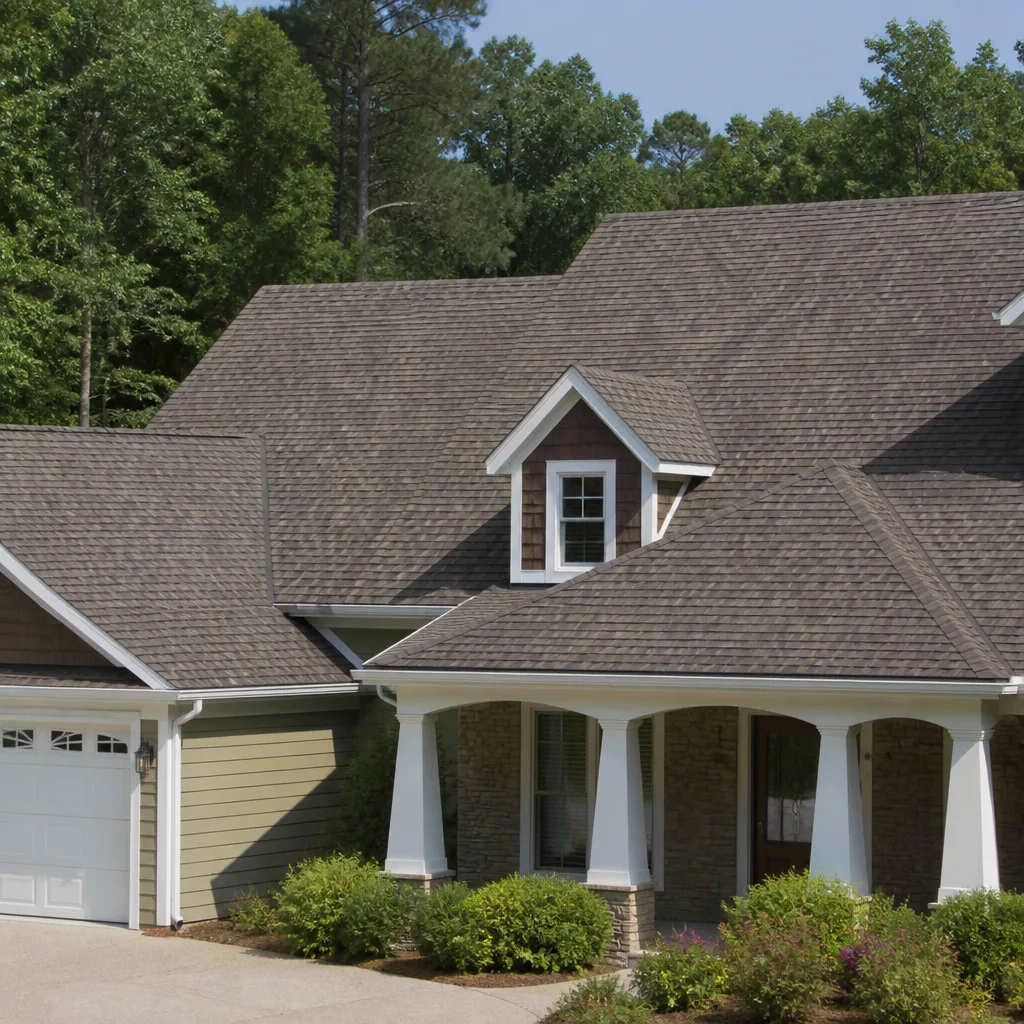
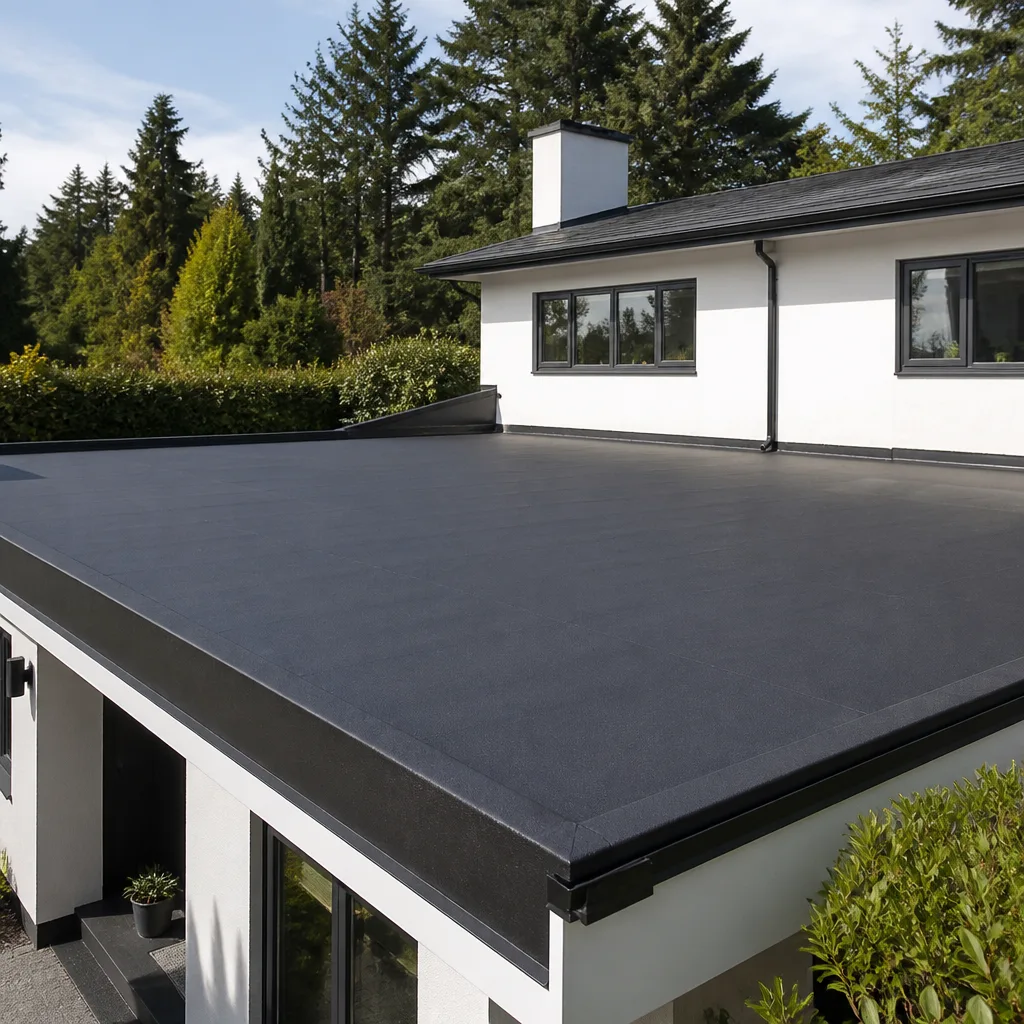
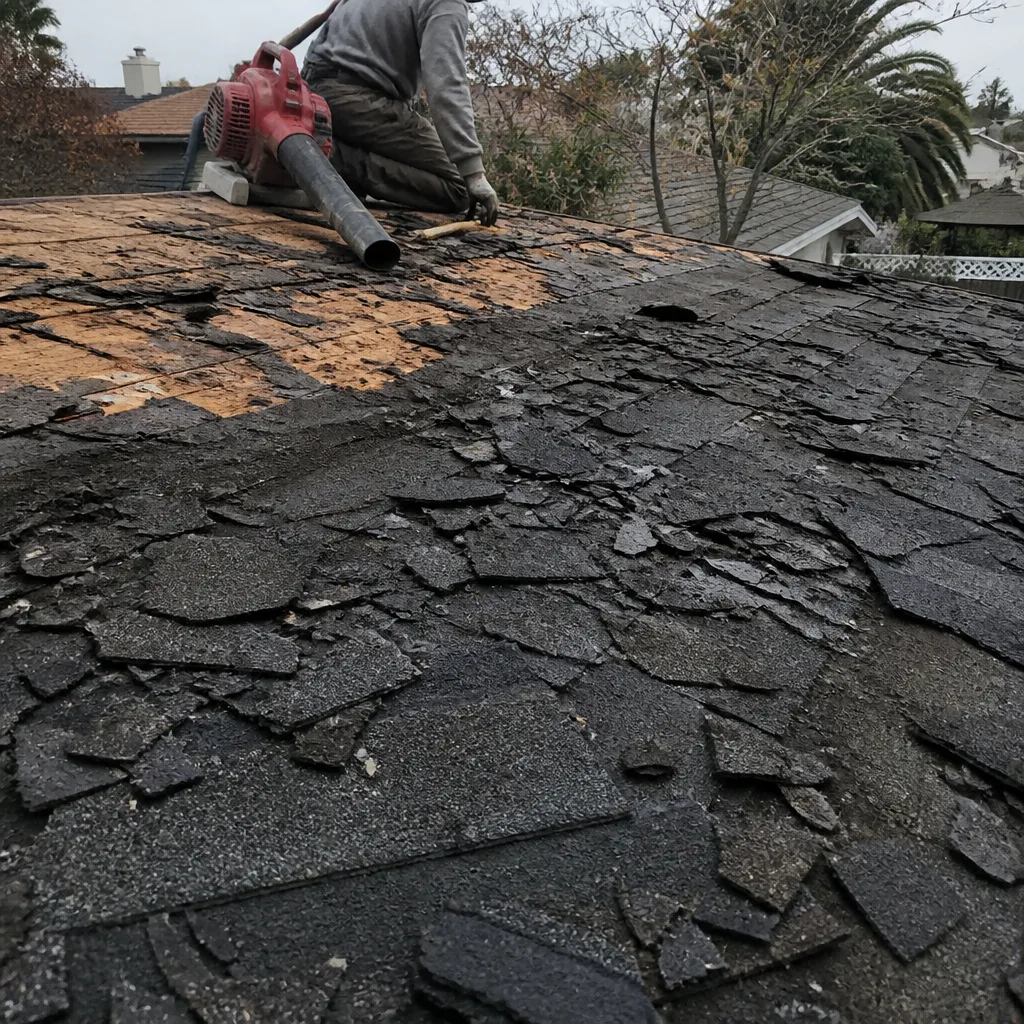 Before
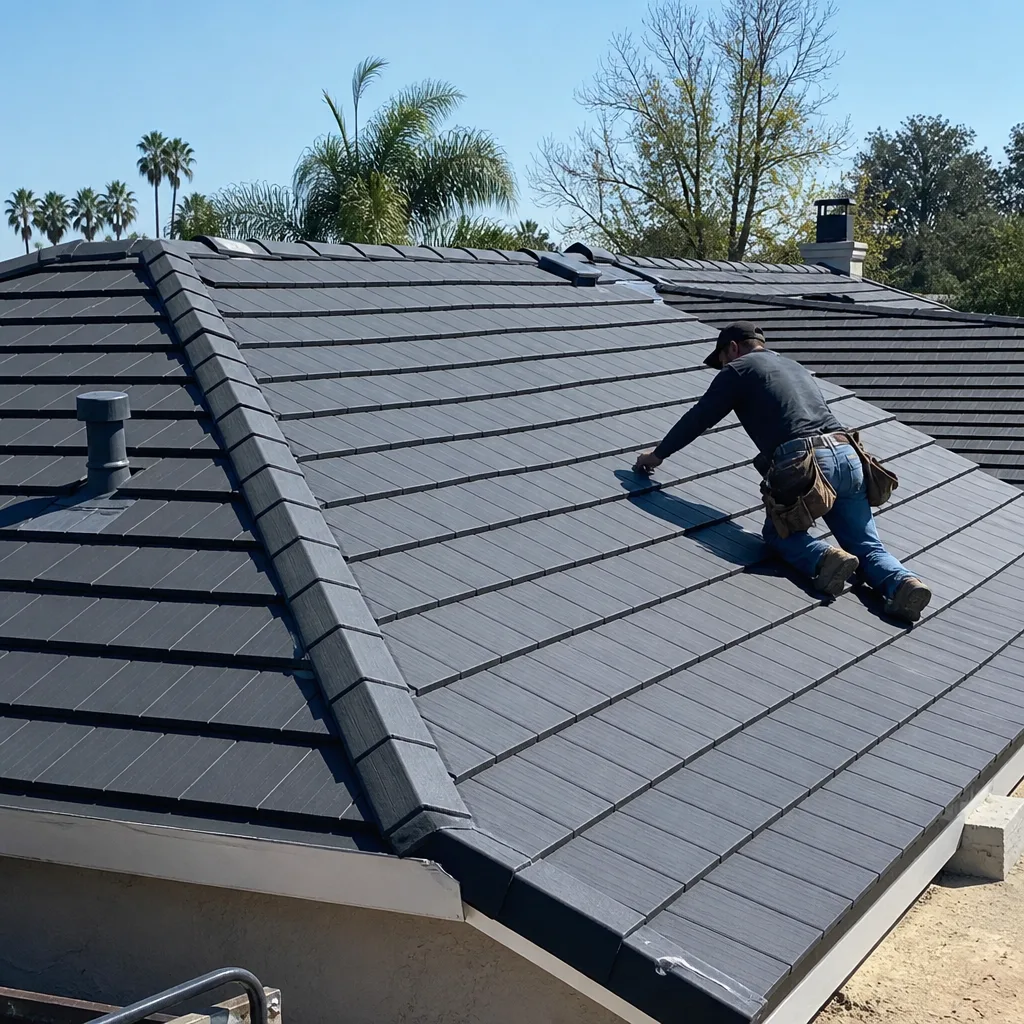 After
After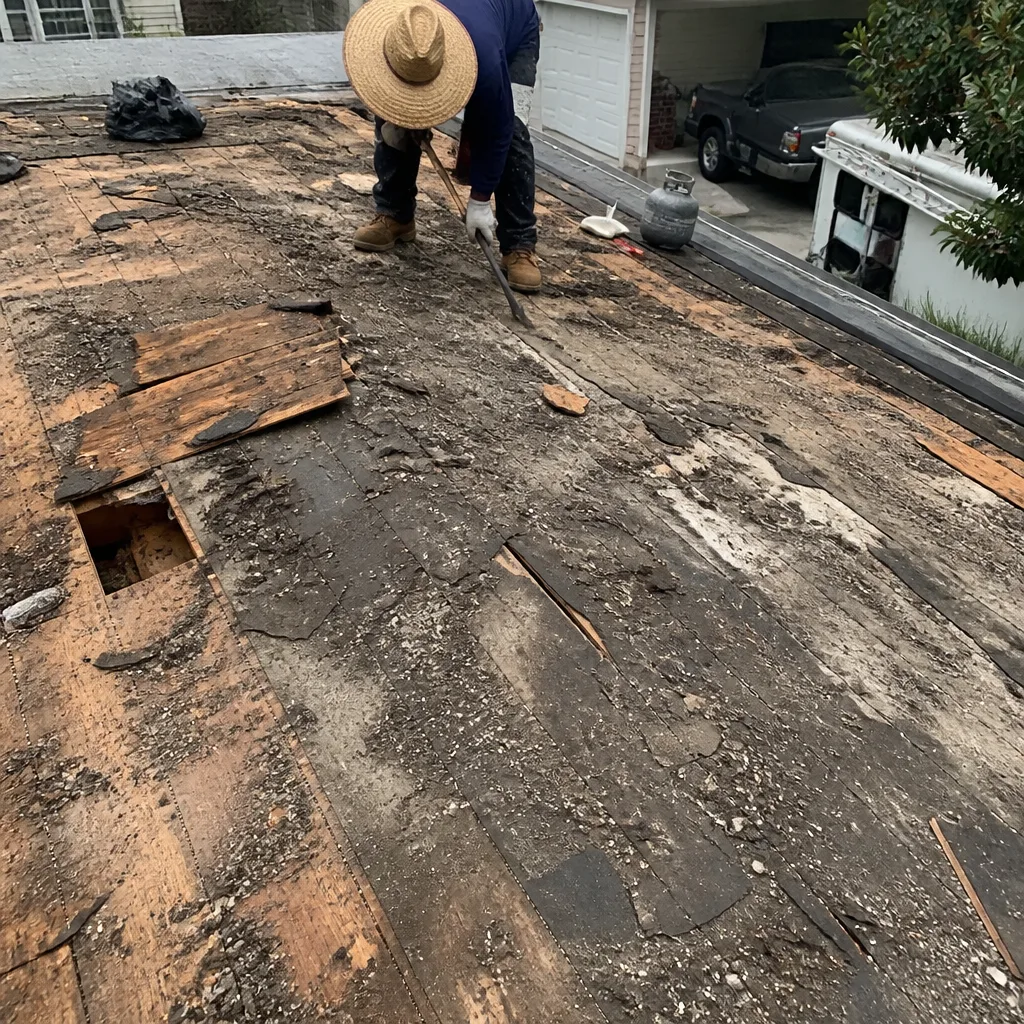 Before
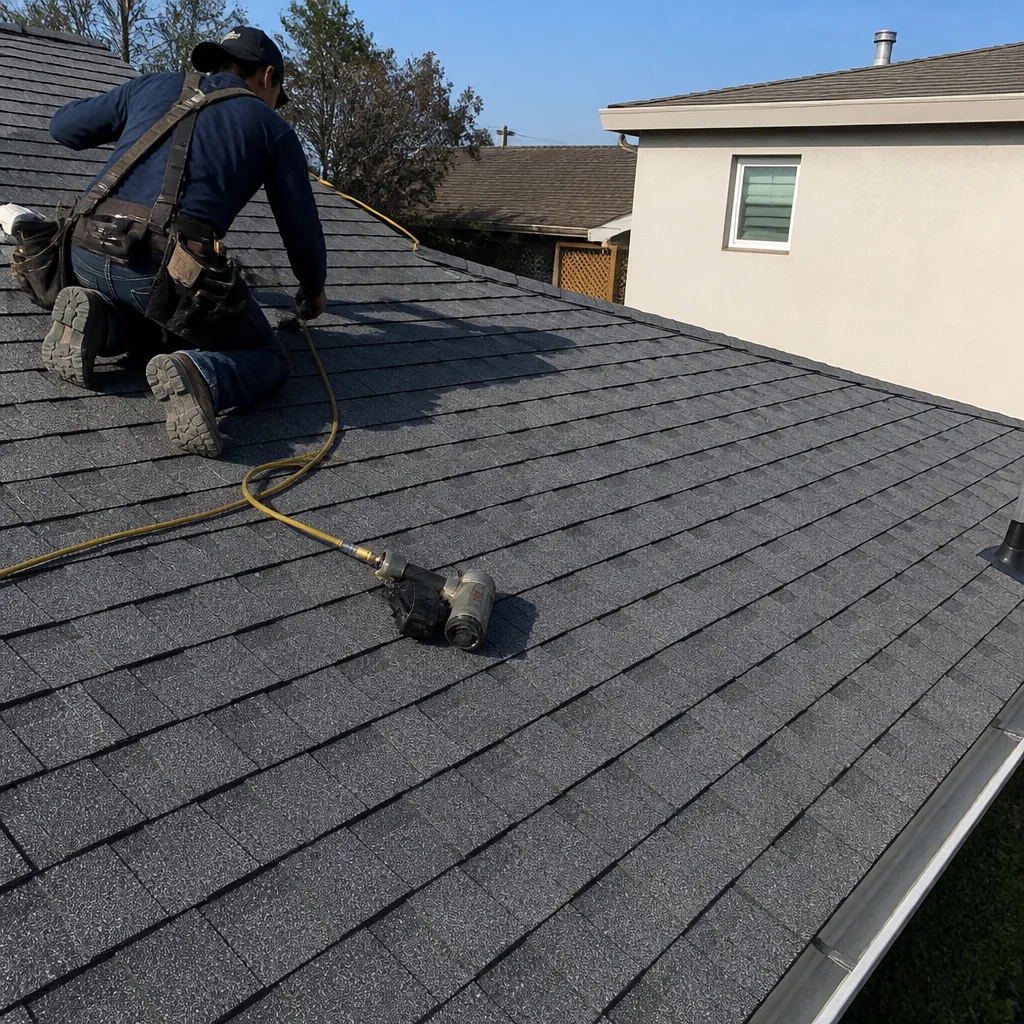 After
After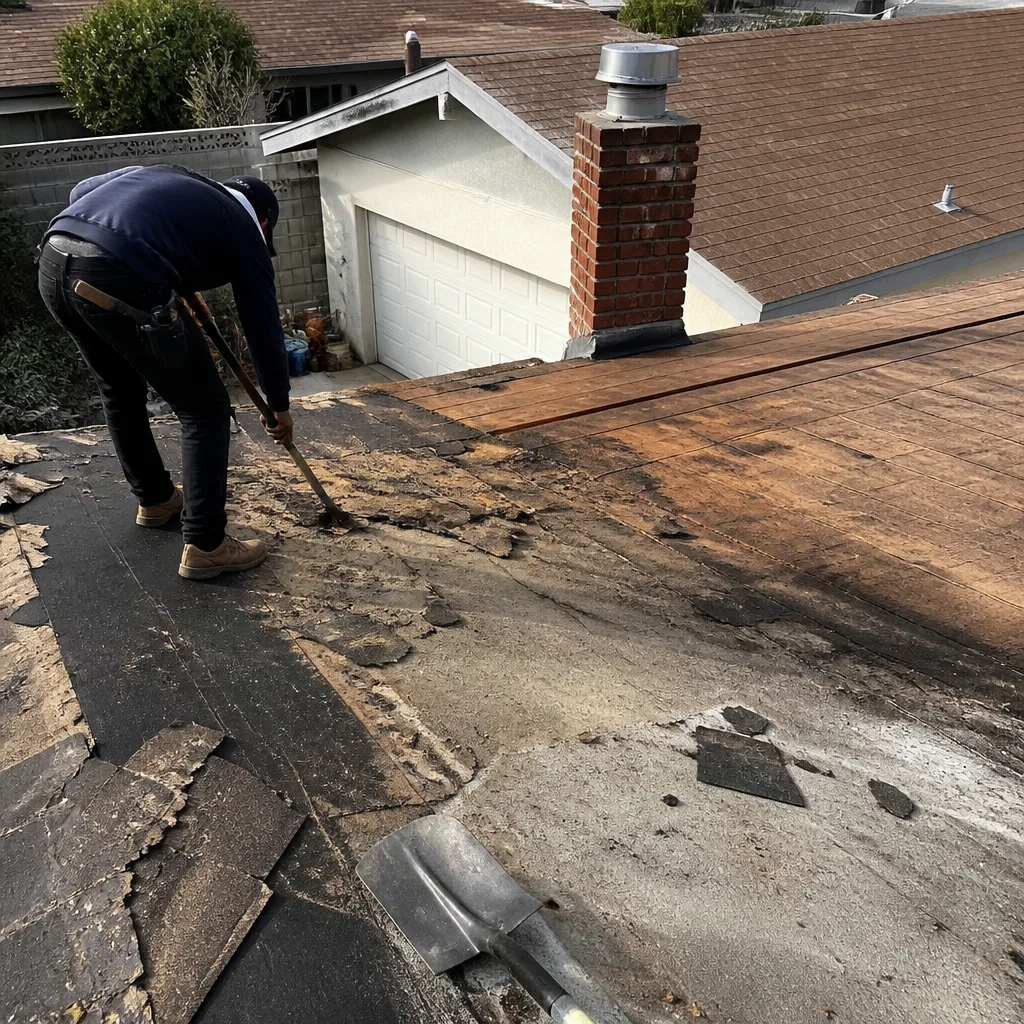 Before
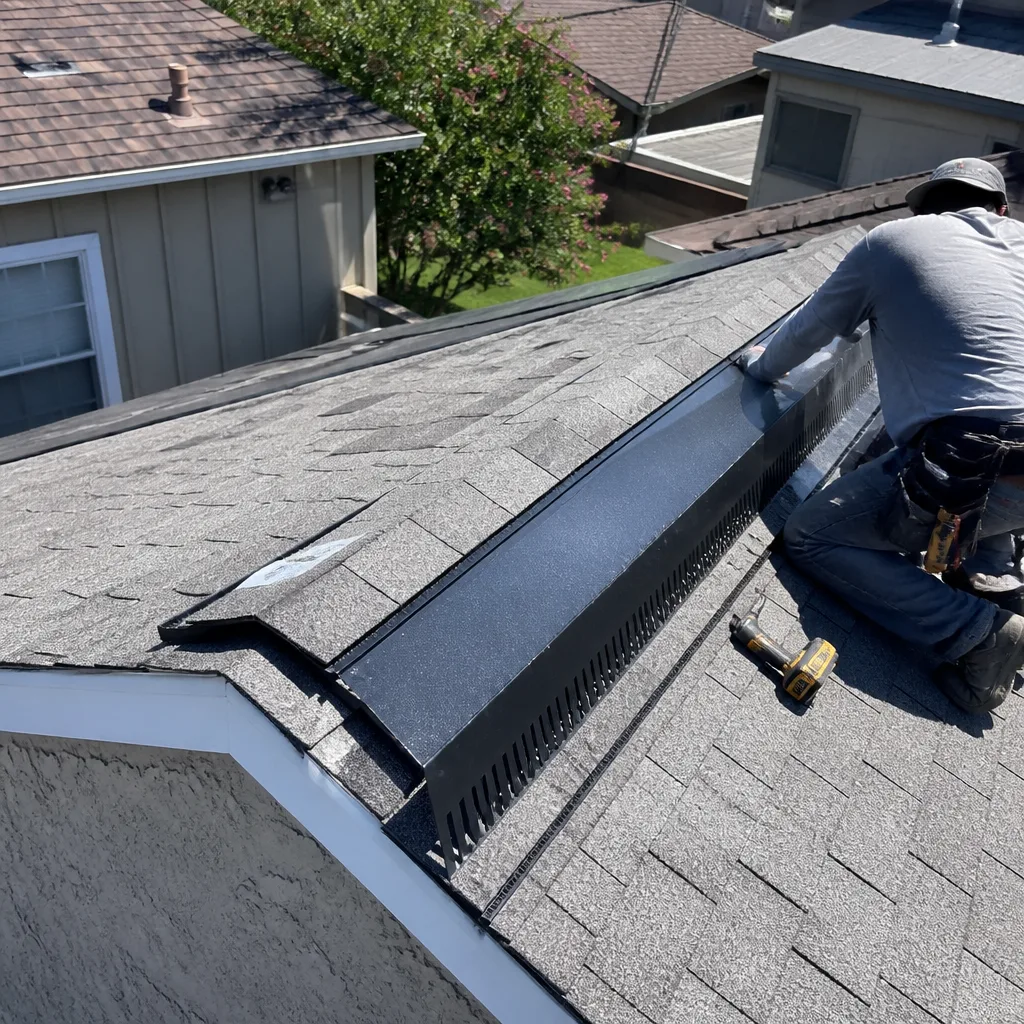 After
AfterRoofing Emergency Preparedness Guide for Los Angeles Homes
After the first major Santa Ana wind event of the season, Los Angeles roofing companies receive more calls in 48 hours than in the prior six weeks combined. The homeowners who called before the storm paid roughly half the emergency rate, and their roofs were already on a repair schedule instead of waiting behind two hundred panicked neighbors. This guide, alongside our Roofing Warning Signs: A Los Angeles Homeowner’s Reference Guide, walks you through what to do before, during, and after a roofing emergency in Los Angeles, so you can make calm decisions when the wind starts stripping shingles and the first heavy rain finds its way into your attic.
Quick Answer
A roofing emergency in Los Angeles almost always arrives with the first Santa Ana windstorm or the first heavy rain after a long dry season. Before either happens, complete a pre-season inspection, telltale sign repair, and written pre-arrangement with a roofing company. Once damage occurs, your first 30 minutes should go to interior water control, then ground-level photographic documentation, then a phone call to a licensed local roofer who will put a tarp plan and a repair price in writing before anything gets touched.
Table of Contents
- Why Los Angeles Roofing Emergencies Are Predictable
- The September Checklist: Pre-Season Preparation Before Santa Ana Season
- The First 30 Minutes After Storm Damage: Interior Steps
- How to Photograph Roof Damage for an Insurance Claim from the Ground
- Emergency Tarp Service vs. Permanent Repair: Scope Both in Writing
- How to Vet an Emergency Roofing Company at Speed
- Working With Your Homeowners Insurance After a Los Angeles Roof Emergency
- Common Mistakes to Avoid
- When to Call a Professional
- Frequently Asked Questions
- The Bottom Line
Why Los Angeles Roofing Emergencies Are Predictable
Los Angeles has two seasons, and both of them test roofs. The long dry stretch from May through October bakes asphalt shingles under unbroken sun, and then the first Santa Ana of autumn arrives with gusts above 60 miles per hour in canyon areas like the Verdugos, the Santa Monica Mountains, and the foothills above Pasadena. We have seen entire asphalt shingle tabs peeled back in a single wind event because the adhesive strip had given up months earlier and no one noticed. Then comes the rain, usually a January system that drops more water in one weekend than the roof has seen in a year, and every weak spot becomes a visible leak. Homeowners ask whether LA even gets real roofing emergencies. It does, and the good news is the calendar gives you a warning most regions never get: dry season for inspection, then wind season, then rain season, in that order, every year.
The September Checklist: Pre-Season Preparation Before Santa Ana Season
September is the single best month to prepare a Los Angeles roof for the two emergencies that follow. The days are long, the roof is dry, and every reputable local company has open scheduling before the storm calls start. Here is what to complete before October, in order:
- Schedule a roof inspection with a licensed local roofer. Ask for a written summary of conditions, not a verbal walkthrough. A written report gives you a comparison point for any later insurance claim and proves the damage happened after the inspection date.
- Have small repairs done now. A lifted flashing, a missing shingle, a failing boot around a plumbing vent, a cracked tile. These are weekday repairs in September and emergency calls in January. The cost difference is not subtle.
- Pre-arrange pricing with a roofing company in writing. Ask your roofer what a tarp service costs at storm rates, what a standard repair call runs, and get both numbers in an email. You are not committing to anything. You are buying certainty before the market shifts.
- Clear gutters, downspouts, and roof drains. Los Angeles roof drainage is designed to move water fast. Debris from oak trees, eucalyptus, and the dry summer leaf fall clogs scuppers on flat and low-slope roofs, which leads to ponding water and interior leaks.
- Check your attic on a sunny day. Look for daylight coming through the roof deck, water staining on rafters, and any sign that the underlayment has been compromised. A water stain from last rain season that you never addressed will be a bigger stain this season.
- Confirm your insurance policy details. Know your deductible, your coverage for wind damage versus water damage, and whether your policy requires an immediate mitigation effort like tarping. Write the number down and keep it accessible.
A homeowner who completes this list in September in Los Angeles will not need this guide in January.
The First 30 Minutes After Storm Damage: Interior Steps
When the roof has been damaged and water is or might be entering, your first job is not to find a roofer. It is to keep the house from taking on more water. Water that gets into insulation, drywall, and flooring doubles the repair bill quickly, and the insurance company will ask what you did to mitigate the damage. Here is the 30-minute sequence we recommend:
- Move furniture and electronics away from the leak area. If the ceiling is bulging with trapped water, place a bucket directly under the bulge and move everything three feet away in every direction.
- Puncture the bulge if water is pooling. Use a screwdriver or awl to create a small drain hole. This sounds destructive, but letting the water drain into a bucket prevents a larger ceiling collapse that would carry wet drywall and insulation onto whatever is below.
- Lay plastic sheeting over furniture and flooring you cannot move. Keep the plastic in place with weight, not tape. Painter’s tape or duct tape will damage surfaces and leave residue.
- Check the attic if you can safely access it. Bring a flashlight, not a work light. Step only on ceiling joists, never on the drywall between them. Look for wet insulation, which should be removed once the active leak is controlled.
- Document where the water is entering. Take phone photos of the inside first, including the ceiling, walls, and any water running down. This interior evidence is as important as the exterior roof photos for your claim.
- Kill power to that area if water is near any electrical fixture. Water and live circuits do not mix. Flip the breaker for the affected room if you can do so safely.
Only after this sequence is done should you photograph the roof from outside and start calling roofer. One exception: if you smell gas or see structural movement, leave the house and call 911 before anything else.
How to Photograph Roof Damage for an Insurance Claim from the Ground
Adjusters in Los Angeles see hundreds of claims after a major wind or rain event, and the claims with clear, organized photographic evidence get resolved faster. You do not need to get on the roof to document damage. In fact, do not get on the roof. A wet or wind-damaged roof is genuinely dangerous, and your phone camera from the ground can capture what a professional needs to see. Here is what to shoot and how:
- Wide establishing shots from all four sides of the house. These anchor the claim in time and place. Include a street sign or neighbor’s house for location context.
- Close-ups of any visible missing, lifted, or cracked shingles. Use your phone’s zoom. Hold the camera steady and take multiple frames of each damaged area.
- Shots of debris in the yard and on the roof. Fallen branches, displaced tiles, pieces of shingle. Photograph these where they landed before moving anything.
- Photos of the interior damage. Ceiling stains, wall discoloration, wet carpet, swollen drywall. Include both wide shots and close-ups with a ruler or a coin for scale.
- Fascia, soffit, gutter, and edge metal damage. The storm often damages these before the roof itself, and the photos tell a story of what the wind did.
Timestamp and geo-tag your photos if possible. Most smartphones do this automatically. When you send them to your adjuster, organize them by location: north side, south side, attic, interior kitchen, and so on. Adjusters build their estimate from evidence, and a homeowner who hands them organized evidence shortens their own claim timeline.
Emergency Tarp Service vs. Permanent Repair: Scope Both in Writing
After a Los Angeles storm, many homeowners accept whatever the first roofing company offers, which is most often an emergency tarp: a temporary covering secured over the damaged area to stop further water intrusion. A tarp is real and necessary work, but it is not a roof repair, and the confusion between these two things leads to expensive misunderstandings. Here is the distinction:
What an emergency tarp is
A tarp service covers the damaged section with reinforced polyethylene sheeting secured to the roof with cap nails and wood furring strips. It is designed to last a few weeks, not months. It stops active water entry and gives you breathing room to schedule a permanent solution. In our experience, an emergency tarp in Los Angeles runs between $450 and $900 depending on roof access, roof pitch, and the size of the damaged area. A tarp is a temporary fix, and it should be priced as a temporary fix.
What a permanent repair is
A permanent repair addresses the underlying decking, underlayment, and roofing material damaged by the storm. It may include replacing the shingles or tiles, replacing flashing, sealing pipe boots, or rebuilding a section of decking. Depending on the damage, a permanent repair in Los Angeles runs from $800 for a small shingle repair up to $5,000 or more for structural decking replacement. This is the work that returns the roof to a watertight condition without a tarp.
The critical protection is to get both scoped in writing before the tarp goes on. A written tarp proposal-required under Roofing Permits, Codes & Inspections in CA: What You Need to Know for many permanent repairs-that names the price, the products used, and the tarp’s expected lifespan protects you from a situation where a temporary patch is priced like a permanent repair. A separate written proposal for the permanent repair gives you the exact scope and number to share with your insurance adjuster. Never allow a roofer to begin any tarp or repair without a written price in front of you.
How to Vet an Emergency Roofing Company at Speed
In the hours after a Los Angeles wind event, the roofing market briefly becomes a magnet for unlicensed operators who drive toward storm damage. A homeowner who is panicking and under pressure makes a fast decision, and that decision has consequences. Here are the three things to verify in under five minutes, in this order:
- Licensing. In California, roofing contractors must hold a C-39 roofing license issued by the Contractors State License Board. Ask for the number, then check it at cslb.ca.gov. This single search filters out most of the bad actors. Never skip it because the situation feels urgent.
- Insurance. A legitimate Los Angeles roofing company carries general liability insurance and workers’ compensation coverage. Ask for a certificate of insurance and call the issuing carrier to verify it is active. If a crew gets injured on your property and the company lacks coverage, your homeowners insurance becomes the target.
- A written price before any work starts. Insist on it. A company that will not put a number in writing before the tarp or repair begins is a company that will not honor that number later. Emergency conditions do not remove the requirement for a written price.
That is it. License, insurance, written price. If the company checks those three boxes, you have filtered out the overwhelming majority of bad actors in the Los Angeles emergency roofing market. Verify by phone or by a visit to their local office. If they only exist as a cell phone number and a borrowed truck, move on.
One more note: after a major storm, it is normal for good local companies to be busy. A short wait for a legitimate company beats a fast response from an unlicensed crew. Schedule the tarp and accept the wait for the permanent repair.
Working With Your Homeowners Insurance After a Los Angeles Roof Emergency
The insurance process after a Los Angeles roofing emergency moves in a predictable sequence: contact your carrier, document damage, get a claim number, schedule an adjuster visit, and get the claim approved. Here is how to move through it without losing leverage:
- Report the claim as soon as the interior is secure. Most carriers require a written notice of claim within a specified window after the damage. Waiting can create coverage complications.
- Keep every receipt and every document. The tarp invoice, the photos, the written repair proposal, the communication logs. The claim is built on this paper trail.
- Get a repair estimate from a Los Angeles roofing company before the adjuster arrives. A detailed, written, line-item repair proposal gives you a factual benchmark to compare against the adjuster’s first estimate. If the adjuster’s number is lower, your roofer can identify which line items are missing.
- Do not sign anything from the insurance company until you understand what is covered. Take your time. The claim process does not require you to accept the first number offered.
- Do not accept a repair proposal from an unfamiliar roofer simply because the adjuster recommended them. The adjuster is not your contractor. You choose who works on your home.
Our clients in Los Angeles regularly navigate this process with a simple structure: gather evidence, get a written repair proposal from Birchbark Roofing, and present that proposal to the carrier as the scope of work. The claim is resolved faster when your documentation is complete, and a complete proposal is the cornerstone of that documentation.
Common Mistakes to Avoid
- Waiting until the rain starts to fix a known problem. The dry window between October and December is the best time in Los Angeles for roof repair. A torn shingle in November becomes a ceiling stain in January.
- Accepting a verbal estimate during an emergency. If the price is not in writing, the price does not exist. Written proposals protect both you and the company, and no legitimate roofer will refuse to write one.
- Getting on the roof to inspect or photograph damage. A wet pitched roof is one of the most dangerous surfaces a homeowner can stand on. Everything an adjuster needs can be photographed from the ground with a phone camera.
- Skipping the tarp because the repair is scheduled anyway. Even a small amount of ongoing water intrusion between the storm and the permanent repair causes compounding damage to insulation, drywall, and framing. The tarp is cheap protection compared to that.
- Hiring the first roofer who knocks on the door after a storm. Post-storm door-knocking is a known tactic for unlicensed operators. Verify the license and insurance first, and never feel pressed by a door-to-door pitch.
- Not pre-arranging pricing in writing before storm season. A homeowner with a September email from a roofer with a tarp price and a repair estimate in writing enters January with a massive advantage over neighbors who are calling seven companies at once.
- Ignoring the attic between storms. Water damage is easiest to stop when it is small. A once-a-month attic check during rain season catches leaks before they become ceiling failures.
When to Call a Professional
Call a licensed Los Angeles roofing company the moment you are aware of any of these conditions: water intrusion into the living space, a visible hole or puncture in the roof, multiple missing or broken tiles or shingles, a sagging roofline, a large tree limb resting on the roof, or any damage resulting from a wind event. If the issue is minor, such as one cracked tile, photograph it and schedule a repair at the normal rate. If water is getting in, call now. Roof Repair in Los Angeles work scales from small flashing fixes to full Roof Replacement in Los Angeles, and the right company will tell you which you actually need. Birchbark Roofing offers free estimates in Los Angeles, call (424) 766-4937 for an exact written quote.
Frequently Asked Questions
Control the water inside first. Move furniture, place buckets under leaks, puncture any ceiling bulge to release trapped water, and cover what you cannot move with plastic sheeting. Then photograph the interior damage and call a licensed Los Angeles roofing company. Call Roofing Company in Los Angeles services like our team at (424) 766-4937 for a free written estimate.
An emergency tarp service in Los Angeles typically costs between $450 and $900, depending on the roof size, pitch, and accessibility. A permanent repair starts around $800 for minor shingle work and increases with the extent of decking and flashing damage. You should receive a written line-item price for both before any work begins. Call (424) 766-4937 for an exact quote for your roof.
Most Los Angeles homeowners insurance policies cover sudden, accidental damage from wind, falling objects, and storm-related events. They generally exclude wear-and-tear, long-term neglect, or damage from a pre-existing condition. The best way to confirm coverage is to call your carrier, get a claim number, and obtain a written repair proposal from a licensed roofer. The proposal gives your adjuster a clear scope of work.
You can if the roof is not leaking and the damage is limited to a few missing shingles or tiles. If water is entering the home or the damage involves a visible opening in the roof, call immediately. Interior water damage compounds every hour it remains unaddressed, and the insurance carrier will expect you to take reasonable mitigation steps.
Most emergency tarp services are completed in a single visit of two to four hours. A permanent repair depends on the scope: a small shingle replacement may be done in a day, while a larger repair involving decking replacement and flashing work may take several days once scheduled. Pin down a specific timeline in writing before the work begins.
September is the best month for a Los Angeles roof inspection. The roof is dry and accessible, repair crews have open schedules, pricing is at normal rates, and it is early enough to complete repairs before the Santa Ana season starts in October. A September inspection is the single highest-value hour you can spend on your roof all year; find more guides & resources on our blog to protect your home year-round. Call (424) 766-4937 to schedule yours.
The Bottom Line
Los Angeles roofing emergencies are not random. They arrive with the first Santa Anas and the first heavy rain, both of which follow a long, dry, predictable summer. The homeowners who come through these events with the least damage and the lowest cost are the ones who inspected the roof in September, fixed small problems early, and got a tarp price and repair estimate in writing before the storm ever formed. When the emergency does come, your first job is interior water control. Your second is ground-level photo documentation. Your third is a call to a licensed, insured Los Angeles roofing company that will put a written price in front of you before the tarp goes on. That preparation window exists every year. Use it.
Birchbark Roofing home offers free written estimates for Los Angeles homeowners. Call (424) 766-4937 to schedule your pre-season inspection or emergency repair.
Written by Erik Lindgren, Owner at Birchbark Roofing, serving Los Angeles since 2000.