
Last updated October 8, 2026
Free roof inspection with deck photos before we talk money - GAF and Owens Corning certified installation
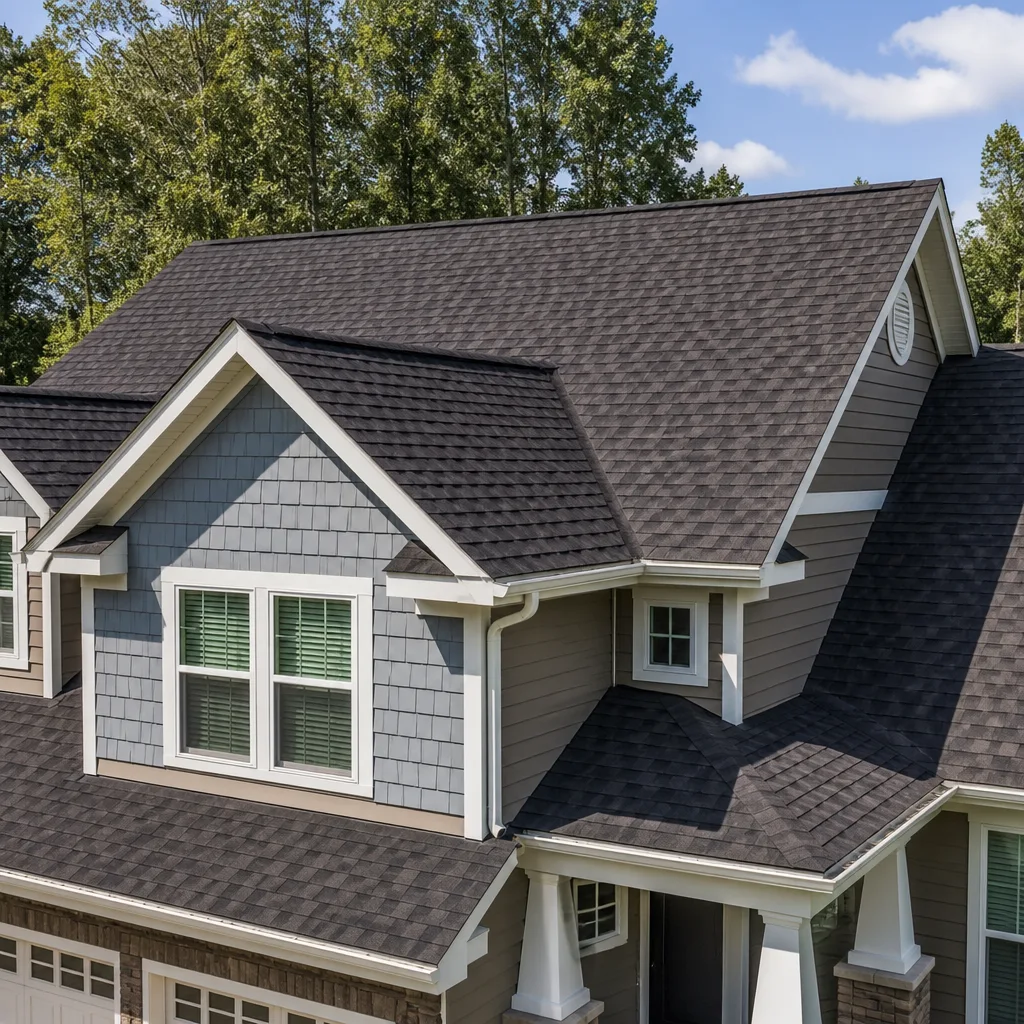
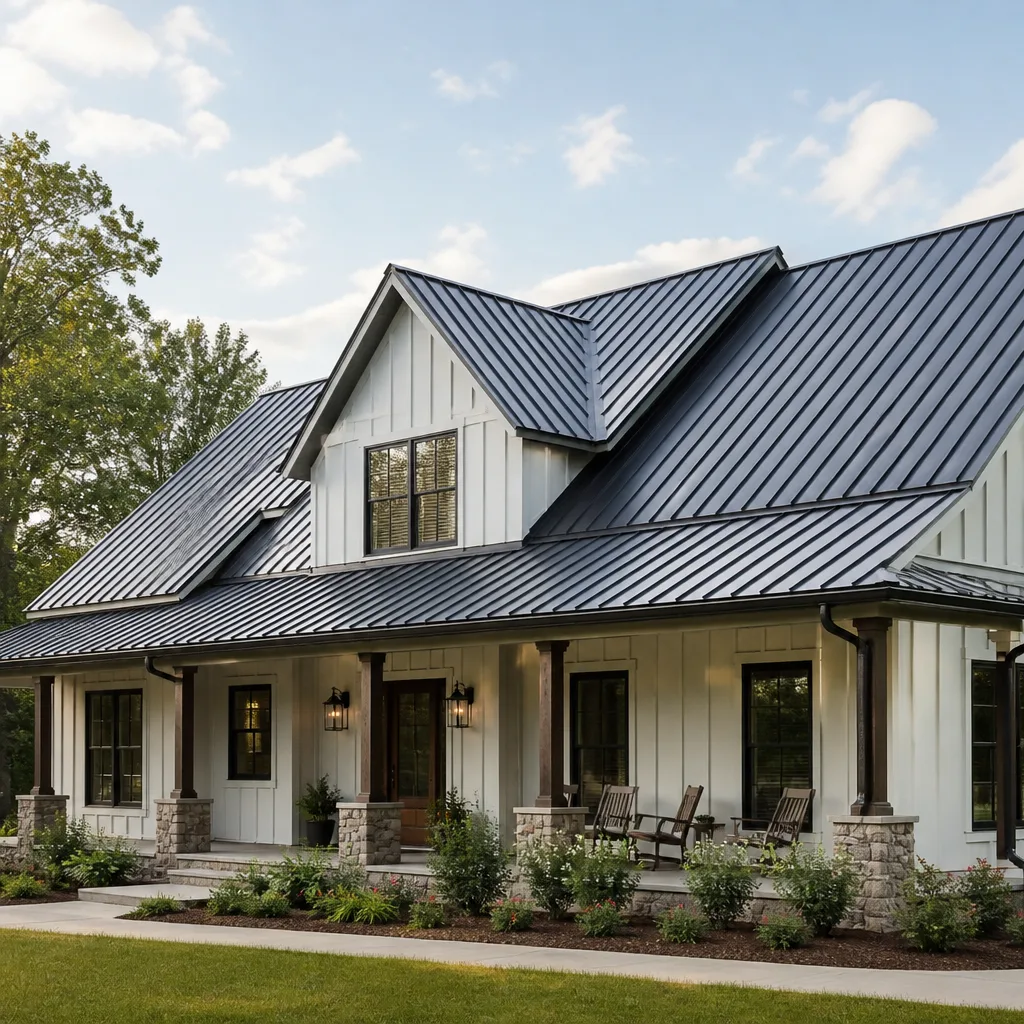
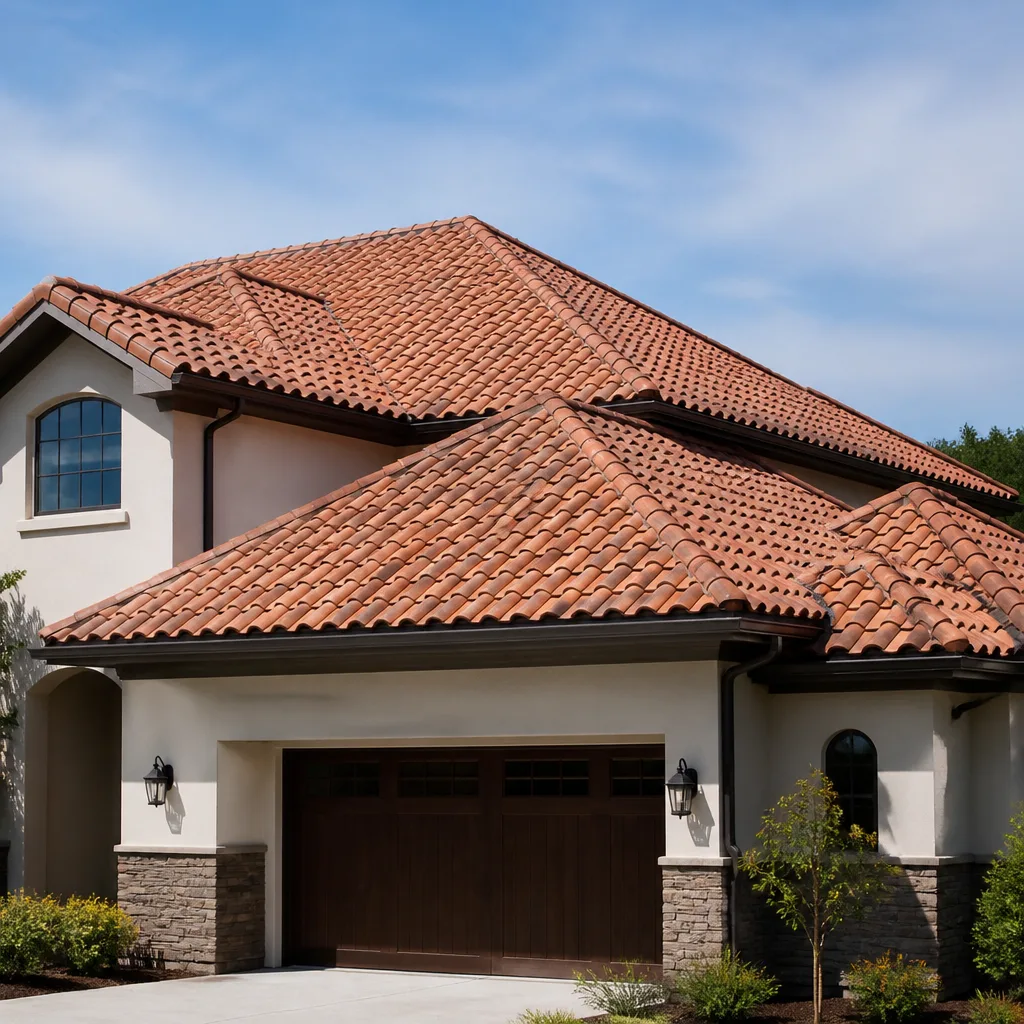
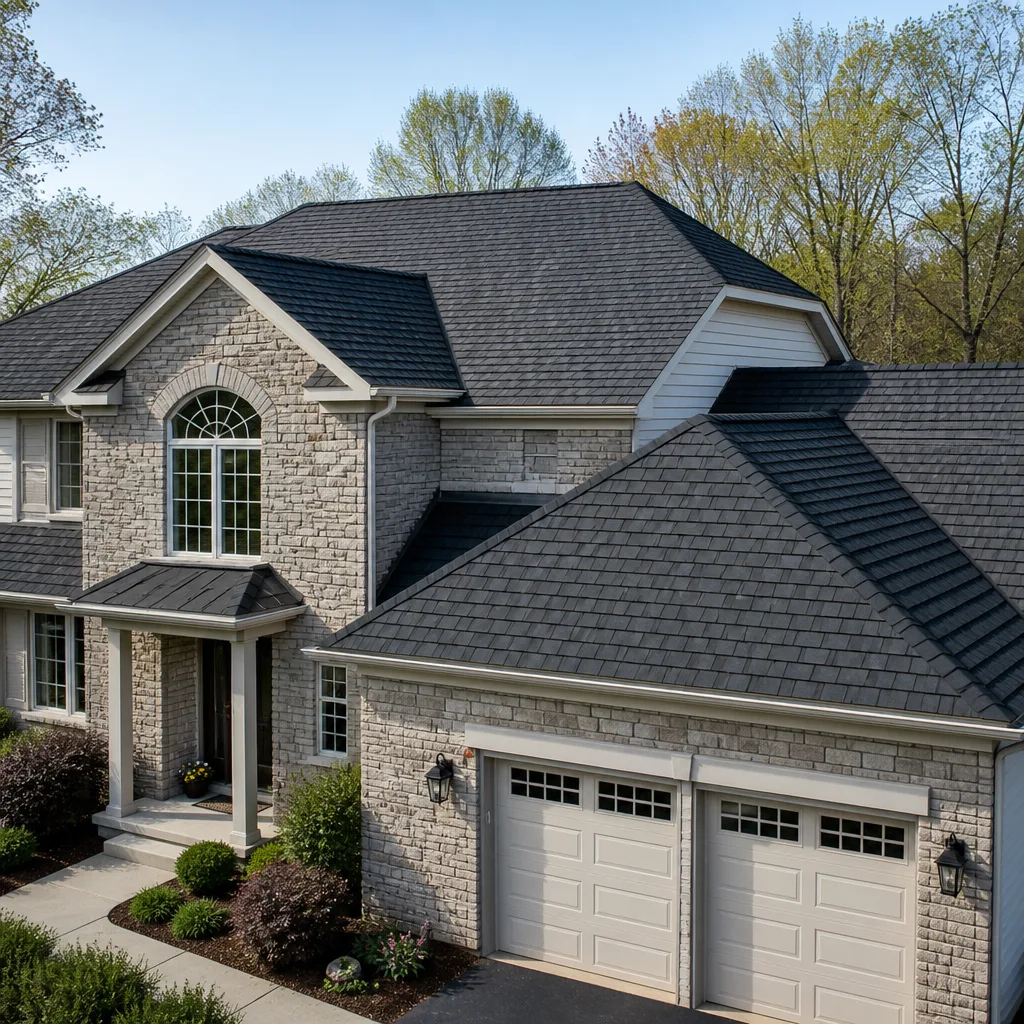
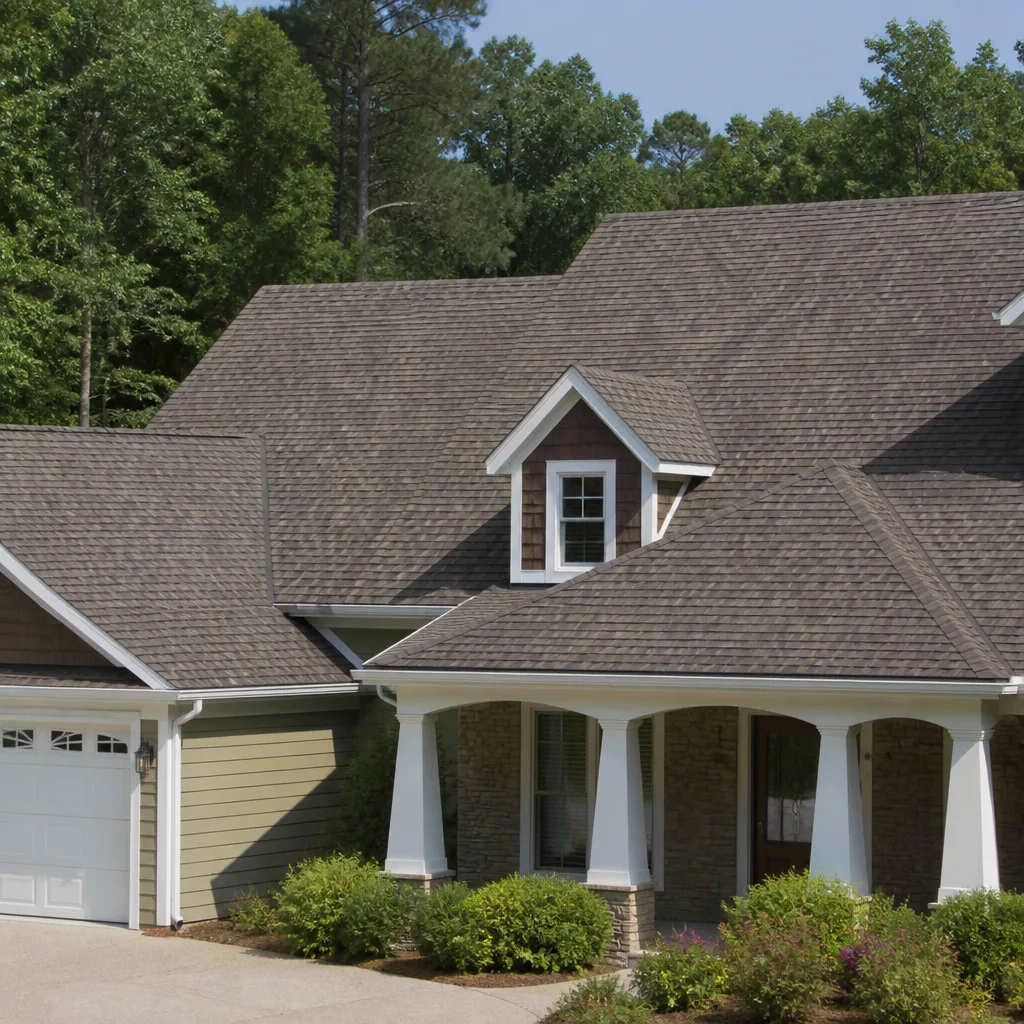
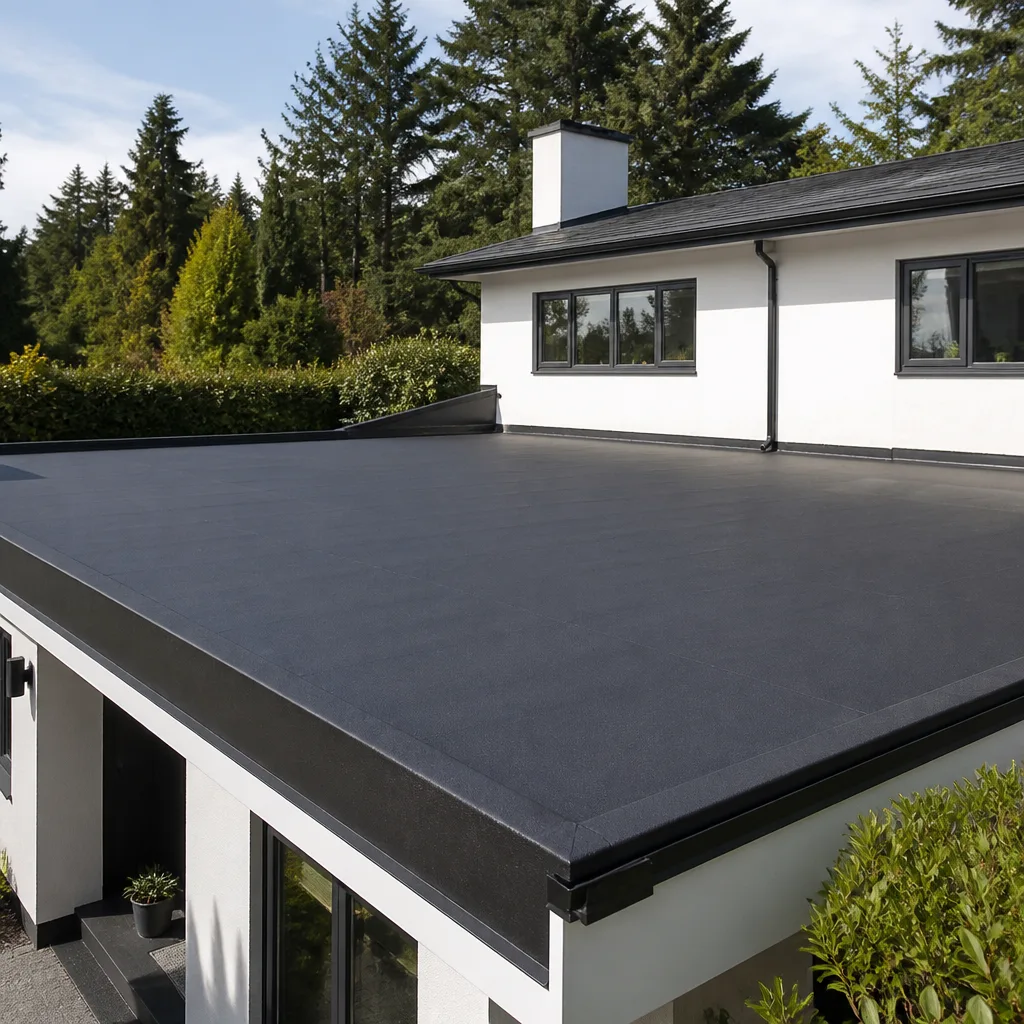
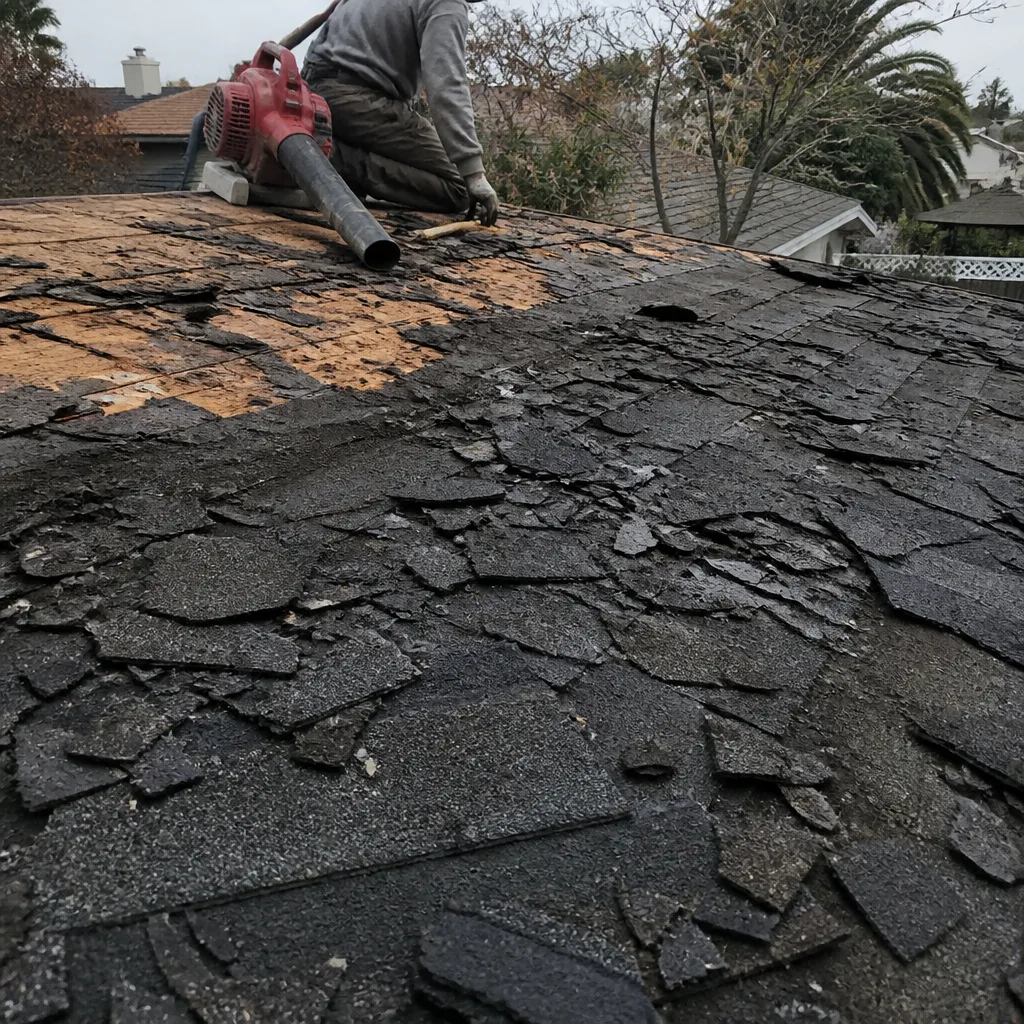 Before
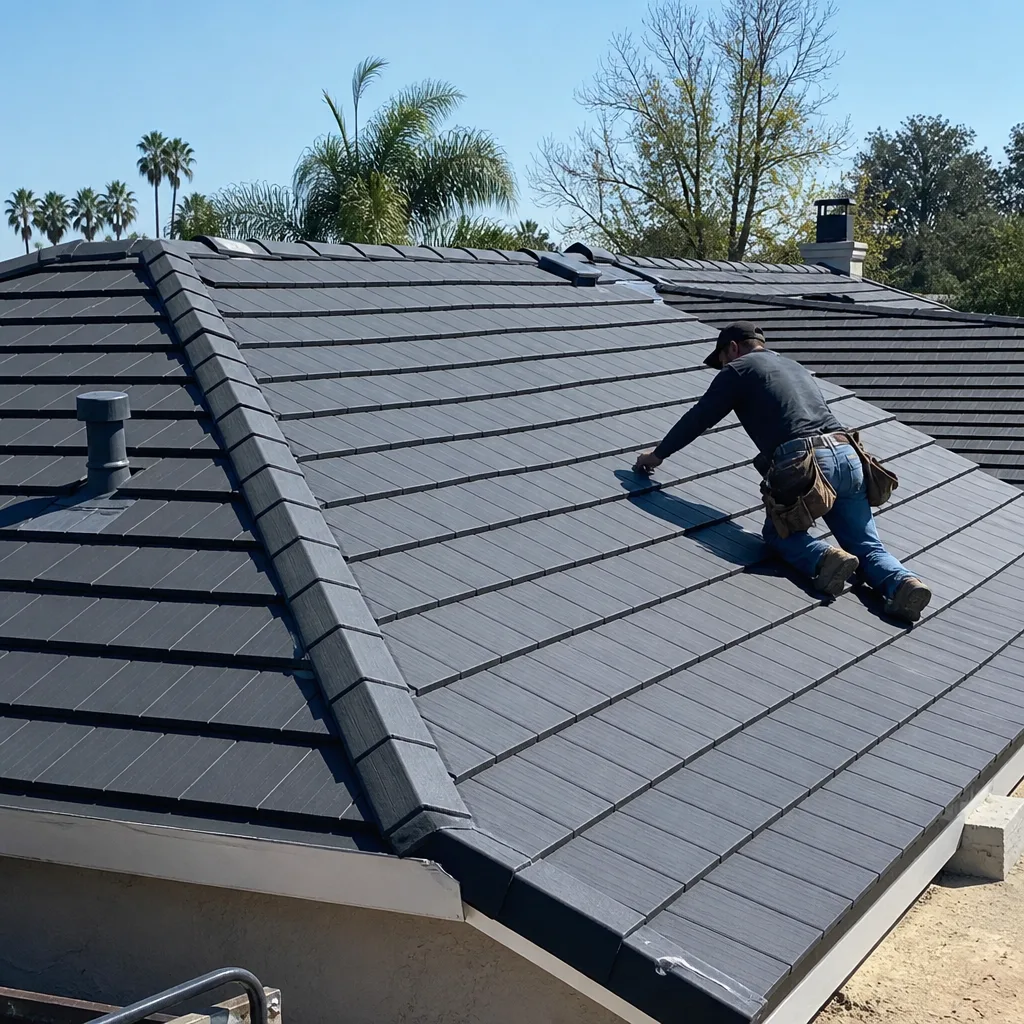 After
After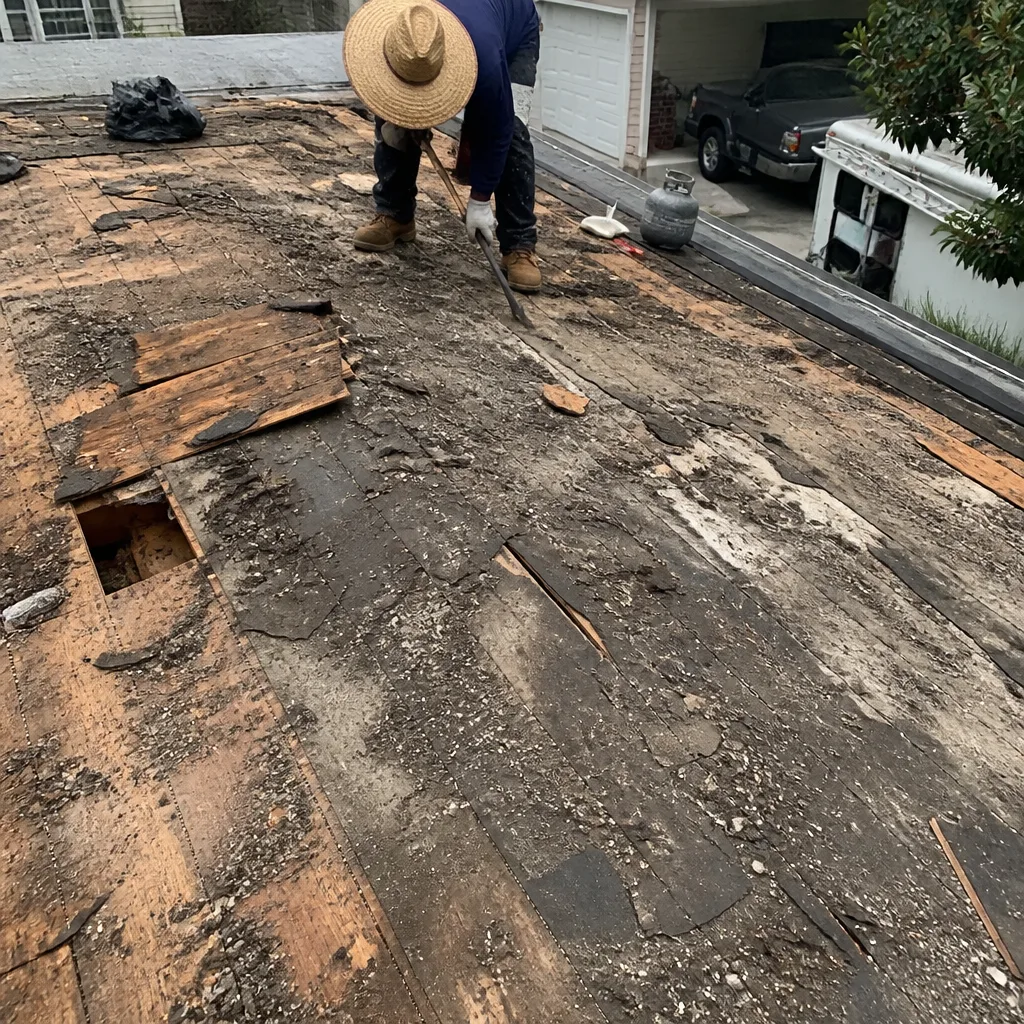 Before
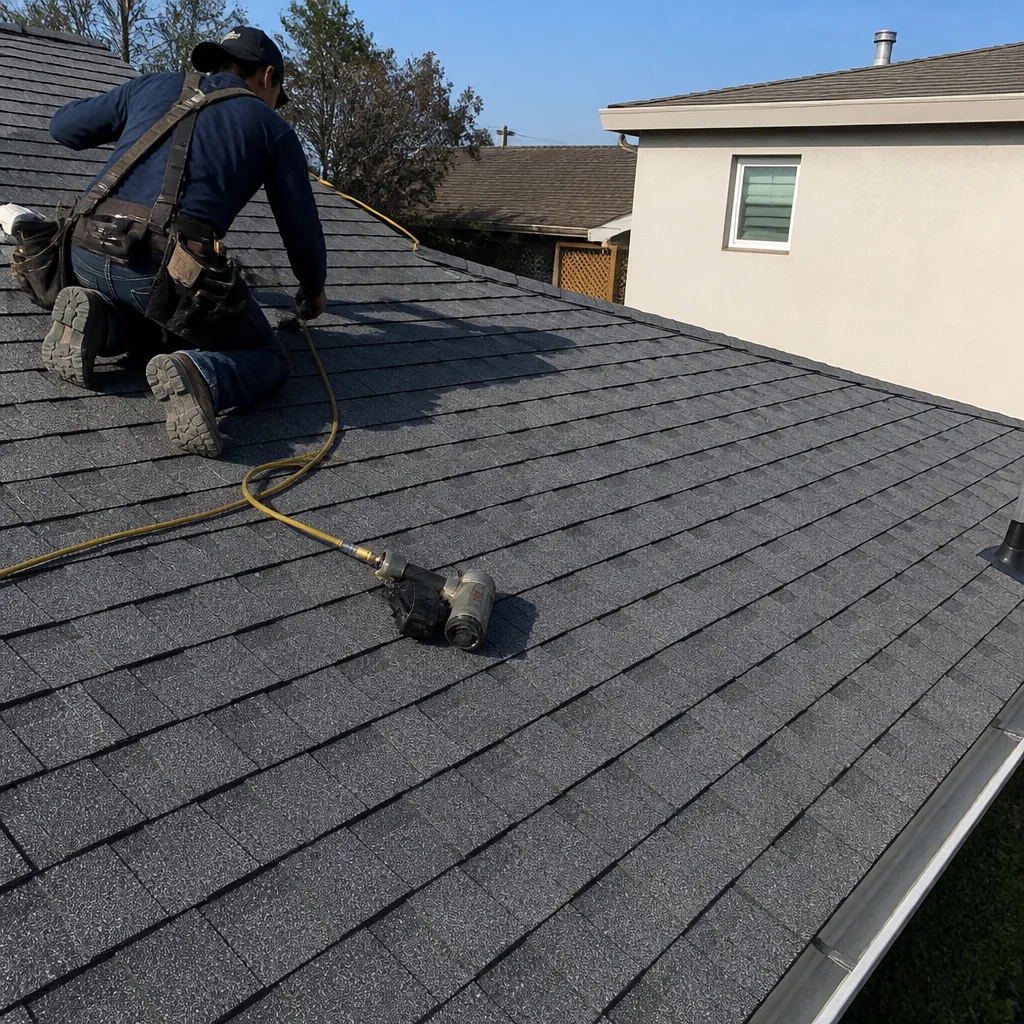 After
After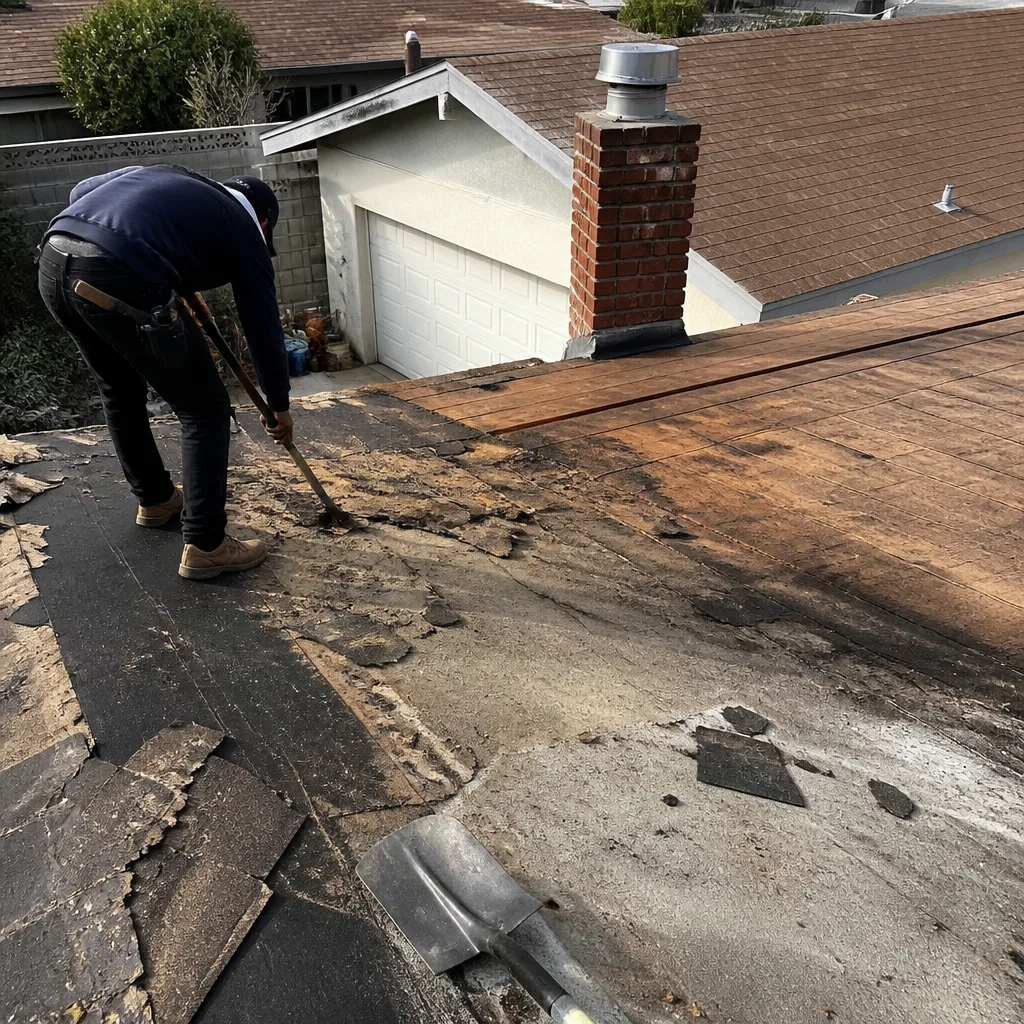 Before
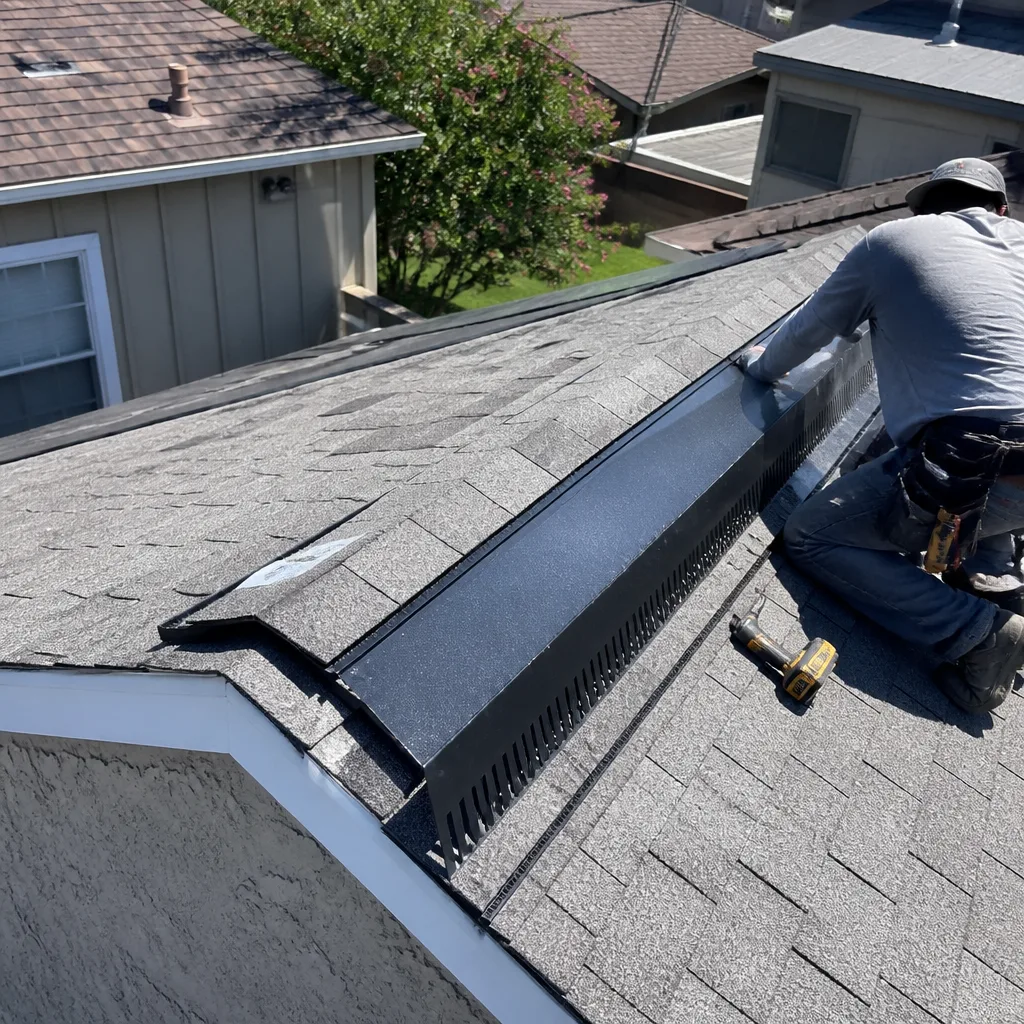 After
AfterHow Long Does Roofing Company Take? Timelines and What to Expect
Most roofers say “two to three days,” which is true for the roof itself but doesn’t account for the permit inspection hold that can pause work for four to seven additional days in Los Angeles. That gap between what you’re told and what actually happens is where frustration lives. This guide walks through the real timeline, phase by phase, so you know which days are loud, which days the driveway is blocked, and exactly when you’ll see the crew again. Whether you’re in Van Nuys, Westchester, or Silver Lake, the Los Angeles permitting process shapes your schedule more than any other single factor.
Quick Answer
A full roof replacement in Los Angeles typically takes 5 to 14 days from permit approval to final inspection, with 1 to 3 of those days being active on-roof work. Roof repairs usually finish in half a day to 2 days. The biggest variable is the City of Los Angeles permit process, which can add 3 to 10 business days before materials ever arrive.
Table of Contents
- The Phase-by-Phase Timeline
- Permit Timelines in Los Angeles: What Actually Happens
- Day-by-Day Breakdown: What You’ll See and Hear
- How Family Logistics Actually Play Out
- Pet and Child Safety by Phase
- Legitimate Delays vs. Contractor Red Flags
- The One Document That Protects Your Timeline
- Materials and Their Impact on Schedule
The Phase-by-Phase Timeline
Roofing timelines break into seven distinct phases. Understanding each one prevents the most common source of homeowner anxiety: not knowing whether the quiet is normal or a problem. In our experience across Los Angeles, the quiet days are almost always permits, inspections, or material staging, not abandonment.
- Contract and written schedule (Day 0) - Your roofer should hand you a written start date and a substantial completion date before you sign. At Birchbark Roofing, every job includes a written price in dollars before any work starts, and the schedule is part of that document.
- Permit application (1 to 3 business days) - Your contractor submits plans to the Los Angeles Department of Building and Safety. This happens behind the scenes.
- Permit approval (3 to 10 business days in LA) - LADBS review times vary by workload, plan complexity, and whether corrections are requested. This is the phase that surprises homeowners most.
- Material delivery (half day, often the day before tear-off) - Shingles, underlayment, fasteners, and flashing arrive by truck. The driveway gets blocked for a few hours.
- Tear-off day (Day 1 of active work) - The old roof comes off down to the decking. This is the loudest, messiest, most disruptive day.
- Installation (1 to 3 days depending on roof size and pitch) - New underlayment, flashing, and shingles go on. Quieter than tear-off but still active.
- Inspection hold and final sign-off (4 to 7 days in LA) - After installation, LADBS sends an inspector. Scheduling the inspection and getting sign-off typically takes 4 to 7 days in Los Angeles. Work is physically done; the permit is what’s pending.
For most single-family homes in Los Angeles, the full journey from contract signature to final inspection runs 2 to 4 weeks. Active roofing work accounts for only 2 to 4 of those days.
Permit Timelines in Los Angeles: What Actually Happens
Los Angeles requires permits for roof replacements and most structural repairs. The Los Angeles Department of Building and Safety is one of the busiest permitting offices in the country, and review times fluctuate. A simple reroof permit might clear in 3 to 5 business days. Anything involving structural changes, complex roof geometry, or historic district review in neighborhoods like Hancock Park or Angelino Heights can push 10 business days or more.
- Express permit option: Some straightforward reroof permits qualify for LADBS express processing, which can cut approval to same-day or next-day in certain cases.
- Corrections loop: If the plan reviewer requests changes, expect 2 to 3 additional business days per correction round.
- Inspection scheduling: After installation, LADBS inspection appointments in Los Angeles typically run 2 to 5 business days out, depending on inspector workload.
- Final sign-off: Once the inspector approves, your contractor receives the signed permit card. This is the official close-out.
A roofer who knows LADBS rhythms will schedule material delivery and tear-off only after permit approval, not before. If a contractor tells you they’ll start tomorrow but hasn’t mentioned permits, that’s a flag worth investigating. Learn more about how we handle the full process on our Roof Replacement in Los Angeles page.
Day-by-Day Breakdown: What You’ll See and Hear
Here’s what a typical 3-day active roof replacement looks like from your driveway, based on what we see most often on Los Angeles homes.
Day 1: Tear-Off
The crew arrives between 7:00 and 8:00 a.m. Dump trailers or trucks get positioned, ground tarps go down around the perimeter, and plywood protection covers windows and AC units. Tear-off is the loudest day, with constant scraping, impact sounds, and debris hitting the trailer. Your driveway will likely be occupied for the full day. Inside the house, you’ll hear it in every room. Plan for your kids to be elsewhere if they’re home during the day, and keep the dog in the quietest room with a door closed.
Day 2: Underlayment, Flashing, and Most Shingles
By mid-morning, the old roof is gone and the decking is exposed. The crew inspects for rot or damage, does any needed decking replacement, then rolls out underlayment and installs drip edge and flashing. Shingle installation usually starts after lunch. This day is a steady rhythm of nail guns, not the crashing of Day 1. The driveway may free up by late afternoon once the dump trailer leaves.
Day 3: Ridge Cap, Vents, and Clean-Up
The final day focuses on ridge cap shingles, pipe boots, attic ventilation, and any remaining detail work. The crew then does a full magnetic sweep for nails, walks the perimeter, and clears all debris. At Birchbark Roofing, we photograph the completed clean-up before the crew leaves, so you can see the job was finished to the Roofing Company services Care Promise standard without needing to go up a ladder yourself. Shoe covers go on at the door, drop cloths through the hallway, and the written price you received before work started stays the written price.
How Family Logistics Actually Play Out
Most homeowners don’t ask about the roof itself. They ask about the floors, the noise, the driveway, and whether anyone cleans up before leaving. Here’s what to expect, day by day.
- Driveway access: Blocked for most or all of Days 1 and 2 during material delivery and tear-off. Park on the street the night before if you need your car during the day.
- Noise levels: Day 1 (tear-off) is the loudest by far. Day 2 is steady but moderate. Day 3 is quiet enough that you could take a call indoors.
- Inside the home: Dust and vibration are real on Day 1. Cover items in the attic, remove wall hangings under the roof line if you’re nervous about vibration, and expect a few stray bits of debris in the yard despite the crew’s best efforts. A good crew does a magnetic sweep. A great crew shows you the photo.
- Which day is worst for working from home: Day 1, without question. If you can plan around it, that’s the day to send the kids to a friend’s or work from a coffee shop.
- What to ask before Day 1: Where will the dump trailer go? What time do they start? Will they need access to the house (attic, bathroom, power outlets)? What’s the plan for the dog’s door schedule?
If the dog needs to stay inside, coordinate the door schedule with your contractor ahead of time. At Birchbark Roofing, we ask before we move or touch anything. That’s a C.A.R.E. value, not a courtesy: Clean up like it’s our own home, Ask before we move or touch anything, Respect the family’s time and quiet hours, Explain the price before the work.
Pet and Child Safety by Phase
Each phase of a roofing project presents different risks to kids and pets. A thoughtful crew manages these without being asked. Here’s what that looks like.
During Tear-Off
Falling debris, exposed nails, and heavy foot traffic make the yard and immediate perimeter off-limits. Keep pets indoors, ideally in a room on the opposite side of the house. For kids, establish a clear boundary: no playing in the yard, no going near the dump trailer, no touching anything under the roof line until the crew is done. A good contractor positions ground tarps strategically and sweeps the driveway before leaving each day.
During Installation
Nail guns and hot tar (on some systems) create less debris but more airborne noise. The driveway may still be occupied. Pets should stay inside. Kids can use the yard on Day 3 after the final sweep, but footwear outdoors is smart for a week afterward - small roofing nails can hide in grass even after a magnetic sweep.
After Completion
Ask for the clean-up photo. At Birchbark Roofing, every job ends with a photo of the completed clean-up before the crew leaves. We use pet-safe product choices where there’s a choice, and we’ll tell you which products went where if you ask. For a household with a toddler who eats grass or a dog that licks everything, that conversation matters.
Legitimate Delays vs. Contractor Red Flags
Not every delay is a problem. Some are signs of a careful contractor doing the job right. Here’s how to tell the difference in Los Angeles, and see our Roof Repair Maintenance Schedule: What to Do and When for ongoing care.
- Decking rot discovered during tear-off (legitimate). Los Angeles homes have older decking in some areas, especially near valleys, around chimneys, and on homes with prior leaks. If the crew finds rot, the right move is to stop and show you photos before replacing it. This adds cost and possibly a day, and a good contractor documents it in writing.
- Permit office backlog (legitimate). LADBS workload varies. A roofer can’t control inspector scheduling. If your contractor submitted permits and can show you the submission number, the delay is real.
- Weather holds (legitimate, but rare in LA). Los Angeles rainfall can pause work. A short hold is normal. A crew that keeps working through rain is a red flag, not a virtue.
- No schedule in writing from day one (red flag). If your contractor won’t commit to a written start date and substantial completion date, the timeline isn’t real. It’s a vibe.
- Days of silence with no explanation (red flag). Even a permit delay deserves a phone call. If you’re the one initiating every status update, that’s disorganization, not normalcy.
- The “I’ll fit you in” scheduling (red flag). A full roof replacement takes a dedicated crew for consecutive days. A contractor juggling your roof between three other jobs can’t protect your home the way a dedicated crew does.
- Material substitution without conversation (red flag). If you specified a brand like GAF or CertainTeed and different materials show up, stop the work. Substitutions happen, but they require a conversation and sign-off first.
For a deeper look at how repair timelines differ, see our Roof Repair in Los Angeles page.
The One Document That Protects Your Timeline
A written contract with a start date and substantial completion date is the single most important timeline protection Los Angeles homeowners have. Not a verbal estimate. Not a text message. A written document that says when work starts and when, barring legitimate delays, it will be substantially complete.
Substantial completion means the roof is installed, watertight, and functional, even if a final inspection sign-off lands a few days later. The key is that both dates are in writing before any work begins. At Birchbark Roofing, the written price and the written schedule live in the same document. You’ll see exact dollars before we start, and the 365-Day Done Right Promise means if the work isn’t right, we make it right. That promise is stamped on every roof repair and replacement we perform. No change orders. No handshake math. No “we’ll tell you when we know.”
Here’s what a protective contract includes:
- Written start date
- Substantial completion date
- Permit responsibility clearly assigned
- Written price in dollars, with any potential change-order scenarios (like decking replacement) priced out in advance where possible
- Material brands specified (GAF, CertainTeed, Owens Corning, IKO, or others)
- Clean-up and debris removal responsibilities
- Point of contact with a live phone number
Ask your contractor to walk through the contract line by line. A roofer who resents that conversation is telling you something useful.
Materials and Their Impact on Schedule
Material choice affects your timeline in ways that rarely come up in the sales conversation. Los Angeles roofing supply houses carry deep inventory, but specialty products or specific color matches can add days.
- Asphalt shingles (GAF, CertainTeed, Owens Corning, IKO): Most common in Los Angeles. Readily available throughout the LA market. Standard colors usually ship within 1 to 3 business days. Specialty colors or lines can take 5 to 7 business days.
- Underlayment and flashing: These are commodity items. Any competent LA roofer stocks or sources them same-day. No timeline impact in normal conditions.
- Metal roofing or specialty tile: Longer lead times, often 2 to 4 weeks from order. If you’re considering a specialty system, factor this into your written schedule.
- Decking and structural lumber: Sourced same-day from LA lumber yards in most cases. Only impacts the timeline if rot is discovered mid-job and materials weren’t staged in advance.
The right question to ask before signing: “What materials are you using, and are they in stock at your Los Angeles supplier right now?” If the answer is vague, the timeline is vague. If the answer names brands like GAF or CertainTeed with a specific supplier, you’re working with someone who knows their logistics. Birchbark Roofing works with materials from GAF, CertainTeed, Owens Corning, IKO, Atlas, Tamko, and Boral, and every job includes a written price before any work starts.
Common Mistakes to Avoid
- Accepting a verbal timeline. If it’s not written, it doesn’t exist. Insist on a written start date and substantial completion date in the contract.
- Planning a house event for the day after “completion.” The roof may be done, but the inspection hold means a final sign-off may take 4 to 7 additional days in Los Angeles. Build buffer into your planning.
- Not asking where the dump trailer goes. In tight Los Angeles neighborhoods with narrow driveways and street parking restrictions, the dump trailer location affects your access and your neighbors. Agree on it before Day 1.
- Leaving the dog outside on Day 1. Tear-off day is dangerous and stressful for pets. Inside, door closed, furthest room from the work.
- Choosing a contractor without checking that permits are included. Some LA roofers bid without permits to look cheaper. You’re left exposed when the inspector or a future buyer asks for a permit card.
- Not getting the clean-up commitment in writing. Every roofer says they clean up. Very few can show you a photo of the completed clean-up. Ask for it.
- Paying in full before the final inspection. A deposit secures the schedule, but final payment should follow substantial completion and the LADBS sign-off, not precede it.
When to Call a Professional
Some situations don’t wait for a comfortable timeline conversation. If you’re seeing water stains on the ceiling after rain, missing shingles after a wind event, granules collecting in gutters, or daylight coming through the attic, call a roofer. Specifically, call a roofer with a written price before any work starts, because the alternative is a verbal estimate that becomes something else once the decking comes off. For help choosing, read our How to Hire a Roofing Contractor in Los Angeles: A Step-by-Step Guide. Birchbark Roofing offers free estimates in Los Angeles - call (424) 766-4937 and a live person answers, 24 hours a day, 7 days a week. No voicemail tree. That’s part of the Cedarwell Care Promise, and it’s how we’ve operated since 2000.
For a broader view of what to expect from a full-service roofing company, see our Birchbark Roofing home page or our Roofing Company in Los Angeles page.
Frequently Asked Questions
A full roof replacement in Los Angeles typically takes 2 to 4 weeks from contract signing to final inspection, with active on-roof work lasting 2 to 4 days. The single biggest variable is the LADBS permit process, which can run 3 to 10 business days before materials arrive and another 4 to 7 days for the final inspection hold after installation. Call (424) 766-4937 for a free estimate and a written schedule for your specific roof.
Tear-off day is always the loudest, with constant scraping, impact sounds, and debris hitting the dump trailer from 7:00 or 8:00 a.m. until mid-afternoon. Installation days are substantially quieter, mainly steady nail-gun rhythm. If you work from home or have young kids, plan around tear-off day.
A written price with clearly defined change-order scenarios (like decking rot discovered during tear-off) should not change. At Birchbark Roofing, every job includes a written price in dollars before any work starts, and the 365-Day Done Right Promise covers the finished work. If a contractor can’t give you a written price before starting, walk away.
Most roof repairs in Los Angeles finish in half a day to 2 days, depending on the scope. Repairs involving flashing, pipe boots, or localized shingle replacement are typically same-day. Structural repairs or decking replacement may stretch to 2 days. Call (424) 766-4937 for an exact quote - estimates are free.
Yes, any legitimate Los Angeles roofing contractor should pull permits through LADBS before starting a roof replacement or structural repair. At Birchbark Roofing, permits are part of the written price and schedule. We handle the full permit process from submission through final inspection.
From contract signature to final inspection, most Los Angeles roof replacements take 2 to 4 weeks. The first week is typically permit processing and material staging. Active roofing work follows, usually 2 to 4 days, then the inspection hold runs another 4 to 7 days. Your written contract should include both a start date and a substantial completion date so you always know where things stand.
The Bottom Line
A roofing timeline in Los Angeles is only as real as the written schedule behind it. For more guides & resources on roofing projects, visit our blog. Active work takes days. Permits, inspections, and logistics take weeks. The roofers worth hiring put both in writing before the first nail, name the materials, protect your floors and your dog, and show you the clean-up before they leave. Birchbark Roofing has been part of the Cedarwell family since 2000, and every job carries the 365-Day Done Right Promise and the Cedarwell Care Promise: shoe covers at the door, drop cloths through the hallway, all debris cleared and photographed before we leave. Call (424) 766-4937 for a free estimate, and you’ll see your exact price and schedule in writing before any work starts.
Written by Erik Lindgren, Owner at Birchbark Roofing, serving Los Angeles since 2000.