
Last updated October 8, 2026
Free roof inspection with deck photos before we talk money - GAF and Owens Corning certified installation
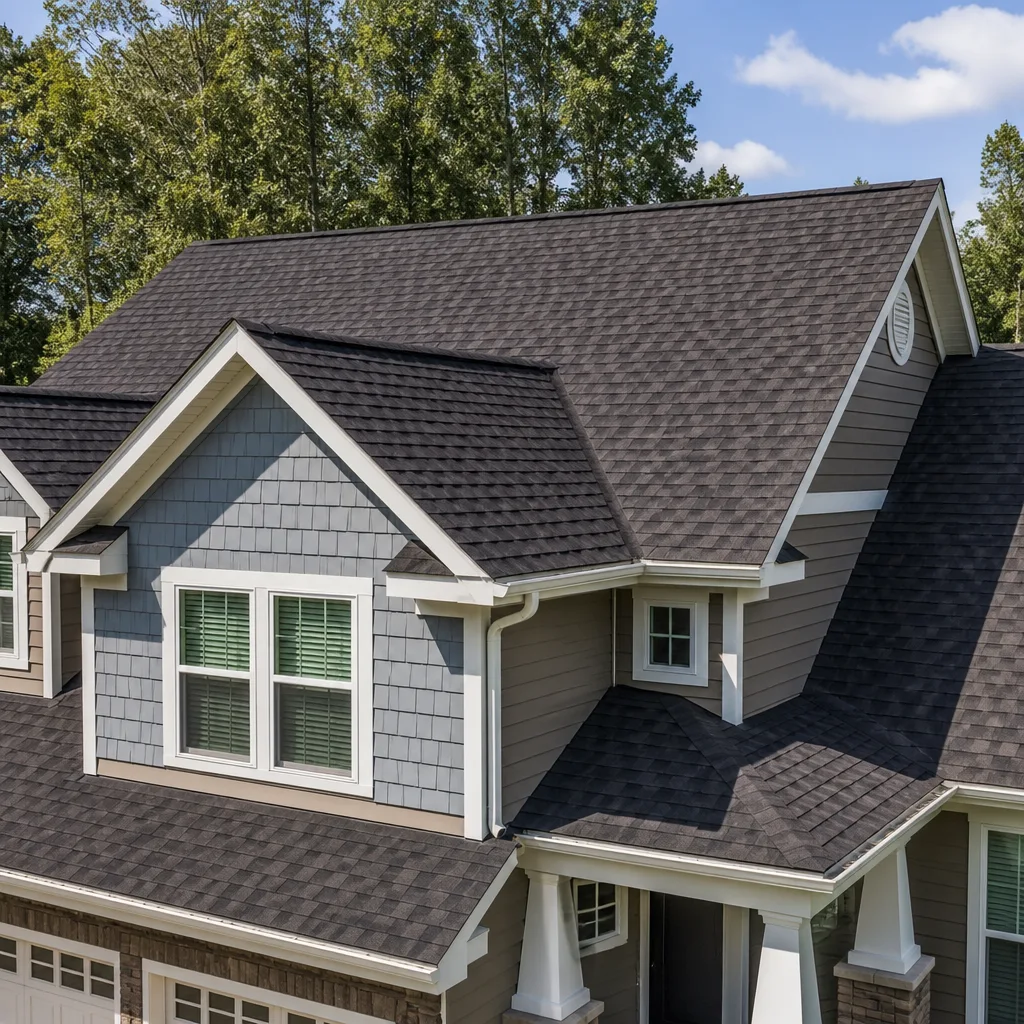
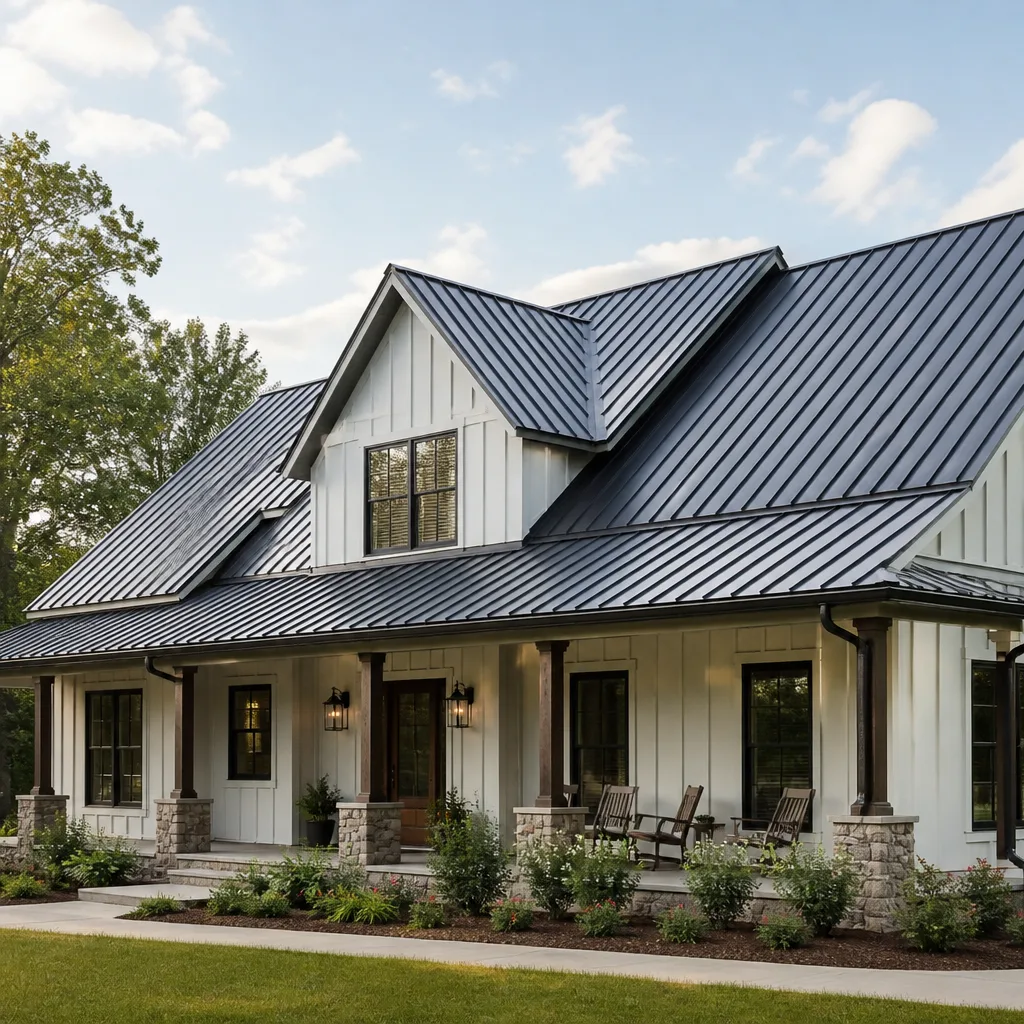
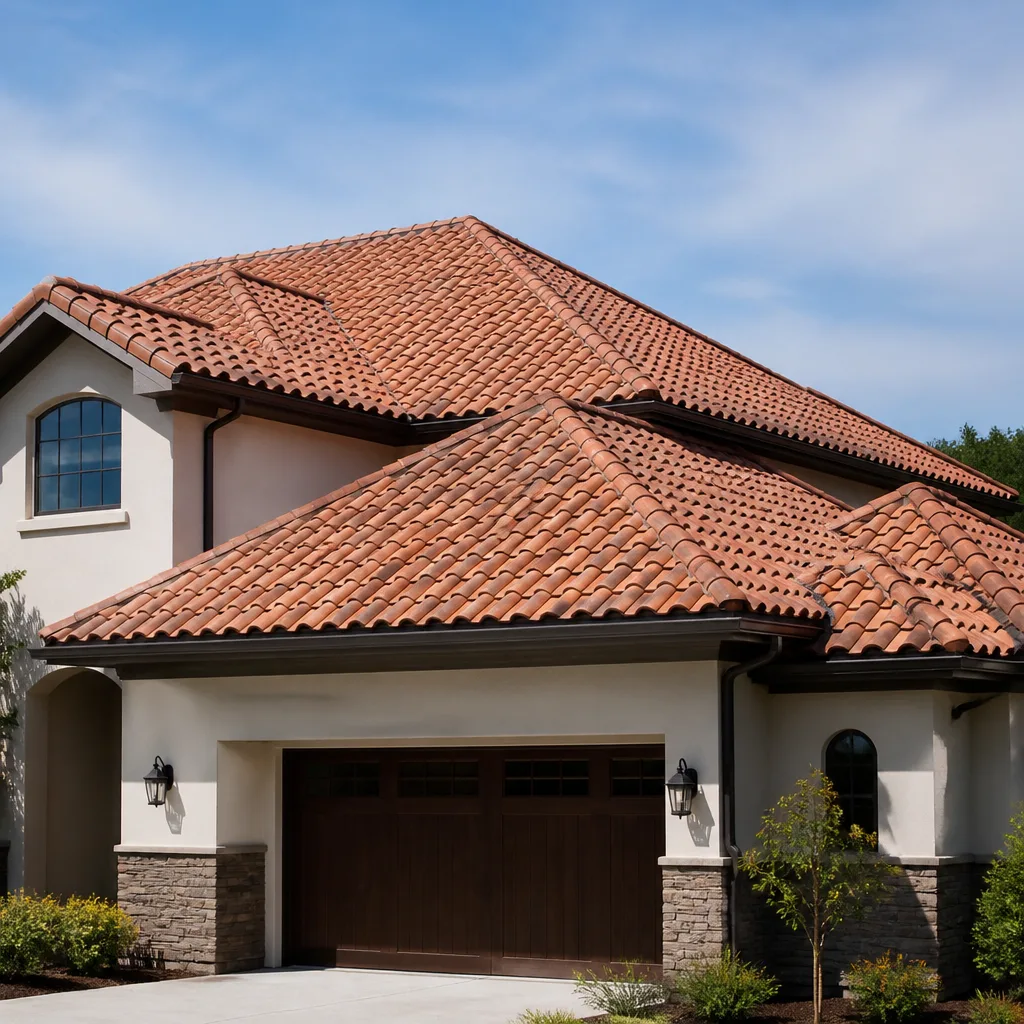
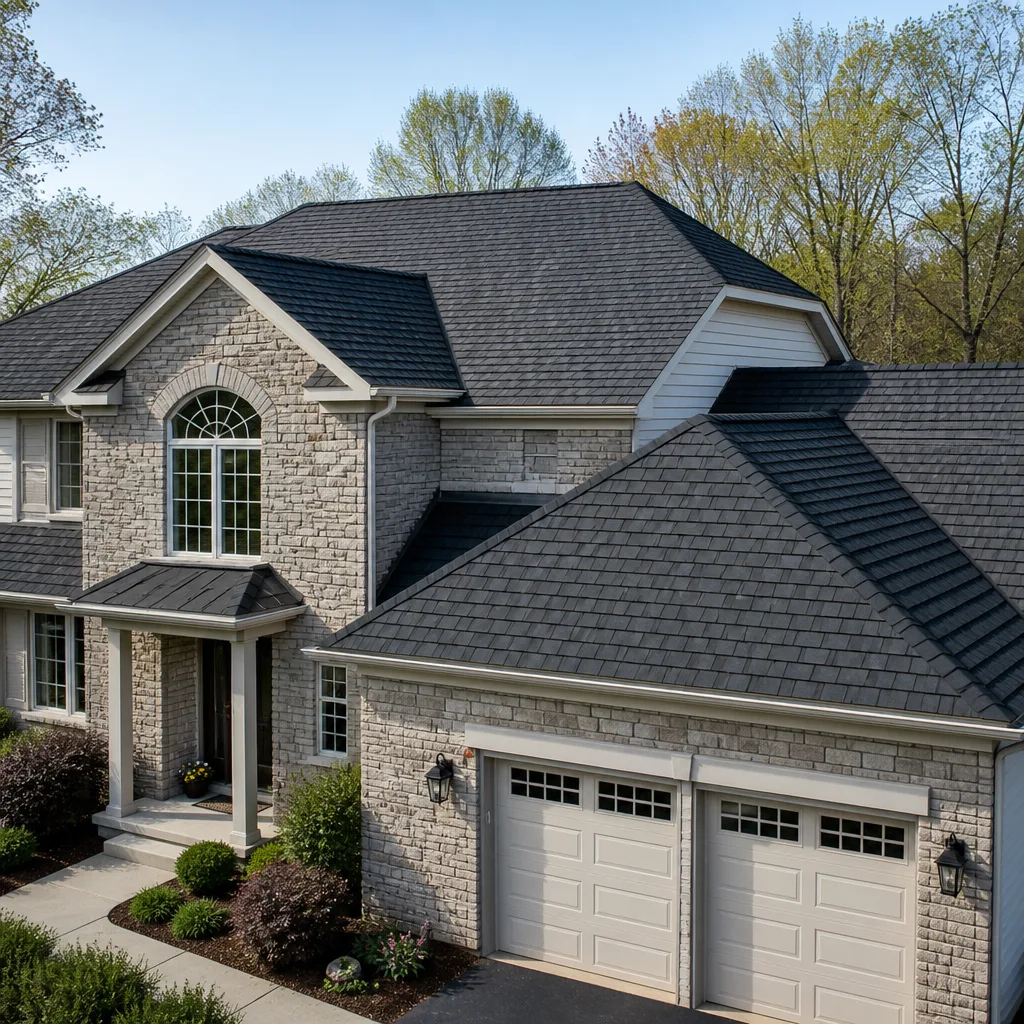
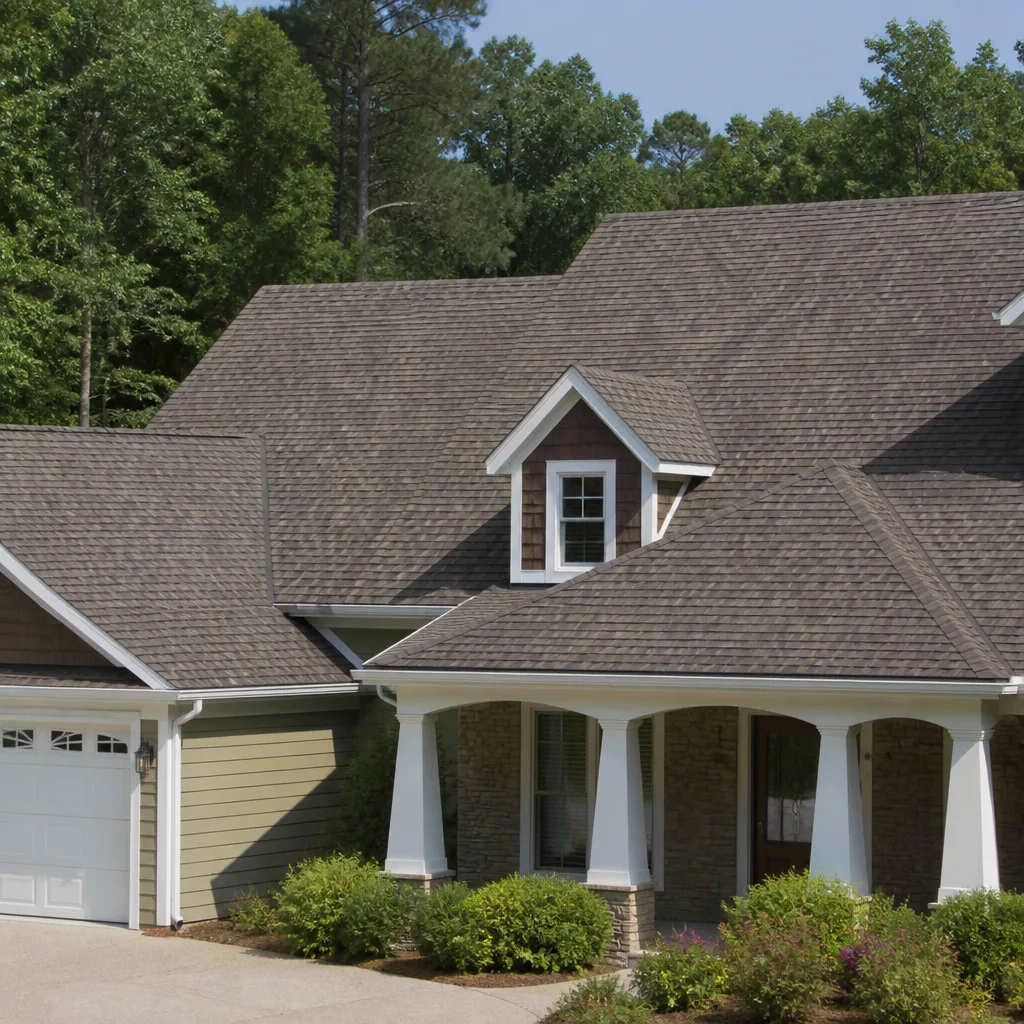
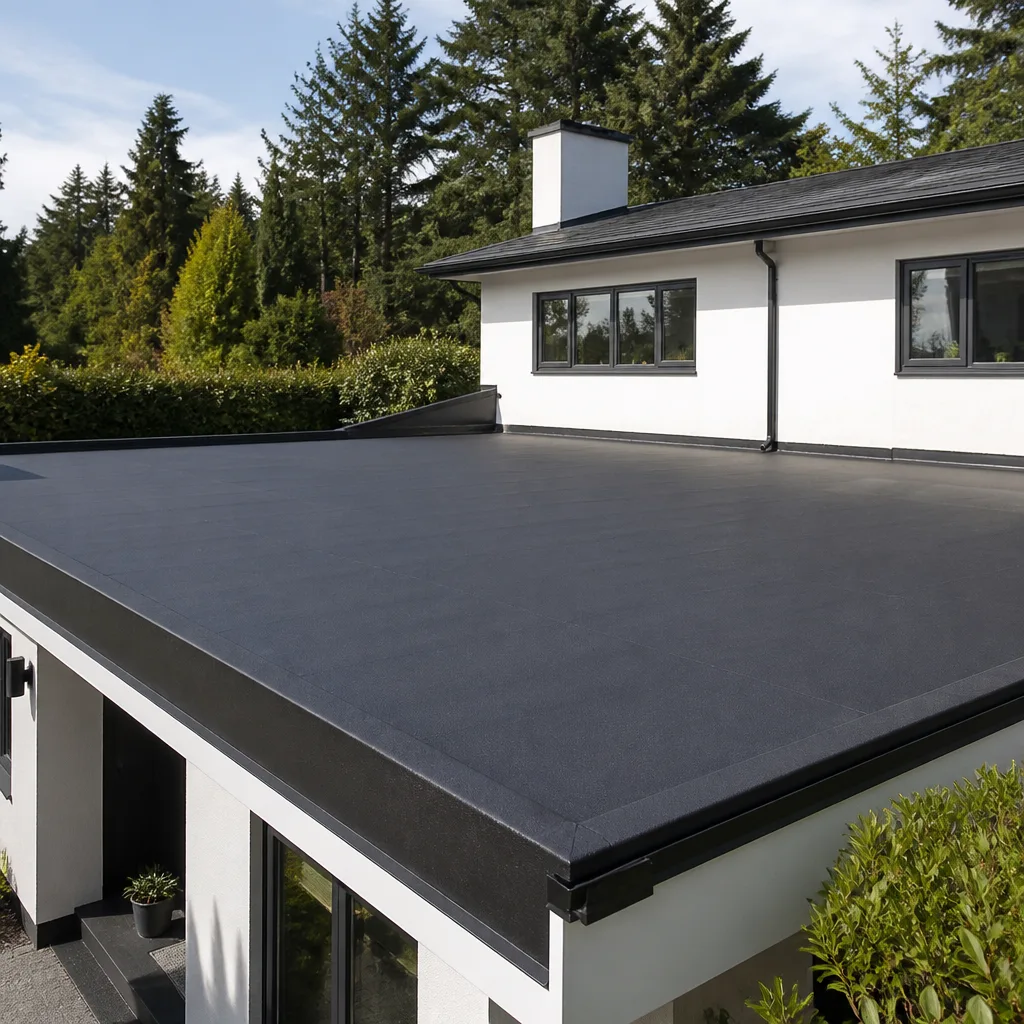
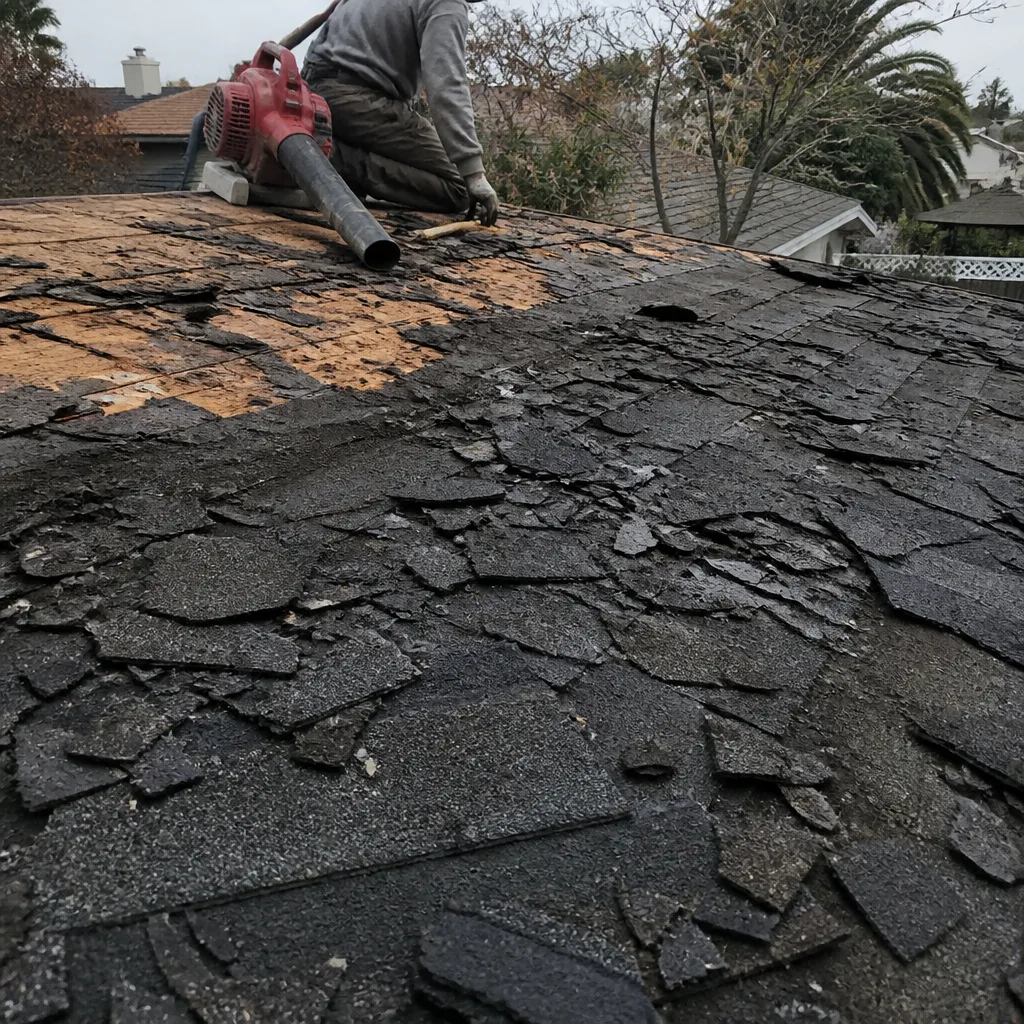 Before
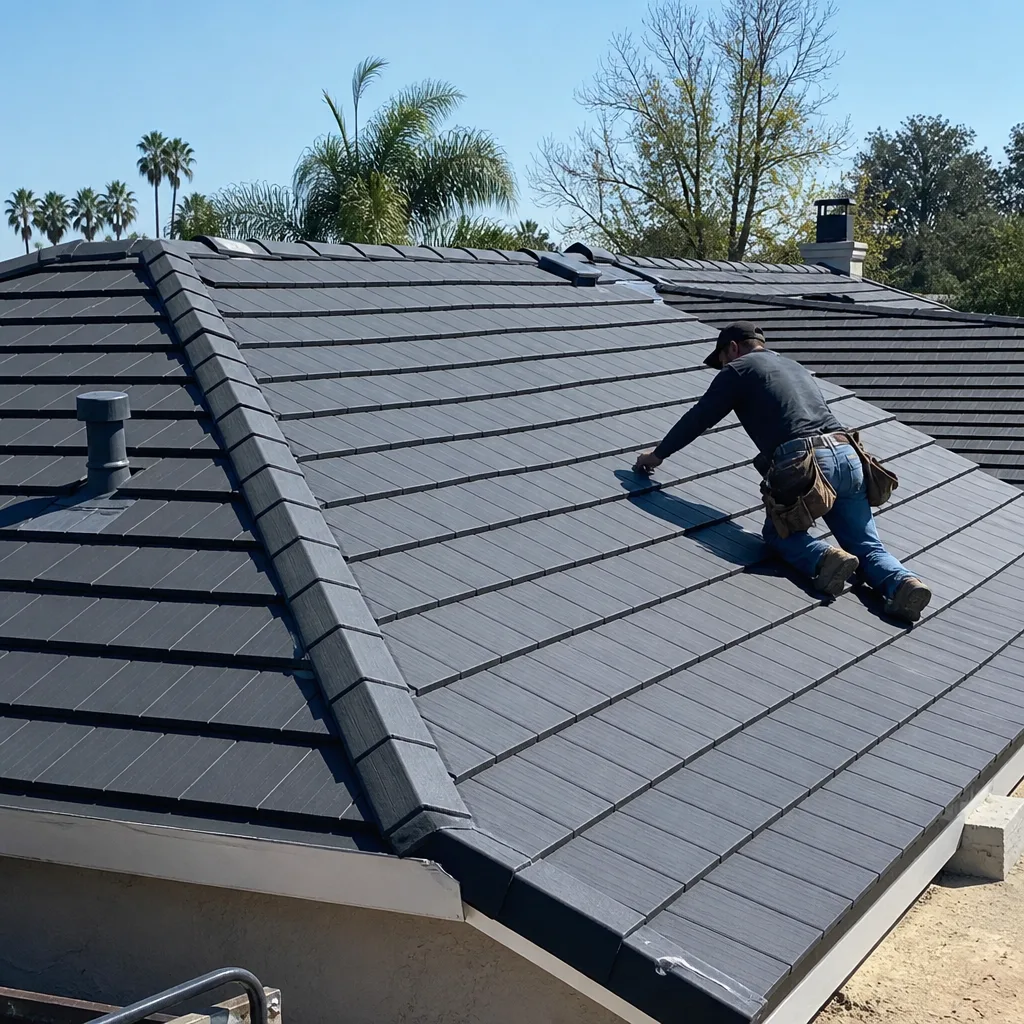 After
After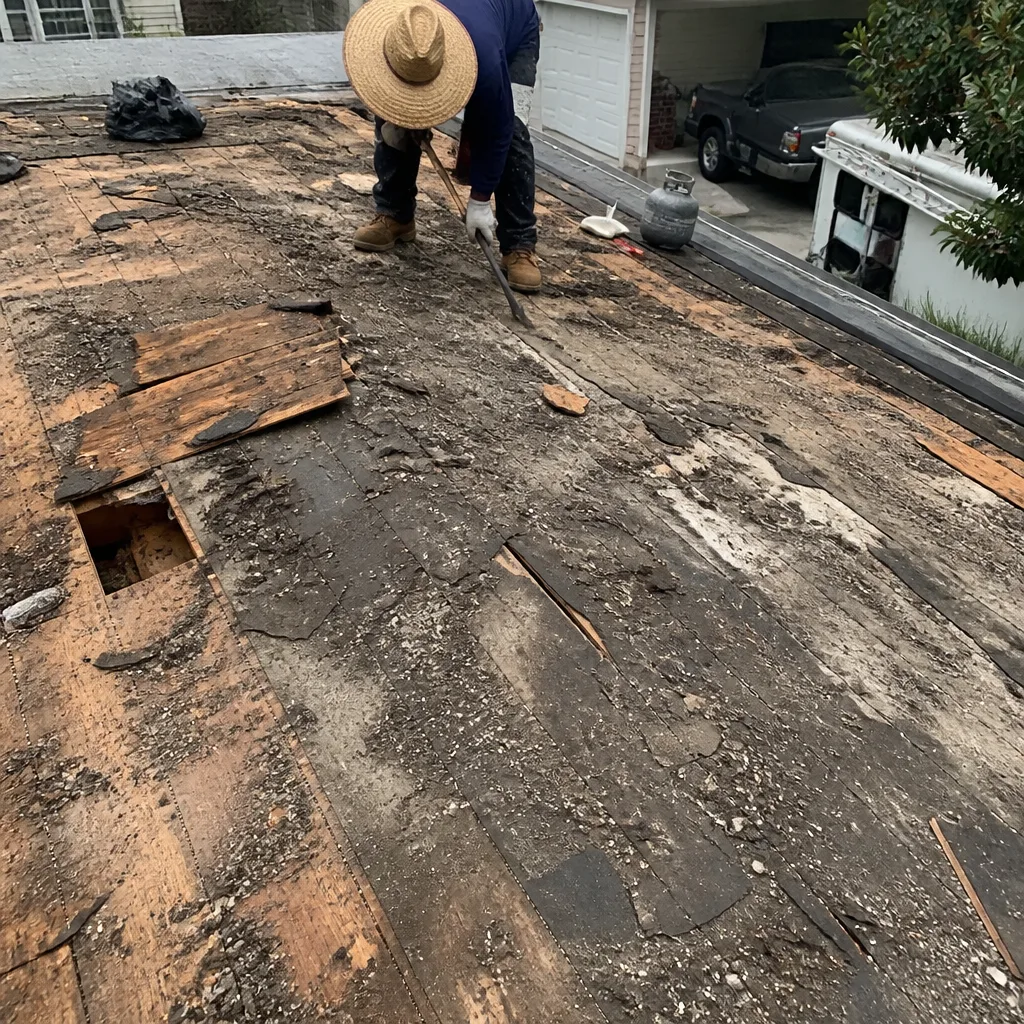 Before
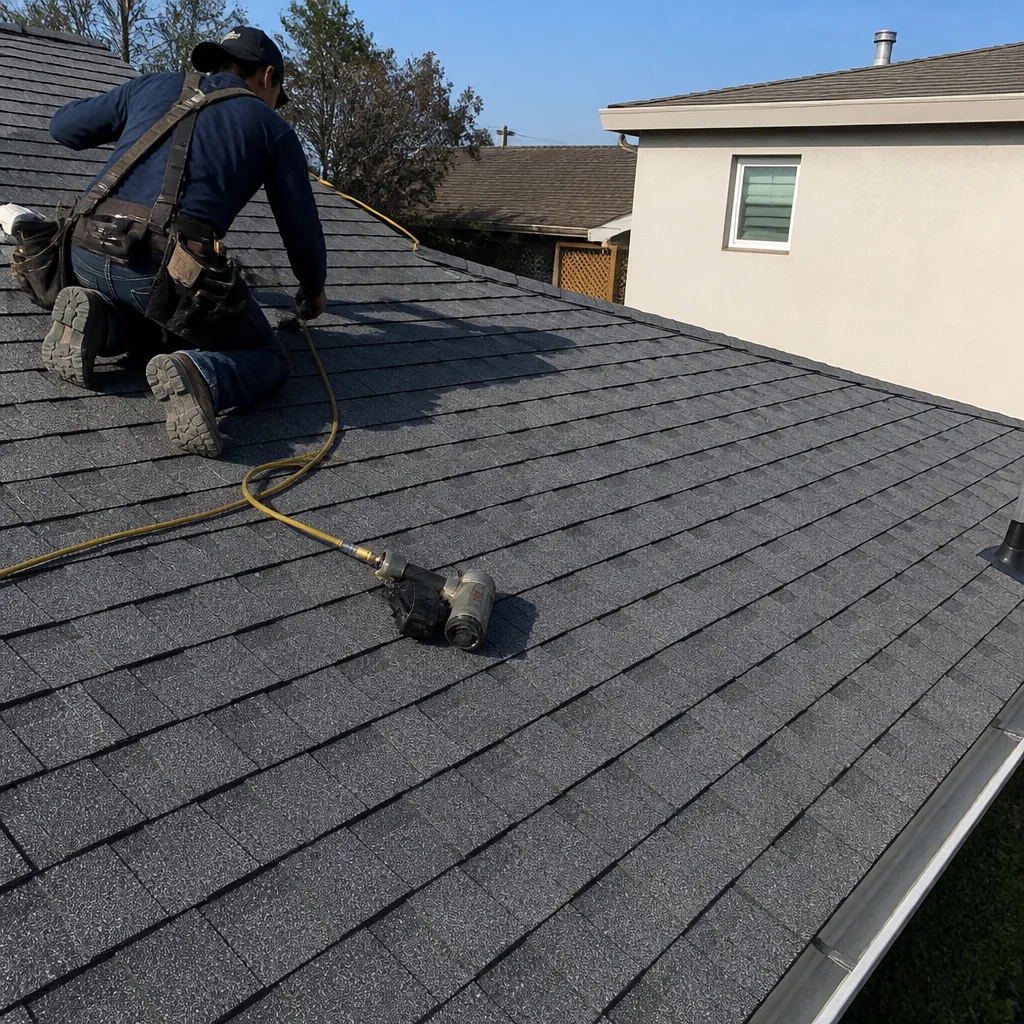 After
After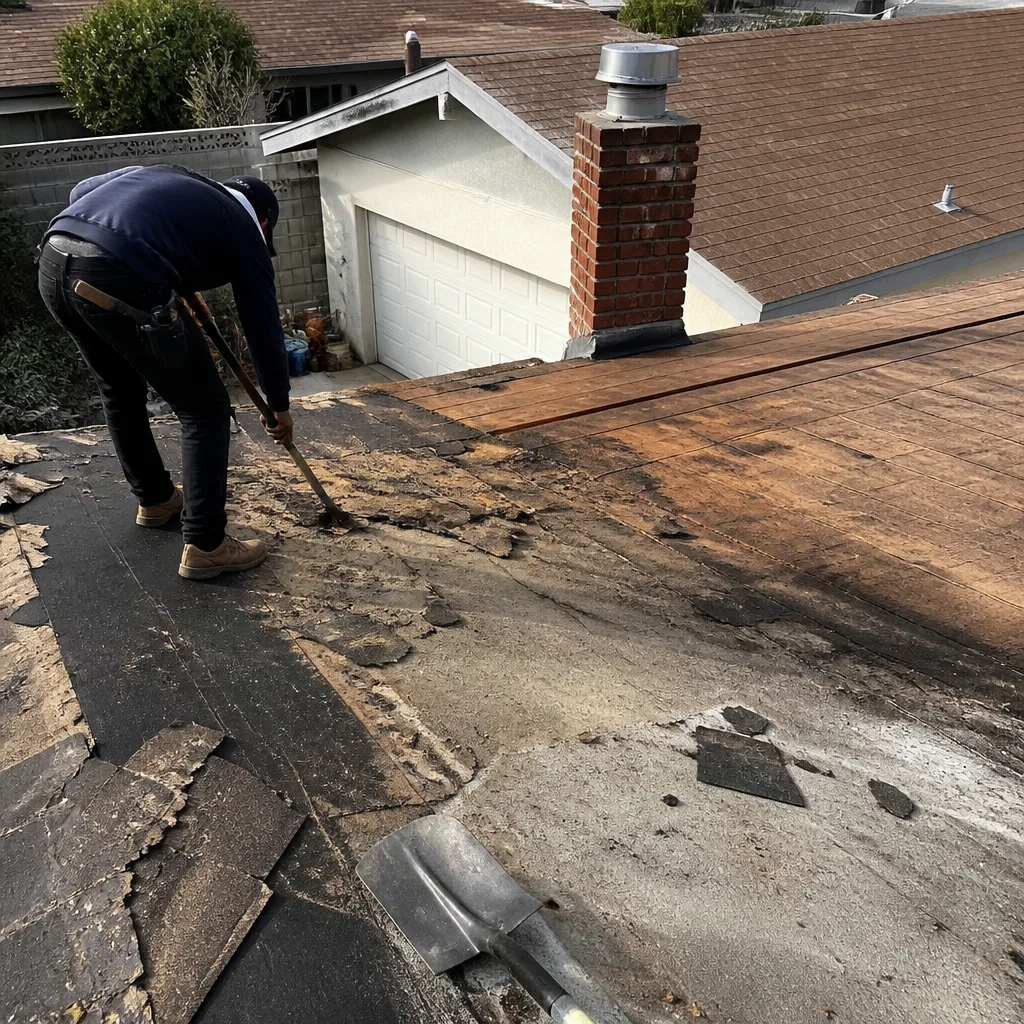 Before
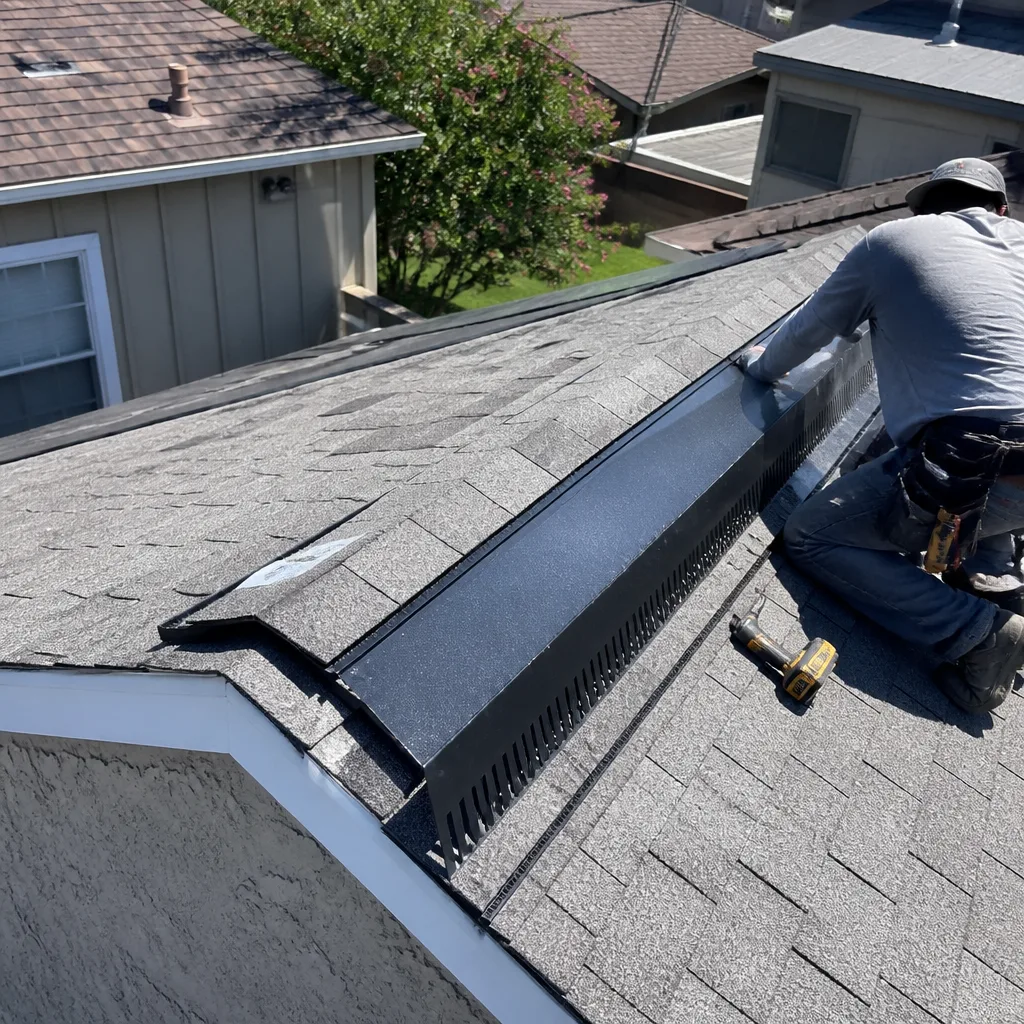 After
AfterHow to Hire a Roofing Contractor in Los Angeles: A Step-by-Step Guide
California’s Contractors State License Board logged over 14,000 roofing-related complaints in a recent five-year period, and the majority involved a price or scope that was never put in writing. That is a staggering number for a city like Los Angeles, where thousands of roofs are replaced every year and where the difference between a good hire and a bad one often comes down to a single conversation. This guide walks you through exactly how to hire a roofing contractor in Los Angeles, step by step, with the specific documents, questions, and protections that separate a careful crew from a costly gamble, and you can find more guides & resources on our blog.
Quick Answer
To hire a roofing contractor in Los Angeles, verify their California C-39 roofing license on the CSLB website, get a written estimate that includes at least five specific items, ask directly about subcontractor use, and confirm the warranty exists on paper before you sign anything. Homeowners who follow this process rarely end up in the CSLB complaint files because the moment a verbal price becomes a written one, most of the risk disappears. If you want to skip the research and work with a Los Angeles roofer that puts its care in writing, call Birchbark Roofing at (424) 766-4937 for a free estimate.
Table of Contents
- Step 1: Verify the C-39 License Before Anything Else
- Step 2: Demand a Written Estimate with These Five Items
- Step 3: Recognize the Free Inspection That Pressures You to Sign
- Step 4: Ask the Subcontractor Question Most LA Homeowners Skip
- Step 5: Get the Warranty in Writing, Not in Words
- Step 6: Choose Materials That Hold Up to Los Angeles Weather
- Step 7: Confirm How the Crew Will Protect Your Home During the Job
- Common Mistakes to Avoid
- When to Call a Professional
- Frequently Asked Questions
- The Bottom Line
Step 1: Verify the C-39 License Before Anything Else
Every legitimate roofing contractor in Los Angeles must hold a C-39 roofing license issued by the California Contractors State License Board. This is not a formality. The C-39 is the specific classification for roofing work in California, and a contractor holding a different classification, like a general building B license, is not technically licensed to perform roofing as the primary trade. Before you invite anyone onto your property, spend two minutes on the CSLB website.
Here is what to do:
- Go to cslb.ca.gov and click “Check a License” in the main navigation.
- Enter the contractor’s license number or business name. The number is usually printed on their truck, business card, or website. If they do not display it, that is your first red flag.
- Confirm the classification says “C-39 Roofing.” If it says anything else, the contractor cannot legally perform roofing work in Los Angeles under that license.
- Check the license status. It should read “Active” and show no pending suspensions or revocations.
- Look at the “Bonding” section. California requires roofing contractors to carry a $15,000 contractor’s bond, and the CSLB page will show whether that bond is current.
- Scroll to the bottom and look at the “Worker’s Compensation” line. If the contractor has employees, this must show that coverage is in place. If a worker falls off your Los Angeles roof and the contractor has no workers’ comp, the liability can land on you as the homeowner.
In our experience as a roofing company in Los Angeles, we have seen homeowners skip this step because the contractor “seemed nice” or “came recommended.” A CSLB check takes less time than ordering a coffee, and it tells you whether the person on your doorstep is legally allowed to be on your roof at all. Erik Lindgren, owner at Birchbark Roofing, reviews every license and insurance document before any crew member sets foot on a property in Los Angeles, because a roof is not the place to learn that a contractor was unlicensed.
Step 2: Demand a Written Estimate with These Five Items
The single most important document in a Los Angeles roofing project is the written estimate, and most homeowners do not know what belongs in it. A verbal quote is not an estimate. Neither is a text message that says “around $14k.” A real written estimate gives you a fixed number, a defined scope, and a record of every promise made during the sales conversation. If a contractor will not put the price in writing before the work starts, walk away.
Here are the five items that must appear in the estimate before you consider signing anything:
- The total price in dollars. Not a range, not a “good faith estimate,” not a ballpark. A specific number that the contractor will stand behind. At Birchbark Roofing, every project gets a written price in dollars before any work begins, always included, never optional.
- The full scope of work. This includes the square footage being roofed, the specific areas being repaired, the number of layers being removed, and whether flashing, vents, or gutters are included. If the estimate says “roof replacement” without saying what that means, it is not an estimate.
- The specific materials, by brand and product line. “Architectural shingles” is not specific enough. You should see something like “GAF Timberline HDZ” or “Owens Corning Duration” on the estimate, along with the color and the warranty tier. Birchbark Roofing works with materials from GAF, CertainTeed, Owens Corning, IKO, Atlas, Tamko, and Boral, and the estimate names the exact product going on your roof.
- The start date and estimated duration. Los Angeles roofing projects are weather-dependent and crews get backed up, but a contractor should still commit to a target window in writing. “Sometime next month” is not a schedule.
- The payment terms. How much is due up front, when progress payments are due, and when the final balance is collected. California law caps the down payment for home improvement contracts at 10% of the total or $1,000, whichever is less. If a contractor asks for more than that up front, they are breaking state law.
In Los Angeles, where roofing demand spikes every time a Santa Ana wind event rolls through, some contractors use urgency to push homeowners past the written-price step. Do not let a busy season be the reason you skip the most important protection you have. When you call Birchbark Roofing home to schedule, a live person answers 24 hours a day, 7 days a week, and the written estimate is part of every single job, no exceptions.
Step 3: Recognize the Free Inspection That Pressures You to Sign
The “free inspection” that ends with same-day pressure to sign a contract is a documented sales tactic in the roofing industry, and Los Angeles homeowners see it more than most, which is why knowing the Roof Repair Warning Signs Every Homeowner Should Know matters before you ever open the door. Here is how it works. A contractor offers a free roof inspection, arrives quickly, spends twenty minutes on the roof, and then presents you with a serious-sounding finding and a price that is only good if you sign right now. The urgency is manufactured. A roof that needs work today will still need work next week, and a legitimate contractor knows that.
The reason this tactic works is that the inspection is framed as a favor. You did not pay for it, so you feel a pull to reciprocate by moving forward. But a free inspection is a marketing cost for the contractor, not a gift. What you are really being offered is an estimate, and estimates in Los Angeles should come with time to think. If a contractor says the price will go up if you do not sign today, that is a sales script, not a roofing fact.
Here is how to pause the pressure without feeling rude:
- Say: “Thank you for the estimate. Can you email me the written version so I can review it with my spouse?” A contractor who wants your business will send it within the hour.
- Ask: “Is this price valid for 30 days?” If the answer is no, that tells you something about how the contractor prices work.
- Check: “Can you show me a photo of the damage you found?” A legitimate contractor will have pictures. A pressure artist will describe the damage instead.
At Birchbark Roofing, the estimate process in Los Angeles does not come with a same-day signing ultimatum. You get the written price, you take the time you need, and the number does not change because you slept on it. Erik Lindgren’s approach is simple: if the work is worth doing, it is worth doing with a homeowner who had time to read the paper.
Step 4: Ask the Subcontractor Question Most LA Homeowners Skip
Many Los Angeles homeowners hire a licensed roofing contractor and never think to ask who will actually be climbing onto the roof. It is a common story in roofing: a contractor with a C-39 license and a nice website signs the deal, then hands the job to an unlicensed subcontractor who does the physical work. The homeowner never knows until something goes wrong, and by then the contract is with a company that did not do the work, and the crew that did the work was never on the contract at all.
California law allows licensed contractors to use subcontractors, but the homeowner has a right to know who the subs are, whether those subs are licensed, and who is responsible if a sub’s work fails. Before you sign anything in Los Angeles, ask these questions directly:
- “Will your own employees be doing the work, or will you use subcontractors?” Get the answer in writing.
- “If you use subcontractors, what are their license numbers?” You can run each one through the CSLB check described in Step 1.
- “Who carries the workers’ comp insurance for the crew on my roof?” If the answer is murky, that is a problem, because a fall on your property can become your liability.
- “Who do I call if a subcontractor’s work fails six months from now?” The answer should be the company you hired, not the sub.
Birchbark Roofing does not hand jobs off to unknown crews. Background-checked, uniformed technicians on every job mean Los Angeles homeowners know exactly who is walking through their door and onto their roof. The name on the estimate is the name on the crew, and if something is not right, one phone call reaches the same team that did the work. That is a level of accountability a subcontracted job cannot provide.
Step 5: Get the Warranty in Writing, Not in Words
A verbal “10-year guarantee” is worth exactly the paper it is not written on. In Los Angeles, where roofing contractors come and go with the seasons, a warranty that exists only in a salesperson’s smile is not a warranty at all. It is a memory, and memories do not hold up in small claims court. Before you sign anything, the warranty must be a written document that spells out exactly what is covered, for how long, and what the process is if something fails.
Here is what a legitimate warranty in writing should include:
- The coverage period in months. “10 years” is fine, but it should say “120 months from the date of substantial completion” or similar specific language.
- What is covered. Labor only? Materials only? Both? A shingle manufacturer’s warranty covers defective shingles, not the labor to tear them off and replace them. Those are two different warranties, and you want both in writing.
- What voids the warranty. Some warranties are void if another contractor performs work on the roof, or if the homeowner fails to maintain gutters, or if the property is sold. Know the exclusions before you need them.
- The claim process. Who do you call, how quickly they will respond, and whether there is a fee for the inspection. If the warranty has no claim process, it is not a warranty.
Birchbark Roofing’s 365-Day Done Right Promise covers every roof repair and replacement the team performs in Los Angeles. The terms are simple: if the work is not done right, Birchbark makes it right. That promise is stamped on every job, not spoken over a kitchen table and forgotten. When you combine a written contractor warranty with the material warranty from brands like Owens Corning or IKO, you have the two layers of protection every Los Angeles homeowner should insist on before writing a check.
Step 6: Choose Materials That Hold Up to Los Angeles Weather
Los Angeles roofing has a unique set of demands. The city gets less than 15 inches of rain most years, but when the rain does come, it often arrives in concentrated bursts that test every seam and flashing point. The sun is the bigger daily assault: UV exposure degrades cheap shingles years faster in Los Angeles than it does in coastal northern California. And then there are the Santa Ana winds, which can turn a poorly fastened roof into a debris field overnight.
Material selection in Los Angeles should be driven by these three factors, not by whatever the contractor happens to have in stock. Here is how the major brands approach the LA climate:
- Owens Corning Duration shingles are known for their wind resistance, with rating levels that matter in the Santa Ana corridors of the San Fernando Valley and the foothill communities. If your Los Angeles home sits in a wind-exposed area, ask about the wind warranty specifically.
- IKO shingles offer solid UV protection at a mid-range price point, which makes them a sensible choice for Los Angeles homeowners who want performance without the premium tier pricing.
- Atlas shingles include product lines with reflective granules that can reduce attic temperatures, which matters in the long hot summers of the San Gabriel Valley and the Inland-adjacent parts of Los Angeles County.
Birchbark Roofing works with materials from GAF, Owens Corning, IKO, Atlas, and Tamko, and the recommendation for your specific Los Angeles neighborhood depends on the roof pitch, the sun exposure, and the wind exposure of your exact lot. That is the kind of guidance you should expect from a contractor: not a brand pitch, but a material choice explained in plain English with the local weather in mind. And whatever product you choose, the estimate names it in writing before the first shingle is ordered.
Step 7: Confirm How the Crew Will Protect Your Home During the Job
For Los Angeles homeowners with kids and pets, the roof itself is almost never the main source of stress. The floors are. The noise is. The debris is. And the question that keeps people up at night is whether anyone cleaned up before they left. These are not minor concerns; they are the difference between a roofing experience you barely notice and one that echoes through the house for weeks.
Before you hire, ask the contractor to name the specific protections they will use inside the home. Here is what careful looks like:
- Shoe covers at the door, every time a crew member enters the house. No exceptions, even for a quick bathroom break.
- Drop cloths through the hallway and any room the crew will pass through, so the floors are not a casualty of a roof repair.
- Tarps around the perimeter to catch falling debris during tear-off, keeping nails and shingle fragments out of your flower beds and off your driveway.
- A plan for the family’s noise and quiet hours. Roofing is loud work, but a respectful crew coordinates the noisiest phases with the family’s schedule.
- Pet-safe product choices where there is a choice. If the dog needs to stay inside, the crew should be willing to coordinate the door schedule with you so no one makes a run for it.
- A clean-up photo before the crew leaves. You should not have to walk the yard with a magnet to find the roofing nails. The crew should do that, and then show you the finished, clean job site.
Birchbark Roofing operates by the C.A.R.E. values on every Los Angeles job: Clean up like it is our own home; Ask before we move or touch anything; Respect the family’s time and quiet hours; Explain the price before the work. Shoe covers and drop cloths on every visit, pet-safe product choices where available, and a photo of the completed clean-up before the crew leaves. That is the standard, and it is written into the job, not left to the mood of the crew on a Friday afternoon.
Common Mistakes to Avoid
- Hiring without checking the CSLB license. In Los Angeles, an unlicensed roofer is not just a risk, they are illegal, and any work they do may void your material warranty and complicate your insurance claims. Two minutes on cslb.ca.gov prevents this.
- Accepting a verbal quote as a real estimate. A number spoken over the phone has no legal weight in California. If it is not in writing, it does not exist.
- Paying more than 10% up front. California law caps the down payment on home improvement contracts at 10% of the total or $1,000, whichever is less. Any contractor asking for more is not someone you want on your property.
- Skipping the subcontractor question. Los Angeles has no shortage of licensed contractors who quietly hand jobs to unlicensed crews. Ask who will be doing the work and get the license numbers of every sub.
- Choosing the lowest bid without comparing scope. A low bid in Los Angeles usually means something was left out: the permit, the disposal fees, the underlayment, the flashing. Compare line items, not just total prices.
- Trusting a warranty that was never written down. A “10-year guarantee” is only real if it exists as a document with terms, exclusions, and a claim process. In Los Angeles roofing, paper beats promises every time.
- Ignoring the clean-up plan. Roofing debris in the yard, nails on the driveway, and dust through the house are not inevitable side effects. They are signs of a crew that did not plan to care. Confirm the protection plan before the first ladder goes up.
When to Call a Professional
If you have curling or missing shingles, visible water stains on the ceiling, granules collecting in the gutters, or a roof that has passed its 20th birthday, it is time to bring in a licensed Los Angeles roofing contractor and follow a Roof Repair Maintenance Schedule: What to Do and When. These are not weekend DIY projects. Walking a pitched roof in Los Angeles without proper safety equipment, especially after a Santa Ana wind event or a heavy winter rain, is genuinely dangerous work, and a fall off a single-story roof can be life-altering. Rooftop repairs involving the removal of shingles, the resetting of flashing, or the inspection of the underlayment belong in the hands of a trained professional with the right insurance and the right footwear. Birchbark Roofing offers free estimates in Los Angeles, call (424) 766-4937 to schedule yours, and a live person will answer no matter when you call.
Frequently Asked Questions
Go to cslb.ca.gov, click “Check a License,” and enter the contractor’s license number or business name. You are looking for an active C-39 Roofing classification, a current contractor’s bond of at least $15,000, and workers’ compensation coverage if the contractor has employees. The entire check takes under two minutes and should be done before anyone climbs onto your roof. If the contractor cannot or will not provide a license number, do not hire them.
Most residential roof replacements in Los Angeles fall between $8,000 and $25,000 depending on the roof size, pitch, material choice, and the number of layers being removed. A small single-story home with a simple gable roof will land on the lower end, while a large two-story with complex valleys and premium materials will push toward the upper end. The only way to know your exact number is to get a written estimate, and that document should list the total price in dollars before any work starts. Call (424) 766-4937 for a free estimate from Birchbark Roofing, and you will see your number in writing.
The C-39 license is the California Contractors State License Board classification specifically for roofing contractors. A contractor holding a C-39 is licensed to perform roof repair, replacement, and installation work, while a general building contractor holding only a B license may not legally perform roofing as their primary trade. Always confirm the C-39 classification, not just that a license number exists, because the wrong classification means the wrong kind of licensing for the work you are hiring for.
No, you should not sign a roofing contract the same day you receive the estimate if the contractor is pressuring you to do so. A legitimate estimate is valid for at least a few weeks, and a contractor who threatens to raise the price if you do not sign today is using a sales tactic, not giving you a quote. In Los Angeles, where roofing demand spikes after wind events and rain storms, the pressure to sign fast is often a sign that the contractor is more interested in the sale than the roof.
Yes, the Los Angeles Department of Building and Safety requires a permit for roof replacement work, and your contractor should pull that permit before any work begins. The permit ensures the work is inspected and meets the local building code requirements, including the specific seismic and wind provisions that apply in Los Angeles. A contractor who suggests skipping the permit to save money is asking you to accept a roof that has not been inspected, and that can become a problem when you sell the house or file an insurance claim.
The price should not change once the work starts if the written estimate was detailed and the contractor found no hidden damage that was impossible to see before tear-off. What can happen, especially with older Los Angeles roofs, is that the tear-off reveals rotted decking or damaged flashing that was hidden under the old shingles, and that work needs to be added. A legitimate contractor will show you the issue, explain the additional cost in writing, and get your approval before proceeding. That is not a price change, it is a scope addition, and it should be documented, not spring-loaded. For a roof replacement in Los Angeles with a written price before any work starts, call Birchbark Roofing at (424) 766-4937.
The Bottom Line
Hiring a roofing contractor in Los Angeles does not have to be a leap of faith. The process works when you treat it as a series of verifiable steps: check the C-39 license on the CSLB website, insist on a written estimate with specific line items, ask who will actually be doing the work, get the warranty on paper, and confirm how the crew will protect your home and clean up before they leave. The roof repair Los Angeles homeowners need most is not the one that fixes a leak, it is the one that protects the house, the floors, the pets, and the people inside from the moment the first ladder goes up. That is the standard Birchbark Roofing works to on every job, with a written price before the work starts and a 365-Day Done Right Promise behind it. One phone call starts the process: (424) 766-4937. A live person answers, and your estimate is free.
Written by Erik Lindgren, Owner at Birchbark Roofing, serving Los Angeles since 2000.