
Last updated October 8, 2026
Free roof inspection with deck photos before we talk money - GAF and Owens Corning certified installation
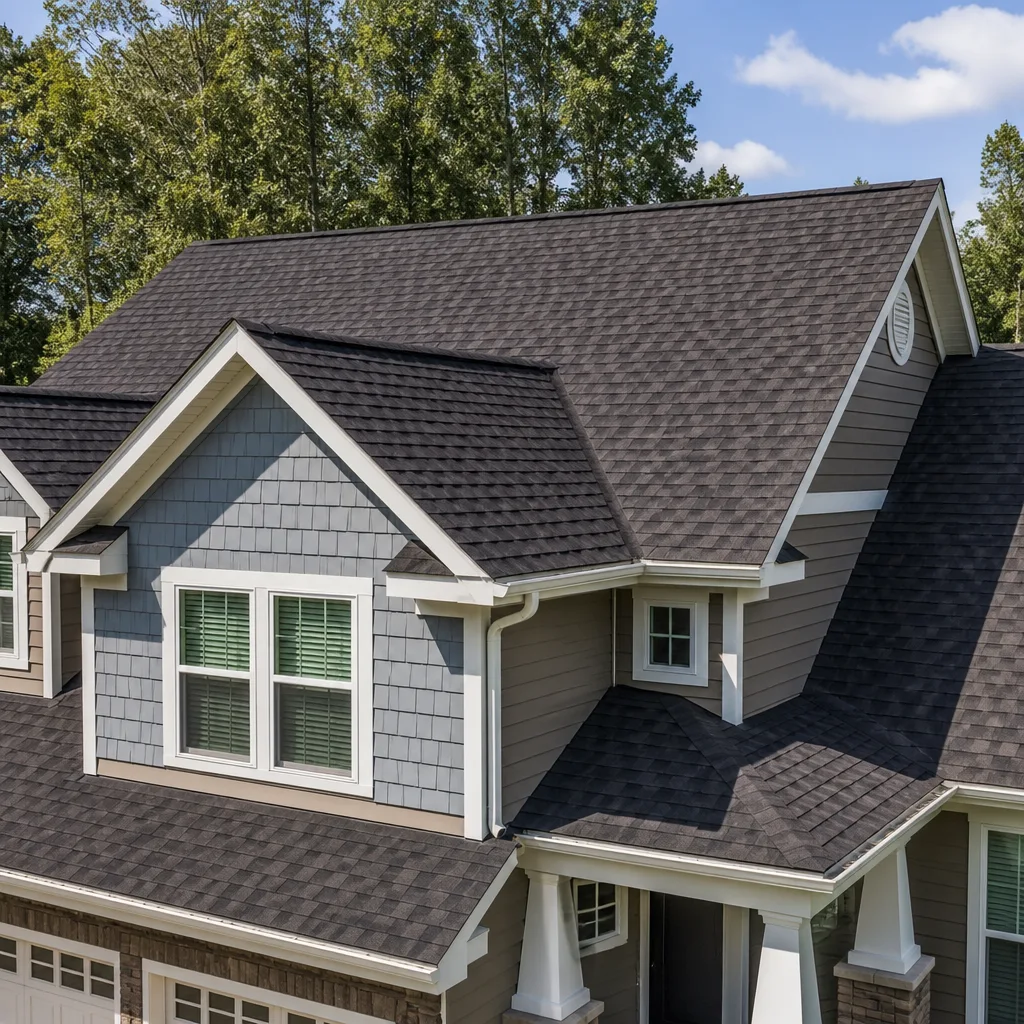
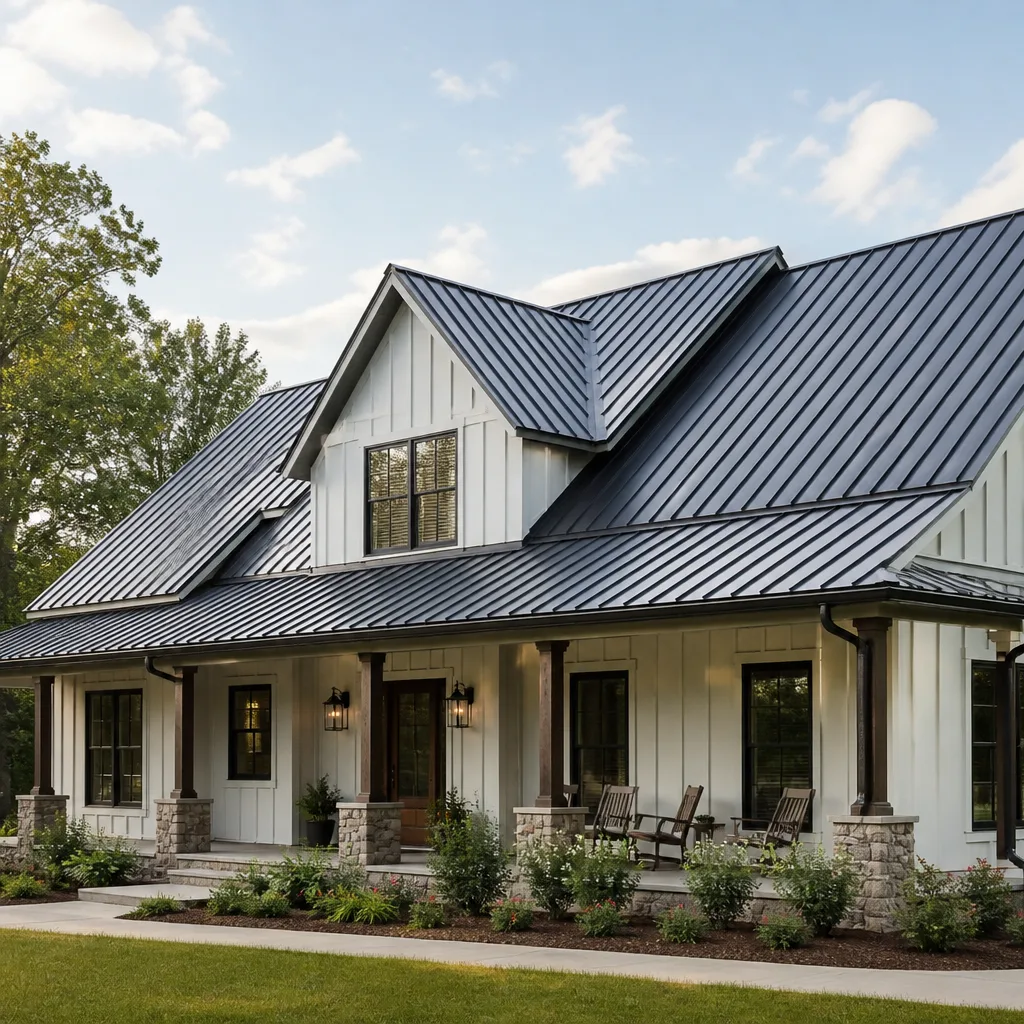
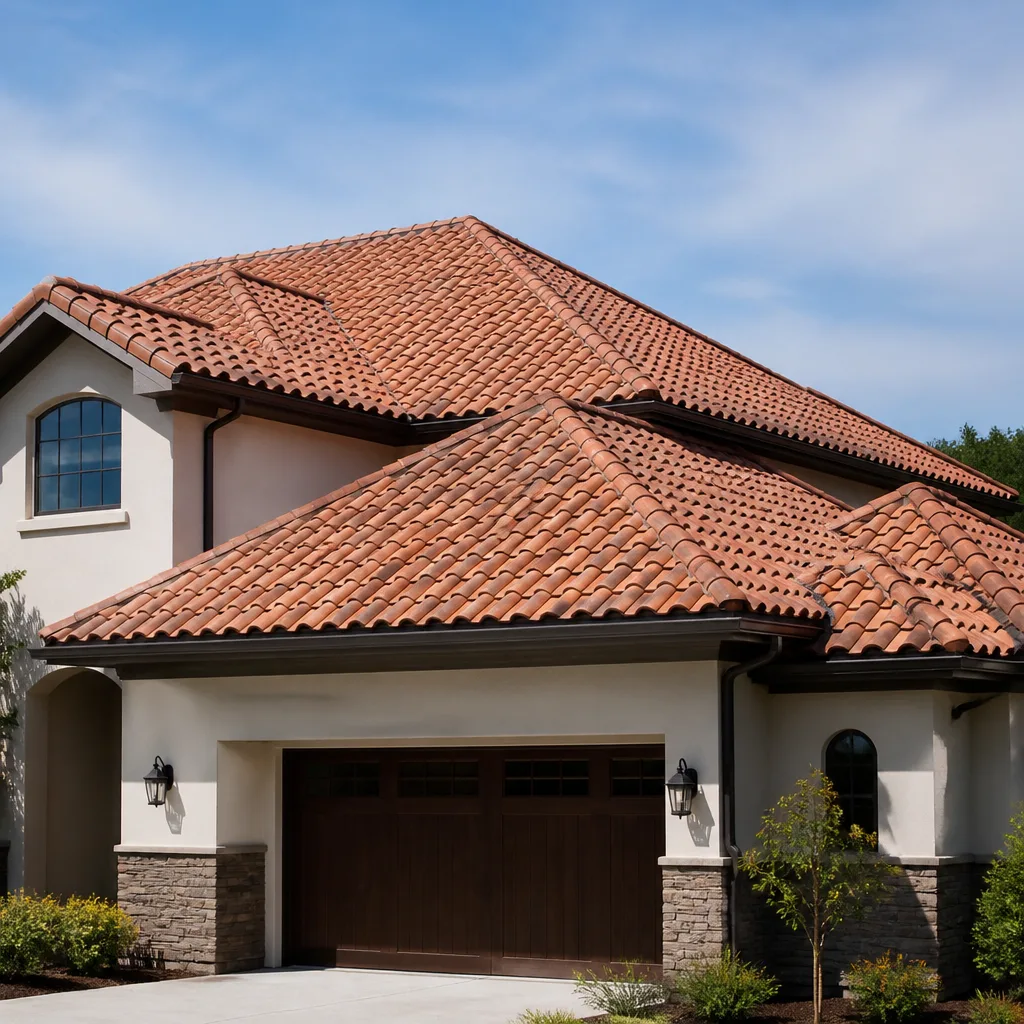
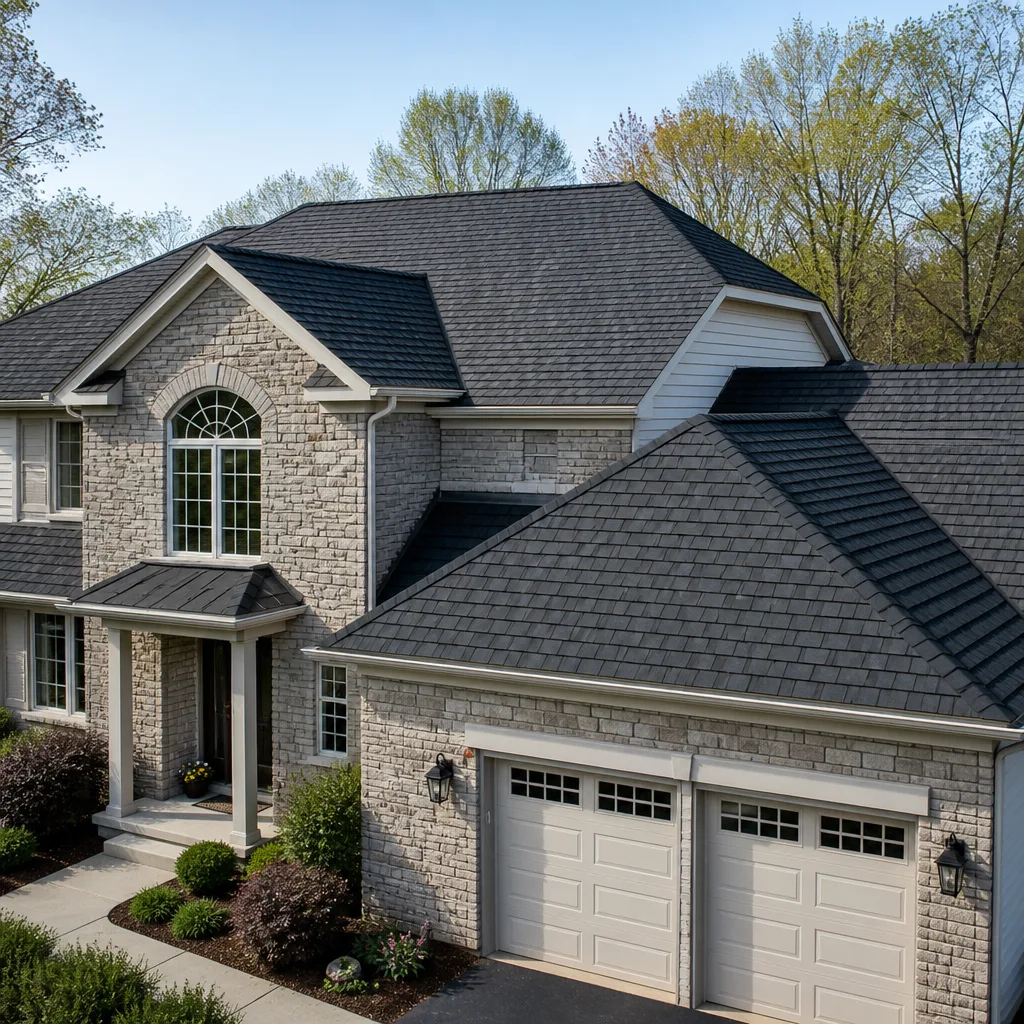
 Before
 After
After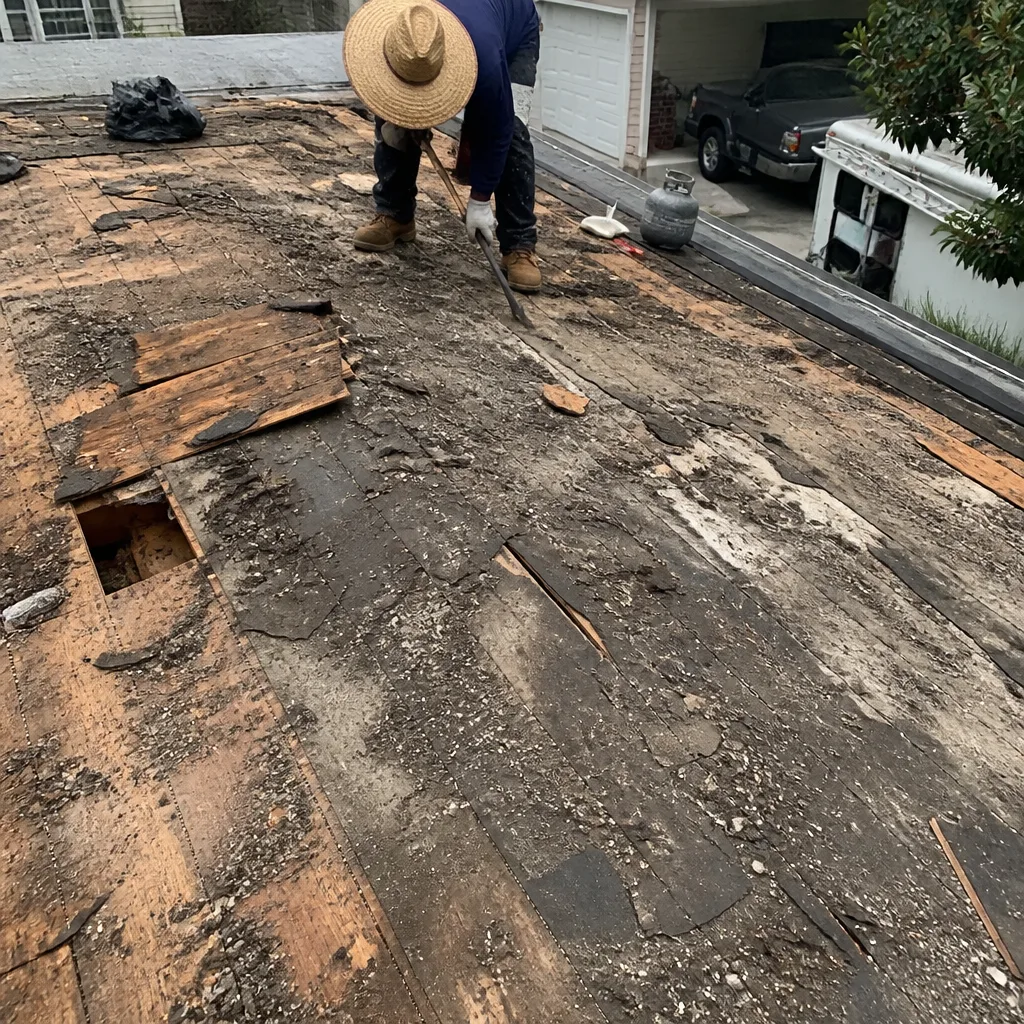 Before
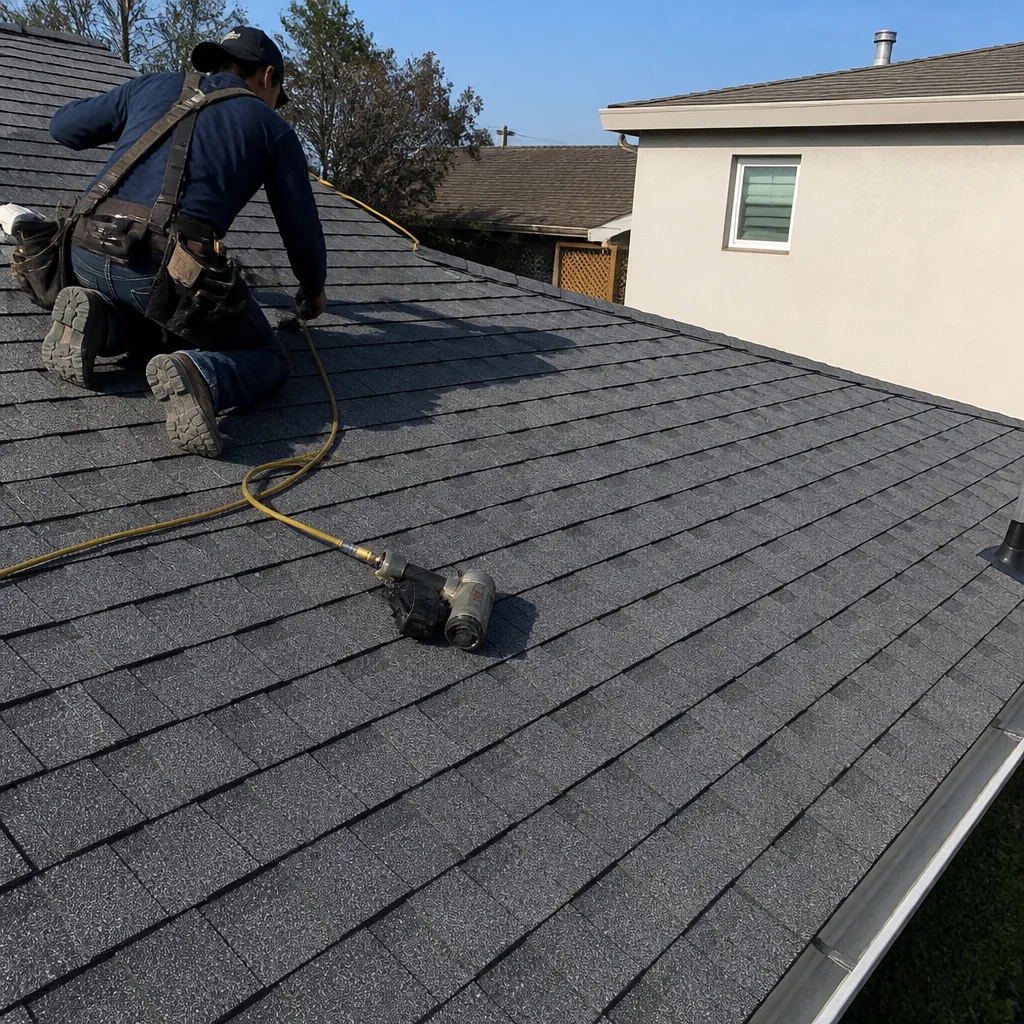 After
After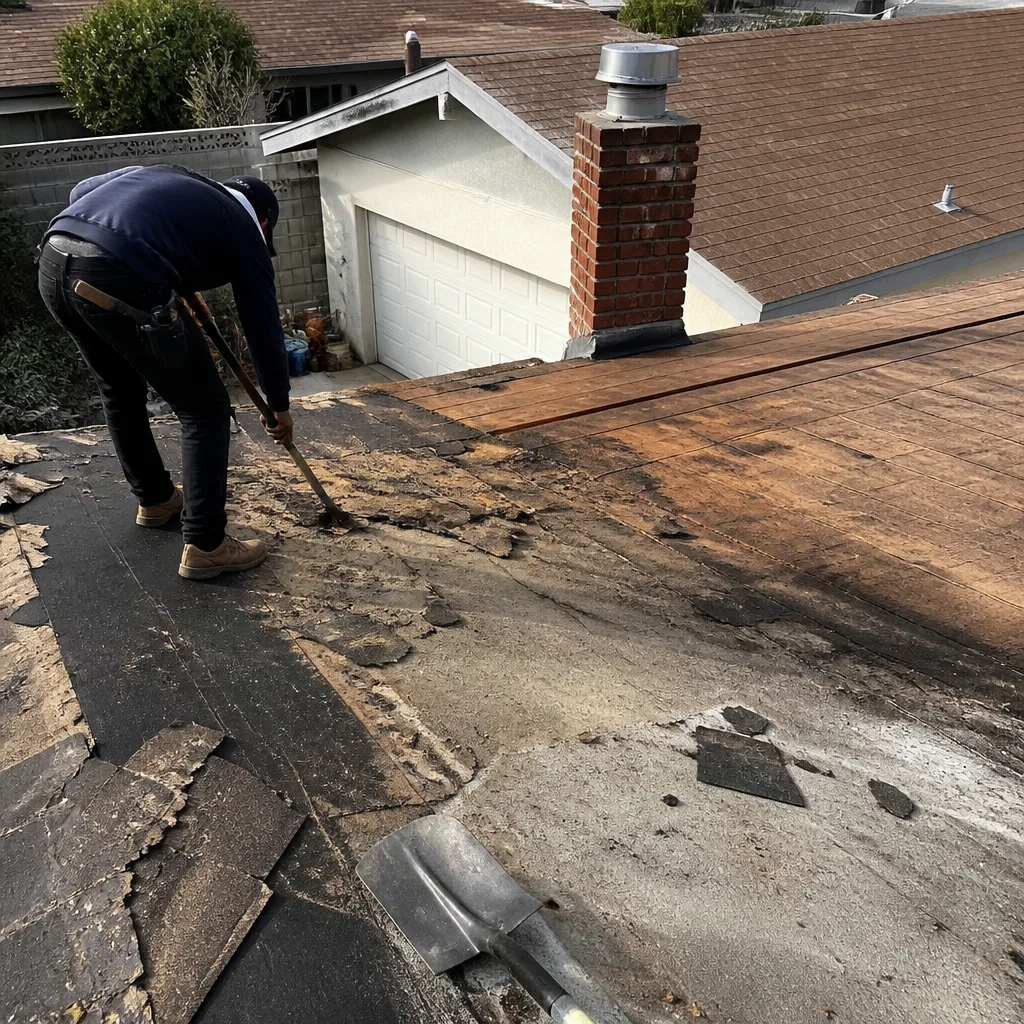 Before
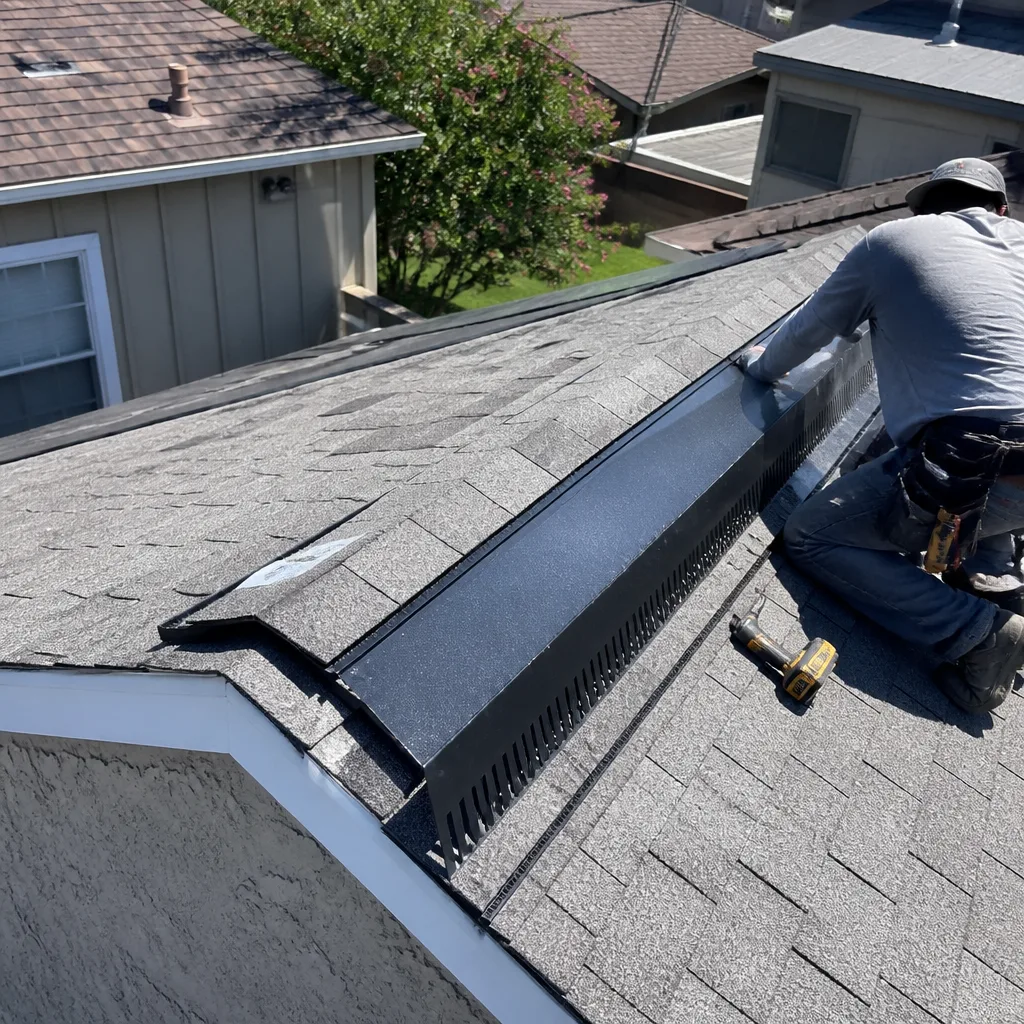 After
AfterHow Long Does Roof Replacement Take? Timelines and What to Expect
The crew that arrives to replace your roof in a single day spent roughly four hours of unseen preparation making that single-day completion possible. That prep is staging materials, securing permits, confirming flashing details, and walking the property with the homeowner before the first shingle comes off. Skip any of it and a fast replacement becomes a leaking one, often within the first rainy season. This guide maps the complete timeline for our Roof Replacement services in Los Angeles, from the first phone call to the final inspection, so no stage comes as a surprise. You’ll learn what actually takes time, what can be compressed, and what should never be rushed.
Quick Answer
A full roof replacement in Los Angeles typically takes one to two days of active crew work for an average single-family home. The total project clock, including permits, material delivery, and inspection, usually spans three to six weeks from signed contract to finished roof. Your specific timeline depends on roof type, permit route, and whether any underlying decking needs repair once the old roof comes off. For details, see our guide on How Long Does Roofing Company Take? Timelines and What to Expect.
Table of Contents
- The Full Project Arc: What Actually Adds Time
- Los Angeles Permits: The 5 to 15 Day Variable
- Material Lead Times by Roof Type
- Installation Days: Flat, Tile, and Shingle Timelines
- What Happens Inside Your Home During Replacement
- The Post-Installation Phase Nobody Mentions
- When Schedules Legitimately Change Mid-Job
- Common Mistakes to Avoid
The Full Project Arc: What Actually Adds Time
Most homeowners picture roof replacement as the day the crew shows up. In reality, the project clock starts the moment you sign a contract, and the majority of elapsed time happens before anyone climbs a ladder. Here’s the sequence we walk every Los Angeles homeowner through:
- Contract and deposit (day 1) – You get a written price in dollars before any work starts. No exceptions. The number you sign is the number you pay unless a legitimate mid-job discovery changes scope, which we cover below.
- Permit application (days 2-17) – Submitted to the Los Angeles Department of Building and Safety. Standard permit review runs 5 to 15 business days. Some eligible projects qualify for over-the-counter same-day permits.
- HOA approval (if applicable, 7-30 days) – If your home sits in an HOA with architectural review, this runs parallel to the permit but often takes longer. Some LA HOAs meet monthly, which can add three weeks through no fault of the roofer.
- Material ordering and delivery (days 5-21) – Depends entirely on roof type. Asphalt shingles are usually in stock locally. Certain concrete tile profiles from manufacturers like Boral can take two to three weeks if not stocked at a regional yard.
- Installation (1-2 days) – The actual tear-off and install. This is the shortest phase of the entire project.
- Final inspection and warranty registration (days 3-10 after install) – The city inspector signs off, and your manufacturer warranty gets registered with GAF, CertainTeed, or whichever brand your roof carries.
In our experience across Los Angeles neighborhoods, the single most common reason a roof replacement “takes too long” is the HOA review window, not the roofing work itself. If you’re in a community with architectural control, start that conversation before you sign anything.
Los Angeles Permits: The 5 to 15 Day Variable
Every roof replacement in the city of Los Angeles requires a permit from the Los Angeles Department of Building and Safety, known locally as LADBS. The permit process has two paths, and which one your project takes has a direct effect on your timeline.
The standard path is plan review, which runs 5 to 15 business days. LADBS reviewers check that the new roof meets current California Title 24 energy requirements, especially cool roof standards for low-slope applications in our climate. This matters more in Los Angeles than it does in, say, Seattle, because our solar exposure drives heat gain directly into the attic space.
The over-the-counter path is available for certain straightforward re-roofs where the existing roof system is being replaced in kind with no structural changes. These can be issued the same day you walk into LADBS with completed paperwork. Not every project qualifies, and a roofer who tells you every permit is same-day is not being straight with you.
Birchbark Roofing handles the LADBS permit application on your behalf. You’ll know before work starts which path your roof qualifies for and when the permit is expected to clear. A written price includes the permit fees, so there’s no surprise line item later.
Material Lead Times by Roof Type
What your roof is made of determines how long materials take to arrive. This is where Los Angeles geography actually helps: we’re within a day’s freight of major distribution yards for nearly every roofing product manufacturer, which compresses lead times compared to most of the country.
- Asphalt shingles (GAF, CertainTeed, Owens Corning): 2 to 5 business days. These are high-volume products stocked at local LA supply yards. If you pick a standard color, the shingles are often available for next-day delivery.
- Modified bitumen (for flat roofs): 3 to 7 business days. Rolls are commonly stocked, though torch-down versus self-adhered systems affect what’s available same-week.
- TPO membrane (for low-slope roofs): 5 to 10 business days. Single-ply membranes for Los Angeles flat roofs are usually cut to order for your roof dimensions, which adds a few days.
- Concrete tile (Boral, certain profiles): 7 to 21 business days. This is the longest lead time you’re likely to encounter. Tile roofs are common in Los Angeles, but specific profiles and colors aren’t always sitting in a local yard. If your re-roof requires matching an existing tile profile from Boral or another manufacturer, order that tile the same week you sign the contract.
- Flashing, underlayment, and accessories: 1 to 3 business days. These ship fast and rarely hold up a project unless a custom metal flashing detail requires fabrication.
The practical takeaway: a tile roof replacement in Los Angeles can add two weeks to your timeline purely for material delivery. If you’re replacing a tile roof and you want the project done before a specific date, start the conversation a month earlier than you think you need to.
Installation Days: Flat, Tile, and Shingle Timelines
The active crew work on a roof replacement is measured in days, not weeks. What varies is crew size, tear-off complexity, and the roofing system itself. Here’s what we tell Los Angeles homeowners to expect for each roof type common to our market:
Asphalt Shingle Roofs: 1 to 2 Days
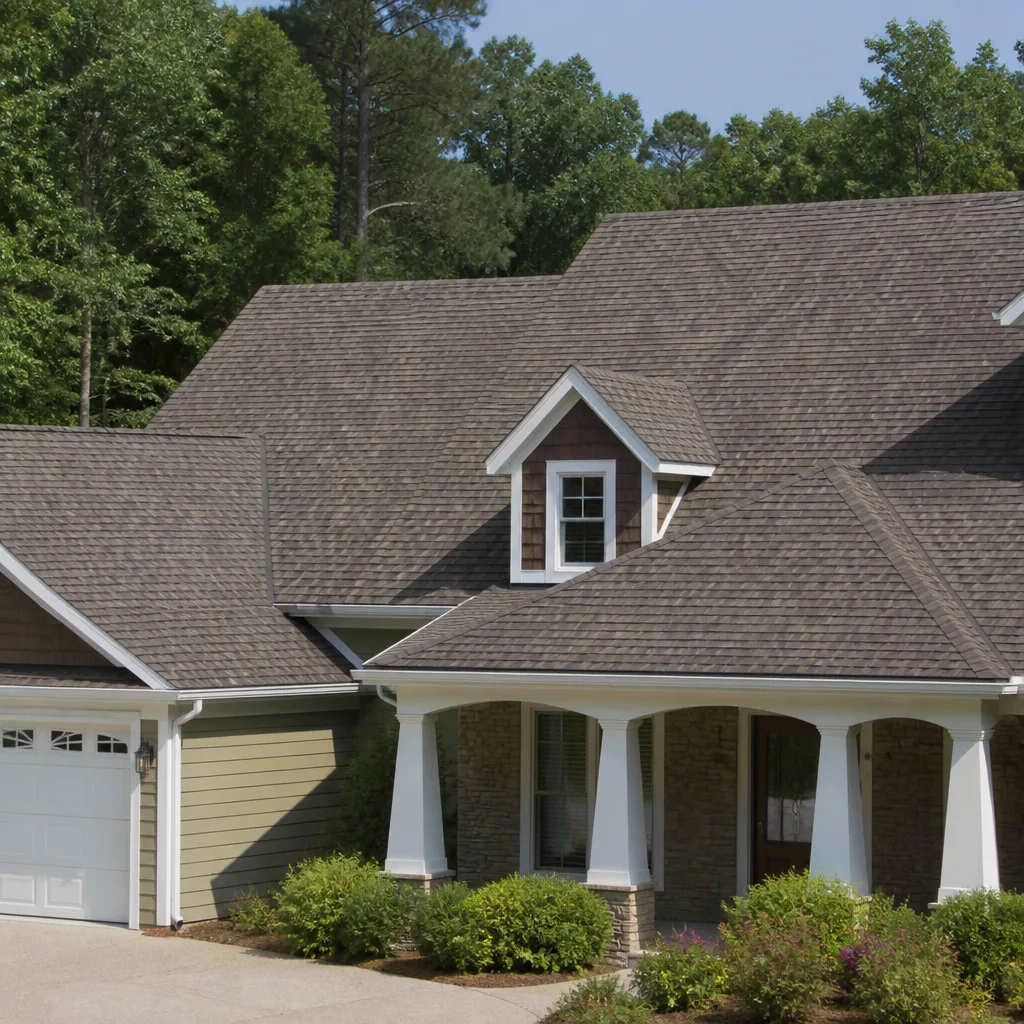
An average 1,800 to 2,400 square foot single-story home with a standard pitch and accessible perimeter takes one full crew day for tear-off and one to one-and-a-half days for install. A two-story home, a steep pitch, or a complex roof with multiple valleys and penetrations pushes this to two full days. Most asphalt shingle replacements in Los Angeles are complete in two days or fewer, with the crew on-site from early morning through late afternoon.
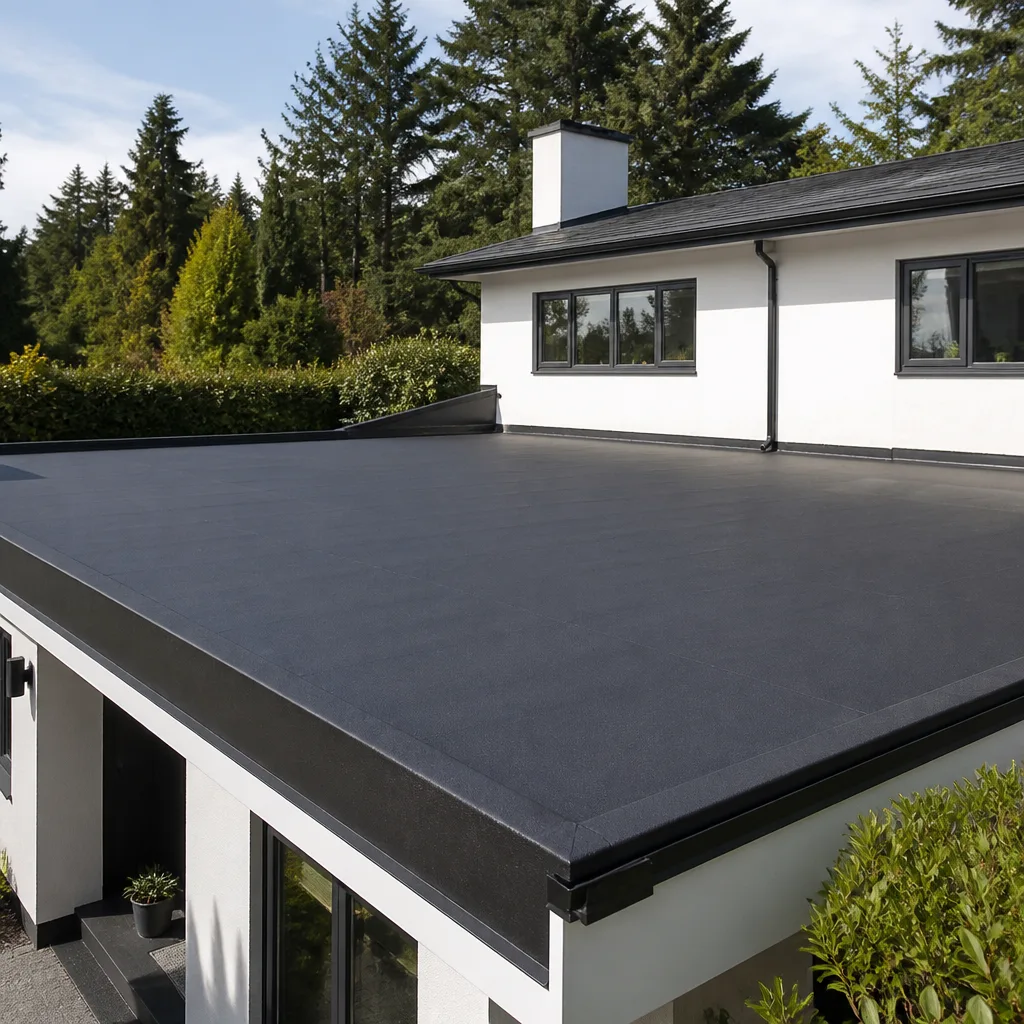
Flat and Low-Slope Roofs (Modified Bitumen, TPO): 1 to 2 Days
Flat roofs are common across Los Angeles, from mid-century homes in the Valley to newer construction on the Westside. Modified bitumen and TPO systems require different installation techniques than shingles, but the crew-day count is similar for a typical residential flat roof of 1,000 to 2,000 square feet. The limiting factor is often weather: TPO membrane requires dry conditions and reasonable temperatures for proper adhesion, which affects scheduling more than duration.
Concrete Tile Roofs: 2 to 4 Days
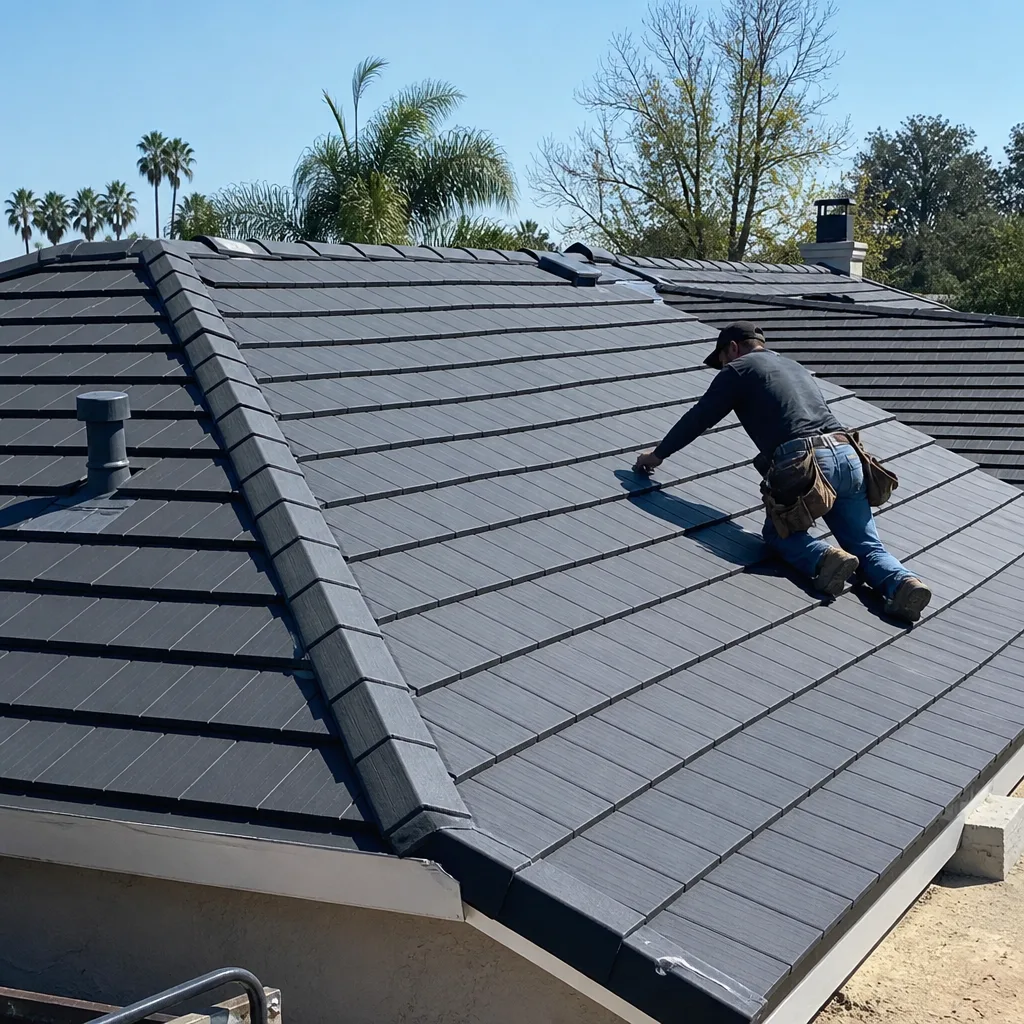
Tile is slower by nature. Each tile is individually handled, and replacing a tile roof in Los Angeles means removing the old tile, inspecting and often replacing the underlayment beneath, and resetting new or salvaged tile. A standard single-story tile roof runs two to three days. A two-story tile roof with a steep pitch can stretch to four days, especially if some of the original tile is being reused and must be processed carefully during tear-off.
What 3 to 4 Crew Days Looks Like on Your Calendar
Installation days are usually consecutive. We’re not disappearing for a week between tear-off and install; once the old roof is off, the underlayment goes down the same day so your home is never exposed overnight without protection. If weather forces a pause, the roof is dried in before the crew leaves.
For homeowners weighing repair versus full replacement, our Roof Repair in Los Angeles page covers what can be patched versus what needs full replacement.
What Happens Inside Your Home During Replacement
The roof is outside, but a replacement is felt inside. This is the part most Los Angeles homeowners aren’t warned about, and it’s the part that matters most to families with kids and pets.
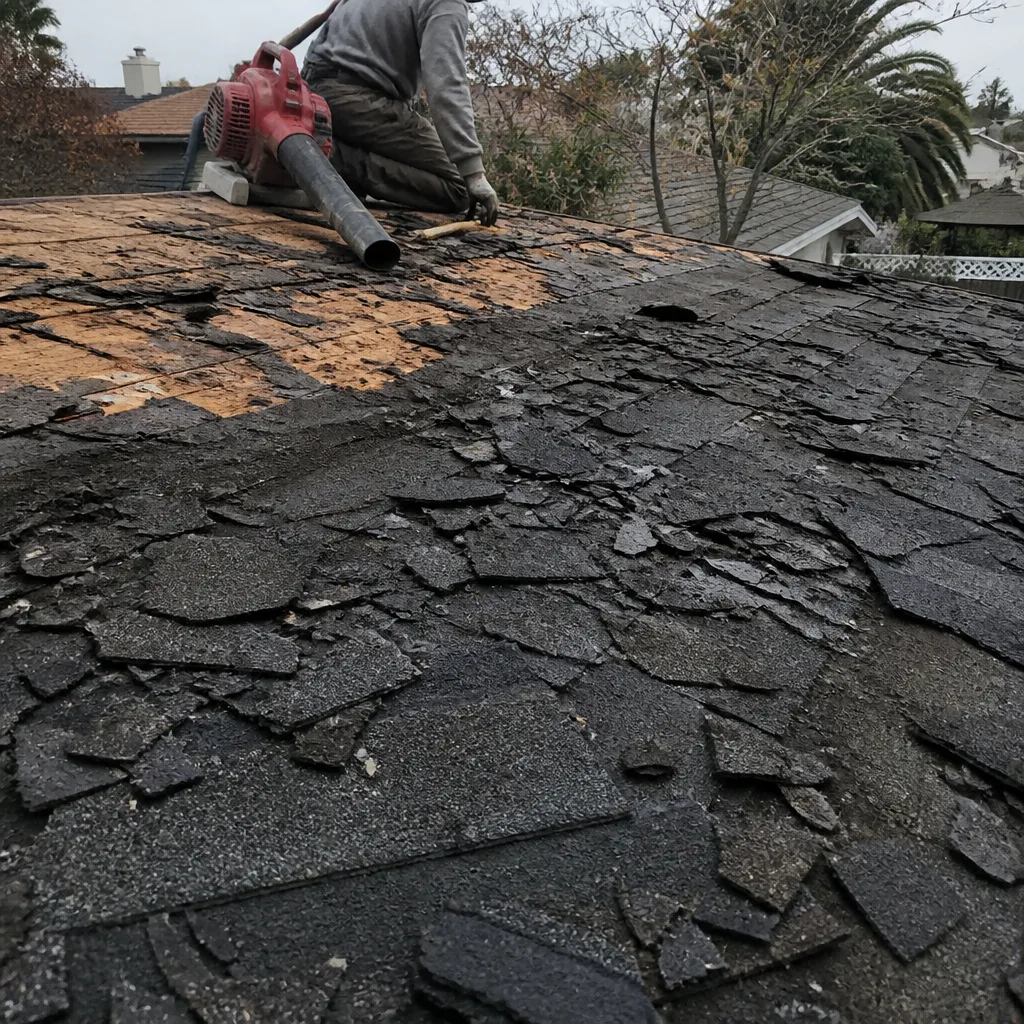
When the tear-off starts, you’ll hear it. Hammers, pry bars, and the weight of old roofing hitting the ground produce vibration that travels through framing. Light fixtures may rattle slightly. Dust from the attic can settle through ceiling gaps. The attic will temporarily lose ventilation while the old roof is off and the new underlayment goes down, which can make upper rooms feel warmer for a few hours.
What you should not experience is debris inside your home. Birchbark’s crews wear shoe covers at the door and lay drop cloths through any interior path they need to use. If the dog needs to stay inside during the work, we coordinate the door schedule with you so you can keep pets contained while the crew moves in and out. Where there’s a product choice, we use pet-safe options.
Before the crew leaves, a photo of the completed clean-up is taken. You see exactly what was left behind: cleared debris, swept walkways, and no nails in the driveway. The Birchbark Roofing home page has more on how we approach every job, but the short version is this: the roof is the job, and your house is still your home while we work on it.
The Post-Installation Phase Nobody Mentions
The crew packs up their ladders and you assume the project is done. In Los Angeles, there are three things that happen after installation day, and skipping any of them creates problems later.
First: permit final inspection. LADBS requires a final inspection before your re-roof permit is closed out. Scheduling this inspection takes a few days depending on inspector availability. The inspector checks that the installed roof matches the approved permit scope. If everything passes, the permit is signed off and you have a legal, documentable roof replacement. This matters when you sell the home.
Second: manufacturer warranty registration. Most manufacturers, including GAF and CertainTeed, require warranty registration within a set window after installation. The warranty is only valid if the roof was installed by a manufacturer-certified contractor and the registration is submitted properly. A roof without a registered warranty is a roof without the coverage you paid for.
Third: the clean-up photo and project hand-off. You should have a documented record of the completed roof and the clean-up condition. Birchbark provides this photo before the crew leaves. It’s proof of what was done and how the property was left, and it’s yours to keep.
The Roof Replacement in Los Angeles page walks through the full service, from initial measurement to final inspection, if you want the step-by-step before you call.
When Schedules Legitimately Change Mid-Job
Every roofer who has replaced enough roofs in Los Angeles has found something under the old roof that no one could see before tear-off. The two most common discoveries are soft decking and corroded flashing.
Soft decking is plywood or OSB that has been absorbing moisture from a slow leak. It looks fine from above until the old roofing comes off and the wood gives under foot pressure. Code requires replacing compromised decking before the new roof goes on. This adds a few hours to a day, depending on how many sheets need replacing and whether the damage extends into the eaves.
Corroded flashing is common in Los Angeles coastal neighborhoods where salt air accelerates metal breakdown. Flashing around chimneys, skylights, and vent pipes may look intact from the ground but crumble when removed. Replacing it is not optional; flashing is what keeps water out of the joints, and no new roof can perform without it.
This is where a written price protects you. Birchbark includes a written price before any work starts, and when a legitimate discovery like soft decking changes the scope, you’re told exactly what was found, what it costs to fix, and you approve the change before a single additional dollar is spent. No verbal estimates, no surprise invoices at the end. For broader questions about repair versus replacement when damage is found, our Roofing Company in Los Angeles page explains how we scope both.
Common Mistakes to Avoid
- Starting with HOA approval as an afterthought. If your Los Angeles community requires architectural review, begin that process before signing a roofing contract. This is the number one schedule killer we see, and it’s entirely avoidable.
- Choosing a tile profile that is not in local stock. If you’re set on a specific Boral tile profile, confirm availability before finalizing your material choice. A three-week lead time is fine if planned for, but brutal if discovered after the old roof is already scheduled for tear-off.
- Assuming the permit is instant. Over-the-counter permits exist, but not every roof qualifies. Ask your roofer which permit path applies to your project and when the permit will clear before work begins.
- Signing a contract without a written price. If the price is verbal, the change order conversation at mid-job is verbal too. Get the number in writing before any work starts.
- Ignoring the final inspection. An unclosed permit in Los Angeles shows up during escrow. Schedule the final LADBS inspection and make sure the permit gets signed off.
- Skipping warranty registration. The manufacturer warranty window closes. Register it during the post-installation phase, not six months later.
- Not asking about interior protection before the crew arrives. Confirm shoe covers, drop cloths, and debris cleanup expectations with your roofer up front. A photo of the completed clean-up should be standard, not something you have to request.
When to Call a Professional
If you see ceiling stains, shingle granules collecting in gutters, daylight through attic boards, or tiles slipping out of place, the clock is already running on the underlying decking. The longer a compromised roof waits, the more likely a simple replacement becomes a replacement plus decking repair plus interior drywall work. A professional roofer can assess whether you need a repair or a full replacement, which permit path applies, and what your realistic timeline is. Birchbark Roofing offers free estimates in Los Angeles – call (424) 766-4937 and a live person answers, day or night.
Frequently Asked Questions
Most Los Angeles roof replacements take three to six weeks from signed contract to final inspection, with one to two days of active crew work on the roof itself. The rest of the time is permits, material delivery, and inspection scheduling. Call (424) 766-4937 for an estimate specific to your roof type and neighborhood.
Yes, an asphalt shingle roof on a simple single-story Los Angeles home with an experienced crew and all materials staged in advance can be replaced in one day. The one-day result depends on four hours of preparation that happened before the crew arrived. For an exact timeline on your roof, call (424) 766-4937.
Yes, the Los Angeles Department of Building and Safety requires a permit for roof replacement. Standard review takes 5 to 15 business days, and some eligible projects qualify for same-day over-the-counter permits. Birchbark handles the permit application and it’s included in your written price.
Most residential roof replacements in Los Angeles run between $12,000 and $35,000 depending on roof size, material, and pitch. You’ll see your exact number in writing before any work starts. Call (424) 766-4937 for a free estimate with no obligation.
Soft or rotted decking discovered after tear-off must be replaced before the new roof goes on, which adds time and cost to the project. With Birchbark, you’re told what was found, shown the damage, and given a written price for the additional work before you approve anything. No one spends your money without your sign-off.
Yes, with coordination. Our crews wear shoe covers at the door and lay drop cloths through interior paths, and we’ll work with you on a door schedule if the dog needs to stay inside during the workday. Where there’s a product choice, we use pet-safe options. The Roofing Company in Los Angeles page covers our approach to working around families and pets in more detail.
The Bottom Line
A roof replacement in Los Angeles is one to two days of active work wrapped in three to six weeks of permits, material logistics, and inspections. The homeowners who have the smoothest experience are the ones who start the HOA conversation early, understand which permit path their project takes, and sign a contract with a written price before any work begins. For more guides & resources, visit our blog. The roof itself is the job, but the project is the whole arc from first phone call to final LADBS sign-off. Birchbark Roofing proves its care in writing – a written price, a 365-Day Done Right Promise, and a clean-up photo before the crew leaves. Call (424) 766-4937 to schedule your free estimate and get your timeline in writing.
Written by Erik Lindgren, Owner at Birchbark Roofing, serving Los Angeles since 2000.