
Last updated October 8, 2026
Free roof inspection with deck photos before we talk money - GAF and Owens Corning certified installation
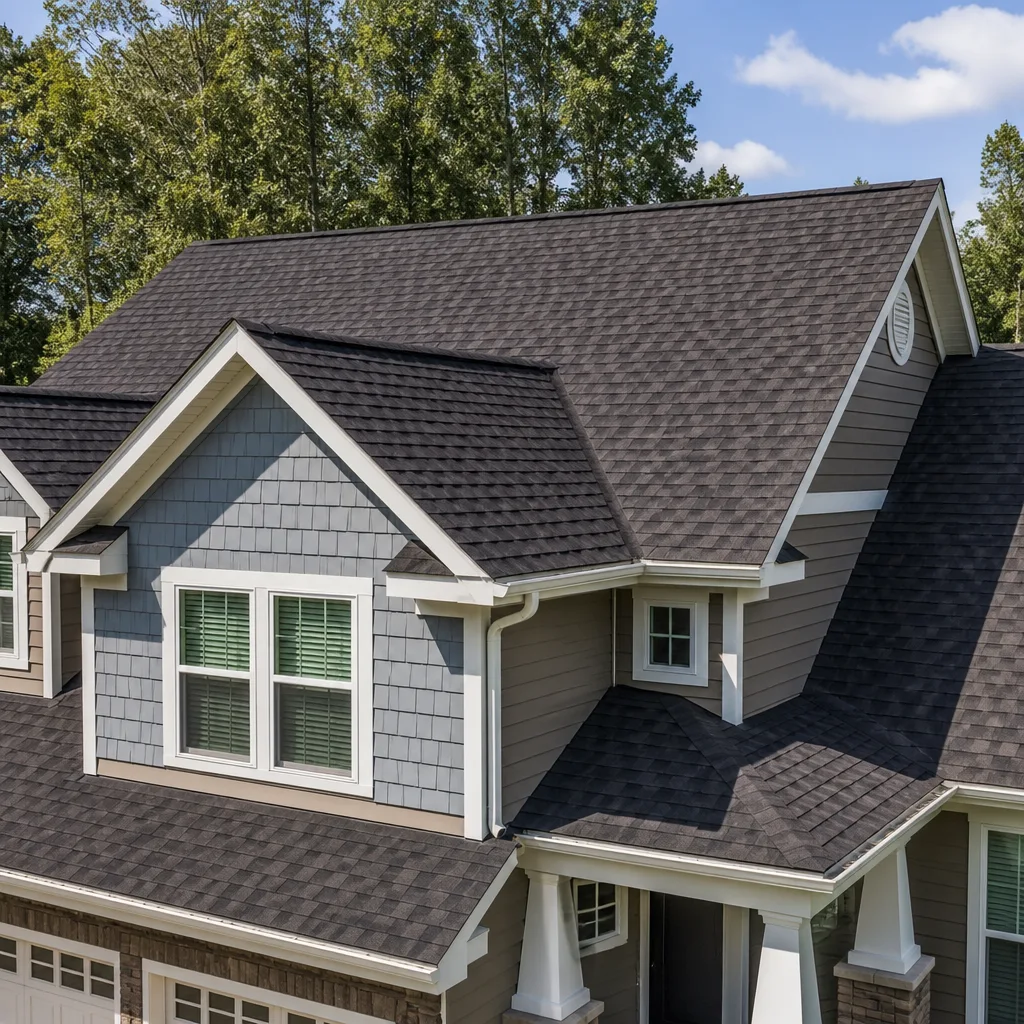
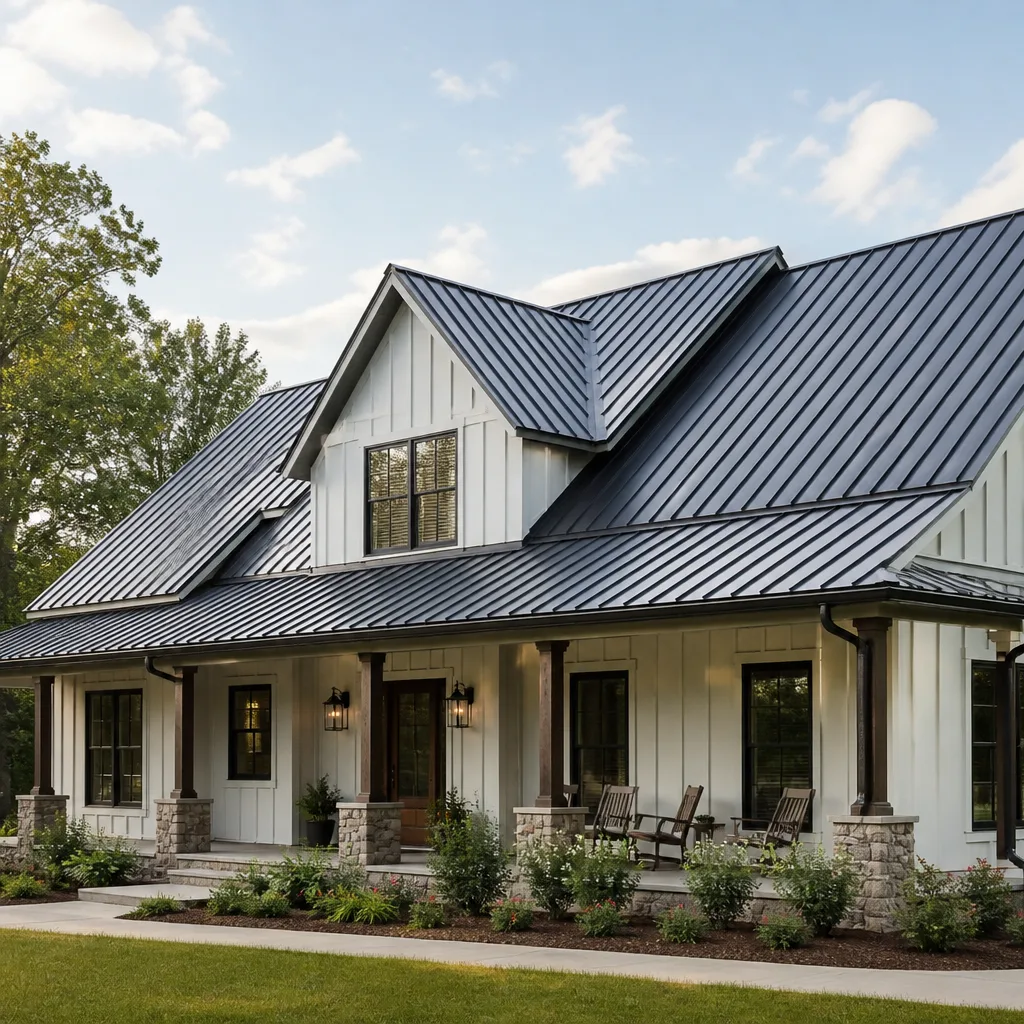
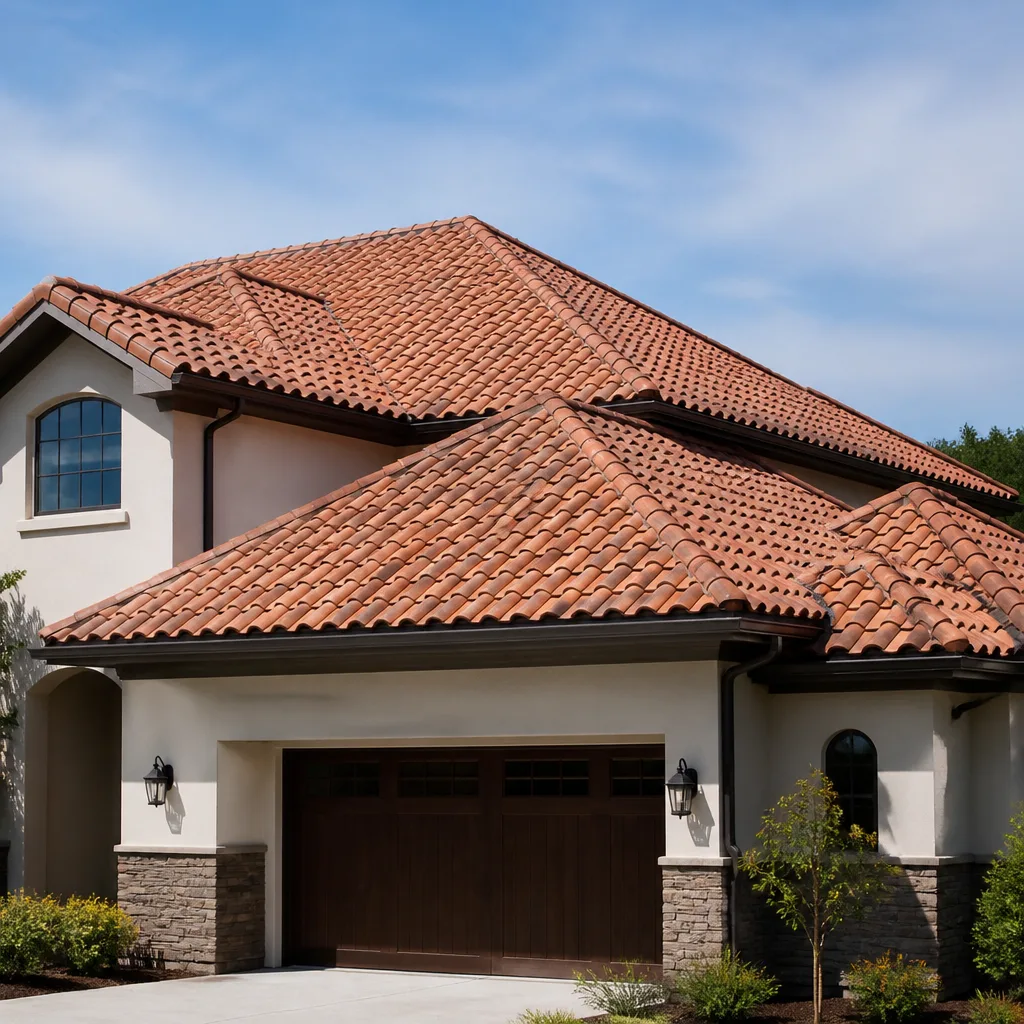
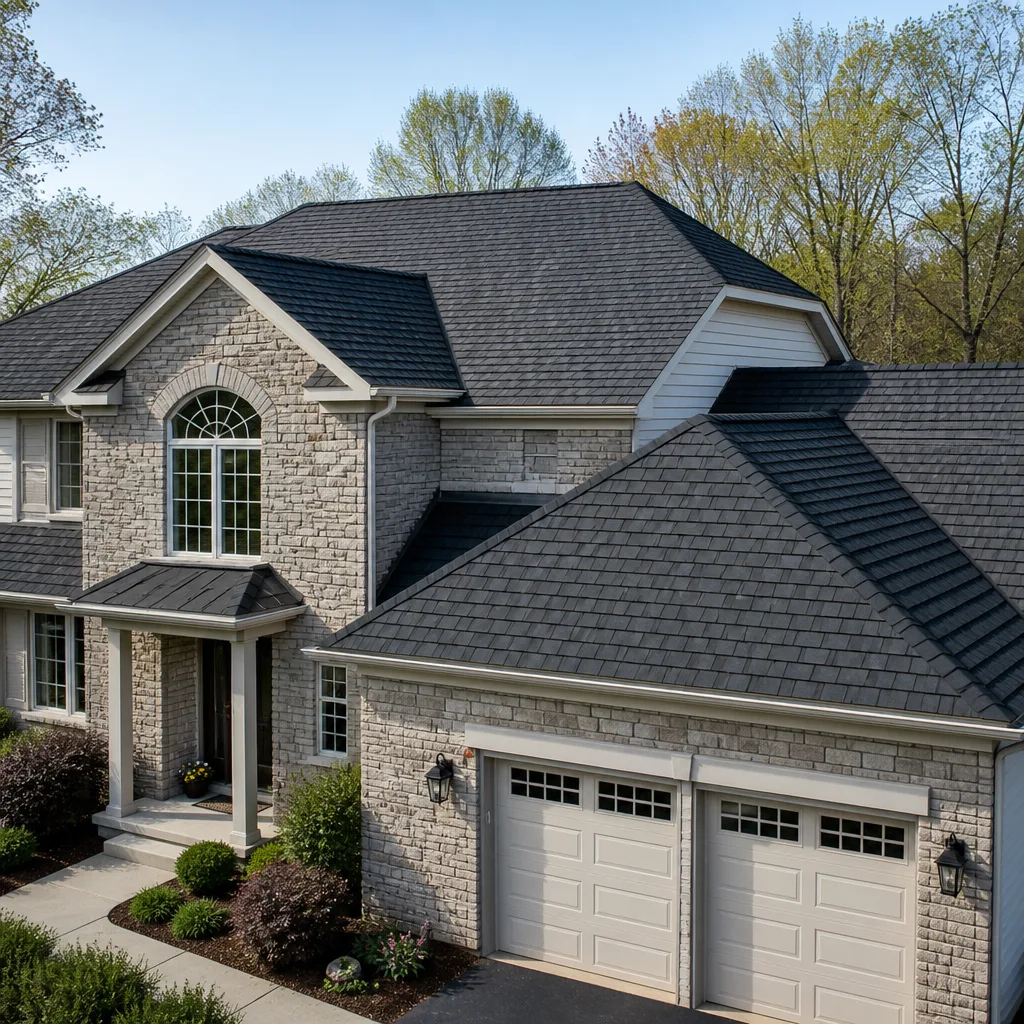
 Before
 After
After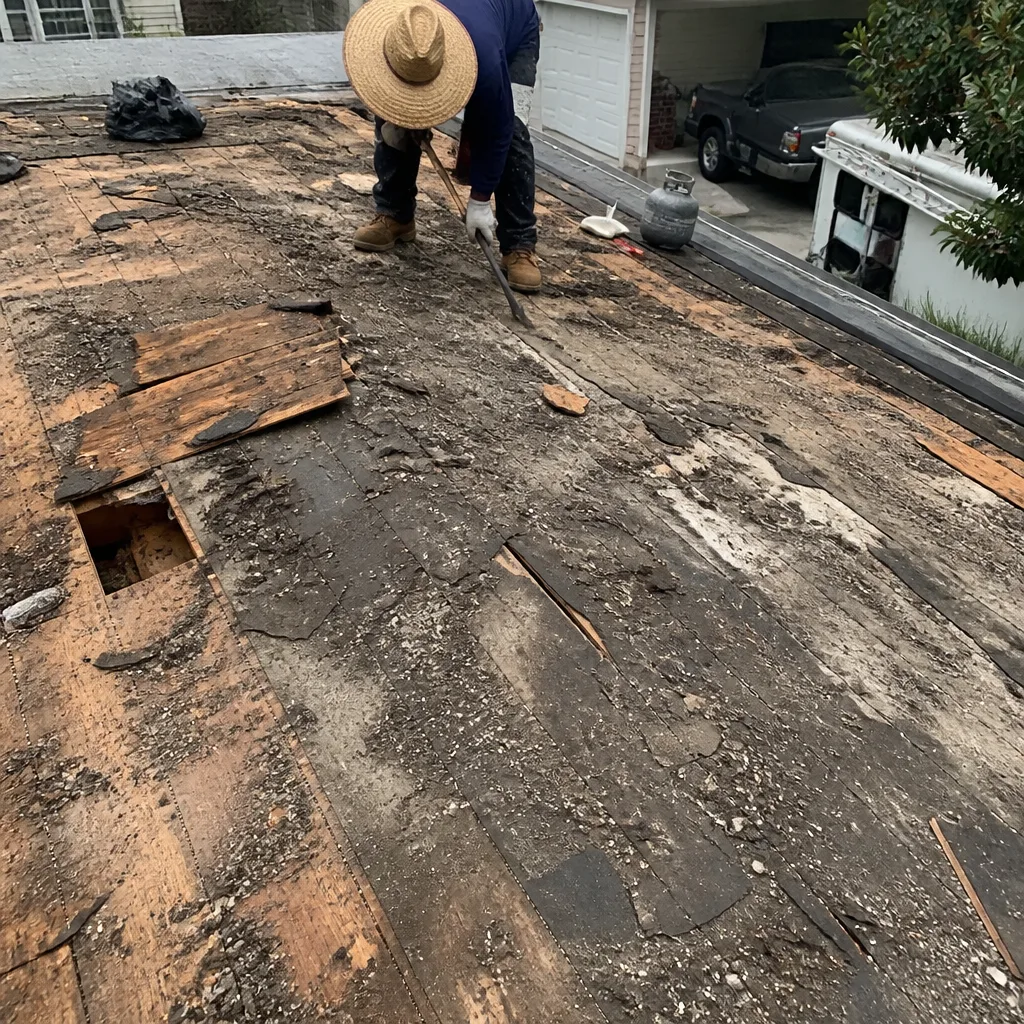 Before
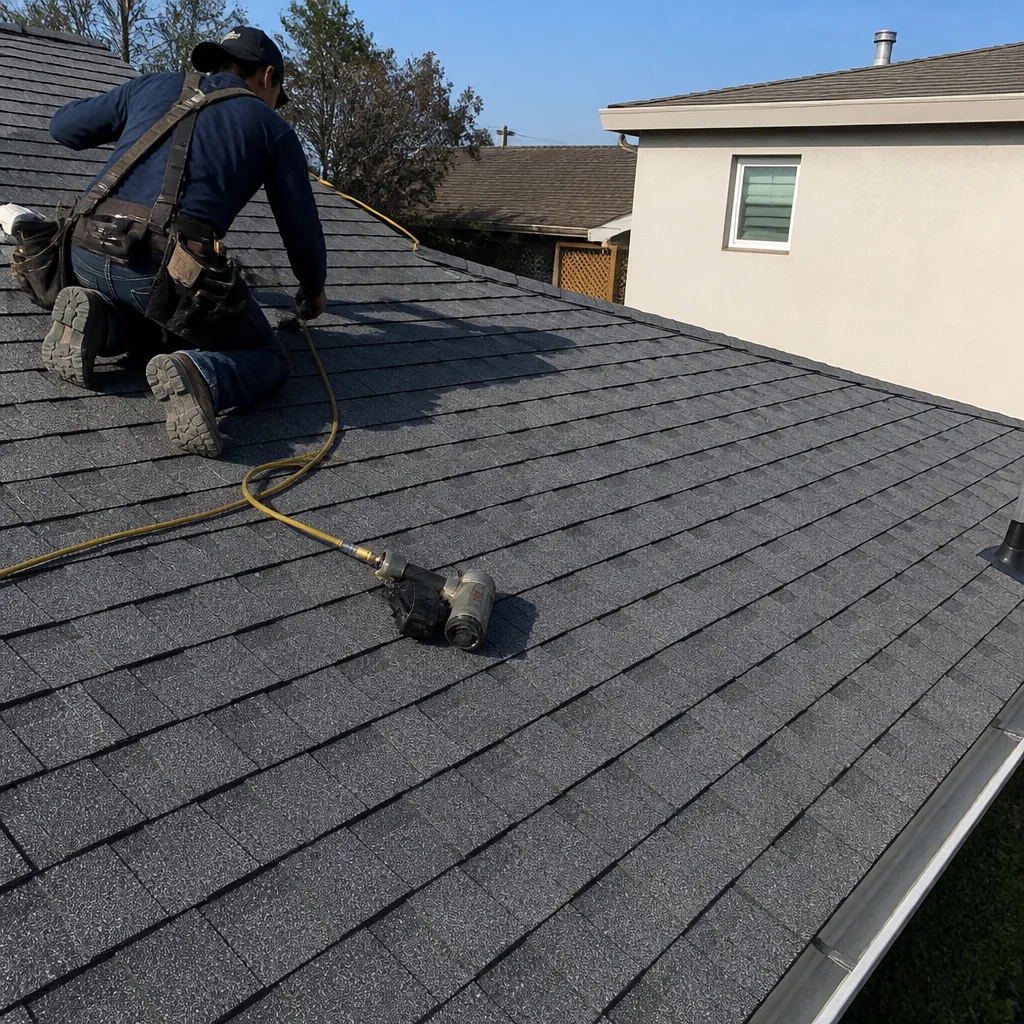 After
After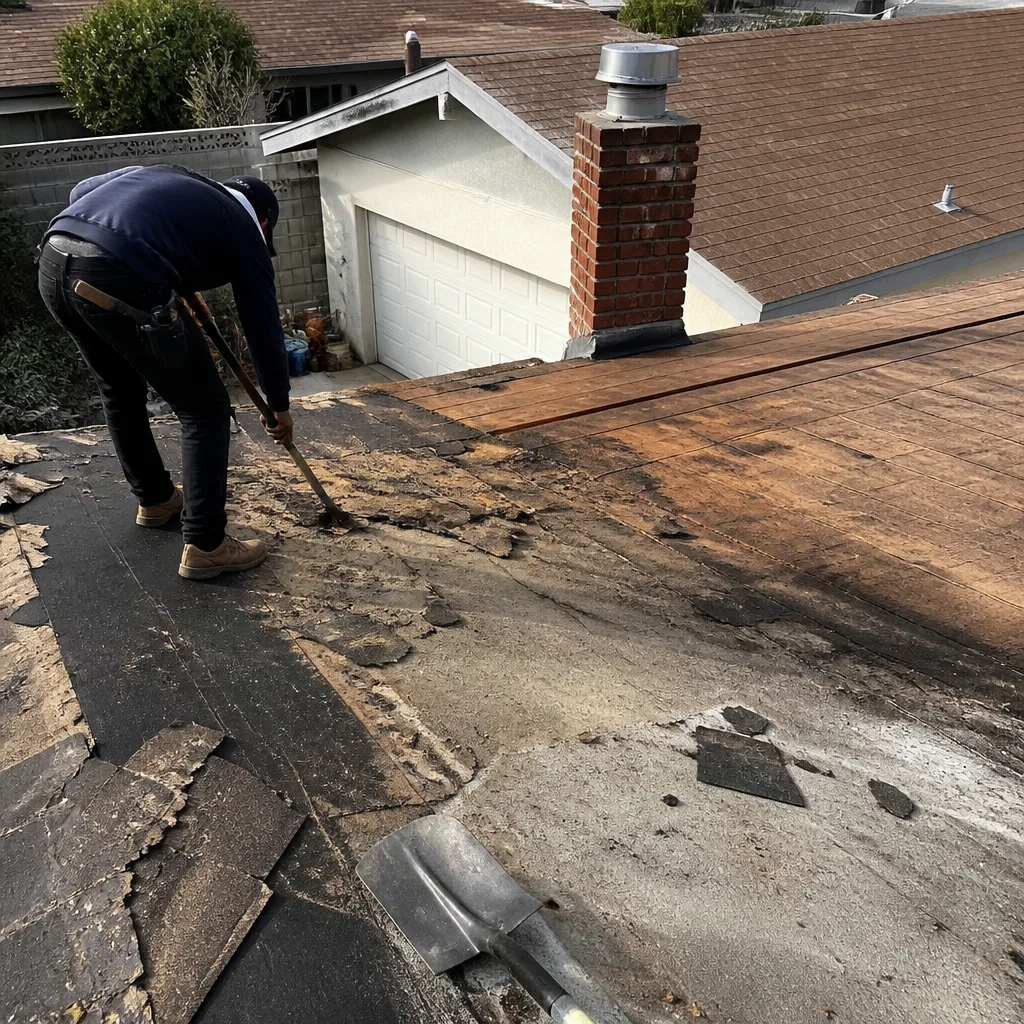 Before
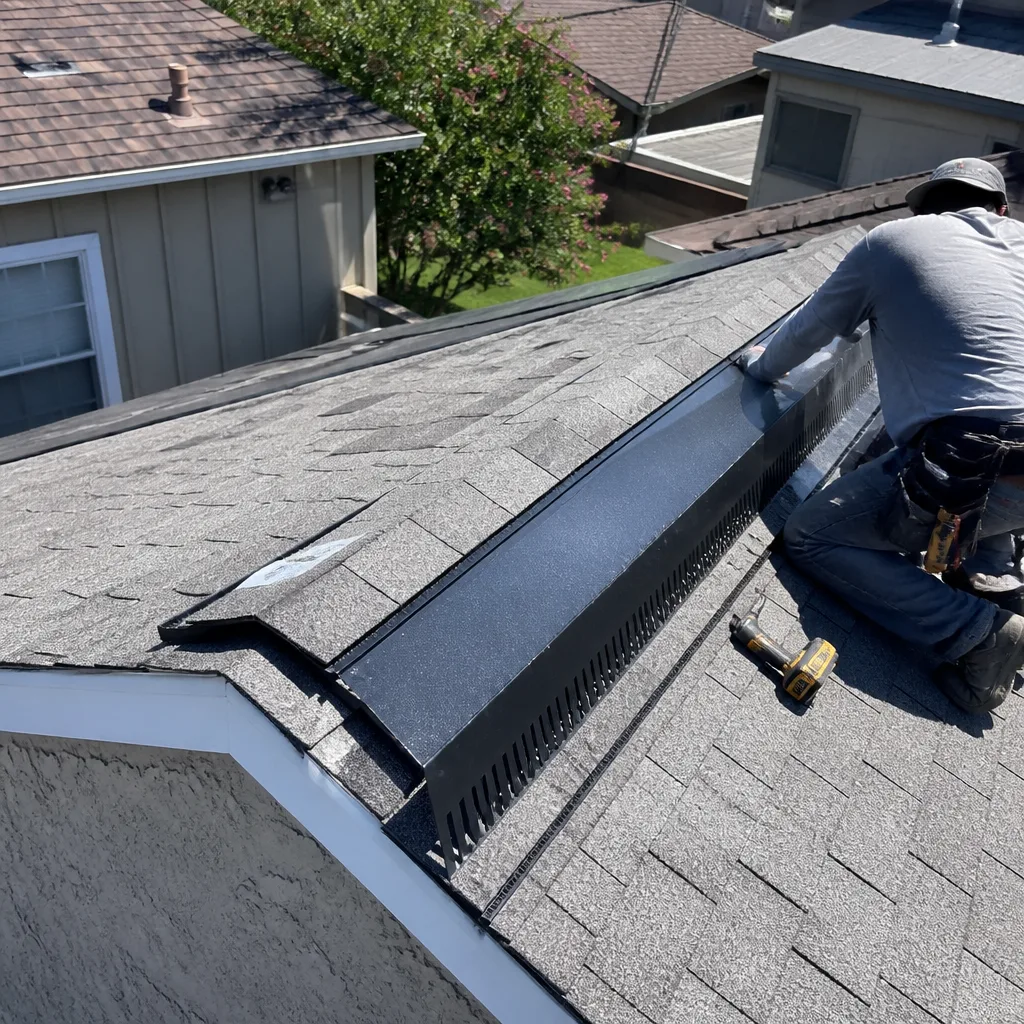 After
AfterRoofing Company Warning Signs Every Homeowner Should Know
Most roofing disasters don’t start with a bad shingle. They start with a bad conversation. In Los Angeles, where Roofing Company services multiply after every winter storm and Santa Ana wind event, homeowners spend weeks comparing Google reviews while ignoring the five or six signals that actually predict whether a job will become a nightmare. The roofer who can’t produce a written price, who deflects questions about clean-up, who pressures you to sign a contract on the spot is showing you exactly how the entire project will unfold. This guide walks through what to watch for in the estimate, in the contract, and in the first fifteen minutes after the crew pulls up to your house.
Quick Answer
The most reliable warning signs of a problematic roofing company are not online reviews but behaviors: a refusal to put the price in writing before work starts, a deposit request above 10%, vague estimate line items like “miscellaneous materials” or “as needed,” no plan for protecting the interior during tear-off, a crew that can’t name the foreman, and pressure to sign an insurance assignment before you’ve verified the license. In Los Angeles, always check the CSLB license first and walk away from any roofer who asks for a deposit over 10% or won’t protect your floors before the job begins.
Table of Contents
- The First Conversation Is the Warning Sign You Can’t Fake
- How to Read a Vague Estimate as a Specific Warning
- Deposit Demands: Why More Than 10% Is a Red Flag
- What the First 15 Minutes on Your Property Reveal
- Storm-Chaser Language Patterns in Los Angeles
- How to Check a CSLB License in 90 Seconds
- Contract Clauses That Create Escape Hatches
- Warranty Language vs. Reality: What Actually Protects You
The First Conversation Is the Warning Sign You Can’t Fake
A roofing company’s entire culture reveals itself in the first phone call or in-home estimate. We’ve been in the roofing business since 2000 as part of the Cedarwell family of companies, and we can tell you that the companies most likely to leave a mess on your property or vanish mid-job are the ones who can’t answer three simple questions clearly on day one.
When you call a roofing company in Los Angeles, listen for these patterns. A roofer who deflects questions about process, avoids naming a foreman, or rushes you toward a contract without explaining the work is showing you a preview of how the job will be managed. The contractor who says “we’ll figure that out when we get there” about debris removal, interior protection, or the tear-off schedule is telling you that no system exists.
Here’s what a clear first conversation includes at minimum:
- The roofer names a specific foreman or project lead who will be on site every day.
- You get a clear sequence: inspection, written estimate, material delivery, tear-off, install, clean-up, photo documentation.
- The roofer asks about your household: kids, pets, access points, quiet hours.
- You receive a written price in dollars before any work is scheduled, not after.
- The roofer volunteers information about how they’ll protect your floors, hallways, and landscaping.
In Los Angeles, where many homes have tile roofs baked by years of sun and seismic movement, a roofer should also mention flashing, underlayment, and ventilation. If the conversation never touches those topics, you’re likely dealing with a salesperson who licenses out the work to whichever crew is available. That’s a top warning sign our teams hear about from homeowners recovering from bad jobs.
How to Read a Vague Estimate as a Specific Warning
A written estimate is either a contract you can enforce or a document designed to protect the roofer from ever being wrong. The difference comes down to line items. Los Angeles homeowners tell us constantly that they didn’t know what to look for until after the job went sideways. For Roofing Cost Breakdown: The Los Angeles Homeowner’s Reference for 2026, see our detailed pricing guide.
Specific line items like “remove 28 squares of existing asphalt shingles, haul debris to landfill, install 28 squares of GAF Timberline HDZ in Charcoal, replace all pipe boot flashings (4), install synthetic underlayment to manufacturer spec” tell you exactly what will happen. Vague language is the escape hatch.
Watch for these specific red flags in any roofing estimate:
- “Miscellaneous materials” without a dollar cap. This line item can legally absorb thousands in unanticipated costs because it has no defined limit.
- “As needed” attached to structural repairs, decking replacement, or flashing work. It converts a fixed quote into an open-ended invoice.
- “Labor and materials” as one lump sum with no breakdown. You can’t verify what you paid for anything.
- “Per industry standard” without naming the standard. There is no enforcement mechanism for that phrase.
- “Permits as required” with no city named and no fee listed. In Los Angeles, permits come from LADBS and have specific costs. A vague permit line usually means the roofer has no intention of pulling one.
At Birchbark Roofing, every job includes a written price before any work starts. It’s not an add-on or a negotiation point. Erik Lindgren, our owner, made that a condition of how we operate because he spent enough years seeing what vague estimates do to families in Los Angeles. If a roofer won’t commit to a specific number on paper, they’ve told you something important about how they handle accountability.
Price context helps too. Most residential roof repairs in Los Angeles run between $450 and $1,600 depending on scope, while full replacements on a 1,800-square-foot home typically range from $14,000 to $26,000 depending on material, pitch, and access. You’ll see your exact number in writing before we start, and that’s the way it should work with any contractor you hire.
Deposit Demands: Why More Than 10% Is a Red Flag
California consumer protection norms and contractor licensing rules treat the down payment as a show of good faith, not as financing for the roofer’s cash flow. In Los Angeles, the state standard for home improvement contracts under CSLB guidance is a deposit of 10% or $1,000, whichever is less, before work begins. That’s it.
A roofer who asks for 30% or 50% upfront is asking you to fund their operation, not your roof. The statistical reality is sobering: contractors who demand large deposits are more likely to underbid, substitute cheaper materials, or disappear before the job is finished. The deposit becomes their profit, and once it clears, their incentive to complete the work properly drops.
Here’s what to do when a roofer asks for more than 10%:
- Ask why the number is higher than California’s standard for home improvement deposits.
- Listen for answers about “material costs” or “scheduling” without specifics. Those are not reasons; they’re explanations for the roofer’s own cash-flow problem.
- Ask whether the deposit schedule ties to milestones - delivered materials, completed tear-off, completed install. If it doesn’t, walk.
- Verify that the roofer has a supplier account with manufacturers like GAF, CertainTeed, Owens Corning, or Tamko. Established companies buy on terms from suppliers. Fly-by-night operators pay cash in advance, which is why they need your deposit.
At Birchbark Roofing, we buy materials through established supplier relationships with manufacturers like GAF, CertainTeed, IKO, and Boral. That’s why we don’t need to front-load risk onto Los Angeles homeowners. The 365-Day Done Right Promise only works if we have every incentive to finish the job properly, and a fair deposit schedule is part of that.
What the First 15 Minutes on Your Property Reveal
The crew’s arrival is the single most accurate predictor of how the entire job will go. We tell Los Angeles homeowners to watch for five specific things in those first fifteen minutes, because crews that fail these tests almost always produce the same downstream problems: interior damage, debris in the yard, scratched floors, and an owner who stops answering the phone.
1. Do they put down drop cloths before carrying anything inside? A crew that walks through your living room with tar, tools, and boots without protecting the floor has already told you how they’ll treat the rest of your home. Shoe covers at the door and drop cloths through the hallway take four minutes and cost almost nothing.
2. Does someone introduce themselves as the foreman? Every professional roofing job has a named lead who is responsible for the crew, the schedule, and the property. If no one can tell you who’s in charge, there’s no accountability structure.
3. Do they walk the attic or the interior before starting? Good roofers in Los Angeles inspect the attic, the eaves, and the interior ceilings before tear-off begins. They’re looking for existing damage, checking decking condition, and making sure they know where vents and electrical lines run. Skipping this step means they’ll discover problems after your roof is open, which is how change orders happen.
4. Do they protect the landscaping and exterior? Tarps over shrubs, plywood over delicate pathways, care around irrigation lines. In Los Angeles, many homes have drought-tolerant landscaping that’s expensive to replace. A crew that hurls old shingles off the roof without protecting the yard is a crew that doesn’t care about your property.
5. Do they set up a debris plan before tear-off begins? You should see a tarp system, a dump trailer, or a designated debris area before the first shingle comes off. If they start tearing off and figure out debris later, your yard becomes the dump site.
Every Birchbark Roofing job includes shoe covers and drop cloths on every visit, and a photo of the completed clean-up before the crew leaves. That’s not a premium service; it’s the minimum of what a roofing company should do when working on a home where kids and pets live.
Storm-Chaser Language Patterns in Los Angeles
Los Angeles doesn’t get hurricanes, but it gets winter storms, atmospheric rivers, and Santa Ana winds that rip tiles from roofs and send tree limbs through decking. Our Roofing Emergency Preparedness Guide for Los Angeles Homes covers how to protect your property before these events strike. After every one of these events, out-of-state roofing crews arrive with the same playbook. Their language patterns are recognizable if you know what to listen for.
Storm chasers say things like:
- “We were in the neighborhood and noticed your roof has damage.” (They noticed no such thing. They’re canvassing.)
- “Your insurance will cover this. We handle everything.” (They want you to sign an Assignment of Benefits that gives them control of your claim.)
- “We need a decision today to lock in the insurance rate.” (Insurance companies don’t work that way. This is pressure, not process.)
- “We’re only in town for another week.” (Local roofers don’t leave town. Their address is in Los Angeles, and so is their reputation.)
The insurance assignment pressure is the most dangerous part. Once you sign an Assignment of Benefits, the roofing company can bill your insurance directly, often for inflated amounts, and you lose control of the claim. In California, you also have a legal right to cancel most home improvement contracts within three days, but storm chasers rarely mention that.
Local roof repair in Los Angeles companies don’t use this language because they don’t need to. They have addresses, histories, and reputations tied to the neighborhoods they serve. Birchbark Roofing has been part of the Cedarwell family of roofing companies since 2000, and our crews are background-checked, uniformed technicians who you’ll recognize on the street. That’s the difference between a company that has to chase storms and one that answers the phone 24/7 when you call with a leak at 2 a.m.
How to Check a CSLB License in 90 Seconds
Every roofing contractor working in Los Angeles must hold an active license from the California Contractors State License Board. Checking that license takes less than two minutes, and it’s the single most important verification you can do before signing anything. Here’s the exact process:
- Go to cslb.ca.gov on your phone or computer.
- Click “Check a License” on the homepage.
- Enter the contractor’s license number or business name. The number should be on every estimate, contract, and vehicle.
- Look at three things: the license status (must say Active), the classification (must include C-39 Roofing, not just General Building), and the expiration date (must be current).
- Scroll to the license status details to check for suspensions, revocations, or active complaints.
What an active, clear CSLB license confirms: the contractor passed the trade exam, carries the required bond, has workers’ compensation insurance for any employees, and has not been suspended by the state. That’s meaningful, and it filters out a large number of bad actors.
What an active license does not confirm: whether the contractor actually does good work, shows up on time, protects your floors, or honors their warranty. That’s why the license check is step one, not the only step. In Los Angeles, where roofing companies range from established local firms to one-truck operations out of a Van Nuys storage unit, the license filter narrows the field, but the behavioral signals in this guide determine who you actually hire.
Contract Clauses That Create Escape Hatches
A roofing contract in Los Angeles should read like a plan, not like a permission slip. The most problematic clauses are the ones that sound reasonable but give the contractor a legal way to change the price, the schedule, or the scope without your approval. We’ve reviewed enough competitor contracts in our time serving Los Angeles homes to know exactly where the traps are.
These clauses should stop you:
- “Price subject to change based on site conditions” with no trigger mechanism. If decking is rotted, you should see a per-sheet replacement price listed in the contract, not an open-ended clause.
- “Payment due upon completion of tear-off” without a separate line for installation. This lets the roofer collect most of the money before the roof is actually installed.
- “Contractor not responsible for existing interior damage” as a blanket waiver. A professional roofer documents existing conditions before work begins and confines that waiver to identified areas, not the entire home.
- “Warranty void if roof is walked on by any other party” - this includes solar installers, gutter cleaners, and HVAC technicians, and it effectively ends the warranty the moment anyone else accesses your roof.
- “Arbitration at contractor’s discretion” - binding arbitration clauses that favor the drafter are a known tool for avoiding class action liability, not for protecting homeowners.
Caring is what Erik Lindgren built Birchbark Roofing around - Clean up like it is our own home; Ask before we move or touch anything; Respect the family’s time and quiet hours; Explain the price before the work. Those four values, the C.A.R.E. values, are what our Los Angeles crews are trained on before they touch a single shingle. And every job carries the 365-Day Done Right Promise in writing, because a guarantee you can’t hold in your hand isn’t a guarantee.
Warranty Language vs. Reality: What Actually Protects You
Every roofer says they stand behind their work. Very few put a specific, actionable guarantee on paper. In Los Angeles, where roofs face relentless UV exposure, heat, and occasional seismic stress, warranty language matters more than most homeowners realize.
Manufacturer warranties cover materials, not labor. A GAF or CertainTeed shingle warranty will replace defective shingles, but it won’t pay for the labor to tear off and reinstall them. That’s why the workmanship warranty from your roofer is the thing to scrutinize. Specific language like “we will repair or replace any install-related defect within X days of notification” is enforceable. Vague language like “we stand behind our work” means nothing.
Look for these specifics in any workmanship warranty:
- A defined term: 5 years, 10 years, or in our case, the 365-Day Done Right Promise with a clear process for making it right.
- A written claim procedure: who you call, how they respond, and what the fix timeline is.
- Transferability terms: if you sell the home, does the warranty follow the roof?
- Specific exclusions listed in writing, not by “industry standard.”
The 365-Day Done Right Promise that Birchbark Roofing stamps on every job is simple: if the work isn’t right, we make it right. That covers every repair and replacement we perform in Los Angeles. It’s not a marketing slogan; it’s the same promise we’d make if we were roofing our own homes. Because a warranty that only works when the roofer feels like honoring it isn’t worth the paper it’s printed on.
Common Mistakes to Avoid
- Skipping the CSLB check because the roofer “seems nice.” Nice is not a license class. In Los Angeles, unlicensed roofing work can void your homeowner’s insurance coverage for any related damage. 90 seconds on cslb.ca.gov saves you from that.
- Accepting a verbal estimate as the final price. If it’s not written down, it didn’t happen. Insist on a written price with line items before any work begins.
- Paying more than 10% upfront. California protects homeowners with a deposit cap, and roofers who violate it are showing you who they are before they’ve driven a single nail.
- Ignoring the clean-up plan. After a roof job in Los Angeles, families find nails in the driveway, old flashing in the flower beds, and granules in the pool filter. A roof company that can’t explain its debris plan is going to leave you with all of that.
- Signing an Assignment of Benefits without reading it. Storm chasers push these because they profit from them, not because they help you. You can handle your own insurance claim in Los Angeles.
- Choosing a roofer who doesn’t mention permits. In Los Angeles, most roof replacements require a permit from LADBS. A roofer who sidesteps permitting is asking you to bear the liability for unpermitted work.
- Trusting one Google review over the actual estimate. Reviews can be gamed. A vague estimate with “as needed” clauses is a legal document, and it tells you more about the company than any five-star rating.
When to Call a Professional
If your roof is actively leaking, if you see daylight through the attic decking, if tiles are cracked and sliding after a wind event, or if your ceiling shows water stains that are growing, you need a professional assessment now. These aren’t conditions that improve with time. Water moves fast through a roof system, and what starts as a small stain becomes rot, mold, and structural damage within weeks in Los Angeles’s alternating wet winters and hot, dry summers. If you’re uncertain whether a roofer’s estimate is honest or their contract is fair, get a second opinion from a company that shows its work in writing. Roof replacement in Los Angeles is a significant investment, and it deserves a contractor who treats your home the way you would. Birchbark Roofing offers free estimates in Los Angeles - call (424) 766-4937 and you’ll talk to a live person, day or night.
Frequently Asked Questions
A legitimate Los Angeles roofing company holds an active CSLB license with a C-39 classification, provides a written estimate with specific line items, requests no more than 10% down, and can tell you the name of the foreman who will run your job. Check the license at cslb.ca.gov, then watch how they answer questions about clean-up, permits, and warranty terms. If they deflect any of those, keep looking. Call (424) 766-4937 for a free estimate from a company that puts everything in writing.
Under California consumer protection norms, a home improvement deposit should be 10% of the contract price or $1,000, whichever is less. Any roofer asking for 25%, 30%, or 50% upfront is asking you to absorb risk that belongs to the contractor. Established Los Angeles roofers with supplier accounts can purchase materials on terms and don’t need your deposit to fund the job.
A proper roofing estimate includes the exact square footage or squares of roofing, the specific material brand and product line (like GAF Timberline or CertainTeed Landmark), the number of flashings and vents, the underlayment type, disposal fees, permit fees if applicable, and a per-sheet price for decking replacement if rot is found. Line items like “miscellaneous materials” without dollar caps are warning signs. We provide a written price before any work starts, always.
Yes, most roof replacements in Los Angeles require a building permit from LADBS. The permit ensures the work meets California Building Code and passes inspection. A roofer who says permits aren’t necessary is either uninformed or trying to avoid scrutiny. Reputable local roofers pull permits, schedule inspections, and tell you what the permit costs in your written estimate.
An Assignment of Benefits (AOB) gives the roofing company control of your insurance claim and the right to bill your insurer directly. Once signed, you lose leverage over both the roof work and the claim payout. In Los Angeles, you have the right to handle your own claim and hire whichever licensed contractor you want. Storm chasers push AOBs because they profit from inflated invoices. Local roofers don’t need them. Call (424) 766-4937 and talk to a live person about how to handle storm damage properly.
Most asphalt shingle roof replacements on Los Angeles homes take one to three days depending on size, pitch, and access. Tile roofs take longer due to material handling and may require additional underlayment work. A roofer who promises to finish your entire replacement in half a day is cutting corners somewhere. Ask for a realistic timeline in writing, and understand that weather and hidden decking conditions can extend the schedule. We give you a clear timeline before work begins.
The Bottom Line
Roofing companies show you who they are long before the first shingle comes off. The estimate format tells you whether they can be held to a number. The deposit request tells you whether they’re funding their business with your money. The first fifteen minutes of the crew’s arrival tells you how they’ll treat your floors, your landscaping, and your kids’ toys in the yard. In Los Angeles, where roofing companies multiply after every storm, the homeowners who avoid disaster are the ones who read the signals in the conversation, not the ones who trust the review count. Check the CSLB license, demand a written price, refuse big deposits, and call a roofer who treats your home like a home. Birchbark Roofing is here for you at (424) 766-4937, any hour, any day, with a live person on the other end.
Written by Erik Lindgren, Owner at Birchbark Roofing, serving Los Angeles since 2000.