
Last updated October 8, 2026
Free roof inspection with deck photos before we talk money - GAF and Owens Corning certified installation
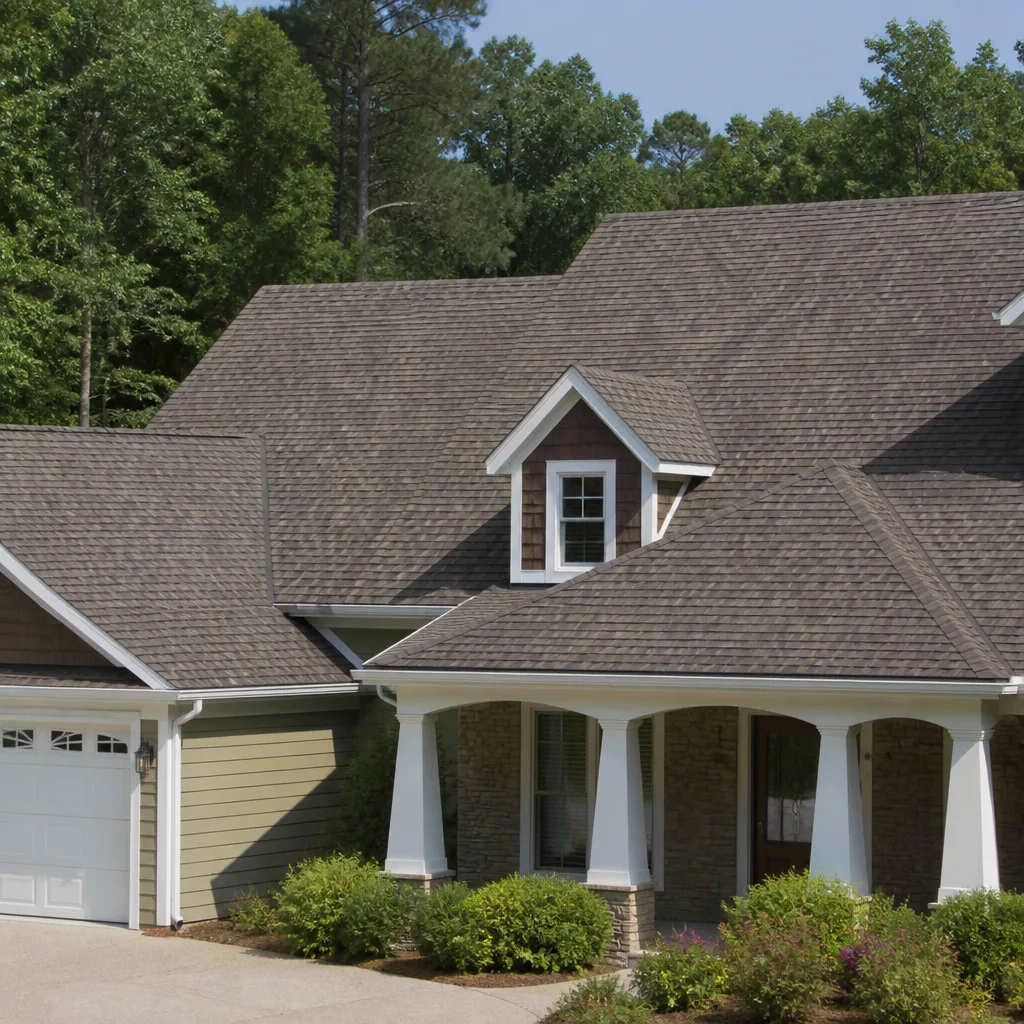
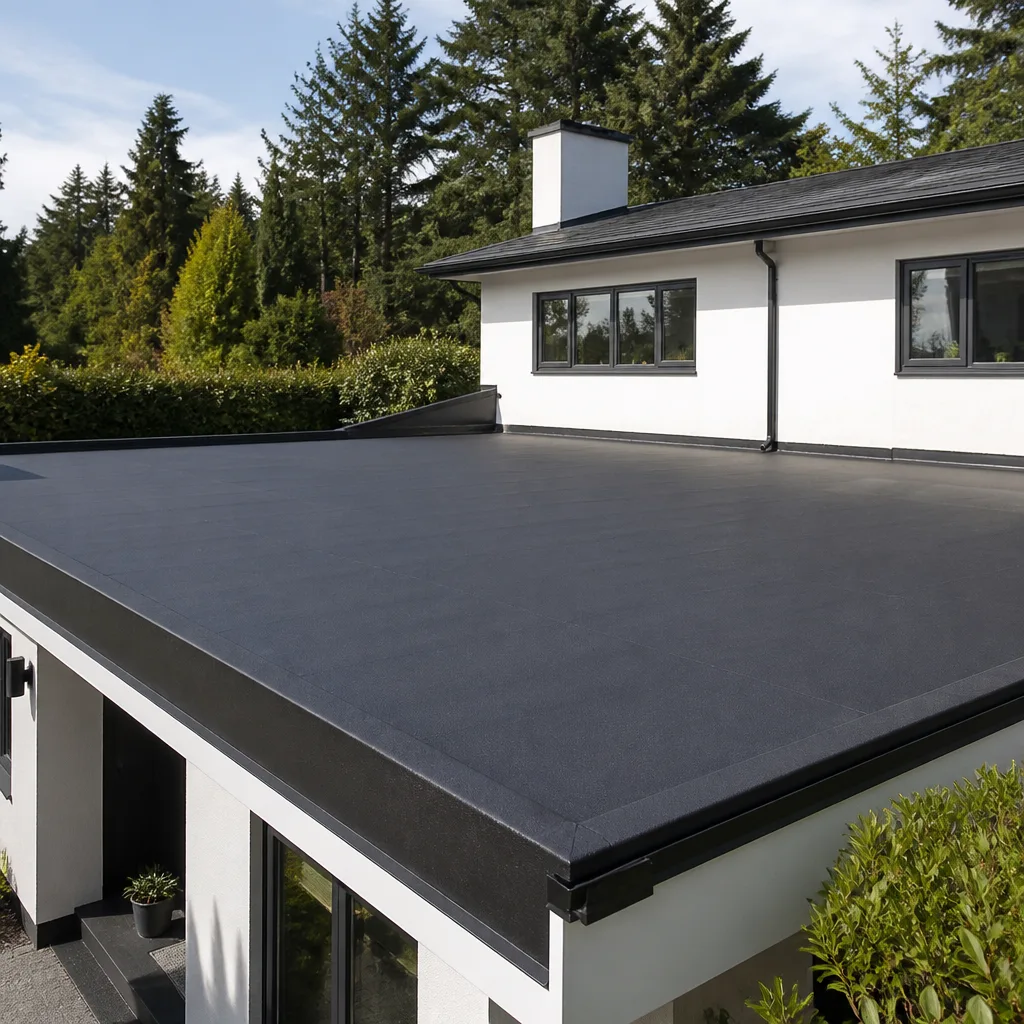
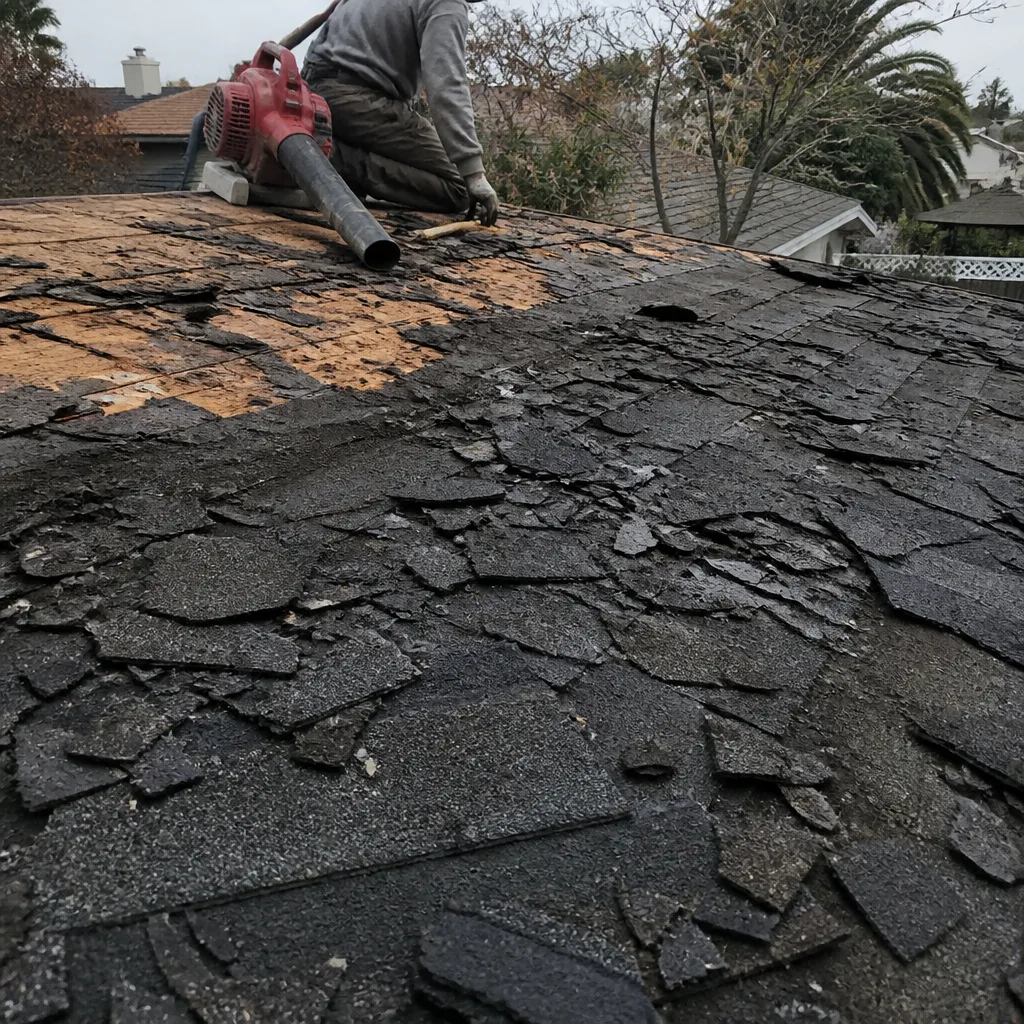 Before
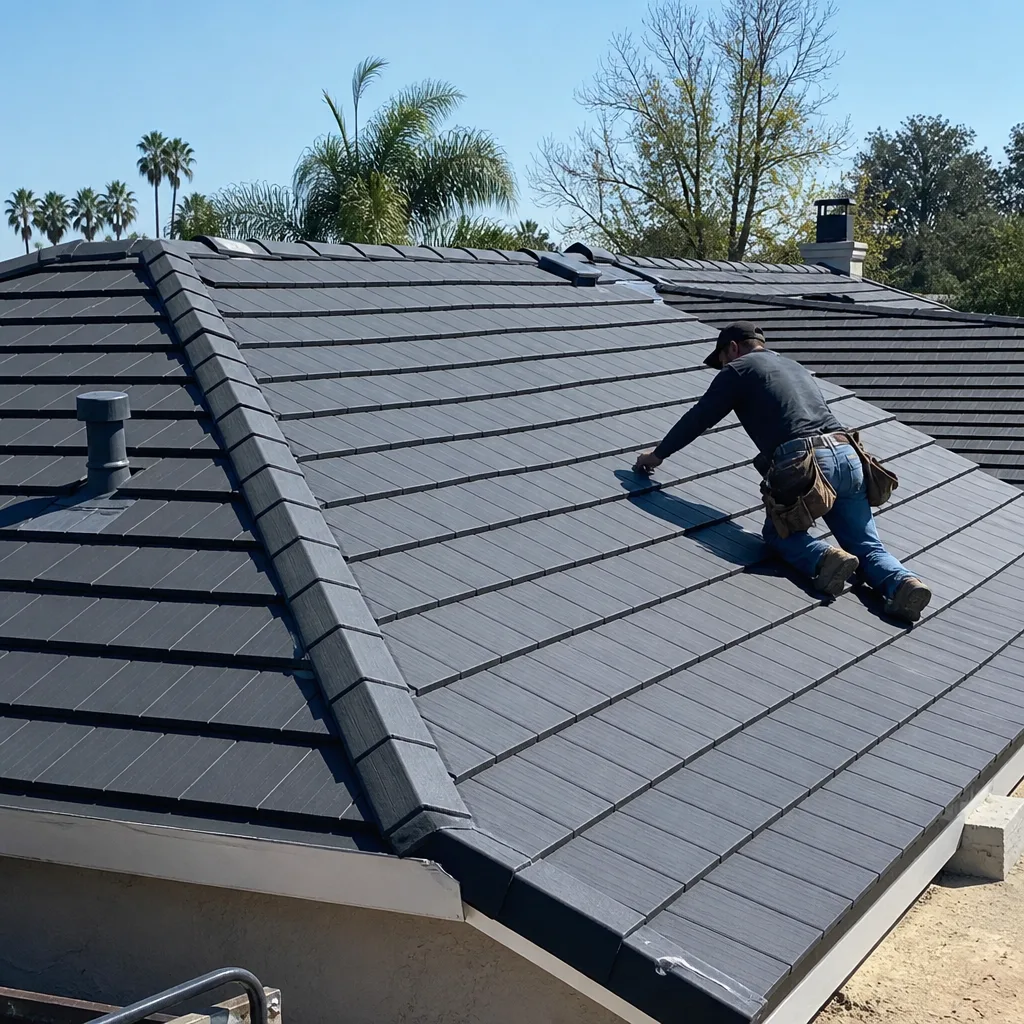 After
After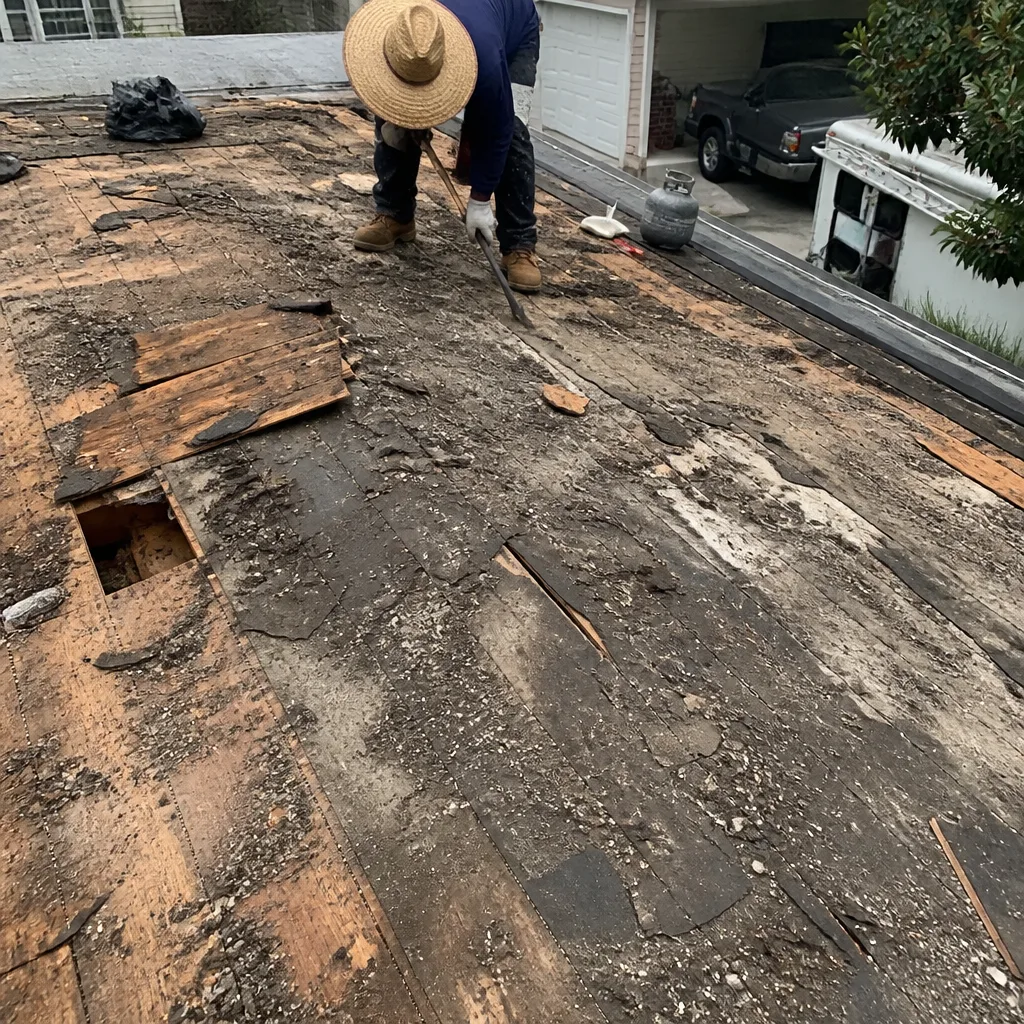 Before
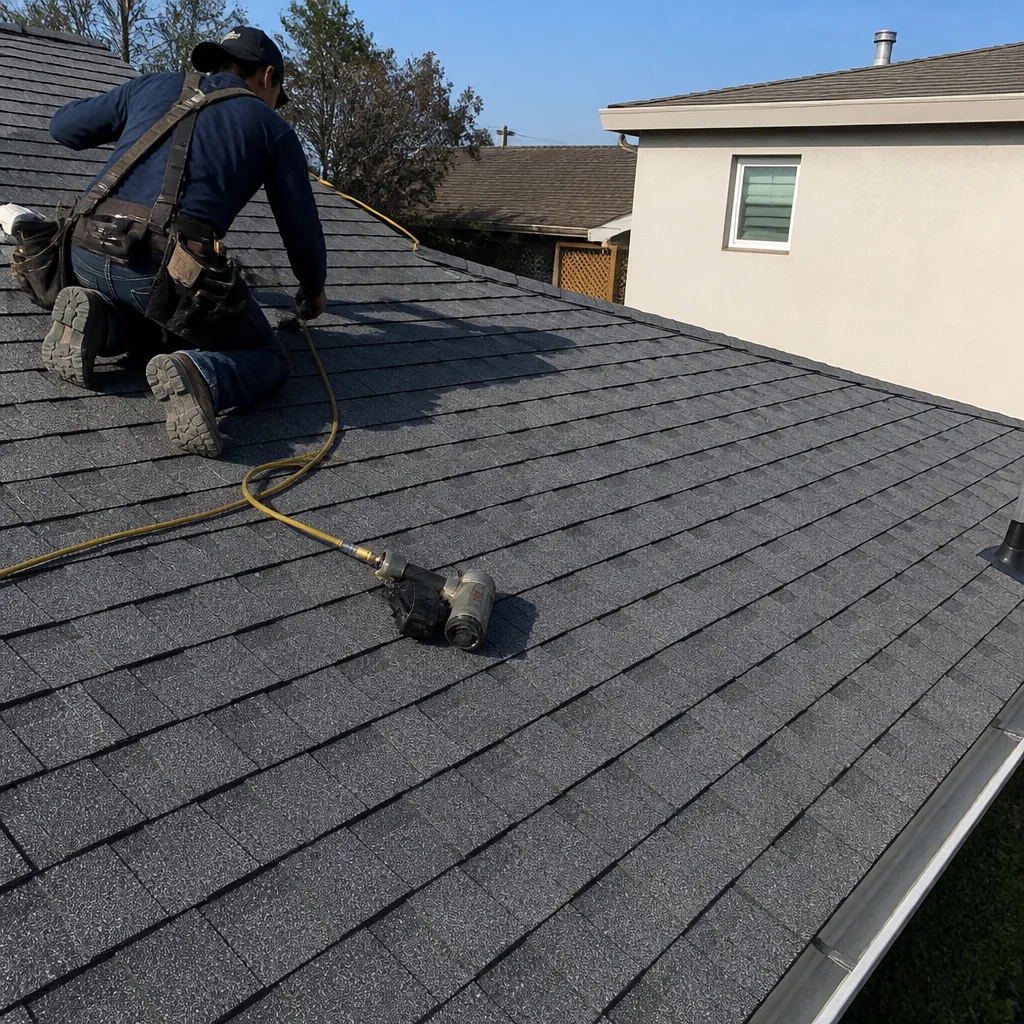 After
After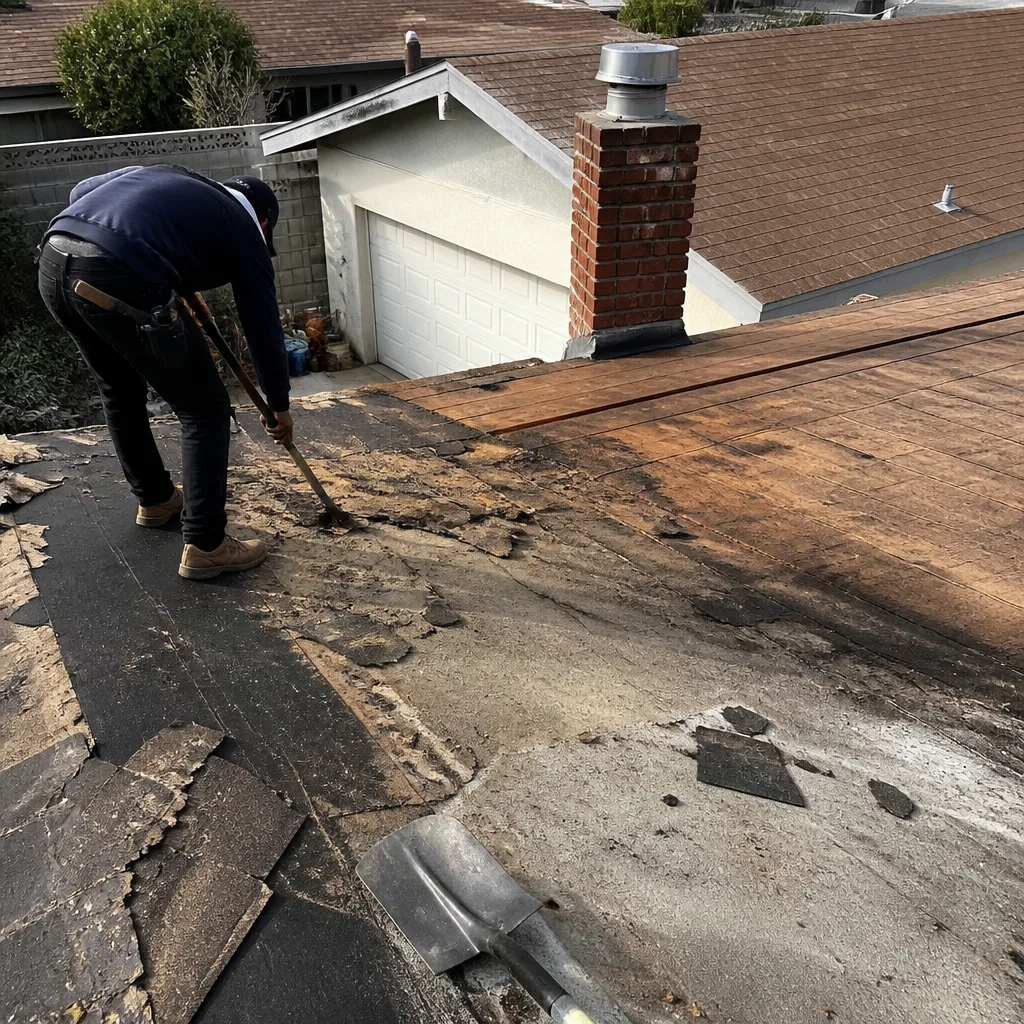 Before
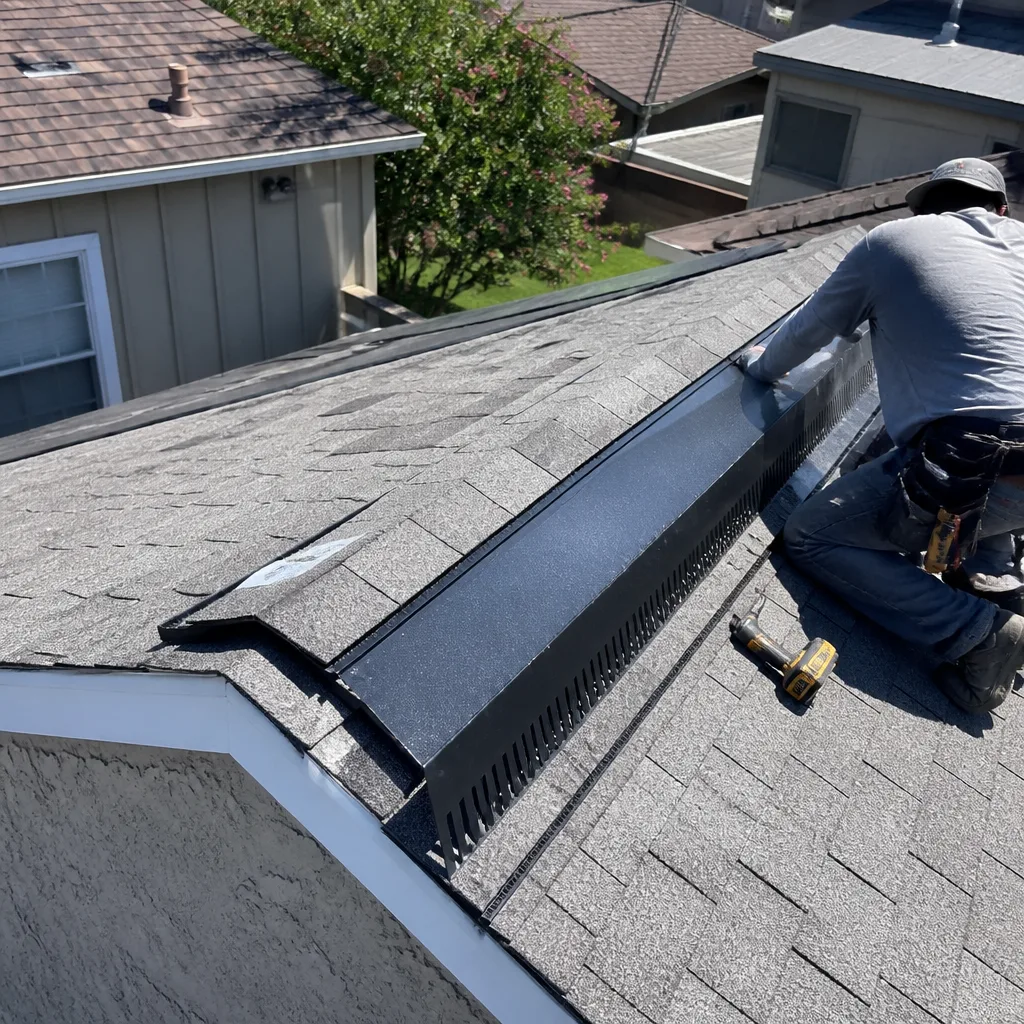 After
AfterSeasonal Roofing Care for Los Angeles: Year-Round Homeowner’s Guide
A roof in Minneapolis gets inspected every fall because the stakes are obvious: snow load, ice dams, frozen flashing. In Los Angeles, the same UV damage, debris buildup, and heat cycling happens invisibly, and it gets discovered only when water shows up on the bedroom ceiling. The “mild climate” myth is the reason so many Los Angeles roofs age faster than they should. Homeowners assume no maintenance is needed when there’s no snow or ice, but the truth is Los Angeles roofs face a relentless, year-round assault from heat, sun, wind, and debris. This complete guide to roofing in Los Angeles reframes each of LA’s four loosely defined seasons as a distinct stress event with a specific roofing task, so you know exactly what to check, when to check it, and what to do about what you find.
Quick Answer
Seasonal roof care in Los Angeles means four distinct checkpoints: spring maintenance before summer heat, summer UV and heat-cycling checks, fall ember and debris clearing ahead of Santa Ana winds, and winter post-rain inspections. For a deeper dive, see our complete roof repair guide for Los Angeles homeowners. Most Los Angeles homes need a professional roof inspection once a year, ideally in March or April, plus a ground-level check after any major rain or wind event. Skipping these seasonal rhythms is how small problems become five-figure replacements.
Table of Contents
- Why Los Angeles Weather Is Harder on Roofs Than It Looks
- Summer (June-September): UV, Heat Cycling, and Shingle Oil Migration
- Fall and Santa Ana Season (October-November): Ember Debris and Vent Blockage
- Winter Rain Window (December-February): Ground-Level Post-Storm Inspections
- Spring (March-May): The Maintenance Window Before Heat Season
- Build a 12-Month Calendar by Roof Type: Tile, Asphalt, and Flat Membrane
- Common Mistakes to Avoid
- When to Call a Professional
- Frequently Asked Questions
- The Bottom Line
Why Los Angeles Weather Is Harder on Roofs Than It Looks
Los Angeles gets roughly 15 inches of rain a year and almost no freezing temperatures. That sounds gentle, and for a few materials it is. But what the averages hide is the daily assault: 280-plus days of direct sun, weeks of sustained 90-degree heat, overnight temperature swings of 30 degrees or more, and a Santa Ana wind season that can throw 60-mile-per-hour gusts against your ridge line. Put those together and a roof in Los Angeles weathers differently than a roof in Seattle or Chicago. The damage is slower, quieter, and easier to miss.
In our experience across Los Angeles neighborhoods, the roofs that fail earliest are not the ones hit by storms. They are the ones nobody looked at for six or seven years because the weather never forced the issue. A roof in Los Angeles does not get a dramatic failure moment; it gets a slow accumulation of heat-aged flashing sealant, granule loss on south-facing slopes, and debris packed into valleys. By the time water stains show on the interior, the roof has usually been failing quietly for two or three years.
The good news is that Los Angeles’s predictable seasonal patterns make maintenance easy to plan. You do not need to react to surprise blizzards. You need a calendar, a ladder (or a pair of binoculars), and about 90 minutes a year. Here’s what that calendar looks like, season by season.
Summer (June-September): UV, Heat Cycling, and Shingle Oil Migration
Summer is when Los Angeles roofs do most of their invisible aging. The mechanism is straightforward: asphalt shingles are made with oils that keep them flexible, and sustained heat drives those oils toward the surface. You can actually see this process in action; after a long hot stretch, shingles on south-facing and west-facing slopes often look shinier, almost wet. That is oil migration. It is not immediately destructive, but it accelerates every other form of aging, makes the shingle more brittle, and sets up the granule loss you will see months later as small piles of colored grit in your gutters.
What to look for during summer, particularly on north-facing slopes in Los Angeles, is a different story. North-facing slopes get less direct sun and hold moisture longer, especially in coastal neighborhoods like Pacific Palisades or Playa del Rey where morning marine layer lingers. Moss and lichen, rare on south-facing roofs, can establish on north-facing slopes and along shaded eaves. Moss holds moisture against the shingle surface and shortens the material’s lifespan.
Summer checklist:
- Look for shingles that appear shiny or oily on sun-exposed slopes; this is normal heat behavior, but note it and keep an eye on those areas.
- Check north-facing slopes and shaded eaves for moss, lichen, or dark staining.
- Inspect exposed sealant around vents, pipes, and skylights; 90-degree weeks are when dried sealant begins cracking and pulling away.
- If you have a tile roof, listen for loose tiles rattling in evening breezes; heat expansion and cooling contraction can shift tiles slightly and loosen the fasteners.
- Walk the ground-level perimeter and look for granules in the soil or in gutter downspouts; light granule loss is normal, heavy loss signals aging shingles.
Summer is also the season of roof traffic from satellite installers, solar installers, and handymen. Los Angeles rooftops get more foot traffic than most cities do. Foot traffic on a hot asphalt roof compresses granules into the shingle and can crack tiles and membrane laps. If someone has to be on your roof in June through September, autumn maintenance should include a close look at wherever they walked.
Birchbark Roofing performs roof repair in Los Angeles year-round, and summer is when our technicians see the most heat-related sealant failures. The fix is usually quick and inexpensive in June and July, before the Santa Ana season adds wind stress on top of heat damage.
Fall and Santa Ana Season (October-November): Ember Debris and Vent Blockage
October in Los Angeles is when two things happen at once: deciduous trees drop leaves, and the Santa Ana winds begin. The combination creates the most debris-heavy season on your roof. Leaves, twigs, and fine organic matter pack into valleys, pile against chimneys, and get driven into ridge vents and attic vents. A blocked ridge vent means your attic stops breathing, which raises attic temperature and forces moisture into the decking. In wildfire-prone areas of Los Angeles like the hills above Studio City or the canyon communities, debris is also an ember risk: dry leaves packed in roof valleys and gutters are exactly where wind-driven embers land.
Fall checklist:
- After the first major leaf drop, do a ground-level visual sweep of valleys, chimneys, and any roof-to-wall intersections.
- Clear debris from valleys using a leaf blower or soft broom from a ladder, never by walking on the roof if it can be avoided.
- Check ridge vents for leaf and twig blockage; a clogged ridge vent is one of the most common findings in Los Angeles fall inspections.
- Gutters and downspouts need to flow; a blocked downspout in a November rain can back water up under the eaves and into the soffit.
- Trim overhanging branches; Santa Ana winds turn branches into abrasives that wear on shingle edges and tile glazing.
One thing we see often in Los Angeles falls is debris packed tightly around roof penetrations: plumbing vents, furnace flues, and skylight curbs. Wind drives leaves into pockets and corners where they stay for months, holding moisture against flashing and accelerating corrosion. The fix is simple, but it has to happen before the winter rain window.
Clearing ridge vents without damaging them is worth a note. Ridge vents are made of plastic or aluminum, and they are more fragile than they look. Prying at them with a tool or blasting them with a pressure washer can crack the vent or loosen the fasteners. A soft brush, a low-pressure leaf blower, or a gloved hand is the right tool. If you are not comfortable on a ladder, this is exactly the kind of thing a maintenance visit handles in about 40 minutes.
If you are in a wildfire-prone Los Angeles neighborhood, consider upgrading to a Class A fire-rated material like GAF or CertainTeed asphalt shingles, or Boral roof tiles, when replacement time comes. These materials resist ember ignition better than older wood shake or standard three-tab shingles. Our team at roof replacement in Los Angeles walks through fire ratings and material options before any work begins, and you get the number in writing.
Winter Rain Window (December-February): Ground-Level Post-Storm Inspections
Los Angeles winters are defined by what they occasionally deliver rather than what they usually do. Most of the year’s rain arrives between December and February, often in a few concentrated storm events. These storms are when a roof reveals its accumulated damage. The good news is that most post-storm roof issues are visible from the ground within 24 hours, if you know what to look for.
Within 24 hours after any significant Los Angeles rain, walk the perimeter of your home and look up. The goal is to catch early signs before they become interior damage. This is not an inspection that requires a ladder or a professional; it is a homeowner habit, like checking tire pressure.
Post-storm ground-level checklist:
- Look for shingles or tiles on the ground; wind-driven rain often loosens materials that were already failing.
- Check the edge of the roof line for lifted, curled, or displaced shingles.
- Look at the fascia and soffit for water staining; a white streak on a painted eave means water ran where it should not have.
- Inspect chimney flashing, pipe boots, and skylight frames for displaced or sagging material.
- Inside the house, check ceilings and upper wall corners for discoloration; brown rings after rain are a clear sign of a roof leak.
- In the attic, run a flashlight along the underside of the decking; look for wet spots, water trails, or dark staining.
When should you call a roofer after a storm? If the ground-level check finds any displaced material, if you see interior staining, or if the rain was heavy enough to overwhelm your gutters and send water over the fascia, you want a professional look. Small leaks in Los Angeles do not fix themselves, and they do not get cheaper by waiting. The roofing company in Los Angeles you call should be one that gives you a written price before any work starts, so you are not negotiating under pressure.
One more winter note: Los Angeles flat roofs, common on mid-century homes in neighborhoods like Silver Lake and Westchester, need special attention in the rain window. Standing water, called ponding, is normal on many flat roofs for up to 48 hours after rain. If water is still standing after 48 hours, the drainage or slope needs to be assessed. Ponding that persists shortens membrane life dramatically. Tamko and other manufacturers make membranes designed for low-slope Los Angeles applications, but even the best membrane cannot hold up under constant standing water.
Spring (March-May): The Maintenance Window Before Heat Season
Spring is the most useful season for roof maintenance in Los Angeles because it sits between the two failure modes. The rainy season is ending, so fall and winter damage is complete and visible. The heat season has not yet started, so repair materials cure properly and sealant bonds correctly. A roof inspection or maintenance visit in March or April catches everything from the past six months, and the work can be completed before summer heat locks in the problems.
Spring is also the right window because of scheduling. Most Los Angeles homeowners wait until they see a leak to call a roofer, which means roofers are busiest in November and December after the first big storm. In March and April, the schedule is open, the weather is predictable, and materials are not being installed in 95-degree heat.
Spring professional maintenance checklist, in the order it happens on a Birchbark Roofing visit:
- Full visual inspection of the roof surface, flashings, and penetrations.
- Sealant evaluation and replacement on all boots, collars, and flashings.
- Valley and gutter clearing with debris removed and bagged.
- Tile and shingle repair for lifted, cracked, or missing units.
- Attic inspection for ventilation, moisture, and decking condition.
- Written summary of what was found, what was fixed, and what may need attention in the next 12 months.
Spring 2024 and 2025 brought several late-season rain events to Los Angeles, and we saw the same pattern both years: homeowners who had scheduled spring maintenance sailed through the following winter with no issues, while those who deferred maintenance found small problems in November that had become bigger problems by January. There is no timing advantage in waiting. The roof that gets looked at in April is cheaper to own than the roof that gets looked at in December, because the repair list is shorter.
Build a 12-Month Calendar by Roof Type: Tile, Asphalt, and Flat Membrane
Los Angeles roofs fall into three broad categories, and each one ages on a different seasonal clock. Your maintenance calendar should match the material on top of your house, not the generic checklist from a national home improvement site.
Tile Roofs (Clay and Concrete)
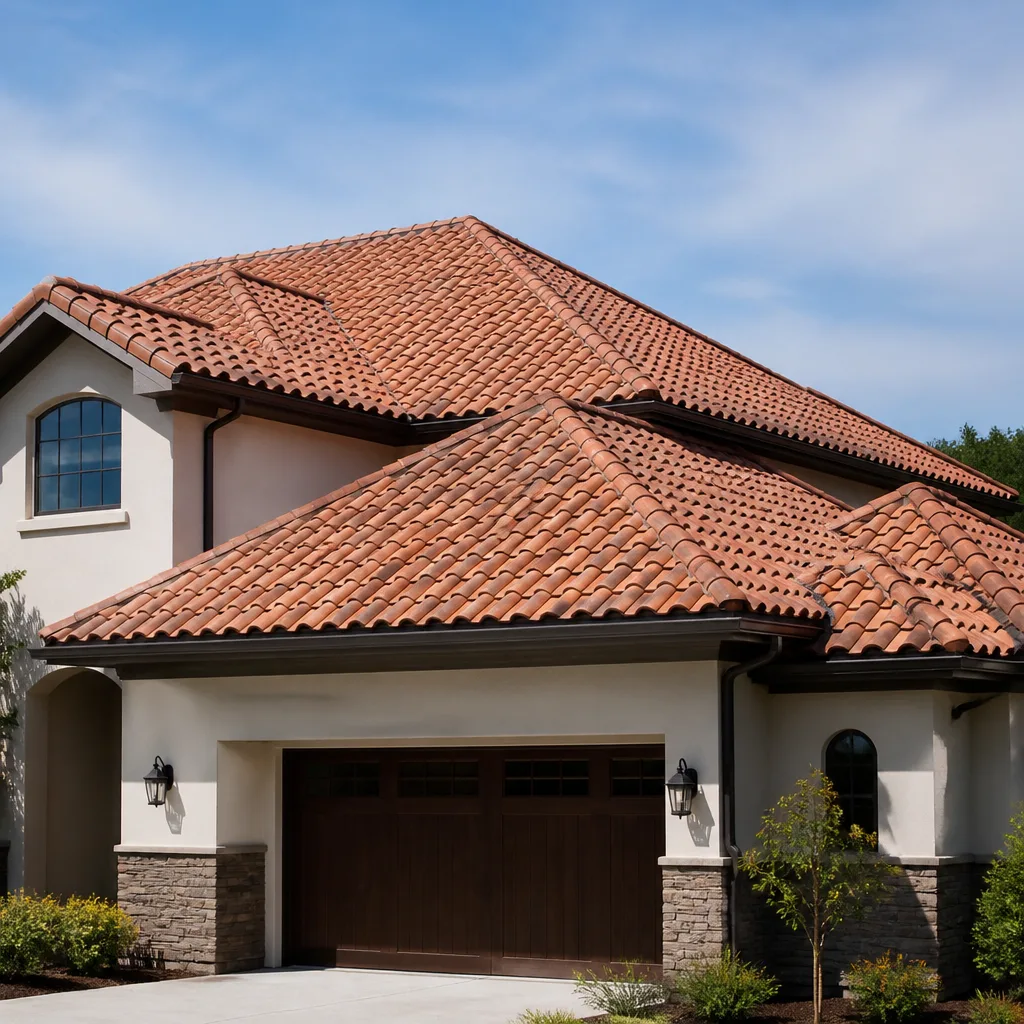
Tile is the most common roofing material in Los Angeles, and it is also the most misunderstood. Tile roofs do not wear out the way asphalt does; the tile itself can last 50-plus years. What fails on a tile roof is the system: the underlayment beneath the tile, the flashing at penetrations, and the fasteners holding the tiles. Underlayment on a tile roof typically fails at 20 to 30 years, long before the tile looks bad. That is the hidden age problem in Los Angeles: the roof looks perfect from the street, but the waterproof layer underneath is wearing out.
Seasonal priorities for tile roofs:
- Spring: Full tile-by-tile inspection for cracks, shifts, and broken fasteners; underlayment assessment at eaves and penetrations.
- Summer: Check for thermal movement; listen for tiles rattling in evening breezes; examine sealant at hips and ridges.
- Fall: Clear valleys and gutters; inspect ridge caps and hip tiles for wind displacement.
- Winter: After storms, look for displaced tiles and water staining at the eaves; inspect the underside of the decking in the attic.
Asphalt Shingle Roofs
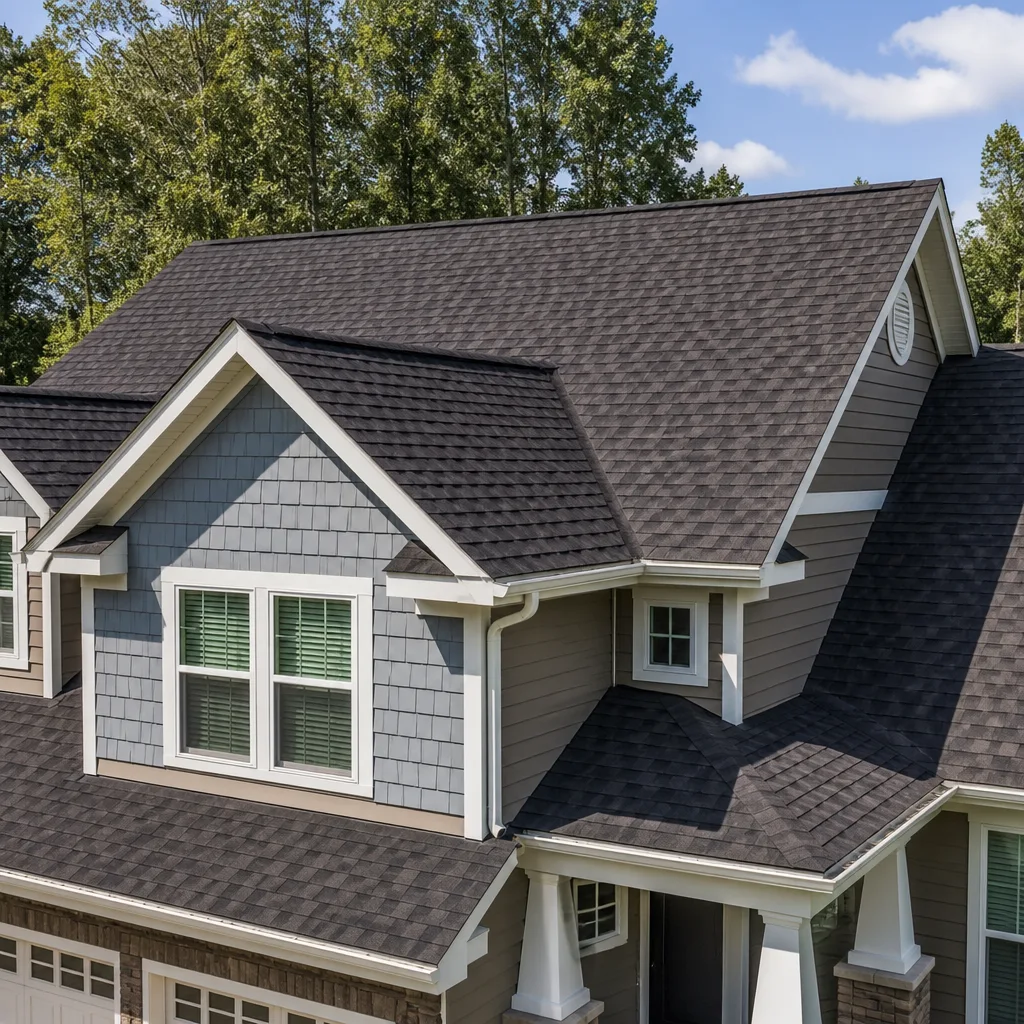
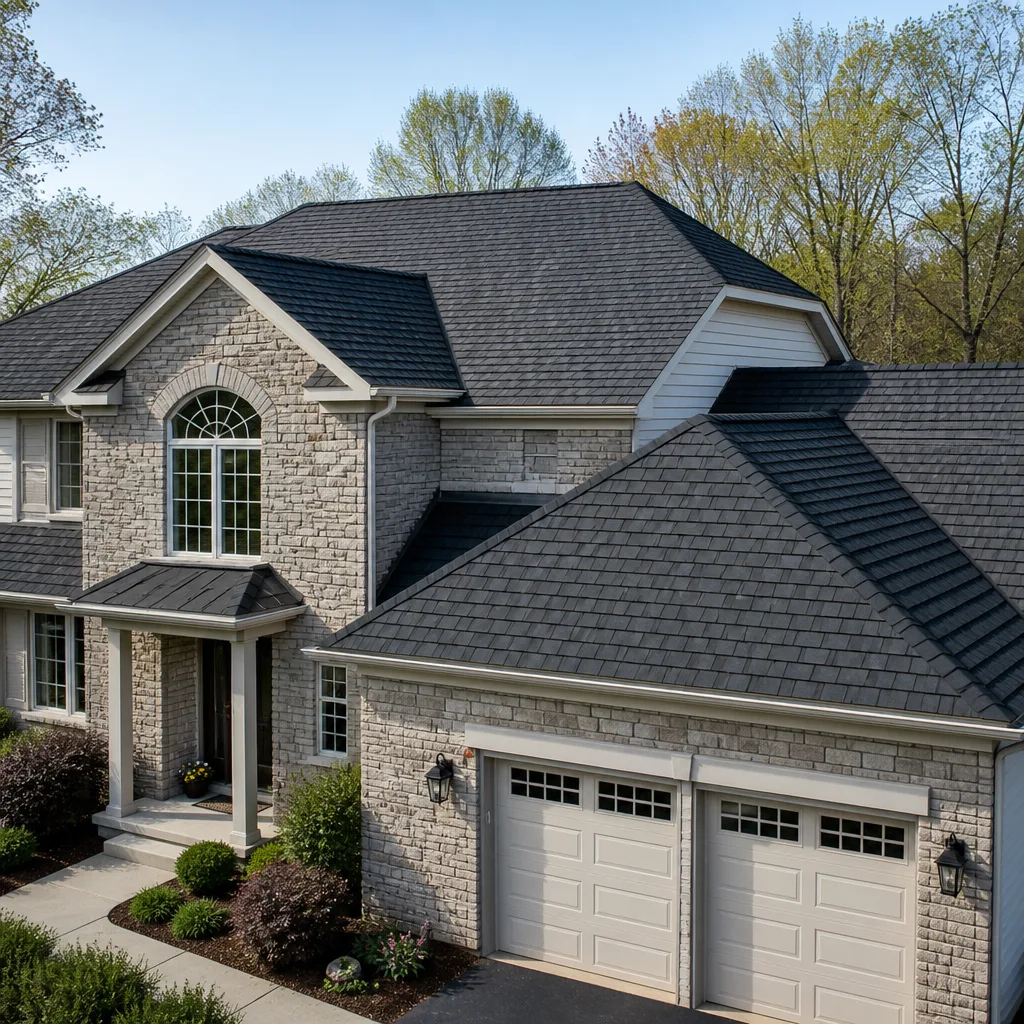
Asphalt shingles age primarily through heat and UV, which means they age fastest in Los Angeles. A 30-year architectural shingle in Los Angeles may realistically perform for 18 to 22 years because of the UV load. The rate of granule loss is the best indicator of remaining life, and it is most visible in spring and fall when gutter debris shows the evidence. CertainTeed and GAF architectural shingles are common choices on Los Angeles homes, and Tamko products show up regularly on mid-range replacements. If you’re weighing options, our buyer’s guide for choosing the right roofing brand in Los Angeles breaks down what matters locally.
Seasonal priorities for asphalt shingle roofs:
- Spring: Check for winter storm damage; look for lifted shingle edges and exposed nail heads; schedule sealant work.
- Summer: Monitor south-facing and west-facing slopes for granule loss; look for shiny patches signaling oil migration; inspect air conditioning condenser lines that run across the roof (a common Los Angeles retrofit that damages shingles).
- Fall: Clear valleys and trim overhanging branches; check all flashing and counter-flashing.
- Winter: Post-rain ground checks and attic inspections as described above.
Flat and Low-Slope Membrane Roofs
Flat roofs are the most maintenance-sensitive roofing type in Los Angeles, and they are also the most likely to be ignored because they are rarely visible from the street. Mid-century modern homes in neighborhoods like Eagle Rock, Silver Lake, and Westchester often have flat or low-slope sections, and many of them are aging membrane systems. A flat roof asks for seasonal attention in a way a pitched roof does not.
Seasonal priorities for flat membrane roofs:
- Spring: Check for ponding after winter rain; inspect seams and flashings; look for cracking or alligatoring in the membrane surface.
- Summer: UV exposure is the primary enemy; inspect exposed membrane for brittleness and surface deterioration, especially around roof penetrations and curbs.
- Fall: Clear all drains, scuppers, and gutters; a single blocked drain on a flat roof creates a pond that destroys the membrane in one rainy season.
- Winter: After every major rain, check for ponding that lasts longer than 48 hours and inspect the ceiling below for any staining.
Common Mistakes to Avoid
- Waiting for a leak to inspect the roof. By the time water shows up inside a Los Angeles home, the roof has usually been compromised for months or years. A leak is a symptom, not a first warning sign. The fix is often more expensive than the maintenance that would have prevented it.
- Assuming tile roofs never need maintenance. The tile itself lasts decades, but the underlayment, fasteners, and flashings underneath it do not. Half the tile-roof replacements we do in Los Angeles are on roofs that looked fine from the street.
- Letting debris sit in valleys from October through January. Debris holds water against the roof surface, blocks drainage, and creates ember risk in wildfire season. Fall clearing is 30 minutes of work and prevents months of slow damage.
- Ignoring the north-facing slope. South-facing slopes get the attention because they see the most sun, but north-facing slopes in Los Angeles are where moss and moisture problems hide. The dark side of the roof ages differently, not more slowly.
- Walking on a hot asphalt roof. Foot traffic on a 100-degree shingle compresses granules and shortens material life. If you or a contractor must be on the roof in summer, shoe covers help protect the surface, and traffic should be minimized.
- Skipping attic inspections. The underside of the decking tells the truth about what is happening on top. A five-minute flashlight check after winter rain catches leaks before they damage drywall or ceilings.
When to Call a Professional
Some roof work is safe and sensible for a homeowner: ground-level visual checks, gutter clearing from a ladder, attic inspections. Some is not. If you see displaced shingles or tiles after a storm, water staining on ceilings or walls, sealant that has cracked and pulled away from flashing, or ponding water that persists beyond 48 hours, call a professional. Roof work at height carries real risk, and the diagnostics often require training: what looks like a small shingle issue may be the visible edge of a larger underlayment or flashing problem.
Birchbark Roofing offers free estimates in Los Angeles, and every estimate comes as a written price before any work begins. Call (424) 766-4937 to schedule a seasonal roof check or to get a clear picture of what your roof needs this year.
Frequently Asked Questions
Once a year, ideally in March or April before heat season. Los Angeles roofs age through UV and heat cycling more than storm damage, and an annual spring inspection catches accumulated heat damage and winter storm issues while repair conditions are still favorable. Call (424) 766-4937 to schedule your annual check.
A seasonal roof maintenance visit in Los Angeles typically runs between $250 and $600 depending on roof size, roof type, and what needs attention. Repairs found during the visit are priced separately in writing before any work proceeds. Birhbark always provides the number before starting, so there is no open-ended estimate.
Yes, and in some ways tile roofs need it more than others because the failure points are hidden. The tile itself lasts decades, but the underlayment beneath it fails at 20 to 30 years, and flashing and fasteners wear independently of the tile. A tile roof that never gets maintained can reach replacement age while looking perfectly fine from the curb.
Spring and early fall are the best replacement windows. Spring offers predictable weather and a clear schedule; early fall gets the new roof in place before the winter rain window. Summer installations are common but heat can make sealant cure faster than ideal, and winter rain creates schedule uncertainty.
Check for ponding water that lasts longer than 48 hours after a storm. Persistent ponding means the slope or drainage is not functioning, and standing water accelerates membrane aging dramatically. Also check the ceiling below the flat roof for staining, and inspect the attic or crawl space for wet spots on the decking.
Walk the perimeter and look for displaced or lifted shingles and tiles, debris packed against flashings and vents, and any material that looks out of place along the roof edge. Pay special attention to ridge caps and hip tiles, which are the first to move in high wind. If branches have scraped across the roof, look for damage where they made contact. Call (424) 766-4937 if anything looks concerning, and we will take a professional look.
The Bottom Line
Los Angeles roofs wear out through neglect more than through dramatic weather events. The city’s steady sun and heat, punctuated by Santa Ana winds and short intense rain windows, creates four distinct seasonal stress points, and each one has a specific response. Spring is for professional maintenance, summer for watching heat damage, fall for clearing debris and ember fuel, and winter for post-storm ground checks. A homeowner who spends 90 minutes a year on the schedule above will catch most problems early, and catching problems early in Los Angeles usually means the difference between a repair and a replacement. For more guides & resources, visit our blog. The roof does not care if you notice it; the ceiling does.
Written by Erik Lindgren, Owner at Birchbark Roofing, serving Los Angeles since 2000.