
Last updated October 8, 2026
Free roof inspection with deck photos before we talk money - GAF and Owens Corning certified installation
 Before
 After
After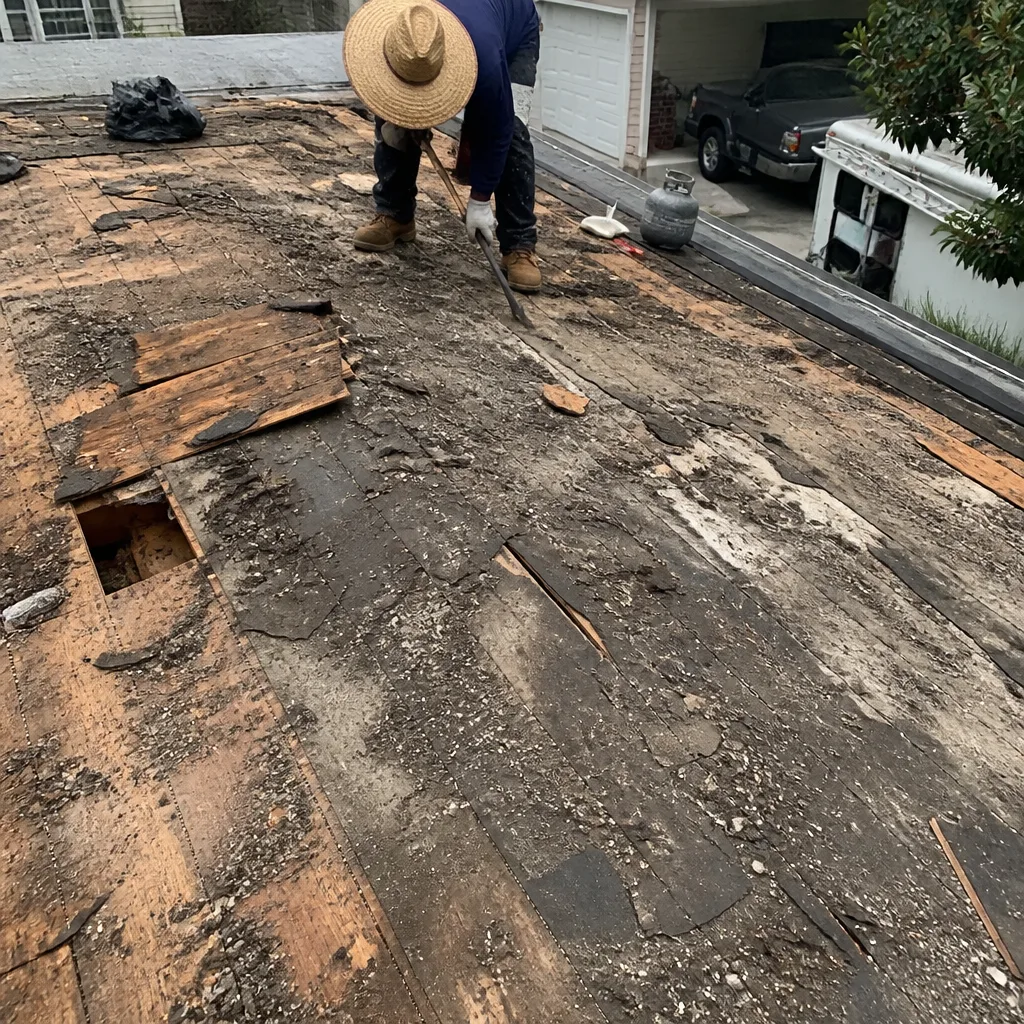 Before
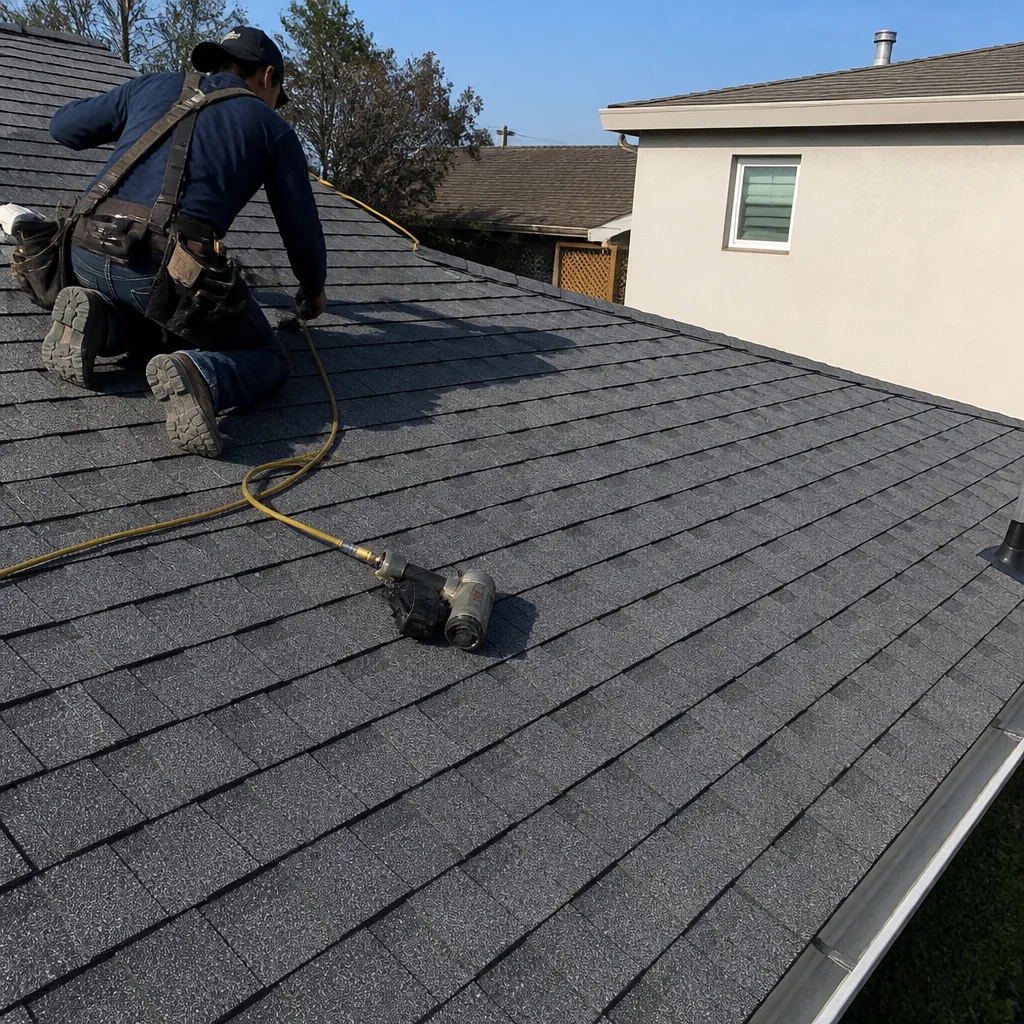 After
After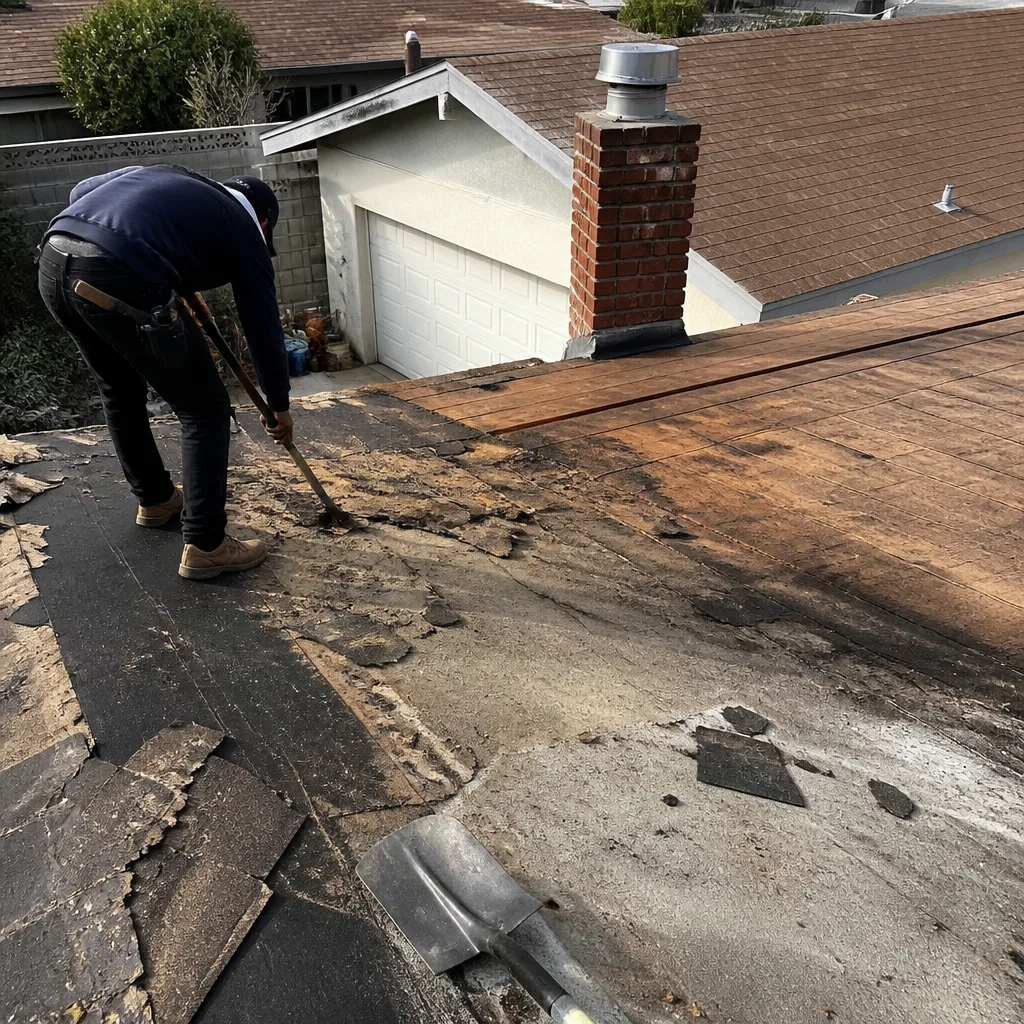 Before
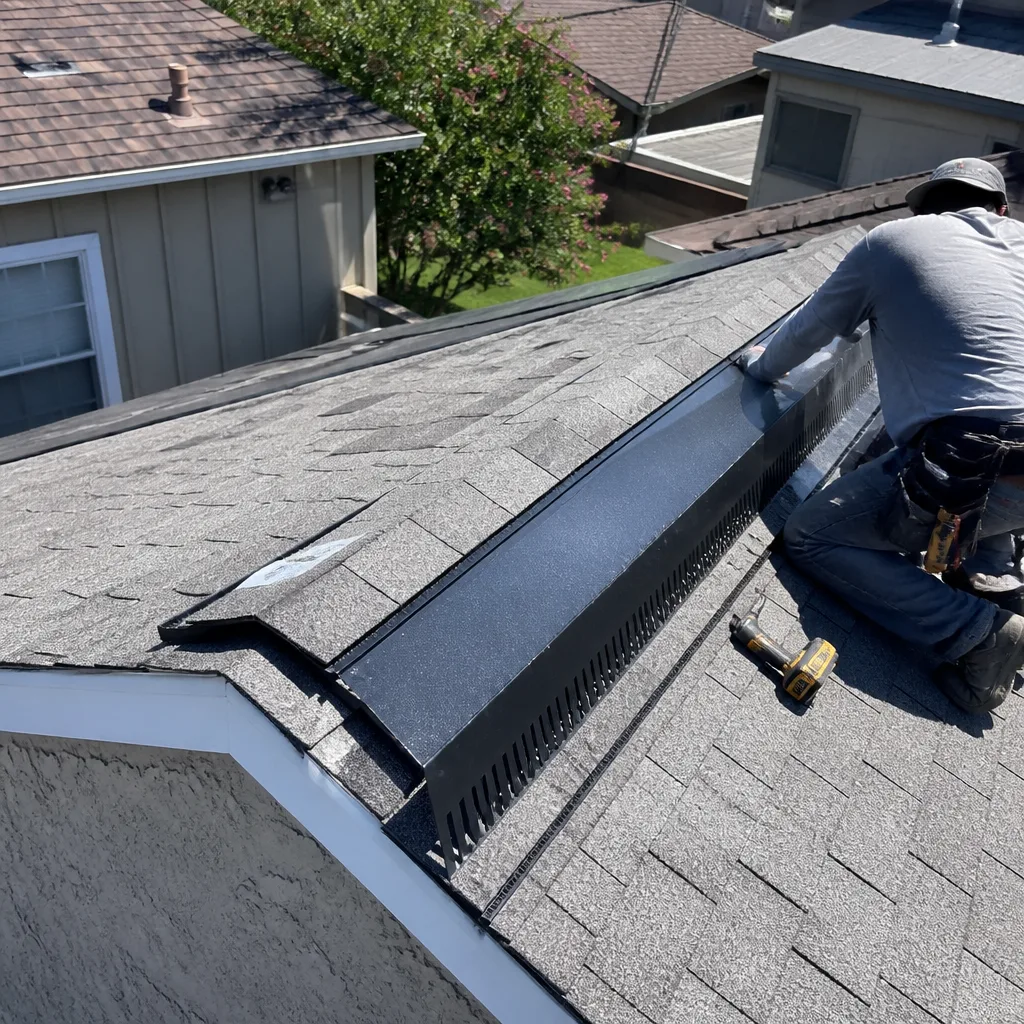 After
AfterThe Complete Guide to Roofing in Los Angeles
Los Angeles averages 284 sunny days a year, and that sunshine is quietly working against your roof every one of them. UV radiation, not rain, is the number-one reason LA roofs fail before their rated lifespan. Most national roofing guides treat a roof as a rain-shedding barrier, but in Southern California your roof is a UV shield, a wildfire ember barrier, and a flexible structure that has to ride out earthquake movement. This guide covers what actually matters for a Los Angeles roof: material selection for high-UV zones, Santa Ana wind season inspections, seismic movement, and Title 24 compliance. For more guides & resources, visit our blog.
Quick Answer
Roofing in Los Angeles centers on managing three forces most guides ignore: sustained UV radiation that degrades asphalt shingles faster than rain ever will, Santa Ana wind events that tear and lift roofing materials, and earthquake micro-movement that loosens flashing over time. LA homeowners need materials rated for high-UV exposure, annual inspections timed for late summer before Santa Ana season, and written scopes of work that spell out exactly what a crew will do before anyone climbs a ladder.
Table of Contents
- Why UV Radiation, Not Rain, Is Your Roof’s Biggest Enemy in Los Angeles
- Why Santa Ana Season Is the Real Inspection Trigger for LA Roofs
- How Earthquake Micro-Movement Loosens Flashing and Causes Silent Leaks
- Title 24 Cool-Roof Requirements in LA County and What They Mean for Material Choices
- Best Roofing Materials for Los Angeles: A UV-First Comparison
- What a Written Scope of Work Should Include Before Any LA Roofing Job Begins
- A Season-by-Season Roof Inspection Routine for Los Angeles Homeowners
- Common Mistakes to Avoid
- When to Call a Professional
- Frequently Asked Questions
- The Bottom Line
Why UV Radiation, Not Rain, Is Your Roof’s Biggest Enemy in Los Angeles
A standard asphalt shingle is rated to last 25 to 30 years in a temperate climate. In Los Angeles, the same shingle typically shows significant granule loss and cracking by year 15 to 18. The reason is simple: ultraviolet light breaks down the asphalt compounds that bind shingles together, and Los Angeles gets more daily UV exposure than almost any major metropolitan area in the country. UV photons break the long-chain hydrocarbons in asphalt, making the material brittle. Granules, which protect the asphalt from UV, slowly release as that binder degrades. Once granules are gone, the asphalt is exposed directly, and the shingle begins to crack, curl, and eventually fail.
In our experience across Los Angeles, roofs on the west and south-facing slopes degrade noticeably faster than north-facing slopes on the same house. A home in Sherman Oaks or Encino with significant southern exposure can lose five to seven years of shingle life compared to a heavily shaded property in the foothills. This is not a defect. It is physics, and it is predictable. What matters is choosing materials designed for high-UV zones and scheduling inspections that catch UV damage before it becomes a leak.
Concrete tile, clay tile, and stone-coated steel all handle UV exposure far better than composition asphalt shingles. If you are replacing a roof in Los Angeles, the material decision should start with UV resistance, not just curb appeal. See The Complete Roof Replacement Guide for Los Angeles Homeowners for detailed material comparisons. A homeowner who installs a UV-rated material will spend less on repairs over the life of the roof, even if the upfront cost is higher.
How to Spot UV Damage Before It Leaks
- Granules collecting in gutters or at downspout elbows – a clear sign the shingle surface is breaking down.
- Shingles that look shiny or have dark patches where granules are gone.
- Cracking or curling at shingle edges, especially on south-facing roof planes.
- Brittleness you can feel – a UV-damaged shingle snaps when bent, rather than flexing.
Why Santa Ana Season Is the Real Inspection Trigger for LA Roofs
In most of the country, homeowners think about the roof before winter snow or spring rain. In Los Angeles, the critical window is September through November, when Santa Ana winds arrive. Santa Ana events bring sustained winds of 30 to 50 miles per hour with gusts that can exceed 70 in the passes and canyons. These winds hit roofs from the northeast, a different direction than the prevailing onshore flow, which means they test flashing, ridge caps, and edges that have not seen pressure from that angle since the previous year.
Santa Ana winds are also dry. Humidity drops into the single digits. This matters because roofing adhesives, sealants, and even some underlayment materials behave differently in very low humidity. A sealant that has been quietly failing over a damp coastal spring will be exposed the moment a dry northeast wind finds the gap.
We recommend homeowners schedule a roof inspection in late August or early September, before the first significant Santa Ana event. An inspection in November or December may be too late – the wind has already done the damage. This timing is specific to Southern California, and it is one of the most practical pieces of advice we can give any homeowner in the region. Learn more in The Complete Roof Repair Guide for Los Angeles Homeowners. If you wait for a leak to tell you something is wrong, you are waiting for interior damage that is far more expensive than a repair would have been.
How Earthquake Micro-Movement Loosens Flashing and Causes Silent Leaks
Los Angeles sits on a network of active faults, and the ground moves. Most people think about earthquakes as dramatic events, but the reality is quieter and more persistent: small tremors, micro-quakes, and even the daily vibration from nearby traffic cause a house to flex. Roof flashing, the metal that seals joints at chimneys, skylights, vents, and wall intersections, is the component most vulnerable to this movement.
Flashing is designed to be rigid enough to direct water and flexible enough to absorb some movement. But over years of micro-movement, fasteners loosen. Sealant pulls away from the metal. Small gaps open where the flashing meets the roof surface. These gaps may be a sixteenth of an inch, too small to see from the ground, but enough to let water in during a heavy winter rain.
This is the silent leak source most Los Angeles roofers miss. A typical inspection looks at the shingle surface and the gutters. A thorough inspection will check every flashing point with a physical hand test: pressing on the metal to feel for movement, checking fastener tightness, and looking for hairline cracks in the sealant. In our experience across Los Angeles, chimney flashing and skylight flashing are the two most common failure points we find on homes that have not had a detailed inspection in five or more years.
If your home is in an area with frequent small quakes, like the Westside or the San Fernando Valley, pay attention to any signs of water staining on ceilings near chimneys or skylights. These stains often appear without any visible roof damage, because the leak is at the flashing, not the shingle field.
Title 24 Cool-Roof Requirements in LA County and What They Mean for Material Choices
California’s Title 24 Building Energy Efficiency Standards include cool-roof requirements that apply to most residential re-roofing projects in Los Angeles County. A cool roof is one that reflects more sunlight and absorbs less heat than a standard roof. The requirement is not optional in most cases: if you are replacing or re-covering a roof on a home in LA County, the new roof surface must meet specific solar reflectance and thermal emittance values depending on the climate zone.
Los Angeles falls into climate zones 6, 8, and 9 depending on how far inland the property sits. Most residential roofs in these zones must meet the prescriptive cool-roof standards, which typically require a minimum aged solar reflectance of 0.20 and a minimum thermal emittance of 0.75 for low-slope roofs. For steep-slope roofs, the values are slightly different and depend on the material.
What this means in practice: the days of choosing any dark asphalt shingle and calling it done are over in Los Angeles. Certain material choices, like dark composition shingles that fall below the reflectance threshold, may require additional documentation, a variance, or simply will not be approved by the building department. Lighter-colored asphalt shingles, most clay and concrete tiles, and stone-coated steel products generally meet or exceed the requirements without special handling.
A good roofing company will handle Title 24 compliance as part of the job, not as an afterthought. For help choosing one, read The Complete Roofing Company Guide for Los Angeles Homeowners. The written scope of work should state which cool-roof standard applies to your climate zone and which product line will be installed to meet it. If a contractor cannot answer this question in writing before the job starts, that is a red flag.
Best Roofing Materials for Los Angeles: A UV-First Comparison
Choosing a roof for a Los Angeles home is different from choosing one in Seattle or Chicago. The ranking below is based on three factors: UV resistance, wind performance during Santa Ana events, and Title 24 compliance. Cost is listed as a range for typical residential installations in Los Angeles County.
Material Comparison for LA Homes
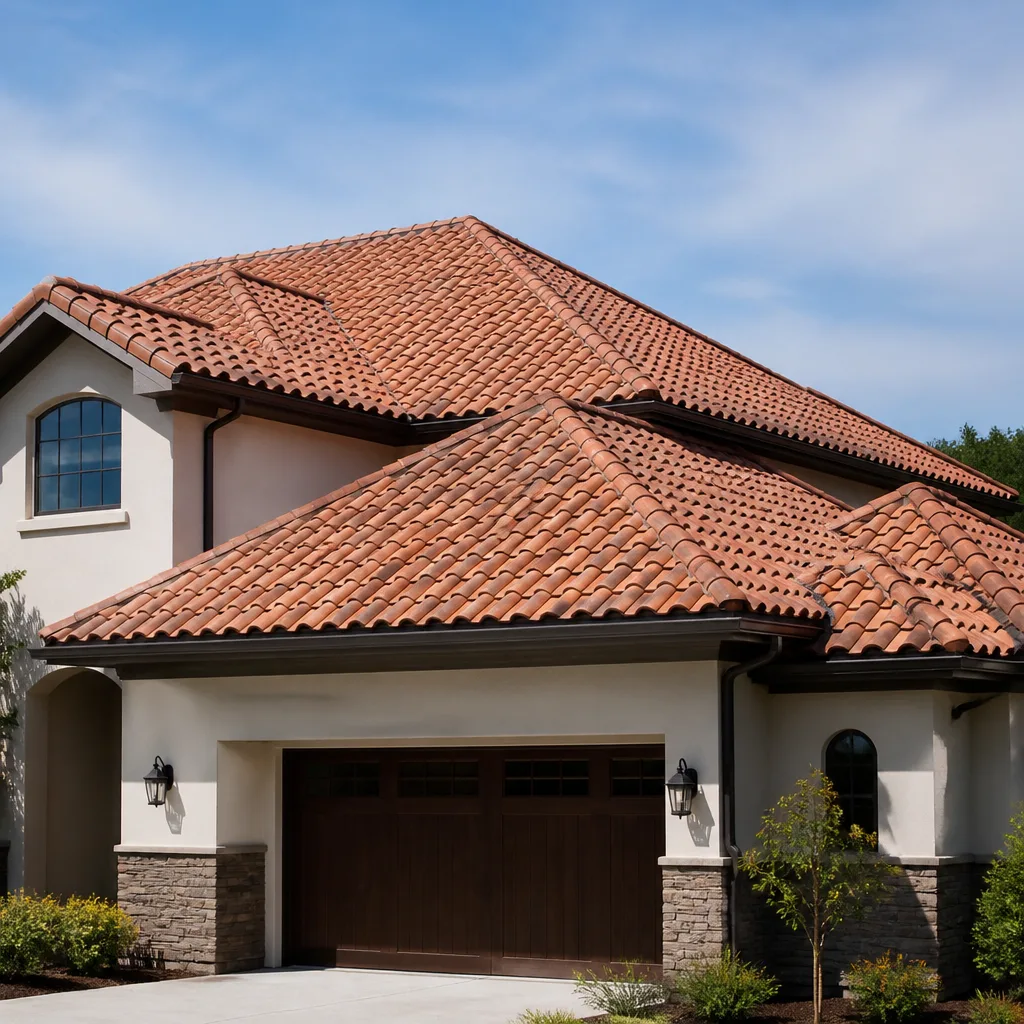
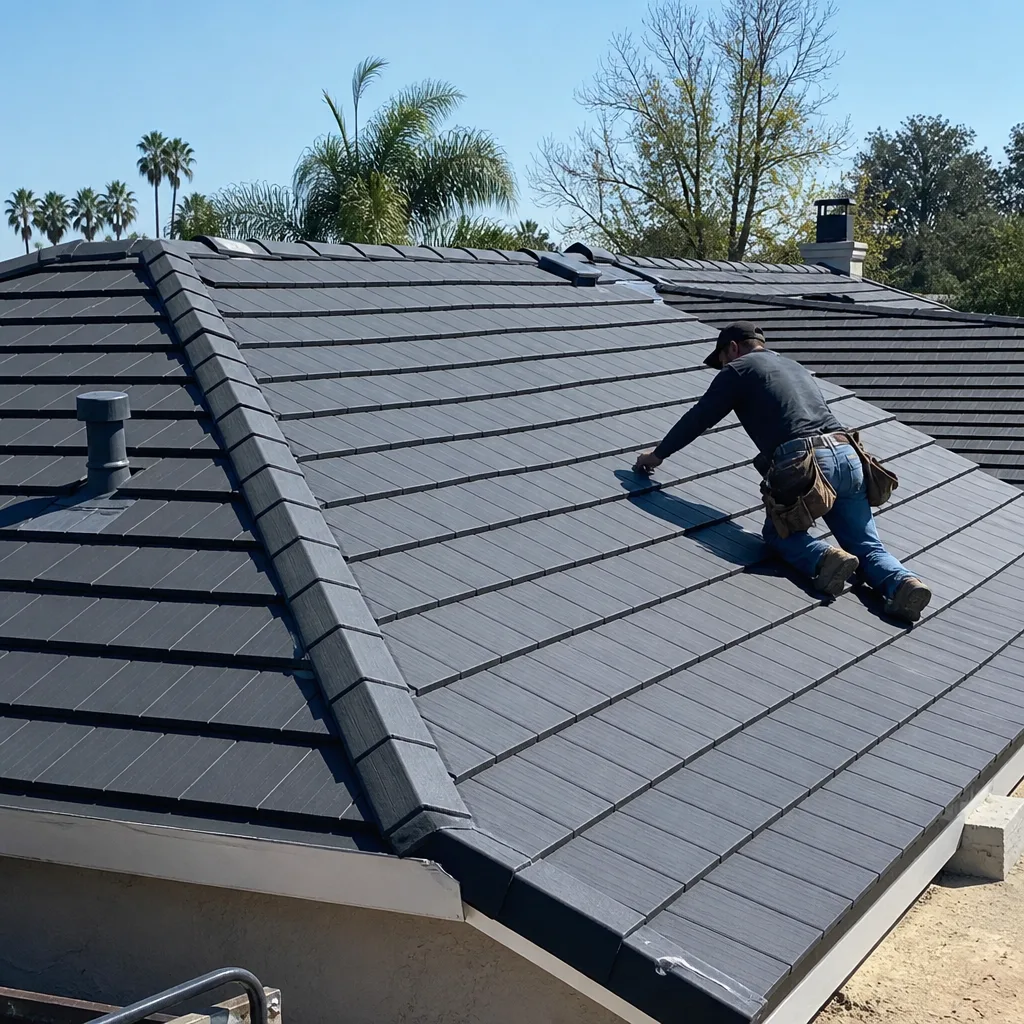
- Concrete tile: $9 to $16 per square foot installed. Excellent UV resistance, excellent Santa Ana wind performance, naturally cool-roof compliant in most colors. Heavy, requires structural verification. Lifespan of 40 to 60 years in LA conditions.
- Clay tile: $12 to $20 per square foot installed. The classic Southern California look, outstanding UV resistance, cool-roof compliant. Brittle under impact, but withstands wind well when properly fastened. Lifespan of 50 to 80 years.
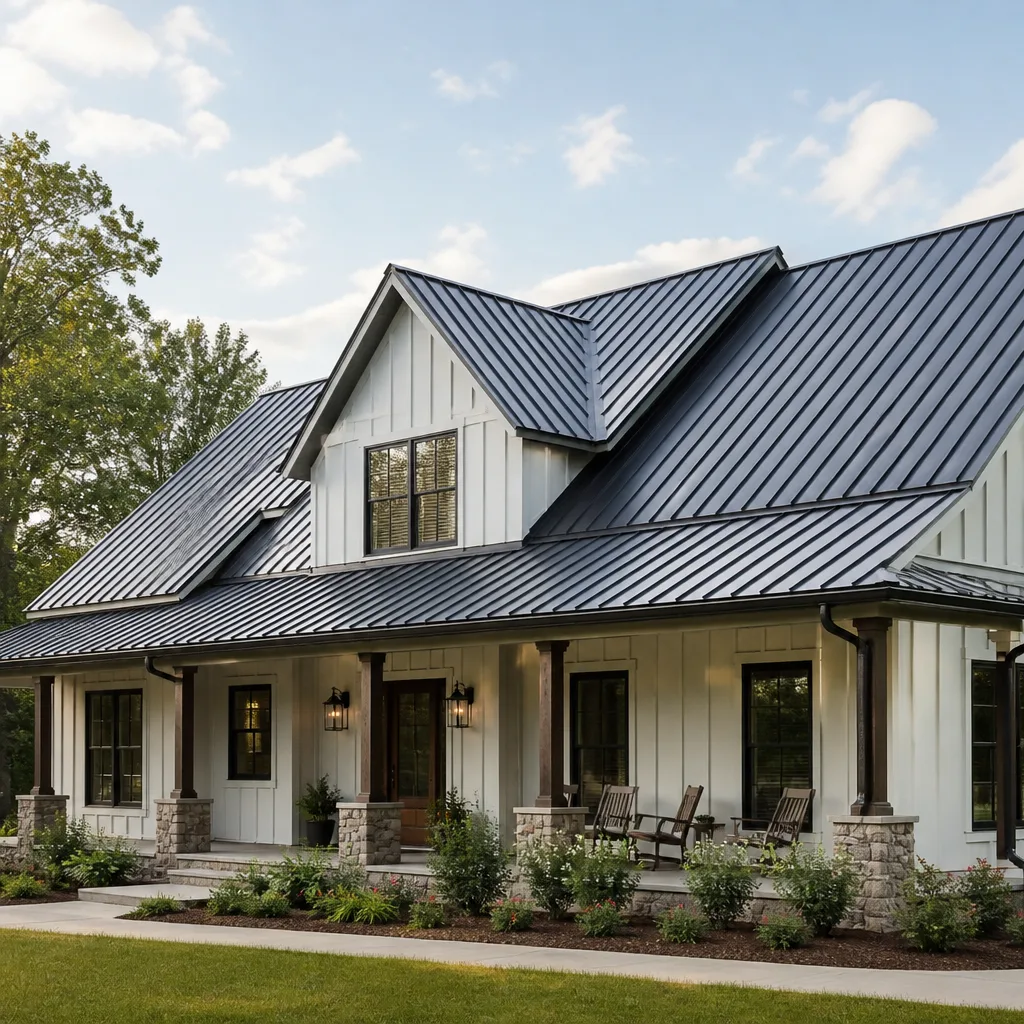
- Stone-coated steel: $11 to $18 per square foot installed. High UV resistance, excellent wind ratings, Class A fire rating for wildfire zones, cool-roof compliant in most colors. Lightweight. Lifespan of 40 to 70 years.
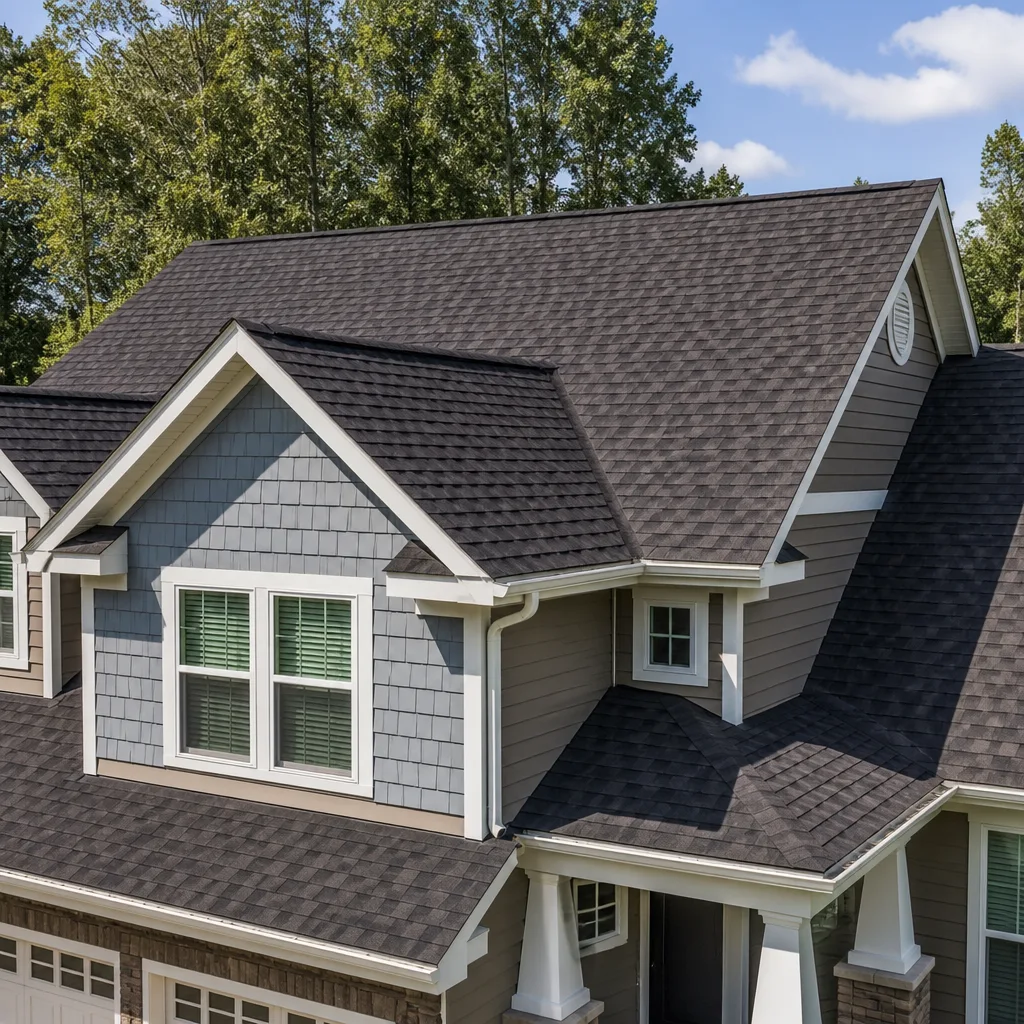
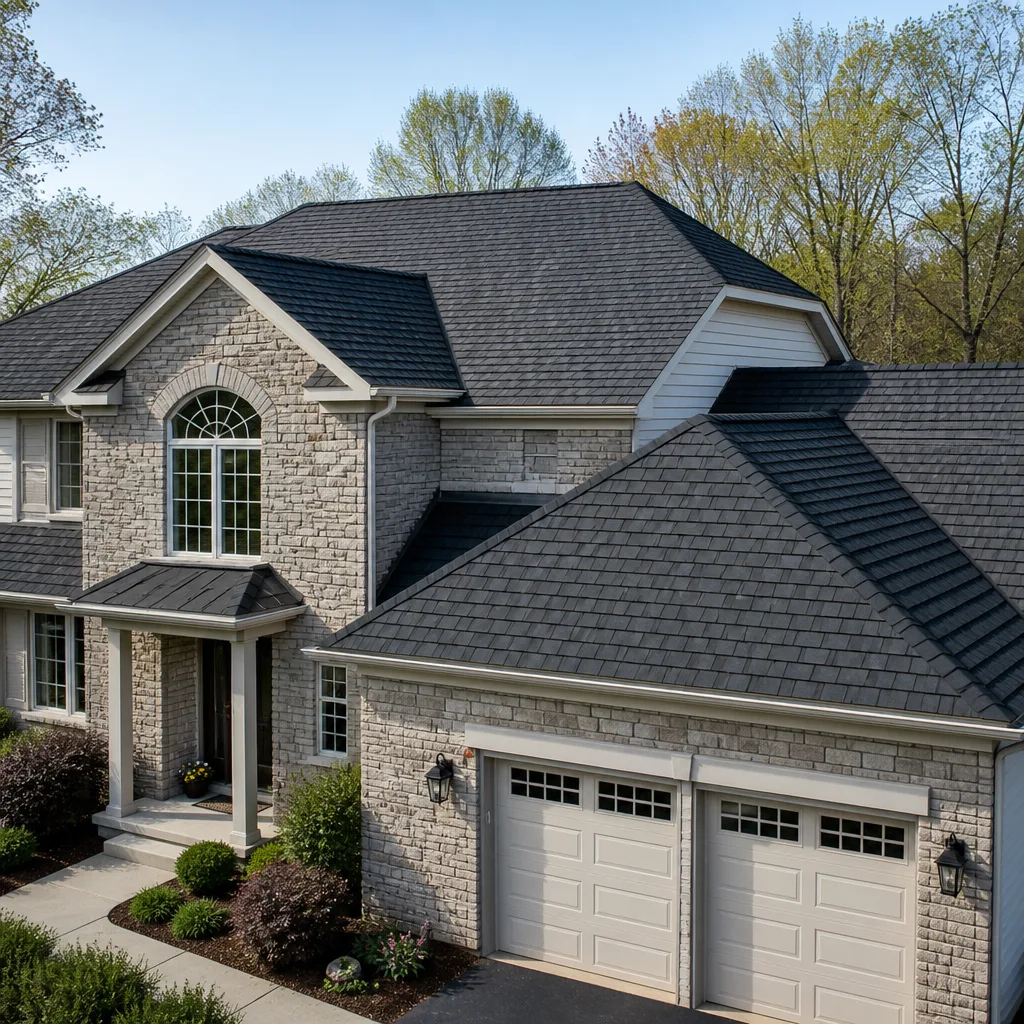
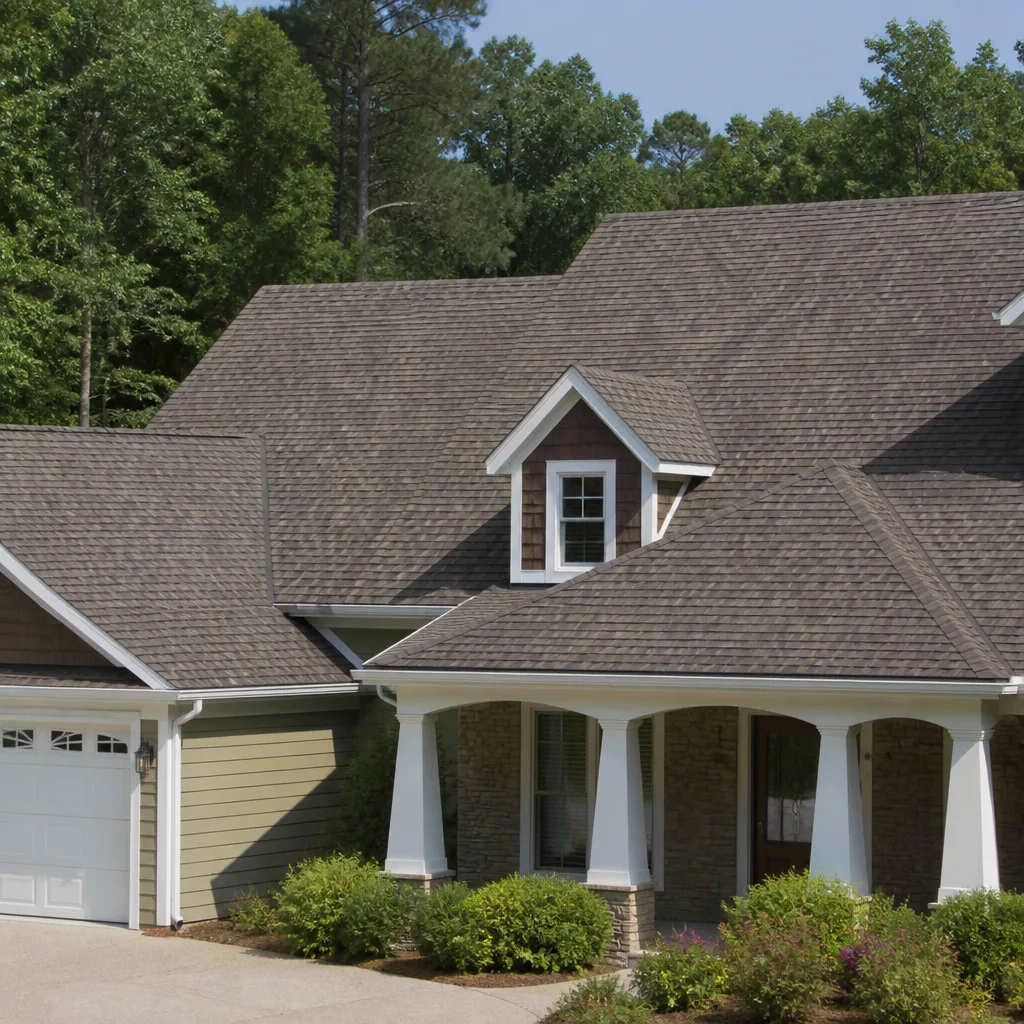
- Architectural asphalt shingles: $5 to $9 per square foot installed. Lower upfront cost, but shortest practical lifespan in LA due to UV degradation. Choose high-UV formulations like GAF Timberline HDZ or Atlas Pinnacle Pristine, which use more UV-stable asphalt blends.
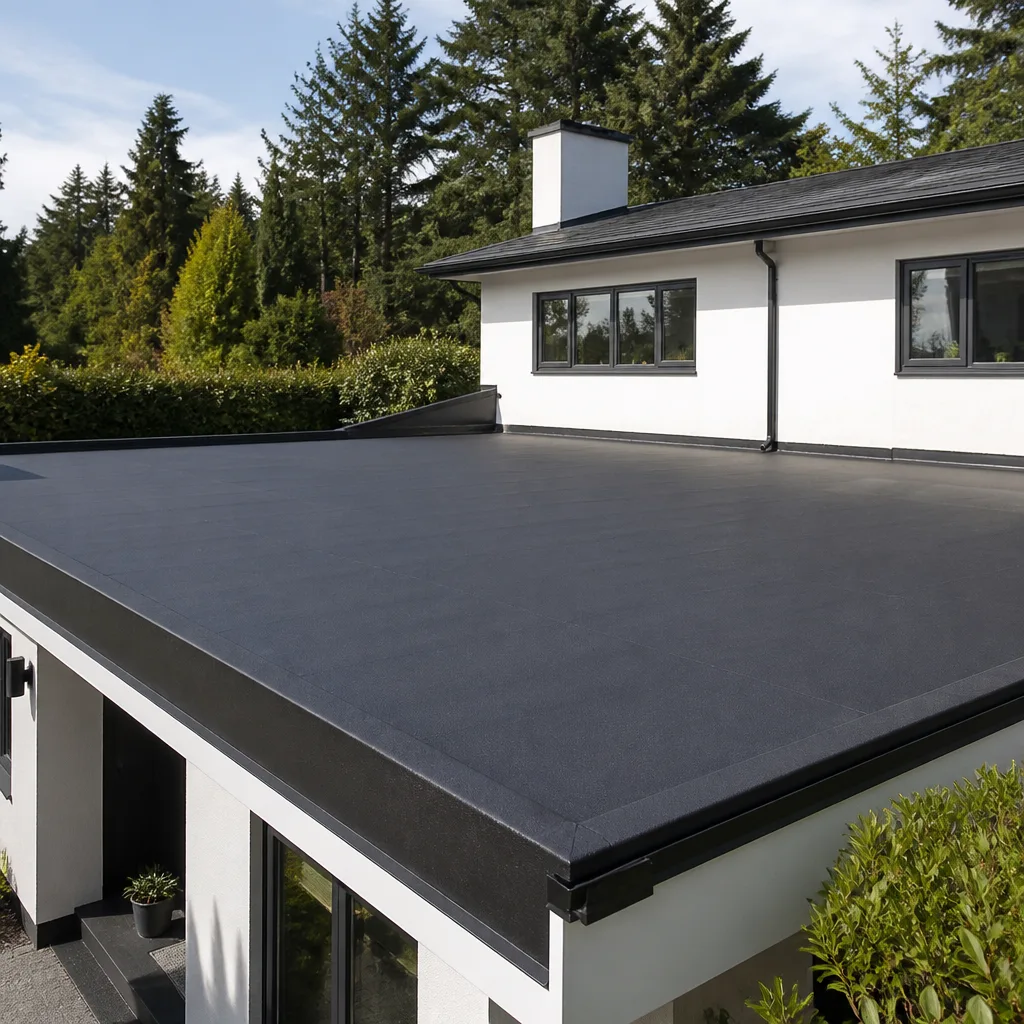
- Flat/low-slope systems (TPO, PVC, modified bitumen): $7 to $12 per square foot installed. Common on mid-century LA homes with low-slope or built-up roof sections. White TPO and PVC membranes are inherently cool-roof compliant and handle UV well.
For homes in wildfire-adjacent areas, such as the foothill communities along the 210 corridor or the hills around Griffith Park, the roof assembly should also meet Class A fire rating standards. Stone-coated steel and concrete tile both achieve Class A ratings when installed with the proper underlayment. If you are in a designated Very High Fire Hazard Severity Zone, ask your contractor about the specific underlayment requirements before signing anything.
What a Written Scope of Work Should Include Before Any LA Roofing Job Begins
The single most important document in any Los Angeles roofing project is the written scope of work. This is not a one-page estimate that says “re-roof, $18,000.” A real scope of work tells you exactly what will happen, in what order, with what materials, and what happens if something unexpected is found. Here is what a complete scope of work should include, line by line:
- Materials list: Manufacturer, product line, and color for every material: shingles or tiles, underlayment, flashing, ridge caps, vents, and fasteners. “Architectural shingle” is not enough. “GAF Timberline HDZ in Charcoal” is enough.
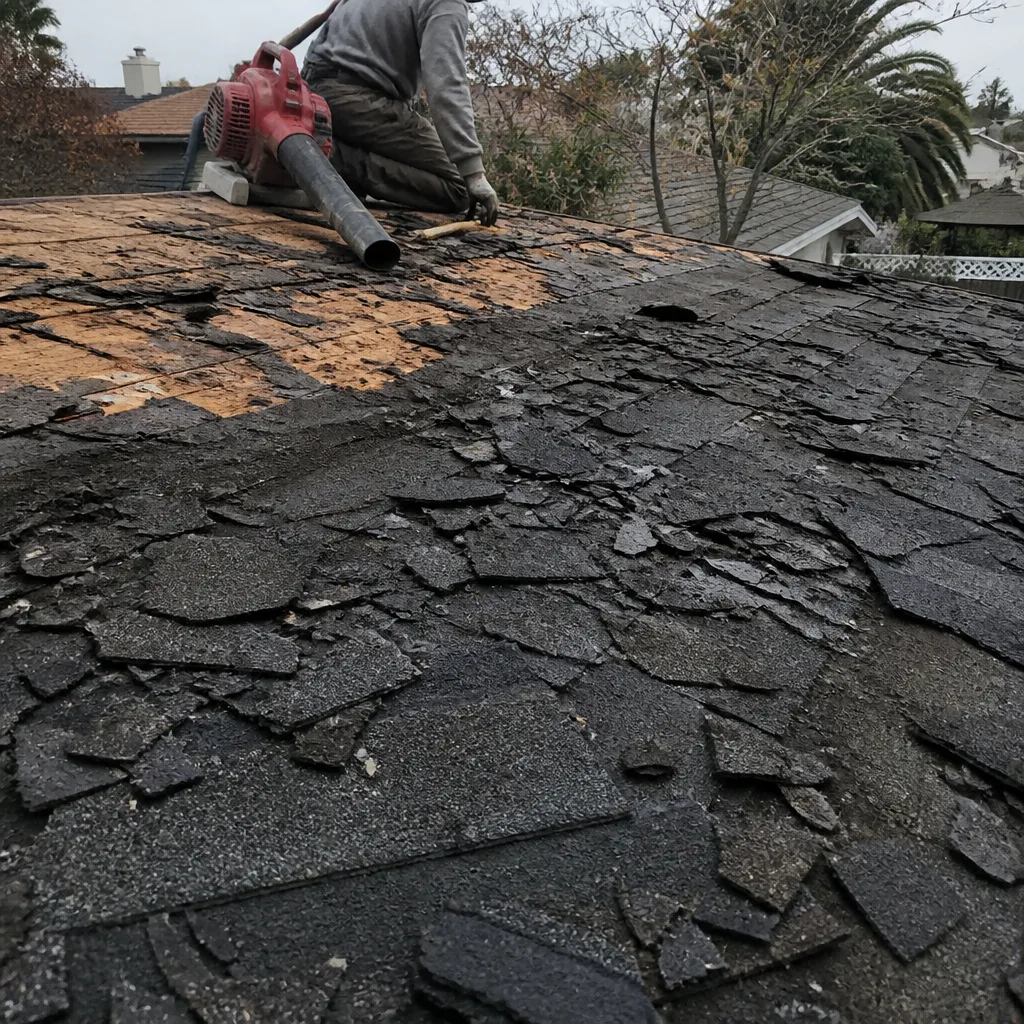
- Removal and disposal plan: How the old roof will be removed, where debris will be staged, how it will be disposed, and who pays the disposal fees.
- Underlayment specification: Which underlayment product will be installed, how many layers, and whether it meets Title 24 and fire-code requirements for your zone.
- Flashing scope: Which flashing points will be replaced (chimney, skylights, vents, wall intersections, valleys) and which, if any, will be reused. This is the most commonly glossed-over line item, and it is also the most common source of future leaks.
- Ventilation plan: How the attic will be ventilated, including intake and exhaust square footage, and whether any existing ventilation is being replaced.
- Protection plan: How the crew will protect the home during the job. Shoe covers at the door, drop cloths through the hallway, tarps over landscaping, and daily debris cleanup. This is where a homeowner learns whether the contractor treats the home like a job site or a home.
- Permit handling: Who pulls the permit, who schedules inspections, and what happens if the inspector requires changes.
- Cleanup and final walkthrough: Magnetic nail sweep of the yard, gutter cleaning, debris hauling, and a photo of the completed clean-up before the crew leaves.
- Warranty terms: Manufacturer warranty details and the contractor’s workmanship warranty, in writing, with the duration stated in months or years.
- Payment schedule: Exact dollar amounts tied to milestones, with no line item left vague.
We have seen too many Los Angeles homeowners sign a one-page bid and then discover, mid-project, that the chimney flashing was not included, or that debris removal is an extra charge. A scope of work exists to prevent that conversation entirely. The price should be in writing, in dollars, before any work starts. That is not a premium service. It is the baseline standard for a professional roofing job.
A Season-by-Season Roof Inspection Routine for Los Angeles Homeowners
Los Angeles does not have four distinct seasons in the traditional sense, but it does have four distinct phases of roof stress. Here is a simple routine that matches inspections to the city’s actual weather pattern.
Late Summer (August to September): Pre-Santa Ana Inspection
This is the most important inspection of the year. Check for loose ridge caps, lifted shingle edges, deteriorating sealant at flashing points, and any debris that could become a wind-driven projectile. Fix anything loose before the first Santa Ana event.
Fall (October to November): Santa Ana Wind Watch
After each significant wind event, do a quick visual scan from the ground. Look for lifted shingles, missing tiles, and anything that has shifted. If you see damage, call for a repair before the winter rain arrives.
Winter (December to March): Rain Leak Monitoring
Los Angeles gets most of its annual rainfall between December and March, often in concentrated bursts. Check ceilings near chimneys, skylights, and exterior walls after any heavy rain. A stain that appears during winter rain but disappears in summer is often a flashing leak, not a shingle leak.
Spring to Early Summer (April to July): UV Damage Assessment
As the sun strengthens, check for granule loss in gutters, curling shingle edges, and any signs that the roof surface is breaking down. If your shingles are 12 to 15 years old and showing significant UV wear, start budgeting for replacement now rather than waiting for a leak.
Common Mistakes to Avoid
- Skipping the pre-Santa Ana inspection. Most LA homeowners think about roofs before rain, but wind does more sudden damage than rain in this climate. A September inspection catches loose flashing before a 60 mph gust does.
- Choosing materials by price alone. The cheapest asphalt shingle will cost more per year than a mid-range tile or metal product once you factor in UV-shortened lifespan in Los Angeles.
- Signing a one-page bid without a scope of work. If it is not written down, it does not exist. Verbal promises about flashing or cleanup are not enforceable.
- Ignoring flashing during a re-roof. Replacing shingles while leaving 20-year-old flashing in place is the most common cause of “new roof, same leak” calls we see in Los Angeles.
- Assuming Title 24 does not apply to your project. Most re-roofing in LA County falls under Title 24 cool-roof requirements. A contractor who does not mention it is either unaware or hoping the inspector does not check.
- Putting off a small repair. A $600 flashing repair today becomes a $3,000 drywall and insulation job after one heavy winter rain.
When to Call a Professional
Some roofing work is safe to assess yourself, and some is not. Call a professional if you see water stains on ceilings, significant granule loss in gutters, lifted or missing shingles after a wind event, or any daylight visible in the attic. Also call if your roof is more than 15 years old and has never had a detailed flashing inspection, or if you are planning to sell and need a roof condition report. Roof Repair in Los Angeles is available from Birchbark Roofing, and every job starts with a written price and a detailed scope. Birchbark Roofing offers free estimates in Los Angeles. Call (424) 766-4937 to schedule one.
Frequently Asked Questions
A full roof replacement in Los Angeles typically runs between $12,000 and $35,000 depending on the material, roof size, and structural condition, with most mid-sized homes landing in the $16,000 to $24,000 range for architectural asphalt shingles. Tile and stone-coated steel run higher. The only way to get an exact number is a written scope of work from a contractor who has inspected the roof. Call (424) 766-4937 for a free estimate with a written price.
An architectural asphalt shingle roof in Los Angeles lasts 15 to 22 years due to UV degradation, compared to 25 to 30 years in cooler, cloudier climates. Concrete and clay tile roofs routinely last 40 to 60 years, and stone-coated steel can last 40 to 70 years with proper maintenance.
Yes, most residential re-roofing projects in LA County fall under Title 24 cool-roof requirements, which mandate minimum solar reflectance and thermal emittance values for the new roof surface. Your contractor should handle this as part of the job and specify the compliant product in the written scope of work.
The most critical time is late August or early September, before Santa Ana wind season begins. A secondary inspection after winter rain, around March, catches leaks and flashing issues before the dry summer months hide them.
If you see water stains without rain, the likely source is either a plumbing vent issue, condensation from a poorly ventilated attic, or a slow flashing leak that only becomes visible when the roof surface heats up. Our team can identify the source during a standard inspection. For more about our services, see Roofing Company in Los Angeles.
Yes, and it should be written into the scope of work. We lay down shoe covers at the door, drop cloths through the hallways, and tarp landscaping before any tear-off begins. We also photograph the completed clean-up before the crew leaves. For more on what to expect during a replacement, see Roof Replacement in Los Angeles.
The Bottom Line
Los Angeles roofing is a specialized discipline, not a generic trade. UV radiation degrades shingles faster than rain ever will, Santa Ana winds test roofs from an unusual angle every fall, and earthquake micro-movement loosens flashing in ways most inspections miss. The right approach is a UV-first material choice, a late-summer inspection routine, and a written scope of work that spells out every line item before anyone climbs a ladder. That last point matters more than most homeowners realize. A roof is a system, and the difference between a 15-year roof and a 40-year roof in Los Angeles is rarely the material itself. It is the care taken at the flashing points, the underlayment, and the cleanup. For more guidance on any of the topics covered in this guide, visit the Birchbark Roofing home page or call (424) 766-4937 for a free estimate.
Written by Erik Lindgren, Owner at Birchbark Roofing, serving Los Angeles since 2000.