
Last updated October 8, 2026
Free roof inspection with deck photos before we talk money - GAF and Owens Corning certified installation
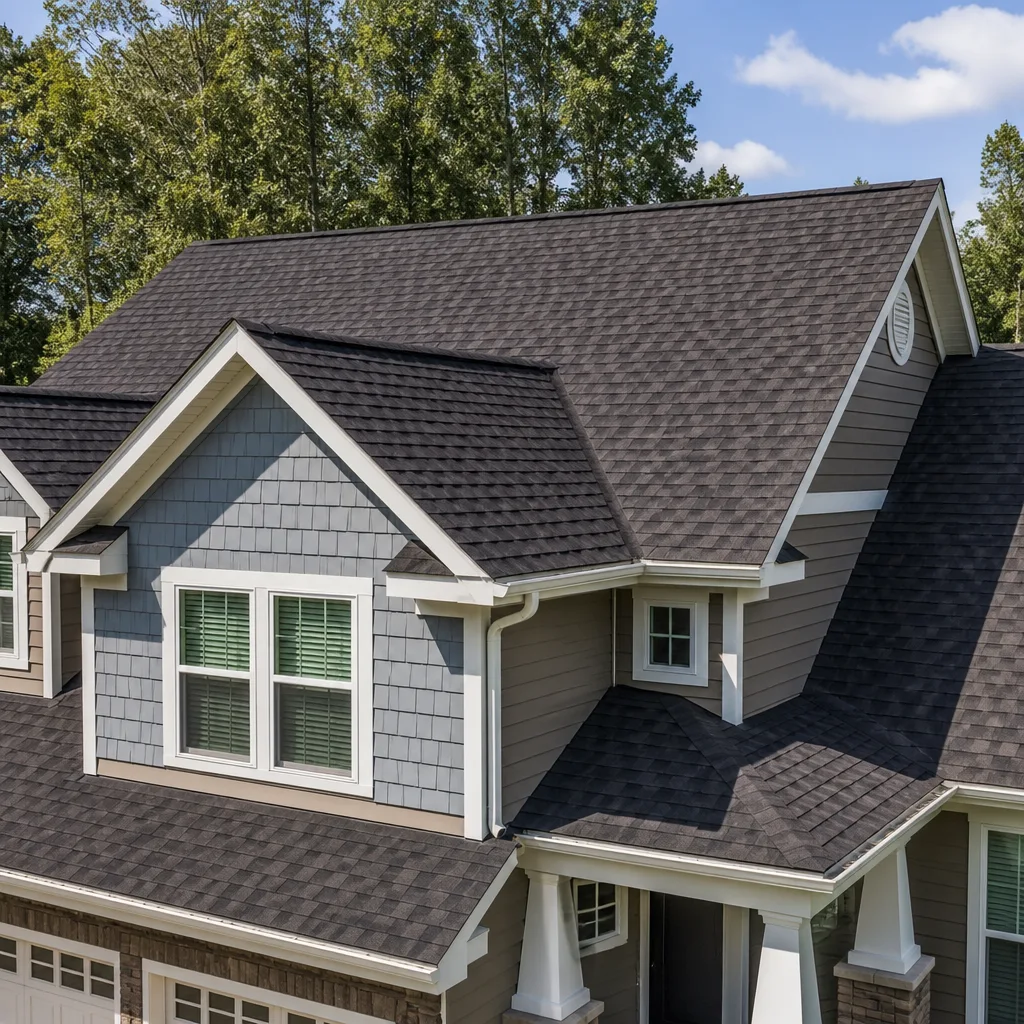
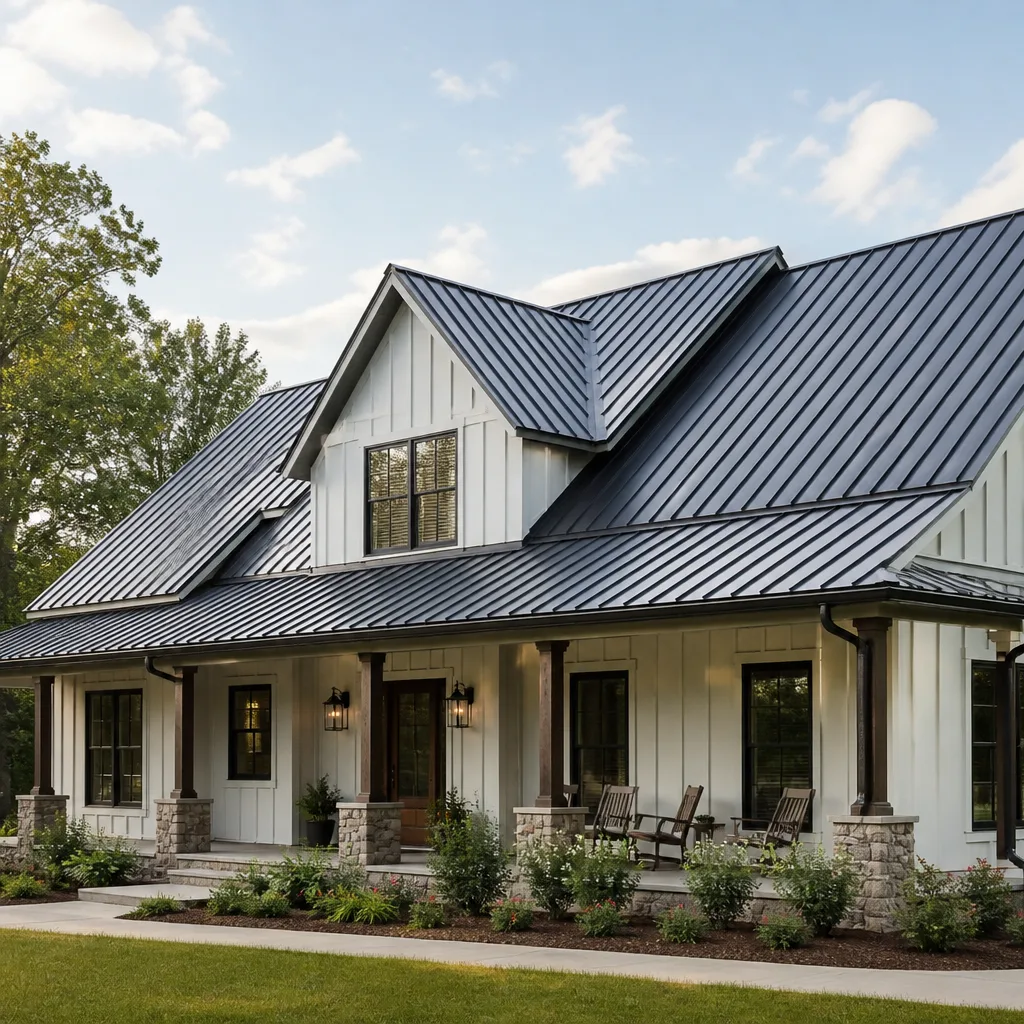
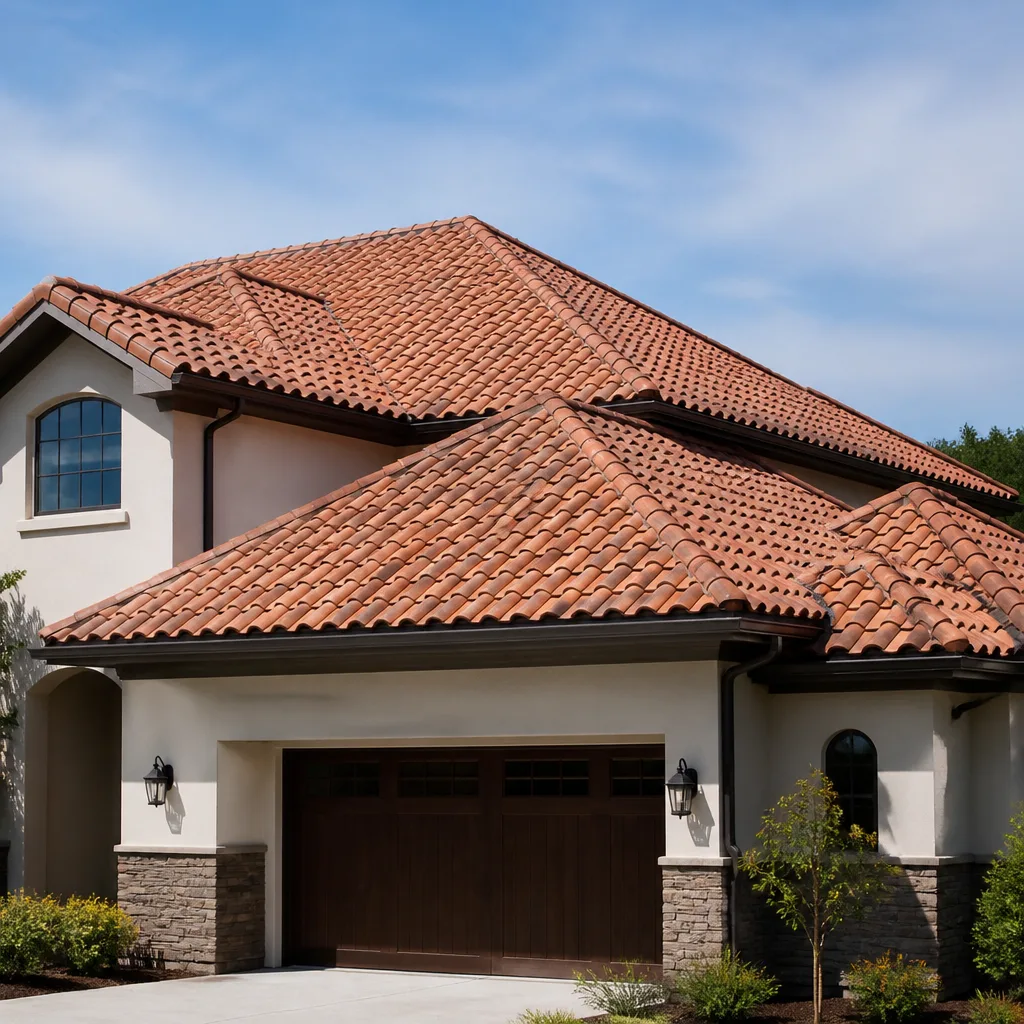
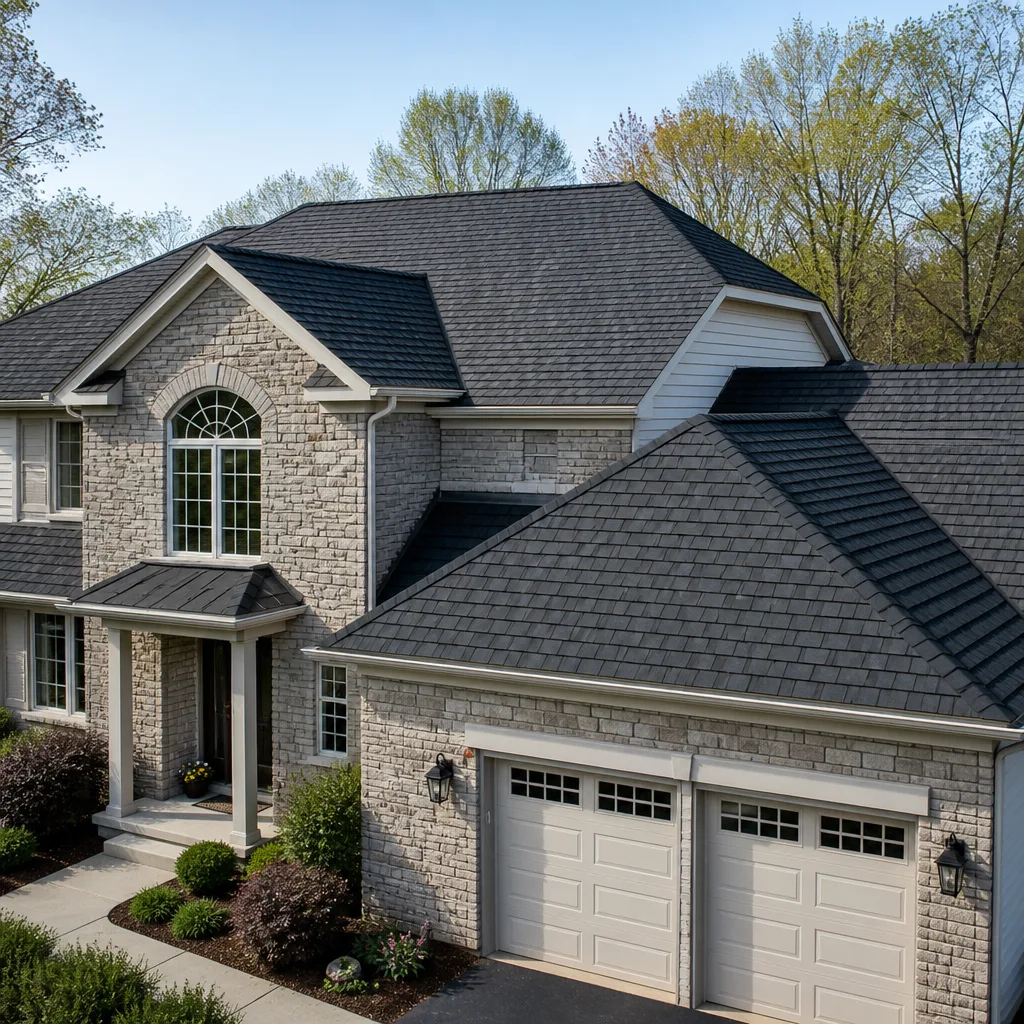
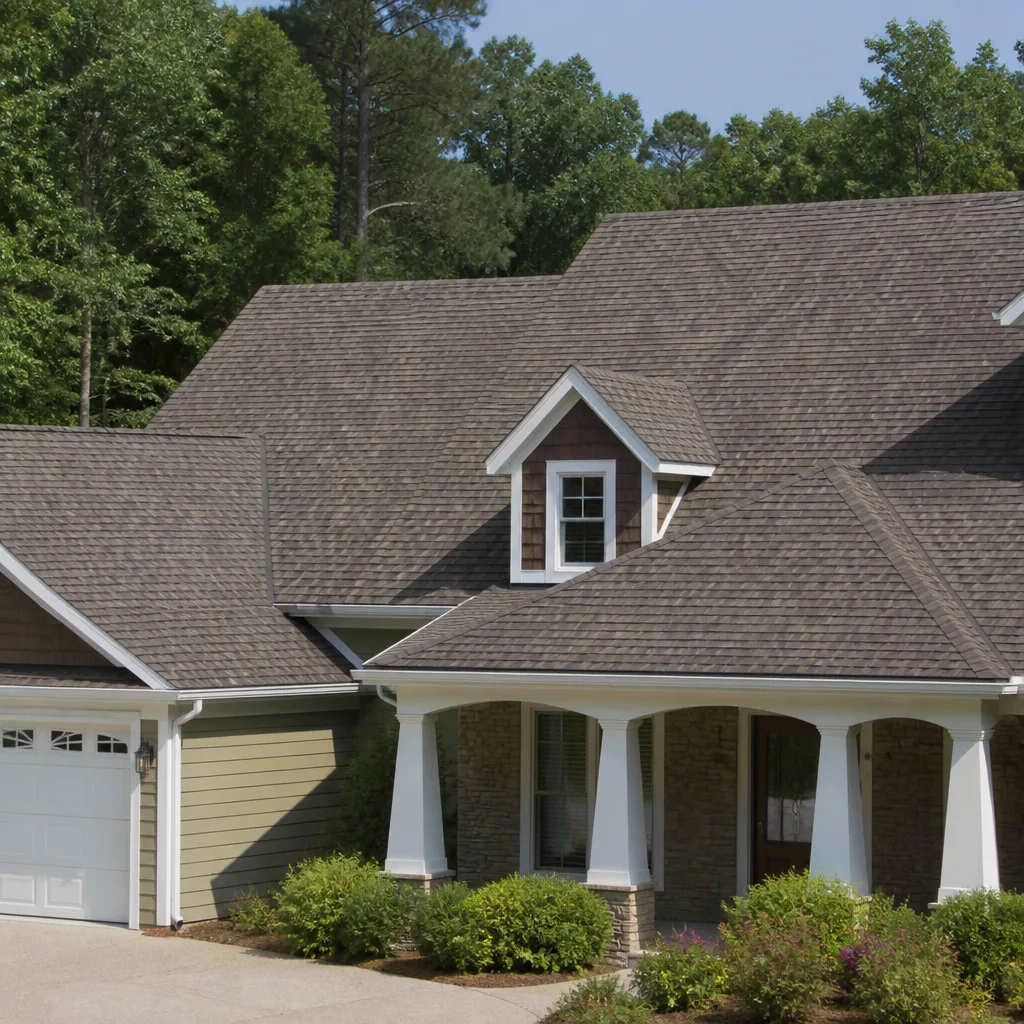
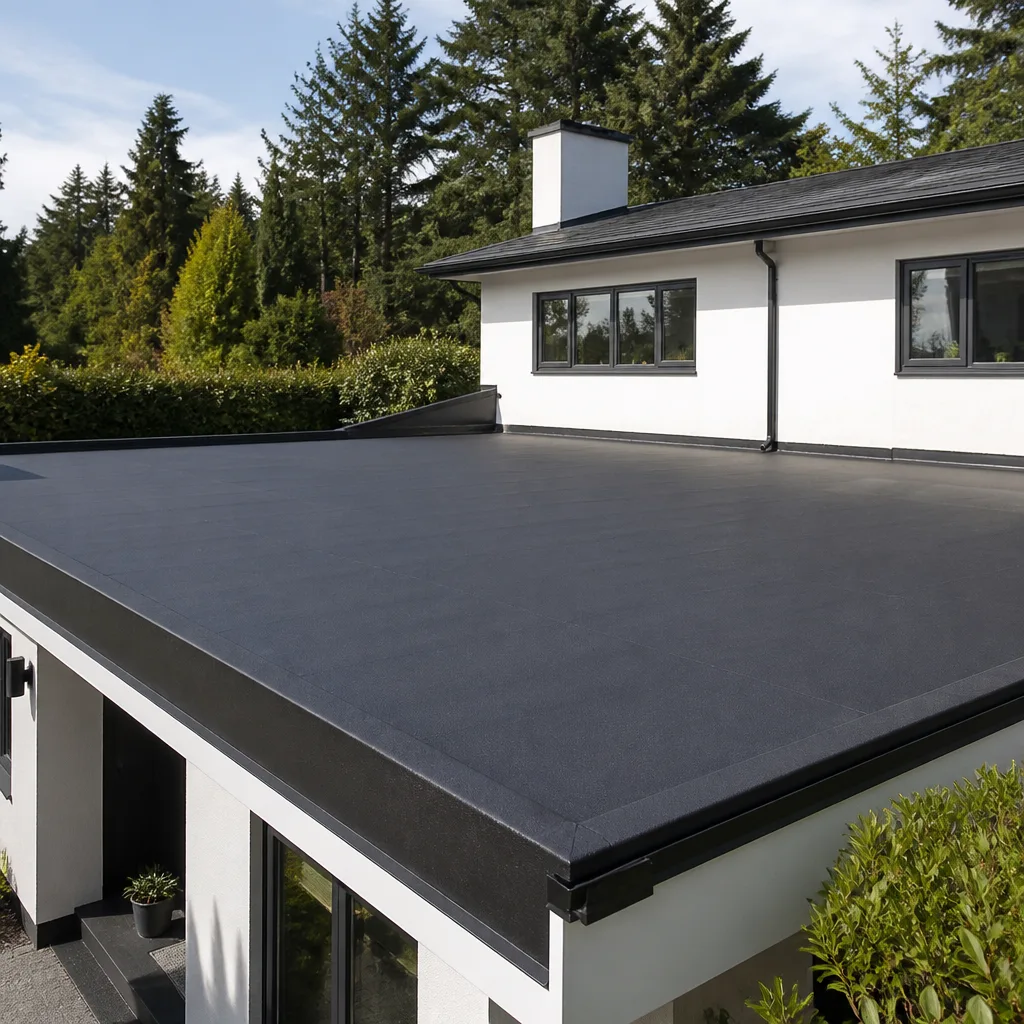
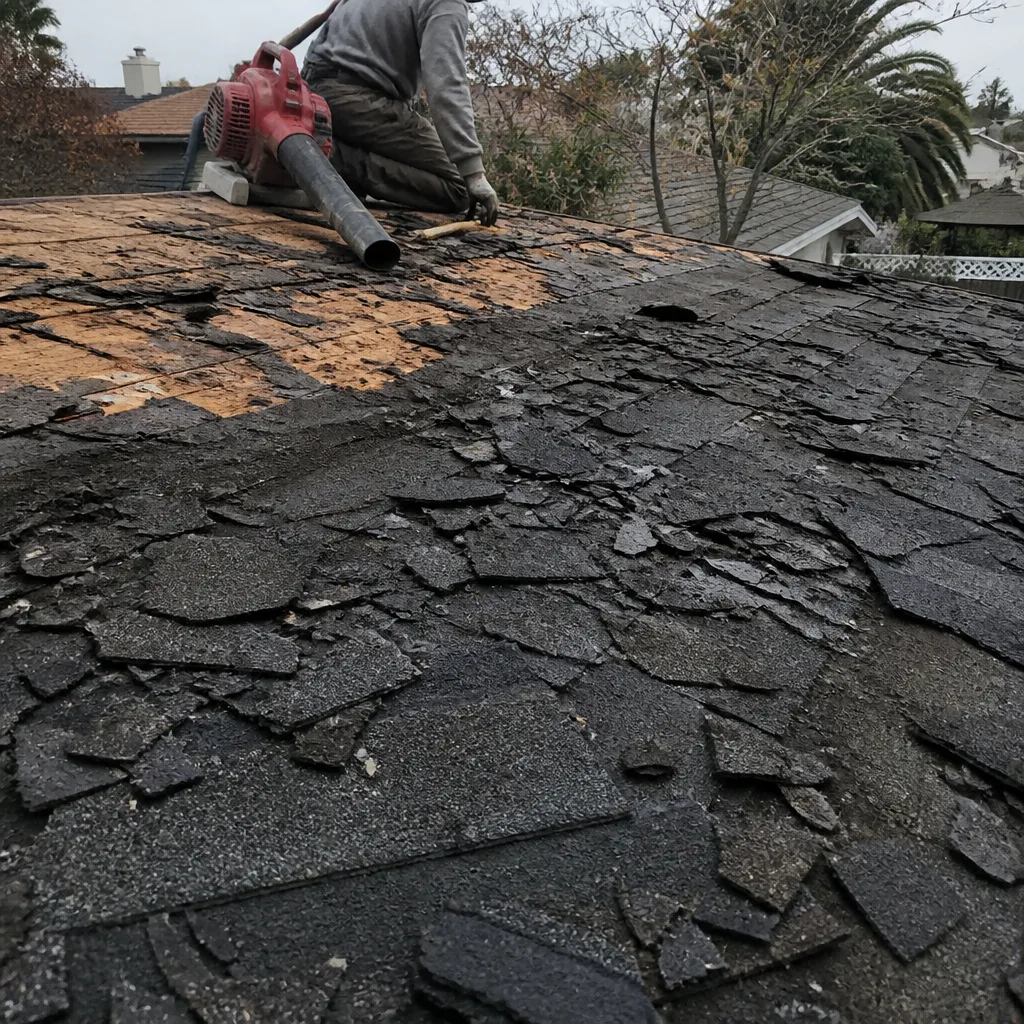 Before
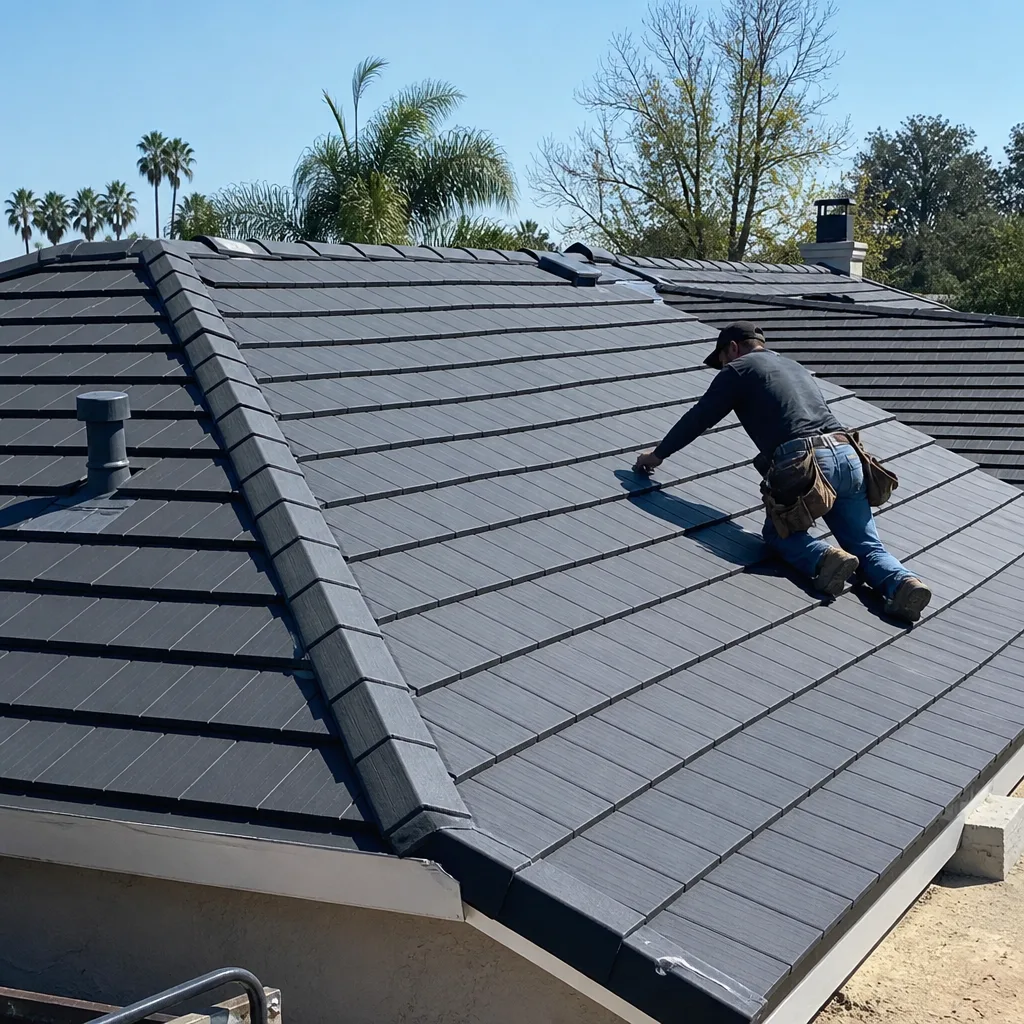 After
After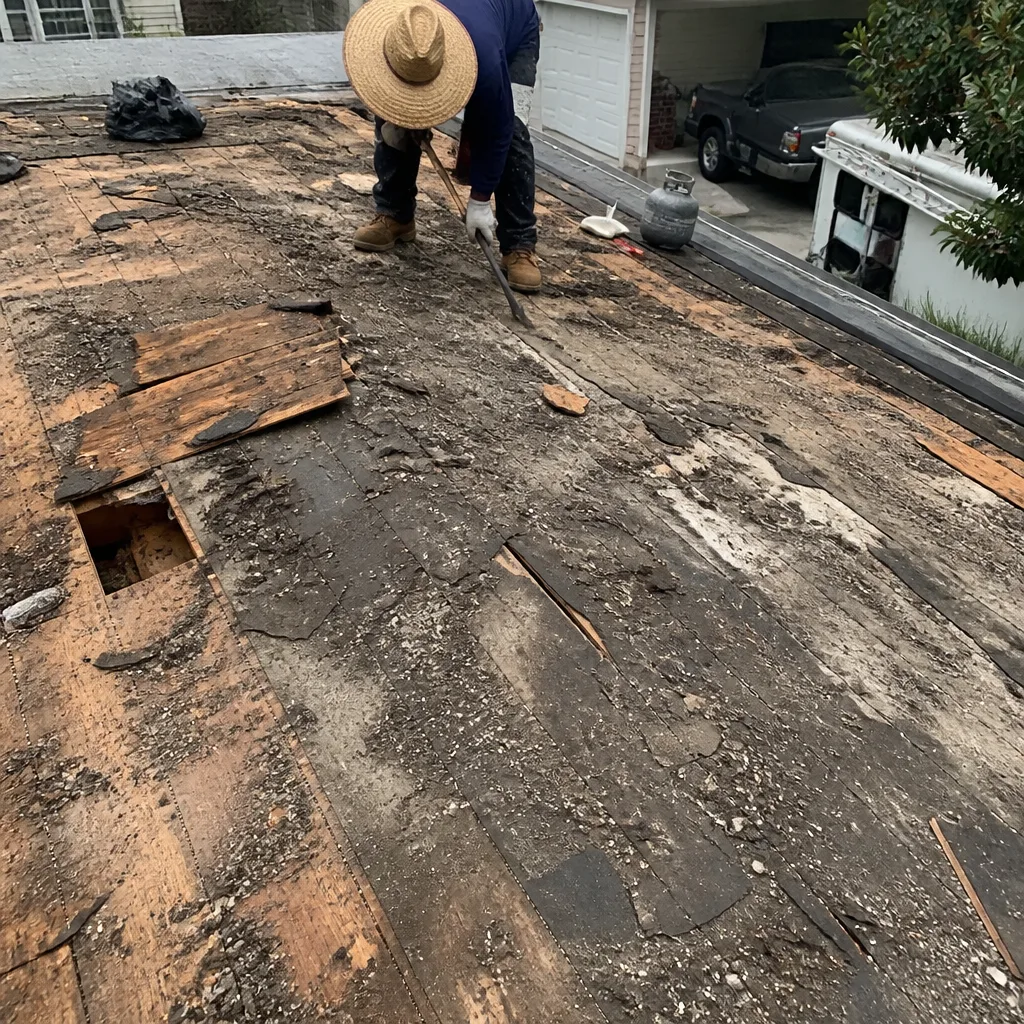 Before
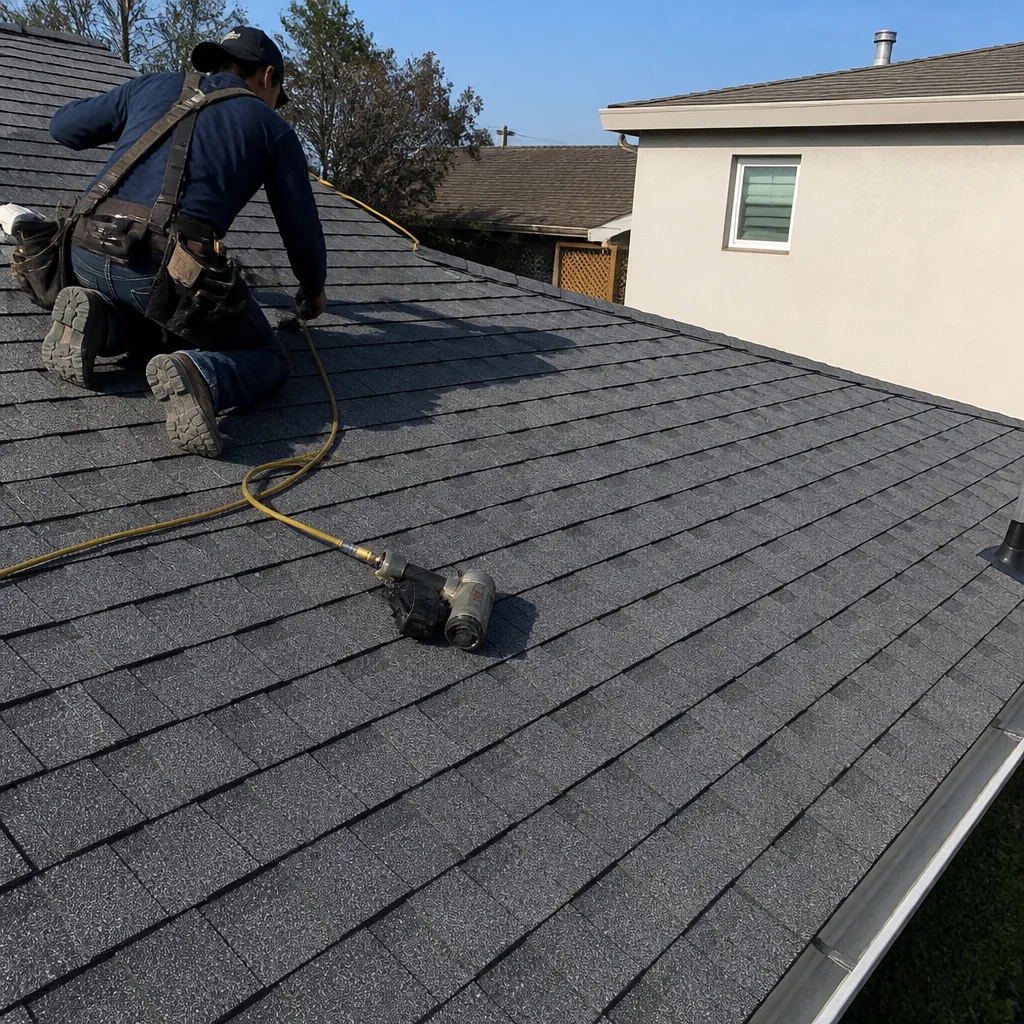 After
After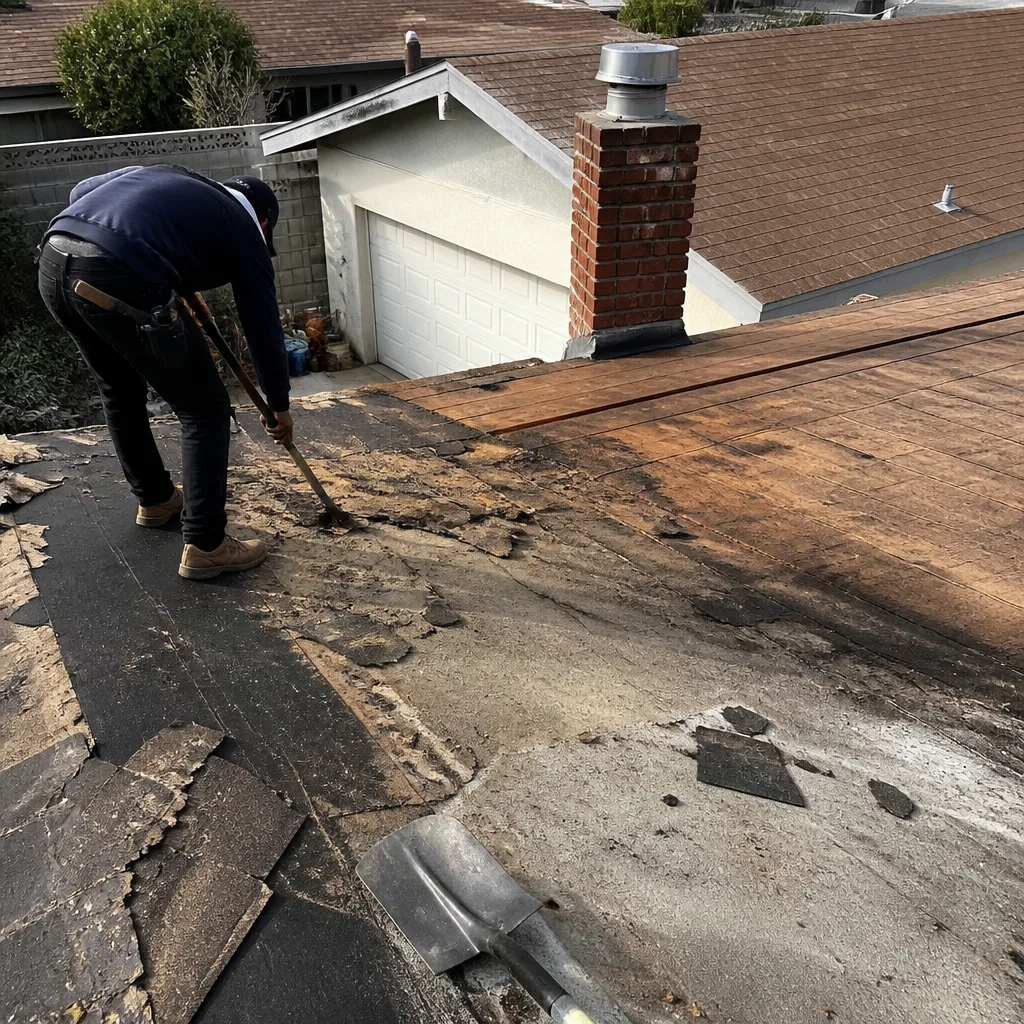 Before
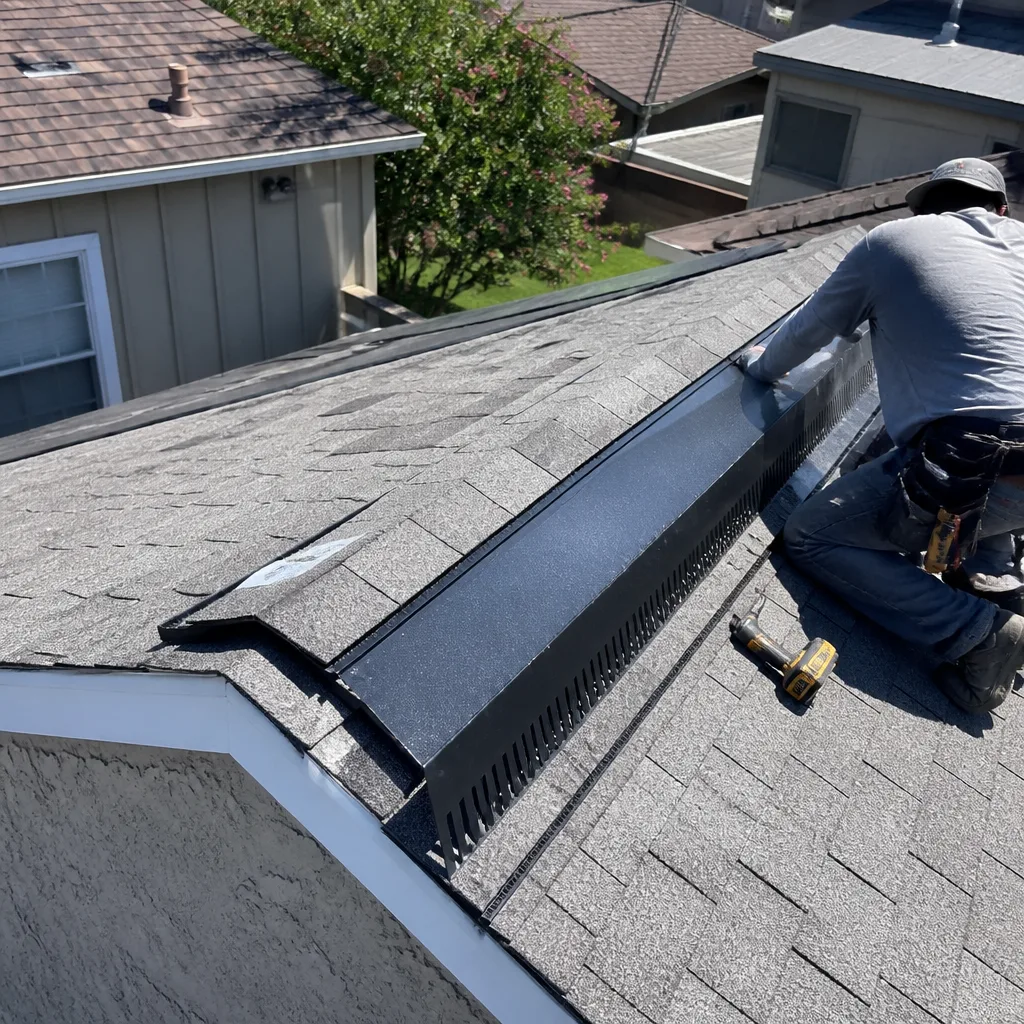 After
AfterThe Complete Roof Repair Guide for Los Angeles Homeowners
A torch-down repair that holds for a decade in coastal Culver City can blister and delaminate in two years in El Monte, where summer rooftop surface temperatures run 30°F hotter. Los Angeles is not one climate. It’s a patchwork of at least four distinct microclimates, each with its own attack pattern on roofing materials. This guide walks through exactly what fails, where it fails, why your zip code dictates your repair material, and how to scope, price, and verify a repair so you don’t pay for the same fix twice.
Quick Answer
Roof repair in Los Angeles typically costs between $450 and $2,800 depending on the leak source, roofing material, and whether decking or flashing needs replacement. The right repair material depends on your specific microclimate: cool-roof coatings and reflective materials for inland heat zones like the San Gabriel Valley, salt-air-resistant flashing for coastal neighborhoods from Santa Monica to San Pedro, and Class A fire-rated assemblies for hillside homes in Very High Fire Hazard Severity Zones. A written repair scope with line-item pricing, material brands named, and a workmanship warranty is the single most important document you can hold a roofer to.
Table of Contents
- Why Your Zip Code Determines the Right Repair Material
- The Five Most Common Roof Failures We See Across Los Angeles
- How to Scope a Repair Accurately Before Any Price Is Meaningful
- The Permit Threshold: When a Repair Is Exempt and When You Should Pull One
- What a Written Repair Scope Must Include
- What Roof Repair Costs in Los Angeles in 2026
- How to Evaluate a Repair After It’s Done: The Attic Three-Point Check
- Material Coefficients and Climate Data for LA’s Repair Zones
Why Your Zip Code Determines the Right Repair Material
Los Angeles County spans USDA plant hardiness zones 9a through 11, but for roofing purposes, the relevant divisions are stricter. The National Weather Service records a 30°F average summer surface temperature difference between coastal Los Angeles neighborhoods and inland valley communities on the same July afternoon. That difference, repeated across thousands of daily thermal cycles, is the reason a repair that works in Brentwood can fail within a year in El Monte.
In Roofing Company in Los Angeles service areas across the coastal zone, from Pacific Palisades down through Long Beach, salt-laden marine air corrodes exposed metal flashing within three to five years. Galvanized steel penetrations, unless upgraded to copper, stainless steel, or heavy-gauge aluminum with a marine-grade coating, will rust at the nail heads first. That rust expands, cracking the sealant around the penetration and creating a water path. The correct coastal repair is not a new dab of mastic. It is flashing replacement with a corrosion-resistant material, plus a high-quality urethane or silicone sealant rated for salt exposure.
Move ten miles inland to the Westside interior and Hollywood Hills, and the dominant stress factor shifts to diurnal temperature swing. Composite shingles here age through thermal fatigue, not water intrusion. The repair that matters is proper attic ventilation: ridge vents, soffit vents, and in some cases powered attic fans to move superheated air out before it bakes the shingle mat from underneath.
The San Gabriel Valley and San Fernando Valley are the most punishing zones we serve. Summer roof surface temperatures on dark asphalt shingles in Van Nuys, Sun Valley, and El Monte regularly reach 160°F to 180°F. At those temperatures, modified bitumen self-adhered patches, the quick fix many repair crews default to, can soften, creep, and lose bond. The right repair in these heat islands is either a torch-applied APP modified bitumen system or a silicone or elastomeric cool-roof coating that reflects enough solar radiation to keep surface temperatures under 130°F. Coatings are not a temporary patch; a properly applied elastomeric coating over a structurally sound roof can add eight to twelve years of service life in the Valley.
Hillside zones in the Santa Monica Mountains, Verdugo Hills, and foothill communities carry the fire interface burden. The Los Angeles Fire Department enforces building code provisions in Very High Fire Hazard Severity Zones that mandate Class A roof assemblies for any roof replacement and for repairs that exceed a defined scope threshold. If your repair involves more than 10% of the total roof area, or if you are replacing the roof covering, the new material must meet Class A fire resistance. That usually means asphalt shingles with a fiberglass mat, standing-seam metal, concrete tile, or a specific list of approved assemblies. Birchbark Roofing works with materials from Owens Corning, CertainTeed, and Atlas in these zones because all three manufacture Class A rated shingle lines that meet LAFD standards.
The Five Most Common Roof Failures We See Across Los Angeles
- Flashing failures at penetrations and transitions. This is the single most common leak source we find, accounting for roughly two of every three service calls. Pipe boots crack. Chimney counter-flashing pulls away from mortar joints. Wall-to-roof intersections, the vulnerable “dead valley” where a sloped roof meets a stucco wall, trap debris and hold water against step flashing until the sealant fails. The fix is usually a full flashing replacement, not a patch.
- Thermal fatigue cracking on flat and low-slope roofs. Los Angeles has thousands of flat-roofed homes built between 1945 and 1975. The original built-up roofs or early modified bitumen systems on these homes crack at the lap seams under repeated thermal cycling. A crack that opens to 1/8 inch during a summer afternoon will close at night. Water gets in during the day, when the crack is widest, often without a rain event. The repair is a reinforced membrane patch, installed with the roof surface at a moderate temperature, and often a coating over the entire field to stabilize the surface.
- Shingle granule loss and surface erosion. Shingles in interior Los Angeles zones lose surface granules from UV degradation faster than coastal shingles. Granules protect the asphalt mat underneath from direct sunlight. Once granule loss exceeds roughly 30% of the shingle surface, the mat becomes brittle, curls, and eventually cracks. If your gutters are filling with dark granules after every rain, the roof is sending a clear signal.
- Poor workmanship on prior repairs. We see plastic cement smeared over entire flashing junctions, shingles nail-punched through the seal strip in the wrong place, and mismatched materials layered over incompatible ones. One of the most common examples in older Los Angeles neighborhoods: a roofer applies a silicone coating over an existing acrylic coating without primer, causing delamination within a season. The owner paid for a repair that failed because of a chemistry mistake that should never happen.
- Neglected decking rot around water heaters and plumbing vents. Many Los Angeles homes route water heater exhaust through the roof via a B-vent. The flashing around that vent gets hot enough to break down sealant, but not hot enough to be obvious from below. Water follows the vent pipe down into the decking, rotting the plywood around the penetration. By the time the ceiling stain appears, the decking repair is often ten times the cost of the flashing replacement that would have prevented it.
How to Scope a Repair Accurately Before Any Price Is Meaningful
A price without a scope is a guess. We say that on every estimate visit. Meaning, the number a roofer gives you has value only when you know what that number includes. Here is what a real repair scope requires before any dollar figure matters:
- The decking condition must be confirmed. A roofer needs to inspect the underside of the roof deck from the attic, looking for water staining, delaminated plywood, or OSB that has begun to disintegrate. If the decking under the shingles is compromised, a surface patch will fail regardless of how well it is installed.
- The flashing integration must be mapped. Every pipe boot, valley, wall intersection, and chimney penetration needs to be identified and its current condition assessed. A repair scope that says “fix leak” without specifying which flashing junctions will be replaced is not a scope.
- Attic ventilation must be evaluated. The attic is the engine room of the roof system. Intake vents (typically soffit vents) and exhaust vents (ridge vent, box vents, or turbine) must be measured and compared. Los Angeles building code requires 1 square foot of net free ventilation area per 150 square feet of attic floor space when the insulation is vapor-permeable, or 1:300 with a vapor barrier. If ventilation is inadequate, the decking will bake, shingles will fail prematurely, and no surface repair will reach its expected lifespan.
- The existing material brand and age should be identified where possible. That lets the roofer match the repair to the existing roof, both for appearance and for system compatibility. Some coatings will not bond to certain shingle types. Some modified bitumen repair patches will not adhere to existing torch-down membranes without primer.
- Photos must be taken. Not for the estimate binder, but for you. A roofer who will not show you the problem is asking you to trust an invisible claim. You should be able to see the cracked boot, the rusted flashing, the torn shingle. The photos go in the written scope as proof of condition at the time of inspection.
The Permit Threshold: When a Repair Is Exempt and When You Should Pull One
Los Angeles Department of Building and Safety (LADBS) permits are not required for most minor roof repairs. The threshold that matters is scope-based, not dollar-based. If a repair is limited to isolated shingle replacement, flashing replacement at one or two penetrations, or patching a small area of roof membrane, LADBS generally considers it maintenance and no permit is required. Any repair that replaces more than 10% of the total roof area moves into territory where the city may require a permit. A full roof replacement always requires one.
There is a reason to pull a permit even when one is not required: documentation. If you sell the home in five years and the buyer’s inspector flags the repair work, a permitted and inspected repair carries far more weight than a handshake and a receipt. The inspection record confirms the work met Los Angeles code at the time it was done.
In Very High Fire Hazard Severity Zones, the rules tighten further. LAFD may require the new assembly to meet Class A requirements if the repair area exceeds the 10% threshold, and the roofing contractor must submit product documentation proving the material’s fire classification. Birchbark Roofing pulls permits on every repair that legally requires one, and we tell you plainly when a repair falls below the threshold and no permit is needed. That decision is written into your repair scope.
What a Written Repair Scope Must Include
A written repair scope is the boundary of your agreement. It protects both parties and eliminates the version of events where you remember a promise that was never written down. Here is what the document should contain, line by line:
- The exact work to be performed. Not “repair leak.” It should read “remove existing pipe boot at bathroom vent, replace with new silicone-coated aluminum boot, seal with urethane sealant, confirm water-tightness by water test.”
- Material brands by name. “Owens Corning Duration shingles in Driftwood” or “Atlas FR-10 shingles in Weathered Wood.” Generic language like “shingles to match” is not a specification.
- Square footage or linear footage of the repair area. Pricing should be traceable to measurable quantities.
- The total price in dollars, fixed, in writing. No ranges, no allowances that can float upward. Birchbark Roofing provides a written price before any work starts, always. It is not optional, and it is never negotiated away.
- Exclusions stated plainly. “Does not include repainting of interior ceiling affected by prior leak.” If it is not listed, it is not included. If it is not included, you should not be surprised by an additional charge.
- The workmanship warranty term. Every Birchbark Roofing repair is covered by the Roof Repair in Los Angeles workmanship standard: the 365-Day Done Right Promise. If the work is not right, Birchbark makes it right. The promise is stamped on every job.
- The Cedarwell Care Promise specifics. Shoe covers and drop cloths on every visit. Pet-safe product choices where available. A photo of the completed clean-up before the crew leaves. These are not bonus features; they are written into the scope.
Read the scope before you sign. If a contractor will not commit to written line items, you are not getting a price; you are getting a conversation.
What Roof Repair Costs in Los Angeles in 2026
Los Angeles roof repair pricing varies by repair type and zone, but the ranges below reflect what we see across the metro area in 2026. These are single-point repair figures, not full re-roofs:
| Repair Type | Typical Range | Notes |
|---|---|---|
| Pipe boot replacement (1-2 penetrations) | $450 – $800 | Includes new boots and flashing sealant. |
| Flashing repair at chimney or wall intersection | $700 – $1,500 | Cost depends on linear feet and material. |
| Shingle patch (under 100 sq ft) | $600 – $1,200 | Matching shingles may require sourcing. |
| Flat roof membrane patch (under 200 sq ft) | $800 – $1,800 | Torch-applied or cold-process based on deck condition. |
| Decking replacement at a penetration | $900 – $2,300 | Includes opening, replacing, and re-roofing the area. |
| Cool-roof coating application (500-1,000 sq ft) | $2,500 – $5,500 | Best value in Valley heat zones. |
The single biggest variable is decking. If the plywood under the leak has rotted, the repair price can double or triple because the decking must be cut out and replaced before new roofing is installed. That is not an upsell; it is structural necessity.
In our experience across Los Angeles, a homeowner who gets three quotes without a written scope is comparing three different jobs. One contractor prices flashing replacement. Another prices a surface patch. A third prices decking replacement. The written scope is the only way to compare like with like.
How to Evaluate a Repair After It’s Done: The Attic Three-Point Check
You can verify a repair without climbing onto the roof. Here is the three-point check a homeowner can perform from inside the attic with a flashlight:
- Inspect the decking around the repair point. Look for fresh stains, active dripping, or dark streaking on the wood surface. Mark any damp spot with chalk and re-check it after the next rain. Dry decking with no new staining is the goal.
- Trace the penetration path. For pipe boots and vents, run your flashlight along the pipe and look for daylight gaps between the pipe and the flashing. A proper repair will show a sealed, gapless collar around the penetration, with sealant visible around the entire perimeter.
- Check for displaced insulation. The crew may have had to move insulation around the repair area from below. If insulation was moved and not replaced, you will see exposed decking or gaps. The repair is complete only when the attic is restored to its pre-work condition.
Birchbark Roofing includes a post-repair attic photo with every job, taken by the technician before they leave. If you cannot get into the attic yourself, the photo gives you the same verification from the ground.
Material Coefficients and Climate Data for LA’s Repair Zones
Here is the climate data that drives our material recommendations, pulled from NOAA and LADBS records:
- Coastal zone (Santa Monica, Venice, Playa del Rey, Long Beach): Average annual rainfall 12-14 inches. Salt aerosol exposure high. Summer rooftop surface temperatures 110-125°F. Recommended repair materials: copper or stainless steel flashing, marine-grade sealants, UV-stable elastomeric coatings.
- Basin interior (Hollywood, Mid-City, Koreatown, Pasadena): Average annual rainfall 14-17 inches. Moderate thermal cycle. Summer surface temperatures 125-145°F. Recommended repair materials: modified bitumen patches, architectural shingle matched repairs, reinforced membrane systems.
- Valley heat zones (Van Nuys, Sun Valley, El Monte, Woodland Hills): Average annual rainfall 15-18 inches. Extreme diurnal temperature swing of 35-40°F. Summer surface temperatures 150-180°F. Recommended repair materials: silicone-based cool-roof coatings, torch-applied APP modified bitumen, high-temperature rated sealants.
- Hillside fire zones (Topanga, Laurel Canyon, Mount Washington, Verdugo Hills): Average annual rainfall 18-24 inches. Wind-driven ember exposure. LAFD Class A requirements apply. Recommended repair materials: Class A fiberglass-mat shingles from IKO or Atlas, standing-seam metal, fire-rated underlayment at repairs exceeding 10% of roof area.
This is the part of the guide where generic roofing advice fails Los Angeles homeowners. A contractor who treats a Brentwood flat roof and an El Monte flat roof the same way is ignoring physics.
Common Mistakes to Avoid
- Accepting a price without a written scope. The price is meaningless if the scope is undefined. Get the line items in writing or keep looking.
- Choosing the lowest bid without checking the material specification. A $400 patch that fails in 18 months costs more than a $900 flashing replacement that lasts 15 years. Los Angeles’s sun and heat cycles punish cheap materials faster than most climates.
- Using acrylic coatings in Valley heat zones. Acrylic coatings break down under sustained 160°F surface temperatures. Silicone is the correct choice in the San Fernando Valley and San Gabriel Valley, not a generic “white coating” of unspecified chemistry.
- Ignoring attic ventilation during a repair. A shingle patch on a roof with inadequate ventilation will fail from the underside out. Ventilation is a repair issue, not a replacement-only issue.
- Not pulling a permit when the repair exceeds the 10% threshold. Unpermitted work on fire-zone roofs in Los Angeles creates title problems when you sell. Protect the asset with proper documentation.
- Skipping the attic inspection before agreeing to a repair. If the roofer never looks at the decking from underneath, the price is a guess. Decking rot discovered mid-repair is the most common legitimate reason for cost increases.
- Signing a contract that doesn’t state the warranty term in writing. A verbal “we stand behind our work” is not a warranty. The 365-Day Done Right Promise from Birchbark is written into the scope, not implied.
When to Call a Professional
Some roof work is appropriate for a careful homeowner with a ladder and the right tools. Most is not. If the repair involves a roof slope steeper than 6:12, if the surface is hot enough that you cannot keep a bare hand on it, if the leak is near an electrical service mast, or if the repair is in a fire-zone assembly, call a professional. Falls from roofs account for a significant share of residential construction injuries, and the majority happen to people working alone on repairs that seemed simple from the ground.
A trained eye catches what a homeowner cannot see: the subtle bubble in a modified bitumen lap, the hairline crack behind the chimney, the soft decking that has not yet stained through. Roof Replacement in Los Angeles and repair both start with the same inspection. Birchbark Roofing offers free estimates in Los Angeles, call (424) 766-4937.
Frequently Asked Questions
Most single-point roof repairs in Los Angeles run between $450 and $2,800, with the range driven by the repair type, roofing material, and whether decking replacement is required. A pipe boot replacement typically costs $450 to $800, while a decking replacement at a penetration runs $900 to $2,300. Call (424) 766-4937 for an exact written quote, estimates are free.
Most roof repair jobs in Los Angeles are completed in one day, including the clean-up. Larger repairs involving multiple penetrations or decking replacement across a section of roof may take two to three days. Los Angeles’s dry season from April through October is the busiest time for roofing crews, so scheduling may extend during those months. Birchbark Roofing will give you a written timeline as part of your repair scope.
Not if the written scope covers the work properly. The only legitimate reason for a price change is discovering hidden decking rot that could not be seen during the initial inspection, and a good roofer will show you the rotted wood with photos and explain the additional line item before proceeding. Birchbark Roofing provides a written price before any work starts and a written change order if conditions require one. For The Complete Roofing Company Guide for Los Angeles Homeowners, see our detailed resource.
We pull permits on every repair that legally requires one, including any repair exceeding 10% of the total roof area and all work in Very High Fire Hazard Severity Zones that triggers LAFD Class A requirements. For repairs below the permit threshold, we tell you plainly in writing that no permit is required and why. Call (424) 766-4937 to discuss your specific situation.
The 365-Day Done Right Promise is Birchbark Roofing’s workmanship warranty: if the work isn’t right, we make it right. It covers every roof repair and replacement we perform in Los Angeles, and it is stamped on every job. The promise is part of the Cedarwell Care Promise, the standard held by every independent roofing business in the Cedarwell family since 2000. Learn more in The Complete Roof Replacement Guide for Los Angeles Homeowners.
Not all of them, but Birchbark Roofing does. Every visit includes shoe covers at the door, drop cloths through the hallway, and a photo of the completed clean-up before the crew leaves. We coordinate around kids, pets, and quiet hours, and we use pet-safe product choices where available. The clean-up is written into your repair scope, so there is no ambiguity about what is included. Visit our more guides & resources page for additional homeowner tips.
The Bottom Line
Roof repair in Los Angeles is a microclimate problem, not a generic roofing problem. The right repair material for your home depends on whether you live under coastal salt air, in the 160-degree Valley heat, or on a fire-zone hillside, and the only way to protect yourself from a failed repair is a written scope with named materials, a fixed price, and a workmanship warranty in writing. The Birchbark Roofing home approach treats your repair as a system problem: decking, flashing, ventilation, and surface all verified before the first shingle is touched. A live person answers our phones 24 hours a day, 7 days a week. If your roof needs attention, call a roofer who will show you the problem, name the materials, and clean up like it is their own home.
Written by Erik Lindgren, Owner at Birchbark Roofing, serving Los Angeles since 2000.