
Last updated October 8, 2026
Free roof inspection with deck photos before we talk money - GAF and Owens Corning certified installation
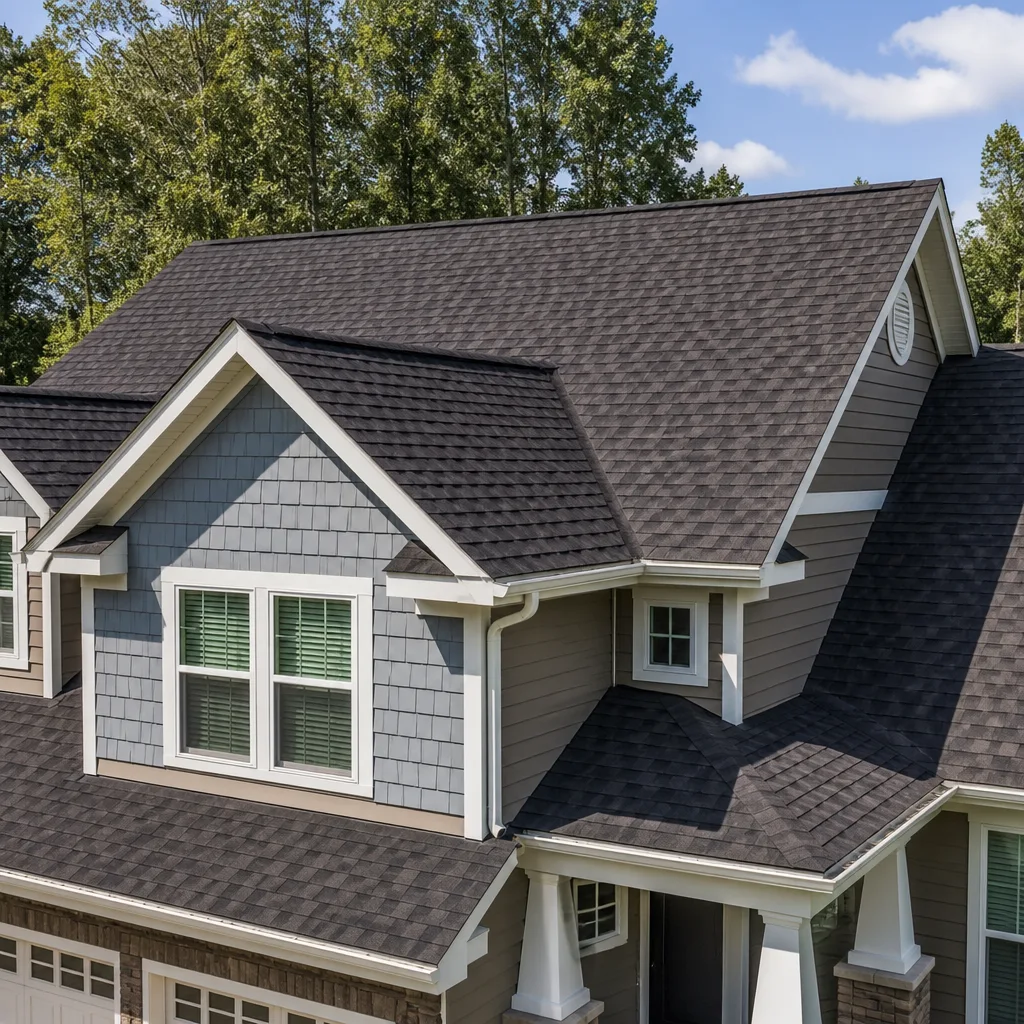
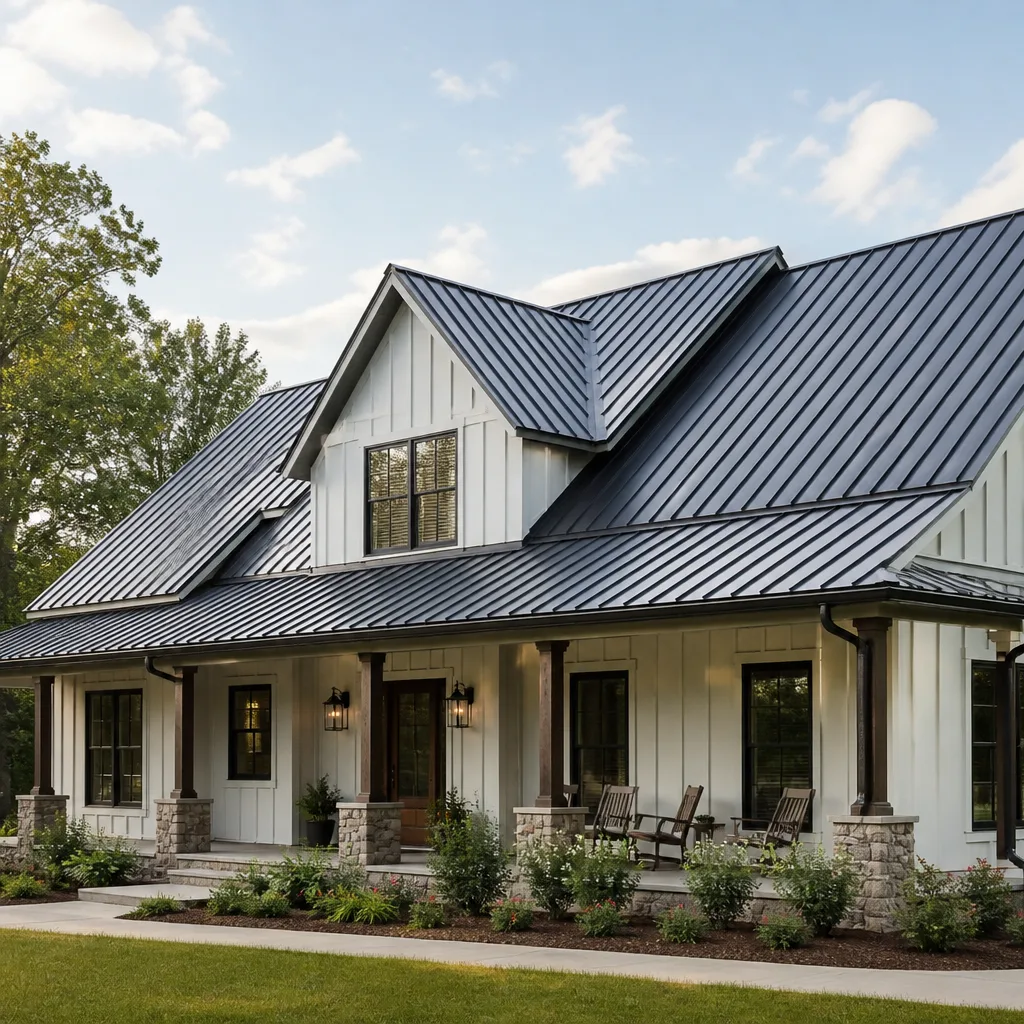
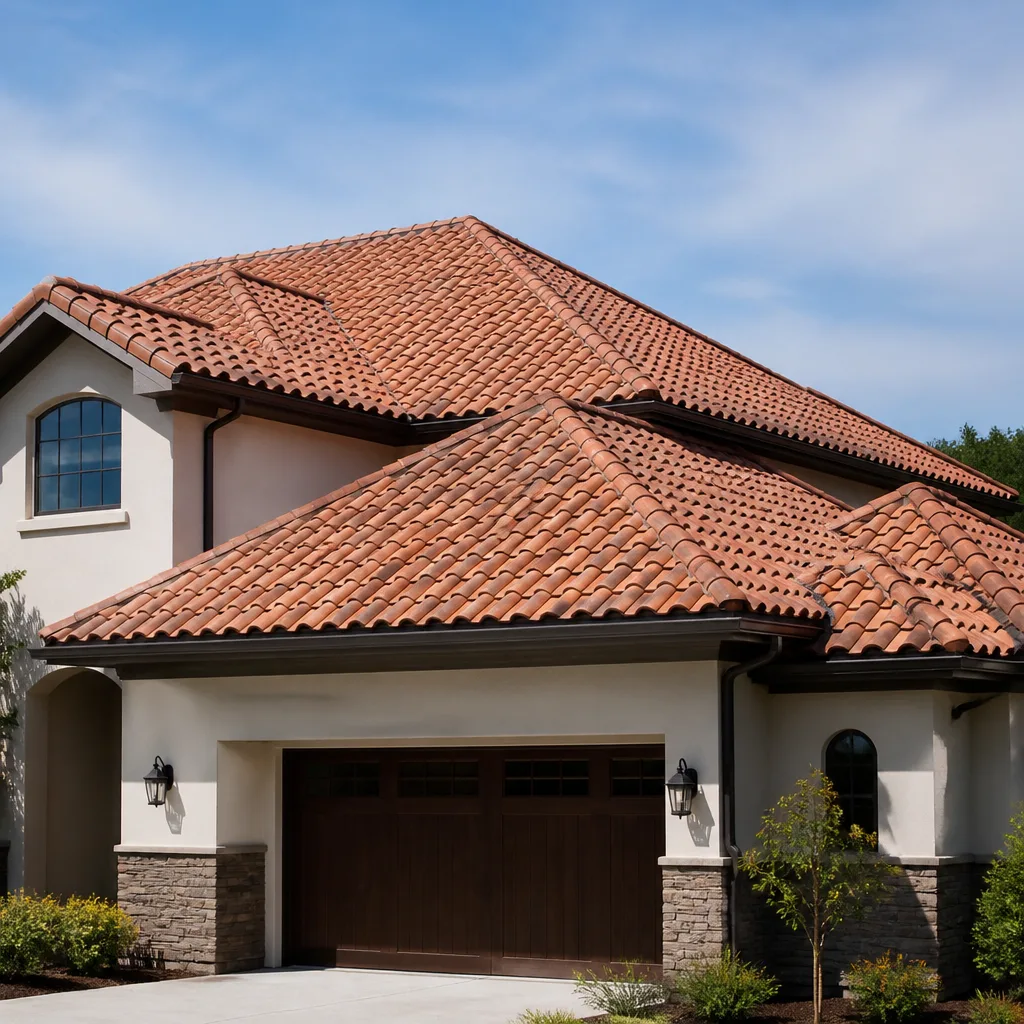
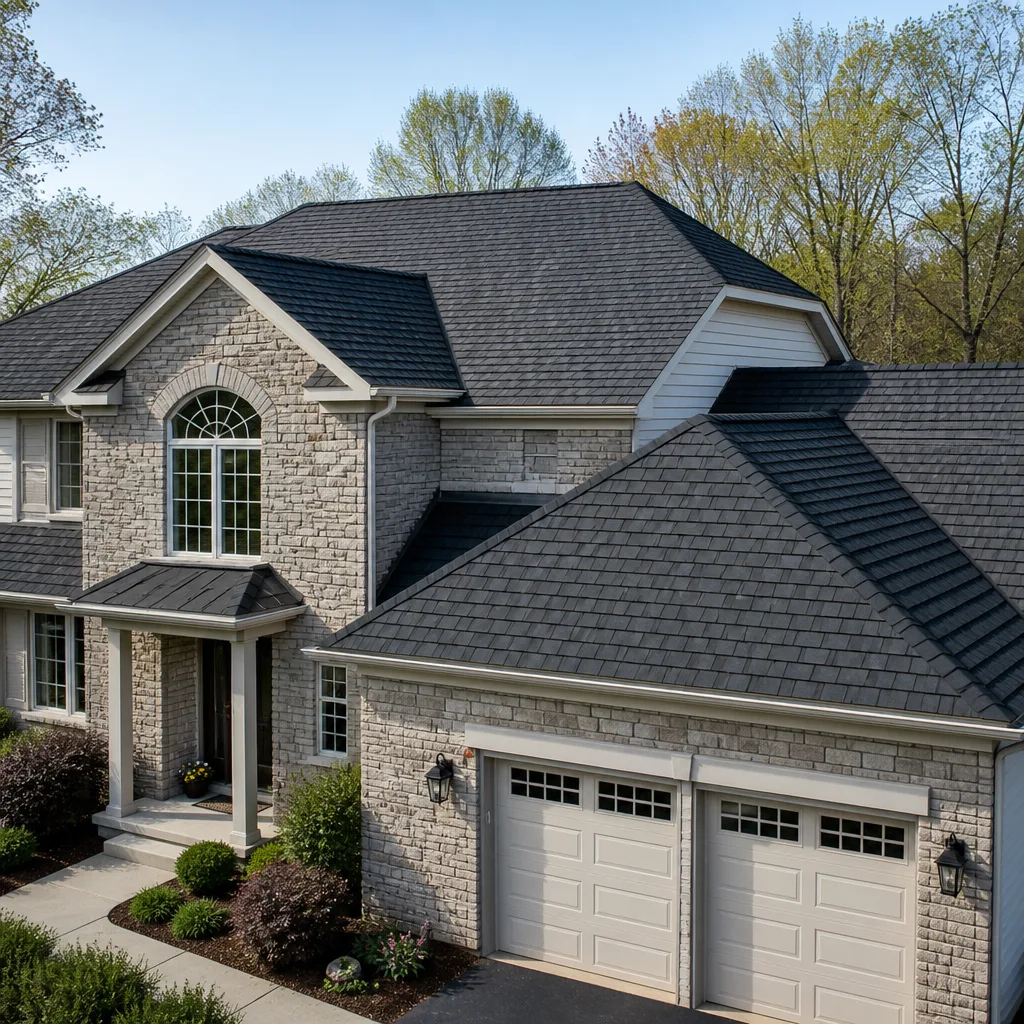
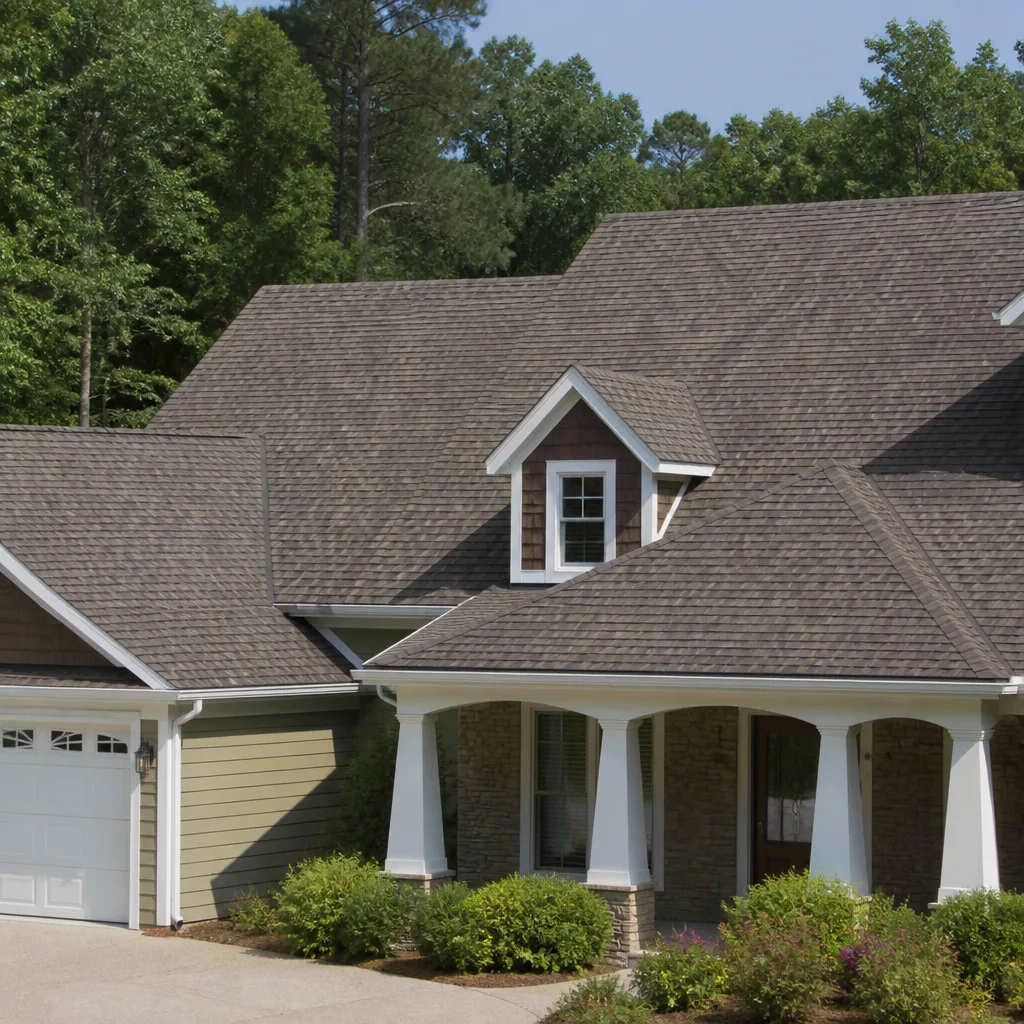
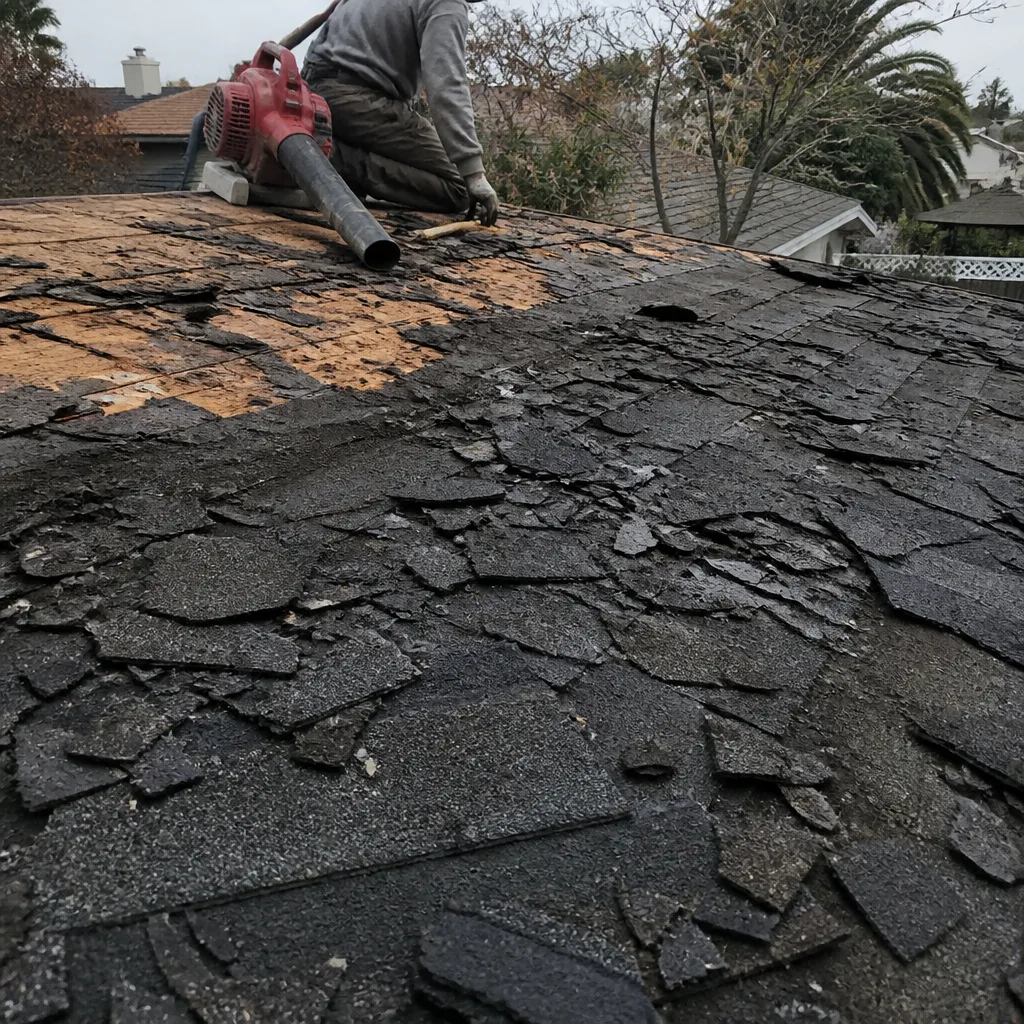 Before
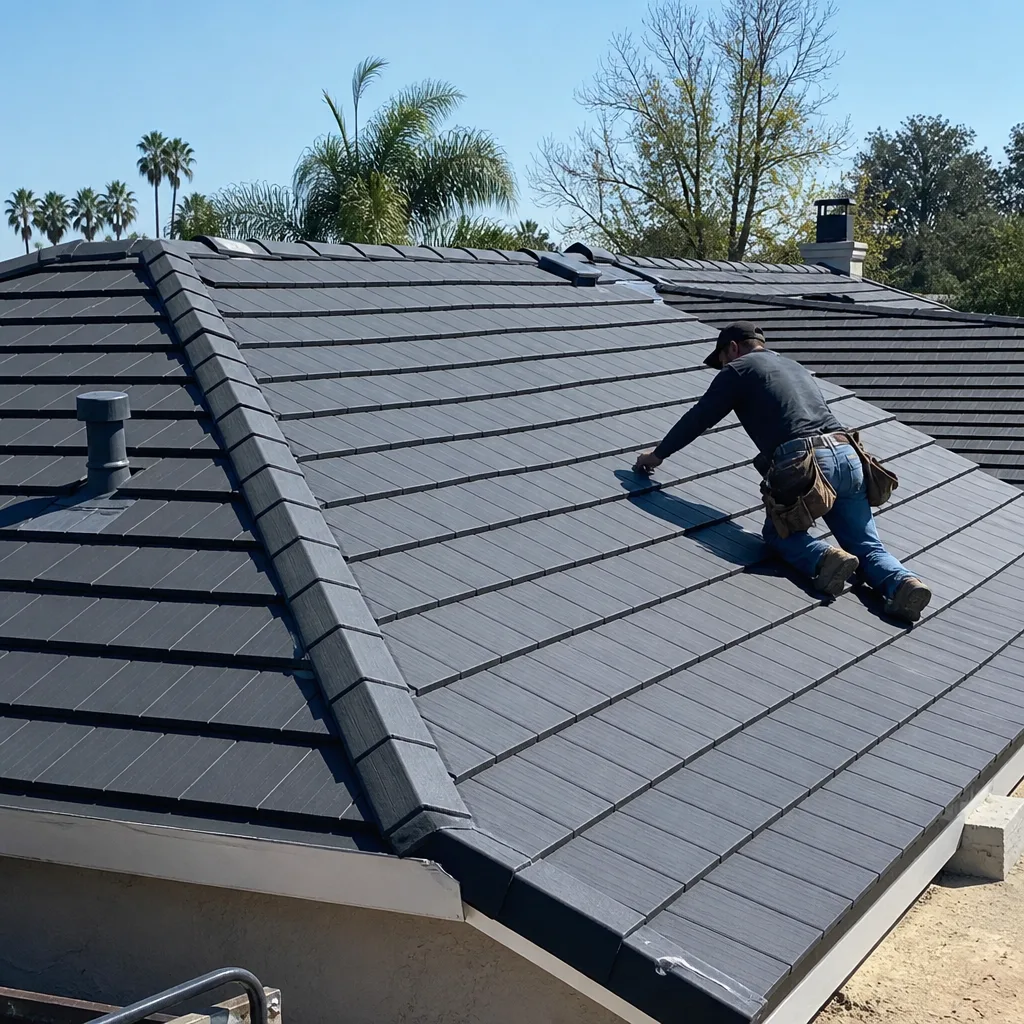 After
After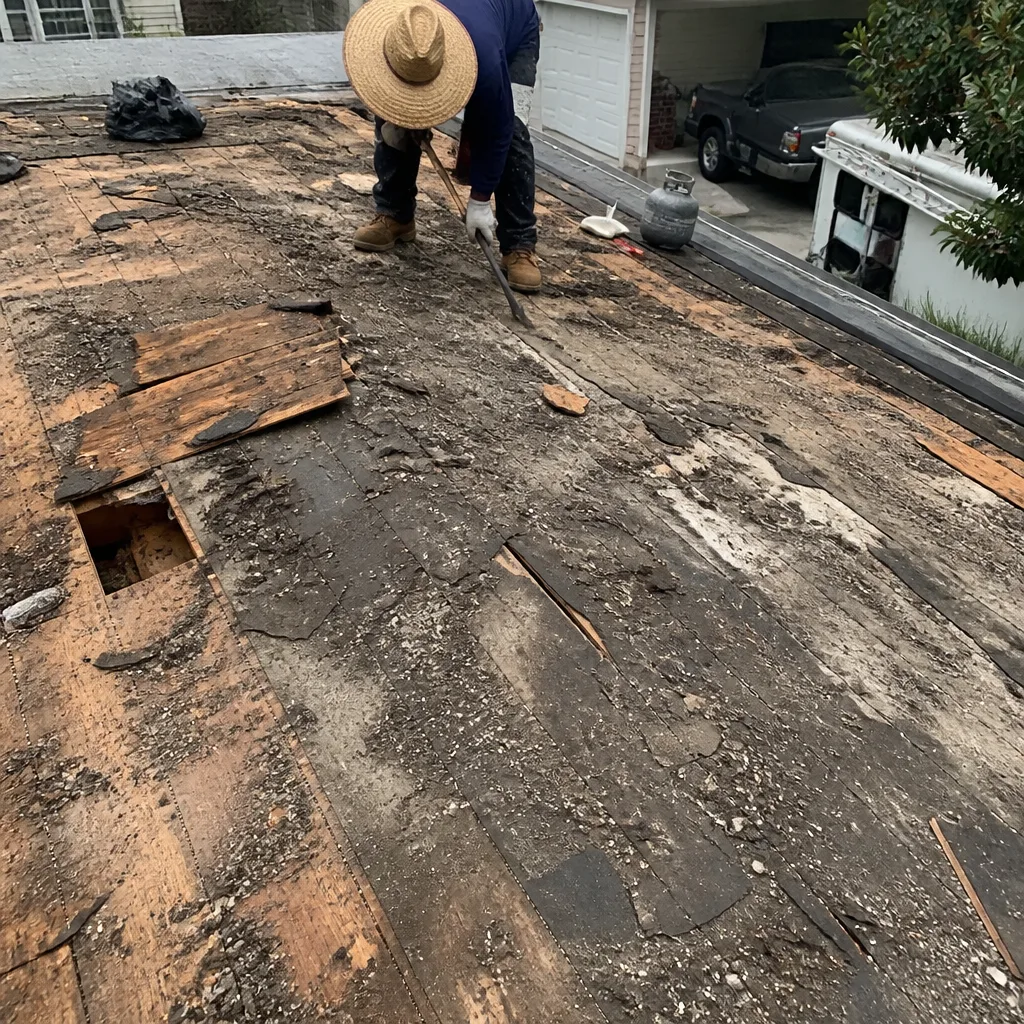 Before
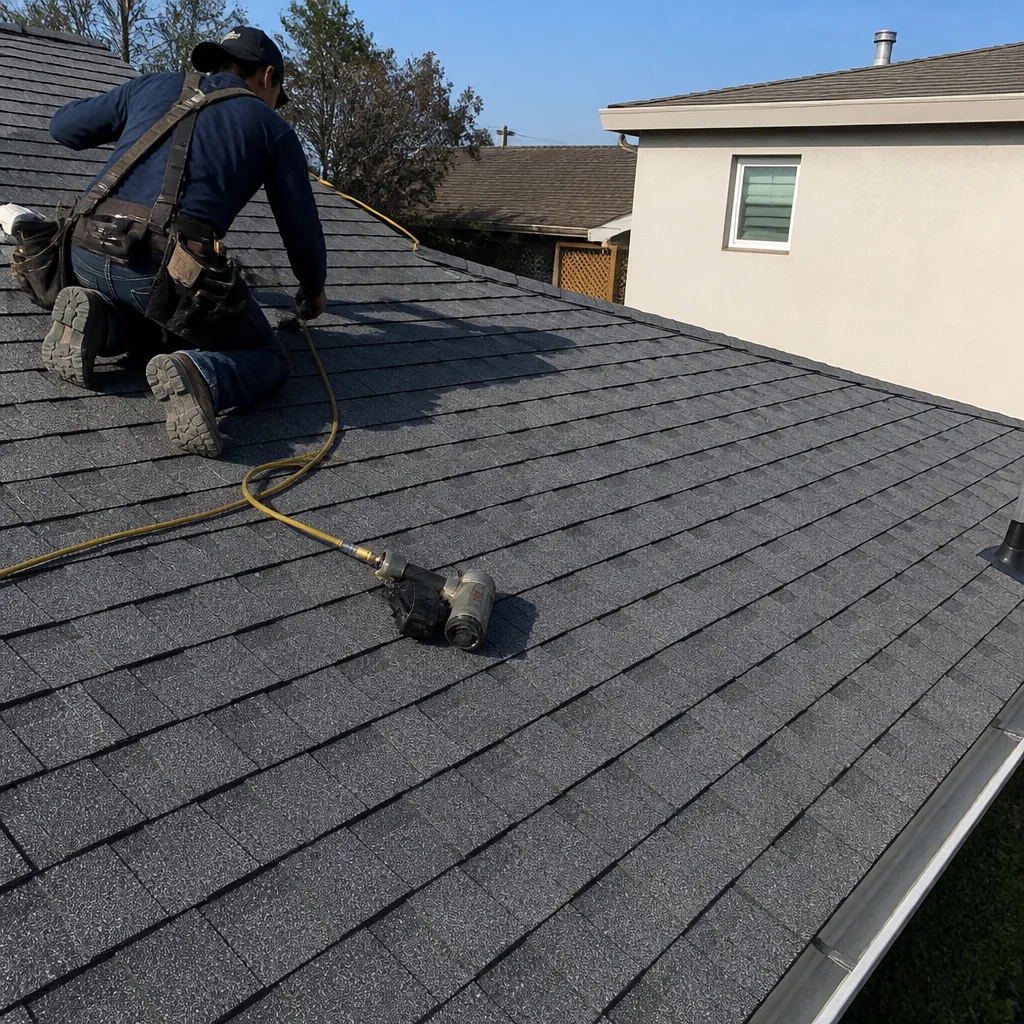 After
After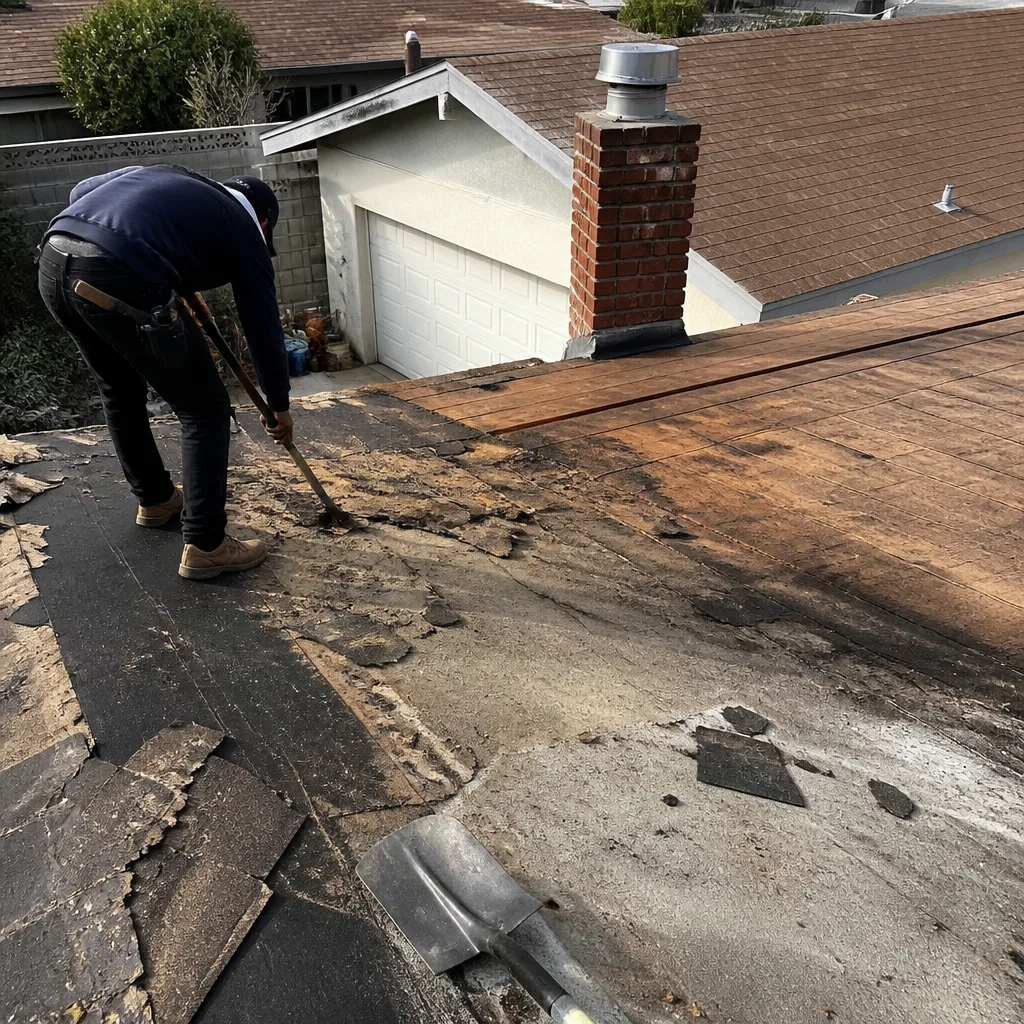 Before
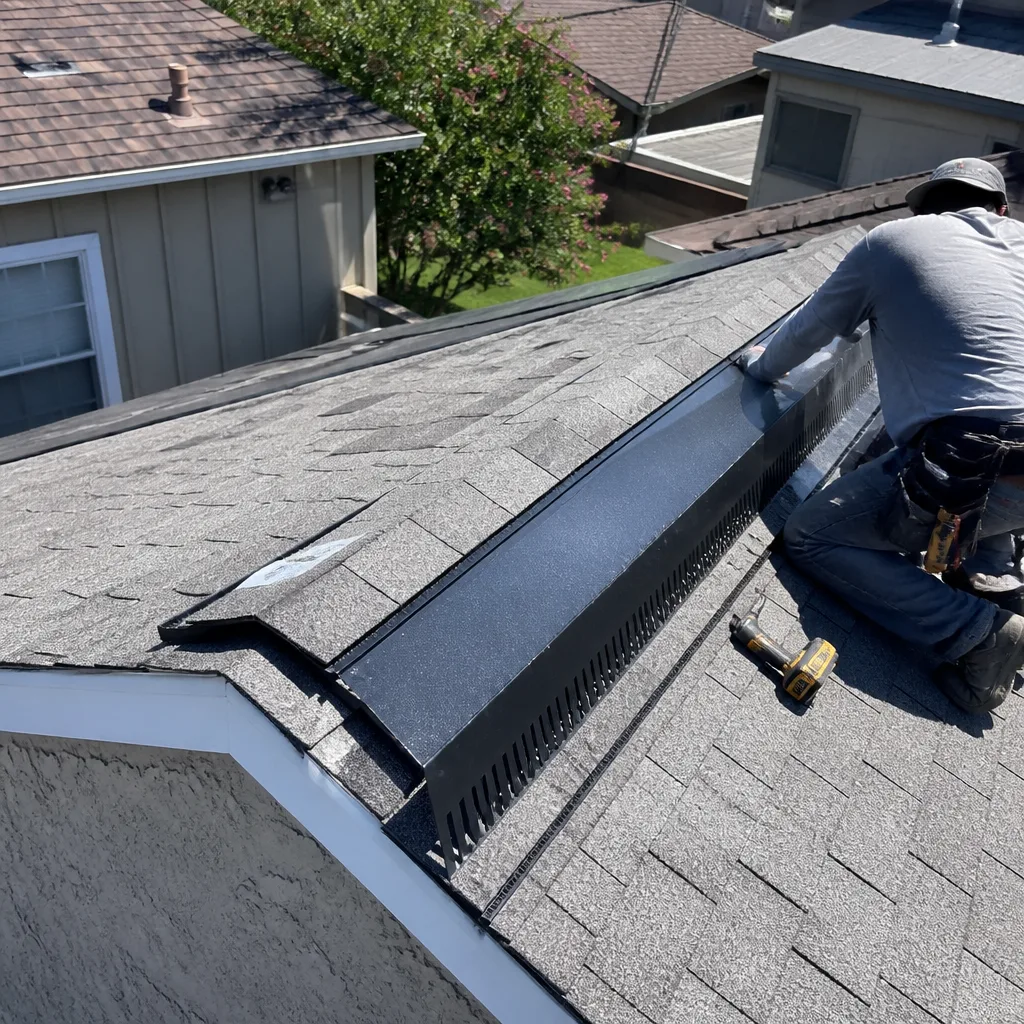 After
AfterChoosing the Right Roofing Brand: A Buyer’s Guide for Los Angeles
Walk through any home improvement aisle and you’ll see towering displays of shingle samples from GAF, Owens Corning, CertainTeed, and others. Each one promises decades of protection. Here’s what nobody tells you: a premium shingle with a 50-year warranty on the package is only as good as the crew nailing it down. In Los Angeles, fewer than 30% of roofing contractors hold current factory certification from any major brand, which means most homeowners are buying a warranty that was void before the first rain. This guide will show you how to choose a roofing brand based on what actually matters: who is certified to install it, what ratings protect your home in this climate, and which warranty actually pays out when something goes wrong. For a deeper dive, see our The Complete Guide to Roofing in Los Angeles.
Quick Answer
The best roofing brand in Los Angeles is the one your installer is factory-certified to apply, because manufacturer warranties are voided by installation errors, not material defects. For LA’s high-UV, fire-prone climate, look for Class A fire-rated and Class 4 impact-rated products from GAF, CertainTeed, or Owens Corning, then verify the contractor’s certification directly on the manufacturer’s website. Birchbark Roofing works with GAF, CertainTeed, Owens Corning, IKO, Atlas, Tamko, and Boral, and gives you every price in writing before work starts.
Table of Contents
- Material Warranty vs. Workmanship Warranty: Why It Matters
- The Three Ratings That Matter Most for LA Roofs
- How to Verify a Contractor’s Brand Certification
- Cool-Roof Ratings and Title 24 Compliance
- Why Brand Matters Less for Flat and Low-Slope Roofs
- Comparing GAF, CertainTeed, Owens Corning, and Atlas for LA Homes
- Common Mistakes to Avoid
- When to Call a Professional
- Frequently Asked Questions
Material Warranty vs. Workmanship Warranty: Why It Matters
When a roof fails in Los Angeles, it almost never fails because the shingle itself was defective. It fails because flashing was installed wrong, underlayment was skipped, nails were overdriven, or a valley was cut incorrectly. These are workmanship failures, not material failures. Yet most homeowners walk into a roofing decision thinking the 50-year warranty on the shingle package is the thing protecting them. It is not. If you’re dealing with existing damage, start with The Complete Roof Repair Guide for Los Angeles Homeowners.
A manufacturer’s material warranty covers a narrow set of circumstances: the shingle itself must be shown to have a manufacturing defect. If the shingle was installed incorrectly and then leaked, the manufacturer will deny the claim. Most material warranties also prorate heavily after the first decade, meaning the payout shrinks every year. A 50-year warranty often pays full replacement value for only the first 10 years, then declines to a fraction of the original cost.
A workmanship warranty is different. This is the installer’s promise that the roof was put on correctly. In Los Angeles, where steep hillsides and older framing mean every roof deck has its quirks, workmanship is where roofs actually live or die. Birchbark Roofing covers every repair and replacement with the 365-Day Done Right Promise: if the work isn’t right, we make it right. That is a workmanship guarantee, and it is stamped on every job. Before you compare brands, compare what the installer will put in writing about their own labor.
The Three Ratings That Matter Most for LA Roofs
Los Angeles is not one climate. It is a patchwork of coastal fog zones in places like Playa del Rey, intense inland heat in the San Fernando Valley, and high-wind canyons through the Santa Monica Mountains. Your roofing brand choice should start with the three ratings that address these conditions directly:
- Class A Fire Rating: This is the highest fire-resistance rating a roof assembly can earn under ASTM E108. In wildfire-prone areas of Los Angeles, including much of the hillside neighborhoods and the urban-wildland interface zones, Class A is often required by code. Brands like GAF and Owens Corning offer full Class A systems, but the rating applies to the entire assembly (shingles, underlayment, deck), not just the shingle. Ask your contractor to confirm the complete system rating, not just the shingle’s rating.
- Class 4 Impact Rating: This rating measures resistance to hail and debris impact under UL 2218. Los Angeles doesn’t get Midwest-style hailstorms, but it does get Santa Ana winds that hurl branches, tiles, and debris across roofs. Class 4 rated shingles resist cracking from impact, and some insurers in Southern California offer premium discounts for Class 4 rated roofs.
- Wind Rating: Santa Ana wind events routinely exceed 60 mph in the foothills and canyons. Look for shingles rated for 110 mph or higher wind uplift. Most premium architectural shingles carry a 110-130 mph wind rating, but the nailing pattern matters as much as the shingle rating. One brand’s shingle installed with the wrong nail count will peel off regardless of what the package says.
In our experience on Los Angeles roofs, the most common wind-related failure we see is not the shingle tearing, but the starter strip lifting because it was nailed too high or too low. Ask any contractor you are considering how many nails per shingle they use, and whether they upgrade to a six-nail pattern for high-wind exposure areas. If they don’t have an answer, keep looking.
How to Verify a Contractor’s Brand Certification
Any roofer can claim to be “certified” by GAF or CertainTeed. Few actually hold current certification. Here’s exactly how to check, step by step:
- Go to the manufacturer’s website, not the contractor’s. GAF has a “Find a GAF Certified Contractor” tool at gaf.com. CertainTeed has a “Find a CertainTeed credentialed roofer” search. Owens Corning has a “Find a Roofing Contractor” directory that shows which contractors are Owens Corning Roofing Preferred or Platinum contractors. Do not accept a badge on the roofer’s website as proof. Badges are easy to copy.
- Search by the contractor’s actual business name and ZIP code. If the roofer appears in the directory, note the certification level. GAF has Certified, Master Elite, and President’s Club levels. CertainTeed has ShingleMaster, ShingleMaster Select, and SELECT ShingleMaster. Owens Corning has Preferred and Platinum. Higher levels typically require more installs per year and lower complaint rates.
- Confirm the certification is current. Most manufacturer certifications are renewed annually. A roofer who was GAF Master Elite in 2021 may have let it lapse. The directory will usually show current status. If you’re unsure, call the manufacturer’s contractor locator line and ask.
- Ask for the manufacturer’s documentation of your specific job. When we install a GAF or CertainTeed roof through Birchbark Roofing, the manufacturer issues a registration document for the enhanced warranty, tied to your address. No registration document means no enhanced warranty, regardless of what the salesperson said.
Birchbark Roofing works with materials from GAF, CertainTeed, Owens Corning, IKO, Atlas, Tamko, and Boral. We will tell you exactly which products we can certify, and we’ll show you the written warranty registration before the first shingle comes off the truck.
Cool-Roof Ratings and Title 24 Compliance
California’s Title 24 building energy code requires that most new roof replacements in Los Angeles meet minimum cool-roof standards, measured by a value called the Solar Reflectance Index, or SRI. The SRI scale runs from 0 (a completely black, heat-absorbing surface) to about 100 (a nearly white, heat-reflecting surface). Title 24 requires a minimum SRI that varies by roof slope and climate zone.
Here is what most brand guides won’t tell you: SRI values vary enormously by color within the same brand. A GAF Timberline HD shingle in “Barkwood” might have an SRI in the single digits, while the same shingle in “White” or “Light Gray” might clear the Title 24 threshold. The same is true for CertainTeed Landmark and Owens Corning Duration lines. The brand matters less than the specific color’s SRI rating.
For Los Angeles homeowners deciding between brands, the practical steps are:
- Ask the contractor for the SRI values of the specific colors you’re considering. Every major manufacturer publishes a Certified Roof Products Directory listing that includes SRI by color. If your contractor can’t produce it, ask them to call their manufacturer rep.
- Choose a color that meets the Title 24 minimum for your climate zone. In most of Los Angeles County, the prescriptive requirement for steep-slope roofs is an SRI of 20 or higher, but confirming your exact zone with the contractor or a Title 24 energy consultant is worth the call.
- Keep documentation of the selected color’s SRI. When you sell the home or pull a permit modification, you’ll want the product data sheet. We include the SRI data sheet with every roof replacement we do in Los Angeles, so it’s already in the file if the building inspector or a future buyer asks.
Light-colored roofs in Los Angeles also run measurably cooler in summer, which lowers attic temperatures and reduces air conditioning load. That’s a real dollar savings every August, and it’s a point worth considering when comparing two brands you like equally.
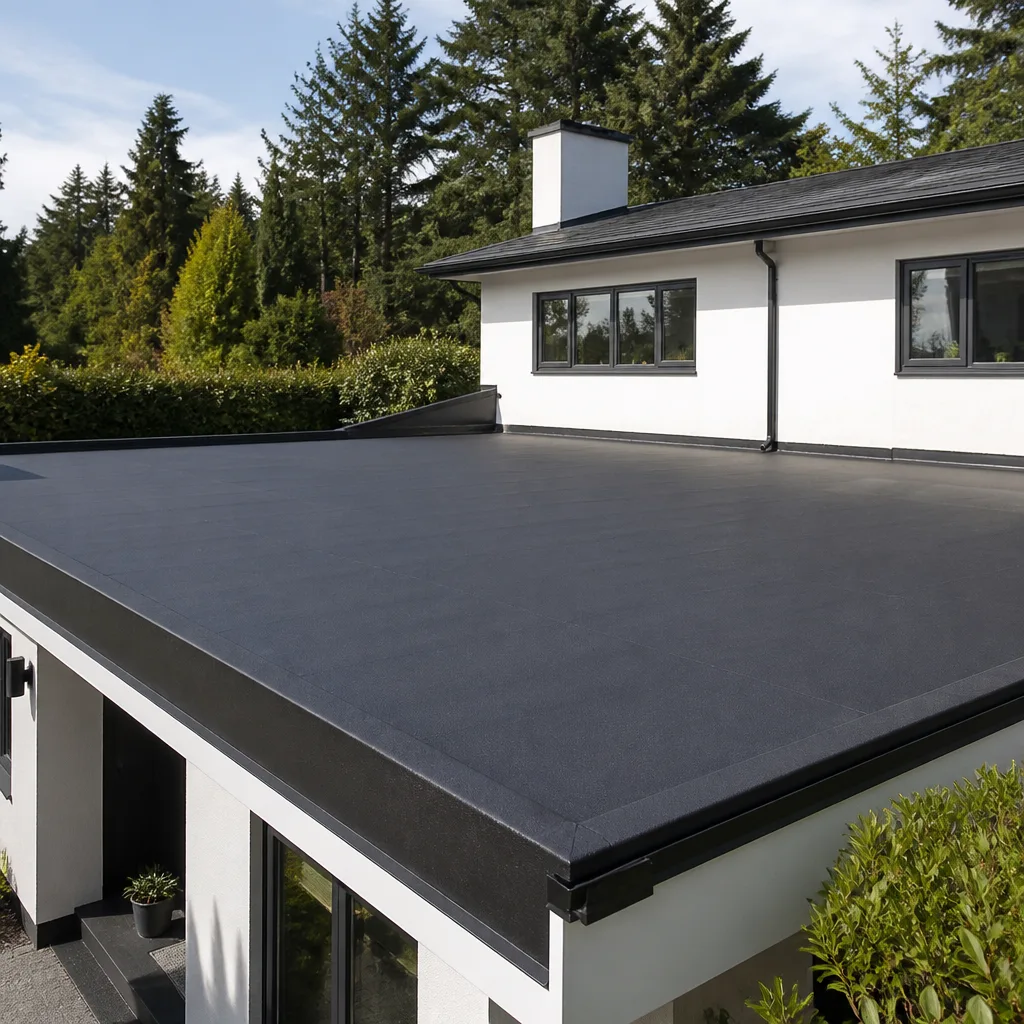
Why Brand Matters Less for Flat and Low-Slope Roofs
A large share of Los Angeles housing stock, especially mid-century homes in the Valley and modern builds on the Westside, has flat or low-slope roofs. For these roofs, the brand comparison most homeowners conduct is nearly useless, because the critical variable is not the shingle brand but the membrane type and seam method.
Flat and low-slope roofs in Los Angeles typically use one of three systems: modified bitumen (mod-bit), TPO (thermoplastic polyolefin), or PVC. Each behaves differently in LA’s heat and UV. Modified bitumen is asphalt-based and handles foot traffic well, but dark mod-bit roofs absorb heat. TPO is a single-ply white or light-gray membrane that reflects heat well and is common on commercial and residential low-slope roofs in Los Angeles. It is heat-welded at the seams, which creates a stronger seal than adhesive methods when done correctly.
The brand of TPO or mod-bit matters far less than the quality of the installation at the seams and penetrations. We have replaced TPO roofs in Los Angeles that failed at every pipe boot and parapet corner, not because the membrane was defective, but because the seams were not properly welded. When you’re choosing a roofer for a flat roof, ask how they handle penetration flashing, parapet wall terminations, and drainage slope. A roofer who can’t articulate their seam-welding process is not the roofer you want, regardless of which brand of TPO they quote.
Comparing GAF, CertainTeed, Owens Corning, and Atlas for LA Homes
If you’ve narrowed your search to major brands, the differences that matter in Los Angeles are smaller than the marketing suggests. Here’s a practical view from the field.
GAF dominates the LA market in installed volume, largely because of their contractor certification tiers and widespread availability. Their Timberline HD line is a solid architectural shingle with good wind ratings and a wide color range. For LA homeowners, GAF’s key advantage is the breadth of their certified contractor network, which means more certified installers from which to choose. Their key disadvantage is that the “Lifetime” warranty language is often misunderstood: it covers manufacturing defects, not installation, and prorates significantly after the early years.
CertainTeed offers the Landmark and Presidential lines, which carry a slightly thicker profile and greater dimensional depth than some competitors. CertainTeed’s ColorViews tool lets homeowners see a rendered image of the color on a home before purchase, which helps prevent color regrets. In Los Angeles, where many homes have distinctive architectural styles from Spanish Revival to mid-century, color selection matters more than in newer, more uniform housing markets. CertainTeed’s ShingleMaster Select certification requires ongoing training, which filters out some of the least committed contractors.
Owens Corning leads with their Duration line and their Platinum contractor network. Duration shingles feature a fabric-reinforced nailing strip, which reduces blow-off risk in high-wind zones. In the canyons and foothill neighborhoods of Los Angeles, where Santa Ana winds create real uplift, a reinforced nailing strip is not a gimmick. Owens Corning also publishes detailed wind warranty terms that are straightforward to compare against other brands.
Atlas is less common in Los Angeles than the big three, but their StormMaster and Pinnacle lines offer good value. Atlas’s advantage is in their impact-rated products: they offer Class 4 rated shingles in a variety of colors without the premium pricing some competitors attach to impact rating. For homeowners in the San Fernando Valley, where summer heat is intense, Atlas also offers a reflective shingle line worth comparing on SRI.
The honest takeaway: all four brands manufacture quality shingles. In our experience installing roofs across Los Angeles, a mid-tier shingle from any of these manufacturers, installed by a certified contractor who pulls the permits and documents the installation, will outperform a premium shingle installed by someone who shows up with a ladder and a pickup truck and no manufacturer standing behind the job.
Common Mistakes to Avoid
- Choosing a brand before choosing an installer. The installer determines whether the warranty survives the first year. Start with a certified contractor, then choose from the brands they can properly install.
- Assuming the longest warranty means the best protection. Most “lifetime” or “50-year” warranties are prorated material warranties that exclude installation errors. In Los Angeles, the most common failure modes (flashing leaks, nail pops, valley errors) are not covered by these warranties at all.
- Not verifying certification directly with the manufacturer. A badge on a website or truck is not proof. Use the manufacturer’s online directory and confirm current status.
- Ignoring the underlayment and flashing package. Shingles get the attention, but the underlayment, ice and water shield, starter strips, and flashing metals are what actually keep a roof watertight in Los Angeles’s winter rains.
- Skipping the SRI check for a color you love. Choosing a dark shingle without checking its SRI can put you out of Title 24 compliance in Los Angeles, requiring additional documentation or a redo.
- Treating flat roofs like pitched roofs. If your home has a low-slope or flat roof, the membrane type and seam method trump shingle brand. Comparing TPO brands without understanding seam welding is a wasted exercise.
- Not getting the price in writing. A verbal estimate is not a commitment. Birchbark Roofing provides a written price in dollars before any work starts, always included, never optional. If a roofer won’t put the number in writing, that’s your answer.
When to Call a Professional
If you’re reading this guide because you’re actively choosing between roofing brands, you’re already at the point where a professional consultation saves time and money. If a full replacement is on the table, read The Complete Roof Replacement Guide for Los Angeles Homeowners first. The moment for professional help is before you sign any brand’s product order, not after. A qualified roof inspection will tell you whether your deck needs repair, whether your underlayment meets current Los Angeles code, and whether your roof structure is even suitable for the brand you’re considering. The roof pitch, the deck condition, the climate zone, and the permit requirements all affect which products will perform and which warranties will hold. Birchbark Roofing offers free estimates in Los Angeles, with a written price before any work begins. Call (424) 766-4937 to schedule yours.
Frequently Asked Questions
A full asphalt shingle roof replacement in Los Angeles typically runs between $12,000 and $25,000 depending on the home’s square footage, roof pitch, tear-off requirements, and the brand selected. Exact pricing depends on your home, and your price should be in writing before any work begins. Call (424) 766-4937 for a line-item quote on your specific roof.
In Los Angeles’s high-UV environment, premium architectural shingles from GAF, CertainTeed, and Owens Corning typically last 25 to 30 years when installed correctly with proper underlayment and ventilation. The installation quality matters more than the brand’s stated lifespan, which is why we recommend working with a certified installer. Birchbark Roofing will show you exactly which products we certify and what warranty you receive in writing.
Many areas of Los Angeles, including the hillside zones and urban-wildland interface areas, require Class A fire-rated roof assemblies under local building code. Even outside mandated zones, Class A is the standard we recommend for any Los Angeles home given our wildfire risk. Check with your contractor about your specific address, and ask to see the Class A rating for the entire assembly, not just the shingle.
GAF and CertainTeed both manufacture high-quality architectural shingles, and the meaningful differences come down to product specifics: CertainTeed’s Landmark line has a slightly thicker profile, while GAF’s Timberline line offers a wider color selection. For Los Angeles homeowners, the more important difference is the contractor’s certification level with either brand. We can walk you through both product lines and show you comparable colors and SRI values during a free estimate. Call (424) 766-4937 to see samples.
Go directly to the manufacturer’s website and use their contractor locator tool: GAF has a Certified Contractor search, CertainTeed has a credentialed roofer finder, and Owens Corning has a Roofing Contractor directory. Search by the contractor’s business name and ZIP code, then confirm the certification is current. A badge on the contractor’s website is not sufficient verification. Contact us at (424) 766-4937 and we will show you our current manufacturer credentials and what they mean for your warranty.
Most roof replacements in Los Angeles must meet Title 24 cool-roof requirements, which means the specific shingle color you choose must meet a minimum SRI value. The manufacturer publishes SRI data for every color, and your contractor should provide that documentation with your job file. We include the SRI data sheet with every roof replacement we complete in Los Angeles, so the compliance documentation is already in hand if you ever need it for resale or inspection.
The Bottom Line
Choosing a roofing brand in Los Angeles starts with finding an installer certified to apply that brand correctly, because installation errors void manufacturer warranties long before material defects ever appear. Prioritize Class A fire resistance, Class 4 impact resistance, and adequate wind ratings for your specific LA climate zone, and don’t skip the SRI check for Title 24 compliance. For flat and low-slope roofs, focus on membrane type and seam quality rather than brand name. Verify every certification directly with the manufacturer, get your price in writing before work starts, and work with a contractor who documents the job. The brand on the package matters. The person installing it matters more. Explore more guides & resources on protecting your Los Angeles home.
Written by Erik Lindgren, Owner at Birchbark Roofing, serving Los Angeles since 2000.
For a thorough evaluation of your Los Angeles roof, visit the Birchbark Roofing home page to learn about our full range of services. If you need specific repair work, our Roof Repair in Los Angeles page covers common issues we fix across the metro area. Considering a full replacement? Read our Roof Replacement in Los Angeles guide for pricing and process details. Or see why we are a trusted Roofing Company in Los Angeles with a written price on every job.