
Last updated October 8, 2026
Free roof inspection with deck photos before we talk money - GAF and Owens Corning certified installation
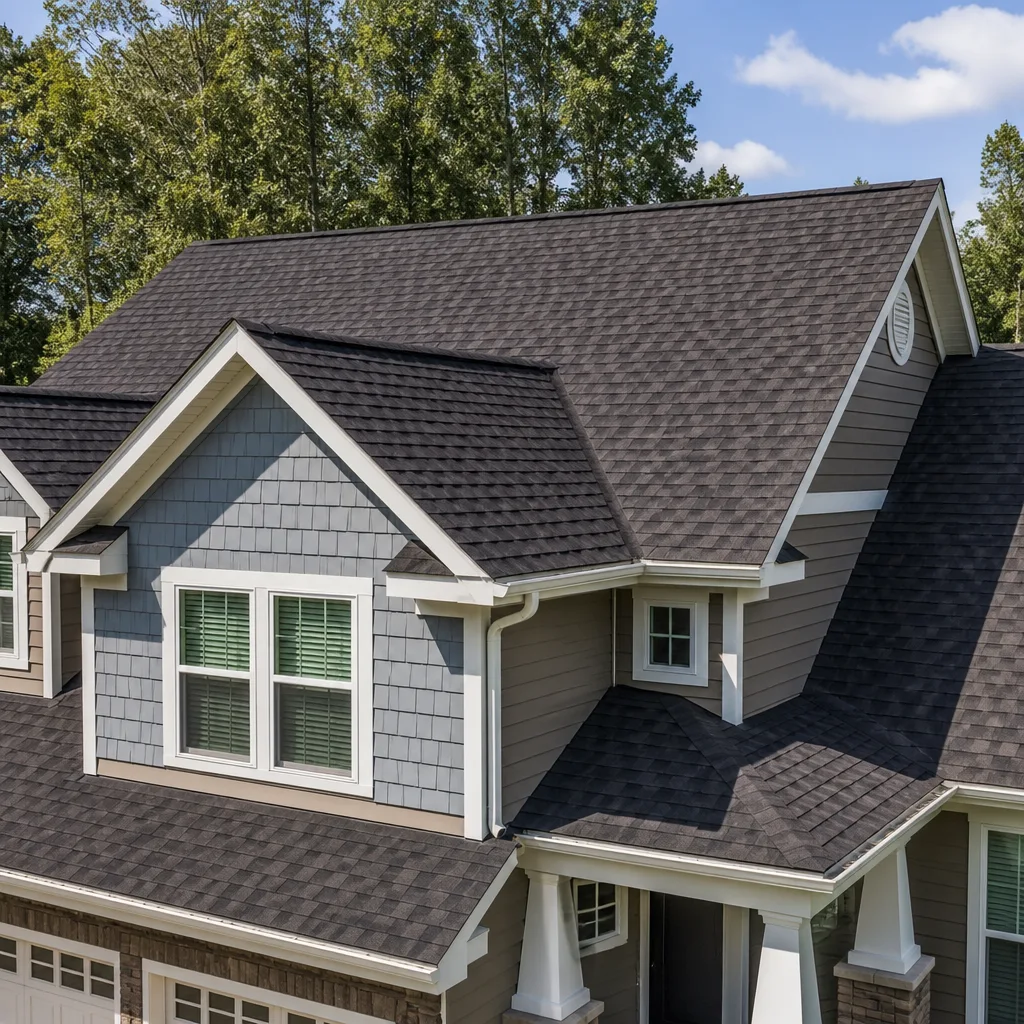
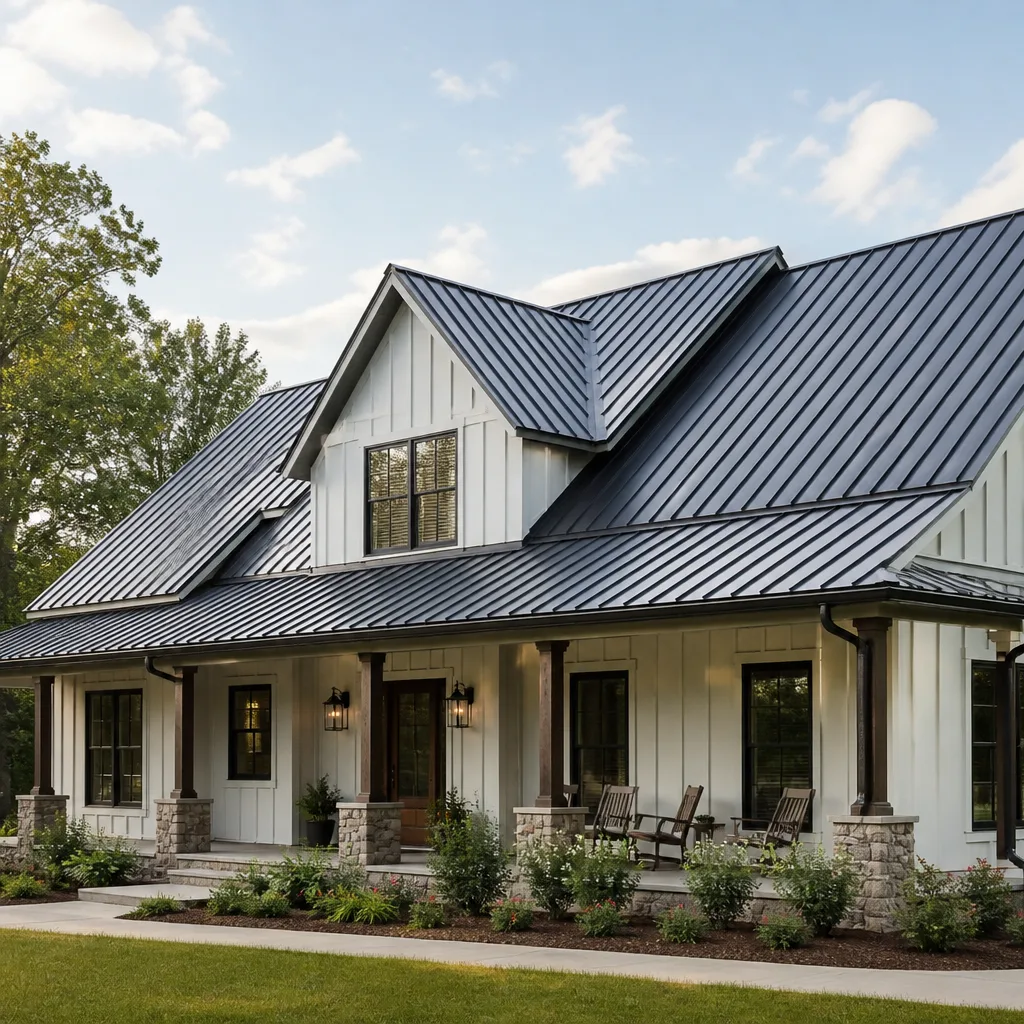
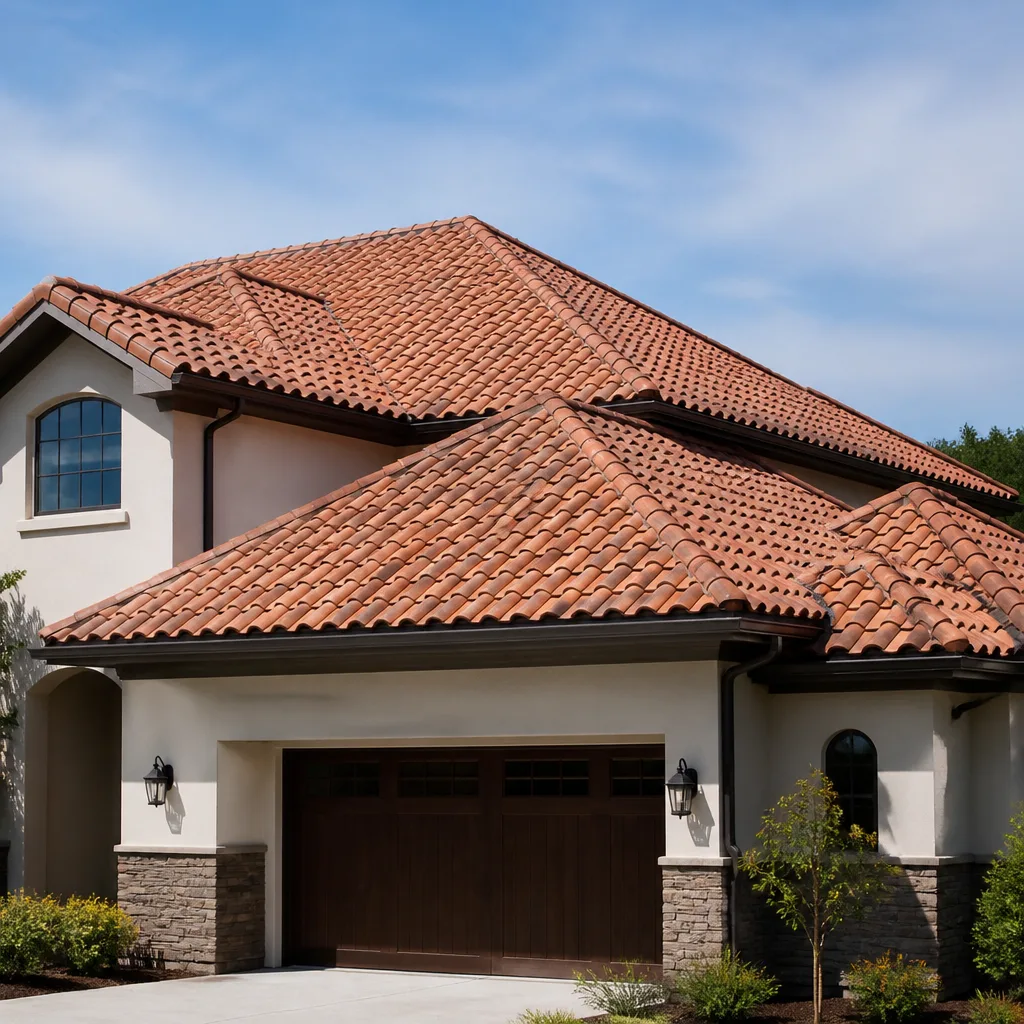
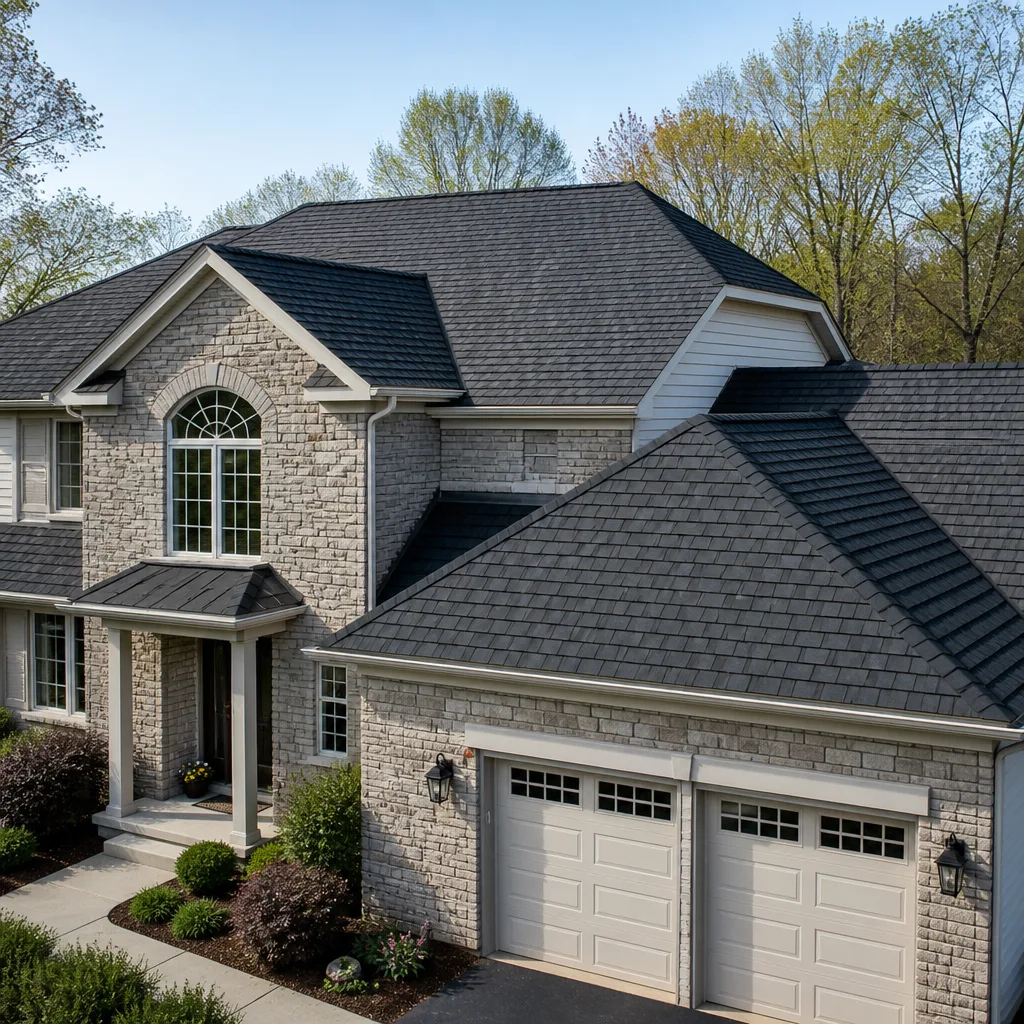
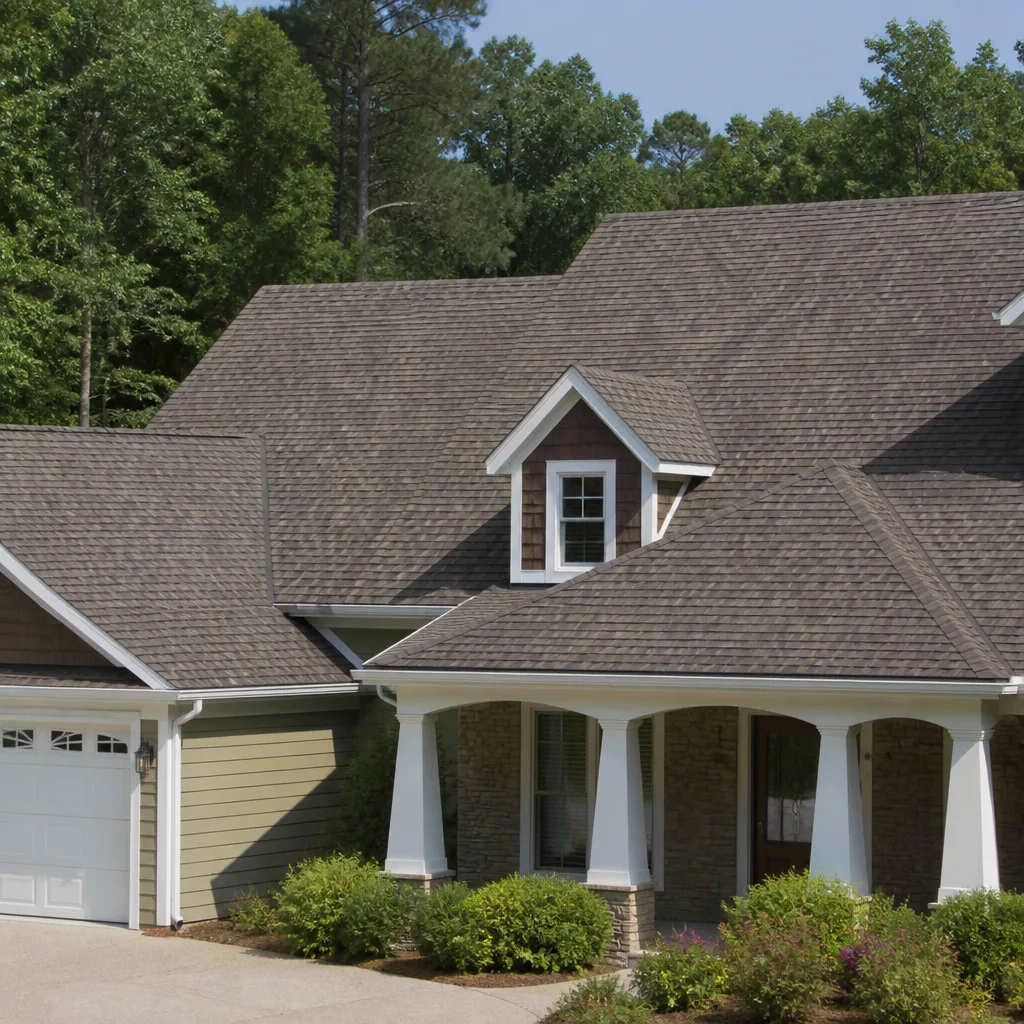
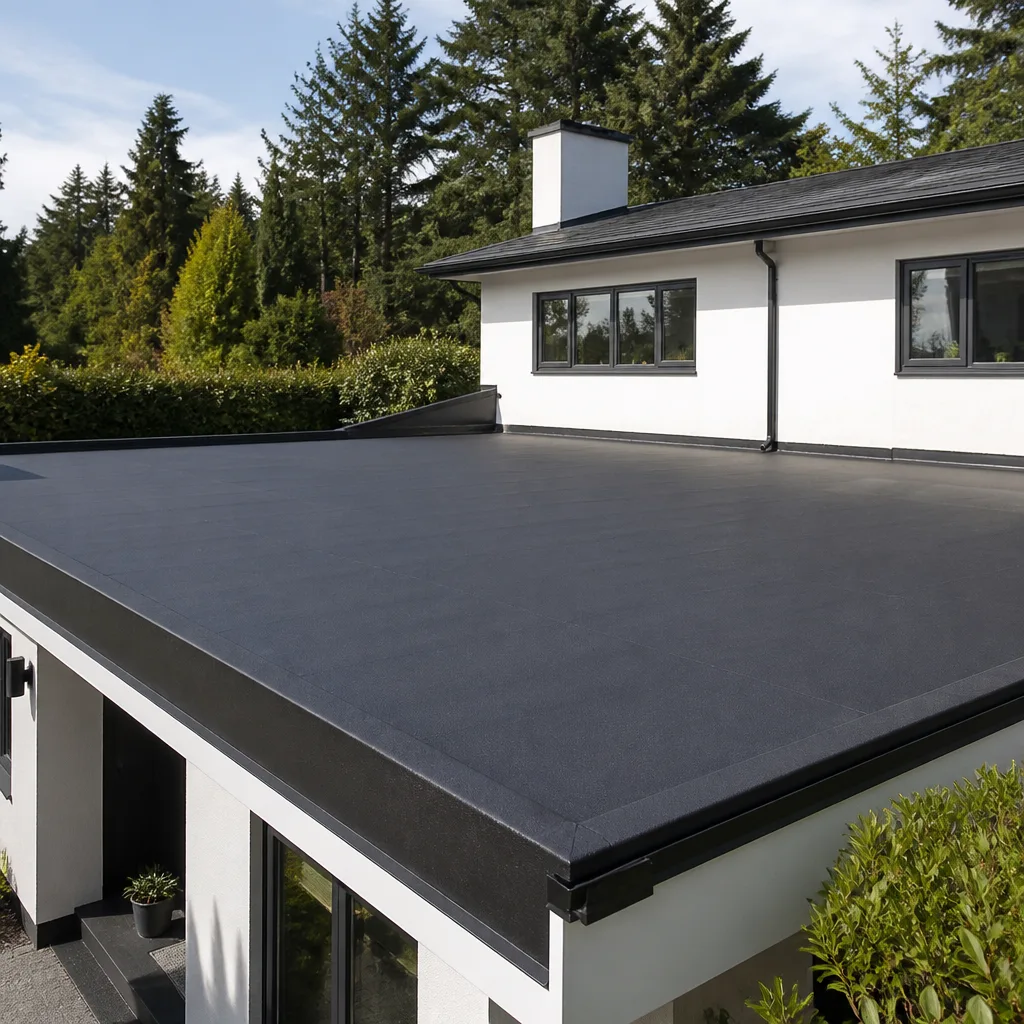
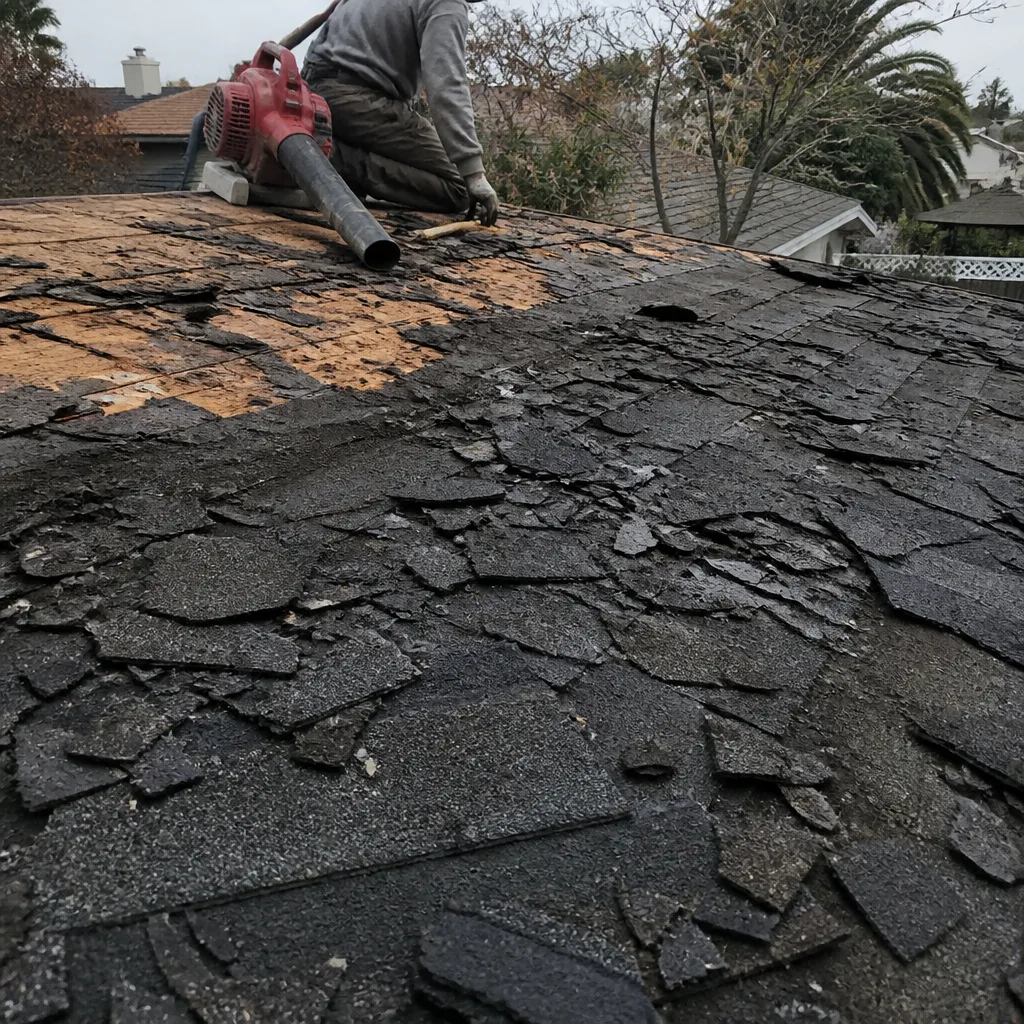 Before
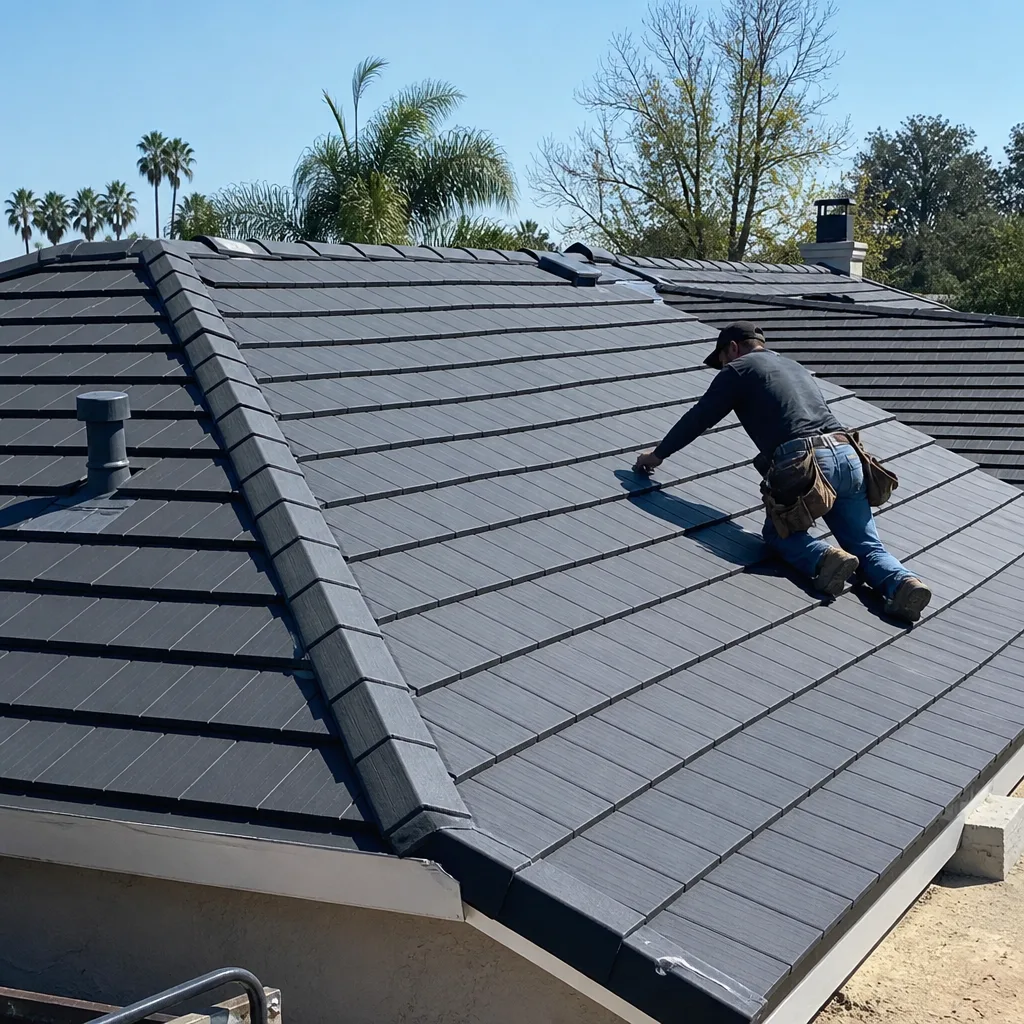 After
After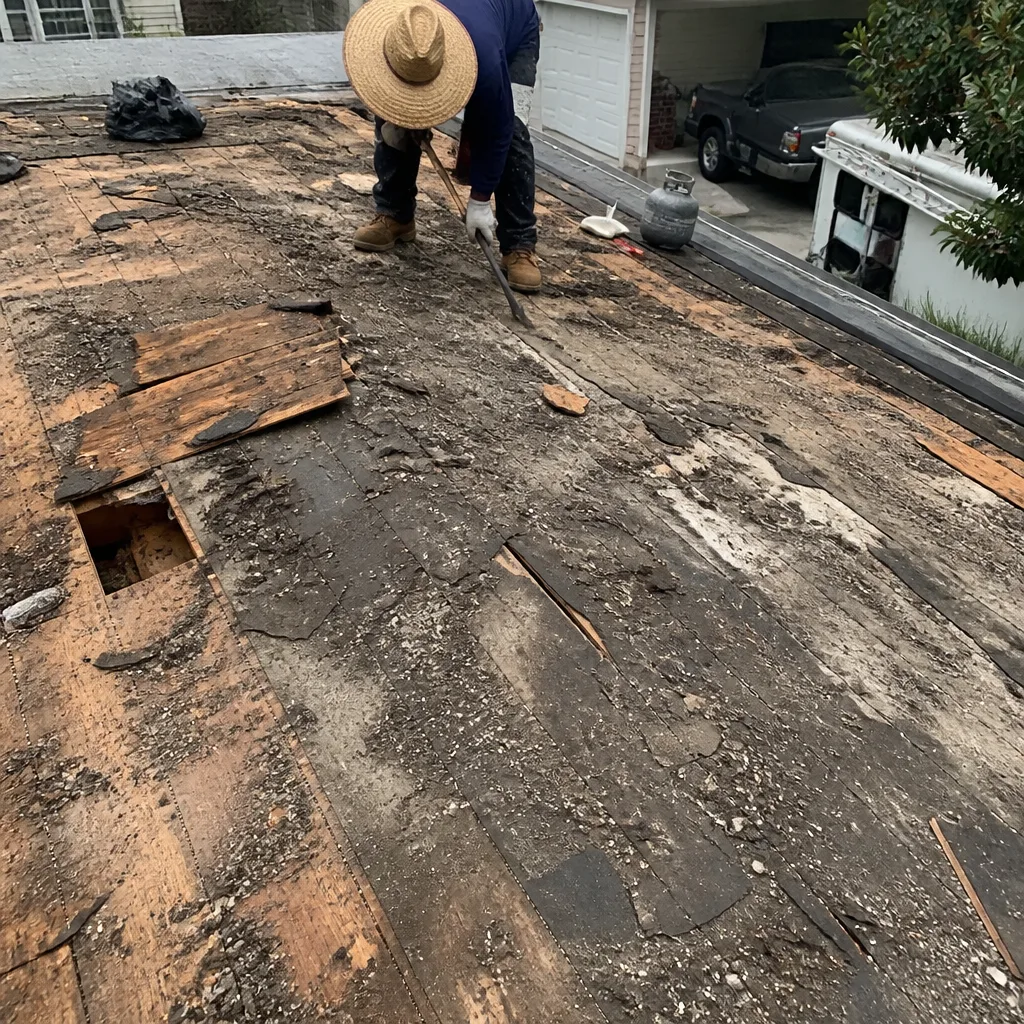 Before
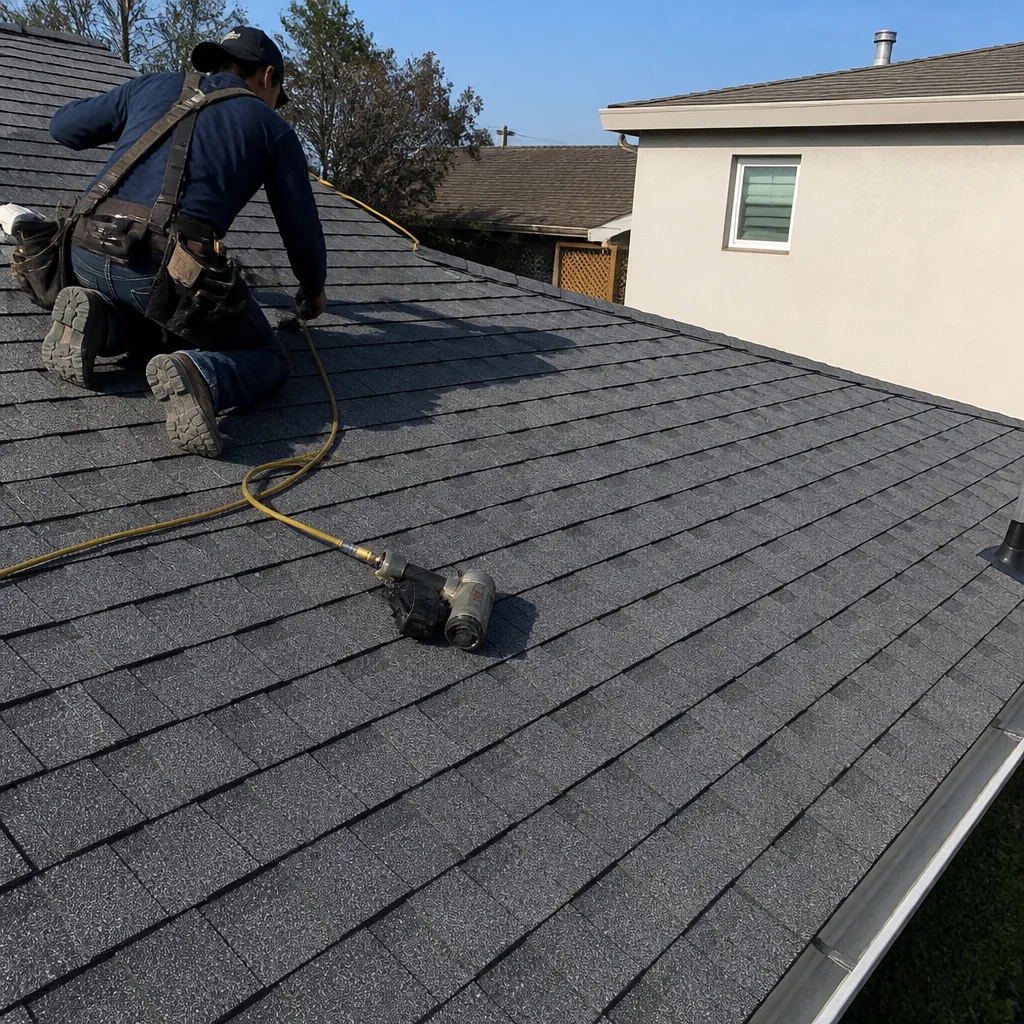 After
After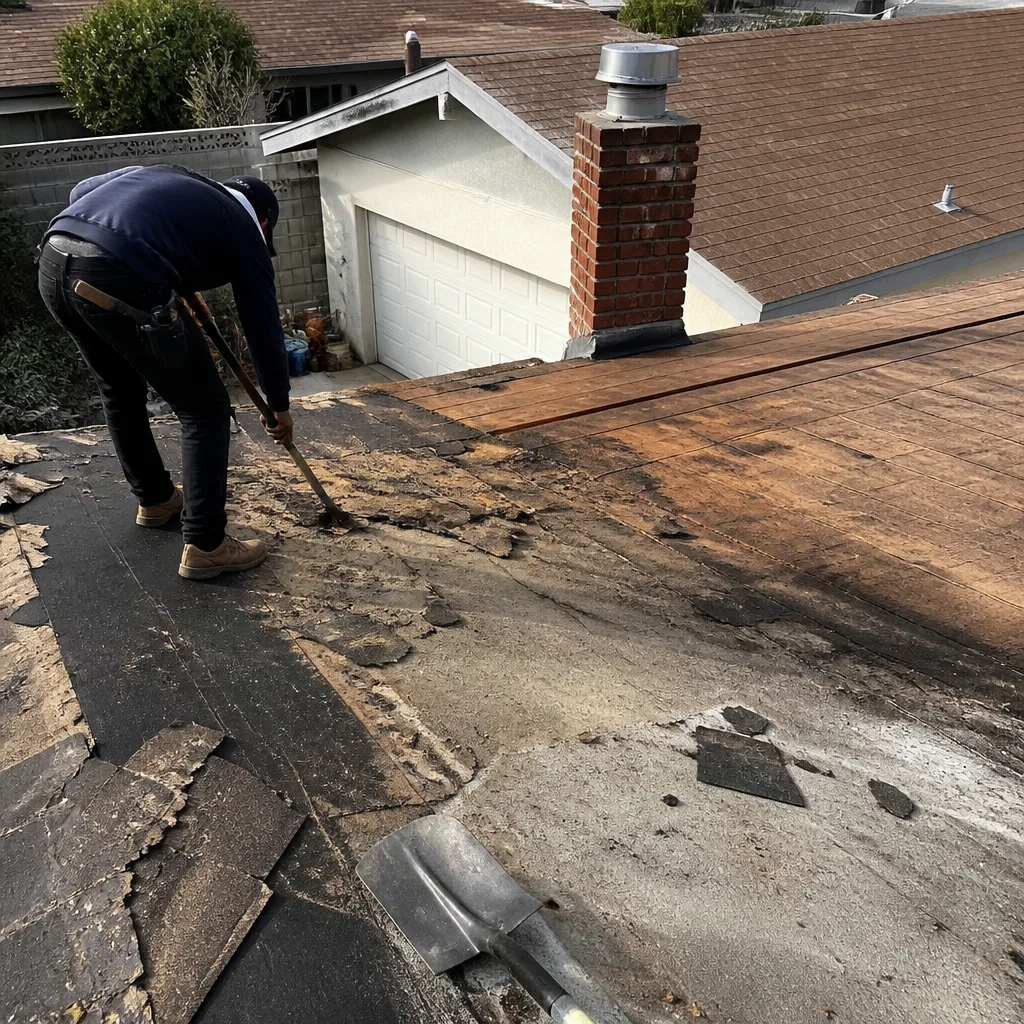 Before
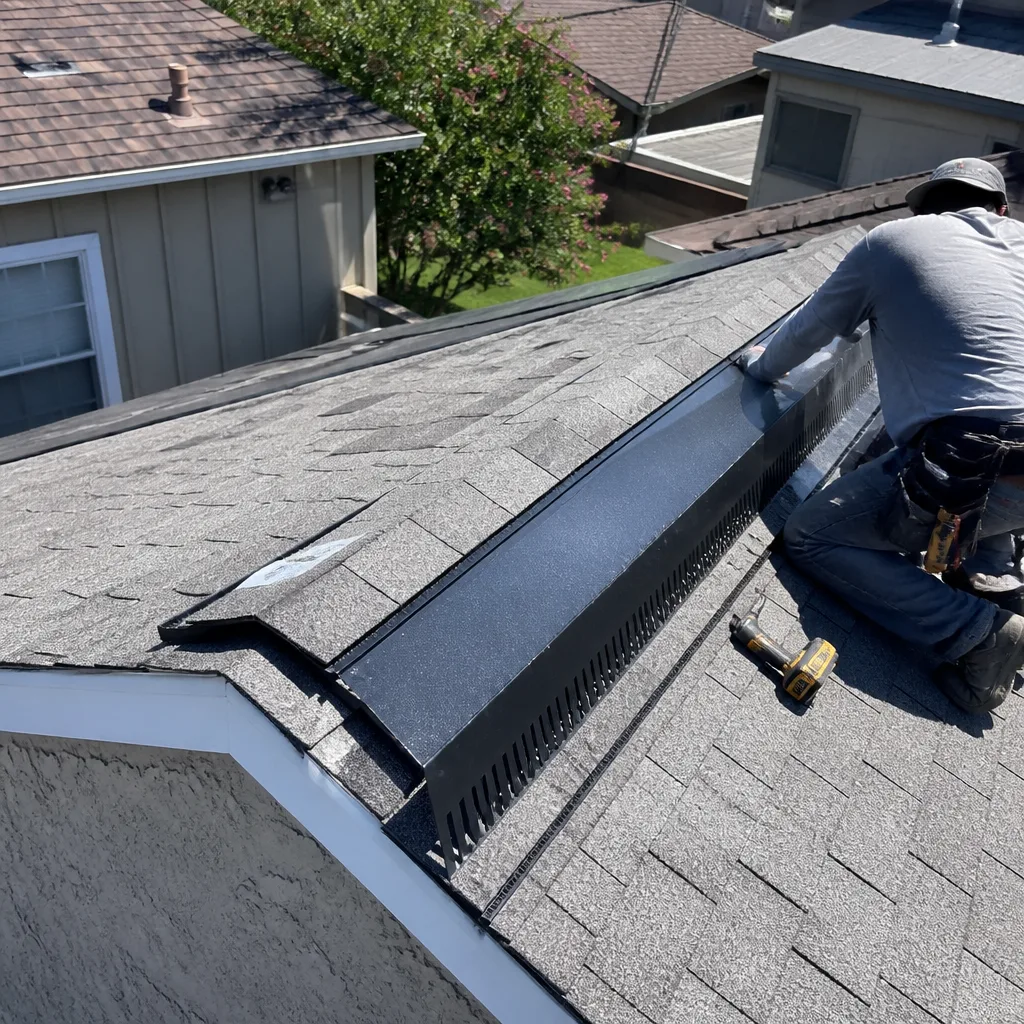 After
AfterHow Long Does Roof Repair Take? Timelines and What to Expect
A patch job that takes 90 minutes on the roof can take 10 days start to finish, and the delay is usually working in your favor. Most homeowners in Los Angeles fixate on the hours a crew spends on the shingles, but the inspection, the written estimate, the wait for dry-enough air, and the final sign-off are where a repair actually succeeds or fails. This guide maps every stage of a Roof Repair honestly, including the waits that protect you, so you know what to expect from the first phone call to the final clean-up photo.
Quick Answer
Most residential roof repairs in Los Angeles take between 2 and 6 hours on the roof itself, with a full start-to-finish timeline of 1 to 10 days when you include inspection, written estimate, material sourcing, and weather scheduling. For a deeper look at what drives these timelines, see our guide on How Long Does Roof Replacement Take? Timelines and What to Expect. A single shingle replacement typically runs 1 to 3 hours, a flashing repair takes about half a day, and a section replacement can take a full day. The on-roof work is usually the shortest part of the process.
Table of Contents
- Stage 1: The Initial Inspection
- Stage 2: The Written Estimate
- Stage 3: Material Lead Time
- Stage 4: The Weather Window
- Stage 5: The On-Roof Work Itself
- Stage 6: Clean-Up and Photo Sign-Off
- Legitimate Delays vs. Red Flags
- Common Mistakes to Avoid
- When to Call a Professional
- Frequently Asked Questions
Stage 1: The Initial Inspection
Before anyone climbs onto your roof, a proper repair starts with a thorough look at what’s actually going on up there. In our experience, the inspection itself takes 30 to 60 minutes, and it’s the stage homeowners most often underestimate. A roof leak in Los Angeles can start as a small crack in flashing near a chimney, travel along a rafter, and show up as a water stain ten feet from the source. Finding the true entry point takes time and patience.
Here’s what an inspection should cover, in order:
- The interior clue. Water stains on ceilings or walls give the first hint about where the leak originates. We ask when you first noticed it and whether it gets worse after specific weather.
- The roof surface walk. A careful step-by-step look for cracked, curling, or missing shingles, plus any blistered or brittle spots.
- The penetration points. Chimneys, vents, skylights, and pipe boots are where most leaks begin. These get special attention because the flashing around them fails long before the shingles do.
- The gutter and deck check. Granules collecting in gutters signal shingle decay. A soft spot on the deck suggests water has been sitting under the surface.
An inspection that feels rushed is a warning sign. A good inspector will show you photos and explain what they found in plain language. At Birchbark Roofing, the inspection is the foundation of the written price you get before any work starts. If a roofer quotes without looking, that number is a guess, not a price, and guesses have a way of growing once the tear-off starts.
Stage 2: The Written Estimate
After the inspection, you should receive a written price. Not a verbal ballpark, not a text message, not a handshake number. A written line-item estimate delivered to your email or in hand. This step usually takes 24 to 48 hours in a busy Los Angeles season, and it’s worth the wait.
Here’s what a written estimate should include:
- The specific repair scope, named by section, not just “roof work.”
- Line items for materials, labor, and any disposal or permit fees.
- The material brands being used, so you know you’re getting what’s quoted.
- A clean-up plan, not just “we’ll take the debris.”
- A start-to-finish time estimate that names the stages.
We’ve seen homeowners in Los Angeles accept a verbal quote, then watch the final bill climb by hundreds of dollars because the written scope never existed. A written price protects you from that. It’s one of the reasons every Birchbark Roofing job includes a written price before any work starts, always. If a roofer won’t put it in writing, you’re not getting a price; you’re getting a pitch.
The wait between inspection and estimate delivery is not dead time. It’s the roofer verifying material availability and current supplier pricing so the number holds. That’s the kind of delay that works in your favor.
Stage 3: Material Lead Time
Once you approve the written estimate, the next variable is how quickly the materials arrive. For common asphalt shingles, this is often 1 to 3 days in the Los Angeles market. For specialty materials like certain IKO, Atlas, or Tamko profiles, or specific flashing components, lead time can stretch to 5 to 7 business days.
Material lead time is invisible to most homeowners, and it’s the most common source of “why hasn’t anyone come out yet” confusion. The truth is simple: a roofer who waits for the correct material is doing you a favor. A roofer who substitutes whatever is on the truck is doing the opposite.
Some materials legitimately take longer:
- Specialty shingle colors that match a discontinued line may need to be sourced from a regional distributor.
- Metal flashing pieces for older Los Angeles homes with unusual chimney designs often need to be cut to order.
- Certain Boral tile profiles for mid-century homes are not stocked at every yard and may add a few days.
If you’re told material lead time is two weeks for a common asphalt shingle, ask why. A few days is normal. Two weeks for standard material suggests the roofer hasn’t actually checked and is padding the schedule.
Stage 4: The Weather Window
Los Angeles homeowners often assume any day without rain is a fine day for roof work. That assumption is wrong, and it’s one of the most useful things to understand about repair timelines. Two local weather patterns matter more than rain: marine layer moisture and Santa Ana winds.
The marine layer. Morning fog and low cloud cover, especially in coastal Los Angeles neighborhoods, leave shingles damp and slick for the first several hours of the day. Adhesives and sealants also cure differently in humid air. If a repair involves sealing or re-bedding flashing, doing it in a damp marine layer means the seal may not bond fully. A crew that reschedules for a predicted heavy marine layer is doing the right thing, not making an excuse.
The Santa Anas. Hot, dry offshore winds can reach 40 to 60 mph in the passes and foothills of Los Angeles County. High winds make shingle handling dangerous and blow debris into neighbors’ yards. More importantly, some adhesives cure too quickly in hot, dry wind, which reduces bond strength. A good roofing crew watches the wind forecast as closely as the rain forecast.
This is the stage where an honest roofer tells you “Thursday looks better than Tuesday,” and you should listen. The wait is protecting the integrity of the repair. A crew that shows up on a wet, windy morning and slaps shingles down anyway is the crew you’ll be calling again in six months.
Stage 5: The On-Roof Work Itself
The actual on-roof repair is the part most people think of as “the job,” and it’s usually the shortest stage. Here are honest time ranges for the three most common repair scopes in Los Angeles:
Single-Shingle Patch: 1 to 3 Hours
A few cracked, curled, or missing shingles on an otherwise healthy roof is a small job. The work involves removing the damaged shingles, checking the underlayment beneath, replacing with matching material, and sealing. On a straightforward Los Angeles bungalow, expect 1 to 3 hours from setup to clean-up. This is the closest thing to same-day roof repair, and it’s often scheduled between larger jobs.
Flashing Repair: Half a Day
Flashing around chimneys, vents, and skylights fails before shingles do. Repairing it means removing the surrounding shingles, lifting the old flashing, inspecting the wood underneath, replacing or re-sealing the flashing, and reinstalling everything. This is 3 to 5 hours of careful work, and it’s not a corner-cutting job. In our experience, Los Angeles homes with older chimneys often have original flashing that’s been patched with caulk for decades, and removing that build-up takes time.
Section Replacement: Full Day
When a section of roof, say a valley or an entire slope, has widespread damage, the repair becomes a small replacement. This means tearing off the section, inspecting and possibly replacing underlayment, installing new shingles, and replacing all flashing and edge metal in that section. Plan for a full 6 to 8 hour day, sometimes with a return visit for final sealing if the material needs to set.
None of these timelines are set in stone. They’re what an honest schedule looks like when cleanup and quality checks are included, not just the time the shingles are being nailed down.
Stage 6: Clean-Up and Photo Sign-Off
The job isn’t done when the last nail goes in. A responsible Los Angeles roofing crew treats the end of the job as carefully as the beginning, and that means two things: real clean-up and written sign-off.
The clean-up protocol. Roofing creates debris, nails, old shingles, granules, and dust. That debris ends up in your yard, your gutters, and sometimes inside your home on shoes and clothing. A professional crew uses magnetic nail sweepers across the yard and driveway, clears the gutters of installation debris, and walks the property line to make sure nothing landed in a neighbor’s space.
At Birchbark Roofing, the inside of your home gets the same attention as the outside. Shoe covers go on at the door, drop cloths run through any hallway the crew passes through, and if the dog needs to stay inside, we coordinate the door schedule with you. We use pet-safe product choices where there’s a choice. The goal is simple: when we leave, you shouldn’t know we were there except for the fixed roof.
The photo sign-off. Once the repair is complete and the site is clean, you should receive a photo of the finished work and the clean-up. This is your documentation that the job is done. It’s also your reference for warranty claims or future inspections. A roofer who finishes and drives away without showing you the finished work is asking you to trust memory. We don’t. You receive the photo before the crew leaves.
Legitimate Delays vs. Red Flags
Not all delays are bad, and not all speed is good. Here’s how to tell the difference in Los Angeles roofing.
Legitimate delays that mean the roofer is doing their job:
- A reschedule for a predicted marine layer or Santa Ana wind event. This means the crew is watching the weather and protecting the repair’s integrity.
- A wait for the correct material instead of a substitution. This protects the look and lifespan of your roof.
- An extra half day added for a flashing repair because the wood underneath needs replacement. Discovery work is real. Good roofers tell you about it when they find it, not after they’ve covered it up.
Red flags that mean it’s time to call someone else:
- Three reschedules with no clear weather or material explanation. That’s not caution. That’s scheduling chaos, and it will infect the work.
- A quote given without an inspection. There’s no way to honestly price roof work you haven’t looked at.
- A crew that won’t provide a written price. In Los Angeles, there are too many qualified roofers to accept a verbal-only commitment.
- A clean-up step that keeps getting pushed to “tomorrow.” Debris left overnight becomes debris left for good.
The right delay protects your home. The wrong delay wastes your time. The difference is whether you can see the reason.
Common Mistakes to Avoid
- Hiring based on speed alone. “We can be there this afternoon” is attractive, but a repair you need again in a year costs more than a repair that took a week to schedule properly. The pace of the scheduling is not the same as the quality of the work.
- Accepting a verbal quote. In a hot Los Angeles market, no written price means no commitment to the number. Get it in writing or keep looking.
- Ignoring the clean-up plan. A roofer who won’t tell you how they’ll protect your floors and yard is a roofer who hasn’t thought about it. That attitude shows up in the work itself.
- Patching over the wrong problem. Leaks travel. Fixing the shingle above the stain without tracing the water path means you’ve repaired a symptom, not the cause.
- Skipping the final photo. If a roofer won’t show you the completed work cleanly photographed, you lose documentation for your own records and any future claim. Insist on it.
- Treating all delays as suspicious. Some delays are the sign of careful work. Learn to spot the difference between weather caution and scheduling chaos, then choose a roofer who explains the reason either way.
For more on how repairs fit into the larger picture of your home’s roof health, see our guide on Roof Repair in Los Angeles.
When to Call a Professional
Some roof issues you can watch and wait. Others need a professional on the roof now. Call if you see water staining on a ceiling after rain, shingles in your yard after a wind event, daylight visible through attic boards, or granules collecting in downspouts during dry weather. Sagging spots, cracked flashing around chimneys, and any roof over 20 years old with visible wear also warrant a professional look. Los Angeles roofs face a specific combination of sun exposure, marine moisture, and Santa Ana wind, and small failures compound quickly in that climate. If you’re unsure whether something is urgent, document it with photos and call a roofer who will look before quoting. Birchbark Roofing offers free estimates in Los Angeles, call (424) 766-4937 to schedule yours. We’re part of the Roofing Company in Los Angeles trusted by local homeowners for repairs, and we’ll give you a written price before any work starts.
Frequently Asked Questions
Most roof repairs in Los Angeles take 1 to 10 days start to finish. The on-roof work itself is usually 2 to 6 hours, but inspection, written estimate, material sourcing, and weather scheduling add time. For related timing details, read How Long Does Roofing Company Take? Timelines and What to Expect. A single-shingle patch can be completed same week; a section replacement with material lead time often takes closer to 7 to 10 days. Call (424) 766-4937 to get a written estimate with a timeline for your specific repair.
Sometimes, yes. A small, straightforward shingle replacement on a clear Los Angeles day can often be done same day if the matching material is in stock and the crew has availability. Larger leaks involving flashing or structural damage usually need a half day to a full day, plus inspection time. If you have active water coming in, call (424) 766-4937 and we’ll assess urgency honestly, no pressure.
Los Angeles marine layer moisture and Santa Ana winds affect roof repairs even when there’s no rain. Damp shingles don’t seal properly, and high winds make shingle work unsafe and compromise adhesive curing. A crew that reschedules for these conditions is protecting your repair’s integrity. If the reschedule comes with a clear weather explanation, it’s a good sign, not a red flag.
A single shingle replacement is the fastest common repair, typically 1 to 3 hours on the roof. It involves removing the damaged shingle, checking the underlayment, installing a matching replacement, and sealing. This is usually scheduled between larger jobs and can often be done within a day or two of inspection and approval.
Most residential roof repairs in Los Angeles run between $450 and $2,500 depending on scope. A single-shingle patch is typically $450 to $800, flashing repair runs $800 to $1,800, and a section replacement runs $1,500 to $4,000 or more. You’ll see your exact number in writing before we start, because Birchbark Roofing provides a written price on every job, always. Call (424) 766-4937 for a free estimate.
It shouldn’t, if the written price was based on a real inspection. Discovery work can reveal hidden damage, but that should be explained and approved before additional scope is added. At Birchbark Roofing, the written price you receive is the commitment we make. If we find something unexpected during a repair, we stop, show you photos, explain the options, and get your approval in writing before proceeding. You’re never surprised by a bill.
Minor repairs like shingle replacement usually don’t require permits in Los Angeles. Larger repairs or section replacements may. We handle permitting when it’s required, so you don’t have to navigate city processes alone. If you’re exploring a larger project, our guide on Roof Replacement in Los Angeles covers what to expect from the permitting process.
Most adhesives and sealants used in roof repair reach full bond strength within 24 to 72 hours of application, depending on weather conditions. After that window, the repair is fully set. The first heavy rain is the real test, and a properly done repair should hold with no sign of moisture inside. If you see any dampness after the next rain, call (424) 766-4937 right away, it’s covered by our 365-Day Done Right Promise.
The Bottom Line
A roof repair’s on-roof time is the shortest part of the process. The inspection, the written estimate, the material wait, and the weather window are where quality is actually decided. In Los Angeles, that means respecting the marine layer and Santa Ana winds, getting a written price before work starts, and insisting on documented clean-up and a photo of the finished job. The best roofers aren’t the fastest, they’re the most transparent about what happens before the shingles go down and after the last nail goes in. That’s the repair that lasts. For more guides & resources on protecting your home, visit our blog.
Written by Erik Lindgren, Owner at Birchbark Roofing, serving Los Angeles since 2000.