
Last updated October 8, 2026
Free roof inspection with deck photos before we talk money - GAF and Owens Corning certified installation
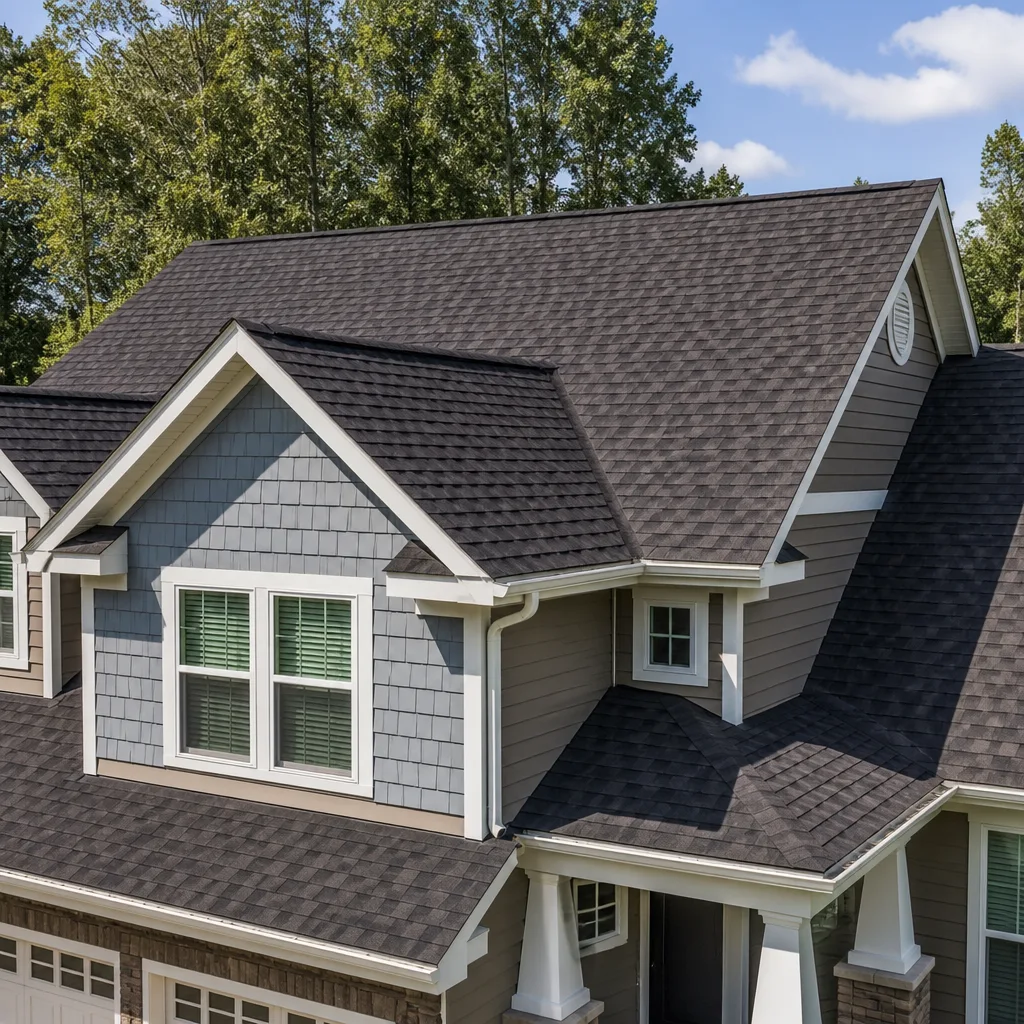
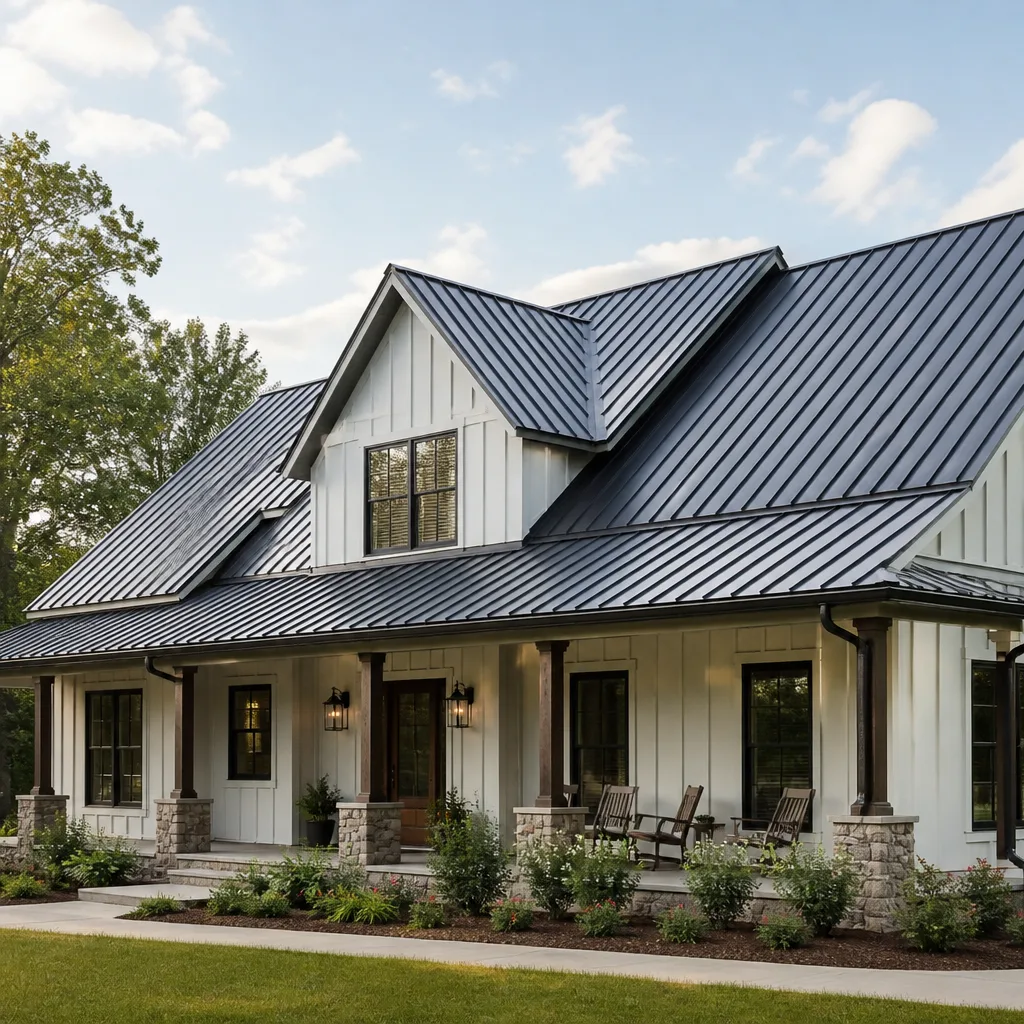
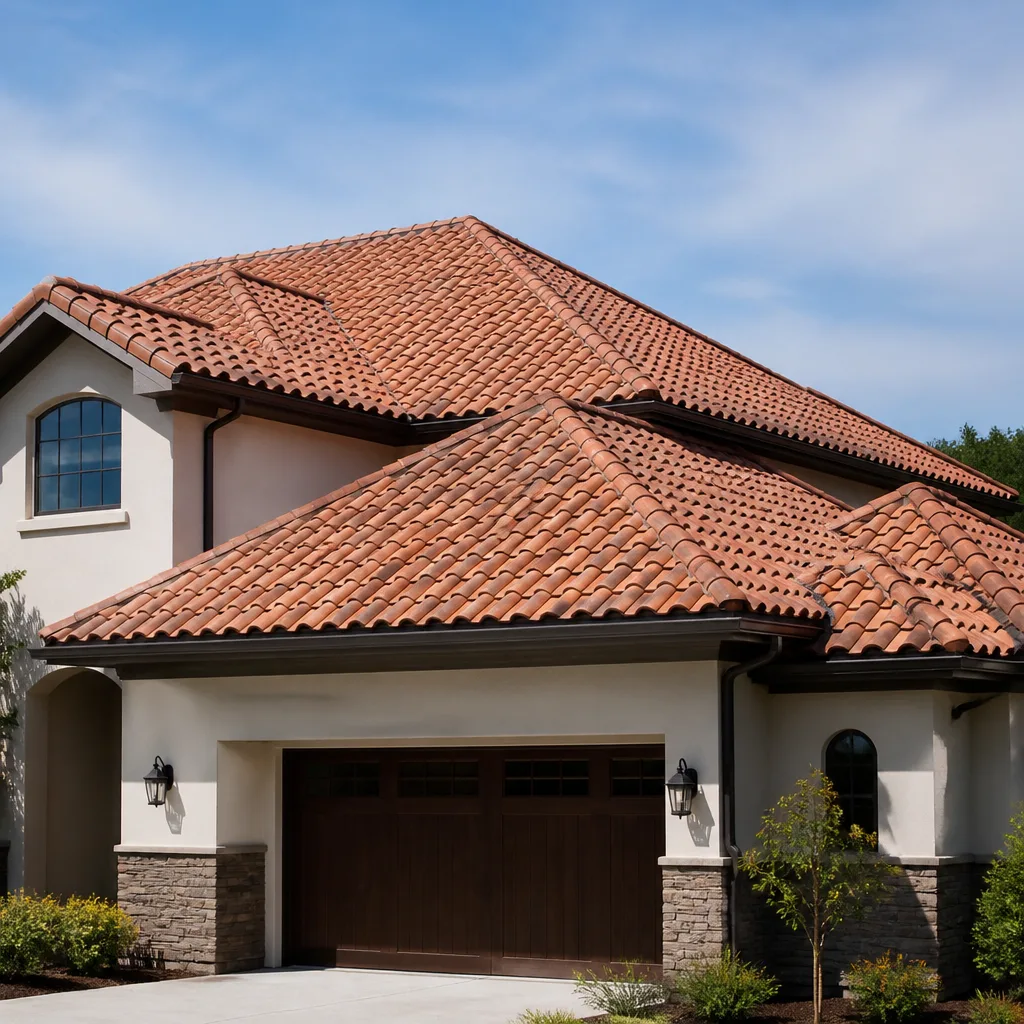
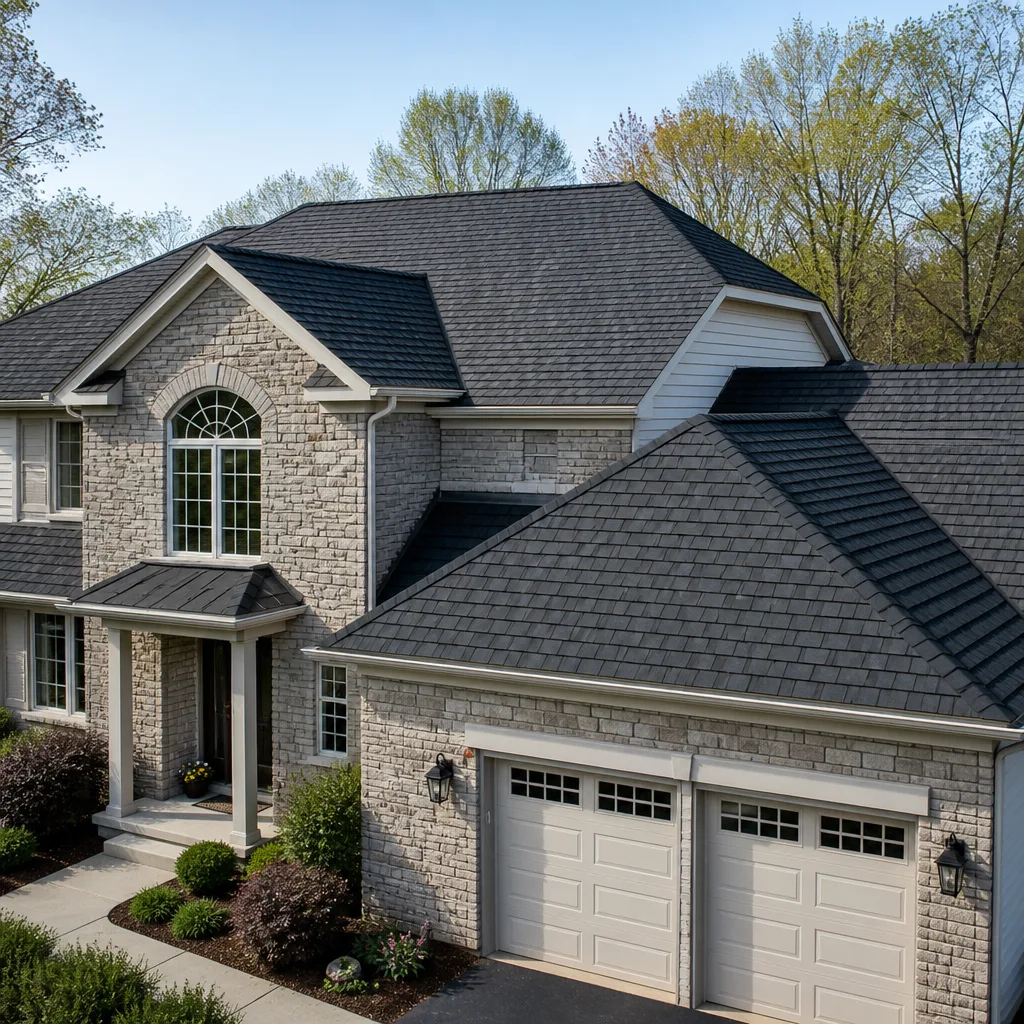
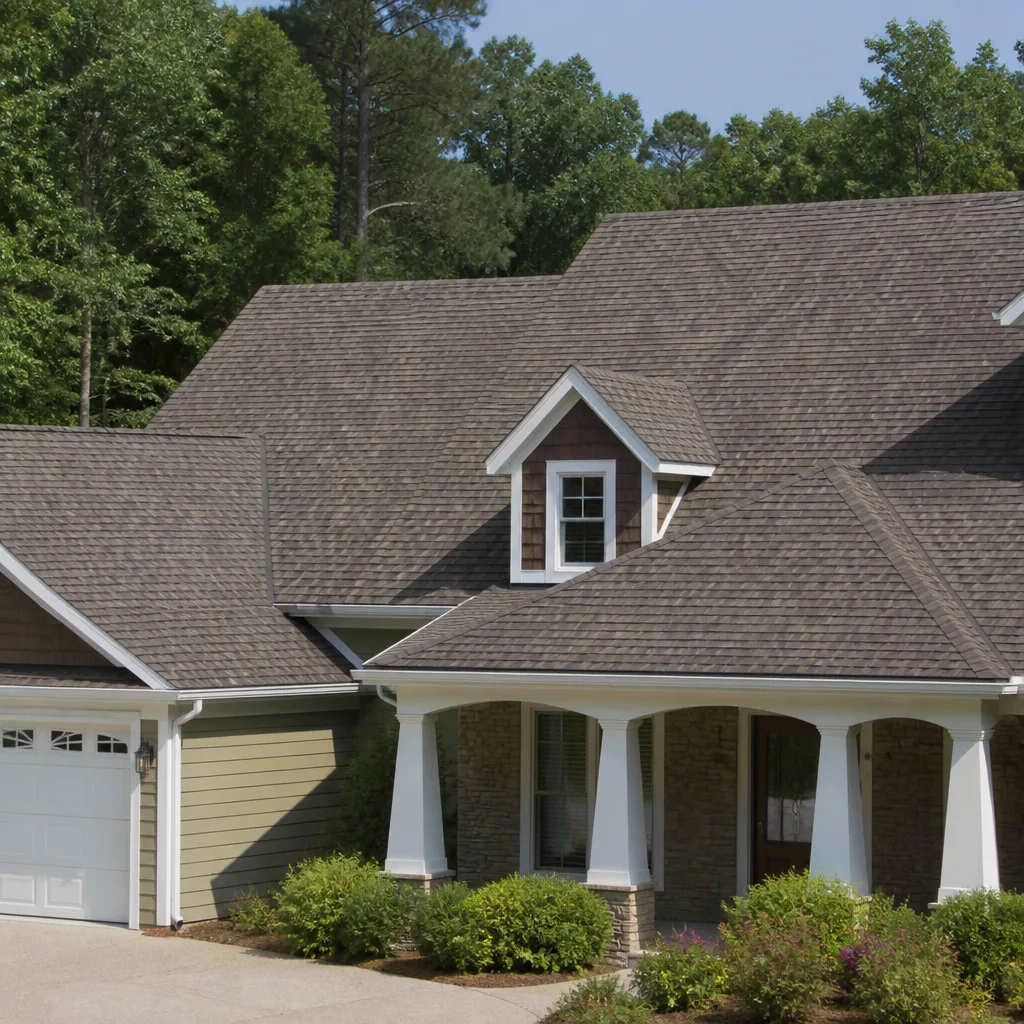
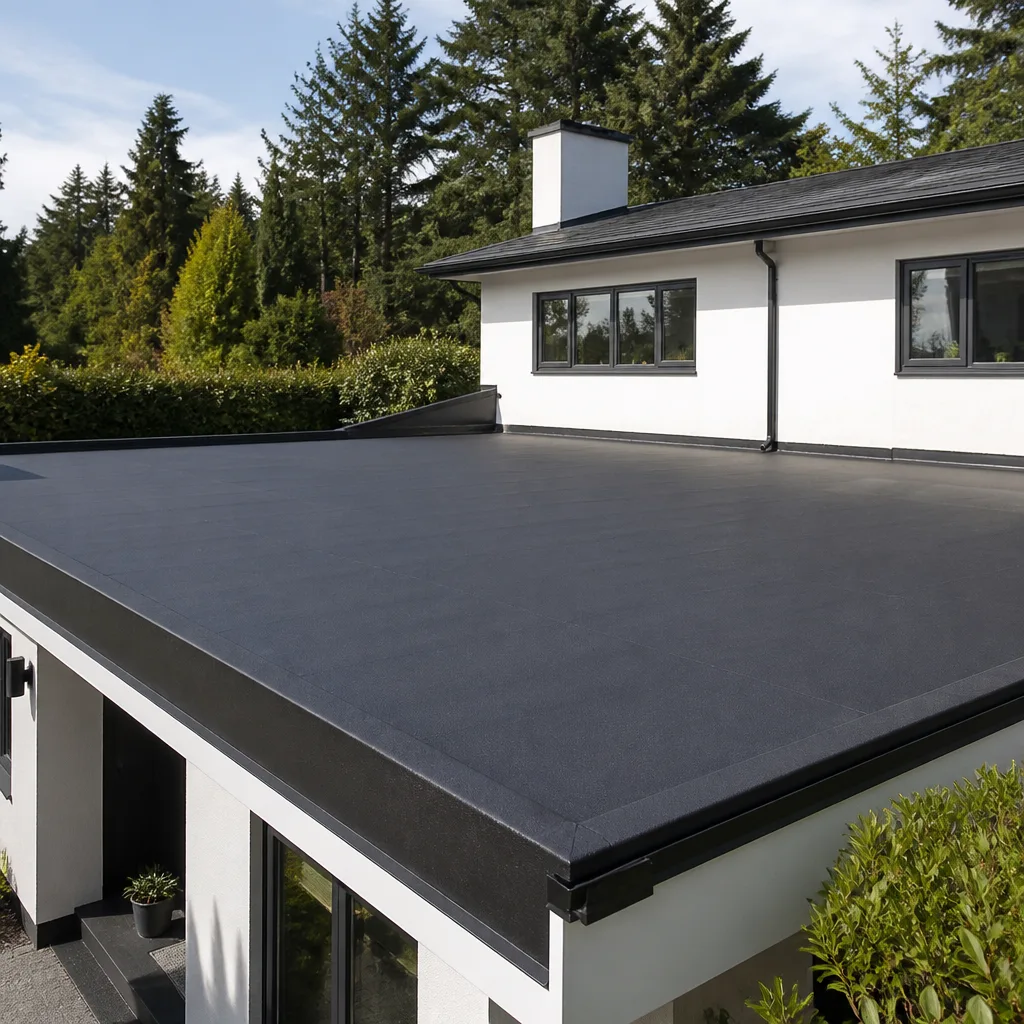
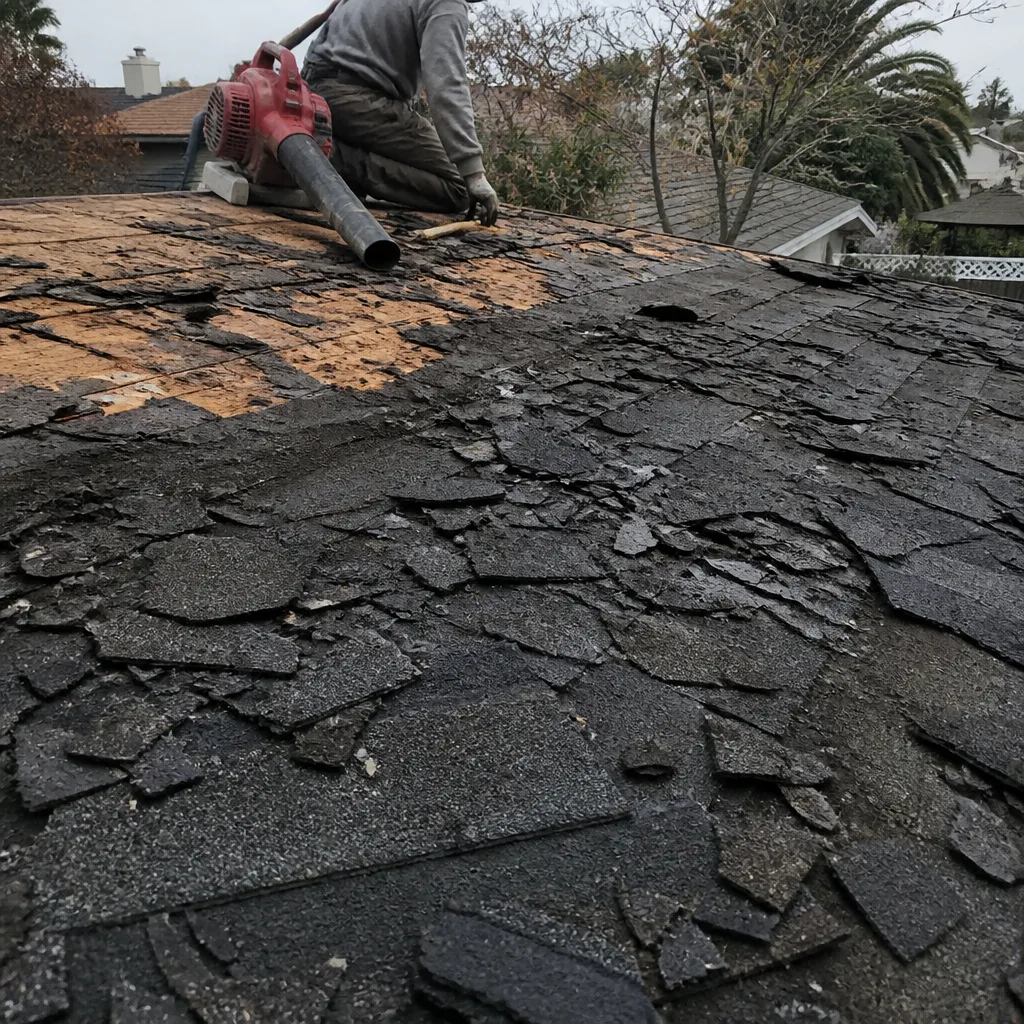 Before
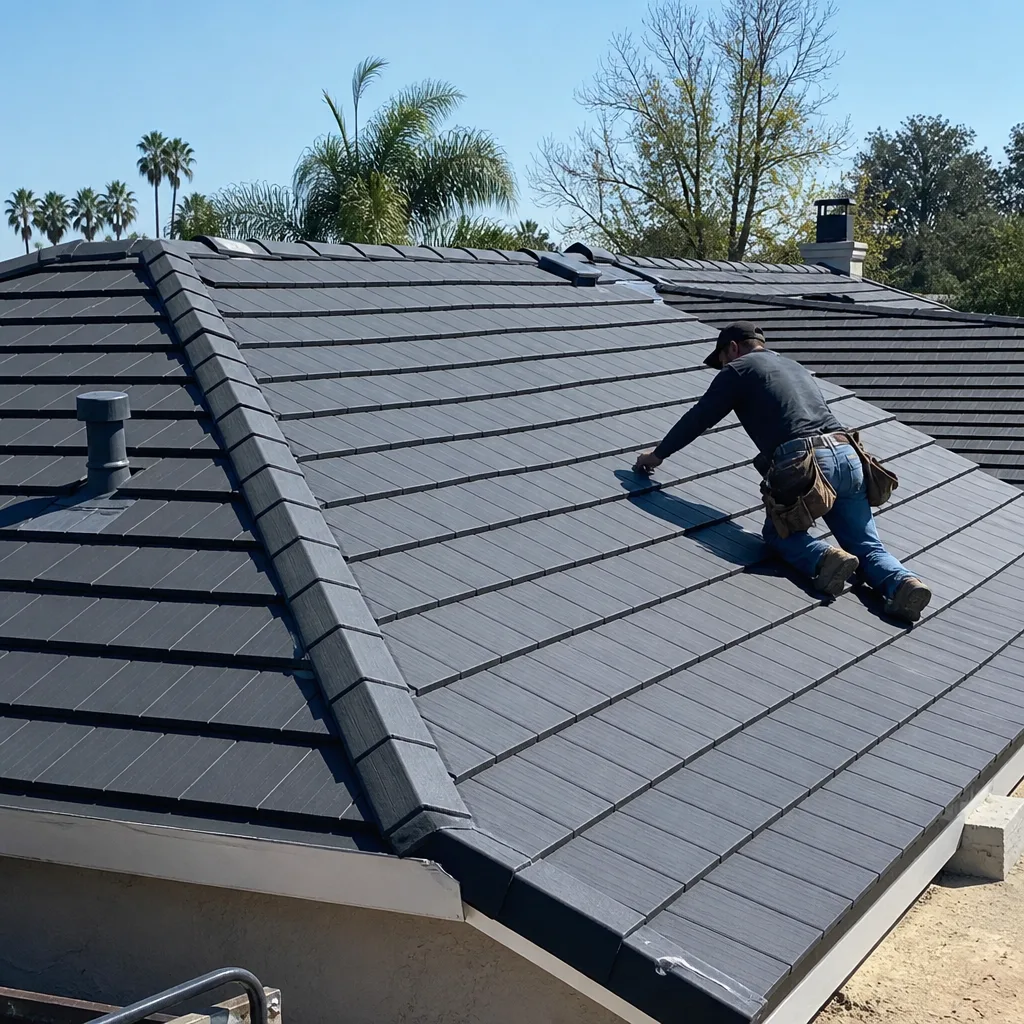 After
After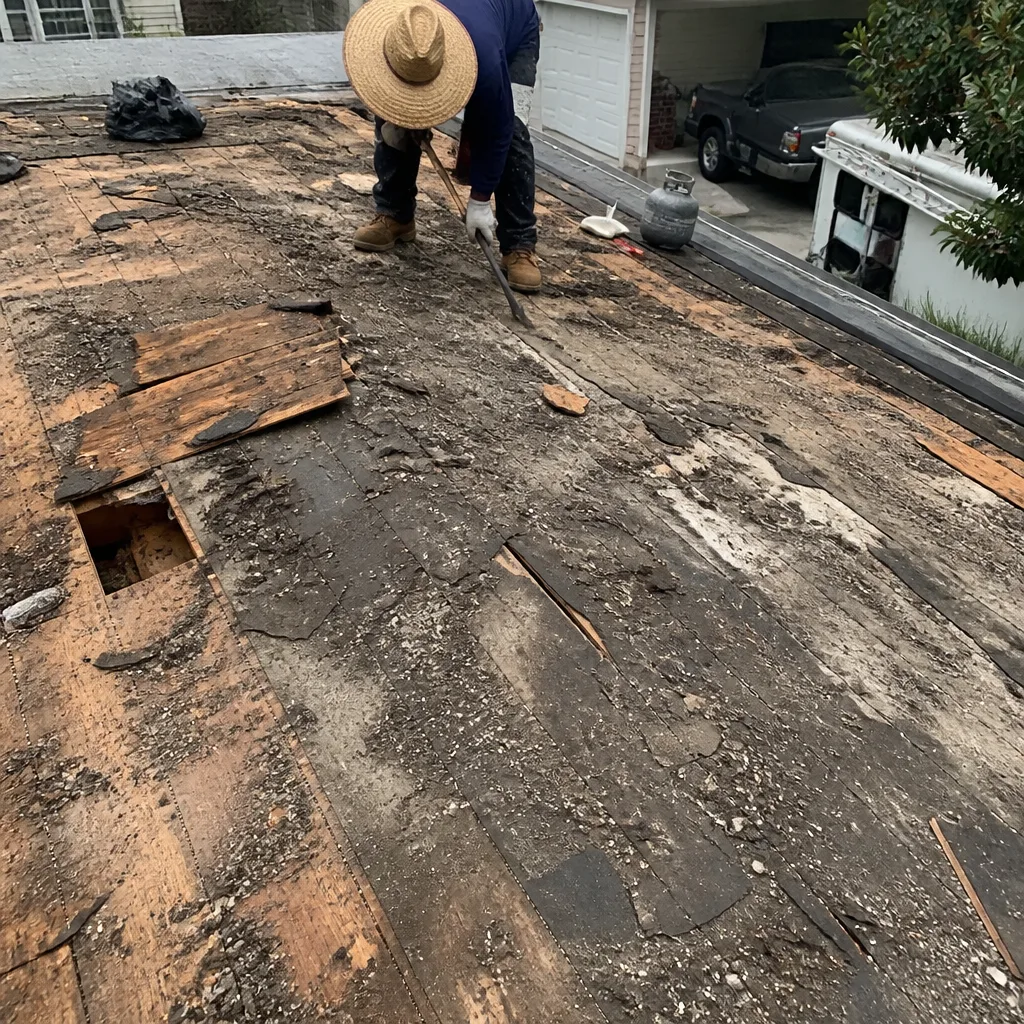 Before
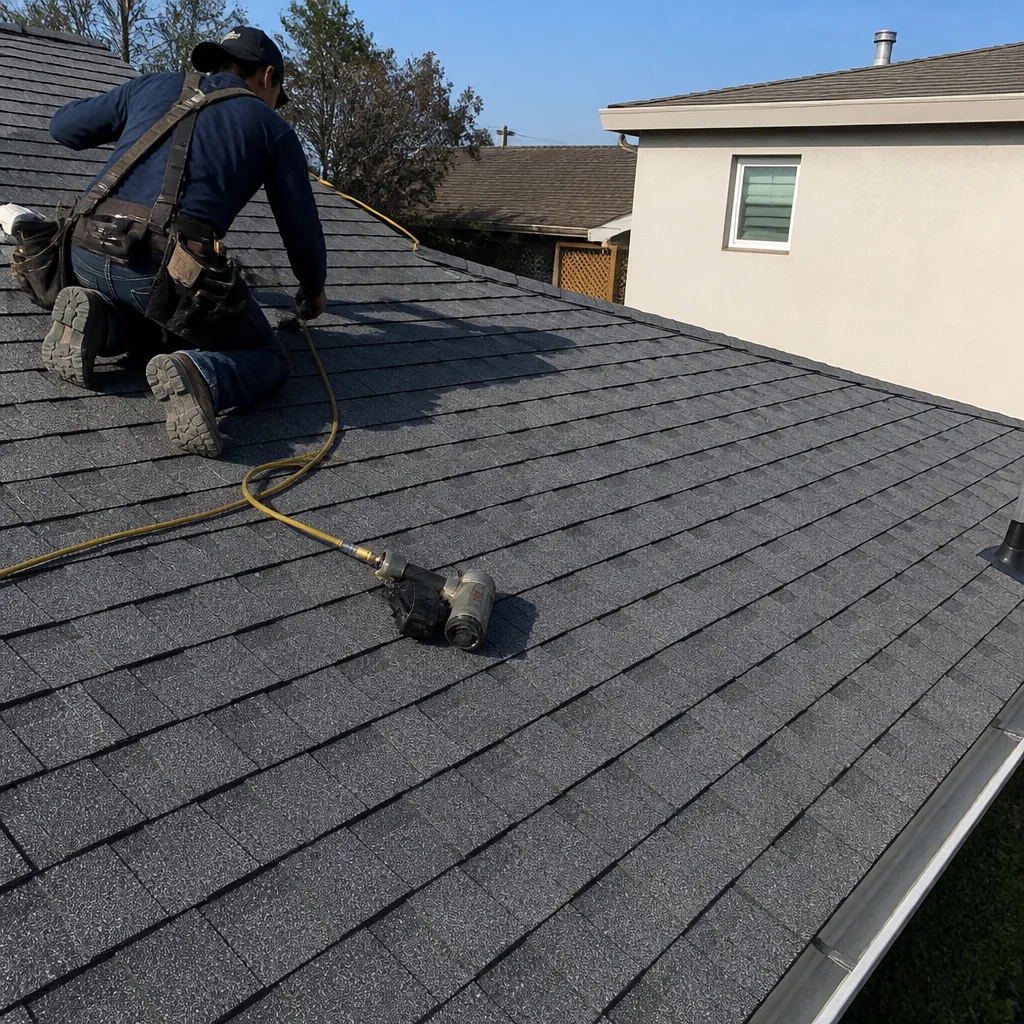 After
After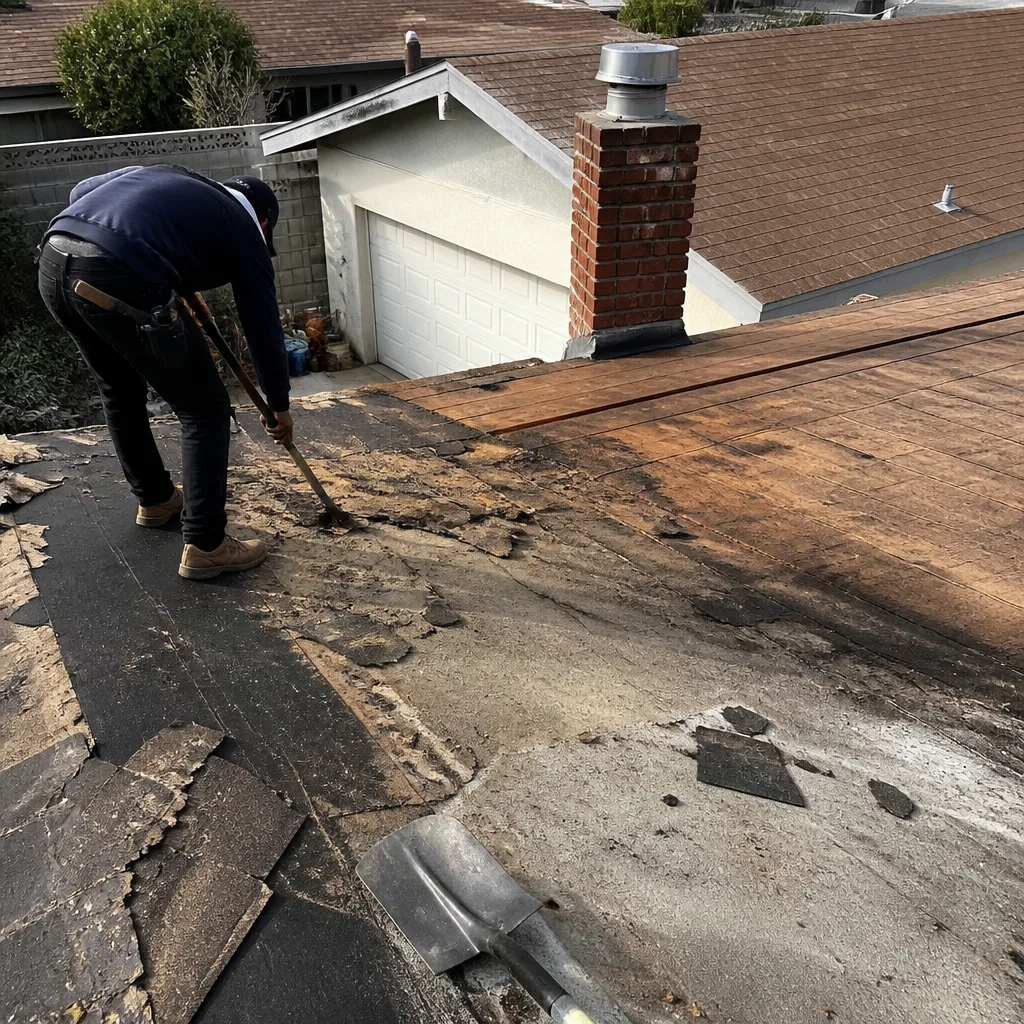 Before
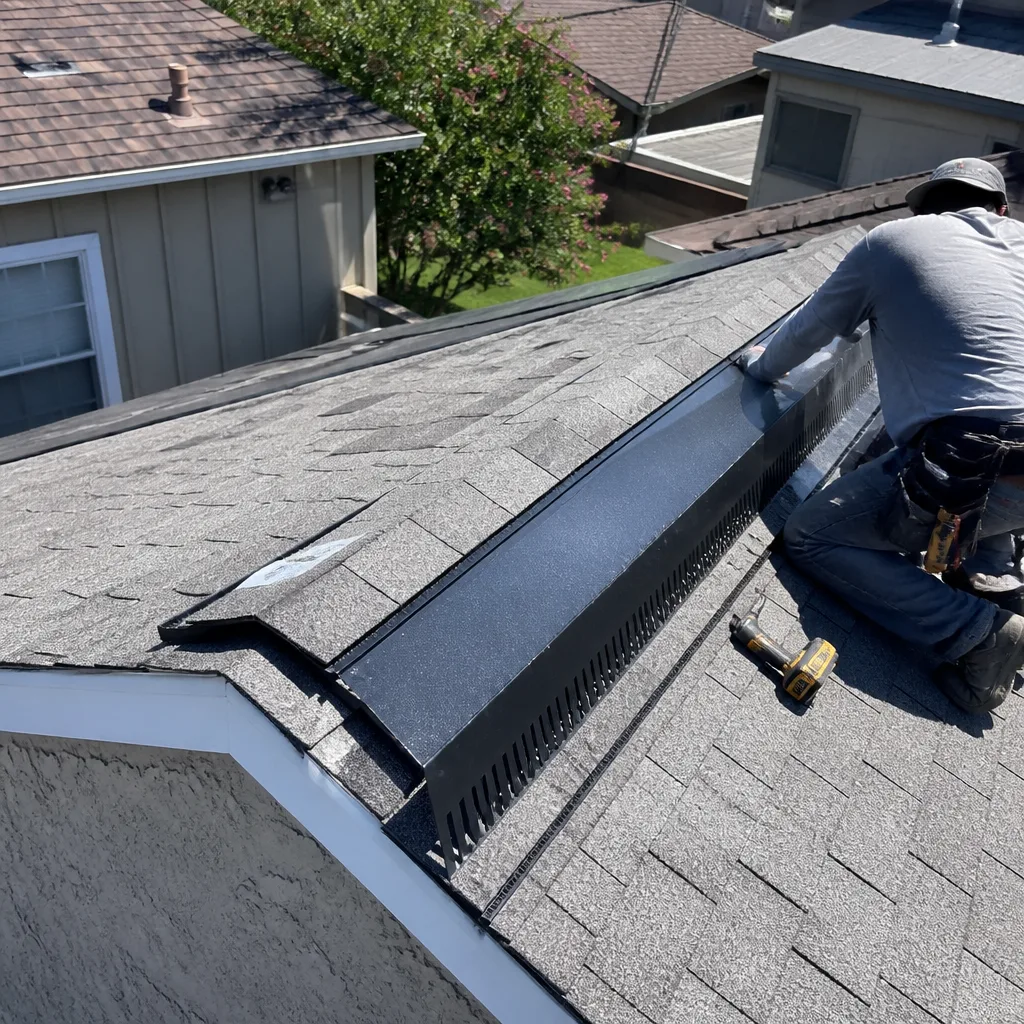 After
AfterThe Complete Roofing Company Guide for Los Angeles Homeowners
California’s Contractors State License Board logs thousands of roofing complaints every year, and the single most common thread isn’t bad shingles or sloppy flashing. It’s no written scope of work before the job started. A homeowner in Los Angeles agrees to a verbal estimate, the crew shows up, and suddenly the price has shifted, the materials are different, and nobody can prove what was actually promised. This guide will walk you through the paperwork trail that separates Roofing Company services worth hiring from a gamble. By the time you finish reading, you’ll know exactly which documents to collect before anyone climbs a ladder at your Los Angeles home.
Quick Answer
Hiring a roofing company in Los Angeles comes down to four documents you should receive before work begins: a CSLB license number, a written estimate with a dollar figure, a clear statement about lien waivers, and confirmation of who pulls the permit. A legitimate Los Angeles roofer will provide these without being asked, and they’ll name the materials, the scope, and the clean-up plan in writing. If a company can’t produce those four things, keep looking.
Table of Contents
- The Four Documents Every Los Angeles Roofer Must Provide
- How Los Angeles Climate Zones Dictate Your Roofing Materials
- Free Inspection vs. Paid Diagnostic: How to Tell Them Apart
- How to Read a Roofing Bid Line by Line
- The Cedarwell Care Promise Checklist: What to Demand in Writing
- Permits, Code, and the Los Angeles Building Department
- Questions to Ask Before You Sign Anything
- Common Mistakes to Avoid
- When to Call a Professional
- Frequently Asked Questions
The Four Documents Every Los Angeles Roofer Must Provide
Before any roofing company starts work on your Los Angeles home, there are four pieces of paper you need in hand. Not promised. Not “we’ll email it over.” In hand, before the crew arrives. We’ve walked through hundreds of these jobs at Birchbark Roofing home, and the homes that had trouble were almost always the ones where these documents were missing or vague.
The four documents are:
- CSLB license number. Every legitimate roofing contractor in California must carry a C-39 roofing license issued by the Contractors State License Board. Ask for the number and verify it on the CSLB website. If a company hesitates or gives you a general contractor’s license, that’s a flag.
- Written estimate with a specific dollar figure. Not a range. Not a ballpark. A written price in dollars, itemized enough that you can see what you’re paying for. Birchbark includes this as standard on every job, and any roofing company you hire in Los Angeles should do the same.
- Lien waiver option. A lien waiver protects you if the roofer fails to pay their material suppliers or subcontractors. Ask how the company handles lien releases, and get it in writing. You’d be surprised how many Los Angeles homeowners learn about this only after a supplier files a claim against their property.
- Permit pull confirmation. Los Angeles requires permits for full roof replacements and many repairs. The contract should state in writing who pulls the permit - you or the contractor - and who is responsible for the inspection. If the roofer suggests skipping the permit to save money, walk away.
These four documents are the minimum baseline. A roofing company that resists any of them is telling you something about how they run the rest of the job. Our team at Roofing Company in Los Angeles hands over these documents before you sign a contract, because a job that starts with clear writing tends to end with a homeowner who never has to call a lawyer.
How Los Angeles Climate Zones Dictate Your Roofing Materials
Los Angeles is not one climate. A home in San Pedro lives in the marine layer - cool, damp mornings, salty air off the Pacific, and moderate temperatures year-round. A home in Woodland Hills or Canoga Park sits in the inland heat basin, where summer afternoons push past 100 degrees and the roof deck expands and contracts hard every day. Those two homes need different materials, and a good roofing company in Los Angeles will ask which one you live in before recommending anything.
Coastal zones, from Santa Monica through the South Bay, punish roofs with persistent moisture and salt. Asphalt shingles near the coast can develop algae staining faster, and metal flashing corrodes quicker in salt air. Homes in these areas often do better with materials like Boral tile or Atlas shingles with algae-resistant granules. The marine layer doesn’t just make roofs look dirty; it shortens the life of any material that doesn’t shed moisture quickly. In places like Marina del Rey, we regularly see older three-tab shingles curling and lifting within a decade if they never got a proper ventilation pass.
Inland, the enemy is heat and UV. Roof surfaces in the San Fernando Valley can hit 150 degrees in August. That kind of sustained heat breaks down asphalt binders and accelerates granule loss. A Tamko or IKO architectural shingle with a strong wind rating and high solar reflectance will hold up far better than the cheapest strip shingle. The right underlayment matters too - a high-temperature synthetic underlayment keeps the roof deck from cooking beneath dark shingles.
This is why we write the material spec into every bid, not just the brand, but the specific line. Because “GAF shingles” means different things on a Palos Verdes coastal home than on a Reseda ranch. If you’re comparing two Roof Replacement in Los Angeles bids, check that both companies are quoting the same climate-appropriate product line, not just the same brand name.
Free Inspection vs. Paid Diagnostic: How to Tell Them Apart
Los Angeles sees a wave of roofing crews after every big wind event and heavy rain season. They knock on doors, offer a free inspection, and then “discover” damage that needs immediate work. Some of those companies are legitimate. Plenty are not, and the structural difference comes down to what the inspection is actually for.
A free inspection from a storm-chasing crew is a sales call. The technician’s incentive is to find something that justifies a job, because the free visit only pays off if you sign a contract. Often, the “damage” is pre-existing wear, or worse, damage created by the inspector’s own ladder or deliberate lifting of shingles. A paid diagnostic from a local company inverts the incentive: the company gets paid whether or not you hire them, so they have no reason to invent a problem. For more on when to handle things yourself, see our guide to DIY vs Professional Roof Repair: What’s Safe to Do Yourself.
Here’s how to tell them apart:
- Ask if the inspection report goes to you or stays with the company. A legitimate diagnostic produces a written report in your hands, with photos, measurements, and an itemized assessment. A sales pitch produces a verbal explanation and a quote.
- Ask where the company is based. A roofer with a Los Angeles address and a local crew has a reputation tied to the city. Storm chasers are gone by the next rain season.
- Ask what happens if the inspection finds nothing. A paid diagnostic company will tell you everything is fine and leave. A storm chaser will invent something.
We don’t offer bait-drive inspections. Roof Repair in Los Angeles from Birchbark starts with a written estimate for any work we recommend, and if we come out and find the roof is fine, we tell you that. The incentive structure should point toward the truth, not toward a sale.
How to Read a Roofing Bid Line by Line
Most Los Angeles homeowners compare roofing bids by looking at the bottom number, and that’s how they end up with two prices that aren’t for the same job. A $14,000 bid and a $9,000 bid might both say “roof replacement,” but one includes new sheathing, three new vents, and a crane rental, while the other leaves all of that buried in change orders. Here’s the line-by-line checklist we recommend every homeowner run before comparing numbers.
- Verify the square footage. The bid should state the roof area in squares (1 square = 100 square feet). If two bids disagree on the square count, one of them measured wrong, and the price will shift once the crew arrives.
- Look for a line about tear-off and disposal. Removing the old roof and hauling debris costs real money. If one bid doesn’t include it, that bid isn’t for a full replacement - it’s for a reroof over the old shingles, which LA code may not allow on all structures.
- Check for underlayment and flashing details. The bid should name the underlayment product and call out flashing work at chimneys, walls, valleys, and penetrations. “Flashing as needed” is a red flag. As needed means the price can change once they find something.
- Confirm ventilation and insulation line items. Attic ventilation is part of a proper roof system. A bid that skips it is leaving a standard code item out to look cheaper.
- Read the change order clause. The bid should state how and when change orders are approved, and in writing. A vague clause means the contractor can add costs mid-job without your clear sign-off.
- Find the warranty language. Workmanship warranty and material warranty are different. Know which one the bid includes and for how long.
At Birchbark, every bid includes a written price before any work starts, and every line item is named so you can compare against another company’s line item. Comparing the same scope line by line is the only way to know what you’re actually paying for in Los Angeles, where labor costs and material prices swing widely by neighborhood and job size.
The Cedarwell Care Promise Checklist: What to Demand in Writing
Most homeowners don’t actually fear a bad roof. They fear what the crew does to the house while the roof is being fixed. The floors. The noise. The debris in the flower beds. Whether anyone cleaned up before they left. If you have kids and pets, that fear gets sharper, because a roofing job tears open the top of your home while your family is living inside it.
That’s why Birchbark holds every job to the Cedarwell Care Promise, and why we think every Los Angeles homeowner should demand the same things in writing from any roofer they hire. The promise is built on four values, and we name them plainly:
- Clean up like it is our own home. Shoe covers at the door, drop cloths through the hallway, all debris cleared and photographed before the crew leaves. You get a photo of the completed clean-up before the crew pulls away.
- Ask before we move or touch anything. Patio furniture, potted plants, the dog’s water bowl. Whatever needs to shift for ladder placement or debris staging, we ask first.
- Respect the family’s time and quiet hours. We coordinate start times with you, not at you. If a baby naps at 1 p.m., we’ll plan the loudest work around it where the schedule allows.
- Explain the price before the work. The written price is in your hands before anything begins, and if something changes, you hear about it before the change happens, not after.
Ask any roofer you’re considering to commit to those four things in writing. If they won’t, ask yourself what that says about how the rest of the job will go. We don’t ask Los Angeles homeowners to trust a handshake, and you shouldn’t either. The C.A.R.E. values are part of the Birchbark standard because a roof job without a clean-up plan is a mess waiting to happen in your kitchen.
Permits, Code, and the Los Angeles Building Department
Los Angeles County and the City of Los Angeles both have roofing code requirements, and which one applies depends on whether your home falls under the city’s jurisdiction or an unincorporated area. The basics are consistent across the region: roof replacements need a building permit, and the work must pass a final inspection. Some repairs, like replacing a few shingles or patching flashing, may not need a permit, but once you’re tearing off a full roof deck or changing the roof structure, you’re in permit territory.
Here’s what a permit does for you as a homeowner:
- It puts your roofer on record. The permit ties the contractor’s license to your specific address and job. If something goes wrong later, the CSLB has a paper trail.
- It forces a code inspection. A Los Angeles building inspector will walk the job after the work is done and verify the roof meets minimum safety standards. An unpermitted roof has no such check.
- It protects your property value. When you sell, the buyer’s inspector may ask whether the roof was permitted. An unpermitted replacement can become a negotiation problem or a deal breaker.
Any reputable roofing company in Los Angeles will pull the permit as part of the job and include the cost in the written estimate. If a company tells you a permit is “optional” or “we can skip it to save you money,” that’s a contractor willing to put your specific home at risk to win a job. Erik Lindgren, our owner, is firm on this: a permitted and inspected roof is the only roof we’re willing to put our name on. The permit is not an upsell. It’s the document that makes the work legal.
Questions to Ask Before You Sign Anything
Most homeowners ask one question: “How much?” And then they stop. That question matters, but it’s the last one you should ask, because the number only means something once you know what it includes. Here are the questions we’d ask if we were hiring a roofer in Los Angeles, and what a good answer sounds like.
- “What’s your CSLB license number?” A good answer is a six-digit number you can verify on the CSLB website immediately. Any hedging means you should keep looking.
- “Will I get the price in writing before work starts?” The only acceptable answer is yes, with a dollar figure, itemized. If the company won’t put a number on paper, there’s a reason.
- “Who pulls the permit, and is the inspection included?” The contractor should pull the permit and schedule the inspection. It should be a line item in the bid.
- “What exactly will your crew do to protect the inside of my home?” Listen for specifics: shoe covers, drop cloths, furniture covering, a named clean-up plan. “Don’t worry about it” is not an answer.
- “What happens if you find more damage once the old roof comes off?” A good company will explain their change order process in writing, with your approval required before any added cost. A bad company will shrug and say they’ll figure it out.
- “Who do I call if something’s not right after the job is done?” You should get a name or a direct line, not a promise that “someone will get back to you.” At Birchbark, a live person answers every call 24/7, and the 365-Day Done Right Promise means if the work isn’t right, we make it right.
Common Mistakes to Avoid
- Accepting a verbal estimate and calling it a deal. In Los Angeles, a handshake deal is no deal. If the price isn’t written, the price doesn’t exist. Every scope change will be argued later, and you’ll lose that argument because you can’t prove what was said.
- Picking the lowest bid without comparing line items. The cheapest Los Angeles roofing bid is often the most expensive by the time the change orders land. A low price that doesn’t include tear-off, flashing, or permit fees isn’t a low price - it’s a partial price.
- Skipping the permit to save a few hundred dollars. This mistake follows your property. An unpermitted roof in Los Angeles becomes a disclosure problem when you sell, a code enforcement risk in the present, and a warranty void on some material lines.
- Not asking about the clean-up plan. Roofing generates debris, nails, and dust. Without a written clean-up commitment, you’ll find old nails in your driveway for months. We photograph the clean-up before we leave, but that standard isn’t universal; ask any contractor to name their process.
- Hiring based on a knock on the door. After a big storm, door-to-door roofing crews sweep through Los Angeles neighborhoods. Some are legitimate. Many are not, and the damage claims they bring are often exaggerated or fabricated. Hire based on written documents and verified licensing, not a salesperson on your porch.
- Ignoring ventilation in the bid. A roof without proper attic ventilation in the San Fernando Valley heat will roast itself from below. Cheap bids often skip ventilation entirely, and the new roof dies young. Make sure the scope includes ventilation.
- Not asking about warranty specifics. “Warranty included” is meaningless unless you know whether it covers materials, workmanship, or both, and for how long. Birchbark’s 365-Day Done Right Promise backs the workmanship on every job; material warranties come from the manufacturer. Know the difference.
When to Call a Professional
A missing shingle after a windy Santa Ana night might wait a few days. A sagging roof deck, water staining on the ceiling, or shingles that curl and crack across the entire slope will not wait, because each day of delay pushes water deeper into the structure. If you see daylight through the attic boards, call now. If a leak repeats every time it rains in Los Angeles, call now. And if you’re buying or selling a home in Los Angeles, get a written roof assessment before you close. Birchbark Roofing offers free estimates in Los Angeles - call (424) 766-4937 and a live person will answer, day or night.
Frequently Asked Questions
A full roof replacement in Los Angeles typically runs between $12,000 and $25,000 for most single-family homes, depending on size, material, and whether the old roof needs extra structural repair. The price shifts based on slope, story count, and material choice; a Boral tile roof costs more than an Atlas architectural shingle roof. You’ll see your exact number in writing before any work starts - call (424) 766-4937 for a free estimate.
Yes, Los Angeles requires a building permit for full roof replacements, and the contractor should pull it and include the cost in your written estimate. Skipping the permit is illegal, voids some material warranties, and becomes a disclosure problem when you sell the home.
Most residential roof replacements in Los Angeles take between one and three days once work begins, depending on the size of the roof and the complexity of the tear-off. A large tile roof on a steep slope in the hills will take longer than a single-story ranch in the Valley. Your written bid should state the expected timeline.
Tile materials from manufacturers like Boral often last 50 years or more in Los Angeles, making them the longest-lived common roofing choice. But longevity depends on the climate zone; coastal marine-layer homes need materials that resist moisture and salt, while inland heat zones need high-temperature underlayment and UV-stable surfaces.
A roofing contract in Los Angeles should include four things at minimum: the CSLB license number, a written dollar figure, a lien waiver statement, and confirmation of who pulls the permit. If any of those is missing, the contract is incomplete, and the job is a risk.
Yes, and you should require it in writing. At Birchbark, every crew uses shoe covers and drop cloths on every visit, makes pet-safe product choices where available, and photographs the completed clean-up before leaving. Ask any contractor to commit to the same in writing before they start. Call (424) 766-4937 for an estimate from a crew that treats your Los Angeles home like a home.
The Bottom Line
Hiring a roofing company in Los Angeles is a paperwork decision more than a shingle decision. The four documents - CSLB license, written price, lien waiver, and permit confirmation - are the baseline you should accept from any contractor. Beyond that, demand what the Cedarwell Care Promise models: a clean-up plan, a respect for your family’s space, and a written price that doesn’t move once the roof comes off. Los Angeles homeowners deserve a roofer who proves care in writing, from tear-off to clean-up photograph. For more guides & resources on protecting your home, explore our blog. Birchbark Roofing has done it this way since joining the Cedarwell family in 2000, and we’ll keep doing it as long as there are roofs in Los Angeles to protect.
Written by Erik Lindgren, Owner at Birchbark Roofing, serving Los Angeles since 2000.