
Last updated October 8, 2026
Free roof inspection with deck photos before we talk money - GAF and Owens Corning certified installation
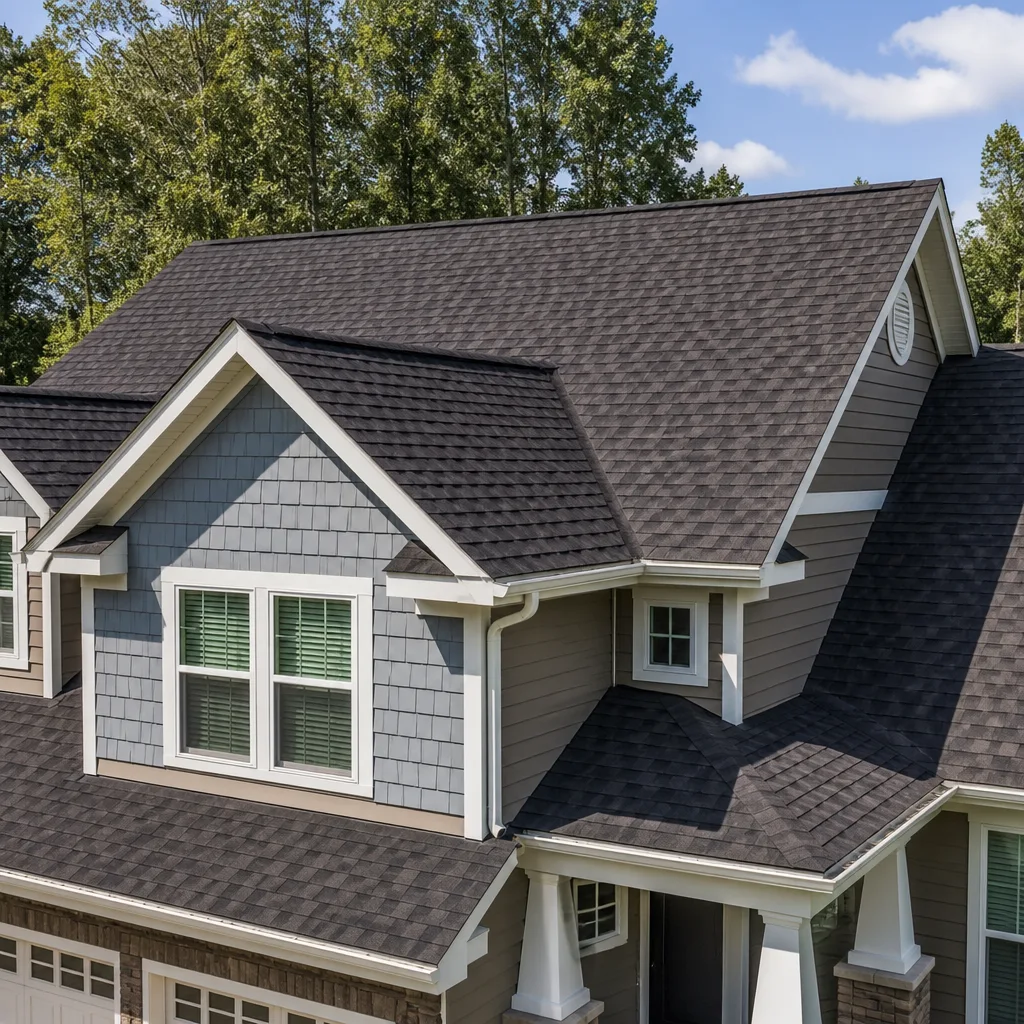
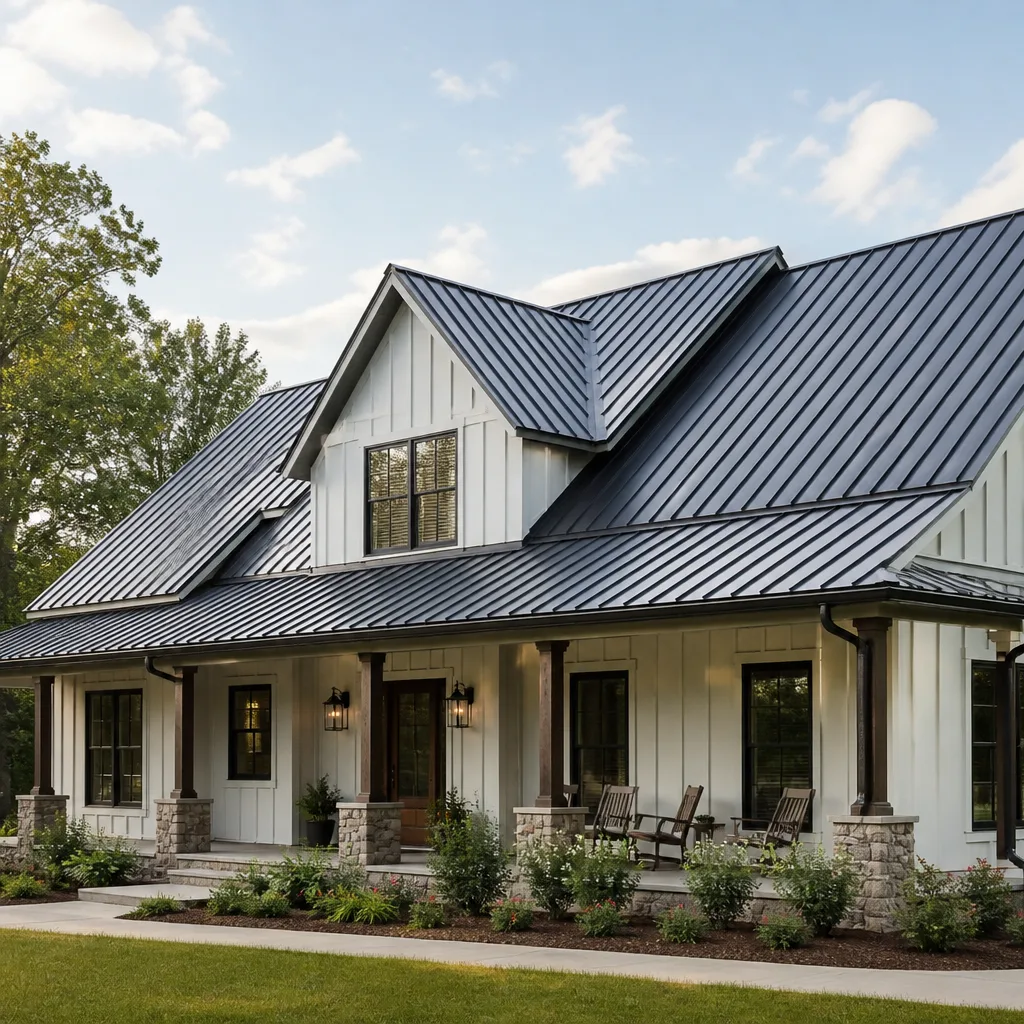
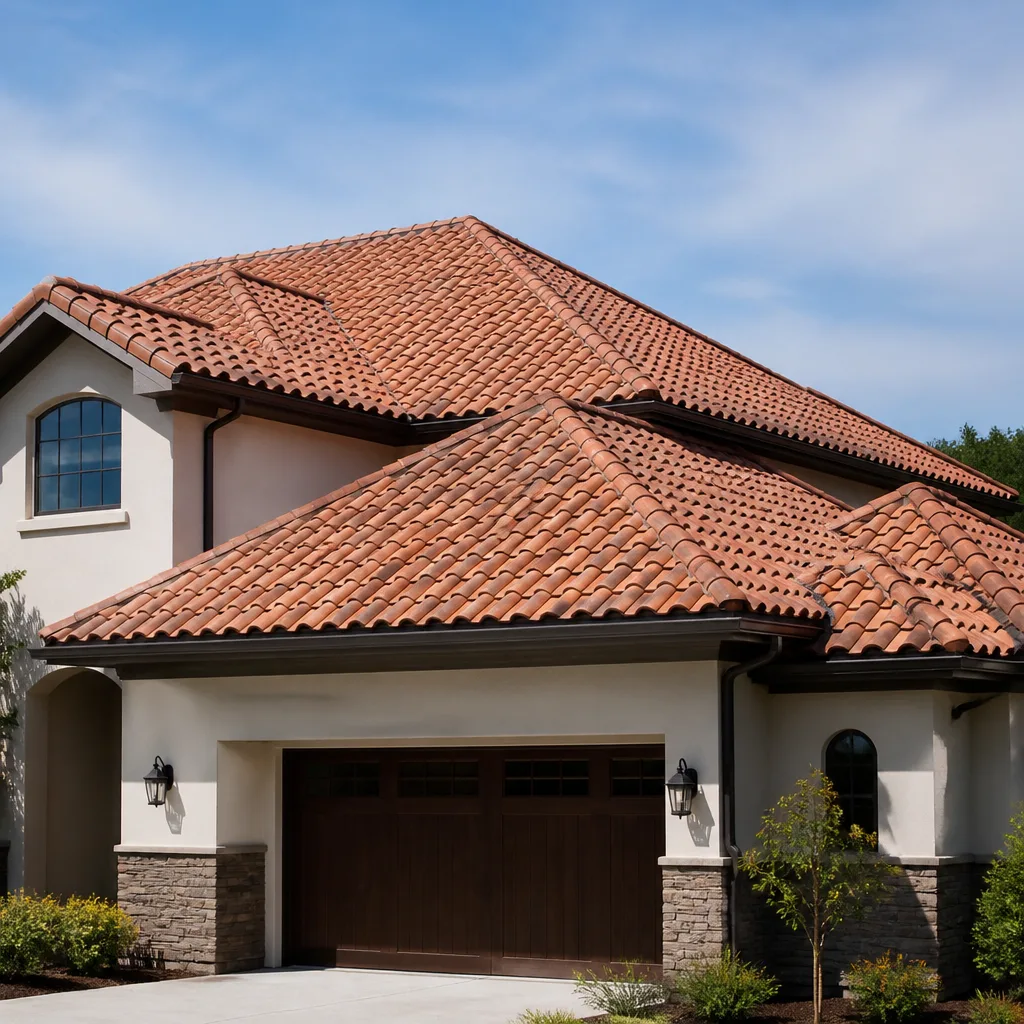
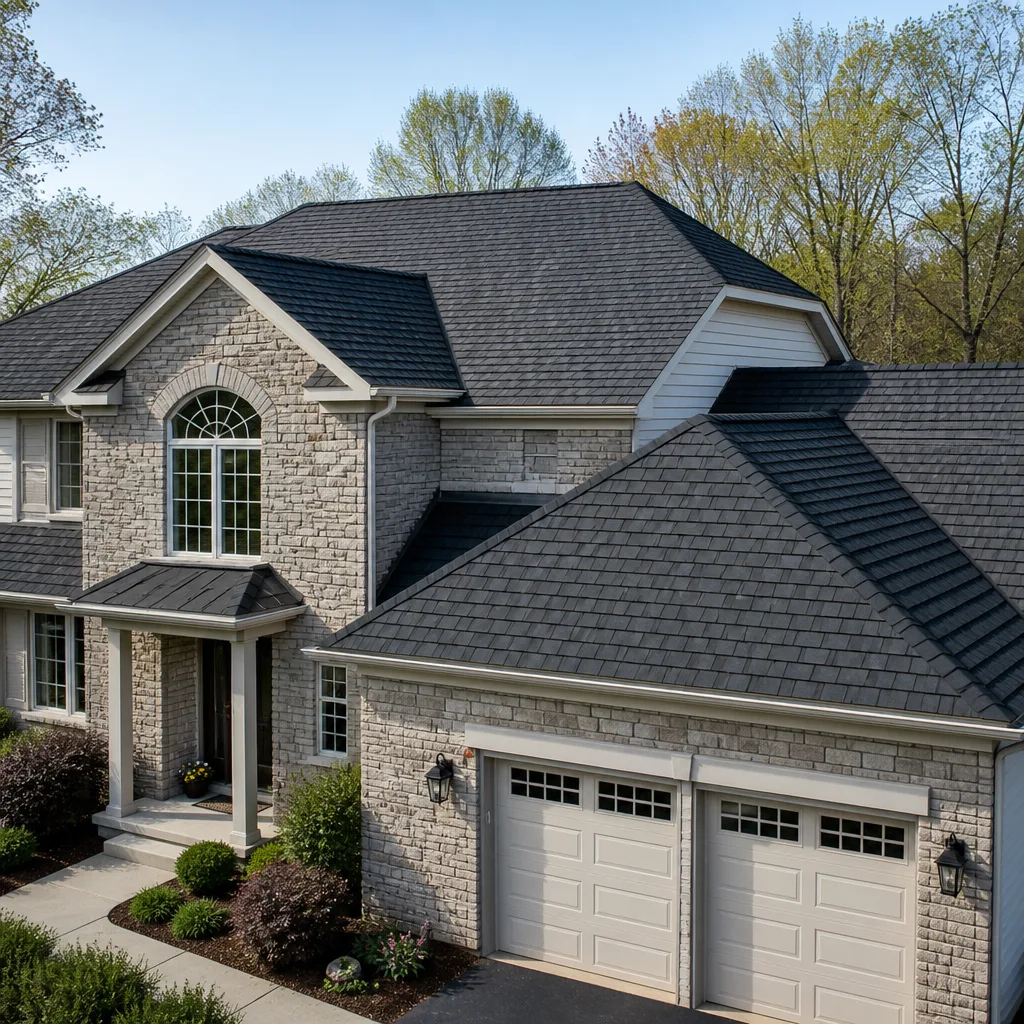
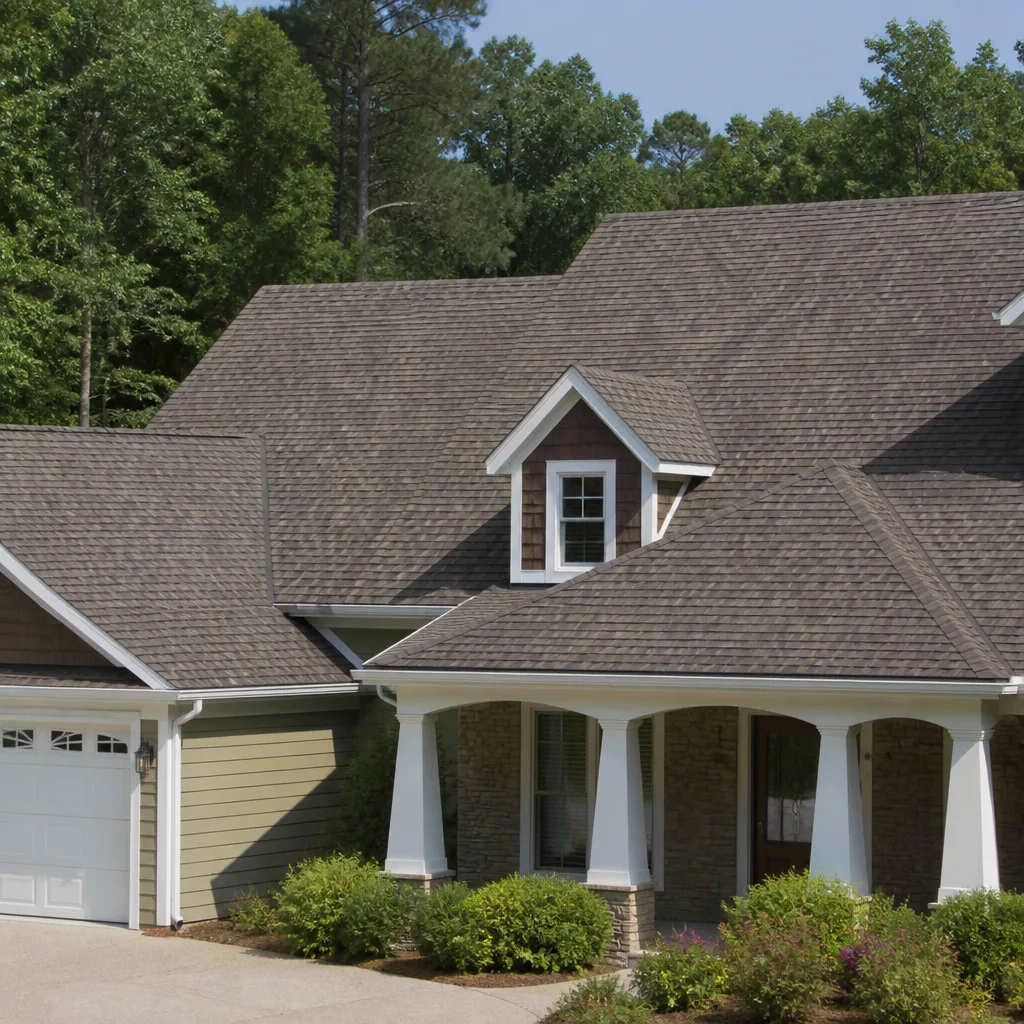
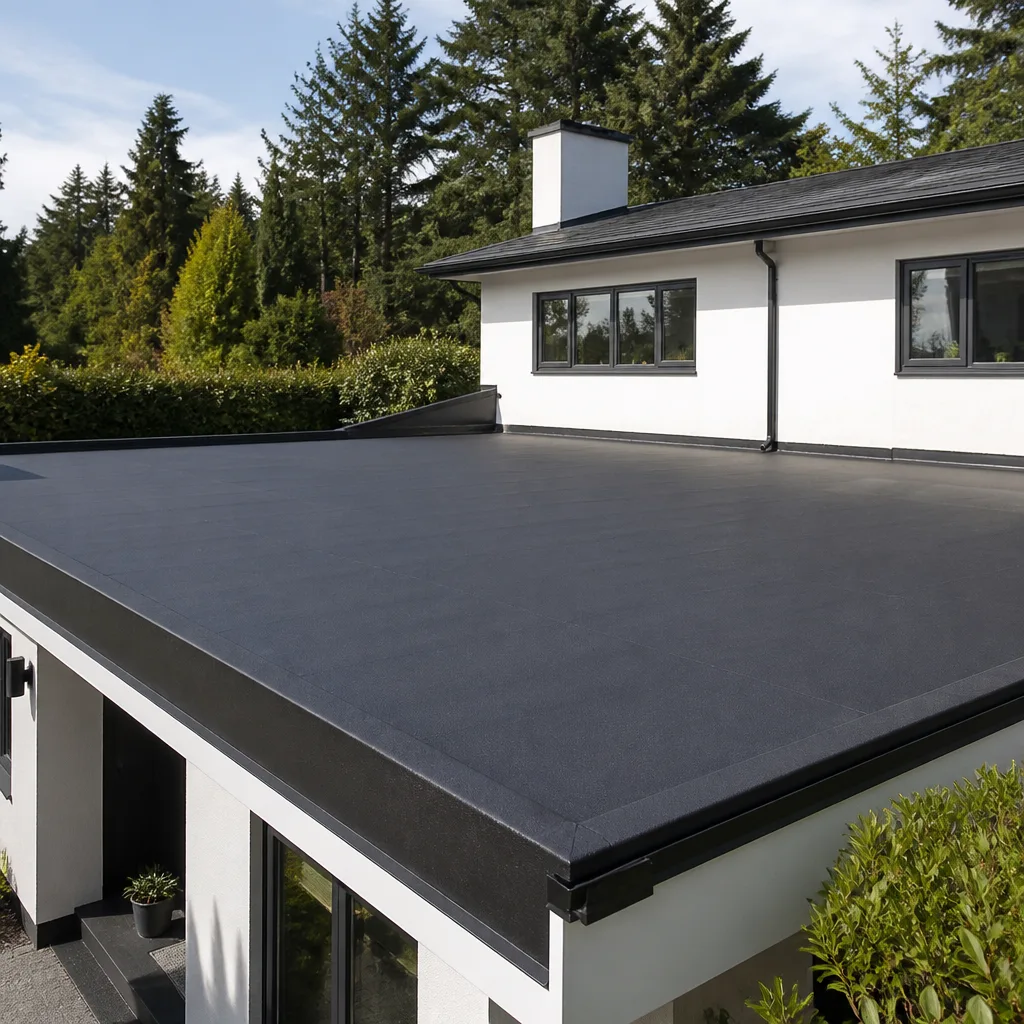
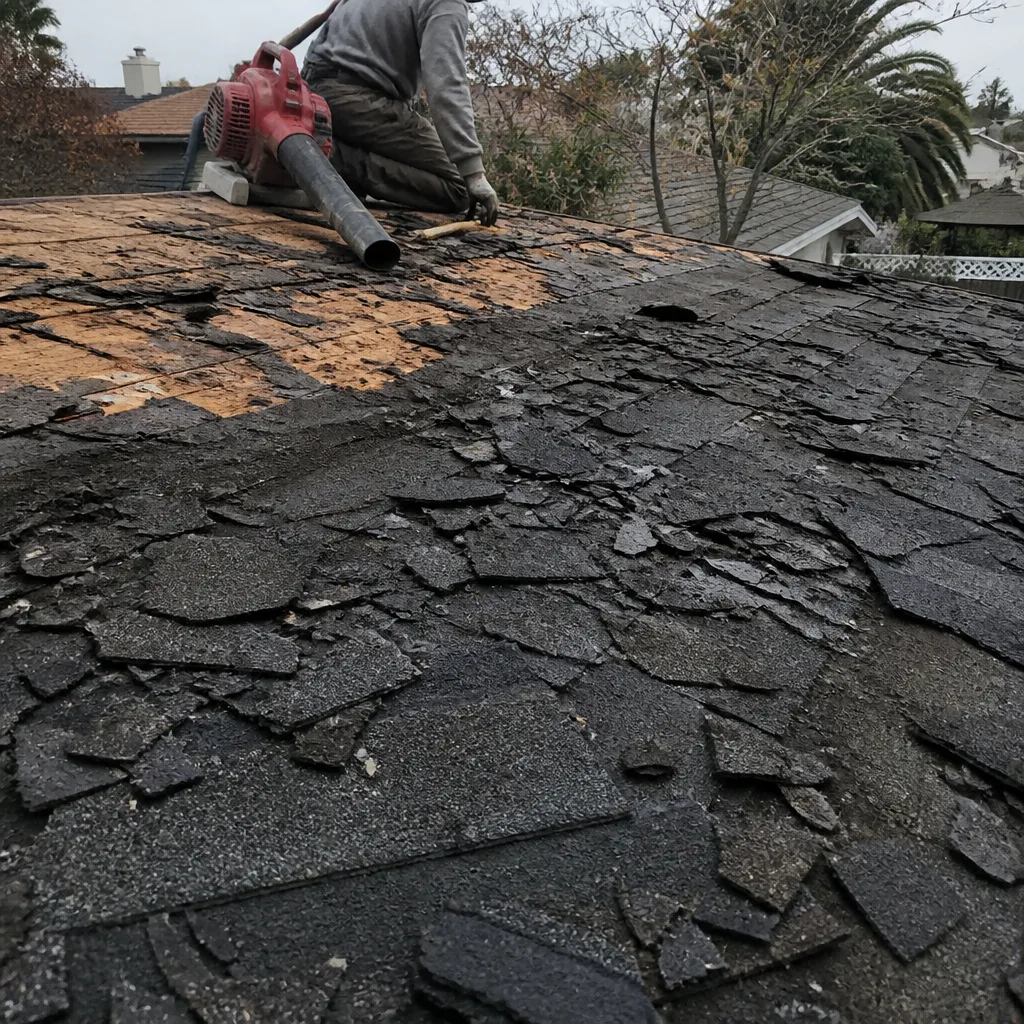 Before
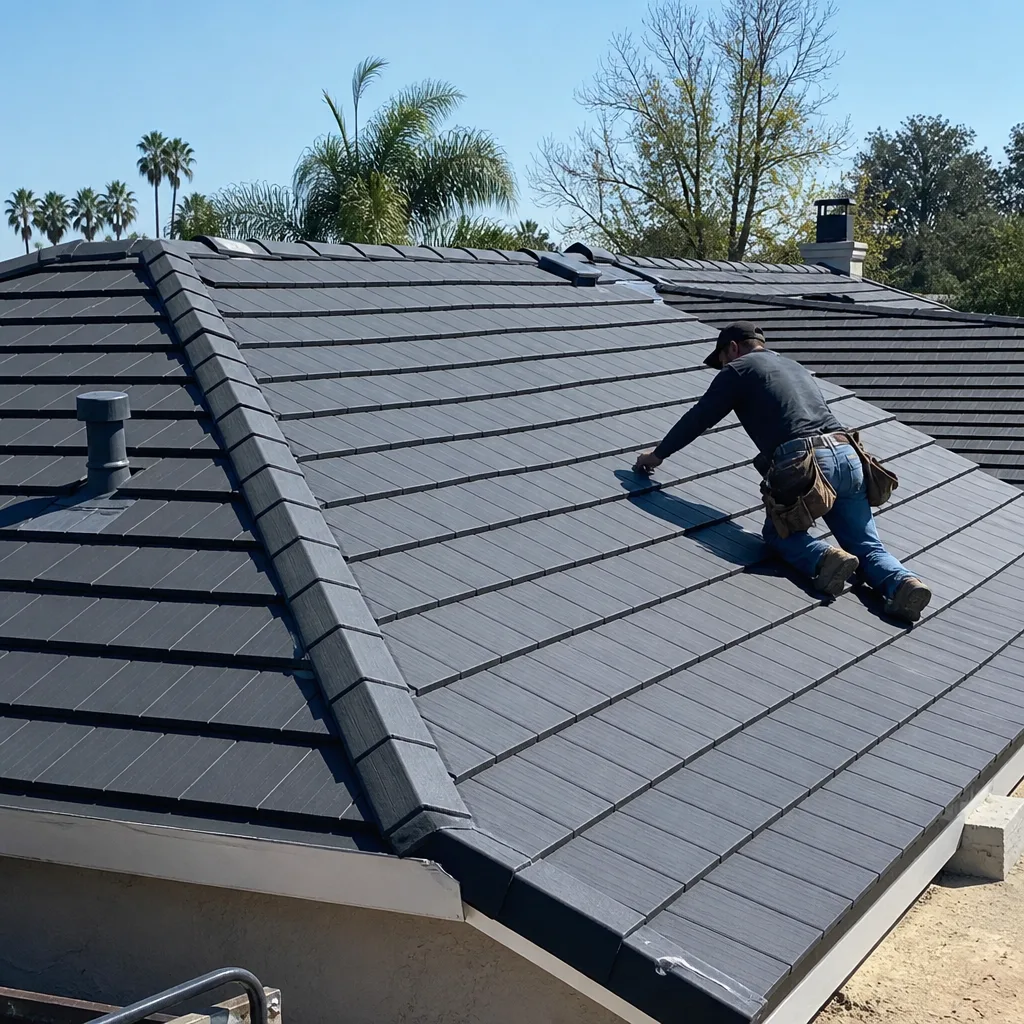 After
After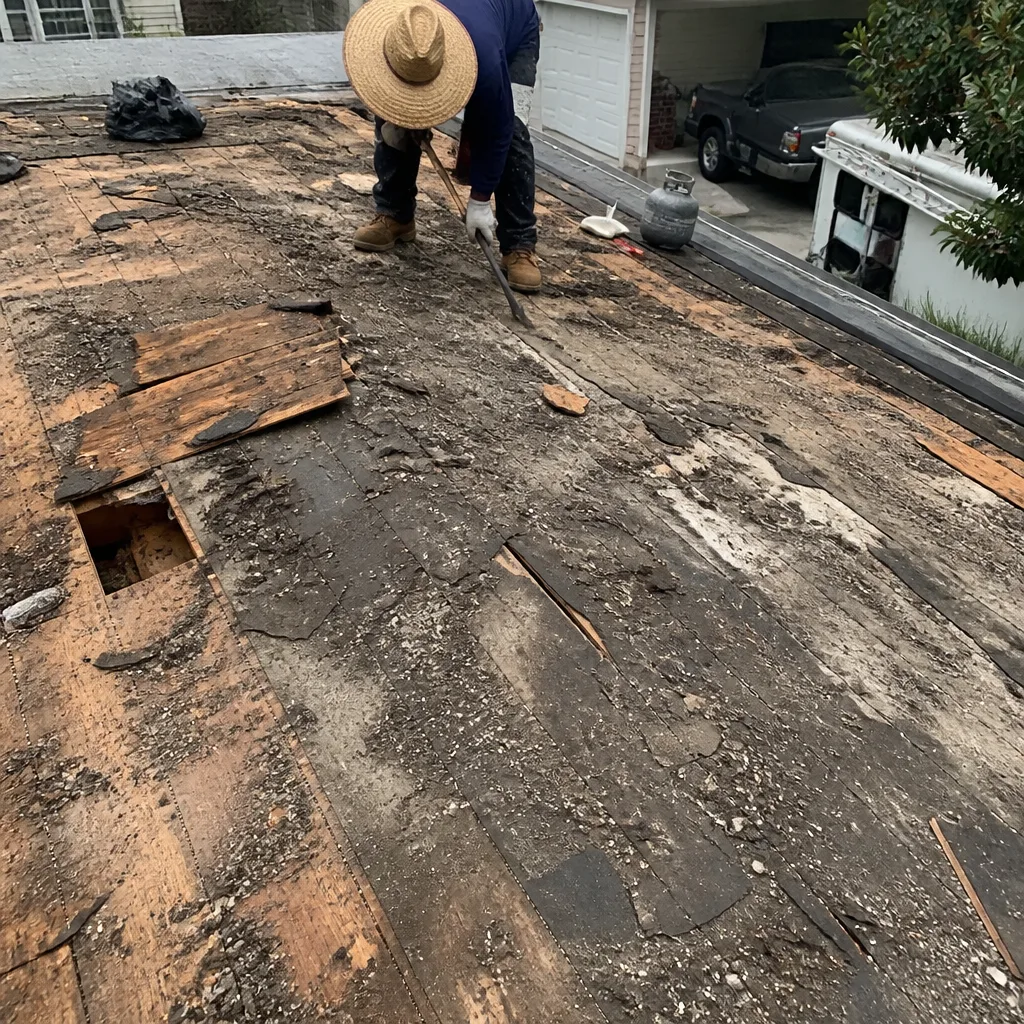 Before
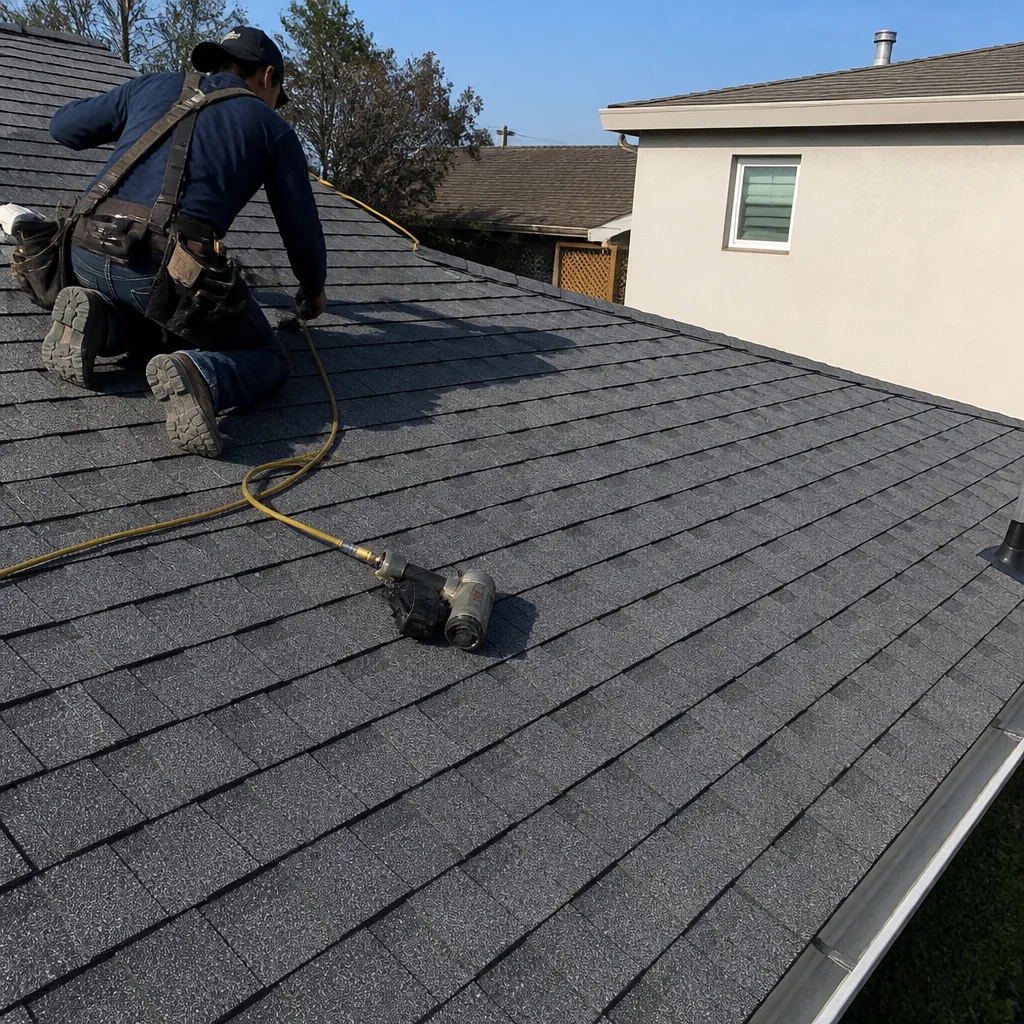 After
After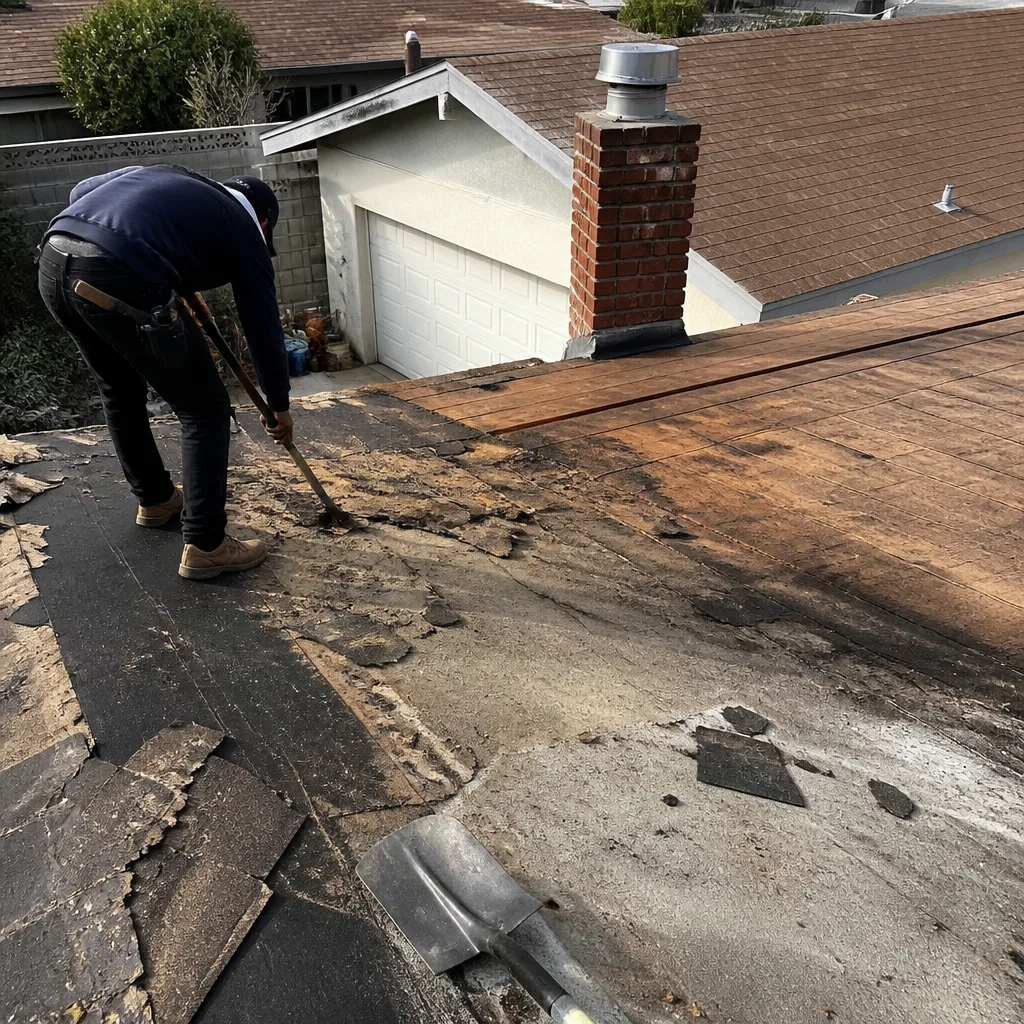 Before
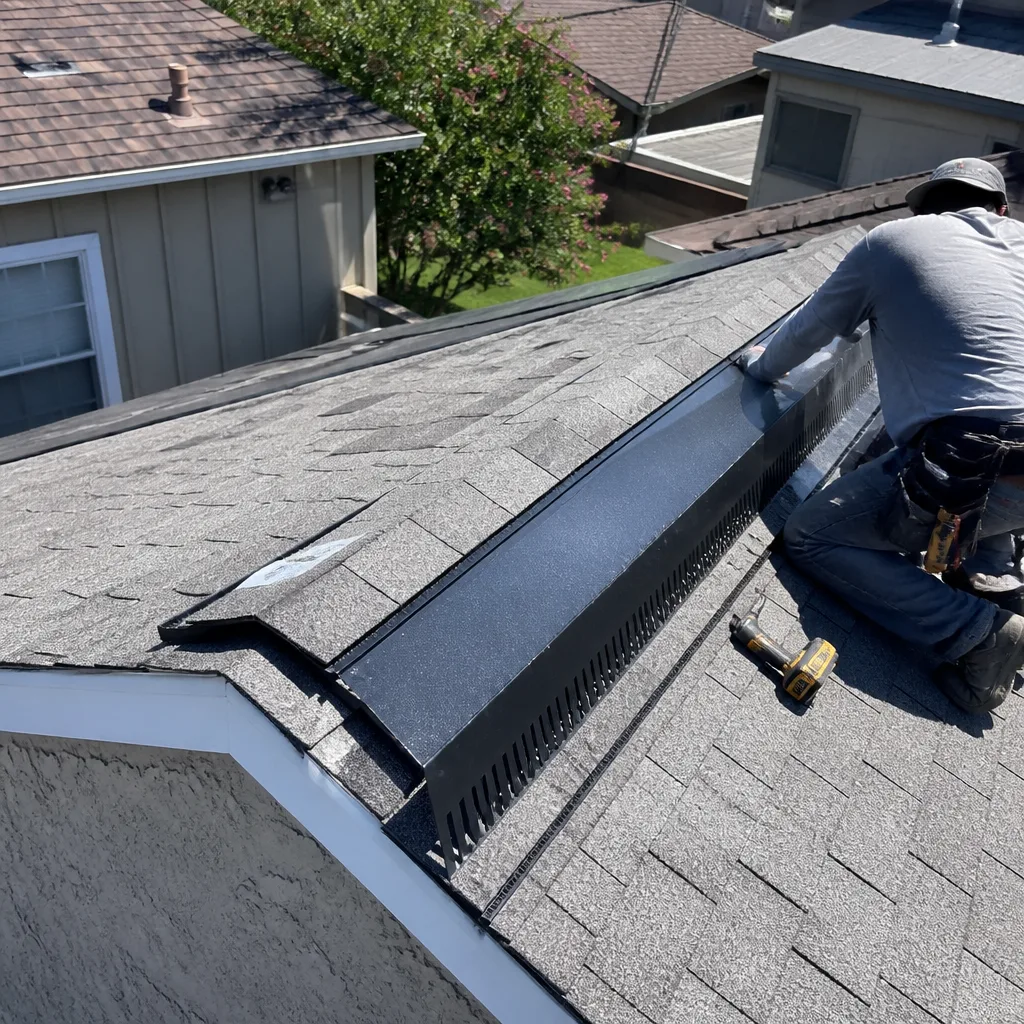 After
AfterDIY vs Professional Roof Repair: What’s Safe to Do Yourself
About 60% of Los Angeles residential roofing is flat or low-slope membrane. Nearly 90% of DIY roof repair advice online, though, is written for pitched asphalt shingles. That mismatch means an LA homeowner can follow a YouTube tutorial perfectly and still ruin a roof that would have cost $400 to fix professionally. This guide splits repairs into what’s genuinely safe to tackle on your own in Los Angeles, what requires a licensed hand, and why the flat roof changes every rule you think you know about roofing. For a deeper look at where to draw the line, see our guide on DIY vs Professional Roof Replacement: What’s Safe to Do Yourself.
Quick Answer
On most Los Angeles homes, you can safely handle gutter clearing, debris removal, downspout flushing, and temporary peel-and-stick patches over pinholes before rain arrives. You should not attempt flat roof membrane repair, seam work, flashing replacement, or anything involving a torch. A bad flat roof patch traps moisture inside the membrane and rots the decking underneath, turning a $350 repair into a $6,000 re-deck job. When in doubt, call a roofer for an in-person estimate before you cut into anything.
Table of Contents
- Why LA Roofs Are Different From the Rest of the Country
- What’s Genuinely Safe to DIY on an LA Roof
- What You Should Never DIY: Flat Roof Membrane Work
- How a Bad DIY Patch Becomes a $6,000 Problem
- The One Diagnostic Step Every Homeowner Should Do Themselves
- What to Ask for in a Professional Repair Quote
- Common Mistakes to Avoid
- When to Call a Professional
- Frequently Asked Questions
- The Bottom Line
Why LA Roofs Are Different From the Rest of the Country
Walk down almost any residential street in Los Angeles, from West Adams to Van Nuys to El Sereno, and you’ll see the same thing: flat and low-slope roofs, many of them covered in white or light-gray membrane. That’s not an aesthetic choice. Los Angeles building patterns from the 1940s onward favored single-story homes with shallow roof pitches, because the climate doesn’t need steep slopes for snow or heavy rain. A flat roof costs less to frame and works fine in a city that gets most of its rain in a few winter months.
But a flat roof is a completely different animal from the shingled pitched roofs you see in DIY videos. A pitched roof relies on gravity: water hits the shingle and slides off. A flat roof relies on a continuous waterproof membrane. There are no shingles, no valleys, no flashing in the traditional sense. The entire roof is one sealed surface, and any breach in that surface is a direct line into your decking and insulation.
Here’s the practical consequence: the advice that dominates DIY forums and YouTube, replacing a damaged shingle, nailing down a lifted tab, re-caulking a pipe boot, simply doesn’t apply to most Los Angeles homes. If you own a flat roof and you follow shingle advice, you’re not fixing your roof. You’re making a hole in a membrane that was designed to stay continuous.
Los Angeles also has its own climate fingerprint for roofs. We get long dry stretches with intense UV, which breaks down membrane seams and adhesives. Then we get sudden, heavy rain events in winter, often a full season’s worth in a few days. A small seam separation that’s invisible in August becomes a waterfall in January. That’s why roofing professionals in Los Angeles think in terms of water intrusion risk rather than missing shingles. The job is to keep a continuous surface continuous. It’s a different mindset, and it changes what’s safe for a homeowner to touch.
What’s Genuinely Safe to DIY on an LA Roof
Some roof maintenance tasks are safe, straightforward, and worth doing yourself. These are jobs that don’t compromise the waterproof membrane, don’t require specialized tools, and don’t put you in a dangerous position. If you’re comfortable on a ladder and your roof pitch is gentle, these are all reasonable weekend projects.
1. Gutter and scupper clearing. Many flat roofs in Los Angeles drain through interior drains, while others use perimeter scuppers and external gutters. Leaves from nearby jacarandas and oaks collect in those drains during the dry season. When the winter rains come, a clogged scupper turns your roof into a shallow pond. Clearing debris with a gloved hand and flushing the drain with a garden hose is a genuinely useful DIY task. Do it in late October, before the first heavy rain.
2. Debris and branch removal. Palm fronds, eucalyptus bark, and windblown trash collect on flat roofs because, with no slope, nothing slides off. Any organic debris that sits on the membrane holds moisture against it and speeds up deterioration. If you can safely walk your low-slope roof with soft-soled shoes, clearing debris every few months is smart maintenance. If your roof is too steep or too fragile to walk, don’t push it; that’s a call to a roofer.
3. Temporary peel-and-stick patch over a pinhole before rain. If you’ve found a small puncture in a membrane, some homeowners in Los Angeles have success with peel-and-stick membrane patches available at roofing supply stores. This is a temporary measure, intended to get you through a storm until a professional repair can be scheduled. Nothing about a peel-and-stick patch replaces a proper San Andreas seam or a torch-down repair. Think of it as a bandage, not a cure.
4. Replacing a visible vent cap or rain collar. If your roof has a plumbing vent pipe sticking through the membrane, the metal cap on top is something you can swap out with a screwdriver. The cap keeps critters and debris out of the pipe; it has nothing to do with the membrane seal around the pipe’s base. Replace the cap if it’s rusted or missing. Leave the base, the boot, and the flashing alone. Those touch the membrane, and that’s professional territory.
5. Interior inspection and documentation. This is the one task every homeowner should do before calling any roofer. More on that in the dedicated section below.
What all these tasks have in common is that they don’t require you to alter or penetrate the waterproof membrane. You’re clearing, covering temporarily, or replacing a mechanical part that sits on top of the membrane. You’re not cutting into it, heating it, or gluing it. That’s the line between DIY and professional, and it’s a line worth respecting.
What You Should Never DIY: Flat Roof Membrane Work
Flat roof membrane repair is the core of what roofing companies in Los Angeles do. It is also the core of what goes wrong when homeowners try to do it themselves. The reason comes down to physics: a membrane is only waterproof when it’s continuous. Every repair to a membrane has to restore that continuity completely, permanently, and invisibly. A repair that looks fine from six feet away but has a pinhole gap at the seam is not a repair; it’s a leak waiting to activate.
There are a few main membrane systems on LA flat roofs:
- Torch-down (modified bitumen): Installed with an open-flame propane torch. The asphalt backing melts and bonds the layers together. Repairing it requires the same torch, the same skill, and the same safety clearance. This is not a homeowner task. A torch in the hands of an inexperienced person on a roof is how house fires start.
- Single-ply membranes (TPO, PVC, EPDM): Seams are typically heat-welded with a hot-air welder at precise temperatures, or chemically bonded in the case of some PVC systems. The welding window is narrow: too cool and the seam fails under pressure, too hot and you burn through the membrane. Hardware store adhesives and tapes do not bond to these membranes the way a heat-welded seam does.
- Built-up roofing (BUR): Multiple layers of asphalt and felt, often topped with gravel. Repairing BUR properly means cutting out the damaged layers, cleaning the plies, and building them back up. A bucket of roof cement from a big-box store over the top will fail within a season because it doesn’t bond to the gravel surface and it doesn’t restore the layered waterproofing.
Los Angeles code enforcement adds another layer. Repairs that involve torch work require a hot works permit in many parts of the city, and a licensed roofer knows the local fire marshal requirements. A homeowner attempting a torch-down repair isn’t just asking for a worse leak; they’re potentially creating a fire hazard on their own home during Santa Ana wind season, which is exactly the wrong combination of wind and open flame.
The safest and most honest advice is this: if the repair touches the membrane, a homeowner should not attempt it. That includes seam repairs, puncture patches, flashing work, drain replacements, and any repair near a penetration like a skylight or HVAC curb. These jobs require training, equipment, and experience that can’t be replicated with a trip to the hardware store.
How a Bad DIY Patch Becomes a $6,000 Problem
We’ve seen the same pattern enough times in Los Angeles to describe it in detail. A homeowner spots a small blister or crack on a flat membrane. They apply a store-bought roof patch product, usually something in a gallon can or a roll of tape. It looks covered. It feels fine. The first rain comes and goes. Everything seems okay.
What’s happening underneath is different. The patch product didn’t bond to the membrane’s surface. It created a cap, a shell over the damage, but not a continuous seal. Water from rain or from a dewy morning seeps in at the edge of the patch, where the adhesive is weakest. That water works its way into the membrane layers and begins to saturate the insulation board and decking beneath.
Because Los Angeles has long dry stretches, the water doesn’t show up immediately as a leak inside the house. It sits there. It soaks into the OSB or plywood decking. It feeds mold. It begins to rot the wood from the inside of the roof assembly. By the time the homeowner sees a stain on the ceiling, the decking underneath the membrane is soft enough that a roofer can press a screwdriver through it.
Here’s the cost math, based on what we see in the Los Angeles repair market:
- Professional membrane patch at first sign of damage: $300 to $600. A roofer cuts out the damaged section, prepares the area properly, and installs a patch with the same bonding method as the original roof. The continuity is restored.
- DIY patch that fails silently: $40 in materials, but the moisture stays in the roof assembly for six to eighteen months.
- Replacing rotted decking plus membrane repair once the leak finally shows: $4,000 to $8,500, depending on how much decking has to come out and how much insulation is saturated. That’s ten to twenty times the cost of the original repair.
The expensive lesson is not that DIY products are bad. It’s that flat roofs hide their failures. A pitched roof gives you visual clues: missing shingles, curling tabs, exposed nail heads. A flat roof gives you nothing until the damage is advanced. So a repair that isn’t performed correctly has weeks or months to cause damage before anyone sees a symptom. That’s the hidden cost of a bad patch, and it’s why professional membrane repair matters more on a flat roof than on a pitched one.
The One Diagnostic Step Every Homeowner Should Do Themselves
Before you call any roofer in Los Angeles, do this one thing: inspect the underside of your roof from the inside. Go into your attic or the space between your ceiling and the roof deck, ideally during daylight hours. Bring a flashlight and your phone. What you’re looking for is evidence, and it’s evidence that’s invisible from the outside.
Here’s a simple step-by-step:
- Turn off the attic light and let your eyes adjust. Look for pinholes of daylight coming through the decking. If you see light, you’ve found a breach in the roof.
- Sweep the flashlight along the underside of the decking. Look for dark stains, water rings, or areas that look wet when they shouldn’t be. Pay special attention to areas around plumbing vents, skylights, chimneys, and HVAC penetrations.
- Feel the decking with the back of your hand in suspicious areas. Water intrusion often shows up as cool, damp wood against otherwise dry surroundings. Don’t press hard; soft or spongy decking is a sign of rot.
- Check the insulation. If the insulation is fiberglass batts, look for dark streaks or matted-down areas where it’s been wet. If it’s rigid board, look for staining or crumbling edges.
- Take dated, geo-tagged photos of everything you find, including a few of the suspicious areas from a wider angle so the roofer can locate them from the roof later. The time stamp matters. A photo from August that shows a stain means something different from a photo from January.
This step costs you nothing and takes thirty minutes. It gives the roofer a starting point when they arrive for the estimate, which means the estimate is faster and more accurate. It also gives you a baseline. If a roofer tells you the roof needs $10,000 of work and your interior check showed nothing, you know to ask more questions. If the interior check shows stains and soft spots, you understand the scope before anyone gives you a price.
Do this before you call. It’s the highest-leverage DIY task in roofing, and it’s one no professional would ever tell you to skip.
What to Ask for in a Professional Repair Quote
When you do call a roofer, you should know what a good quote looks like. A written price is the baseline; a quote that’s just a number with no detail is not a quote. Here’s what to ask for, and why each item matters for an LA flat roof:
1. The exact repair method. Will the roofer cut out the damaged section and weld or torch a new piece, or will they apply a surface patch? Cut-and-replace is the correct repair for membrane damage. Surface patching is sometimes acceptable for very small, very clean punctures, but a roofer should be able to tell you which one they’re doing and why. On a flat roof in Los Angeles, you want to hear the word “cut” or “remove” in the description of the repair. That’s the difference between restoring the membrane and covering it.
2. The specific material and brand. A proper flat roof repair uses the same material system as the existing roof: a torch-down patch on a torch-down roof, a TPO patch on a TPO roof, from a manufacturer like GAF, CertainTeed, or Owens Corning. Mixing materials is a common cause of early patch failure. Ask the roofer to name the material and manufacturer in the quote, in writing.
3. The repair area, defined in dimensions. “Repair leak near drain” is vague. “Cut out and replace approximately 2′ x 2′ section of modified bitumen membrane at the northeast corner drain, including reinforcement of the drain collar” is a quote you can hold someone to. A defined area means the roofer inspected the roof and knows what they’re committing to.
4. What’s included and what’s not. Does the price include debris removal, disposal, and clean-up of the area around the work? Does it include a follow-up inspection if the repair doesn’t solve the leak? Every item in the quote should be explicit. If something isn’t listed, assume it isn’t included.
5. The warranty on the repair. A professional repair on a flat roof should carry a workmanship warranty, typically one to five years. Some companies offer longer. Ask what the warranty covers: labor only, or labor and materials? What happens if the same spot leaks again in six months? A roofer who can’t give you a clear warranty explanation is a risk.
At Birchbark Roofing home, we provide a written price before any work starts, and we detail on that page exactly what’s being repaired, with what material, and why. If a roofer can’t put that in writing, get another estimate.
Common Mistakes to Avoid
- Applying roof cement over a blister or crack on a flat membrane. It doesn’t bond to the membrane surface, and it fails at the edges within a season. The real repair is cut-and-replace, not paint-over.
- Using a shingle-repair tutorial on a flat LA roof. The two systems share almost nothing in common. Shingle advice on a membrane roof is worse than no advice at all.
- Waiting to fix a leak until the rainy season. In Los Angeles, the best time to repair a flat roof is during the dry months, when crews can work without weather delays and the membrane is clean and dry enough to bond properly.
- Ignoring attic stains because they’re not “leaking” yet. Water that has reached the decking has already begun to cause damage. The visible stain is the late-stage symptom, not the first one.
- Picking a roofer based on the lowest number. A low price on a flat roof repair often means a surface patch from a company that won’t be around when it fails. The low number costs the most.
- Walking on a flat roof without checking its condition first. Soft spots from existing water damage can give way. If you’re unsure about the roof’s structural integrity, stay off it and call a pro.
- Attempting a torch-down repair without proper fire safety clearance. Open flame over a combustible roof deck during dry season is a fire waiting to happen. This is one of the most dangerous DIY attempts we hear about.
When to Call a Professional
Call a roofer when the repair touches the membrane, when you can’t safely access the roof, when you’ve found water stains on your ceiling or decking, or when a previous repair has failed. Also call if you’re buying or selling a home and the roof inspection flagged issues. These are the moments when the cost of a professional is far less than the cost of a mistake. For more guides & resources, visit our blog. Birchbark Roofing offers free estimates in Los Angeles, call (424) 766-4937. A trained eye on the actual roof is always cheaper than a guess.
Frequently Asked Questions
Flat roof membrane repairs in Los Angeles typically cost between $300 and $600 for a small cut-and-replace patch, with larger repairs or those involving decking replacement running $1,500 to $8,500 depending on the extent of the damage. The spread comes down to whether the decking is still solid and how much of the membrane has to be removed to reach good material. Call (424) 766-4937 for an exact quote on your roof; estimates are free.
You can apply a temporary peel-and-stick patch over a small, clean puncture to get you through an approaching rain, but you should not attempt a permanent flat roof repair yourself. Permanent membrane repair requires heat-welding, torching, or chemical bonding that can’t be replicated with hardware store products. A temporary patch should always be followed by a professional repair before the next rainy season.
Seam separation around drains, vents, and roof penetrations is the most common source of flat roof leaks in Los Angeles, followed by UV-related membrane deterioration in areas that get direct sun all day. The intense summer sun breaks down adhesives and sealants at the edges of repairs and around penetrations, and the seasonal rains find those weakened points quickly.
A properly performed cut-and-replace membrane repair typically lasts 5 to 15 years, depending on the age and condition of the surrounding roof. A surface patch may last one to three years at most. The difference comes down to whether the repair restored the membrane’s continuity or just covered a hole. Ask any roofer to specify which type of repair they’re proposing before you accept a quote.
Small repairs that don’t change the roof’s structure or drainage typically don’t require a building permit in Los Angeles, but torch-down work may require a hot works permit from the fire department. A licensed Los Angeles roofer will know the local requirements and handle permits where needed. If you’re attempting a DIY repair and it involves a torch, you’re outside the scope of what a homeowner should be doing.
If the membrane has more than a few isolated punctures, if the seams are failing in multiple locations, if there’s visible ponding water that doesn’t drain within 48 hours, or if the decking in multiple attic locations is soft, the roof is likely nearing replacement. A single puncture in an otherwise sound roof is a repair. Multiple systemic failures are a replacement signal. For a full assessment, contact Roof Repair in Los Angeles and we’ll tell you honestly which path makes sense.
The Bottom Line
Los Angeles flat roofs don’t play by the same rules as pitched shingle roofs, and neither should you. Clear your gutters, document your attic, apply temporary patches when rain is coming, and leave everything that touches the membrane to a licensed professional. The most expensive roof repair is the one you do twice: once yourself, and once to fix what the first attempt did. If you’re in the Los Angeles area and want a written price on a repair from a team that works carefully around your home, call Birchbark Roofing at (424) 766-4937. For broader context on what a full roof overhaul involves, see our pages on Roofing Company in Los Angeles and Roof Replacement in Los Angeles.
Written by Erik Lindgren, Owner at Birchbark Roofing, serving Los Angeles since 2000.