
Last updated October 8, 2026
Free roof inspection with deck photos before we talk money - GAF and Owens Corning certified installation
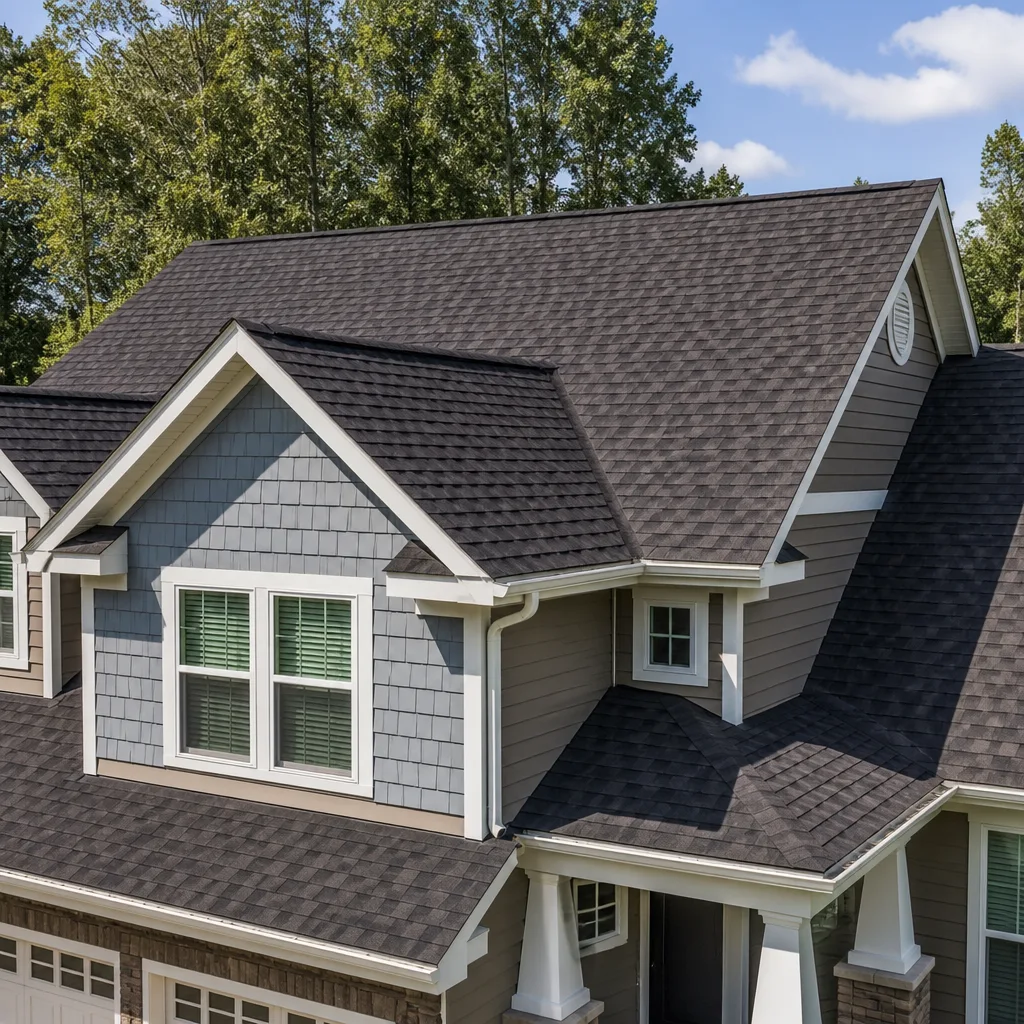
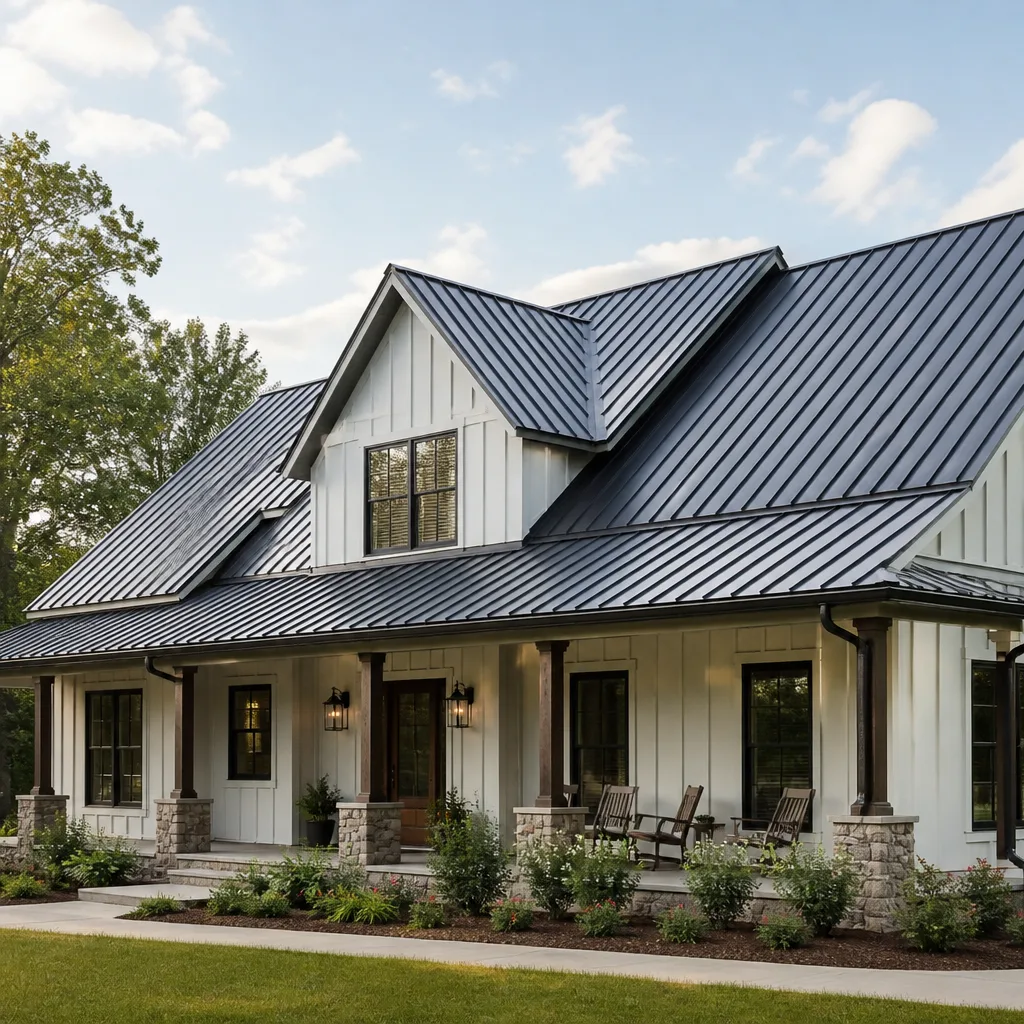
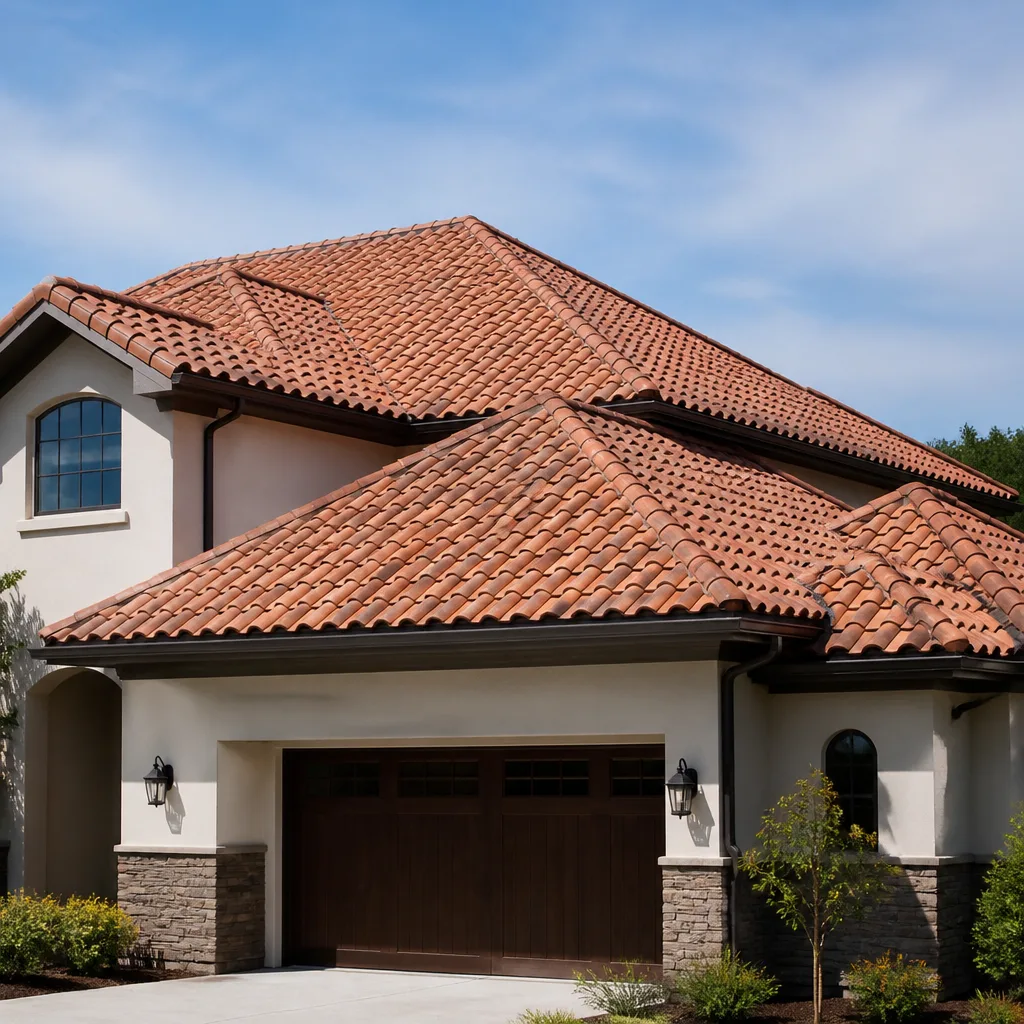
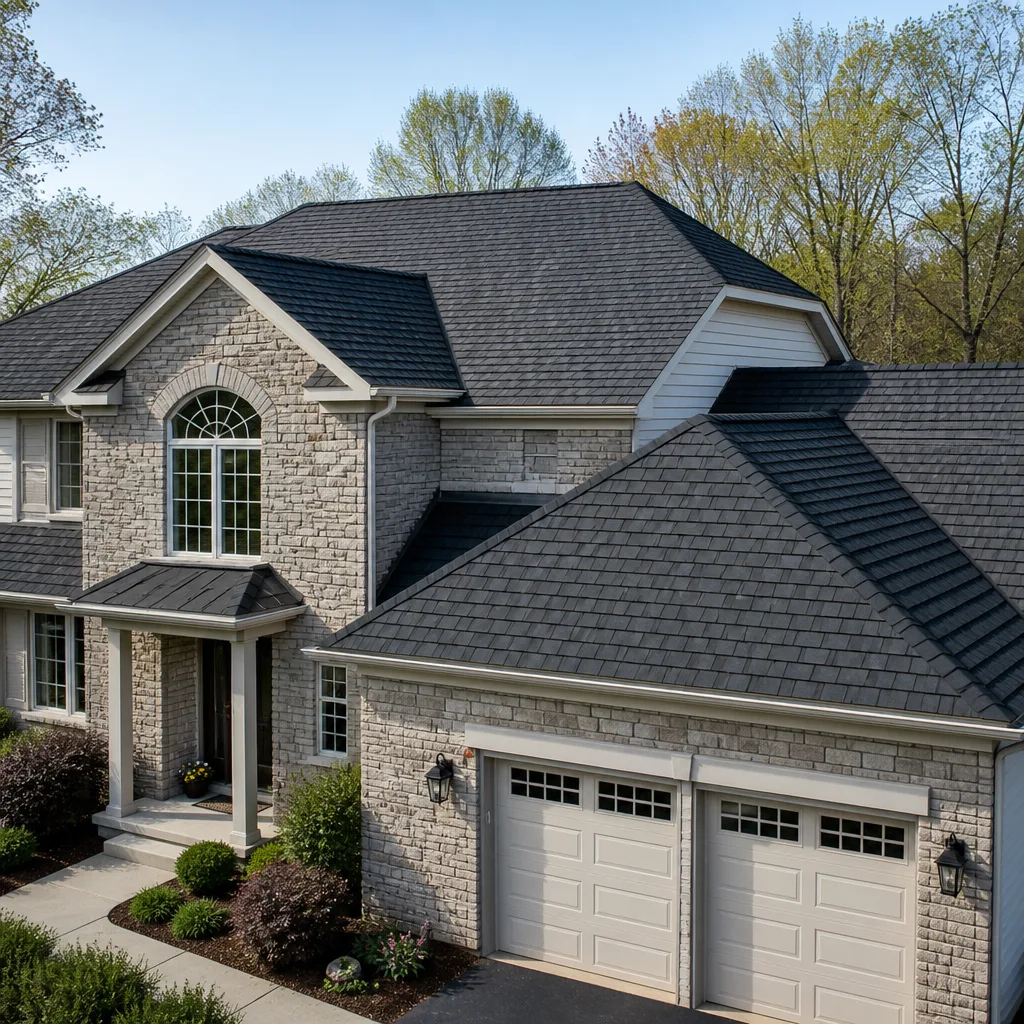
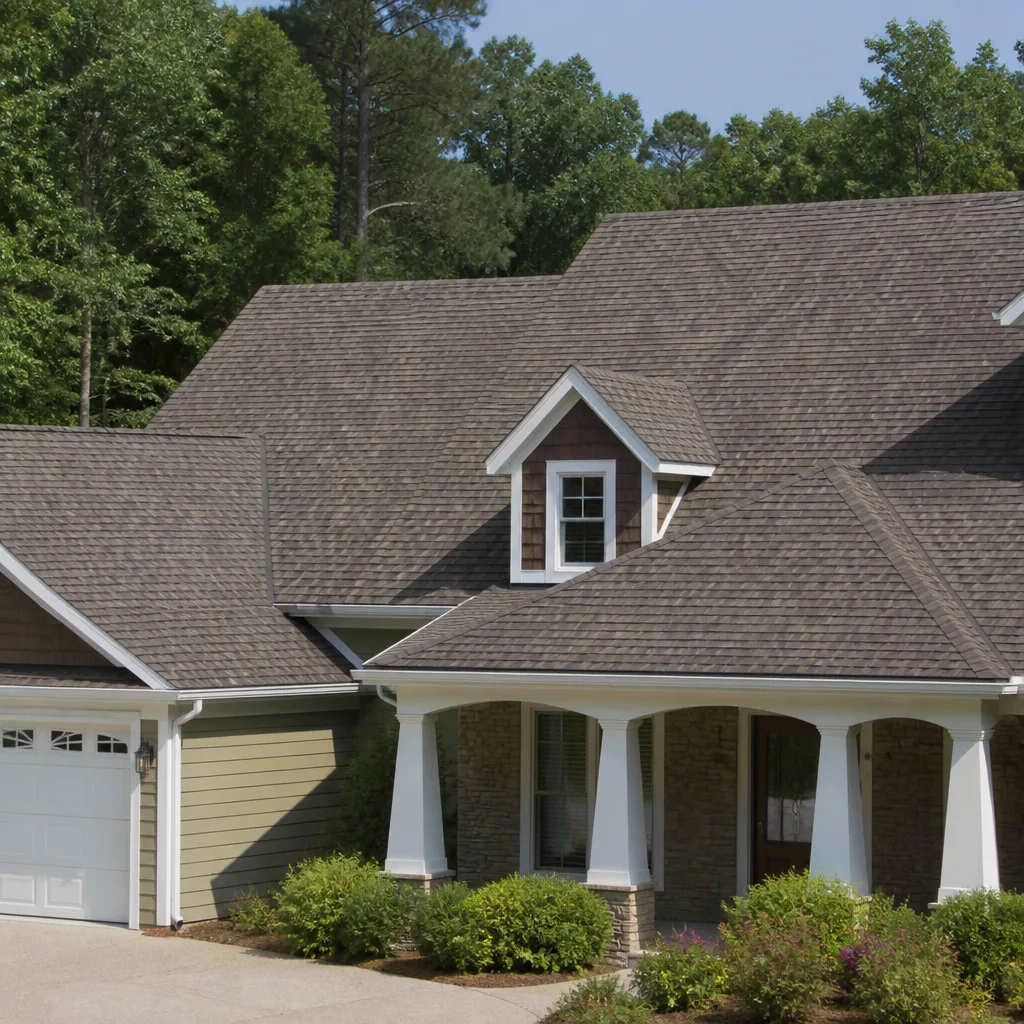
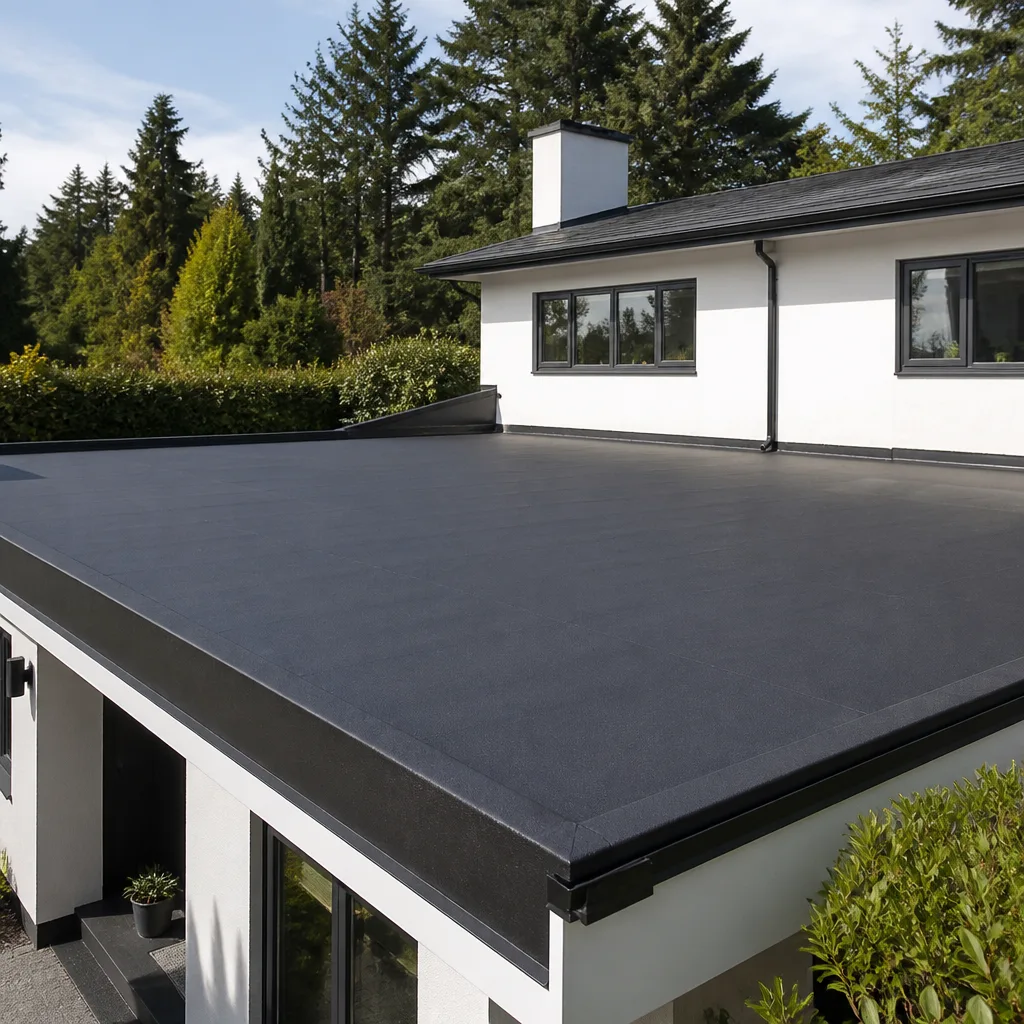
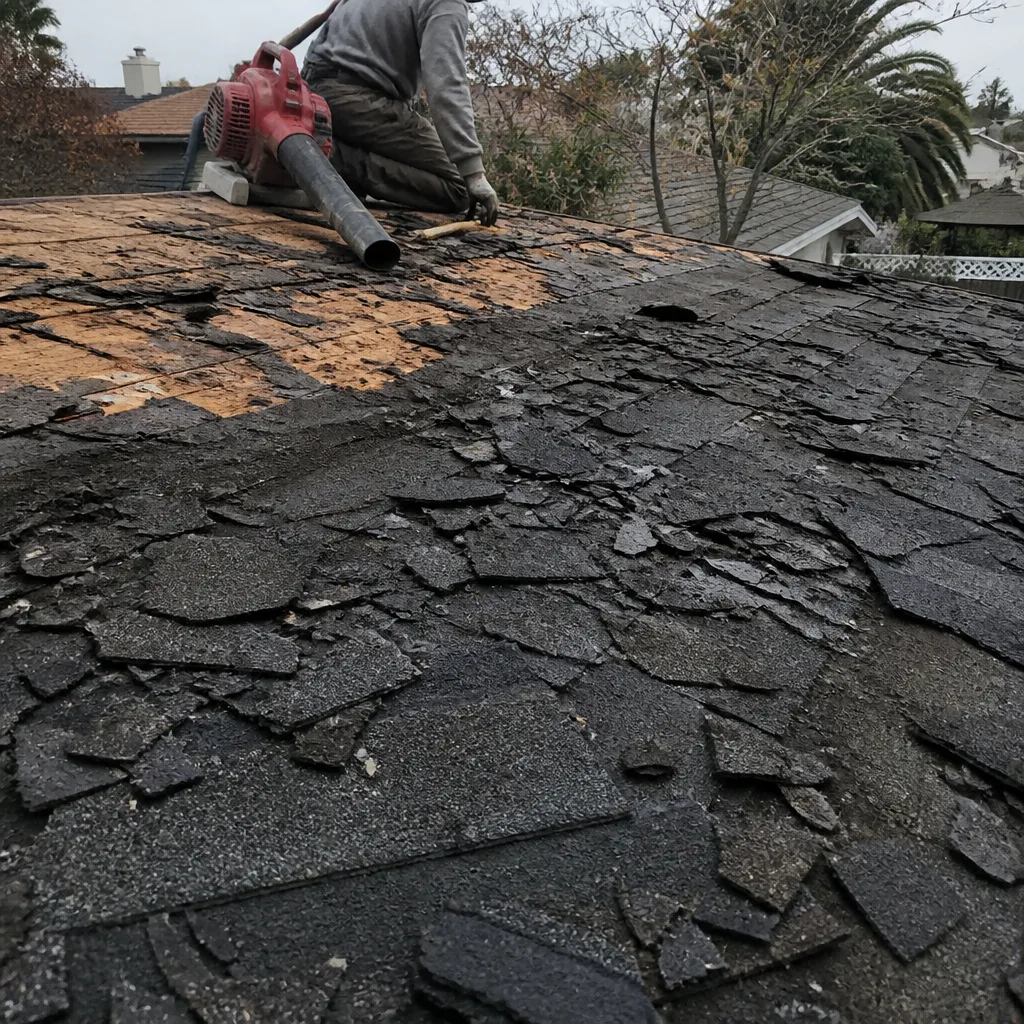 Before
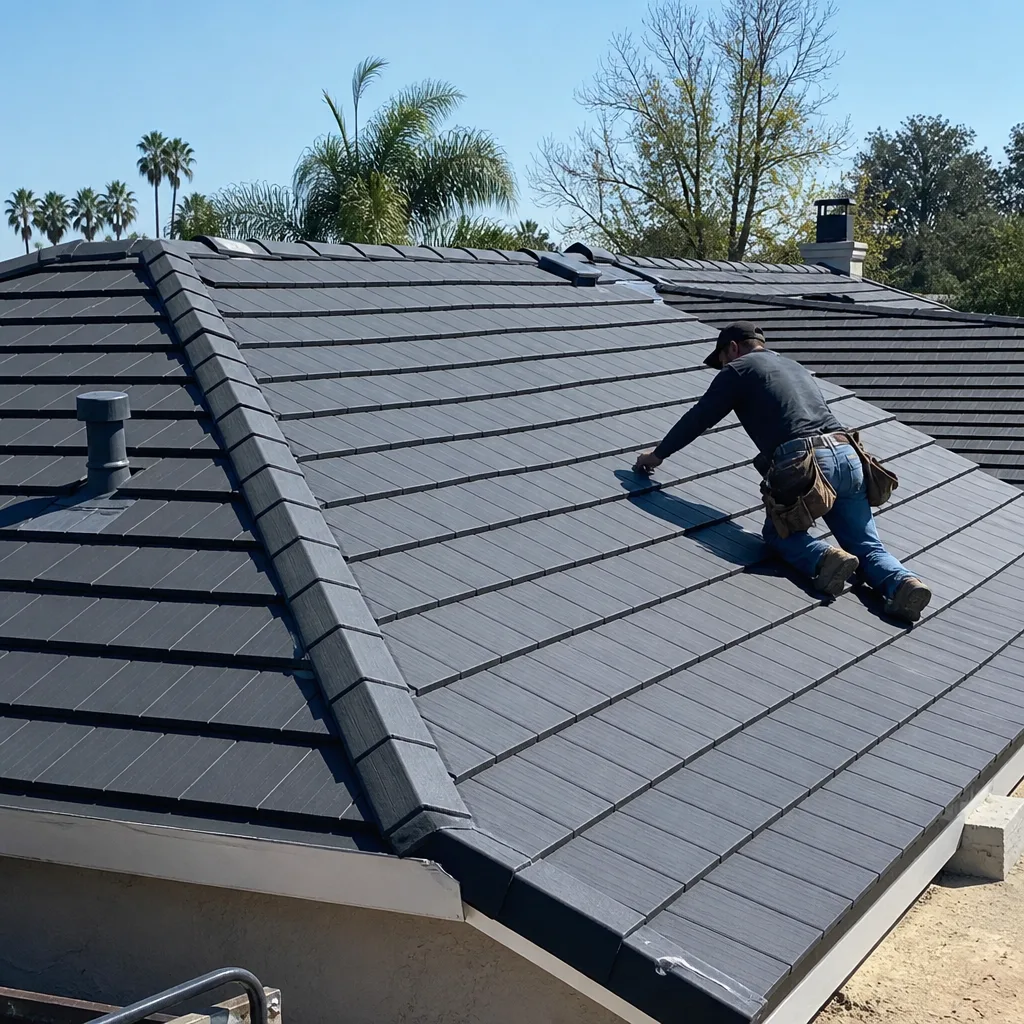 After
After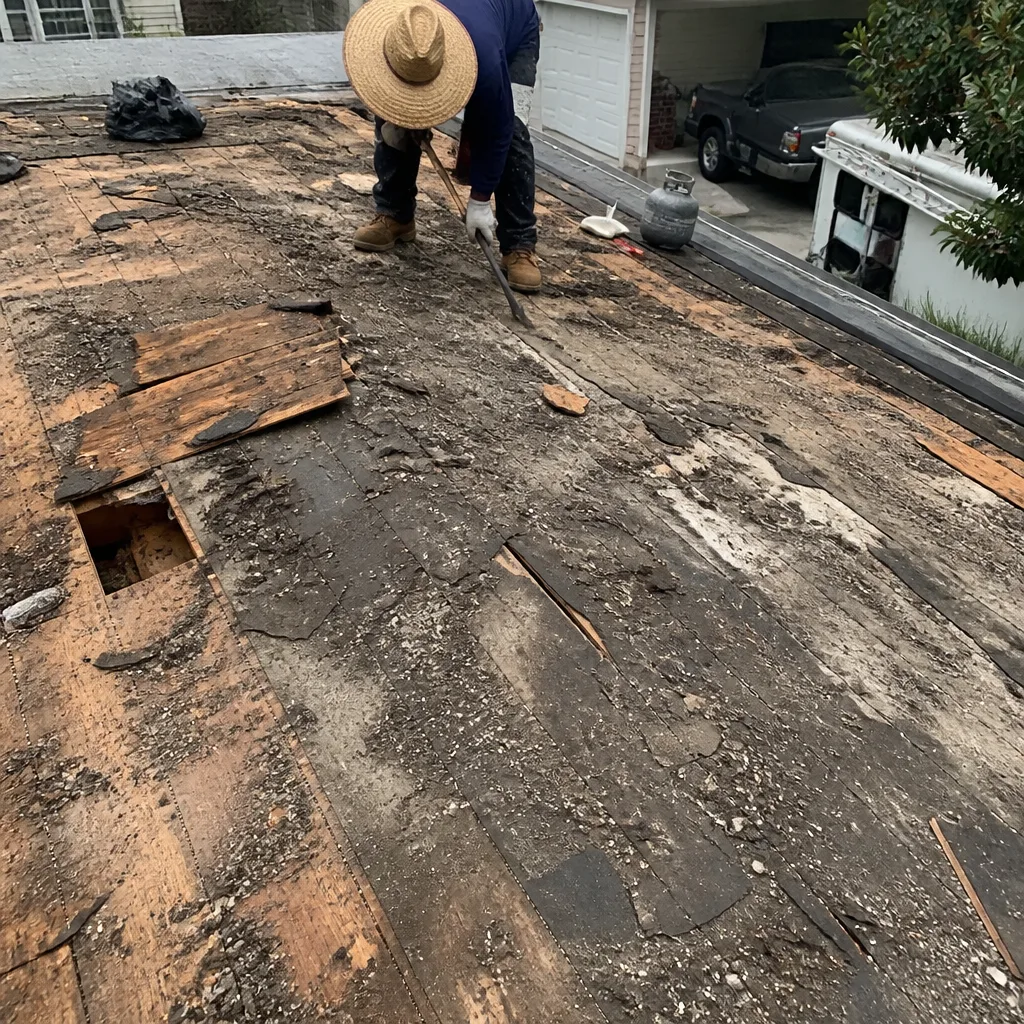 Before
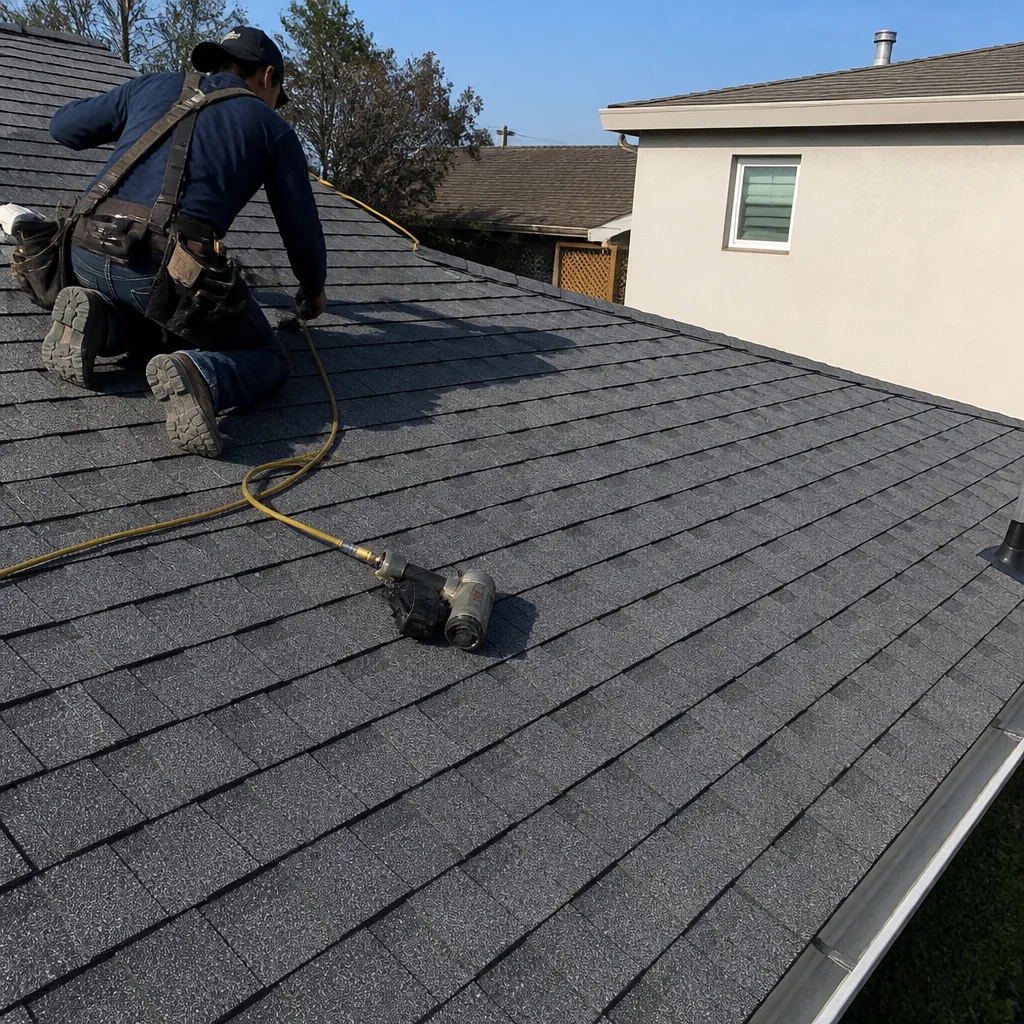 After
After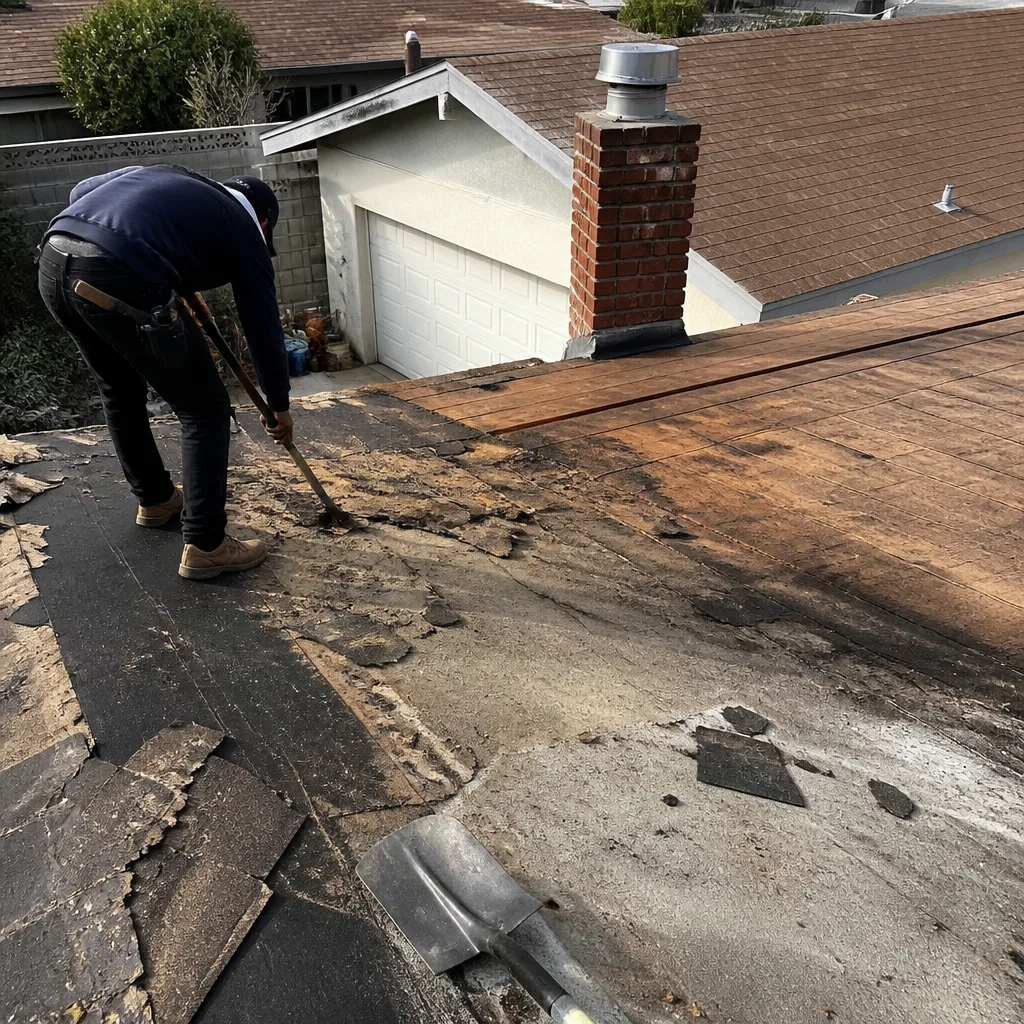 Before
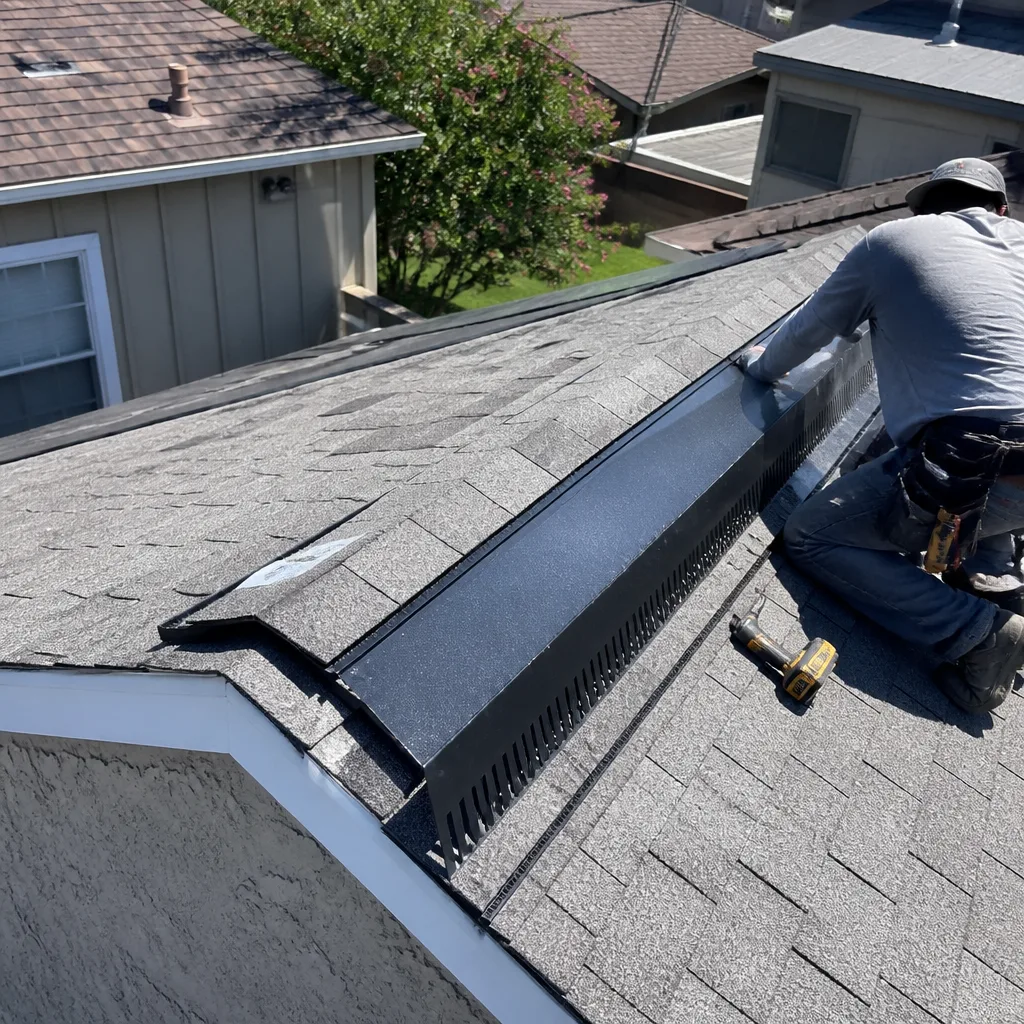 After
AfterRoof Replacement Warning Signs Every Homeowner Should Know
Here’s the uncomfortable truth most roofing guides skip: a roof that’s been repaired three times in five years isn’t saving you money. By repair number two, the cumulative cost has often crossed the line where replacement would have been cheaper, and now you’re paying for a fourth repair on a roof that’s already told you it’s done. This guide walks through the specific indicators that separate a repairable roof from one that needs Roof Replacement, so you can stop guessing and make the call with real numbers in front of you. We’ve seen this play out across Los Angeles, from Santa Monica bungalows to Pasadena craftsman homes, and the pattern is always the same: the roof speaks, and the homeowner hears it a year too late.
Quick Answer
The clearest roof replacement warning signs are sagging deck sections, widespread granule loss on shingles, multiple interior water stains, and a roof that’s past 60% of its expected lifespan with repair bills piling up. For ongoing care, see our Roofing Company Maintenance Schedule: What to Do and When. In Los Angeles, concrete tile roofs need special attention because the tiles can look perfect from the ground while the underlayment beneath has already failed. If you’re seeing any of these signs, call (424) 766-4937 for a free written assessment before you spend another dollar on repairs.
Table of Contents
- The Repair Cost vs. Remaining Life Calculation
- Structural Warning Signs That Make Repair Impossible
- The Los Angeles Concrete Tile Aging Pattern
- The Insurance Angle: Why This Is a Financial Decision
- How to Inspect Your Attic Without a Professional
- What a Written Inspection Report Documents
- Material-Specific Aging Patterns to Know
- Common Mistakes to Avoid
- When to Call a Professional
- Frequently Asked Questions
- The Bottom Line
The Repair Cost vs. Remaining Life Calculation
Here’s the formula most roofing companies won’t put in front of you because it costs them repair work: if a single repair costs more than 20-25% of a full replacement, and your roof is past 60% of its expected lifespan, replacement math usually wins. Let’s put real numbers on that. Say your Los Angeles home has a 25-year asphalt shingle roof that’s now 15 years old. A full replacement might run $18,000-$25,000 depending on square footage and material. That means any single repair quote north of $4,500-$6,000 is your signal to stop and reconsider.
And the math gets worse when you add the repairs together. A $3,000 repair at year 12, a $4,200 repair at year 14, a $5,500 repair at year 15 - you’re now at $12,700 on a roof with maybe 8 years of life left, and it’s still giving you trouble. Roof replacement in Los Angeles is a big number on paper, but it’s a known number. The repair treadmill is a number that keeps growing.
Here’s how to run this calculation for your own roof right now:
- Find your roof’s expected lifespan. Asphalt shingles: 20-30 years. Concrete tile: 50+ years on the tile, but only 20-30 years on the underlayment beneath. Wood shake: 25-35 years. Flat roof membrane: 10-20 years depending on material.
- Determine your roof’s current age. If you don’t know, check your home purchase paperwork or have a roofer check the permit history. Los Angeles building permits are searchable online and often list the last roof installation date.
- Divide age by lifespan. If you’re past 60%, you’re in the danger zone for repair math. At 80% or higher, almost any significant repair should trigger a replacement conversation.
- Add up every repair you’ve paid for in the last five years. If that total exceeds 20-25% of a replacement estimate, you’ve already spent the money that would have gone further on a new roof.
We’ve seen this exact scenario dozens of times: a homeowner in Sherman Oaks calls us for a “simple” repair, we run the numbers together, and they realize they’ve spent $9,000 patching a roof that should have been replaced three repairs ago. That’s not a critique of their previous roofer. It’s just what happens when nobody shows you the full picture in writing.
Structural Warning Signs That Make Repair Impossible
Some roofs don’t need a cost calculation because there’s nothing left to repair. These are the structural indicators that mean the deck itself has failed, and no amount of patching will bring it back.
Sagging Deck Sections
From the street, look along the roof ridge line. It should be dead straight. If you see a dip, a sway, or a soft curve anywhere along that line, you’re looking at deck failure beneath the roofing material. This isn’t a surface issue. The plywood or OSB sheathing has absorbed moisture, lost its structural integrity, and is now bending under the weight above it. In Los Angeles, we see this most often after years of slow leaks that never got addressed, where the plywood has been quietly rotting from the underside.
Multiple Rafter Damage
In your attic, run your hand along the rafters (the angled boards supporting the deck) and look for water staining. Dark streaks, white powdery residue, or wood that feels soft when you press a screwdriver into it are all signs of rot. One damaged rafter can sometimes be sistered and reinforced. Multiple damaged rafters across different sections of the roof means the load distribution has been compromised, and replacement is the only responsible answer.
Widespread Decking Rot
Decking rot follows a predictable pattern: water gets in, the wood darker first, then grows mold, then crumbles. If you can push a screwdriver into the decking in more than two or three spots, the rot is too widespread for a patch-and-move-on approach. A new section of decking stitched into rotten surrounding decking will fail within years, because the new wood will be pulling against, and eventually separating from, the deteriorated edges around it.
These three signs together - sagging sections, multiple rafter damage, widespread decking rot - mean the roof has failed structurally. Any roofer who offers to repair this without mentioning replacement is not doing you a favor. At Birchbark Roofing, our inspection process flags these conditions in writing, with photos, so you can see exactly what we’re seeing before anyone talks about price.
The Los Angeles Concrete Tile Aging Pattern
Los Angeles has more concrete tile roofs than almost any city in America, and they age in a way that fools a lot of homeowners. The tiles themselves can last 50, 60, even 75 years. But the underlayment beneath them - the waterproof layer that actually keeps water out of your house - lasts 20 to 30 years. That’s the number that matters.
Here’s the trap: concrete tile looks intact from the ground because it usually is intact. The tiles are weathering fine. But the underlayment has dried, cracked, and separated at the seams, which means water is getting through and sitting against your decking, rafters, and insulation. By the time you see water stains on a ceiling, the underlayment failed years ago.
This is a uniquely Los Angeles roofing story because so many of our homes were built with concrete tile in the 1960s, 1970s, and 1980s. Those roofs are now on their second or third decade of underlayment life, and the clock has been running the whole time. Homeowners in places like Encino, Tarzana, and Woodland Hills are especially exposed because those neighborhoods were built out heavily during the concrete tile boom.
If you have a concrete tile roof that’s 20+ years old and you’ve never had the underlayment replaced, you need an inspection that specifically checks for underlayment failure. This is not a DIY-friendly assessment. It requires lifting tiles carefully (a job with real fall hazards and breakage risk), checking the condition of the felt or synthetic layer beneath, and documenting what’s found. At a minimum, ask your roofer to photograph the underlayment condition during any inspection. A roofer who won’t show you photos of what’s under the tiles hasn’t actually checked.
The Insurance Angle: Why This Is a Financial Decision
Here’s something most homeowners don’t realize until the letter arrives: your insurance company can decline to renew your coverage or raise your premium based on roof age and condition, whether or not you’ve ever filed a claim. In Los Angeles, this has become especially common in the last few years as insurers have tightened their underwriting standards statewide.
The math for insurers is straightforward. An older roof is a higher probability of a water damage claim, and water damage claims are expensive. So they’ll do one of three things: renew you at a higher premium, renew you with an exclusion for roof-related damage, or decline to renew altogether and send you to a surplus lines carrier with worse terms.
This makes roof replacement timing partly an insurance conversation, not just a roof conversation. A written inspection report that documents the roof’s current condition - including photos, specific areas of concern, and the estimated remaining lifespan - gives you leverage in that conversation. If your roofer says the roof has 8-10 years left, that’s a document you can give your insurance agent. If your roofer says the roof is past its service life, that’s a document that tells you to plan for replacement before your insurer makes the decision for you.
Birchbark Roofing gives every homeowner a written inspection report for exactly this reason. It’s not a verbal walk-through where you try to remember what the roofer said and then repeat it to an insurance adjuster four months later. It’s a paper trail. And in an insurance conversation, paper wins.
How to Inspect Your Attic Without a Professional
You don’t need a roofing certification to spot the most serious warning signs. You need a flashlight, a screwdriver, and about 20 minutes in your attic on a dry, sunny day. Here’s the step-by-step process we recommend before you bring in a professional - and for deeper guidance, see our Roofing Company Maintenance Checklist for Los Angeles Homeowners:
- Turn off the attic lights. Wait a minute for your eyes to adjust. Look for daylight coming through the roof deck. Any light you can see is a hole water can get through. Check around vents, pipes, and the chimney first - those are the usual culprits.
- Shine your flashlight along the underside of the decking. Look for dark streaks that follow the seams of the plywood. These are water tracks, and they tell you where water has been running.
- Press the screwdriver into the decking. Start near the eaves and work toward the peak. Solid wood resists. Rotted wood gives way with almost no pressure. Test at least 15 to 20 spots across different areas of the attic.
- Check the rafters. Look for staining, mold, or white powder. Press the screwdriver into any stained areas. If the wood is soft, you’ve got rafter damage.
- Look at the insulation. Wet or compressed insulation is a sign of an active or recurring leak. In Los Angeles attics, insulation often hides the first signs of trouble because nobody looks at it until there’s a problem.
- Document everything. Take photos with your phone. Note the location of any issues. This becomes your reference point when a professional comes out, and it helps you verify that the issues they find match what you found.
If you find daylight, soft decking, or wet insulation, you’ve got a problem that needs professional attention this season. These signs don’t self-heal. They get worse with every winter rain in Los Angeles.
What a Written Inspection Report Documents
A verbal walk-through gives you a roofer’s opinion while everything is fresh in their mind and they’re pointing at things you’re trying to see from the ground. A written report gives you something you can actually use. Here’s what the difference looks like in practice.
When we inspect a roof, our written report includes:
- Photographs of every area of concern - not just a wide shot of the roof, but close-up images of cracked sealant, missing granules, damaged flashing, and underlayment condition where visible.
- Specific measurements and locations - “sagging noted on the north slope, approximately 6 feet east of the chimney” rather than “there’s a sag somewhere over the living room.”
- Estimated remaining lifespan - our assessment of how many years the roof has left based on material condition, age, installation quality, and Los Angeles weather exposure.
- A repair-vs-replace recommendation with reasoning - if we say replace, the report explains why, referencing the specific conditions we observed. If we say repair, it outlines the scope and expected durability of that repair.
- Material condition by component - decking, underlayment, flashing, tiles or shingles, vents, and gutters each get their own line item, so you can see what’s fine and what’s failing.
This level of detail matters because it converts a subjective conversation into a document you can act on. You can share it with your insurance agent. You can use it to compare bids from multiple roofers. You can file it away and reference it in three years to see if conditions have changed.
A written report also creates accountability. If we tell you the roof has five years left and it fails in three, you have our written assessment in hand. That’s a meaningful promise, and it’s the reason we put everything in writing rather than leaving you trying to remember what was said over the sound of traffic. Our approach is part of the broader standard set across the Birchbark Roofing home service area, and it’s built into how we work every day.
Material-Specific Aging Patterns to Know
Different roofing materials fail in different ways, and knowing what to look for on your specific roof makes you a better judge of what you’re seeing. Here’s what we look for on the most common Los Angeles roofs.
Asphalt Shingles
Asphalt shingles fail through granule loss first. The granules are the sand-like coating that protects the asphalt from UV degradation, and when they start washing off, the shingle is aging. You’ll see granules in your gutters or at the base of your downspouts. You’ll also see bald spots on the shingles where the granules are gone and the matting is visible. Curling, buckling, and cracked shingles are the next stage of the same aging process. Once you’re seeing bare matting or multiple cracked shingles across different slopes, the roof is in the final third of its life regardless of age.
For replacement, we work with materials from GAF, CertainTeed, Owens Corning, IKO, Atlas, Tamko, and Boral. GAF shingles, for example, are a common choice for Los Angeles homes because they handle the intense summer sun well. Atlas and Tamko also make excellent architectural shingles at a slightly different price point. The material choice depends on your home’s style, your budget, and the lifespan you’re planning for.
Concrete and Clay Tile
As covered above, the tile isn’t the failure point. The underlayment is. But there are also tile-specific issues to look for: broken or cracked tiles that allow direct water entry, shifted tiles that expose the underlayment to UV, and efflorescence (white mineral deposits) that indicate water moving through the tile. If you see these signs on a 20+ year old roof, assume the underlayment is compromised and get it inspected.
Flat Roofs
Flat roofs in Los Angeles are common on mid-century moderns and 1920s Spanish-style homes. They fail through seam separation, ponding water, and membrane blistering. If your flat roof has standing water that doesn’t drain within 48 hours after rain, the slope has been lost and the membrane is aging. Blisters - bubbles in the surface - indicate trapped moisture beneath the membrane. Both are signs that a new membrane is in your future rather than another layer of coating.
Wood Shake and Shingle
Wood roofs in Los Angeles have mostly been replaced over the years due to fire code changes, but many older homes still have them. They fail through cupping, splitting, and rot. A wood roof that’s cracking in multiple places is at the end of its service life. The good news: a replacement can use modern materials like Boral’s synthetic shake or a standing seam metal profile that gives the same look with a much longer lifespan and better fire performance.
Common Mistakes to Avoid
- Patching a roof that’s already told you it’s done. Every roof has a phase where repairs stop being cost-effective. If you’ve had two significant repairs in three years, you’re probably already there, and a third repair is just a down payment on a future replacement.
- Judging a concrete tile roof from the ground. In Los Angeles especially, the tiles can look brand new while the underlayment beneath them is completely shot. You need to see what’s under the tile, not what’s on top of it.
- Ignoring attic evidence because the ceiling looks fine. A roof leak can run along rafters and pool in areas where you won’t see it on the ceiling for months. The attic shows problems first, and it’s free to look.
- Waiting for a leak to act. By the time water is coming through your ceiling, the roof has been compromised for a while. Early intervention costs less and preserves the decking, which is the expensive part to replace.
- Not getting the assessment in writing. A verbal estimate is an opinion. A written report is a document. If you’re deciding between repair and replacement, or dealing with an insurance renewal, the written version is the one that actually helps you decide.
- Assuming insurance will cover the replacement. In Los Angeles, most homeowners insurance is written on an actual cash value basis for old roofs, which means the payout is depreciated and the homeowner covers the difference. Checking your policy before you’re in crisis makes the decision clearer.
- Skipping the permit conversation. Roof replacement in Los Angeles typically requires a permit, and the permit record is part of what protects your home’s value. A roofer who brushes past permits is asking you to assume risk without explaining it. Ask how permits are handled and get the answer in writing.
When to Call a Professional
Call a professional if you’ve found daylight in the attic, if your decking gives way under a screwdriver, if you see sagging in the roof line, or if your concrete tile roof is past 20 years old and hasn’t had the underlayment inspected. Call if you’re looking at a repair quote that’s more than 20-25% of what a replacement would cost, because that’s the moment the math shifts in favor of replacement. Call if your insurance company has sent you a non-renewal notice or a premium increase tied to roof condition. And call if you simply haven’t had the roof checked in more than five years - in Los Angeles weather, five years of sun and winter rain takes a measurable toll. Roof repair in Los Angeles is the starting point for many of these situations, but the inspection comes first. Birchbark Roofing offers free estimates in Los Angeles - call (424) 766-4937 and we’ll schedule the inspection and put everything in writing.
Frequently Asked Questions
The answer usually comes from three factors: the roof’s age, the extent of the damage, and the cost of the repair relative to replacement. If the repair costs more than 20-25% of a replacement and the roof is past 60% of its lifespan, replacement usually makes more financial sense. If the damage is structural - sagging decking, multiple rotted rafters, widespread decking rot - repair is not an option at all. Call (424) 766-4937 for a free written assessment that gives you the same information we’d want for our own homes.
The tile itself rarely shows failure. The signs you’re looking for are broken or shifted tiles that expose the underlayment, water stains on the ceiling or in the attic, and the passage of time - underlayment on Los Angeles concrete tile roofs typically lasts 20 to 30 years regardless of how the tile looks. If your tile roof is past year 20 and you don’t know the underlayment’s condition, schedule an inspection that includes photographic documentation of what’s beneath the tiles.
For a typical Los Angeles home, an asphalt shingle roof replacement generally runs $18,000-$25,000, while concrete tile replacement with new underlayment runs higher due to the tile cost and the labor involved in the tile work. Flat roofs, wood shake replacements, and complex roofs with multiple slopes run on the higher end. We give every homeowner a written price before work starts, so you’ll see your exact number in dollars before you make any commitment. Call (424) 766-4937 for a free estimate specific to your home.
Yes, roof replacements in Los Angeles generally require a building permit. The permit ensures the work meets current building codes for your area, including the cool roof requirements that apply to many Los Angeles neighborhoods. At Birchbark Roofing, we handle the permit process as part of the job, and it’s all documented in writing before work begins.
Coverage depends on your policy terms and the reason for the replacement. Insurance typically covers sudden damage, like a tree falling on the roof, but doesn’t cover gradual aging and wear. For older roofs, many policies are written on an actual cash value basis, which means the payout is significantly less than the full replacement cost. A written inspection report from a professional roofer gives you the documentation you need to have an informed conversation with your insurance agent about your specific situation.
A standard asphalt shingle roof replacement on a typical Los Angeles home takes 2 to 4 days, depending on the roof’s size and complexity. Concrete tile work takes longer, often 5 to 10 days, because the tile work is more labor-intensive and the old tile has to be removed and sorted. We’ll give you a specific timeline in writing before the job starts, along with a clear explanation of what happens on each day of the project.
Look for a written price, a written warranty, a clear permit process, and a documented inspection report. Ask who will be on your property and whether the crew is background-checked and uniformed. Ask what the clean-up process looks like. At Birchbark Roofing, shoe covers and drop cloths are used on every visit, all debris is cleared and photographed before we leave, and it’s all part of the service, not an add-on. Check the roofing company’s local reputation and read what other Los Angeles homeowners have said about their experience, not just the company’s own website.
The Bottom Line
A roof replacement is a significant investment, but it’s a decision you should make on purpose, with numbers and documentation, not by default after years of patch jobs and insurance letters. Explore our more guides & resources for additional help. Learn your roof’s age. Look at the decking, not just the surface. Know that concrete tile underlayment and tile have different lifespans. Do the repair vs. replacement math honestly. Get the assessment in writing. If you’re seeing the signs described above, call (424) 766-4937 for a free written estimate from a team that will treat your home like a home - shoe covers at the door, drop cloths through the hallway, and a photo of the cleaned-up job before we leave.
Written by Erik Lindgren, Owner at Birchbark Roofing, serving Los Angeles since 2000.