
Last updated October 8, 2026
Free roof inspection with deck photos before we talk money - GAF and Owens Corning certified installation
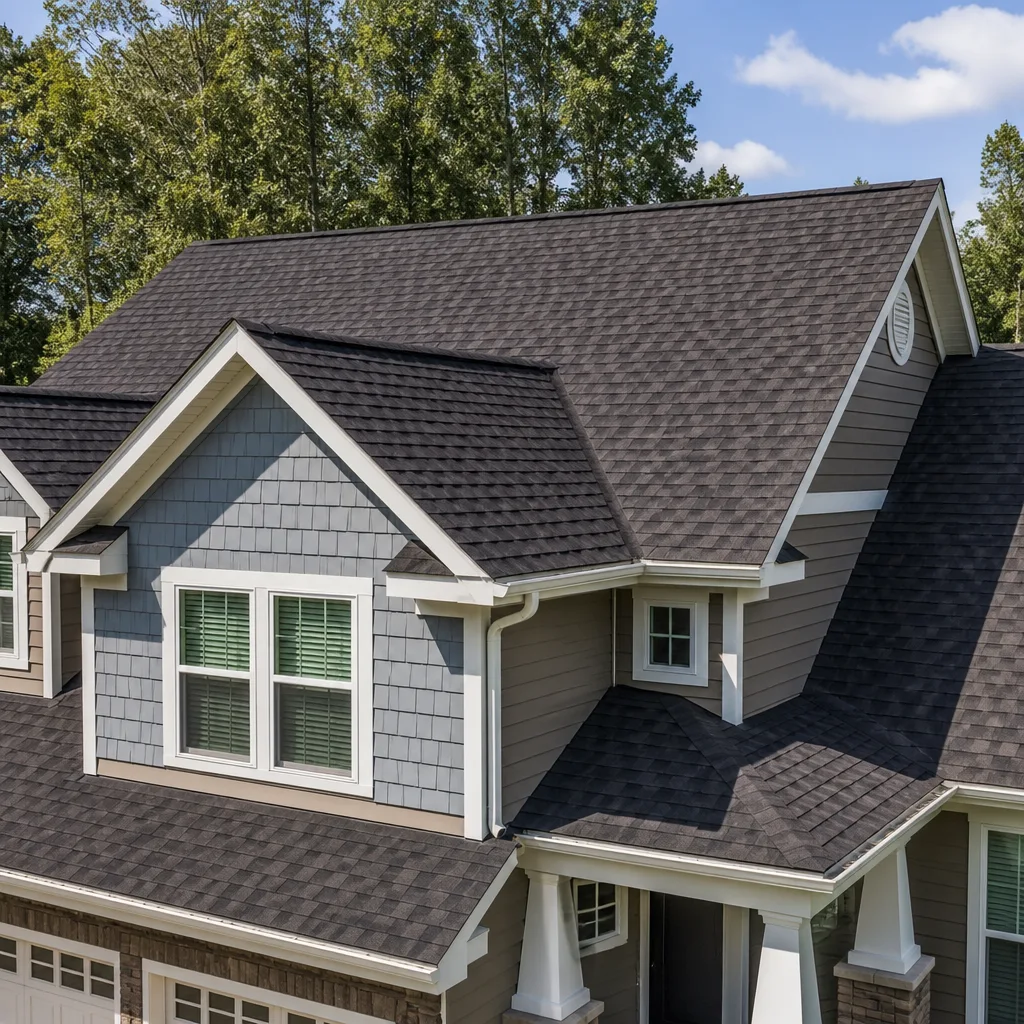
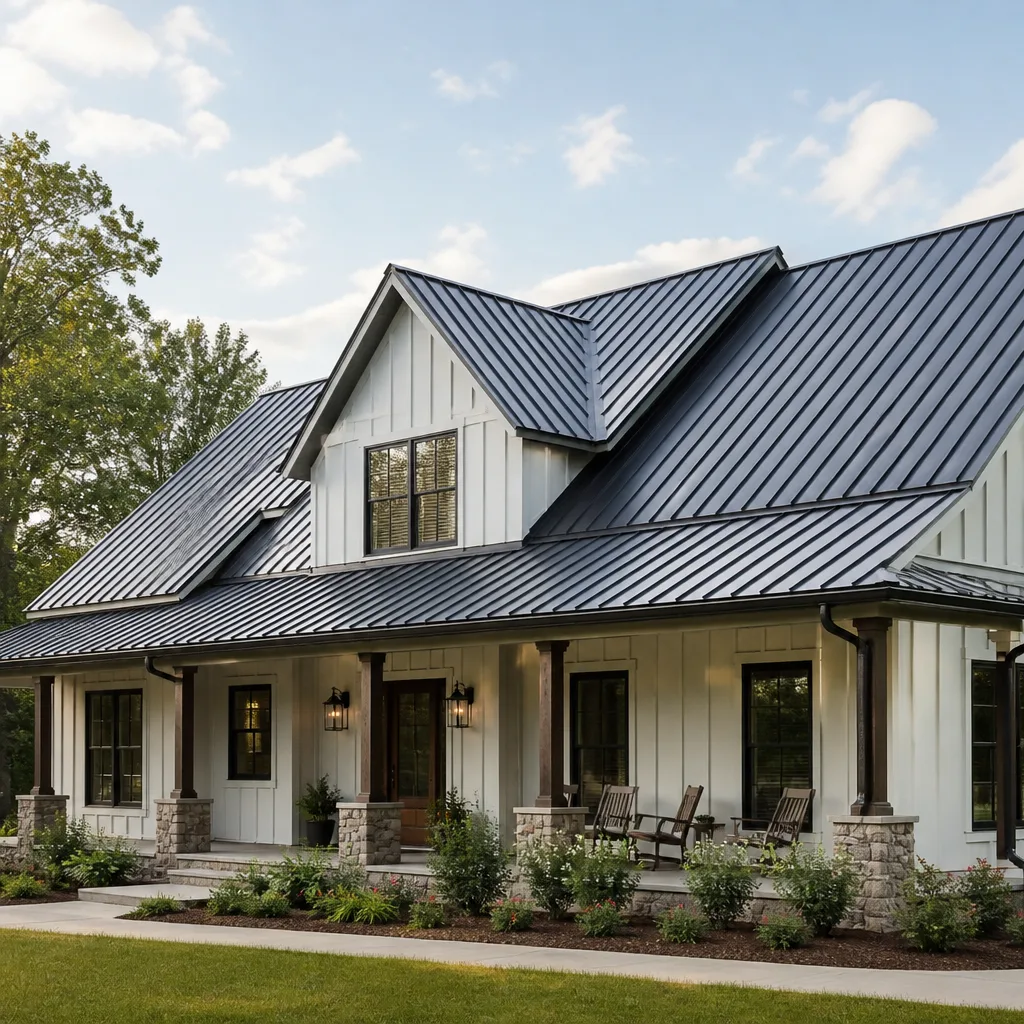
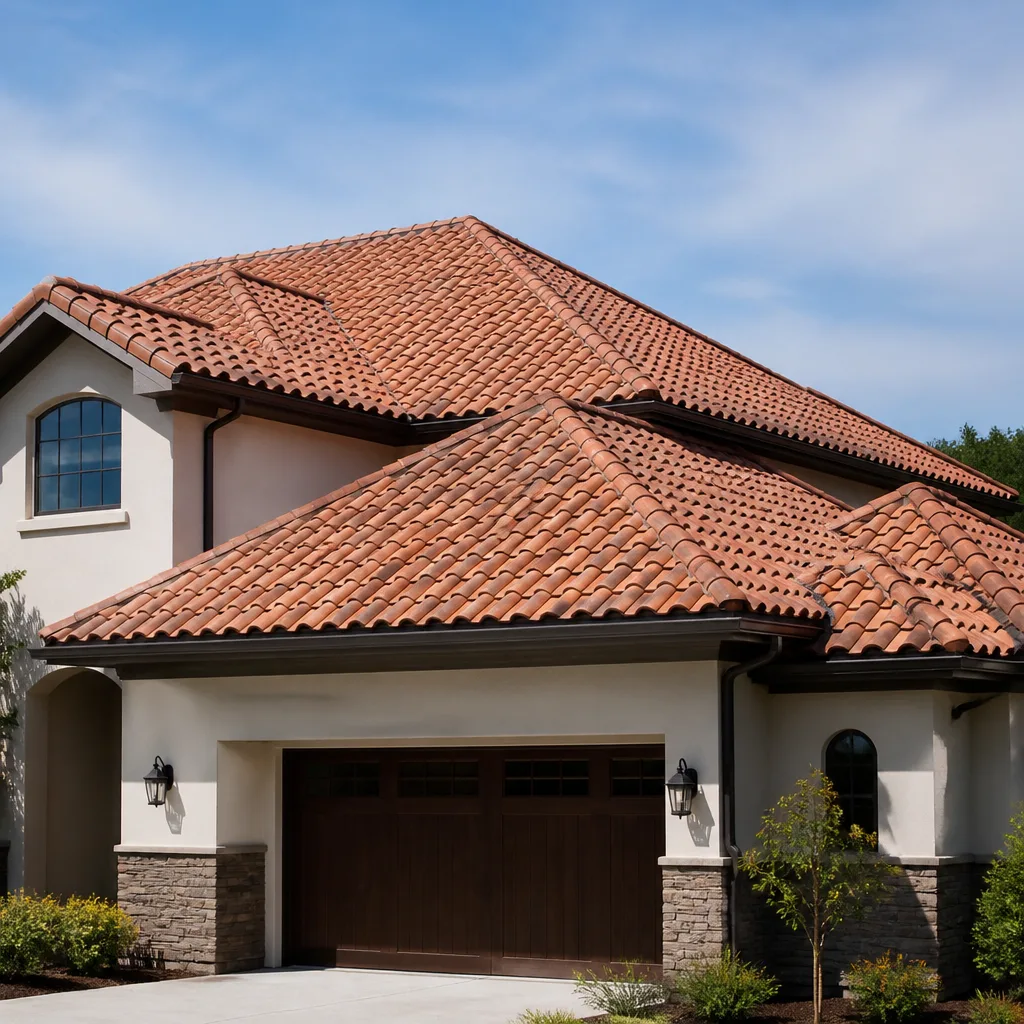
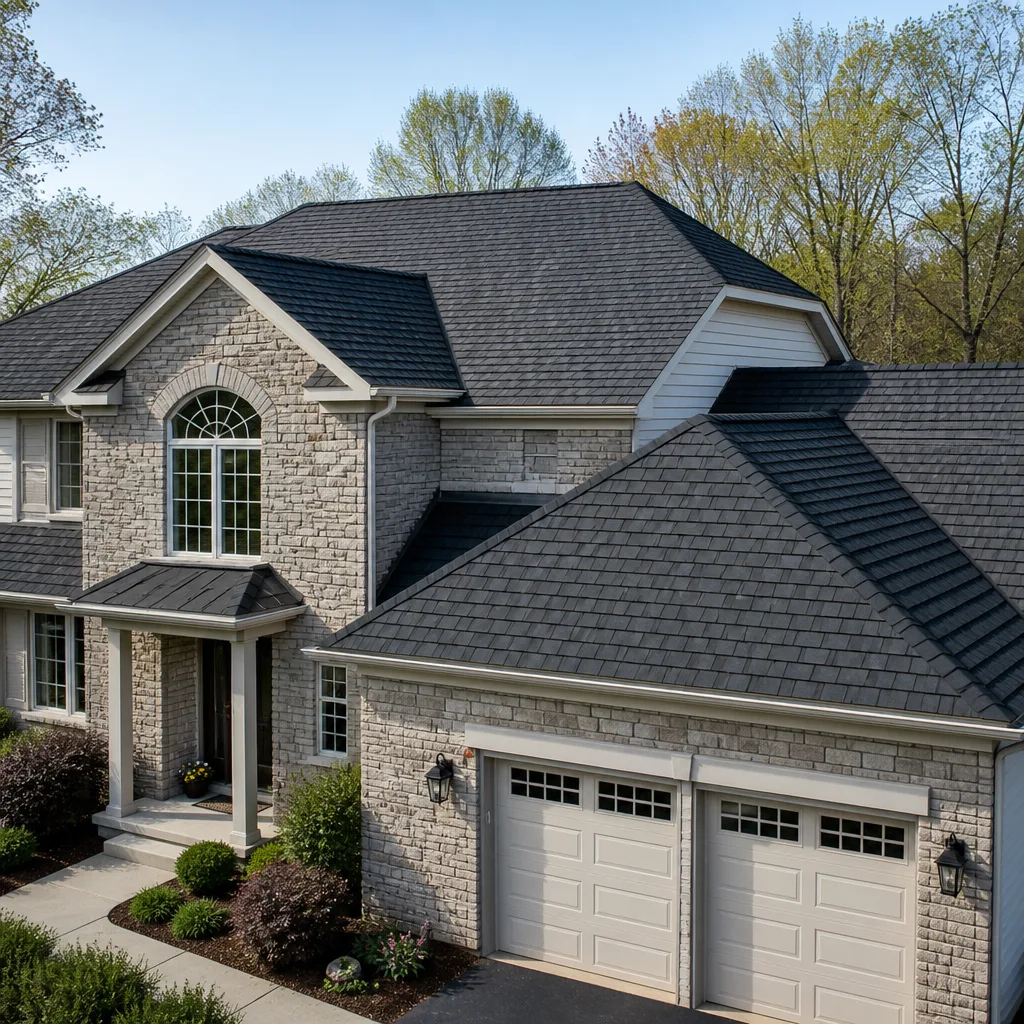
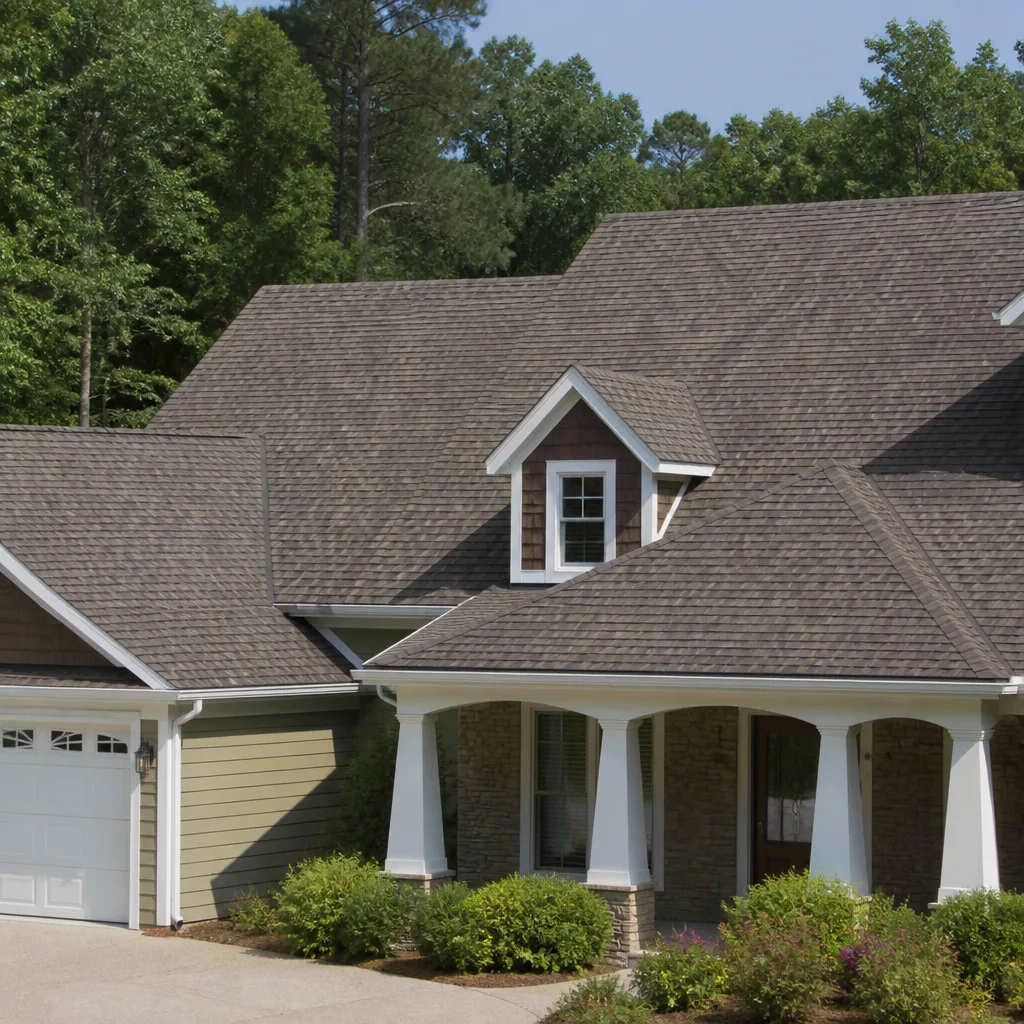
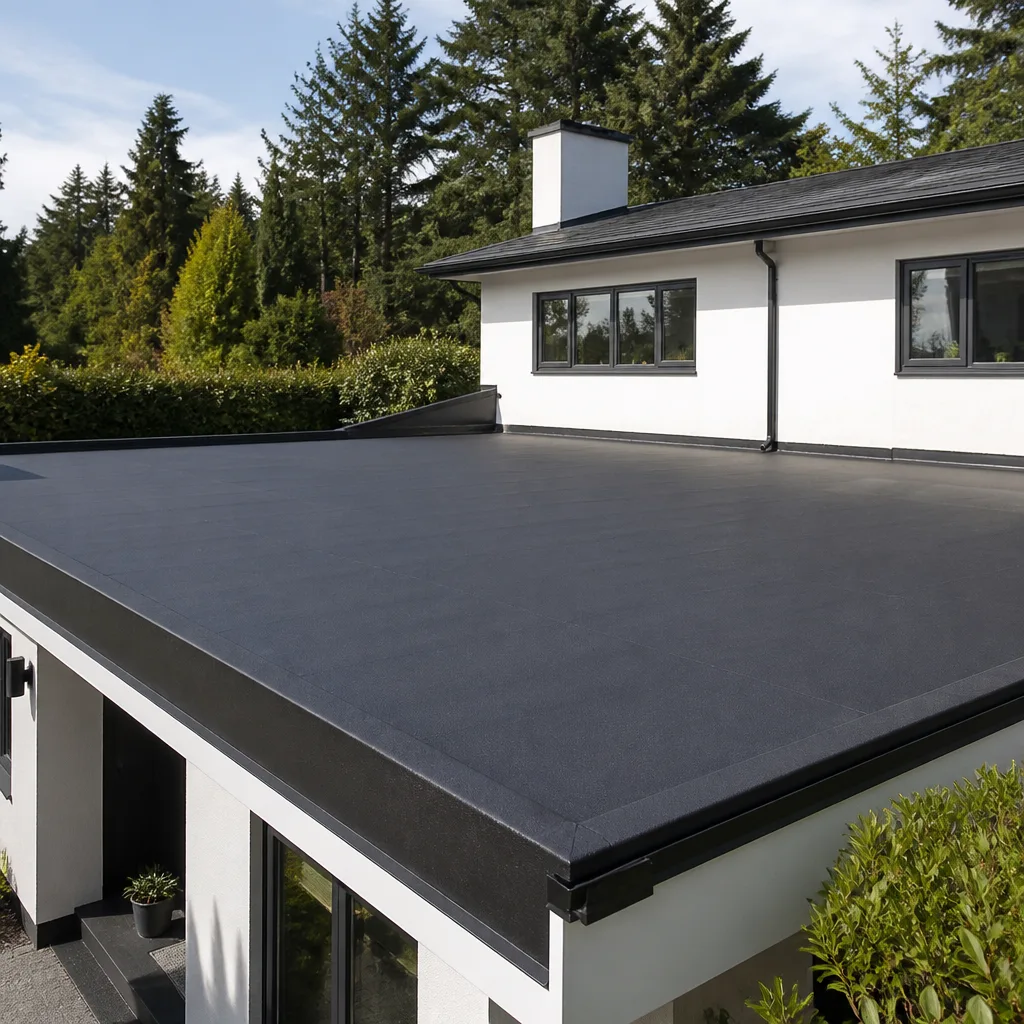
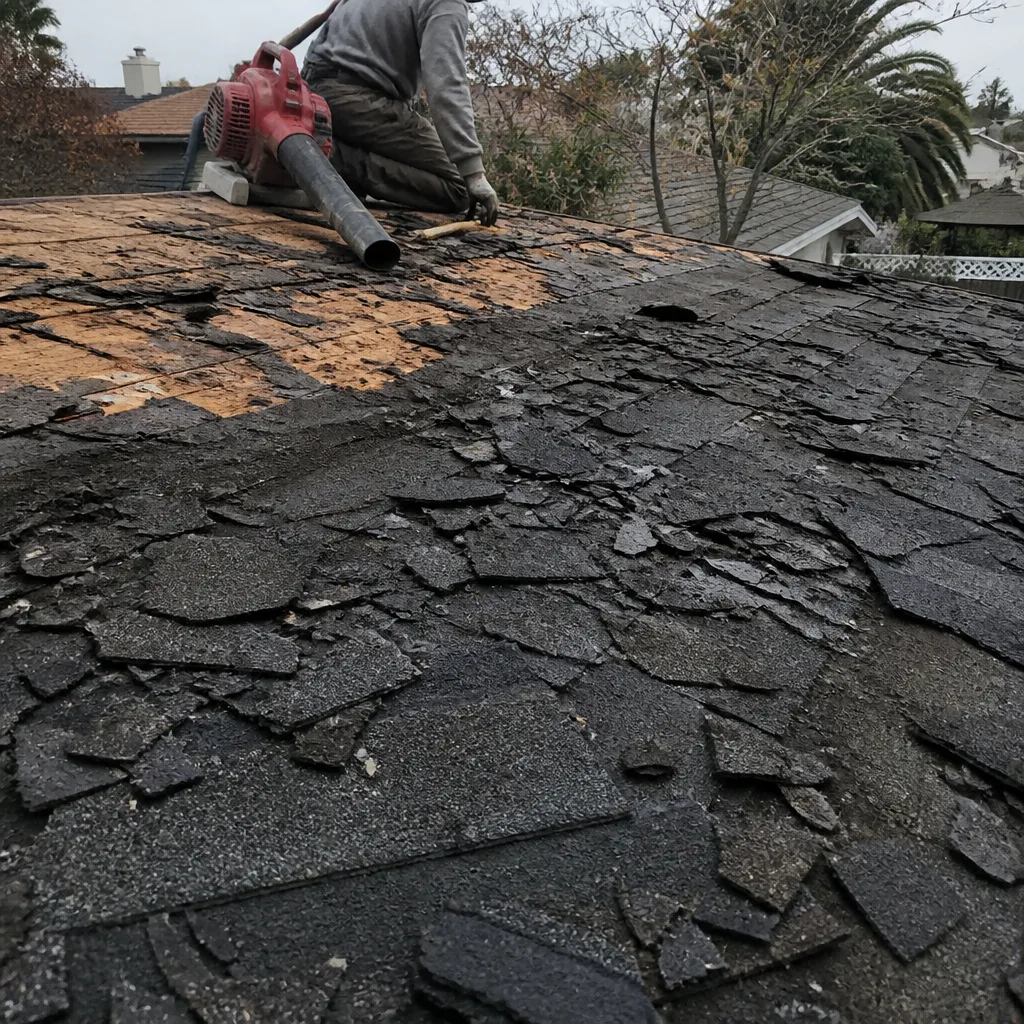 Before
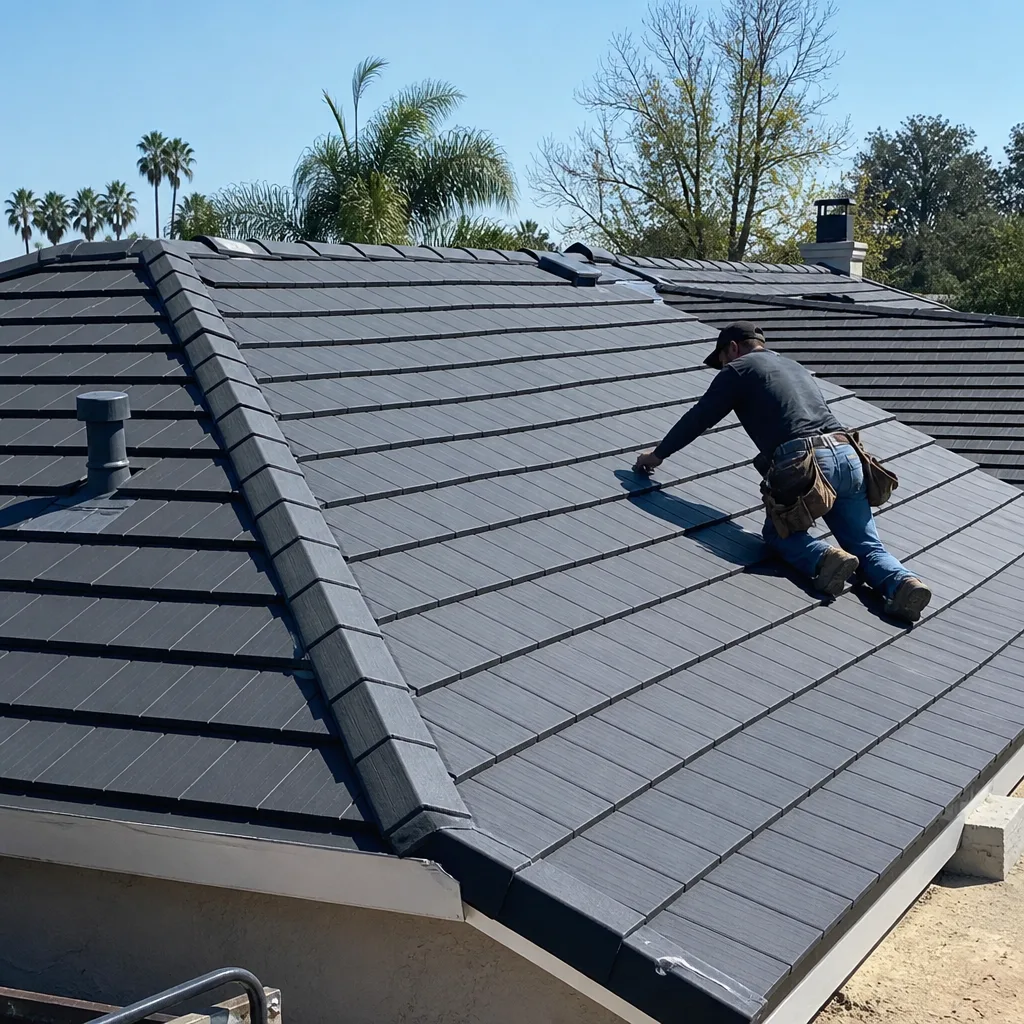 After
After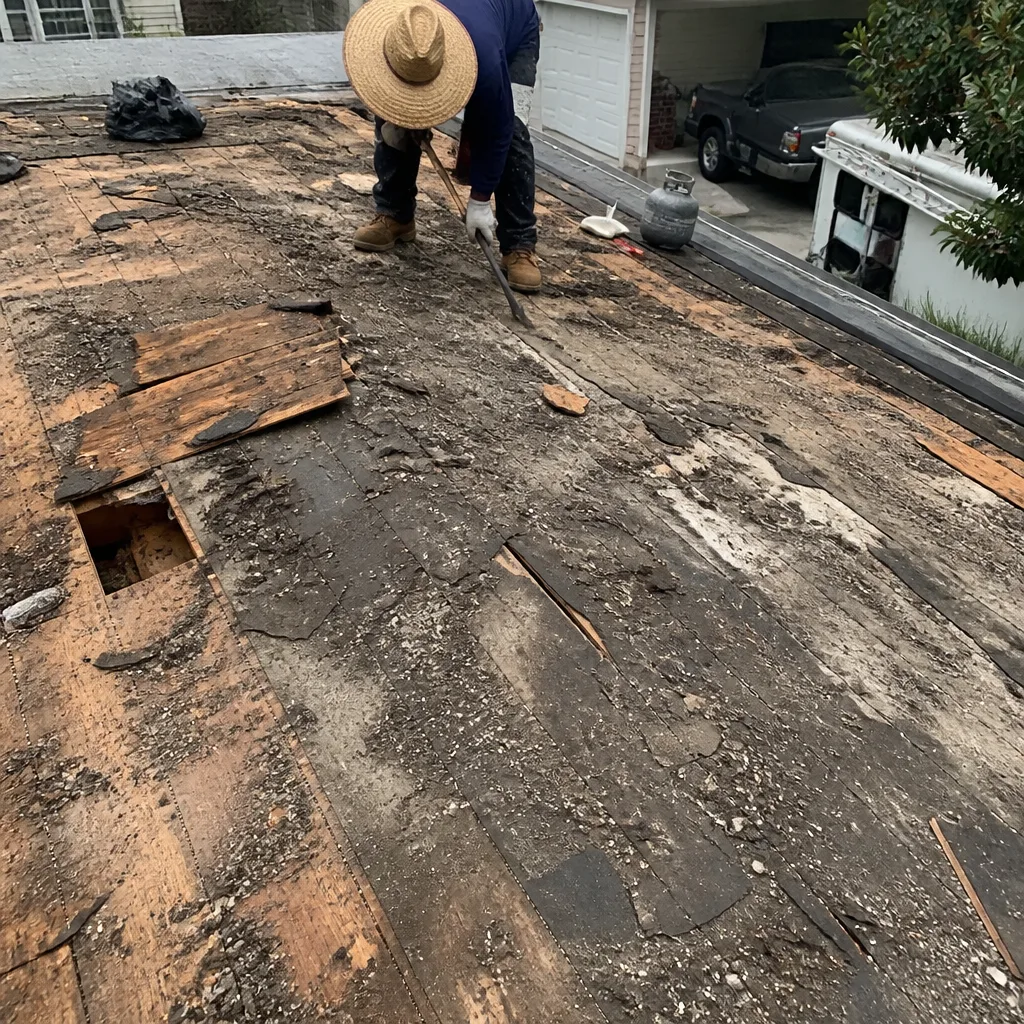 Before
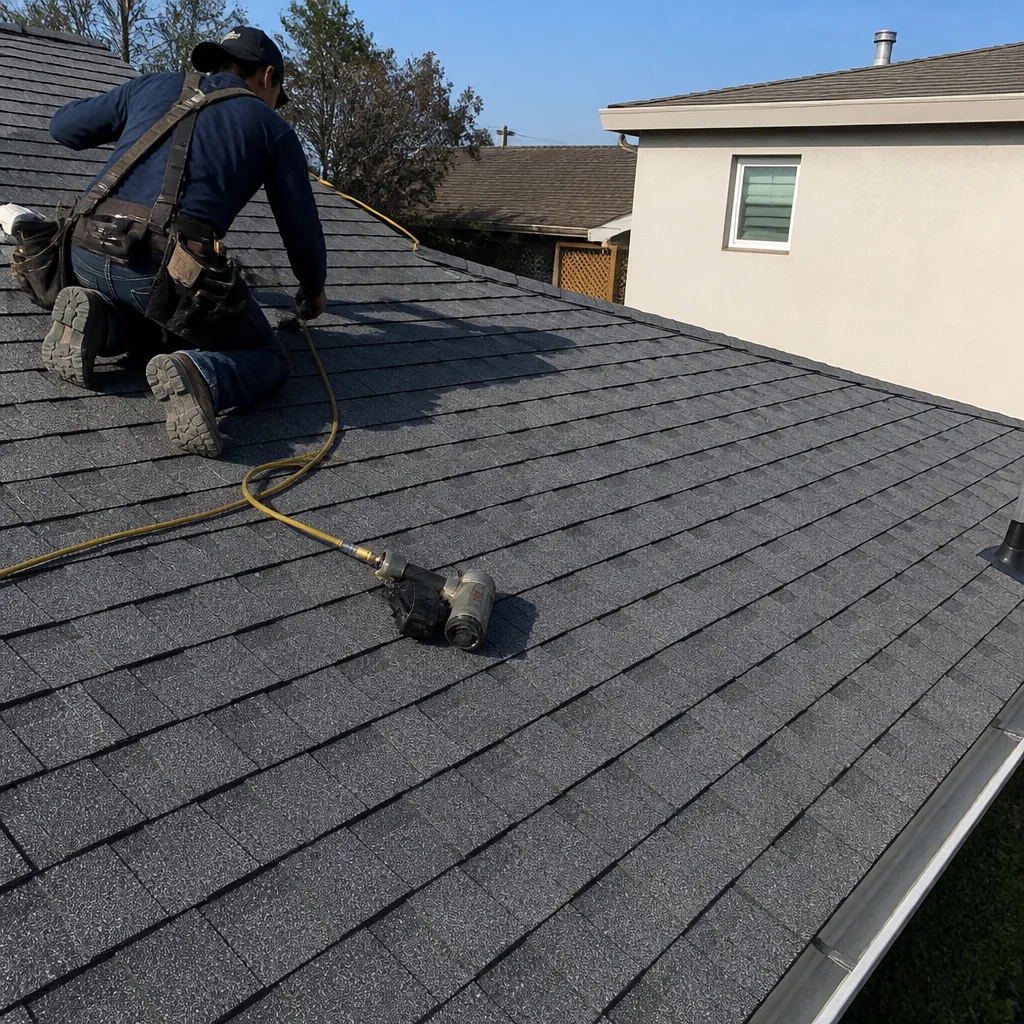 After
After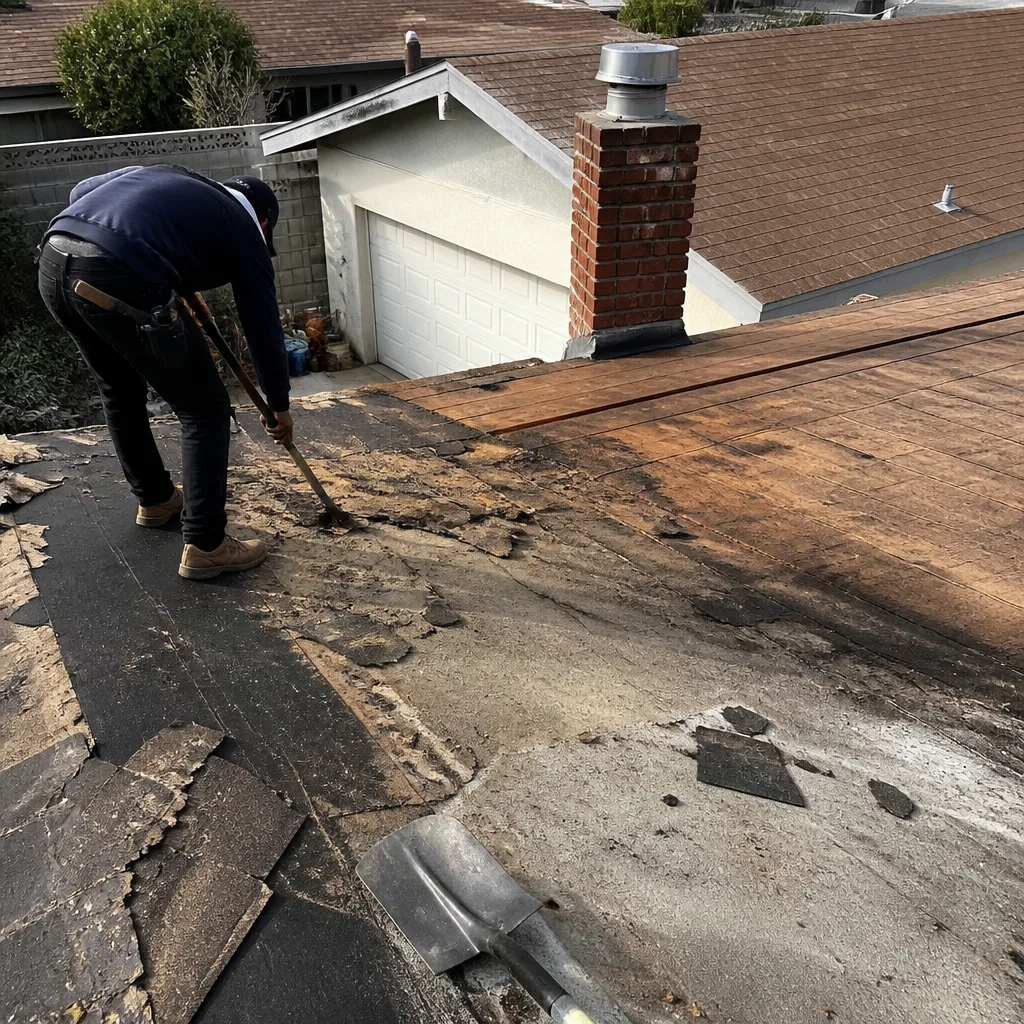 Before
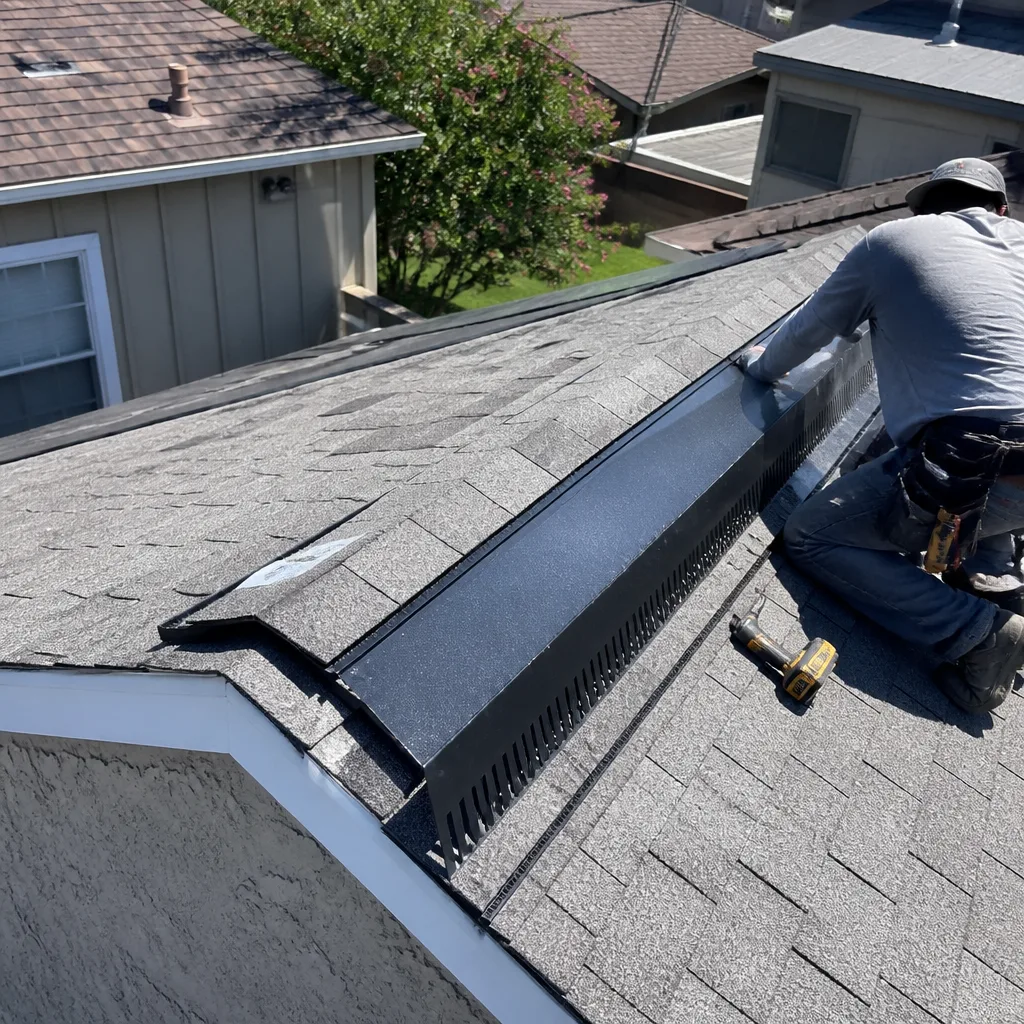 After
AfterRoofing Company Maintenance Schedule: What to Do and When
Los Angeles roofs don’t fail the way roofs fail in Minneapolis or Boston. There’s no ice damming, no freeze-thaw cycle prying shingles loose, no snow load testing the decking. What LA does have is a rainy season that dumps debris into valleys and gutters right before six months of relentless UV exposure bakes every seal, flashing, and membrane on the roof. Most maintenance schedules you’ll find online are written for a generic American climate, and they miss what actually matters here. For more guides & resources tailored to local conditions, look for region-specific advice. This guide is built around the calendar Los Angeles actually lives on, and it’s written so a homeowner knows exactly what to check, when to check it, and what should be left to someone with a harness and a worker’s comp policy.
Quick Answer
A roof maintenance schedule in Los Angeles should include a pre-rain inspection in October, a post-Santa Ana check in November, a mid-summer UV inspection in July, and a quick visual sweep after any rain event over half an inch. Most homeowners can safely handle ground-level inspections and gutter clearing, but anything requiring you to leave a first-floor ladder should be handled by a licensed roofer. A proper maintenance visit ends with a written condition report, not a verbal “looks good.”
Table of Contents
- Why a Generic Roof Maintenance Schedule Fails in Los Angeles
- The Month-by-Month Los Angeles Roof Maintenance Calendar
- What You Can Safely Do Yourself vs. What Requires a Licensed Roofer
- The Three Spots on an LA Roof That Fail First
- How to Document Every Inspection for Warranty Protection
- What a Roofer Should Leave Behind After a Maintenance Visit
- Common Mistakes to Avoid
- When to Call a Professional
Why a Generic Roof Maintenance Schedule Fails in Los Angeles
Most roof maintenance guides open with the same advice: inspect in spring, clean gutters in fall, watch for ice dams in winter. That’s useful in Chicago or Denver. It’s nearly useless in Los Angeles, where the seasons express themselves differently and the failure points shift accordingly.
Los Angeles has what roofing professionals call a “Mediterranean pattern with extreme dry-season loading.” Translation: almost all the year’s rain arrives between November and March, and those rains come after months of accumulated dust, leaf litter, and fine debris that sits in valleys and behind parapets. When the first big storm hits, that debris turns into a dam. Water backs up, finds a seam, and the ceiling in your living room tells you about it three days later.
Then the rain stops. April through October in Los Angeles brings intense, near-daily ultraviolet exposure that degrades asphalt shingle granules, dries out sealants around pipe boots, and causes thermal expansion and contraction cycles on metal flashing every single afternoon. A roof in Los Angeles is effectively being slow-cooked for half the year, and the cooking accelerates after the shingles have already weathered years of the same.
So the schedule has to be different. Pre-rain preparation in October matters more than any “spring inspection.” A July UV check catches sealant cracks before they become winter leaks. And a post-Santa Ana check matters because wind events in Los Angeles are how loose flashing gets pried up and how debris gets force-loaded into places a casual glance won’t reveal.
If you’re searching for a roofing company in Los Angeles to handle this, you’ll find that the ones worth hiring talk about the same calendar we’re about to lay out. The ones who tell you to “inspect in spring and fall” are reciting a script written in another climate.
The Month-by-Month Los Angeles Roof Maintenance Calendar
Here’s the schedule we recommend to homeowners across Los Angeles. We’ve arranged it by the actual seasons the region experiences, not the four used in roofing textbooks written for other parts of the country.
October: The Pre-Rain Inspection (Most Important of the Year)
October is the single most critical month on the Los Angeles roof maintenance calendar. The first significant rain typically arrives between late October and mid-November, and that rain lands on a roof that’s been accumulating debris since April. An October inspection should cover, at minimum:
- Clear all valleys and gutter runs. Debris in a valley is the leading cause of rain-season leaks in Los Angeles. A valley that’s 30% blocked during a heavy storm will back water up under shingles within hours.
- Check pipe boot flashings. These rubber boots around plumbing vents crack predictably under Los Angeles UV exposure. By October, any boot older than six or seven years should be scrutinized closely.
- Inspect parapet caps and corners. Flat-roof and low-slope homes with parapet walls (common in Los Angeles architecture from the 1950s through the 1980s) fail first at the corners where the cap meets the wall. Look for cracked sealant and lifted metal.
- Verify scupper and drain function. If water can’t leave the roof, it doesn’t matter how good the membrane is. Clear scuppers and roof drains of debris.
At Birchbark Roofing, we tell every Los Angeles homeowner the same thing: if you only do one maintenance action per year, make it the October inspection. It’s also a good time to review Roofing Company Warning Signs Every Homeowner Should Know so you know what to watch for. Every roof repair we perform from December through February traces back, in some way, to something that was visible in October.
November: The Post-Santa Ana Check
Santa Ana winds in Los Angeles routinely gust between 40 and 60 miles per hour in the passes and 25 to 40 across the basin. Those winds do two things to a roof: they lift flashing edges and shingle corners that were already loosely sealed, and they transport a fresh load of palm fronds, pine needles, and tree debris onto the roof surface.
After the first significant Santa Ana event of the season, do a ground-level visual check for:
- Shingle edges that are lifted or visibly flapping (you may hear them during the wind event itself)
- Palm fronds or heavy branches resting in valleys or against parapet walls
- Flashing that appears pulled away from penetrations (visible from the ground with binoculars)
- Debris wedged into scuppers or blocking downspout openings
If a shingle has lifted during a Santa Ana, the next rain will find it. This is one of the most predictable failure sequences we see in Los Angeles roofing.
December through March: Rain-Event Sweeps
Los Angeles rain comes in bursts. A storm may drop an inch of water in a day, followed by two weeks of dry weather. After any storm that delivers more than half an inch of rain in a 24-hour period, do a quick interior and exterior sweep:
- Check ceilings directly under valleys, pipe penetrations, and skylights for discoloration
- Walk the exterior perimeter and look for shingle granules at gutter downspouts (excess granules indicate accelerated wear)
- Clear any debris that accumulated in valleys during the storm, once it’s safe to do so from the ground with a roof rake or from a first-floor ladder
- Note any new water staining on the underside of roof eaves
These sweeps take fifteen minutes and they catch small problems before they become ceiling repairs. If you do see staining, call a licensed roofer before the next storm. Water damage compounds fast in Los Angeles because the homes are often older, with plaster ceilings that hide moisture until the damage is extensive.
April through June: Post-Rain Assessment and Repair Window
Once the rains taper off, you have a repair window that runs through late summer. This is the least urgent maintenance period on the calendar, but it’s the best time to address anything you noticed during the rainy season. Shingles are dry, sealants can cure properly, and roofing crews in Los Angeles aren’t working around storm schedules.
If your October inspection flagged issues you decided to defer, schedule the work in April or May. Waiting until September puts you right back into pre-rain urgency, and roofing companies in Los Angeles get booked heavily in September and October.
July: The Mid-Summer UV Check
This is the inspection most generic schedules skip entirely. In Los Angeles, July represents the halfway point of the dry season and the moment when UV damage becomes visible if you know what to look for.
The key targets in July are:
- Pipe boot rubber. Hold a pair of binoculars on any exposed rubber boot. If the surface shows visible cracking, fissuring, or a chalky gray appearance, the boot is in late-stage deterioration. It may survive one more winter, but it might not.
- Sealant around skylights and vents. Sealants in Los Angeles fail from sun exposure more often than from water exposure. July is when failures become visible as uneven edges, peeling, or gaps.
- Asphalt shingle granule loss. By July, shingles that have been on the roof for fifteen or more years show obvious granular loss. Check gutters and downspouts for accumulated granules, which look like coarse grey sand.
Nothing about the July check is urgent. It’s about catch-up and planning. If you spot sealant failures in July, you have three months to get them repaired before the rains return. That’s a comfortable timeline, but only if you look.
August and September: Pre-October Repair Season
August and September are when Los Angeles homeowners should act on everything noted in July. Roofing companies slow down slightly in late summer, which means scheduling is easier and crews aren’t racing storms.
This is also the best time to get a roof repair in Los Angeles priced out. Any repair completed in September is fully cured by the first October rain. Repairs made in November are often done in less-than-ideal conditions with shorter curing windows between storms. If you have the choice, choose September.
What You Can Safely Do Yourself vs. What Requires a Licensed Roofer
There’s a clear line in roof maintenance: if both feet are on the ground or on a secure first-floor ladder, it’s a homeowner task. If it requires walking on the roof surface, leaning over a parapet wall, or accessing a second-story eave, it’s a professional job. This isn’t a matter of preference. Roof falls are among the most common serious home injuries, and Los Angeles homes with their varied architectural styles often present exactly the kind of uneven surfaces and steep pitches that make untrained access dangerous.
Safe for a Homeowner
- Clearing gutters from a ladder (first-floor gutters only, ladder secured by a second person)
- Visual inspections from the ground with binoculars
- Checking interior ceilings for staining after rain
- Photographing the roof from the ground or from upper-story windows
- Clearing scuppers and downspout openings that can be reached from a ladder
Requires a Licensed Roofer
- Walking the roof surface to inspect for soft spots, lifted shingles, or membrane damage
- Repairing or replacing flashing at any roof-to-wall or roof-to-penetration junction
- Sealant replacement around skylights, vents, and parapet caps
- Valley cleaning on second-story roofs or any roof with a pitch steeper than 4:12
- Any work on a tile roof, where broken tiles create trip hazards and the surface is unforgiving
- Full roof condition assessments for insurance or real estate purposes
The photo rule is a good one to follow: if you can’t photograph the problem area from the ground or a first-floor ladder, hire someone who can. It’s not worth trading a $300 inspection bill for a fall that ends in surgery.
The Three Spots on an LA Roof That Fail First
Every roof has weak points, but in Los Angeles there are three that come up on repair estimates more than any others. These should anchor every inspection you or a roofer performs.
1. Pipe boot flashings. That rubber collar around your plumbing vents is the most UV-vulnerable component on a Los Angeles roof. Most pipe boot rubbers are rated for five to ten years of sun exposure, but in Los Angeles they tend to fail toward the earlier end of that range. When they crack, water runs directly down the pipe and into the attic or wall cavity. The repair is inexpensive. The damage from ignoring it is not.
2. Parapet corners. Los Angeles architecture leans heavily on flat and low-slope roofs with parapet walls. The corner of a parapet wall is where two capped sections meet, and it’s where sealant cracks first under thermal movement. When wind-driven rain hits a parapet corner with failed sealant, water gets under the cap and into the wall. By the time it shows on the ceiling, the wall cavity has been wet for a while.
3. Valley gutters. Valleys are the channels where two roof planes meet, and in Los Angeles they collect an enormous amount of debris from wind-blown leaves, pine needles, and pollen. A debris-loaded valley during a heavy rain creates a water dam that pushes water sideways under the shingles. Most valley-related leaks are not caused by failed shingles but by failed drainage.
If your October inspection covers nothing else, cover these three areas. We’ve written thousands of repair estimates in Los Angeles, and these three locations account for a disproportionate share of every leak we diagnose. Materials from CertainTeed and Owens Corning are excellent, but no shingle survives a blocked valley or a cracked boot indefinitely.
How to Document Every Inspection for Warranty Protection
Most shingle manufacturers require some form of “reasonable maintenance” as a condition of warranty coverage. If you ever file a warranty claim, the manufacturer will ask you to demonstrate that the roof was maintained. Here’s how to build that evidence trail without turning it into a job.
A Simple Documentation System
- Create a dedicated album on your phone called “Roof Maintenance” with sub-albums by year.
- Photograph the same six angles every time. Pick your spots: front elevation from the street, rear elevation, both side elevations, a close-up of each pipe boot if visible, and a shot of each valley from the ground. Same angles every time means you can compare year over year.
- Date-stamp the photos. Most phones do this automatically, but verify the setting is on. If you use an app or manual naming convention, use the format YYYY-MM-DD (2025-10-14).
- Note the weather conditions. A one-line note in your photo album: “After first rain of season, 10/12/25, no interior staining” is enough. You’re creating a dated record, not a legal brief.
- Keep roof repair invoices. If a roofer repairs a boot in July, keep that invoice in the same digital folder. Manufacturers like IKO and Atlas will want to see that failed components were addressed promptly, not ignored.
- Photograph the roofer’s work after completion. If Birchbark Roofing performs a repair, you’ll receive a photo of the completed work and clean-up before the crew leaves. Add it to the album. That’s your baseline for the next inspection.
The value of this system shows up when something fails. If a shingle delaminates or a boot cracks prematurely, having two or three years of dated photos showing gradual deterioration shifts the conversation from “you neglected the roof” to “this material failed despite regular documented maintenance.” That’s the difference between a covered claim and a denied one.
What a Roofer Should Leave Behind After a Maintenance Visit
If you hire our Roofing Company services in Los Angeles for a maintenance visit or inspection, there are specific deliverables you should expect. If you only get a verbal “looks good,” you haven’t paid for an inspection. You’ve paid for a visit.
At Birchbark Roofing, every maintenance or repair visit ends with a written condition report that includes:
- Dated photos of every area inspected, including the problem areas if any were found
- A written list of conditions with specific locations marked (for example, “pipe boot at rear bathroom vent, approximately 65% deteriorated, recommend replacement within 3-4 months”)
- A written price for any recommended work, in dollars, before any work begins. No oral estimates, no “we’ll send you a number later.”
- A clean-up confirmation photo, showing the work area after debris has been cleared and the ground around the home has been swept or hosed down
If a roof replacement in Los Angeles is on your horizon, that written report is the document that helps you plan the budget and timing. It’s also what you’ll want to show an insurance adjuster if a claim arises. We’ve seen homeowners save real money by having a documented maintenance history when a storm or a fallen branch damaged their roof.
The cleaning standard matters to us because it’s the difference between a roofing crew that treats your property like a job site and one that treats it like a home. Shoe covers at the door, drop cloths through the hallway, and a photo of the completed clean-up before the crew pulls away are not extras. They’re part of what you’re paying for.
Common Mistakes to Avoid
- Following a northeast-coded maintenance schedule. Spring and fall inspections work in climates with real winter. In Los Angeles, October and July are the months that matter. Basing your schedule on a guide written for Boston means you’ll miss the pre-rain window every year.
- Ignoring pipe boots because they look “fine from here.” A pipe boot can look passable from the ground and be cracked through under a roofer’s thumb. If your boots are more than seven years old, have them checked on the roof surface by a professional.
- Cleaning gutters from a second-story ladder without a spotter. Every year, Los Angeles hospitals treat homeowners injured in ladder falls during routine gutter maintenance. If a gutter run requires more than a first-floor ladder, hire someone with fall protection equipment.
- Skipping documentation because “I’ll remember.” You won’t. A photographic record takes five minutes per inspection and it’s the only evidence you’ll have if a warranty claim or insurance dispute arises. Start the album today, even if your photos are from the ground.
- Waiting for a leak to schedule a roof inspection. By the time water reaches your ceiling, it has been inside the roof assembly for a while. The repair is now bigger, and the damage includes drywall, insulation, and possibly framing. Pre-rain inspections in October cost less than post-leak repairs in January, every single time.
- Pressure-washing the roof. We see this in Los Angeles more than in other places because the dry season leaves roofs looking dusty. Pressure washing strips granules off asphalt shingles and accelerates the exact UV damage you’re trying to prevent. If the roof looks dirty, it probably has biological growth that needs a professional cleaning, not a blast with a rented pressure washer.
- Hiring based on price alone. The lowest bid in Los Angeles roofing often comes with fewer protections: no written price before work starts, no clean-up guarantee, no follow-up if something fails. Ask every bidder what they leave behind after a maintenance visit. If the answer is short, the scope probably is too.
When to Call a Professional
Call a licensed roofer when you see: interior ceiling staining after rain; lifted or missing shingles visible from the ground after a Santa Ana event; loose flashing around chimneys, pipes, or skylights; excess granules accumulating in gutters and downspouts; or any sag in the roofline, which indicates structural or trapped-moisture issues. Also call if your roof is older than fifteen years and has never had a professional inspection on the roof surface itself. These are not DIY diagnoses, and the cost of a professional assessment is a fraction of what a missed problem eventually costs. For help identifying issues early, see Roofing Company Troubleshooting: Common Problems and How to Fix Them.
Birchbark Roofing offers free estimates in Los Angeles, and every job includes a written price before any work begins, a 365-Day Done Right Promise, and the Cedarwell Care Promise with its clean-up and communication standards. Call (424) 766-4937 to schedule a roof evaluation with a background-checked, uniformed technician.
Frequently Asked Questions
A roof in Los Angeles should be inspected at least twice per year: once in October before the rainy season begins, and once in July at the midpoint of the UV-intensive summer. Homes surrounded by large trees, homes with flat or low-slope roofs, and any roof older than fifteen years benefit from a third check after the first major Santa Ana event of the season.
Professional roof maintenance visits in Los Angeles typically run between $150 and $400 for a standard single-family home inspection with minor debris clearing, depending on roof size, pitch, and accessibility. Repairs found during maintenance are priced separately, and at Birchbark Roofing you’ll receive a written price for any recommended work before anything is done. The most common maintenance repairs in Los Angeles, pipe boot replacements and small sealant work, generally fall in the $200 to $600 range.
Yes, if you stay on the ground or on a secure first-floor ladder. Binoculars give you a solid view of shingle condition, flashing edges, and pipe boots from ground level. Anything that requires walking on the roof surface, accessing a second-story eave, or inspecting flat-roof details like parapet walls should be left to a roofer with fall protection equipment.
Yes. A documented maintenance history gives you a better sense of when replacement is actually necessary instead of relying on age alone, and it protects any warranty claims that may arise before the roof is replaced. If you’re considering a roof replacement in Los Angeles, a recent written condition report helps a roofer give you a more accurate price and timeline.
Not all of them, and the difference matters. At Birchbark Roofing, the Cedarwell Care Promise means shoe covers at the door, drop cloths through the hallway, pet-safe product choices where available, and a photo of the completed clean-up before the crew leaves. Ask any roofing company you’re considering what their clean-up standard is, in writing, before you hire them.
The best time for non-emergency roof repairs in Los Angeles is April through September, when dry weather allows for proper material curing and crews aren’t working around storm schedules. The worst time is November through January, when rain events compress the work week and emergency calls take priority. If a maintenance inspection in October turns up needed repairs, getting them done before the heavy rains start is worth the scheduling effort. Call (424) 766-4937 to schedule your fall maintenance visit before the October rush.
The Bottom Line
Los Angeles has a roof maintenance rhythm that looks nothing like the generic spring/fall calendars most guides promote. October pre-rain inspections, post-Santa Ana wind checks, mid-summer UV assessments, and rain-event sweeps make up a schedule that actually matches how roofs degrade in this climate. Homeowners can handle ground-level tasks like gutter clearing and photographic documentation. Anything on the roof surface belongs to a licensed professional. The three anchors of every Los Angeles inspection are pipe boots, parapet corners, and valley gutters. Document everything with dated photos. Keep your repair invoices. And when you hire a roofing company in Los Angeles, expect a written condition report and a written price before any work begins, not a handshake and a promise.
Written by Erik Lindgren, Owner at Birchbark Roofing, serving Los Angeles since 2000.