
Last updated October 8, 2026
Free roof inspection with deck photos before we talk money - GAF and Owens Corning certified installation
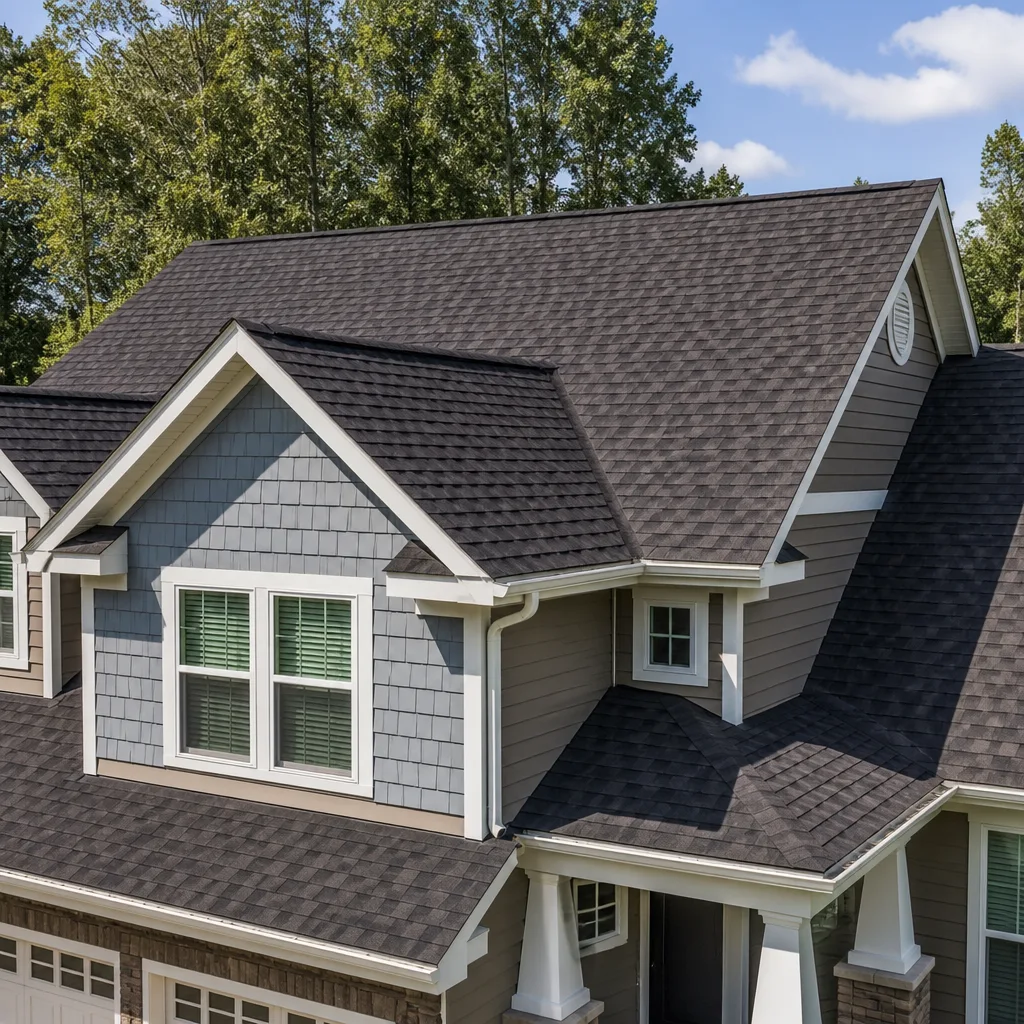
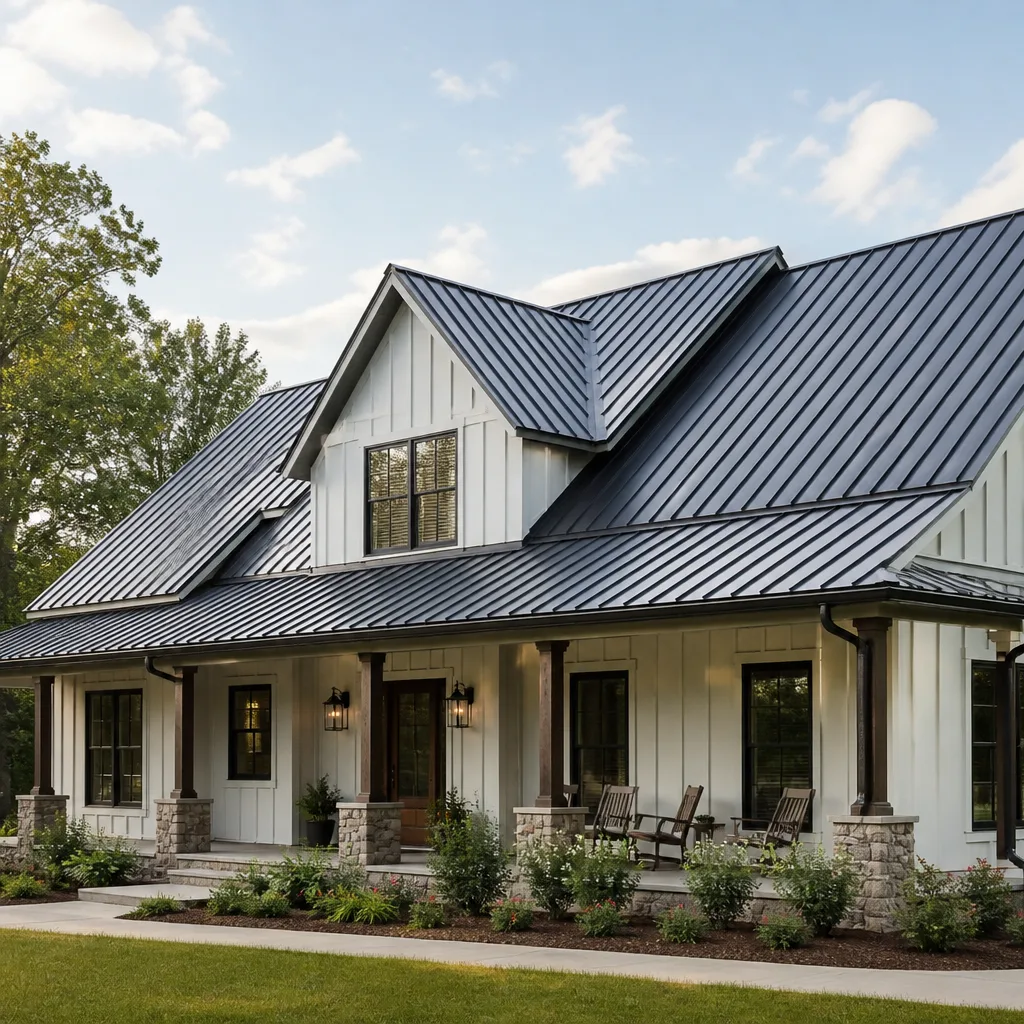
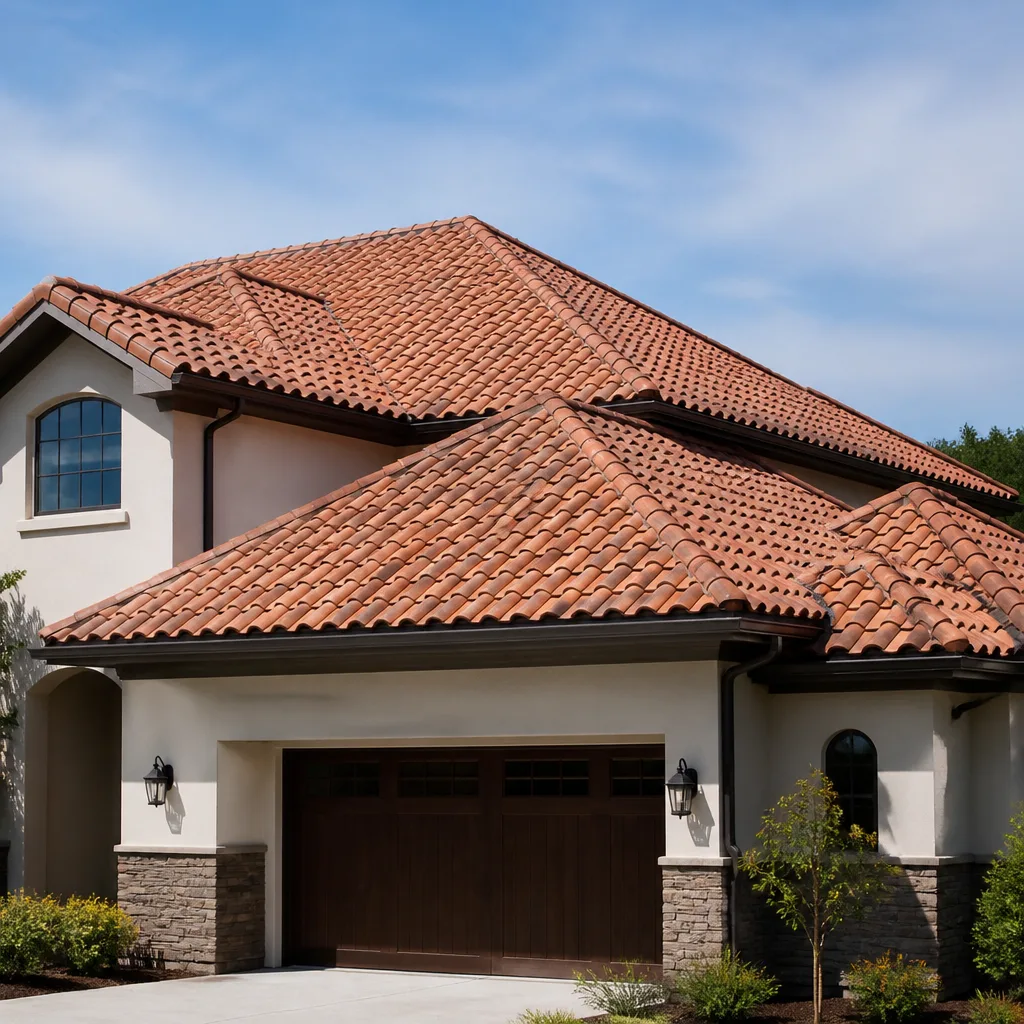
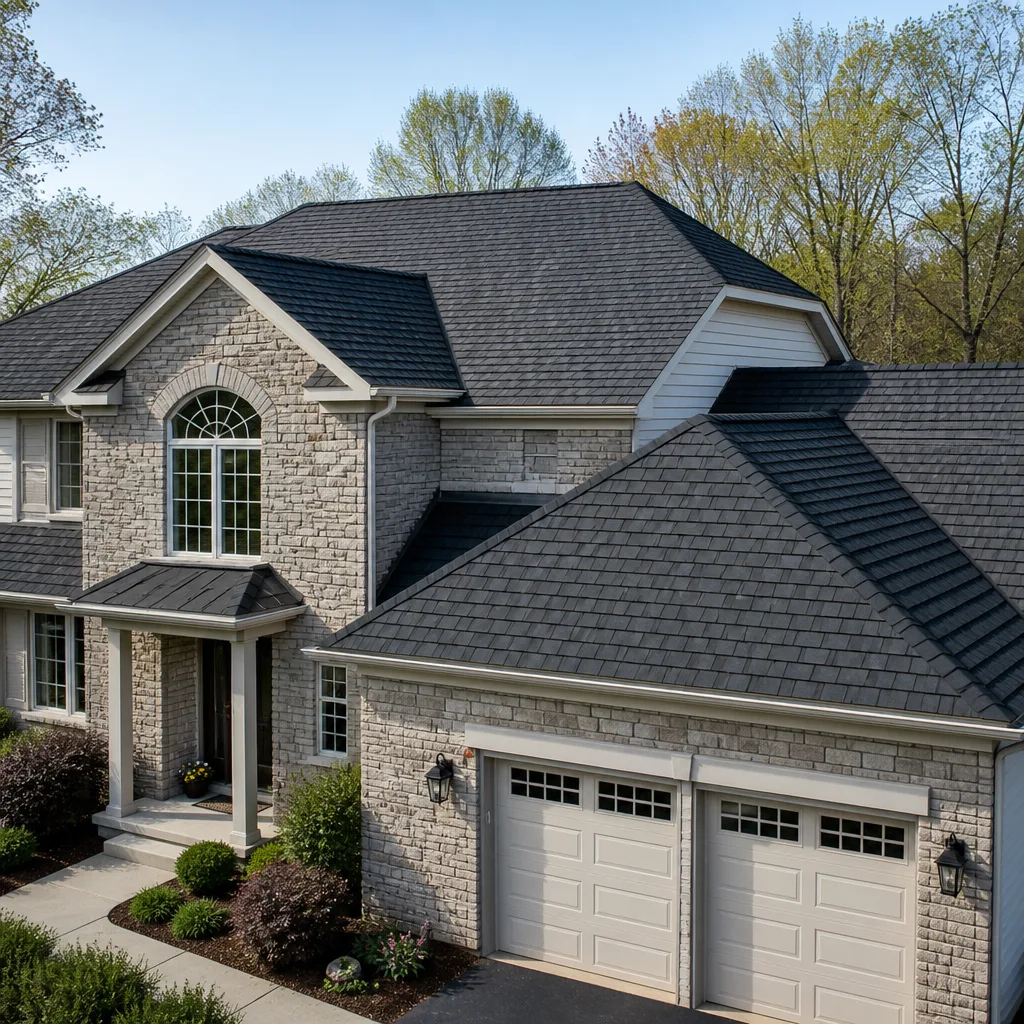
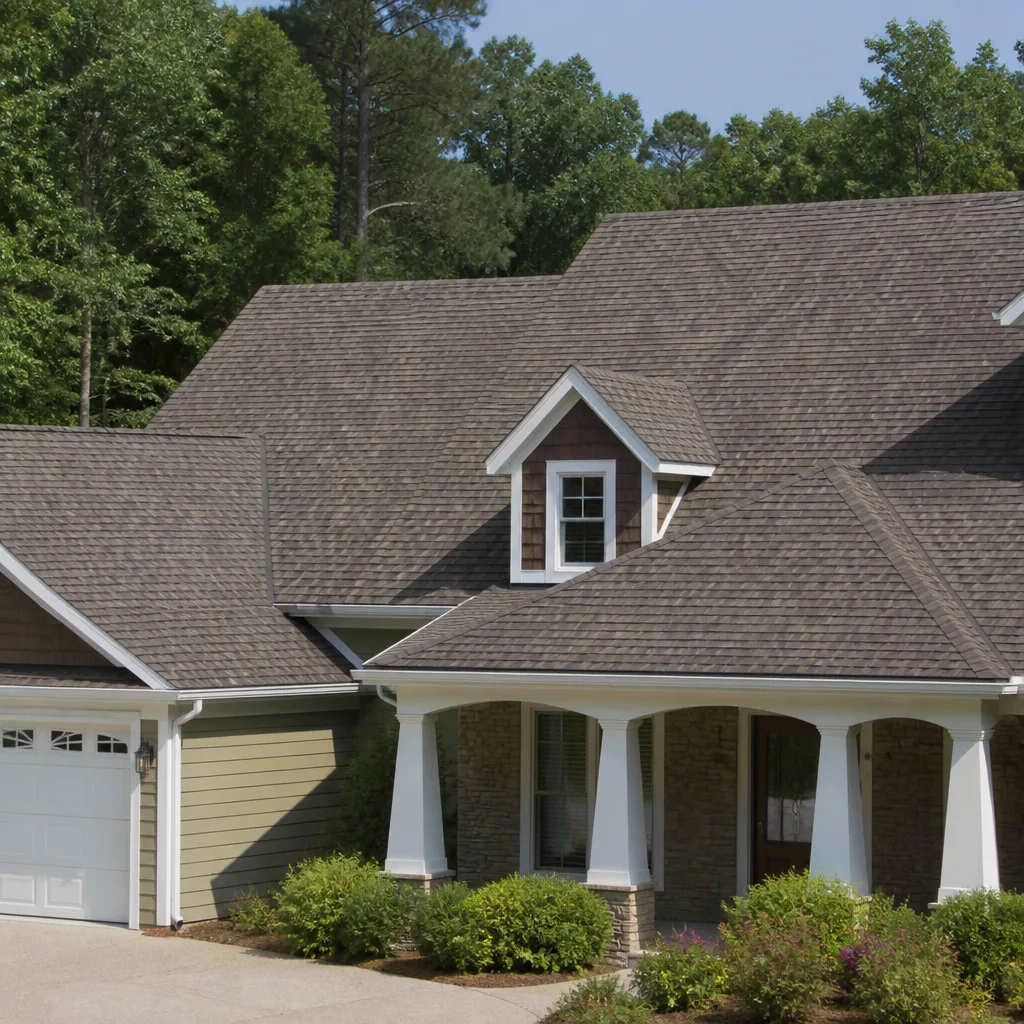
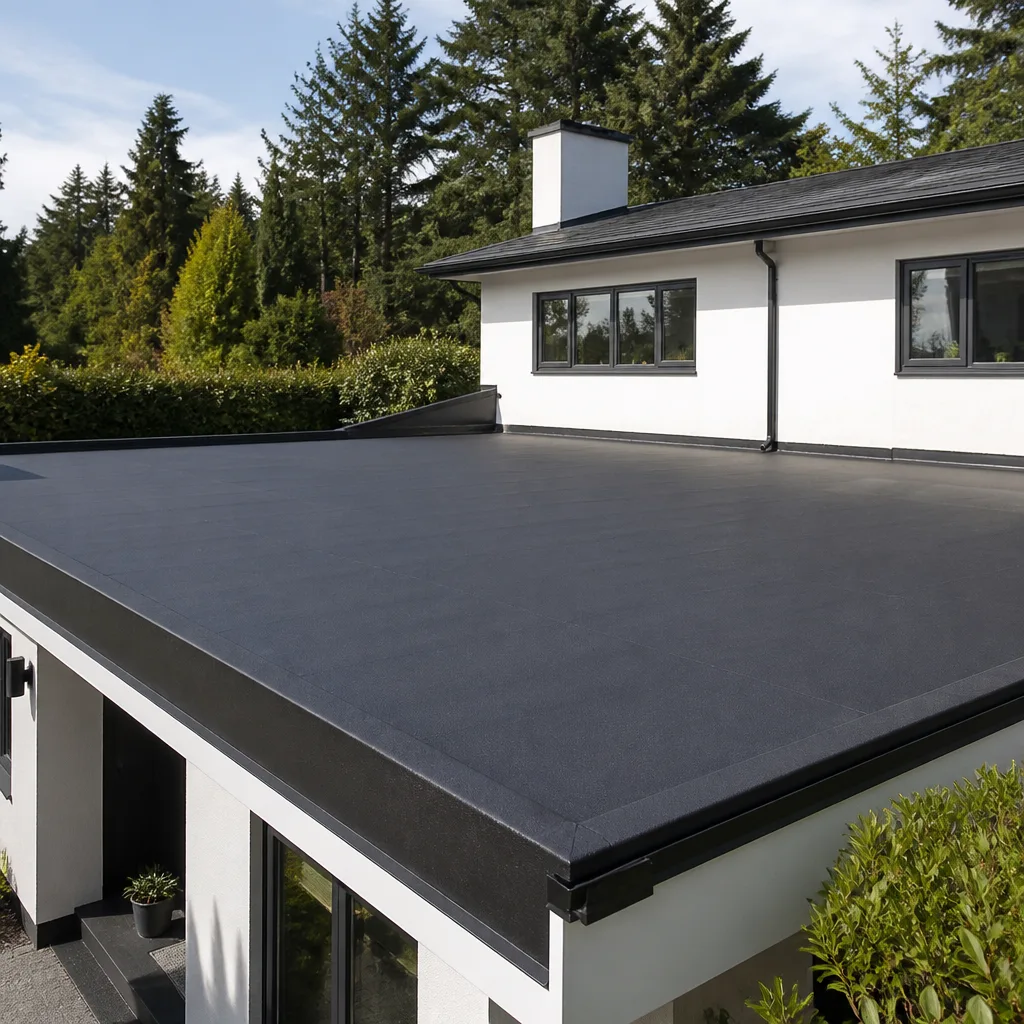
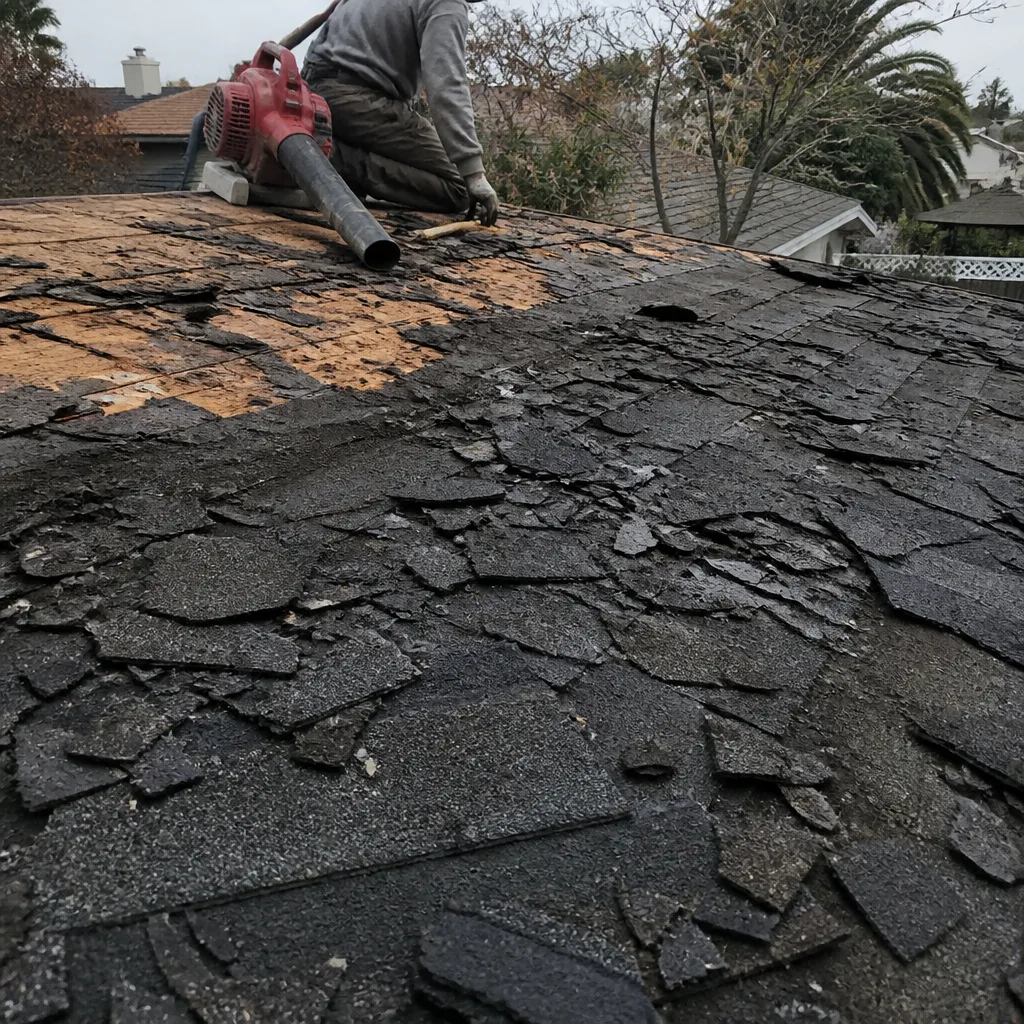 Before
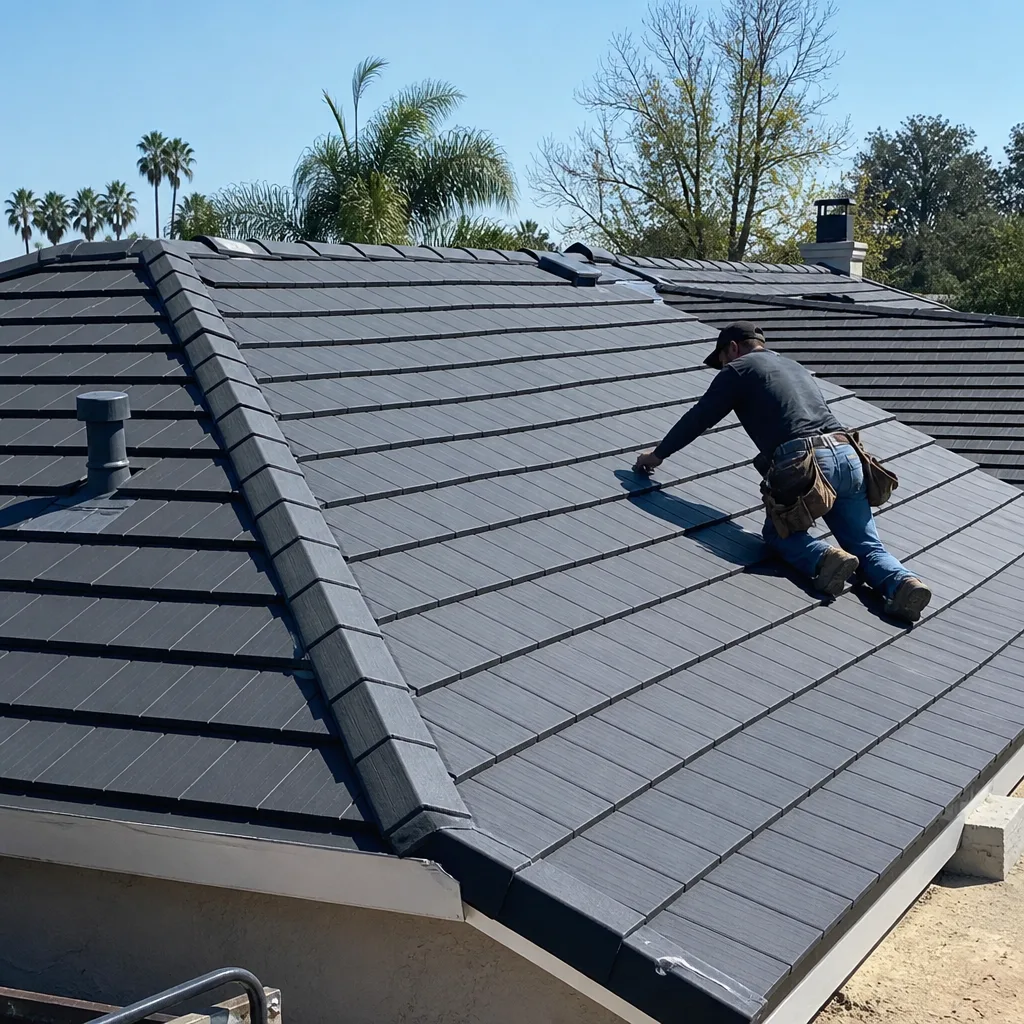 After
After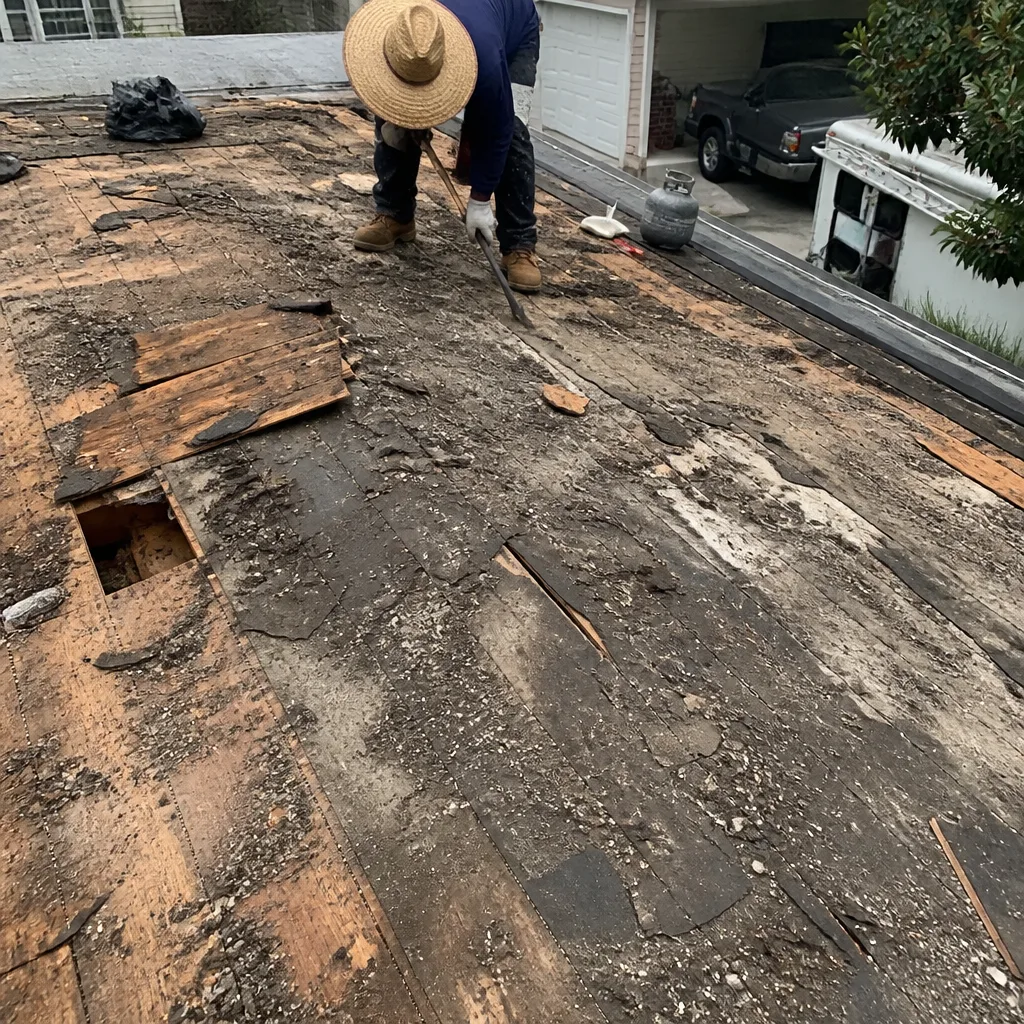 Before
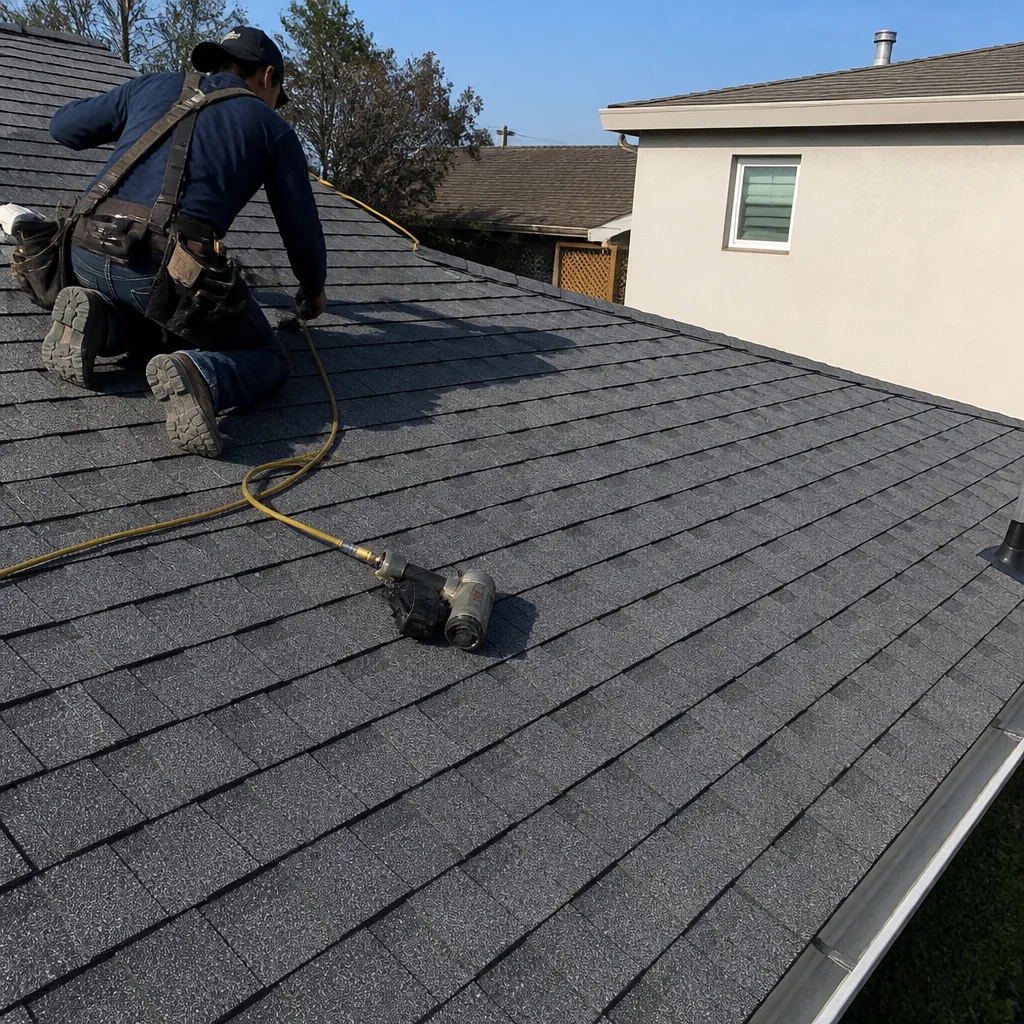 After
After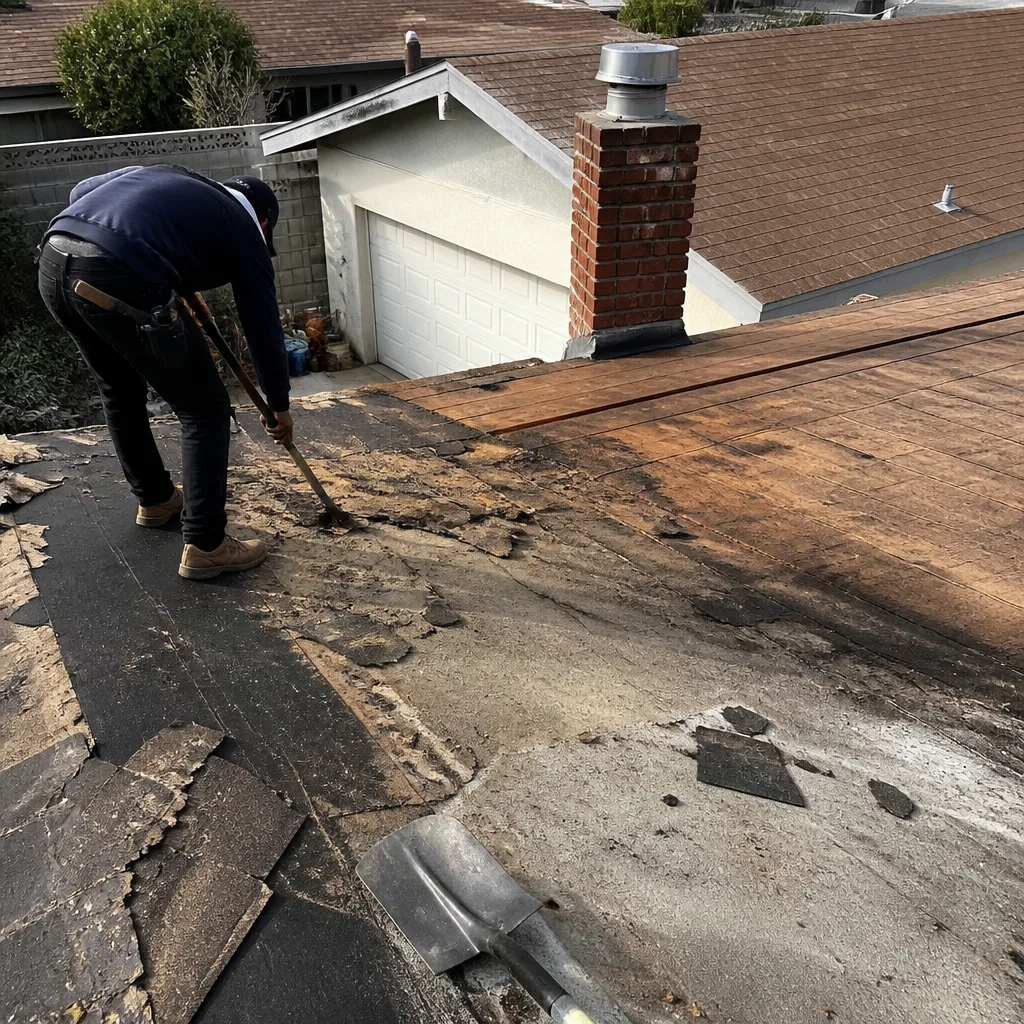 Before
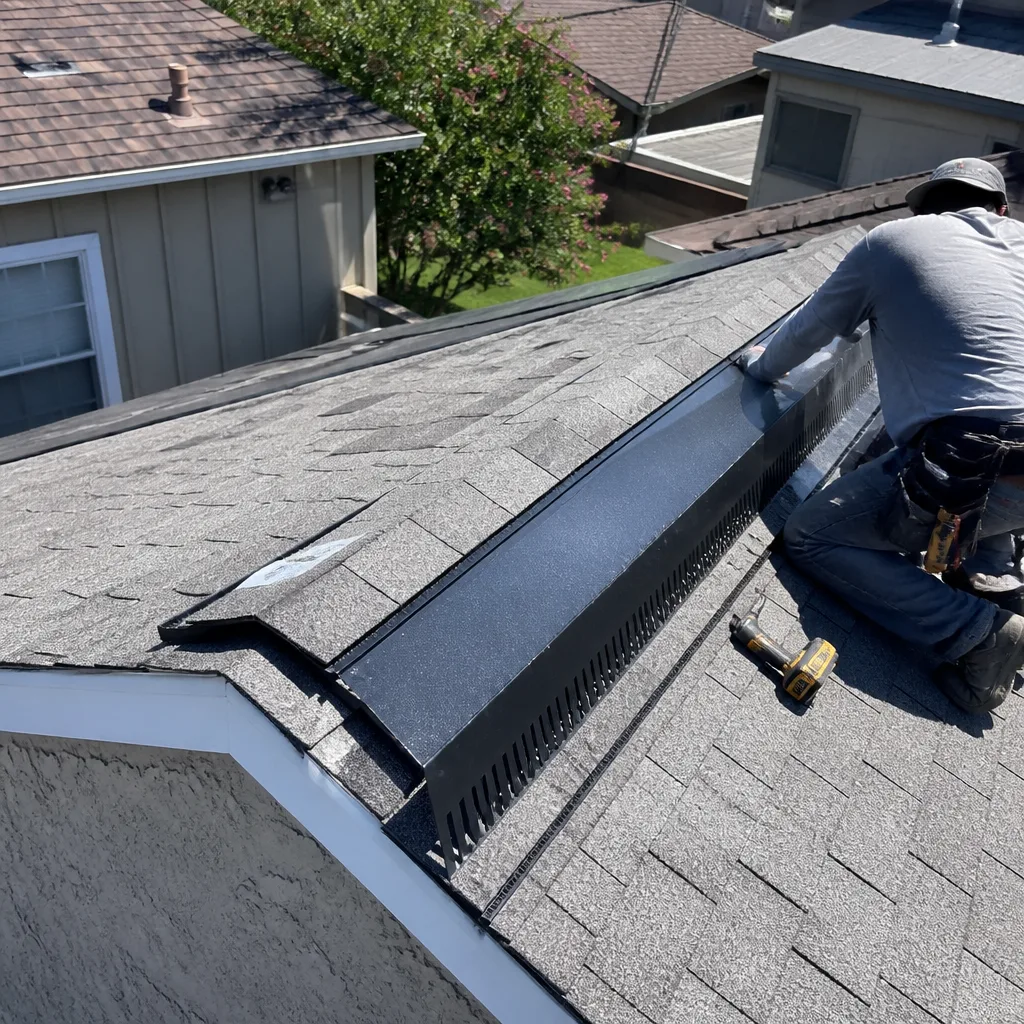 After
AfterThe Complete Roof Replacement Guide for Los Angeles Homeowners
If your Los Angeles home sits in a Very High Fire Hazard Severity Zone, the shingle you loved on your neighbor’s house in the Valley may be prohibited on yours, and discovering that after signing a contract is how replacement projects go sideways. Our Roof Replacement services in Los Angeles aren’t a national roofing job moved to a sunnier zip code. Fire zone ratings, Title 24 cool-roof requirements, HOA approval timelines, and seismic bracing rules create a local checklist that out-of-state guides never cover. This guide walks through each layer of that checklist, in the order you’ll actually face it, so you can price the job, schedule it, and know exactly what your contractor should be doing while the work is underway.
Quick Answer
A roof replacement in Los Angeles typically costs between $15,000 and $45,000 depending on square footage, pitch, material choice, and fire zone requirements, and most projects take 3 to 7 days once permits are approved. The job requires a permit from the Los Angeles Department of Building and Safety (LADBS), must meet California Title 24 cool-roof standards, and in many hillside and canyon neighborhoods must use Class A fire-rated materials. Plan for a 2 to 8 week pre-project window for permits, HOA approval, and material ordering before the first shingle comes off.
Table of Contents
- The Los Angeles Permit Path: LADBS, Inspections, and Why It Matters at Resale
- Title 24 Cool-Roof Rules: What Los Angeles Requires and Why It Changes Your Material Choice
- Fire Zone Classifications: Class A Ratings and What Hillside Homes Need
- HOA Approval as a Pre-Project Phase: Documents, Timelines, and Common Sticking Points
- Seismic and Structural Realities: When a Re-Roof Becomes a Re-Deck
- Material Options for Los Angeles Roofs: Cost, Lifespan, and What Holds Up in This Climate
- Permit Close-Out: Why the Job Isn’t Finished Until the Card Is Signed
- What to Expect During the Job: Tear-Off, Deck Inspection, and Clean-Up
The Los Angeles Permit Path: LADBS, Inspections, and Why It Matters at Resale
Every roof replacement in the City of Los Angeles requires a permit from the Los Angeles Department of Building and Safety. That permit isn’t a formality. It’s a legal record that the roof on your home met code at the time of installation, and it follows the property, not the owner. When you sell, buyers and their lenders check permit history. An un-permitted roof replacement can stall a sale, lower an appraisal, or force you to open walls for inspection at the worst possible moment.
The process works like this:
- Contractor submits plans or a scope of work to LADBS. For a straightforward re-roof, this is a prescribed form; for structural changes like a re-deck or truss modification, it’s a fuller plan set.
- LADBS reviews and issues the permit. This can take a few days for simple re-roofs, longer if the home is in a hillside overlay or historic district.
- Work begins. The permit card is posted on the property, typically at the front window or utility box.
- Mid-point inspection. For most re-roofs, the inspector checks the underlayment and flashing before the finish material goes on. This is when fire zone requirements like ember-resistant underlayment get verified.
- Final inspection. After the roof is complete, the inspector verifies the finished surface, edge details, and drainage conditions.
- Permit card is signed off. You get a copy. Keep it. It’s your proof at resale.
In our experience across Los Angeles, the homeowners who run into trouble at sale are the ones who didn’t realize their “cheap guy” skipped the permit entirely. The roof may look fine, but the paper trail doesn’t exist, and that’s a five-figure problem in escrow. At Birchbark Roofing, permits are pulled on every replacement, inspections are scheduled by our team, and the signed permit card is handed to you with the final paperwork. That’s part of the job, not an add-on.
Title 24 Cool-Roof Rules: What Los Angeles Requires and Why It Changes Your Material Choice
California’s Title 24 Building Energy Efficiency Standards require that most new roofing materials on residential re-roofs in Los Angeles meet minimum solar reflectance and thermal emittance values. In plain terms: your roof has to bounce back a meaningful amount of the sun’s heat instead of absorbing it. For steep-slope roofs (the standard pitched roof on most single-family homes), that generally means a minimum aged solar reflectance of 0.20 and a thermal emittance of 0.75, unless an exception applies. For low-slope roofs, the minimums are higher.
What this means when you shop materials:
- Traditional dark asphalt shingles may not comply on their own. Some lines are formulated with reflective granules to meet the standard; many older favorites are not.
- “Cool roof” doesn’t mean white. Manufacturers including GAF, CertainTeed, and Owens Corning produce cool-rated shingles in deep grays, browns, and blacks using reflective granule technology. You keep the look, you get the reflectance.
- Tile and metal often outperform the minimums naturally. Clay and concrete tile from Boral, for example, typically exceed reflectance requirements, which is one reason they’re so common in Los Angeles.
- Your contractor should show you the CRRC (Cool Roof Rating Council) listing for the exact product being quoted. If no listing exists, it’s not Title 24 compliant for a permitted re-roof, period.
We quote Title 24 compliant products as the default. Not an upgrade, not a surprise line item. The written price we hand you before any work starts reflects compliant materials, because that’s what a legal Los Angeles re-roof requires.
Fire Zone Classifications: Class A Ratings and What Hillside Homes Need
Los Angeles County and the City of Los Angeles map properties into Fire Hazard Severity Zones. If you’re in a Very High Fire Hazard Severity Zone, which covers large portions of the Santa Monica Mountains, the canyons, and the foothills, your material choices narrow significantly. If you’re in the flatter basin, the rules are still in play but less restrictive on finish material. The distinction matters before you fall in love with a specific product.
The core requirement in fire zones is a Class A assembly. That means the roof covering, underlayment, and installation collectively achieve the highest resistance to fire spread as tested under ASTM E108. Most quality asphalt shingle lines from Atlas and Tamko meet Class A when installed over the specified underlayment. But here’s the part many guides miss: in Very High Fire Hazard Severity Zones, the City of Los Angeles also mandates specific ember-resistant underlayment details, which affect the tear-off and prep work beneath whatever you see from the curb.
What this means for your project:
- Class A is the floor, not the ceiling, in fire zones. Ask for the specific UL or FM listing for the full assembly, not just the shingle.
- Hillside and canyon homes often need enhanced eave protection. Embers don’t land on the roof face; they blow into the eaves, the gutters, and the gaps at the roofline.
- Some neighborhoods have overlay zones tighter than the base code. A good contractor checks the address against the current map before quoting, not after.
- Vegetation clearance ties into your risk profile. A Class A roof with a tree canopy touching it is still vulnerable, and some insurers won’t write the policy.
We’ve replaced roofs in Beachwood Canyon, Laurel Canyon, and the Palisades where the material conversation was over before it started: the code says what the code says. The conversation that mattered was about underlayment, edge detailing, and making sure the surrounding vents and eaves were sealed against embers.
HOA Approval as a Pre-Project Phase: Documents, Timelines, and Common Sticking Points
If you live in an HOA-governed community in Los Angeles, the HOA approval is a distinct project phase, and it runs on its own clock. HOA boards in this city routinely take 30 to 60 days to review a roof replacement request, and they’ll reject incomplete submissions without explanation. The contractor you choose has to produce the right documentation in the right format, or the whole schedule shifts.
What HOAs typically require:
- Manufacturer spec sheets for the exact shingle or tile being installed, including the color name and product code.
- A color sample or photo mock-up showing the roof on a comparable home or, in some communities, a rendering.
- CRRC reflectance data proving Title 24 compliance.
- Fire rating documentation (Class A, UL or FM listing).
- Contractor license and insurance certificates naming the HOA as an additional insured, which some boards require.
- A project timeline with start date, tear-off window, and completion date.
The sequence that works: submit the HOA package at the same time the LADBS permit is being processed. The two approvals run in parallel rather than back to back, and that saves weeks on the back end. The mistake we see most often is homeowners signing a contract, then starting the HOA conversation. Then the HOA has questions about the material, the homeowner has to go back to the contractor, the contractor has to re-quote because the HOA insists on a different color or product class, and the permit has to be amended. It’s a fully avoidable tangle.
For homeowners wondering how to vet a contractor using this lens: ask them, in writing, whether they’ll assemble the HOA submittal package for you. At Roof Replacement in Los Angeles, we include HOA documentation assembly in our project flow as a matter of course, because we’re working in this city, and in this city, HOA review is a fact of life for a huge share of single-family homes.
Seismic and Structural Realities: When a Re-Roof Becomes a Re-Deck
Los Angeles roofs live in earthquake country, and that shows up in two ways during a replacement. First, the roof deck (the plywood sheathing under your shingles) has to be fastened to the framing with a pattern that meets current seismic code. If your home was built before the 1990s, the original nailing pattern may not meet today’s standard, and a conscientious re-roof includes re-nailing the deck before the underlayment goes down. Second, when the old roof comes off, you sometimes find deck damage that wasn’t visible from below, from decades of small leaks, dry rot in the eaves, or termite work along the edges.
This is the part of a roof replacement that honest contractors can’t price blind. The deck is under the old roof; you cannot know its full condition until the old material is off. What you can do is ask the contractor how they handle deck replacement pricing before you sign. The answer you’re looking for is a per-sheet price, stated in writing, that applies only if and when rotted or damaged sheathing is actually found. We include a stated per-sheet deck replacement rate in every written proposal, so if the crew finds four sheets of rotted plywood at the eave, you know exactly what that costs before it’s torn out. That’s the only way to keep a five-figure project from becoming a moving target.
Structural modification, like replacing trusses or rafters, is a different tier of work entirely, and it triggers a fuller LADBS engineering review. Most re-roofs in Los Angeles don’t go there. But re-nailing the deck is common enough that we treat it as part of a modern re-roof, not an optional upgrade.
Material Options for Los Angeles Roofs: Cost, Lifespan, and What Holds Up in This Climate
Los Angeles isn’t a one-climate city, and the material that makes sense in a West Adams bungalow may be a poor fit for a hillside home in Mount Washington. Here’s how the main options compare for this market:
| Material | Typical Cost Range (Installed) | Lifespan in LA Climate | Best For |
|---|---|---|---|
| Architectural asphalt shingle | $15,000 - $25,000 | 25 - 35 years | Most standard-pitch homes, broad color range, Title 24 cool-rated options from GAF, CertainTeed, and Owens Corning |
| Standing seam metal | $30,000 - $55,000 | 50+ years | Modern homes, low-maintenance preference, excellent reflectance, higher upfront cost |
| Clay or concrete tile | $35,000 - $65,000 | 50 - 100 years | Spanish and Mediterranean architecture, strong fire performance, heavier structural load |
| Composite / synthetic shingle | $25,000 - $40,000 | 40 - 50 years | Homes needing a specific aesthetic with better impact resistance; brands like Brava and DaVinci |
Pricing in this table reflects typical Los Angeles residential re-roofs on homes between 1,500 and 2,500 square feet of roof area. Your exact number depends on pitch, accessibility, number of roof planes, and whether the home is in a fire zone requiring upgraded underlayment. A two-story home with a steep pitch and difficult access costs more per square than a single-story ranch with a gentle slope, not because materials cost more, but because the work is slower and requires more safety setup.
The brands we work with most in Los Angeles are the ones that stand up to the specific demands here: intense UV exposure, a wet season that arrives all at once, and the temperature swings that cause expansion and contraction at the flashing points. GAF and CertainTeed dominate the architectural shingle conversation for their cool-roof rated lines. Atlas and Tamko are both strong in the Class A fire-rated category and offer solid mid-tier options. For tile, Boral has been a standard in Southern California residential construction for decades.
One note on asphalt shingle lifespan in Los Angeles: the numbers are slightly lower than the national marketing suggests. The UV here is relentless, and a 30-year shingle on an unshaded south-facing slope in the Valley may look tired at year 22. That’s not a manufacturing defect; it’s the climate. It’s also a reason to care about the underlayment more than the shingle, because the underlayment is your actual waterproofing layer, and it’s what fails first.
Permit Close-Out: Why the Job Isn’t Finished Until the Card Is Signed
The roof looks done. The crew has pulled the trailer away. The driveway’s been swept. But if the final LADBS inspection hasn’t happened and the permit card isn’t signed off, the project isn’t finished in any legal or practical sense. An open permit on a property is a live entry in the city’s database, and it can block refinances, complicate sales, and in some cases trigger enforcement if it lingers long enough.
The close-out sequence we run on every Los Angeles replacement looks like this:
- Final walk-through with the homeowner. We look at the finished roof, the flashing details, the gutters, and the areas we protected inside the home. We check that nothing was missed against the original written scope.
- LADBS final inspection. We schedule it, we’re on site for it, and we correct anything the inspector flags on the spot or within 48 hours.
- Signed permit card is copied. You get the original or a clear copy for your records, along with the manufacturer warranty registration and our own documentation.
This is where our 365-Day Done Right Promise matters beyond the workmanship. If the inspector comes back and the roof wasn’t done right, we make it right. Not at some negotiated price, not after a conversation about whose fault it is. The guarantee covers every roof replacement we perform, and it survives inspection, weather, and a full year of living.
Our written price also plays a role here. Because the number on that proposal is the number you pay, there’s no incentive at close-out to rush the inspection or quietly skip a correction. The job’s already priced correctly. The only job left is to prove it.
What to Expect During the Job: Tear-Off, Deck Inspection, and Clean-Up
For most Los Angeles homeowners, the roof itself is the abstract part. What’s concrete is the crew in your driveway at 7 a.m., the sound of shingle tear-off over your home office, and the question of whether anyone tracked debris through the hallway. Here’s what a week of roof replacement actually looks like, and what you should expect from your contractor at each stage.
Day 1: Protection and tear-off. A good crew sets up before the first shingle comes off. Tarps go over landscaping, plywood protects windows in close quarters, and the path from the door to the roof line is established. Inside, shoe covers go on at the door, and drop cloths run through any hallway the crew needs to access. This is the first thing that separates a professional operation from a pickup crew, and it’s a specific standard we hold: shoe covers and drop cloths on every visit, no exceptions. If your dog needs to stay inside, we coordinate the door schedule with you so there’s no accidental escape and no panicked pet during the loudest phase of the day.
Days 2 to 3: Deck inspection and repairs. Once the old roof is off, the underlayment goes on and the flashing work begins. Any rotted deck sections get swapped at the per-sheet rate stated in your written price. This is also the window for the LADBS mid-point inspection where fire zone underlayment gets verified.
Days 3 to 5: Finish material installation. Shingles, tile, or metal go on, followed by ridge caps, vents, and edge trim. The work is loudest on these days, but it also moves fast, and by the end of day five most Los Angeles homes have a finished surface.
Final day: Clean-up and walk-through. Magnetic sweep of the yard for nails, gutter cleaning, and a check of the areas inside the home the crew accessed. Before we leave, we photograph the completed clean-up and we show it to you. That photo isn’t a gimmick. It’s the proof that the property looks the way we said it would look before we started.
These protections are what our C.A.R.E. values actually mean on the ground: Clean up like it’s our own home; Ask before we move or touch anything; Respect the family’s time and quiet hours; Explain the price before the work. Not slogans. A sequence of commitments a homeowner can check against the job in progress.
Common Mistakes to Avoid
- Signing before checking fire zone status. Some Los Angeles addresses look like they’re in a flat, low-risk area but sit inside a moderate or high fire hazard boundary that restricts materials. Verify your address against the current CAL FIRE map before signing any material-specific contract.
- Treating the HOA as an afterthought. Boards in this city can take two months, and they will not expedite for your contractor’s schedule. Launch the HOA submittal the same week you sign your contract, not the week before tear-off.
- Skipping the permit to save money. A roofing crew that offers to do the job without an LADBS permit is transferring a serious liability to you, and that liability compounds at resale. The savings never survive the close of escrow.
- Quoting a price without seeing the deck. Any contractor who gives a firm all-in number before the old roof is off is either guessing or planning to bury change orders later. The honest answer is a per-sheet deck rate stated in writing.
- Choosing color and material from a brochure alone. Title 24 reflectance varies by color and product line, not just brand. A specific shingle color you love may not be the cool-rated version of that line. Ask for the CRRC listing, not the brochure page.
- Assuming the crew will handle interior protection without being asked. Ask ahead of time. If the answer is vague, that’s your answer. A clear, specific answer about shoe covers, drop cloths, and clean-up photography is what you’re looking for.
- Forgetting the permit card at the end. The card is your paper trail. Store it with your home documents. You’ll want it at sale, at refinance, or if you ever file an insurance claim tied to a roof event.
When to Call a Professional
A full roof replacement is never a DIY project in Los Angeles, not because of skill gaps, but because of code validation: LADBS inspections, fire zone documentation, and Title 24 compliance all require a licensed contractor’s signature, and an un-permitted re-roof is a title problem waiting to surface. Call a professional when the roof is at or past its expected lifespan, when you see curling or missing shingles on multiple slopes, when you find granules in the gutters every fall, or when you’re planning to sell and the buyer’s inspection flags the roof. If you’re in Los Angeles and you want a written number before any commitment, Birchbark Roofing offers free estimates. Call (424) 766-4937, and you’ll get a live person on the line, not a voicemail tree.
Frequently Asked Questions
Most residential roof replacements in Los Angeles cost between $15,000 and $45,000 depending on size, pitch, material, and whether the home is in a fire zone requiring upgraded underlayment. You’ll see your exact number in writing before any work starts. Call (424) 766-4937 for a free estimate.
The on-roof work typically takes 3 to 7 days once materials are on site and the permit is issued. The full timeline, including LADBS permitting and HOA approval where applicable, usually runs 2 to 8 weeks from contract signature to completion.
Yes. The City of Los Angeles requires a permit through LADBS for every roof replacement, and the permit must be signed off by a city inspector before the job is legally complete. Skipping the permit creates disclosure and title problems when you sell.
Title 24 is California’s building energy efficiency code, and it applies to nearly every residential re-roof in Los Angeles. For steep-slope roofs, it generally requires the finish material to meet minimum solar reflectance and thermal emittance values, verified through a CRRC listing.
If your Los Angeles home is in an HOA, the CC&Rs almost certainly require written approval before any exterior change, including a roof replacement. The approval process commonly takes 30 to 60 days, and you’ll need material spec sheets, color samples, and CRRC data as part of the submittal.
Look for a written price before any work starts, a clear answer on permits and inspections, a per-sheet deck replacement rate stated in advance, and specific commitments on protecting the inside of your home, including shoe covers, drop cloths, and a documented clean-up. Ask about workmanship guarantees in writing, and confirm the contractor is licensed and insured.
The Bottom Line
A Los Angeles roof replacement is a code-shaped project. Fire zone maps, Title 24 standards, HOA timelines, and LADBS permit close-out all influence what you can install, what it costs, and how long it takes to get the job legally and practically finished. The homeowner’s job isn’t to master the code; it’s to choose a contractor who treats those requirements as the frame of the project, not obstacles to work around. Get a written price. Verify the permit. Keep the signed card. And if you want a crew that handles the inside of your home as carefully as the roof itself, call Birchbark Roofing at (424) 766-4937 for a free estimate.
Written by Erik Lindgren, Owner at Birchbark Roofing, serving Los Angeles since 2000. Browse our more guides & resources.