
Last updated October 8, 2026
Free roof inspection with deck photos before we talk money - GAF and Owens Corning certified installation
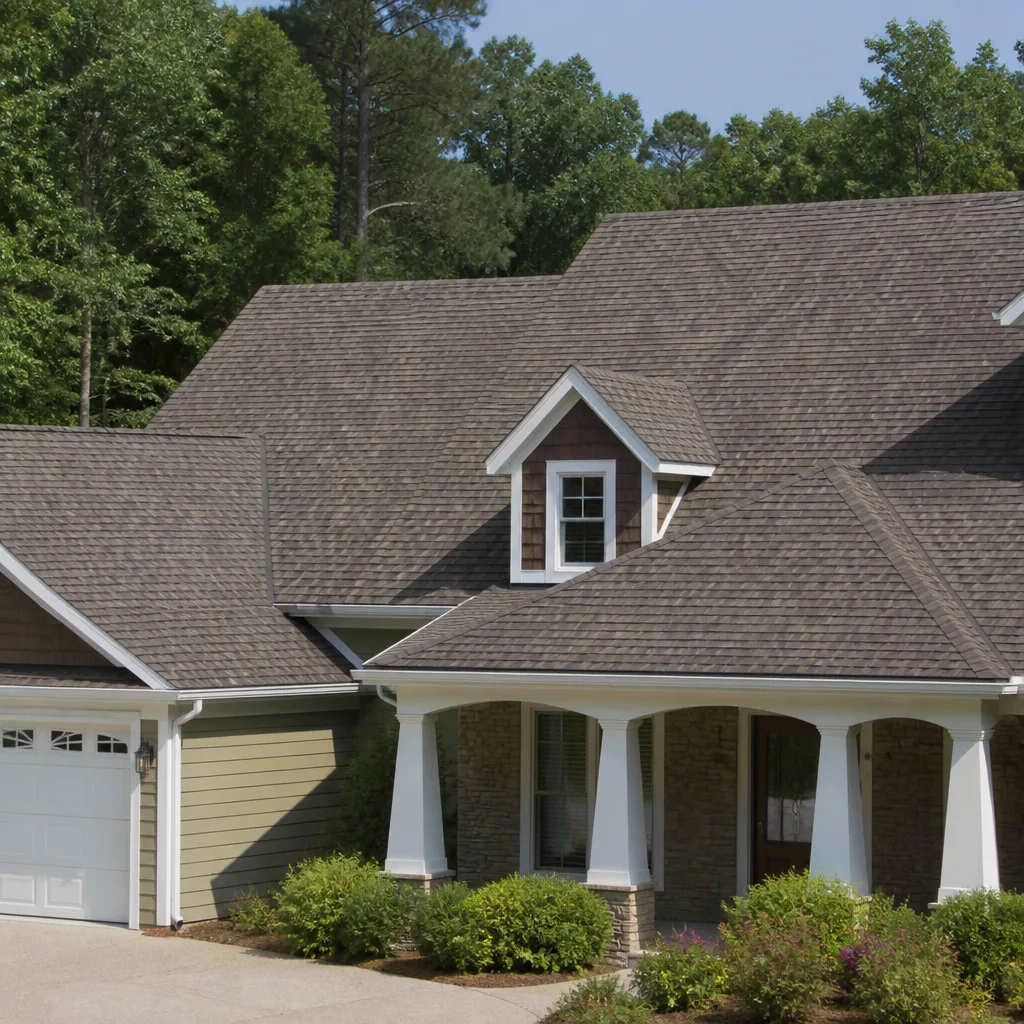
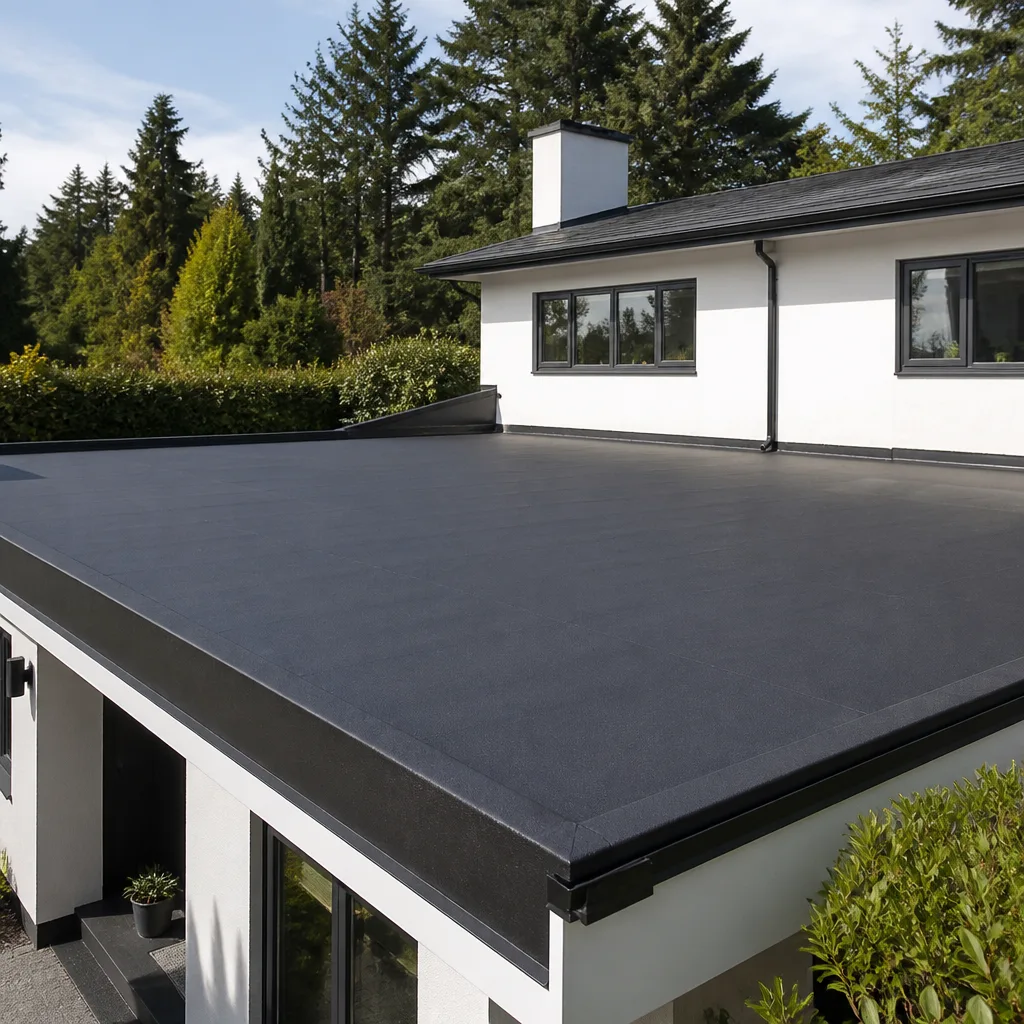
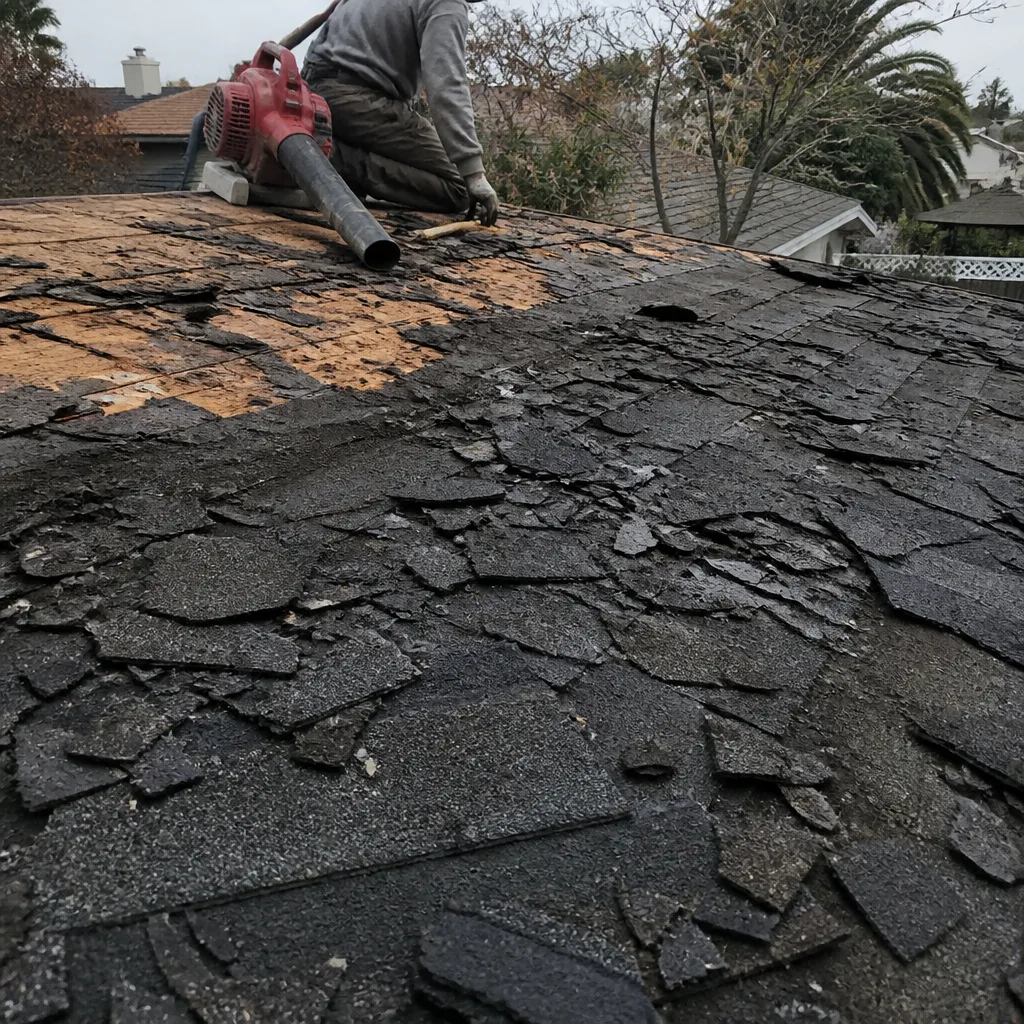 Before
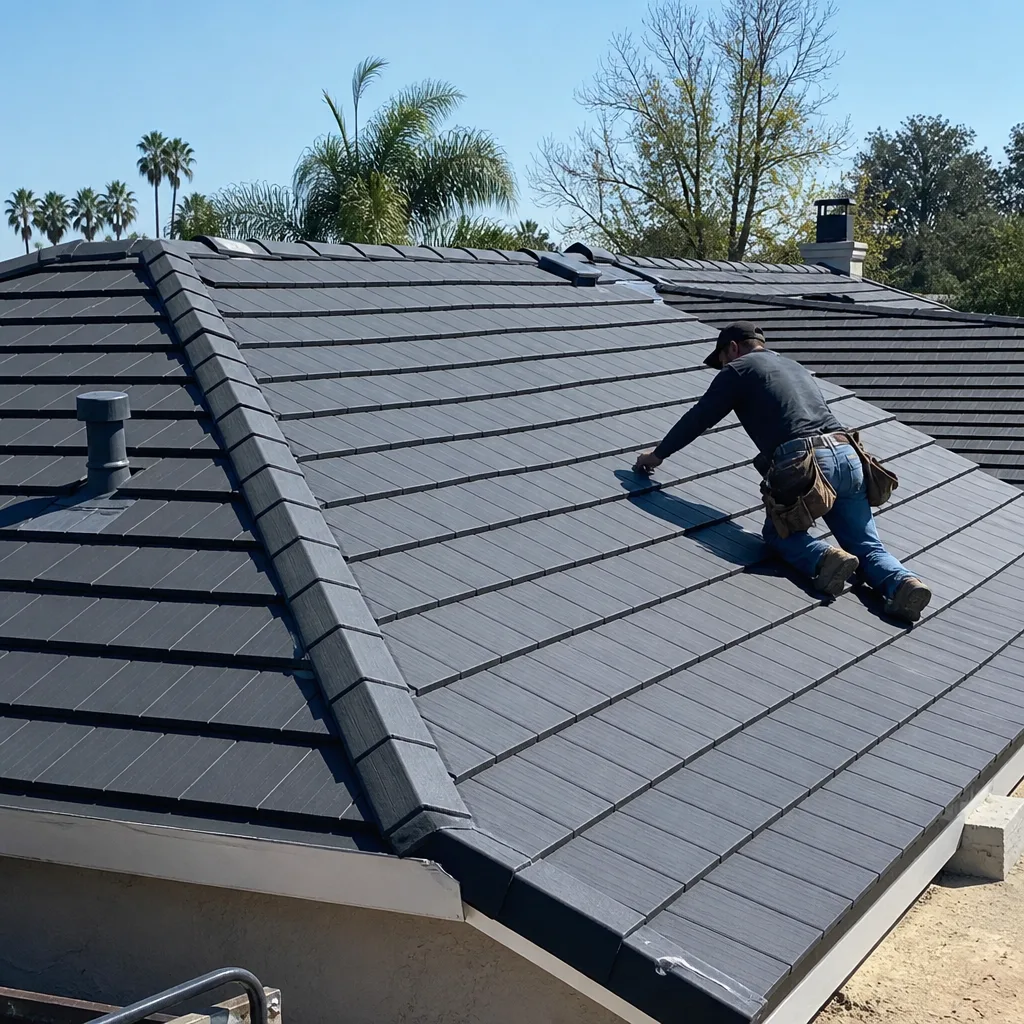 After
After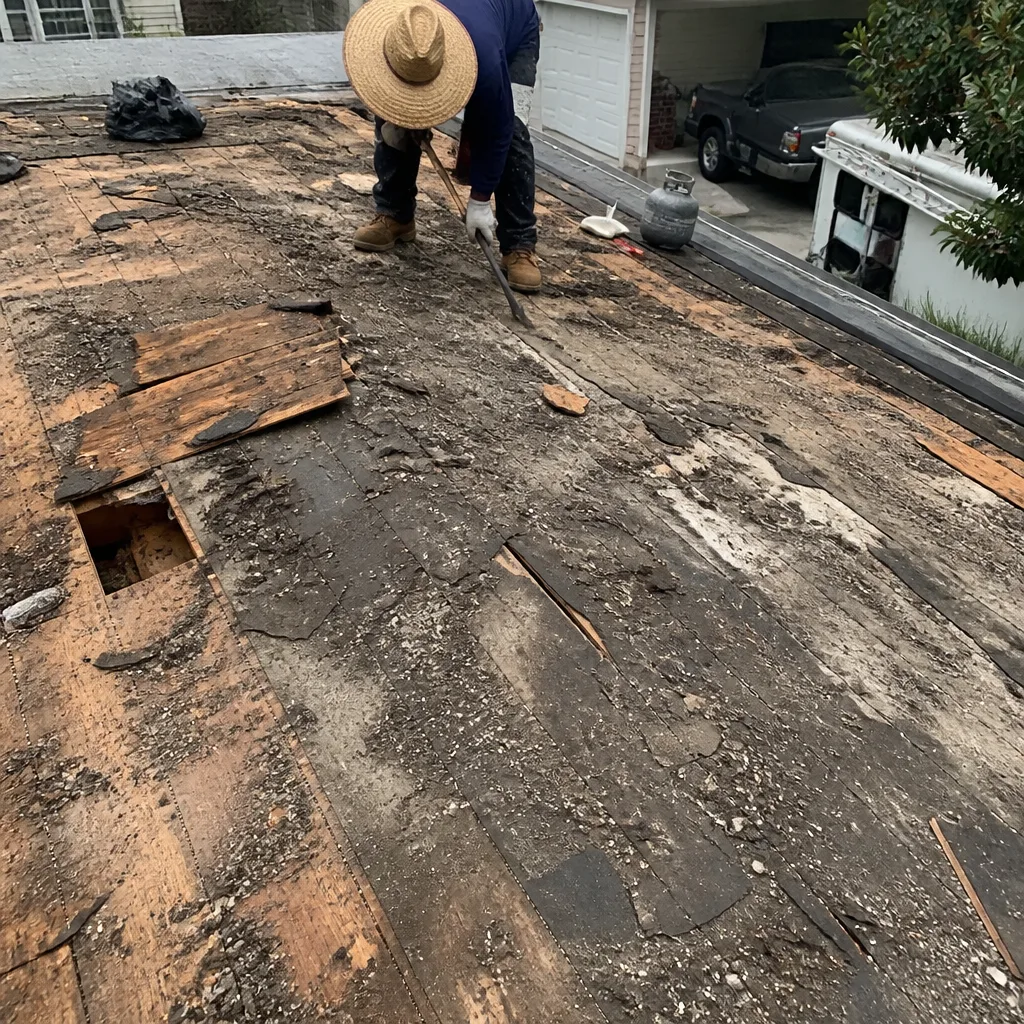 Before
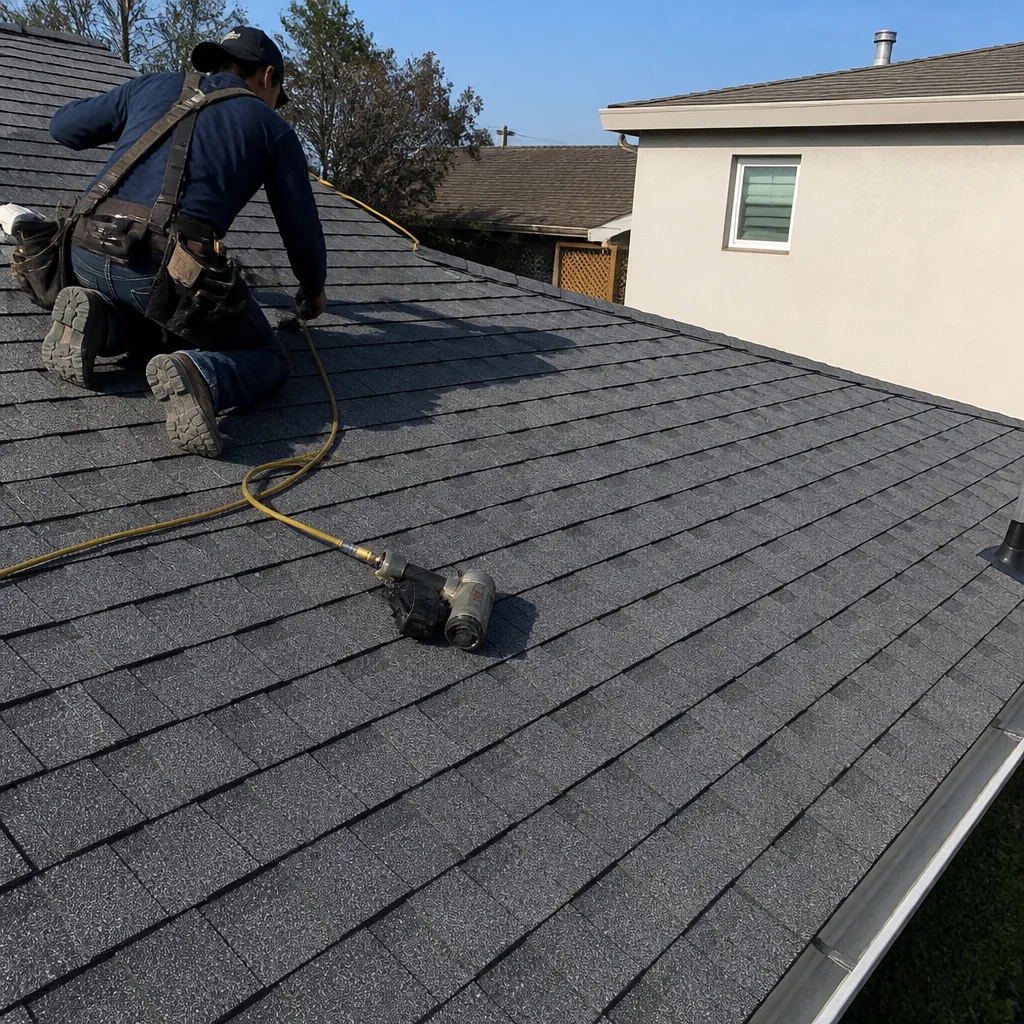 After
After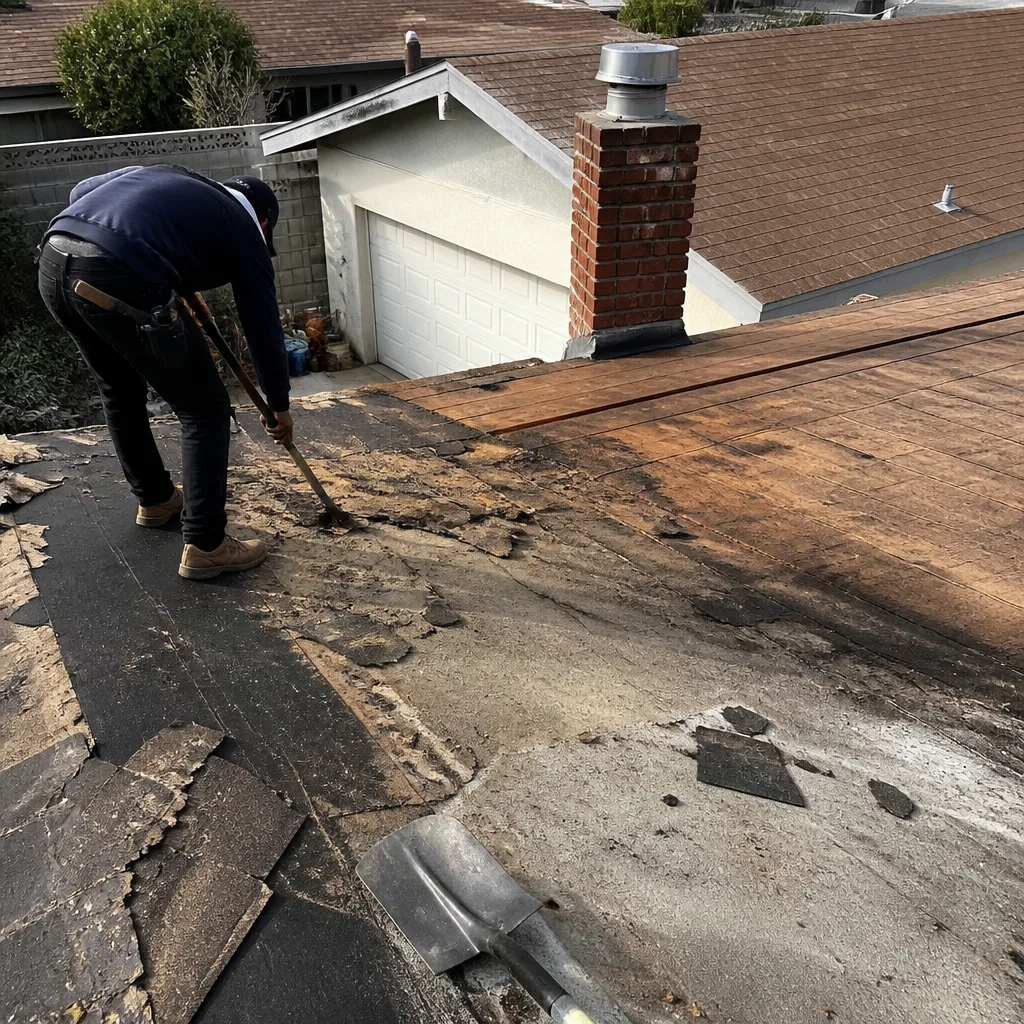 Before
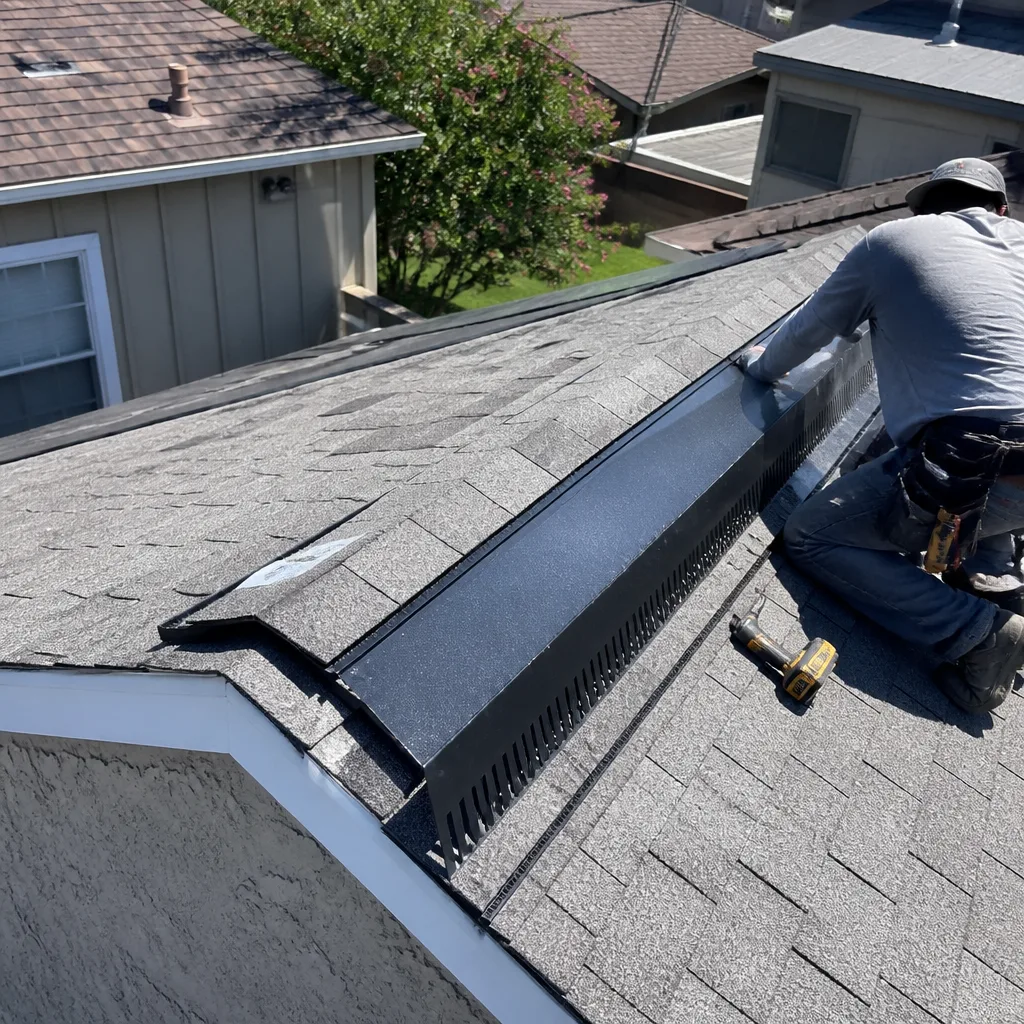 After
AfterRoofing Company Troubleshooting: Common Problems and How to Fix Them
Here’s a counterintuitive fact from 25 years of roofing in Los Angeles: most roof failures we’re called to inspect aren’t material failures at all. They’re installation errors that waited for a hot summer or a Santa Ana wind to reveal themselves. A bubbling flat roof in Silver Lake and a lifted ridge cap in Reseda look like the roofing products failed. In most cases, they’re workmanship failures, and the distinction changes who pays for the repair. This guide walks through how to tell the difference, what to document, and the exact words to use when you call a Roofing Company services professional back.
Quick Answer
Most residential roofing problems in Los Angeles fall into two categories: workmanship failures (installation errors that show up as lifted flashing, ice-dam-style leaks, or wind-lifted shingles) and material failures (manufacturing defects like premature granule loss or heat-cracked cap sheets). Identifying which one you have determines whether your roofer’s workmanship warranty applies or whether you need a manufacturer’s warranty claim. If you’re unsure, document the visible issue with ground-level photos first, then call for an inspection. Birchbark Roofing home offers free estimates across Los Angeles.
Table of Contents
- Material Failure vs. Workmanship Failure: How to Tell the Difference
- What to Photograph from the Ground: A Homeowner’s Documentation Guide
- The Exact Language to Use When Calling a Roofer Back Under Warranty
- What a 365-Day Workmanship Promise Actually Covers
- Three Los Angeles Failure Patterns We See Every Season
- When to Get a Second Opinion (Without Voiding Your Warranty)
- What Roof Repairs Cost in Los Angeles
Material Failure vs. Workmanship Failure: How to Tell the Difference
The first question a homeowner should ask when they spot a roof problem is not “how much will this cost?” It’s “who is responsible for the fix?” In Los Angeles, where roofs face 300 days of sun followed by heavy winter rain, that answer often comes down to whether the product failed or the person who installed it did.
A material failure means the roofing product itself did not perform as the manufacturer intended. Think shingles that crack uniformly across an entire slope within five years, or granule loss so heavy you can see bare fiberglass matting. These are manufacturing defects, and the remedy runs through the material warranty, not your installer’s workmanship guarantee.
A workmanship failure is an installation error. The material was fine; the way it was put on was not. Common examples in our service area include:
- Nails driven through flashing instead of sealed under it
- Shingles installed without proper overlap, leaving nail heads exposed to water
- Flat roof seams welded incorrectly, allowing water to wick under the membrane
- Ridge caps nailed instead of properly sealed, so Santa Ana winds lift them clean off
How to tell them apart from the ground? Workmanship failures tend to be localized. One area of lifted flashing. One section of loose shingles. One corner where the roof meets a stucco parapet. Material failures tend to be widespread and uniform. If every shingle on the south-facing slope looks equally worn while the north slope looks fine, that’s often sun exposure. If one patch of shingles blew off while the rest stayed tight, that’s usually an installation problem. And in our experience, that second scenario is far more common in Los Angeles.
Erik Lindgren, who leads Roofing Company in Los Angeles operations for Birchbark Roofing, puts it simply: “The roof doesn’t lie. It just waits. Most of what we repair was installed wrong ten or fifteen years ago.”
What to Photograph from the Ground: A Homeowner’s Documentation Guide
Before you call anyone, take photos. Good ground-level photos can carry a warranty conversation, and in our experience, they’re the single most useful piece of evidence a homeowner can produce. You don’t need a drone or a ladder. You need a phone camera, decent light, and a little patience.
What to photograph:
- The specific area of damage. Stand far enough back to show the location on the roof. A close-up of a lifted shingle without context tells a roofer almost nothing. A photo from the yard showing “third row up, right of the chimney” tells us everything.
- A detail shot of the actual failure. Zoom in on the lifted flashing, the cracked tile, the exposed nail head. Modern phone cameras handle this fine from ground level.
- The surrounding roof. One photo showing the damaged area next to undamaged areas. This establishes that the problem is localized, which matters for workmanship claims.
- The interior damage, if any. Stains on the ceiling, peeling paint, damp drywall. Interior evidence dates the leak and shows its path.
- The roof from both sides of the house. If you can safely access both sides from the ground. Different angles catch different problems.
What not to do: Don’t climb onto the roof to take photos. Roofing materials can be brittle, especially in Los Angeles heat, and walking on them can cause the very damage you’re trying to document. Don’t move anything. If a tile has slipped, leave it where it is until a roofer sees it. Don’t wait. The longer a leak runs, the more it costs to fix, and the harder it is to prove the original scope of the problem.
Documentation matters because the conversation you’re about to have with a roofer is a factual one. You’re not asking for a favor. You’re presenting evidence. Photos are how you keep that conversation from becoming a dispute.
The Exact Language to Use When Calling a Roofer Back Under Warranty
Calling a roofer back under warranty feels adversarial, but it doesn’t have to be. The difference between a productive call and a frustrating one is almost always the words used in the first 60 seconds. Here’s what works.
Start with facts, not accusations.
Instead of “You installed my roof wrong” say “I’m seeing something on the roof I’d like you to take a look at. We have photos, and I’d like to schedule an inspection.”
Use specific, observable language.
“The flashing at the back left corner of the house has lifted about two inches, and the shingle beneath it is exposed” wins. “The roof looks bad” loses.
Mention the warranty by its terms.
“We have the 365-Day Done Right Promise in writing from the original job. Can we schedule the inspection within that window?”
Avoid speculation about cause.
Don’t say “I think your crew forgot to seal the flashing.” Say “This area was sealed during the original install, and I want to understand what happened.” Let the roofer draw the conclusion. You’re asking for a professional assessment, and the terms they use in their own report often become the basis for the warranty coverage.
Keep it in writing.
After the phone call, send a short email or text summary: “Confirming our call today, you’ll be out Thursday morning to inspect the lifted flashing at the back left corner. I’ve attached the photos we discussed.” A written record means the roofer knows there’s a paper trail. That’s not a threat; it’s clarity.
The goal is to keep the conversation factual and collaborative. Most reputable roofers want to make the work right. When they don’t, the written record protects you. For Roofing Company Warning Signs Every Homeowner Should Know, see our dedicated guide.
What a 365-Day Workmanship Promise Actually Covers
A workmanship promise exists because installation errors happen. Even skilled crews make mistakes. The question is what the company does when those mistakes surface. Here’s what to realistically expect from a 365-day workmanship guarantee, and what it can’t do.
What a workmanship promise typically covers:
- Flashing that lifts or separates within the coverage window
- Shingles or tiles that come loose due to improper nailing
- Seams or joints on flat roofs that open up
- Leaks directly traceable to an installation error
- Ridge caps or hip caps that detach because they weren’t sealed correctly
What it typically does not cover:
- Storm damage from wind events beyond the material’s rating
- Foot traffic damage from someone walking on the roof
- Debris impact from falling tree branches
- Subsequent work done by another contractor that disturbs the original installation
- Normal wear and aging over time
At Roof Repair in Los Angeles through Birchbark Roofing, every job carries the 365-Day Done Right Promise. If the work isn’t right, we make it right. That’s the entire promise, and it’s stamped on every job we complete, not buried in a contract addendum.
How to file a workmanship claim properly:
- Review your original paperwork. Find the warranty terms and the scope of work.
- Photograph the issue before calling. Five minutes of documentation now saves hours of back-and-forth later.
- Contact the company within the warranty window. Note the date of your call.
- Follow up in writing. Confirm the inspection date and what was discussed.
- Keep a file. Every photo, every email, every invoice. Warranty claims can take weeks to resolve, and a complete file is your best leverage.
If the roofer is slow to respond or disputes a legitimate claim, ask for their position in writing. If they can’t put it in writing, that’s an answer in itself.
Three Los Angeles Failure Patterns We See Every Season
Los Angeles roofing has its own failure profile. It’s not the same as Seattle or Phoenix or Chicago. Our climate, our architecture, and our wind patterns create predictable problems. Here are the three we see most often, and how to spot them early.
Heat-Cracked Cap Sheets on Flat Roofs
Los Angeles flat roofs, especially in older neighborhoods from Echo Park to the Valley, often use a rolled cap sheet system. Daytime surface temperatures on a black cap sheet in August can exceed 150 degrees. Over a decade of those cycles, the material loses elasticity. It cracks. Then the winter rains find those cracks.
The early warning sign shows up around roof penetrations and at the parapet walls where the cap sheet bends. If you can see hairline cracks from the ground, or if the surface looks chalky and washed out in patches, the material is at the end of its useful life. On flat roofs, the fix is usually a re-coating or an overlay, not a full tear-off, but it needs to happen before the rains come. Once water gets under a cap sheet, it travels, and a small crack becomes a big repair.
Wind-Lifted Tiles After Santa Ana Events
Santa Ana winds are a Los Angeles fact. Gusts can hit 60 miles per hour in the foothills and passes, and tile roofs in places like Reseda, Porter Ranch, and the San Gabriel foothills take the brunt of it. But here’s what most homeowners don’t know: a properly installed tile roof in Los Angeles should survive those winds. The tiles that lift are almost always the ones that weren’t fastened correctly.
After a Santa Ana event, walk the perimeter of your home and look up. Check the ridge line first, then the hip lines, then the field of tile. Lifted, shifted, or missing tiles are obvious. Less obvious are tiles that have cracked but stayed in place, or tiles that shifted enough to expose the underlayment. If you see any of these, photograph them and call for an inspection before the next rain.
Flashing Failures Around Stucco Parapets
Stucco parapet walls are everywhere in Los Angeles Spanish-style and Mediterranean-style homes. And where a parapet meets a roof, there’s flashing. When that flashing is installed incorrectly, or when the stucco cracks and lets water behind the flashing, the result is a slow leak that travels inside the wall cavity.
The visual indicator from the ground is often a water stain on the stucco itself, or rust-colored drip lines below the parapet line. Inside, the first sign is usually discoloration on the ceiling near an exterior wall. These leaks are persistent and hard to trace, which is exactly why they need a professional assessment. A flashing repair around a stucco parapet is one of the more common Roof Replacement in Los Angeles adjacent repairs we handle.
When to Get a Second Opinion (Without Voiding Your Warranty)
There are moments when a second opinion is the smartest money you can spend. The challenge is getting one without giving the original roofer an excuse to say the warranty no longer applies. Here’s how to do it right.
When a second opinion makes sense:
- The original roofer says the problem is “normal wear” but the roof is only two years old
- The proposed repair cost is large enough that confirming the diagnosis is worth a few hundred dollars
- The same problem has been “fixed” twice and keeps recurring
- The roofer is slow to respond or vague about what they’ll do
- You’re told the warranty doesn’t apply and you want to understand why
How to get one without voiding your warranty:
- Ask for an inspection only, not a repair. A second opinion that only looks and documents doesn’t disturb the original work.
- Don’t let the second roofer touch anything. No temporary patches, no removed shingles, no sealant. If they disturb the roof, the original roofer can claim the failure is on them.
- Get the second opinion in writing. A written assessment with photos is evidence you can present to the original roofer.
- Check your warranty language first. Some warranties require the original contractor to handle all repairs. An inspection is almost always fine; a repair by a third party may not be.
- Present the second opinion factually. “I had a second inspection done. Here’s what they found. I’d like to hear your response.”
At Birchbark Roofing, we welcome second opinions. When we’re wrong, we want to know it. When we’re right, a second inspection confirms the original diagnosis and gives the homeowner confidence in the fix.
What Roof Repairs Cost in Los Angeles
Roof repair pricing in Los Angeles varies by scope, material, and access. For a detailed Roofing Cost Breakdown: The Los Angeles Homeowner’s Reference for 2026, see our latest analysis. Here’s what we typically see, so you have a frame of reference before your estimate.
| Repair Type | Typical Range in Los Angeles |
|---|---|
| Minor flashing repair | $275-$650 |
| Flat roof patch (small area) | $450-$1,200 |
| Tile replacement (single tile) | $150-$400 |
| Ridge cap resealing | $400-$975 |
| Parapet flashing rebuild | $1,800-$4,500 |
| Full flat roof re-coating | $3,500-$8,000 |
Most residential roof repairs in the smaller scope run between $275 and $1,200. Larger flashing rebuilds and re-coatings move into the thousands. Every Birchbark Roofing estimate includes a written price in dollars before any work starts. That’s not a preference; it’s how we’ve done it since joining the Cedarwell family in 2000.
Common Mistakes to Avoid
- Ignoring the small stuff. A lifted shingle in Los Angeles is a leak waiting for the next rain. Water always finds the gap. Small repairs now cost a fraction of the water damage later.
- Climbing onto the roof to take a look. Your roof isn’t walking-on equipment. Stepping on brittle tiles or a hot cap sheet can create the very problem you came up to inspect.
- Using a handshake roofer. If there’s no written price and no written warranty, there’s nothing to fall back on when things go wrong. In Los Angeles, unlicensed roofing work happens more often than homeowners realize.
- Filing a warranty claim without photos. The roofer’s first question will be “what does it look like?” If you can’t show them, the conversation stalls before it starts.
- Waiting to file a warranty claim until it’s convenient. Workmanship warranties have clocks. If the 365-day window closes while you’re waiting, your leverage goes with it.
- Accepting verbal promises instead of written ones. “We’ll take care of it” over the phone is not a promise. “We’ll be out Thursday and here’s what we’ll do” in an email is.
- Assuming every leak means a full replacement. Many Los Angeles roof problems are localized and repairable. A good inspection tells you the difference before you spend replacement money on a repair-sized problem.
When to Call a Professional
Call a professional when you see visible movement: lifted shingles, flashing that has pulled away, cracked tile, open seams on a flat roof. Call when interior stains spread after rain, or when you smell mildew in a room with no other source. Call when you’ve been told the problem is “nothing to worry about” but it keeps catching your eye every time you pull into the driveway. Your roof talks. The question is whether you’re listening. Birchbark Roofing offers free estimates in Los Angeles. Call (424) 766-4937 and a live person answers, 24 hours a day, seven days a week. No phone tree, no next-business-day callback. Just someone who can schedule an inspection.
Frequently Asked Questions
The answer depends on whether the problem is a workmanship failure or a material failure. Workmanship failures, like lifted flashing or improperly fastened shingles, fall under the installer’s workmanship warranty. Material failures, like widespread granule loss or manufacturing defects, fall under the manufacturer’s warranty. Check your original paperwork first, then photograph the issue and call your roofer. If you’re within the 365-day window and the problem traces to installation, the Done Right Promise covers it. Call (424) 766-4937 if you need help making that determination.
From the ground, photograph the specific damaged area with context (showing its location on the roof), a close-up detail shot, the surrounding undamaged roof, any interior water stains, and the roof from both sides of the house. These five angles give a roofer enough to make a preliminary assessment before they ever climb up. Photos also create a dated record for any warranty conversation.
Yes, if you ask for an inspection only and ensure the second roofer doesn’t disturb any part of the roof. A visual inspection and written report don’t void a workmanship warranty. Repairs by a third party sometimes do. Check your warranty language first, and if you’re unsure, call us at (424) 766-4937 and we’ll walk you through it.
Most minor repairs in Los Angeles, like small flashing fixes and single tile replacements, run between $150 and $650. Larger work, like parapet flashing rebuilds or flat roof re-coating, moves into the $1,800 to $8,000 range. Every Birchbark Roofing estimate includes a written price before any work begins. Call (424) 766-4937 for an exact quote on your roof.
They are, but mostly to roofs that weren’t installed correctly. Properly fastened tile and shingles in Los Angeles are engineered to handle typical Santa Ana gusts. The roofs that lose tiles or lift shingles after a wind event usually had installation problems waiting to be exposed. After a heavy wind night, check your ridge line and hips from the ground. If anything looks shifted, photograph it and call for an inspection.
The Cedarwell Care Promise is the standard Birchbark Roofing applies to every job as part of the Cedarwell family of roofing companies. It means shoe covers at the door, drop cloths through the hallway, background-checked uniformed technicians on site, pet-safe product choices where available, and a photo of the completed clean-up before the crew leaves. Clean up like it’s our own home. Ask before we move or touch anything. Respect the family’s time and quiet hours. Explain the price before the work.
The Bottom Line
Most roofing problems in Los Angeles are not mysteries. They’re installation errors and material aging that reveal themselves in predictable ways, on predictable timelines. Learning to tell the difference between a workmanship failure and a material failure doesn’t make you a roofer. It makes you a prepared homeowner, the kind who documents well, asks the right questions, and keeps warranty conversations factual. Explore more guides & resources on our blog. If you’re seeing something on your roof that doesn’t look right, photograph it, check your paperwork, and call a professional. Birchbark Roofing has been part of the Cedarwell family since 2000, every job covered by the 365-Day Done Right Promise. The estimate is free, the price is in writing, and the crew leaves your home the way they found it, with a clean-up photo to prove it.
Written by Erik Lindgren, Owner at Birchbark Roofing, serving Los Angeles since 2000.