
Free roof inspection with deck photos before we talk money - GAF and Owens Corning certified installation
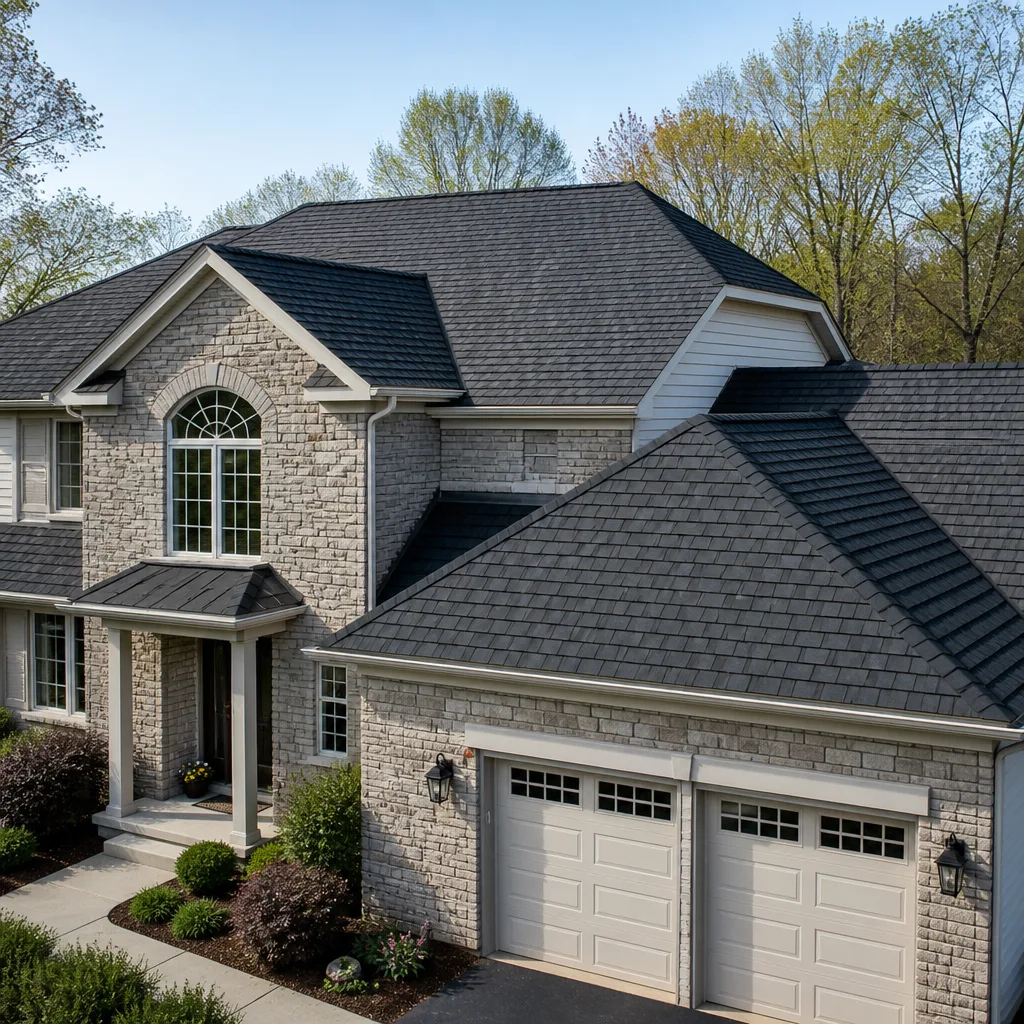
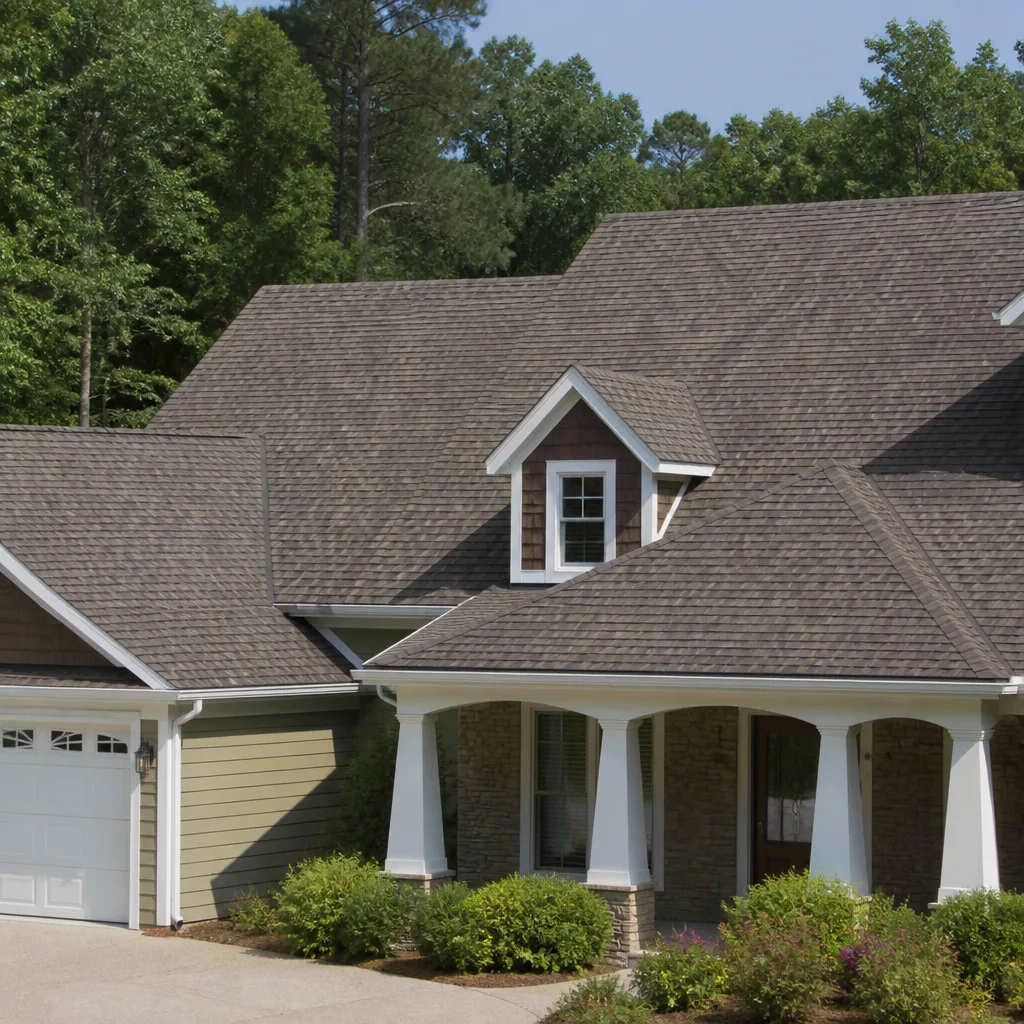
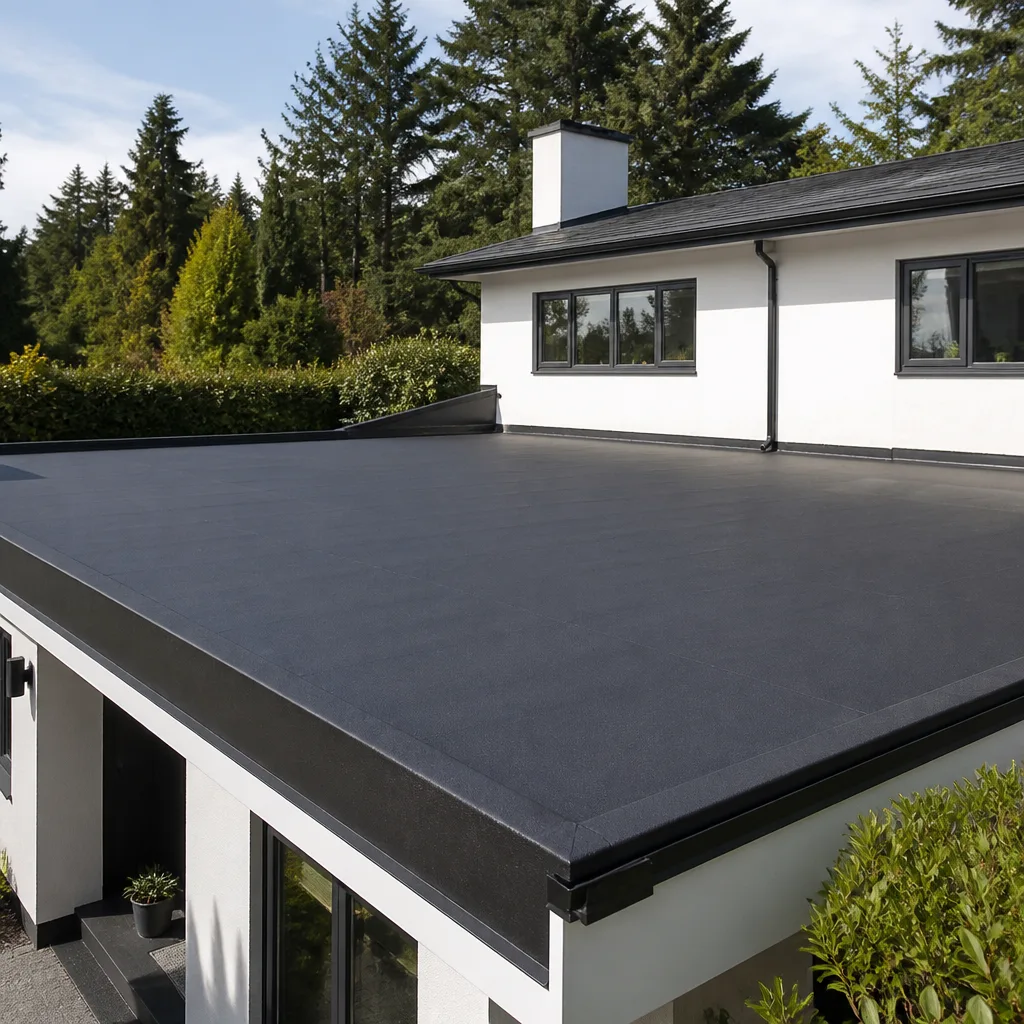
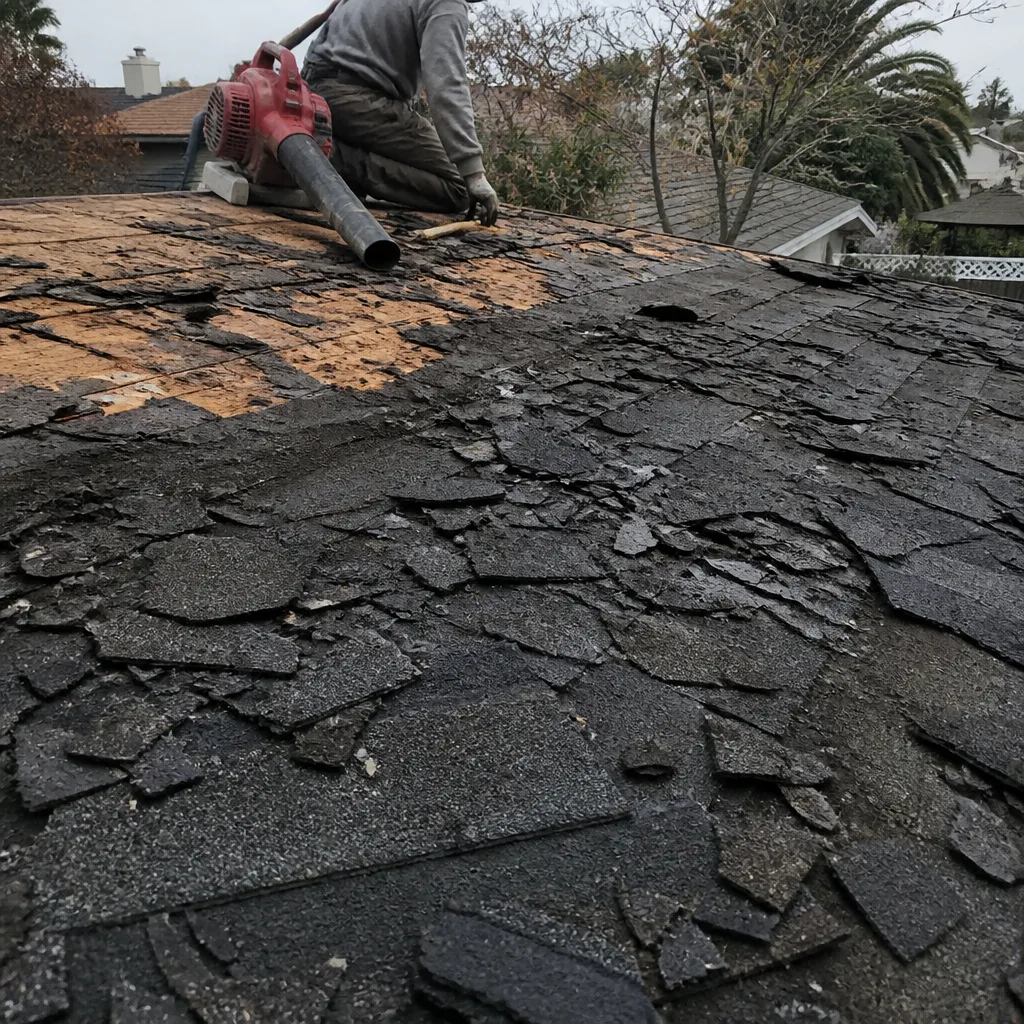 Before
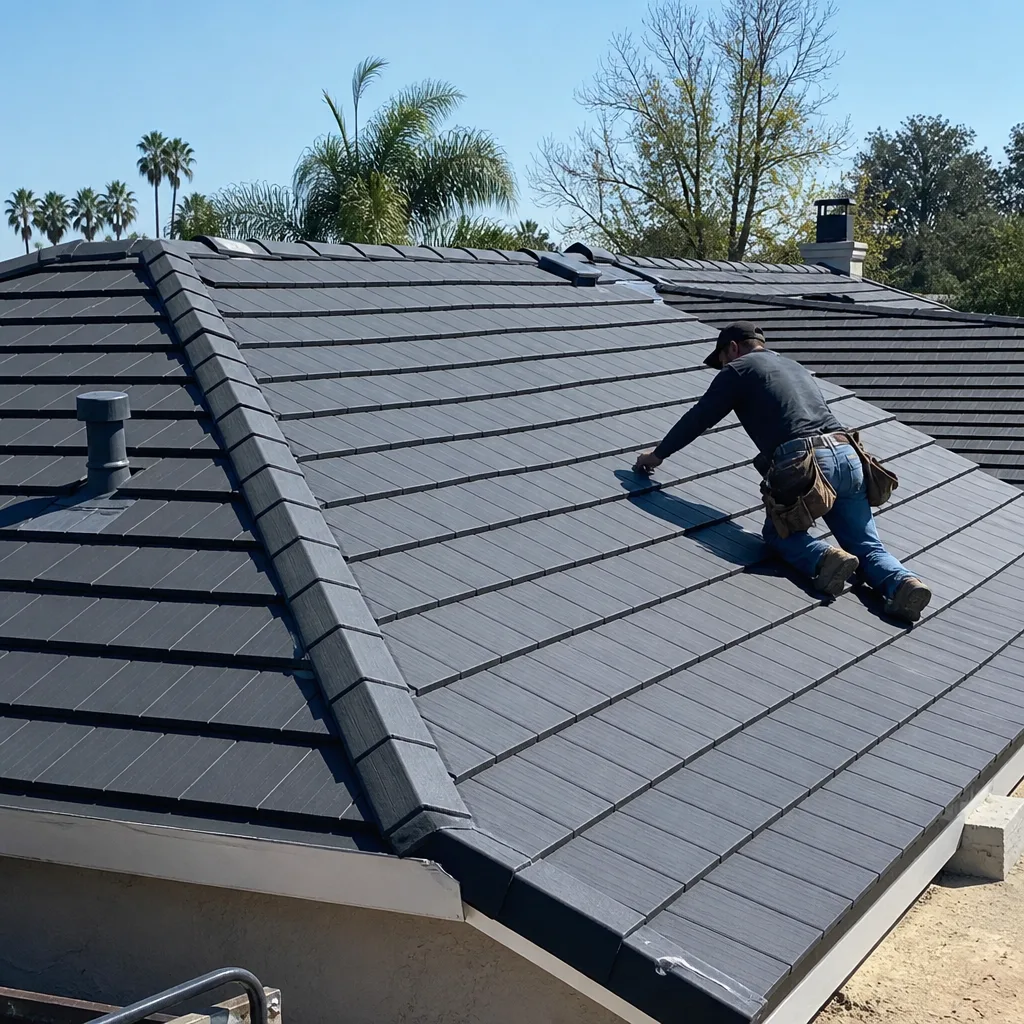 After
After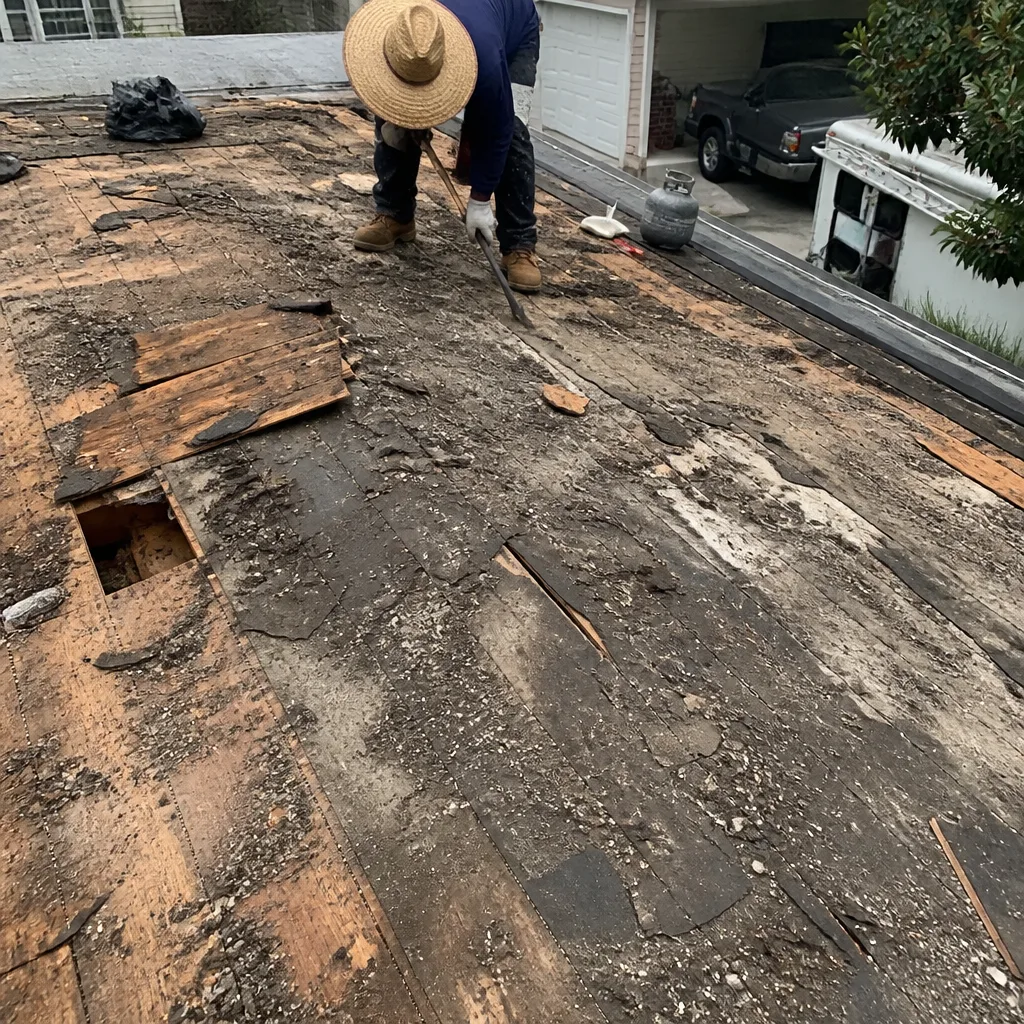 Before
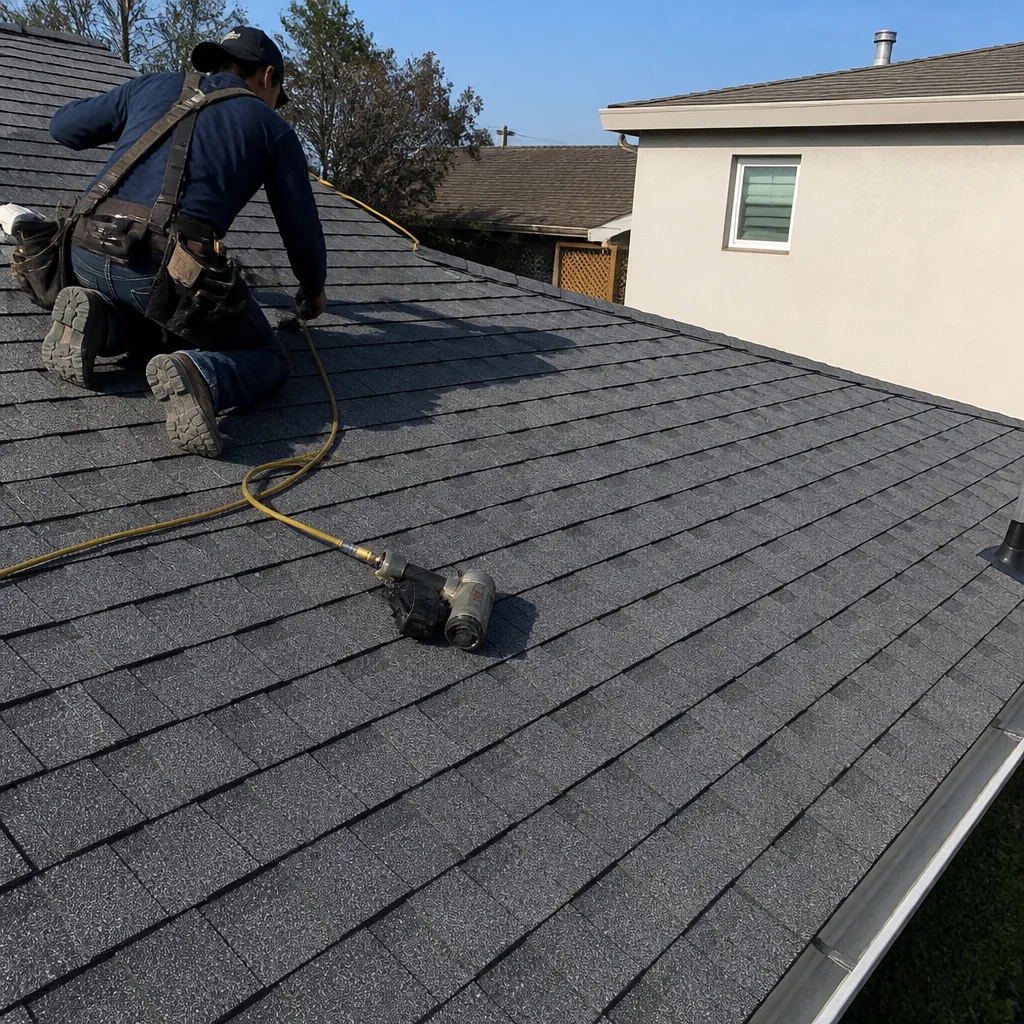 After
After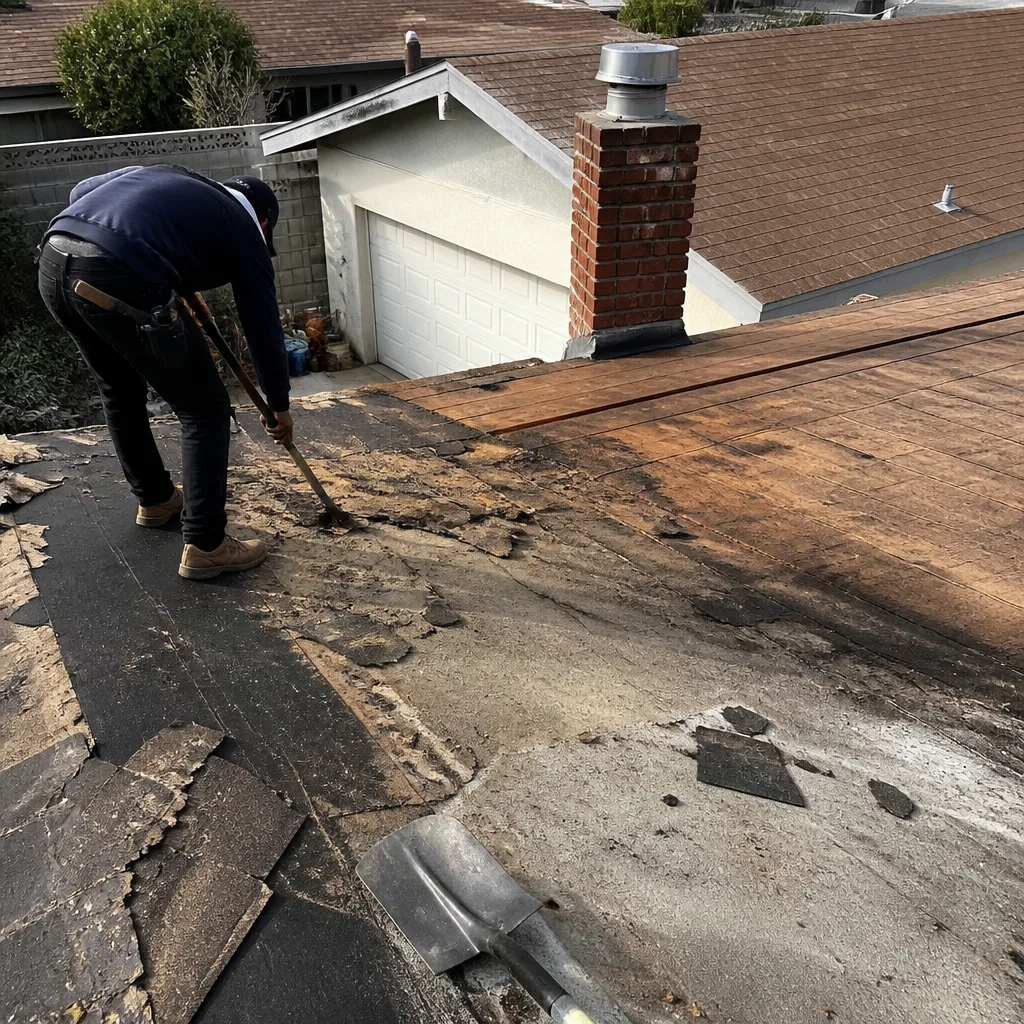 Before
 After
AfterFast, Reliable Roof Repair Across Koreatown
Roof repair in Koreatown rarely starts the way homeowners expect. You call about a water stain on the ceiling, and within an hour of opening things up we find failed flashing behind a 1960s parapet wall or rotted decking under tile that looked fine from the street. That’s normal for this neighborhood. Koreatown’s housing stock is almost entirely pre-1980 multi-unit buildings, and the wear patterns are specific: clay tile outliving its underlayment on 1920s Spanish courtyard buildings, and aging built-up tar-and-gravel membranes on dingbats that have been through soft-story seismic retrofits. We know those buildings because we work on them every week. If you need a roof repair in Koreatown, call (424) 766-4937. We’ll send a technician who knows Wilshire and Western as well as any side street off Beverly, and you’ll get a written price before any work starts.
Why Birchbark Roofing Is Koreatown’s Preferred Roof Repair Company
Most roofing companies in Los Angeles treat Koreatown as just another dispatch zone. We don’t. Our crews know that a leak on a 1960s dingbat on South Western Avenue usually isn’t just a membrane issue, it’s flashing torn loose where a seismic retrofit bolting plate went in the year before. That local knowledge changes the diagnosis, the quote, and the fix. Homeowners in Koreatown call us because we show up with background-checked, uniformed technicians who introduce themselves at the door, lay down shoe covers before walking through the living room, and put drop cloths through the hallway on the way to the roof access. We coordinate with building managers on multi-unit jobs so tenants know when we’ll be on the roof and when we’ll be done. And every job ends the same way: a photo of the completed clean-up before the crew leaves. You’ll see exactly what we saw.
We’re part of the Cedarwell family of roofing companies, a network of independently owned local roofing businesses operating since 2000. Every repair we perform carries the 365-Day Done Right Promise: if the work isn’t right, we make it right. The C.A.R.E. values are how we run every Koreatown job: Clean up like it’s our own home, Ask before we move or touch anything, Respect the family’s time and quiet hours, and Explain the price before the work. Erik Lindgren leads our team, and he holds every estimate to one standard: the number you see in writing is the number you pay, with any newly discovered scope priced and approved in writing before we touch it.
Shingle Roof Repair in Koreatown
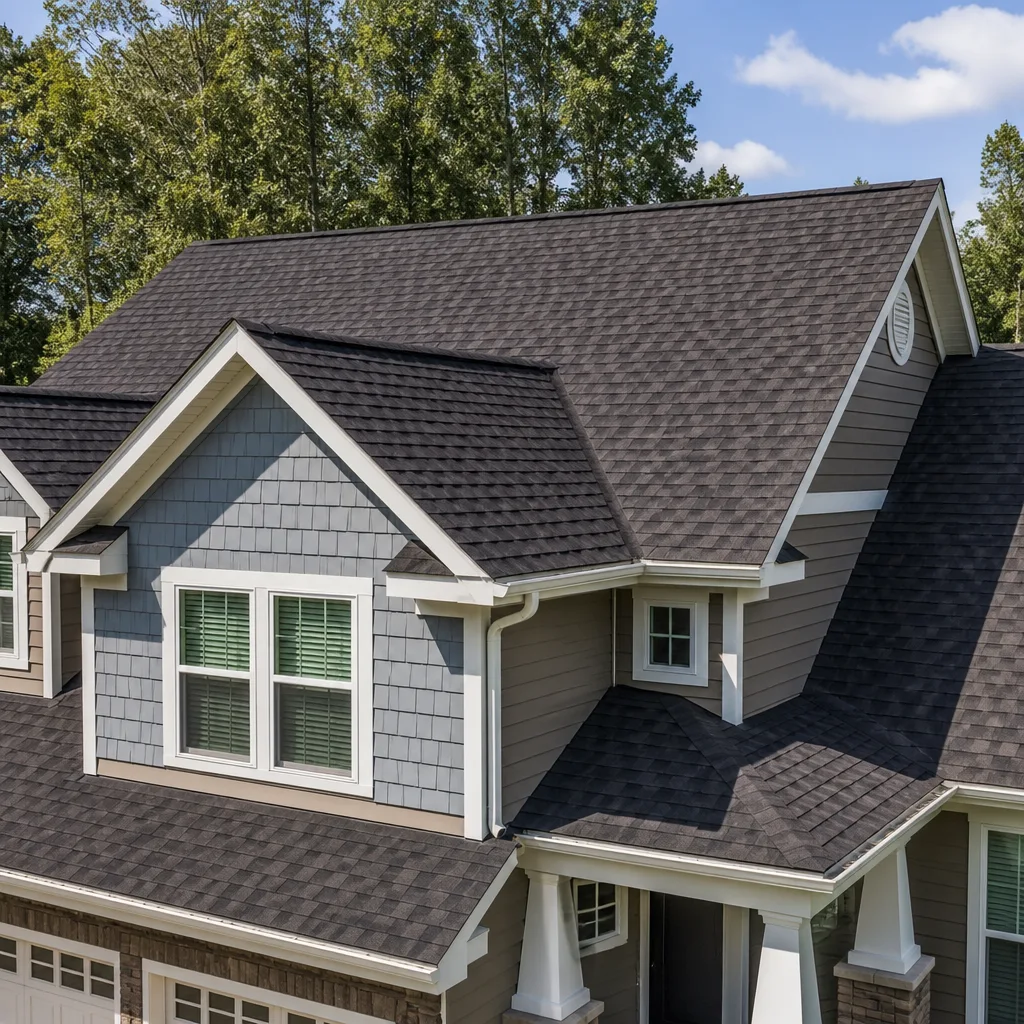
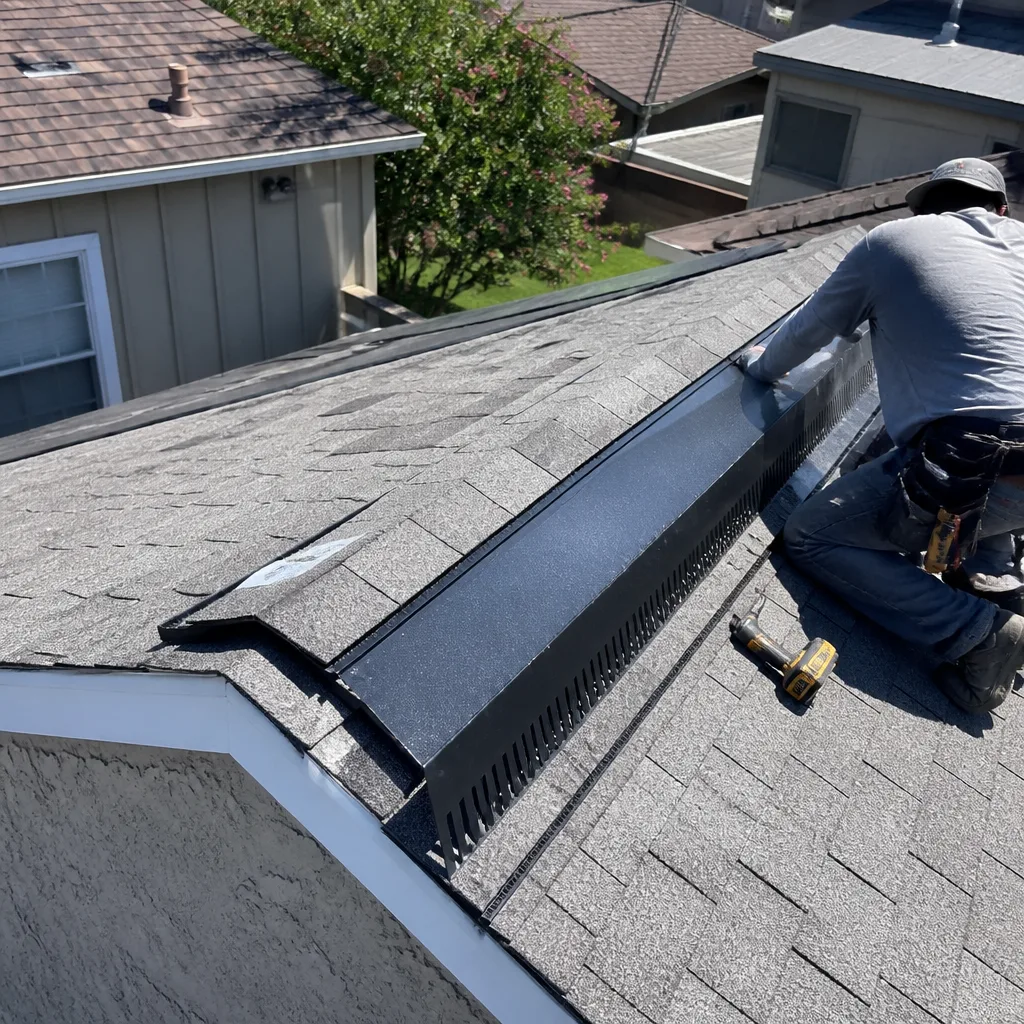
Shingle roof repair in Koreatown is less common than flat-roof or tile work, but when we do it, we’re usually on one of the neighborhood’s rare single-family homes or a small multi-unit building with a pitched section over an entryway or stairwell. Koreatown’s density means these roofs often sit tight against a neighboring building, which changes how we stage ladders, where we place fall protection, and how we protect the adjacent property while we work. If a shingle section has blown loose in a winter storm or curled from years of urban heat island sun exposure, we replace the damaged shingles, check the underlayment beneath them, and verify the flashing at every penetration. A shingle roof repair in Koreatown typically runs $450-$950 for isolated damage; larger sections or decking repair will push that higher, and you’ll see your exact number in writing before anything starts.
Shingle Replacement on Koreatown Courtyard Buildings
Some of the 1920s courtyard buildings in this neighborhood have small shingle-roofed elements, often over entries, service porches, or detached garages off the alley. Those roofs tend to fail at the edges first, where wind-driven rain gets under the starter course. We inspect the drip edge and replace any rotted fascia board before reinstalling shingles.
Underlayment Under Shingles
Koreatown’s UV exposure degrades underlayment faster than the shingles themselves in some cases. If we pull a section of shingles and find brittle, cracked felt or failed synthetic underlayment, we’ll show you photos and give you a separate line item for replacement before proceeding.
Storm Damage Roof Repair in Koreatown
Storm damage roof repair in Koreatown usually isn’t about missing shingles. It’s about water getting through aging flat roofs and degraded flashing after a heavy El Niño rain event like the 2022-23 season. When those storms hit, the sheer number of deferred-maintenance flat roofs in this neighborhood means hundreds of buildings develop leaks in the same week. If you’re seeing water stains on ceilings after a rain, call (424) 766-4937. We’ll respond quickly, assess the source, and give you a written repair plan. Storm-related roof repair in Koreatown typically runs $350-$1,200 depending on whether we’re patching a membrane, replacing flashing, or dealing with secondary damage beneath the roof surface.
Post-Rain Leak Response
A leak after a heavy rain in Koreatown often tracks far from where it shows up inside. Water enters at a parapet or penetration, runs along a beam or top plate, and drips through a light fixture in a completely different unit. We trace the water path using thermal imaging and moisture meters before we cut anything open, so we’re fixing the actual source, not just patching the ceiling stain.
Wind and Debris Inspection
Koreatown’s dense streets and mid-rise buildings create gusty wind channels that stress roof-to-wall connections, especially on older dingbats. After a storm, we check parapet caps, counter-flashing, and vent boots for signs of wind lift, and we document everything with photos you can share with your insurance company if needed.
Trusted Brands We Service in Koreatown
We work with materials from GAF, CertainTeed, Owens Corning, Atlas, and Tamko, among others. For Koreatown’s flat-roof dingbats, we stock locally available modified bitumen and TPO from manufacturers that hold up better under the neighborhood’s UV-heavy urban heat island conditions. For the 1920s clay tile courtyard buildings, we source matching tile and specialized flashing materials designed to integrate with original Spanish Colonial Revival details. We keep common repair parts and materials staged for fast turnaround on Koreatown jobs, which means we’re not waiting on a distributor in the Valley when your parapet is leaking on a Friday afternoon.
Common Roof Repair Problems We See in Koreatown Homes
- Seismic retrofit collateral damage on dingbats: LA’s Mandatory Soft-Sty Retrofit Ordinance (Ord. 183893) has driven structural work on a high concentration of Koreatown’s 1960s-70s apartment buildings. The bolting plates and moment frames installed during these retrofits routinely crack parapet walls, tear existing flashing, and shift roof-to-wall connections, creating leaks in roofs owners thought weren’t part of the project.
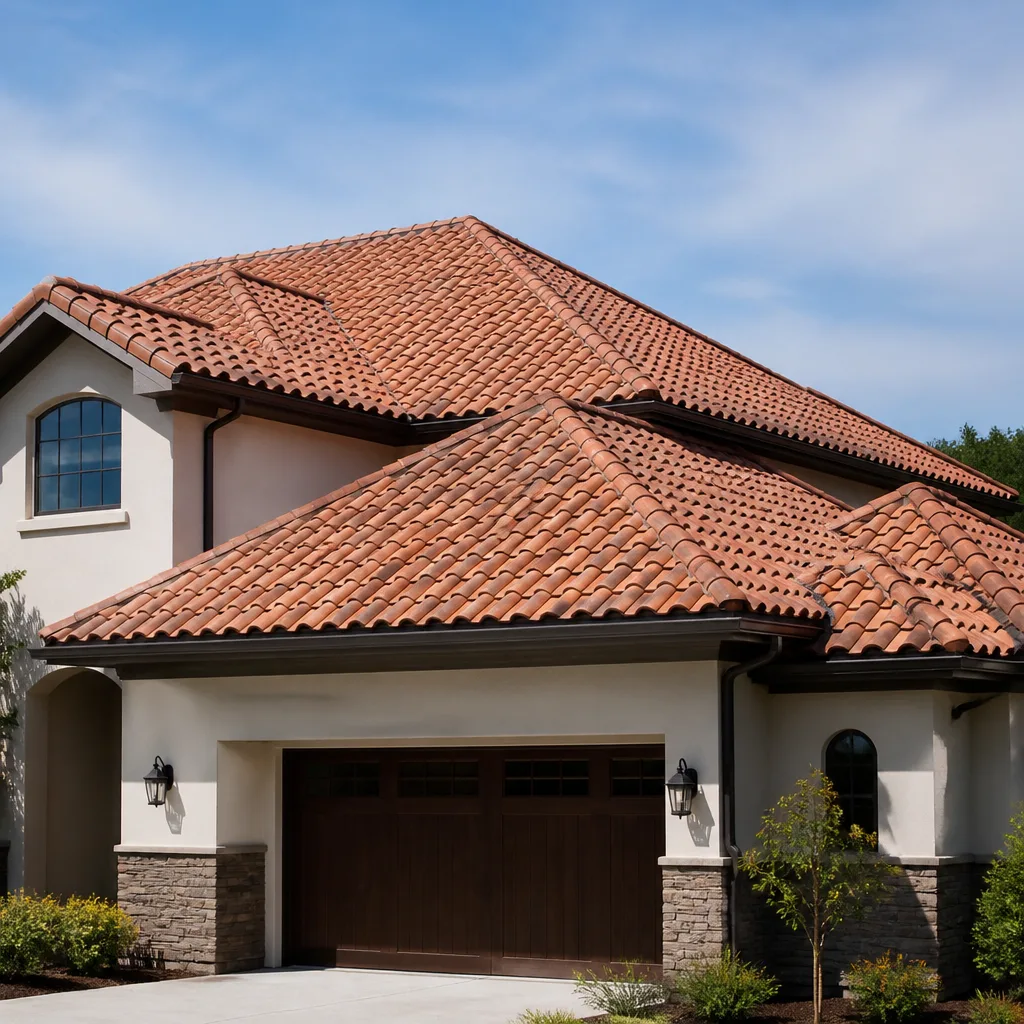
- Failed underlayment under original clay tile: The 1920s-30s Spanish courtyard buildings throughout Koreatown often still have their original clay tile. The tile itself can last a century, but the underlayment beneath it gives out decades earlier, and we find leaks at valleys and penetrations where the waterproofing has disintegrated while the tile above looks perfect.
- Urban heat island UV breakdown on flat roofs: Koreatown has minimal tree canopy compared to hillside LA neighborhoods, and the exceptional building density amplifies heat. Flat TPO and modified bitumen membranes here fail at seams and edges well before their rated service life because the sun cooks them harder than the LA metro average.
- Parapet and flashing failures on busy corridors: Buildings along Wilshire, Western, Olympic, and Vermont face additional stress from street-level vibration, decades of rooftop equipment changes, and deferred maintenance on multi-unit buildings where ownership turnover means repairs get postponed. Flashing at parapets and roof-to-wall connections is the first thing we check.
Pricing for Roof Repair in Koreatown, CA
Most residential roof repairs in Koreatown run between $350 and $1,200, with larger flat-roof membrane repairs or parapet re-flashing on multi-unit buildings reaching $2,500-$5,000 depending on scope. Shingle repair on a single-family home or pitched section typically falls in the $450-$950 range. A full tile underlayment replacement on a 1920s courtyard building is a bigger job, often $8,000-$18,000 for a typical 2-3 story building, because the tile must be removed, the underlayment replaced, and the tile reinstalled. You’ll always see your exact number in writing before any work starts, and any newly discovered scope, like the seismic retrofit collateral damage we find on so many Koreatown dingbats, gets priced and approved in writing before we touch it. Call (424) 766-4937 for a free estimate.
We Also Serve Cities Near Koreatown
While this page focuses on roof repair in Koreatown, our crews regularly handle jobs in Los Angeles, San Diego, San Jose, and San Francisco. If you have a property outside Koreatown, or if you need a broader look at your roofing options, visit our Roof Repair page or learn more about Koreatown service areas. We coordinate scheduling from our Los Angeles office, with crews that work locally in Koreatown and throughout the region.
Serving Koreatown, CA - Our Local Coverage Area
We’re based in the Koreatown area and know this community well. Use the map below to see our service coverage - if you’re nearby, we can almost certainly help.
FAQs About Roof Repair in Koreatown
It’s almost always a separate roof repair. The Mandatory Soft-Story Retrofit Ordinance permit covers the structural work, not the roof-to-wall flashing that gets damaged when moment frames and bolting plates are installed. On a 1960s dingbat on South Western Avenue, our crew opened up what the owner thought was a simple flat-roof leak and found the parapet flashing torn where a seismic bolting plate had been installed the year before. Water had been tracking behind the drip edge and rotting the decking underneath. The owner approved the re-flashing, decking replacement, and new ice and water shield as a separate written change order before we proceeded. If your retrofit is recent and you’re seeing leaks afterward, call (424) 766-4937 and we’ll inspect the roof-to-wall connections specifically.
We handle both. For any repair that requires staging, debris chutes, or crane positioning on a major commercial corridor, we file the sidewalk closure permit with the City of LA and coordinate with the district office. On that Western Avenue dingbat job, we closed the sidewalk section, staged a debris chute without blocking the bus lane, and kept the permit documentation in order so the building owner had a clean record. We pull permits when the scope requires them, pass inspections, and document everything. You don’t have to navigate that process alone.
The two most common discoveries are seismic retrofit collateral damage on dingbats and failed underlayment under original clay tile on the 1920s-30s Spanish courtyard buildings. We also regularly find rotted decking where flashing has failed, prior patch jobs that were done with incompatible materials, and parapet walls cracked by decades of UV exposure and street vibration. That’s exactly why we inspect first and price in writing before cutting anything open. If we find something unexpected, you’ll see photos, you’ll see a line-item price, and you’ll approve it in writing before we proceed. Call (424) 766-4937 to schedule an inspection.
Koreatown’s exceptional building density and minimal tree canopy create a pronounced urban heat island effect that accelerates UV degradation of flat-roof membranes, especially TPO and modified bitumen. Those membranes fail at seams and edges faster here than in hillside neighborhoods. Then, when heavy El Niño rain events hit, as in 2022-23, the volume of aging flat roofs in the neighborhood means leaks surge across hundreds of buildings at once. For most Koreatown properties, an annual roof inspection and maintenance check is the cheapest way to catch problems before they become interior water damage, and we can quote that proactively.
Yes. Most of our Koreatown work is on multi-unit buildings, so we plan around tenant schedules. We coordinate roof access with building management, keep noise within reasonable hours, use drop cloths in any common hallways we pass through, and send a clean-up photo to the manager before the crew leaves. If the dog needs to stay inside during the work, we coordinate the door schedule with you, and we use pet-safe products where there’s a choice. The C.A.R.E. values apply to every unit in the building, not just the one with the leak. Call (424) 766-4937 to talk through the logistics on your building.
Written by Erik Lindgren, Owner at Birchbark Roofing, serving Koreatown since 2000.