
Free roof inspection with deck photos before we talk money - GAF and Owens Corning certified installation
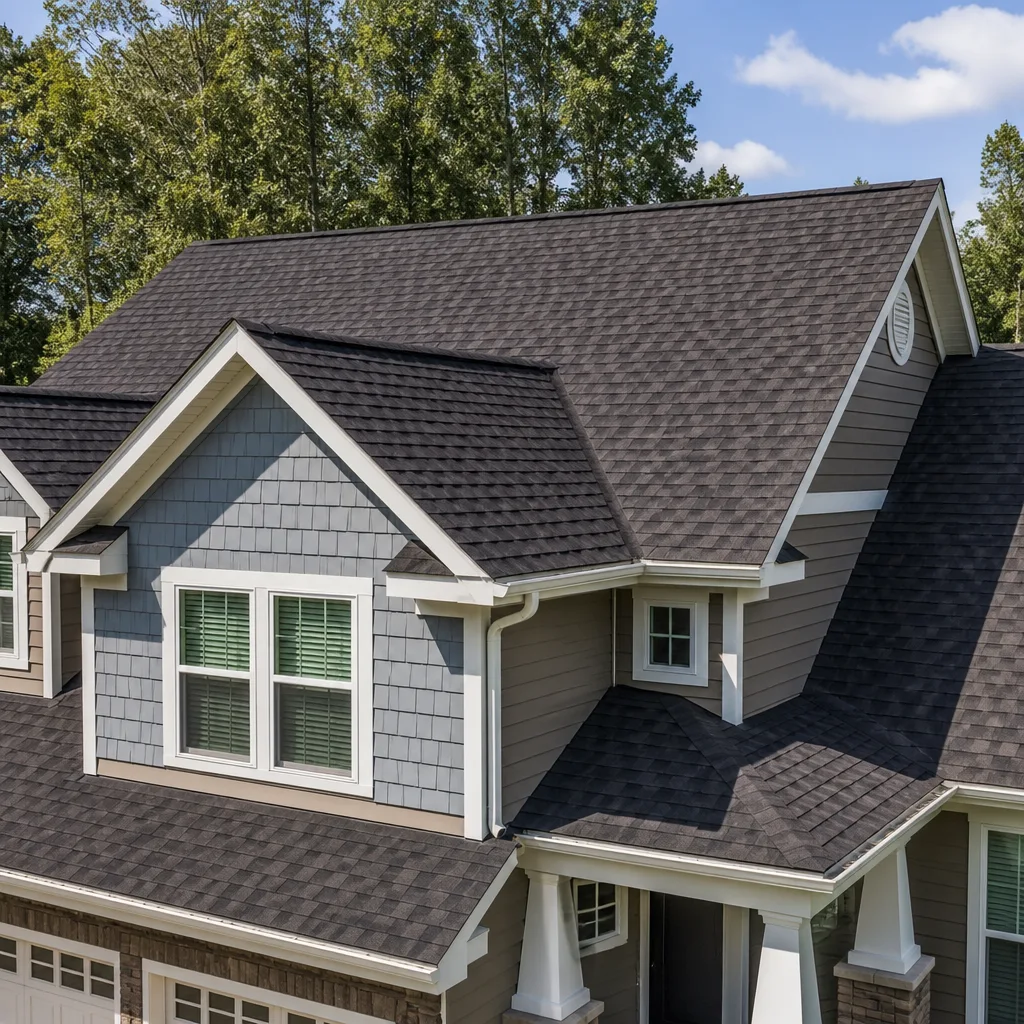
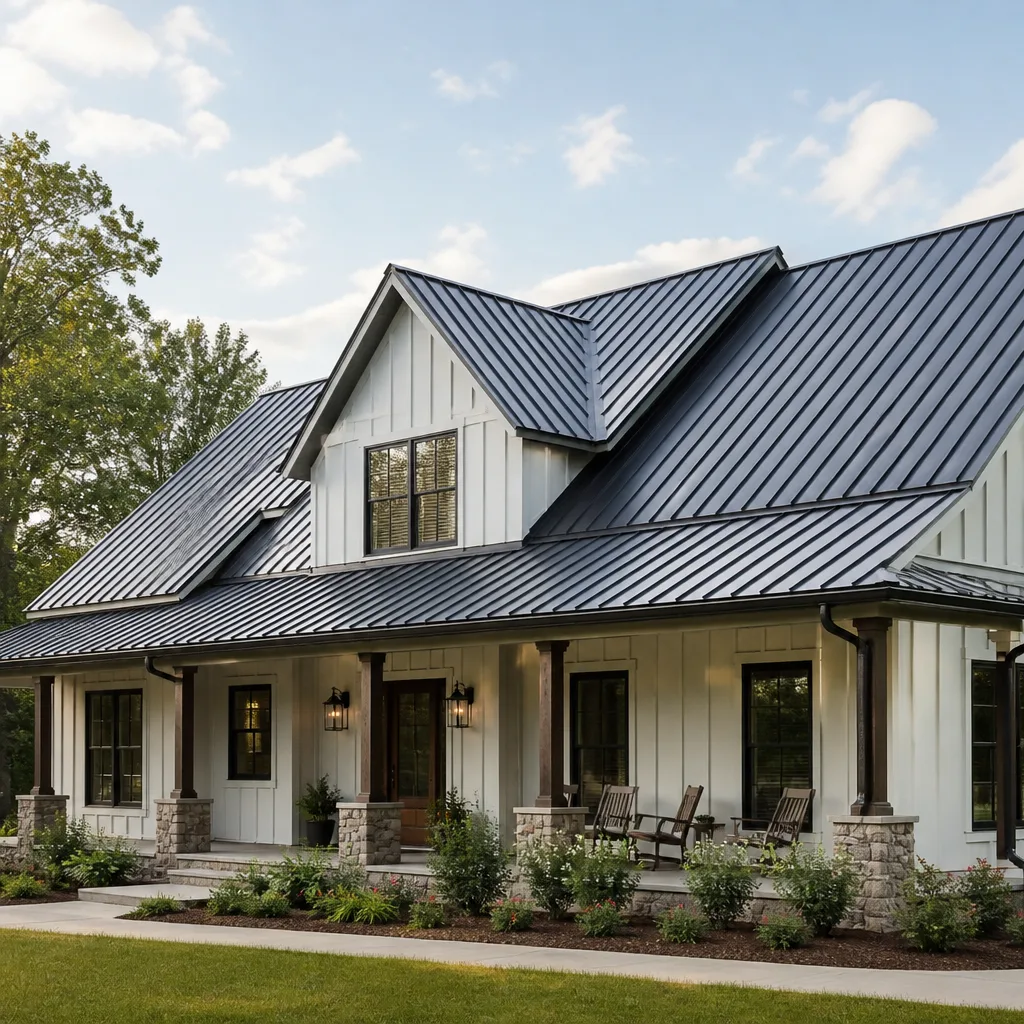
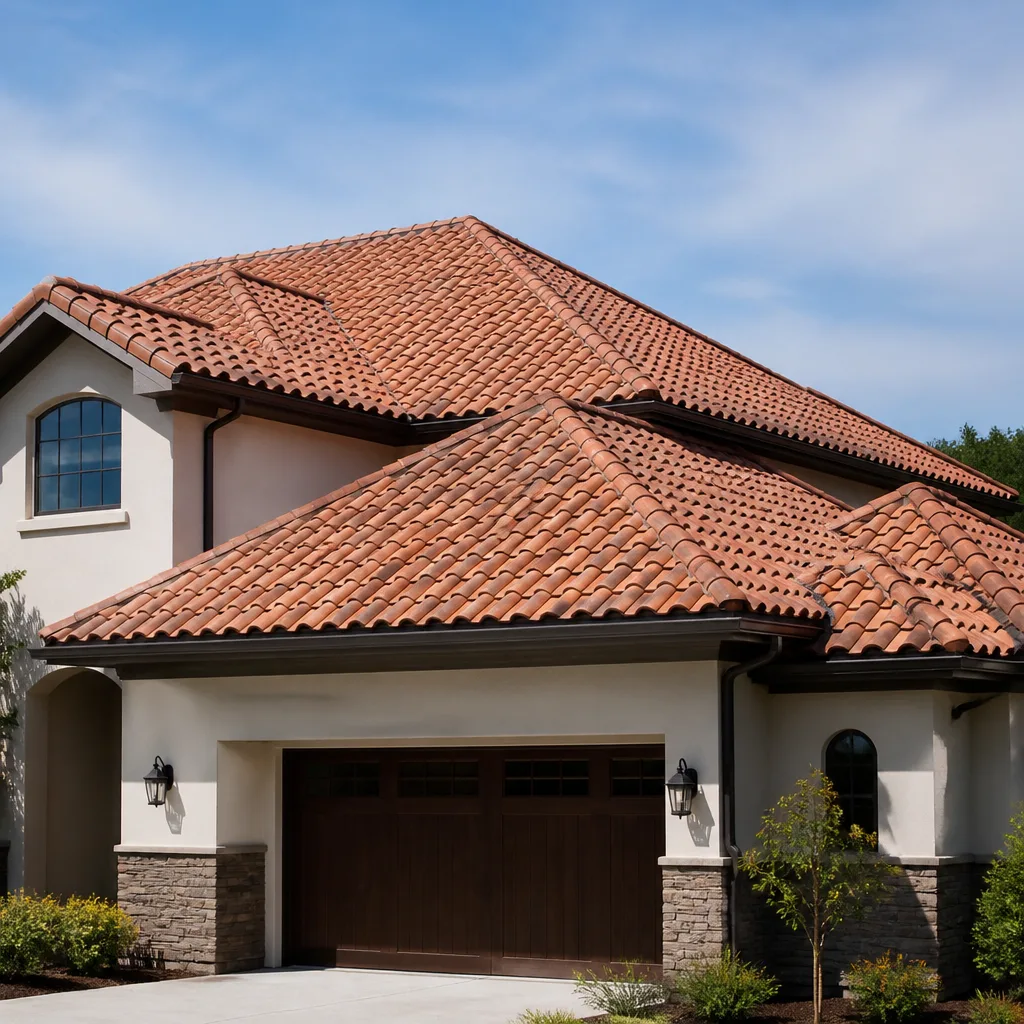
 Before
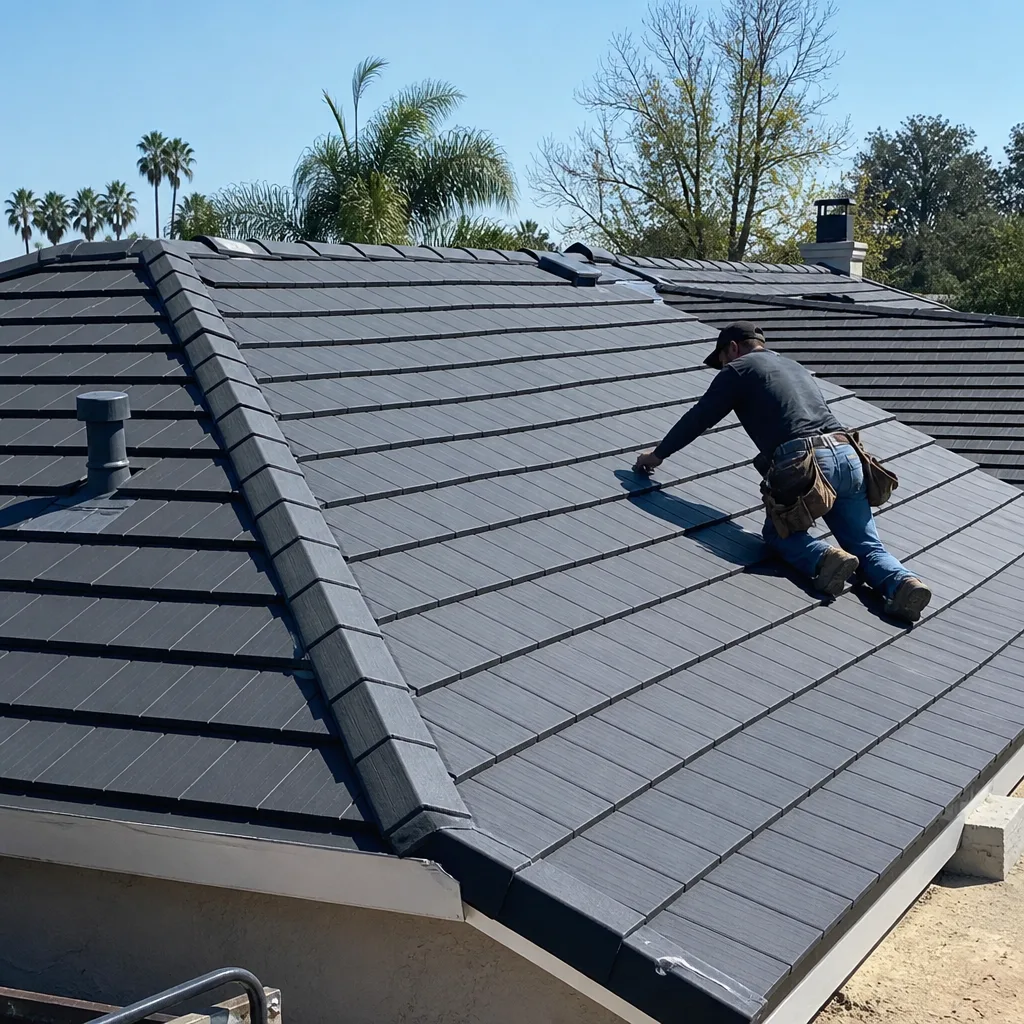 After
After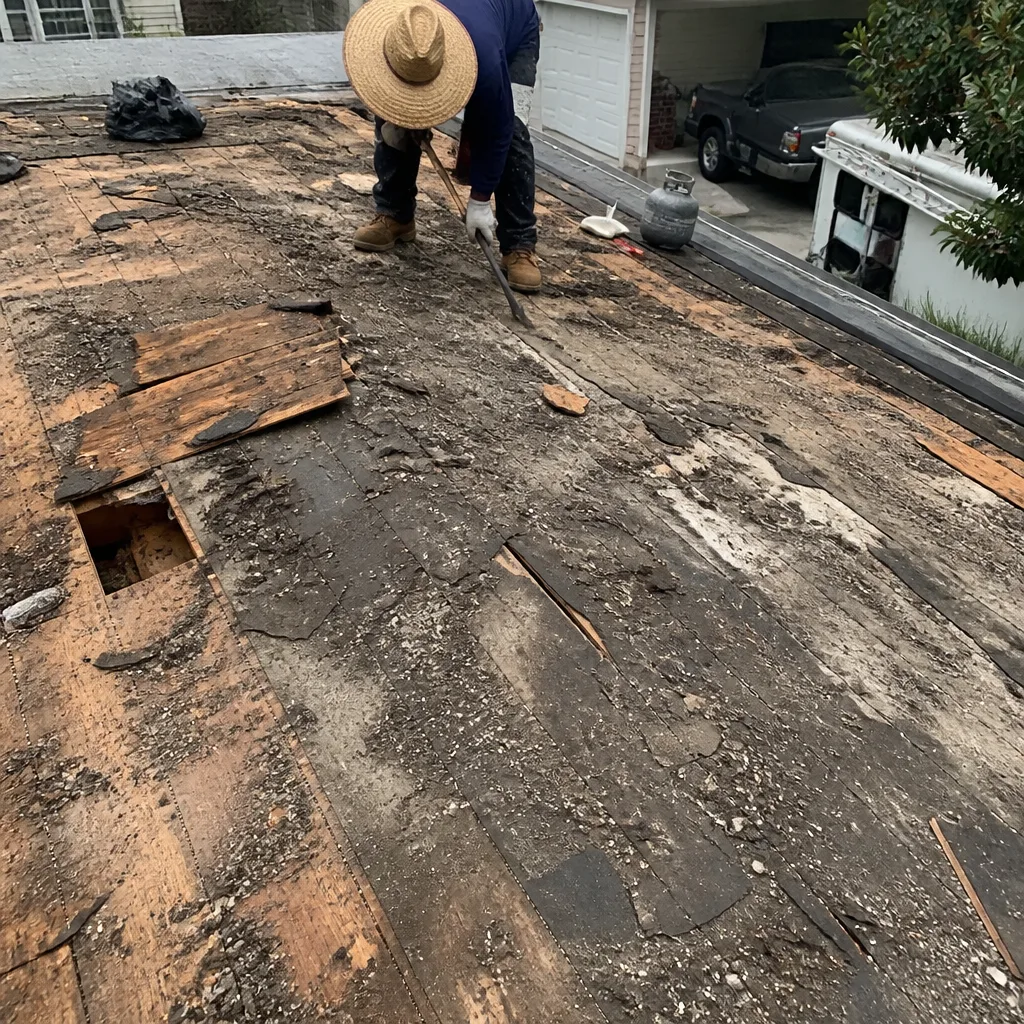 Before
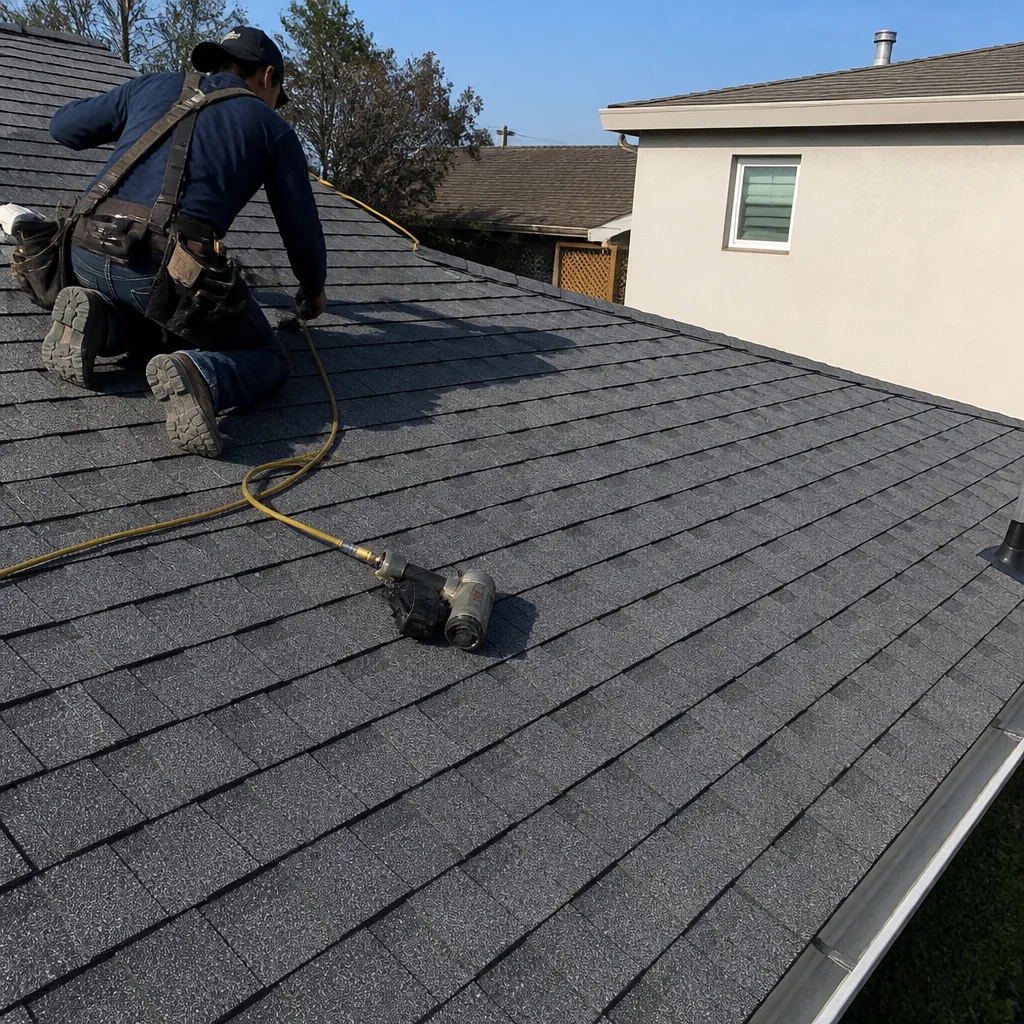 After
After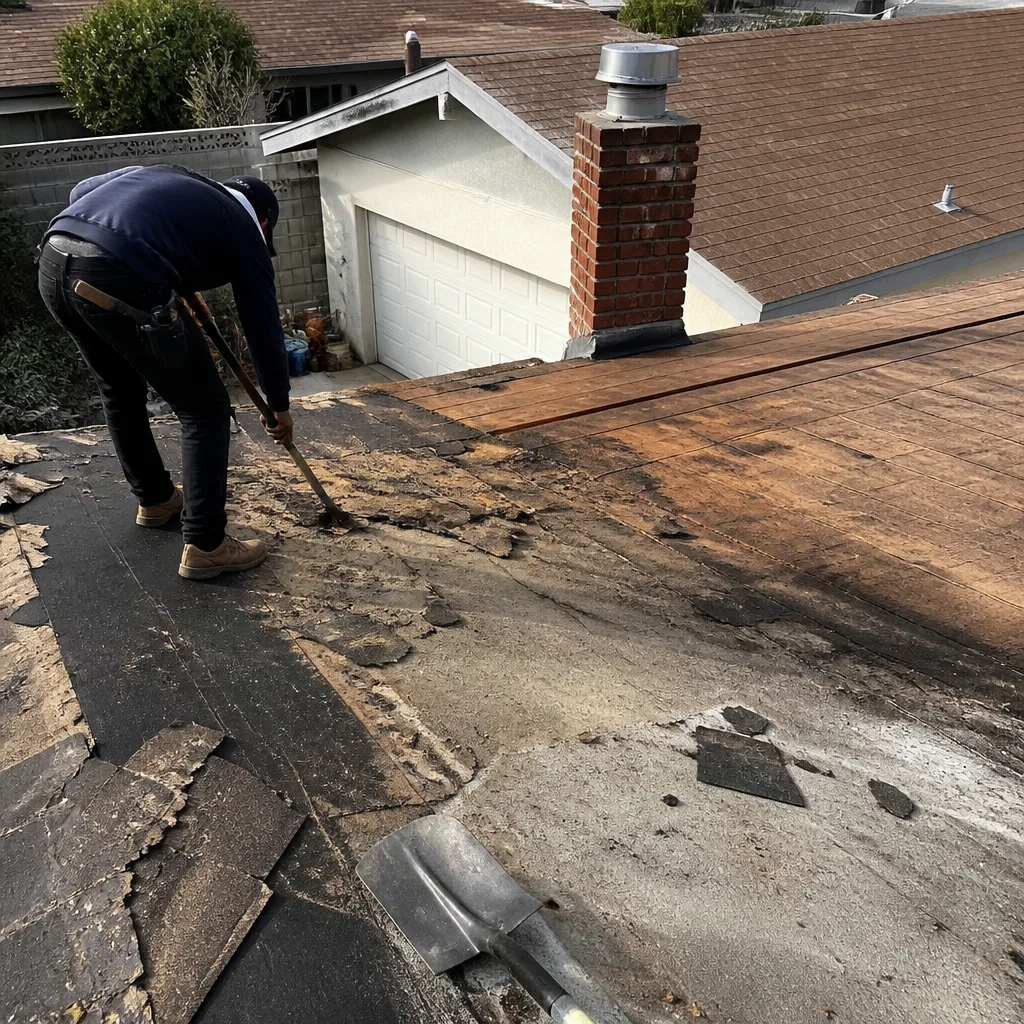 Before
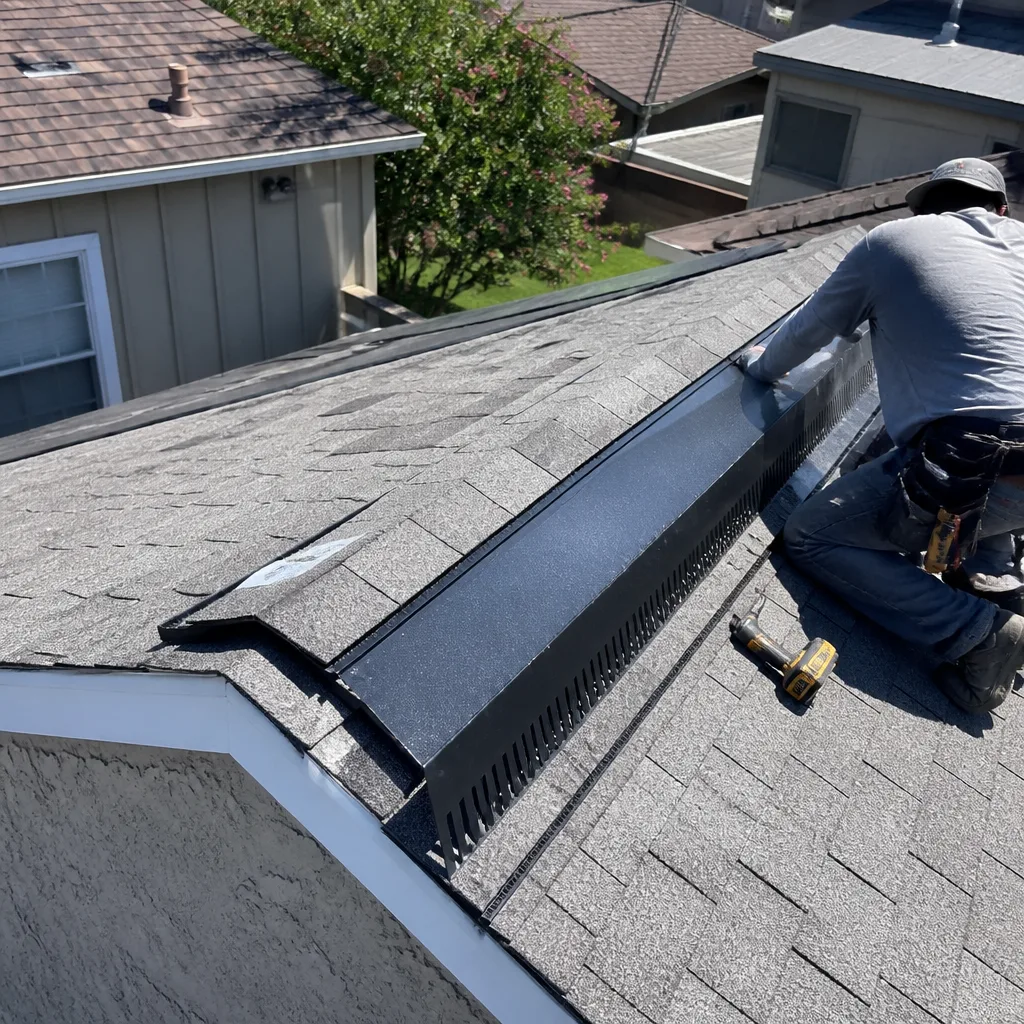 After
AfterFast, Reliable Roof Repair Across San Diego
Roof repair in San Diego usually means one of two things: you’ve spotted water staining on a ceiling, or you’re staring at a cracked tile and wondering how long it’s been letting moisture through. Most repairs we handle in San Diego run between $350 and $1,800 depending on what’s failed. We answer the phone at (424) 766-4937, and our crews know the difference between a Mission Hills tile roof, a Clairemont tract home from 1965, and a flat roof in North Park, because those are different jobs with different failure points.
Why Birchbark Roofing Is San Diego’s Preferred Roof Repair Company
Erik Lindgren leads our San Diego roofing team, and the work we do here is shaped by the city itself: salt air near the coast, unrelenting UV inland, and tile roofs everywhere. We don’t send a generic crew to a San Diego home and figure it out on the ladder. Our technicians know that a 1968 Allied Gardens clay tile roof with powdering ridge mortar is a different repair than a 2004 concrete tile roof in Mira Mesa, even when the surface looks identical.
Every job includes a written price before any work starts. Not a verbal estimate, not a range on a napkin. A number in dollars, on paper, before a tool bag opens. Our crews wear shoe covers at your door, lay drop cloths through the hallway, and photograph the completed clean-up before we leave. If you’ve got kids and a dog, we coordinate the door schedule so nobody bolts into the street mid-repair. The 365-Day Done Right Promise covers every repair: if it’s not right, we make it right.
Part of the Cedarwell family of roofing companies since 2000, Birchbark Roofing holds every San Diego job to the Cedarwell Care Promise: Clean up like it is our own home. Ask before we move or touch anything. Respect the family’s time and quiet hours. Explain the price before the work. A live person answers our phones 24 hours a day, seven days a week.
Flat Roof Repair in San Diego
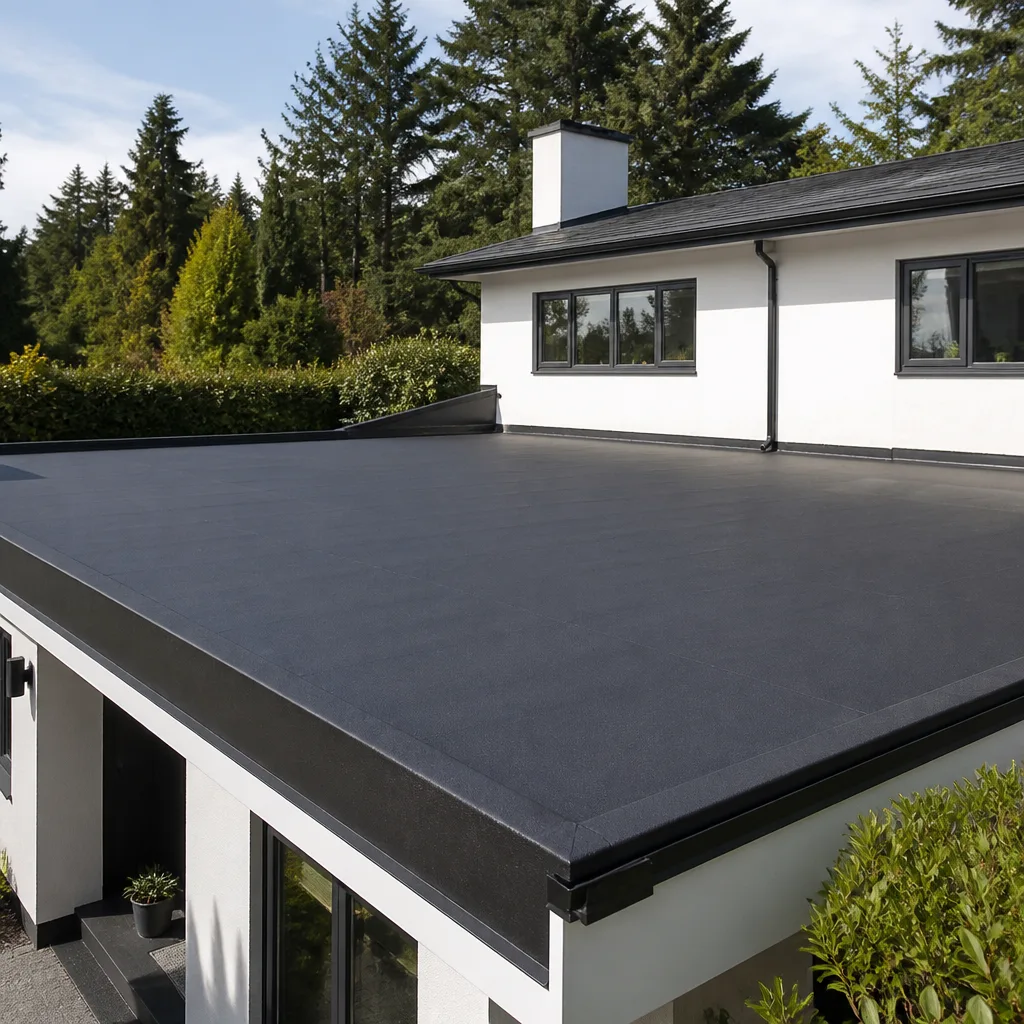
Flat Roof Repair in San Diego typically runs $450-$1,600, and the job usually involves patching a membrane, sealing a penetration, or re-torching a seam that’s opened under direct sun. Most San Diego flat roofs are on 1960s and 70s homes in Clairemont, Mira Mesa, and North Park, plus a lot of additions and garages across the city. The real problem here isn’t rain-it’s standing water after a rare downpour, combined with UV that bakes rolled roofing until it cracks and curls at the edges.
What a Patch Should Actually Include
A proper flat roof repair in San Diego means cleaning the area back to sound material, priming it, applying a compatible patch, and sealing the perimeter. If a roofer just smears mastic over a crack without prep, it’ll fail in two seasons. We write down exactly what we’ll do, and the price, before starting.
Common Flat Roof Failure Points Here
Look at the flashings around plumbing vents and HVAC curbs. In San Diego’s coastal zones, standard galvanized flashing corrodes fast; near Ocean Beach or La Jolla, we often replace it with stainless or hot-dip galvanized. Ten miles inland, the same flashing may be serviceable. That’s the metallurgy difference, and it changes the bid.
Shingle Roof Repair in San Diego
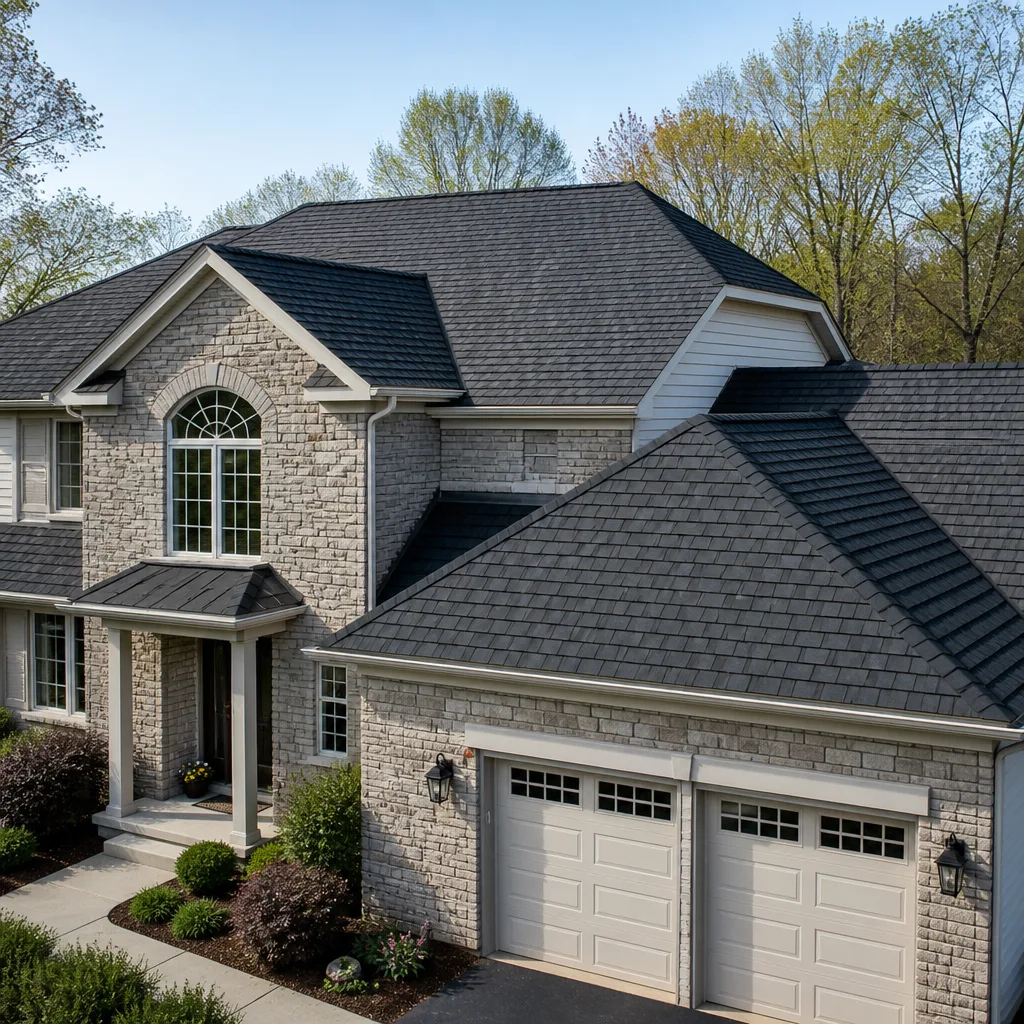
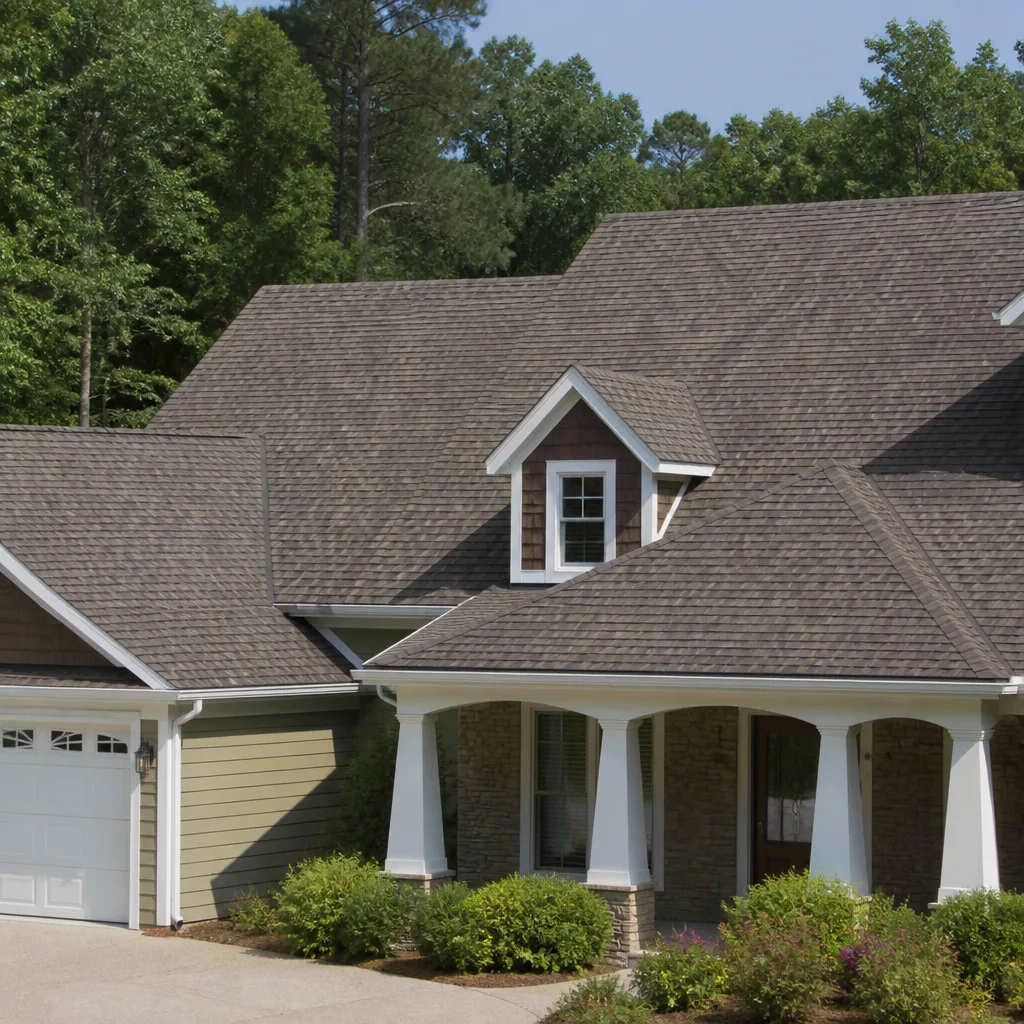
Shingle Roof Repair in San Diego generally costs $300-$1,200, and it’s more common here than most people expect. San Diego has fewer asphalt-shingle roofs than most U.S. cities-tile dominates-but plenty of 1980s and 90s homes in Mira Mesa, Rancho Bernardo, and the east side of Chula Vista used architectural shingles. Wind-blown shingle loss, granule erosion, and nail pops at the eaves are the typical calls we get.
Replacing a Few Shingles Before They Become a Leak
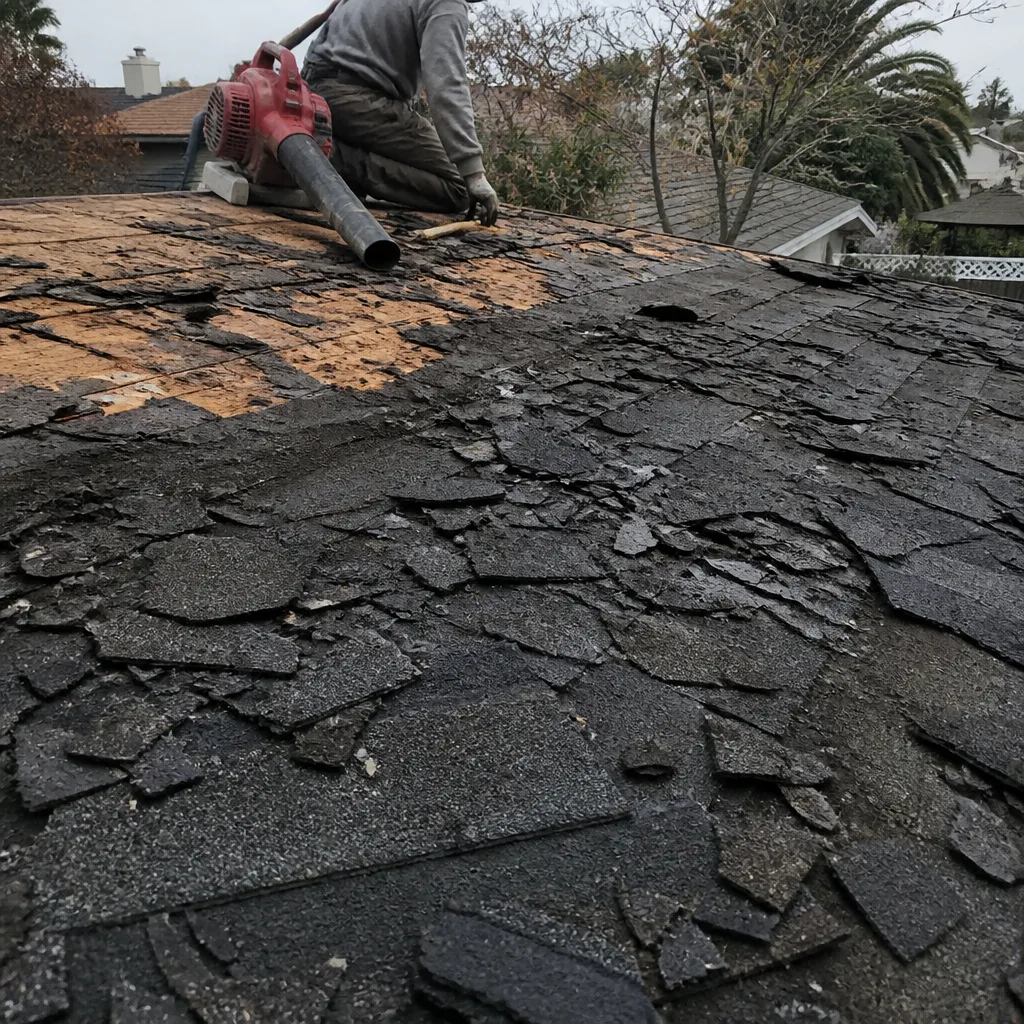
When shingles curl or blow off, water gets to the underlayment and then to the decking. A single missing shingle in San Diego’s dry season is a slow leak waiting for an El Niño winter. We replace the damaged section, check surrounding shingles for seal failure, and match the color as closely as the manufacturer’s line allows. GAF and CertainTeed color stock sits in our local supply chain; most San Diego repairs use the original manufacturer’s shingle.
When the Flashing Is Actually the Problem
Most shingle leaks trace back to flashing, not the shingle itself. Around chimneys, skylights, and sidewalls, old galvanized step flashing corrodes in San Diego’s salt air and lets water run behind the shingles. We inspect the flashing whenever we touch a shingle roof here, because in this city the metal fails before the shingle does.
Trusted Brands We Service in San Diego
We repair and replace roofing systems from GAF, CertainTeed, Owens Corning, Atlas, and Tamko, among others. If your San Diego home has an Atlas shingle or a CertainTeed flat membrane, we know its warranty terms, its matching accessories, and its known weak points in this climate. We keep common flashing profiles, sealants, and underlayment roll stock flowing through our San Diego supply chain so a repair doesn’t stall waiting on a truck from Los Angeles.
Common Roof Repair Problems We See in San Diego Homes
- Salt-corroded flashing along the coast. From Ocean Beach to La Jolla, standard galvanized flashing, drip edge, and fasteners rust years ahead of schedule. A leak traced to a pipe boot or valley is often a corroded-metal failure, not the tile itself.
- UV-cooked underlayment under a tile roof that looks perfect. Clairemont and Allied Gardens tract homes from the 1960s and 70s often have original felt underlayment that’s been baked by cloud-free sun for 50 years. The tile looks fine from the street; the waterproof layer beneath is dust.
- Powdering hip-and-ridge mortar caps. Mission Hills and Kensington Spanish Colonial roofs lose their ridge mortar to decades of thermal cycling. Wind-driven rain then gets past the ridge and into the underlayment without any visible surface damage.
- Flat roof seams opening after long dry spells. San Diego’s long, dry stretches shrink and crack rolled roofing at seams and edges. When rain finally comes, the water finds those cracks immediately-and the homeowner finds a ceiling stain.
Pricing for Roof Repair in San Diego, CA
Most residential roof repairs in San Diego run $300 to $1,800. A small shingle replacement or vent boot swap sits at the low end; a flat roof seam repair with new flashing lands mid-range; a tile re-set plus underlayment replacement in a valley can push toward the top of that spread. Coastal work in Ocean Beach or La Jolla often costs 15-25% more than the same scope in Santee or Lakeside because the materials change: stainless or hot-dip galvanized hardware instead of standard electroplated fasteners. That’s not an upsell-it’s the difference between a repair that lasts a decade and one that fails in eight years. You’ll see your exact number in writing before any work starts. Call (424) 766-4937 for a free estimate.
As for how San Diego’s climate shapes your repair: the city runs roughly 10 inches of rain a year, but some of the highest clear-sky UV indices on the continental coast. That means your underlayment and adhesives degrade faster than they would in Seattle or Portland-without any visible evidence, since rain rarely tests the roof. Our Roof Repair team looks for that hidden damage before it becomes a ceiling stain.
One more thing worth knowing if you’re in a coastal neighborhood like Point Loma or La Jolla Shores. The salt-laden marine air corrodes standard galvanized and electroplated fasteners, flashings, and drip edge long before the tile itself fails. So a leak traced to a penetration is often a corroded-metal failure. Three miles from the surf, stainless or hot-dip galvanized hardware is the whole job. Ten miles inland in Clairemont, it’s optional. That single material decision decides whether the repair lasts.
Let me share a field vignette that shows what we mean. In Ocean Beach, a 1940s stucco cottage two blocks off the sand had three broken clay tiles at a valley penetration and water staining on the soffit below. When our tech lifted the surrounding tile, the original galvanized flashing had rusted to lace and the 30# felt underlayment had turned to powder from decades of UV. We replaced the flashing with 26-gauge stainless, laid a peel-and-stick ice and water shield through the valley, reset the tiles with brass-headed stainless nails, and sealed the ridge mortar cap. The inland-spec version of that repair-galvanized flashing and standard felt-would have saved the homeowner a modest amount up front and failed again within eight to ten years in that salt air. That’s what we mean when we say roof repair in San Diego is a hardware metallurgy decision.
San Diego’s housing stock skews heavily toward Spanish Colonial and Mission Revival-style stucco homes with clay or concrete tile roofs, particularly in established neighborhoods like Mission Hills, Kensington, and North Park, and across the vast 1950s-1980s tract-home suburbs of Clairemont, Allied Gardens, and Mira Mesa. The city has relatively few asphalt-shingle roofs compared to most U.S. metros. That means roofers here must be fluent in tile work, including dry-laid versus mortar-set systems, individual tile matching, and re-felting without full tear-off. It’s a different skill set than the shingle-heavy markets in the Midwest or East Coast, and it’s exactly what we practice across San Diego.
And if you’re in an East County community like Lakeside, Alpine, or Santee, your roof repair may also trigger California’s Wildland-Urban Interface building codes, which mandate Class A fire-rated roofing materials. A simple repair may turn into a material-compliance question. We know those zones and we’ll tell you what applies to your property.
One more local tell. Seasoned San Diego roofers know to “sound” clay tiles by tapping them on 1960s and 70s Clairemont and Allied Gardens tract homes. The tiles are often original, the hip-and-ridge mortar cap has long since turned to powder, and the underlayment has been cooked by UV for 50 years. Yet these roofs pass every street-level visual inspection, and homeowners have no idea anything is wrong until the first real rainstorm in three years. So if your tile roof looks fine from the curb, that’s exactly the reason to have a professional put eyes and boots on it.
We Also Serve Cities Near San Diego
Beyond San Diego proper, our crews work regularly in Coronado, National City, Chula Vista, and Lemon Grove. Each has its own roofing character-Coronado’s salt-exposed vintage homes, Chula Vista’s mix of tile and shingle tract roofs-and our local techs know them all. Call (424) 766-4937 to schedule a free estimate at your home.
Serving San Diego, CA - Our Local Coverage Area
We’re based in the San Diego area and know this community well. Use the map below to see our service coverage - if you’re nearby, we can almost certainly help.
FAQs About Roof Repair in San Diego
Ocean Beach and La Jolla sit within a few blocks of salt-laden marine air that corrodes standard galvanized and electroplated fasteners, flashings, and drip edge years ahead of schedule, so the repair spec has to change to stainless or hot-dip galvanized hardware-which carries a 15-25% materials premium. The labor is the same; the materials are better. We’ll show you both numbers in writing so you can decide with your eyes open. Call (424) 766-4937 for an exact quote-estimates are free.
Yes, quite possibly. The original felt underlayment on 1960s and 70s Clairemont tract homes has been cooked by cloud-free UV for five decades, and the tile itself can look pristine from the street while the waterproof layer beneath is dust. When we tap tiles and inspect the ridge mortar, we often find underlayment that turns to powder in our hands. The first sign is often a ceiling stain during an El Niño winter. A professional inspection is the only way to know.
Yes. In most San Diego tile repairs, we lift individual tiles, replace the failed underlayment in that section, reset the tiles, and re-point the ridge mortar if needed. Full tear-off is only necessary when the decking is compromised or the underlayment has failed across large areas. Our Roof Repair team will tell you exactly what the scope is-and what it costs-before we start.
Put the material specs side by side first. Is the flashing stainless or hot-dip galvanized, or standard electroplated steel? Is the underlayment a modern peel-and-stick membrane or basic felt? A lower bid that uses inland-spec materials in Ocean Beach will cost more within a decade when the repair fails. Then compare what’s included: written price, clean-up, and warranty. Our bids always include all three, plus the 365-Day Done Right Promise.
Yes. Homes in Lakeside, Alpine, and Santee fall within designated Wildland-Urban Interface fire hazard zones, and California law mandates Class A fire-rated roofing materials for any repair or replacement in those areas. If your repair touches enough of the roof surface, the material spec changes. We know those code boundaries and will tell you what applies to your property before any work starts. Call (424) 766-4937 and we’ll walk you through your specific situation.
If you’re seeing ceiling stains, lifting tiles, or curling shingles, call (424) 766-4937. We’ll answer in person, ask the right questions, and send a background-checked, uniformed technician to your San Diego home. You’ll get a written price before any work begins, shoe covers at your door, drop cloths through the hallway, and a photo of the completed clean-up before we leave. That’s the Birchbark Roofing standard, and it applies to every repair we do in San Diego.
Written by Erik Lindgren, Owner at Birchbark Roofing, serving San Diego since 2000.