
Last updated October 8, 2026
Free roof inspection with deck photos before we talk money - GAF and Owens Corning certified installation
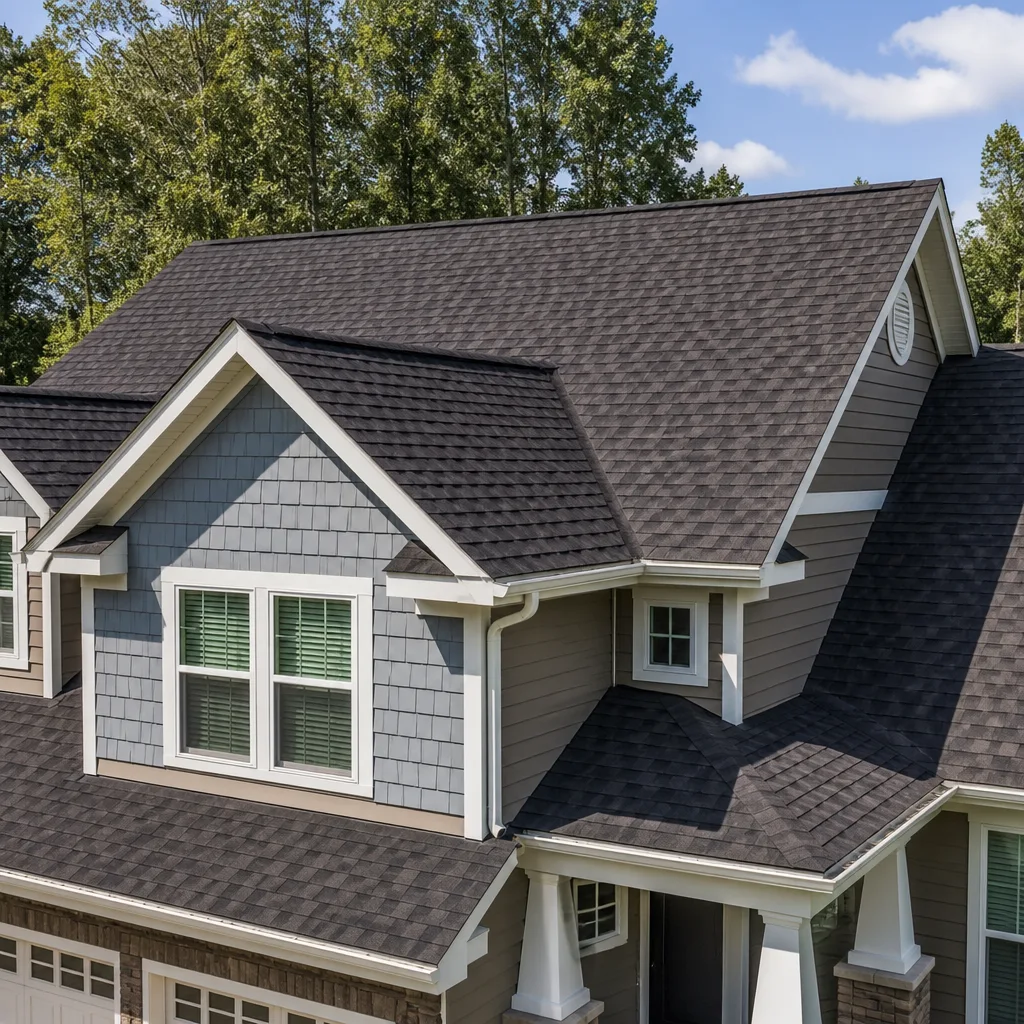
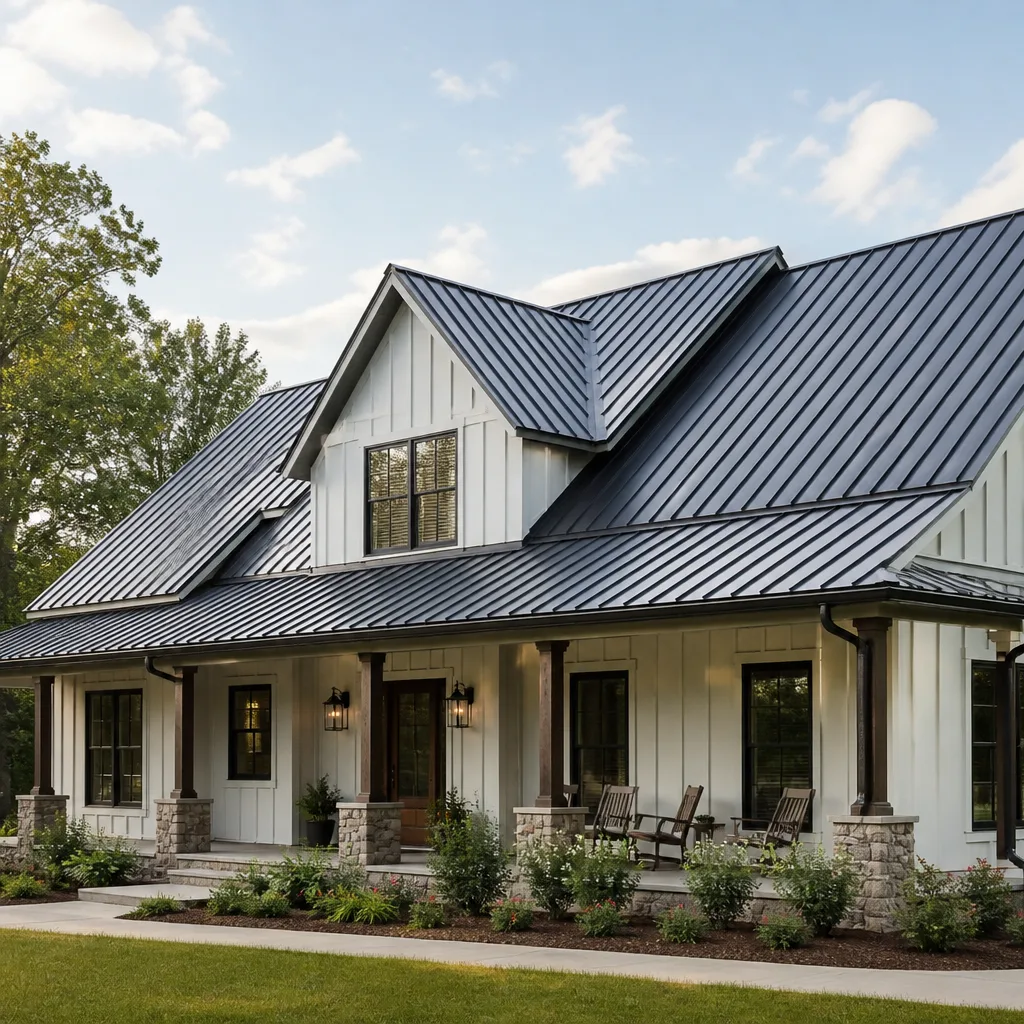
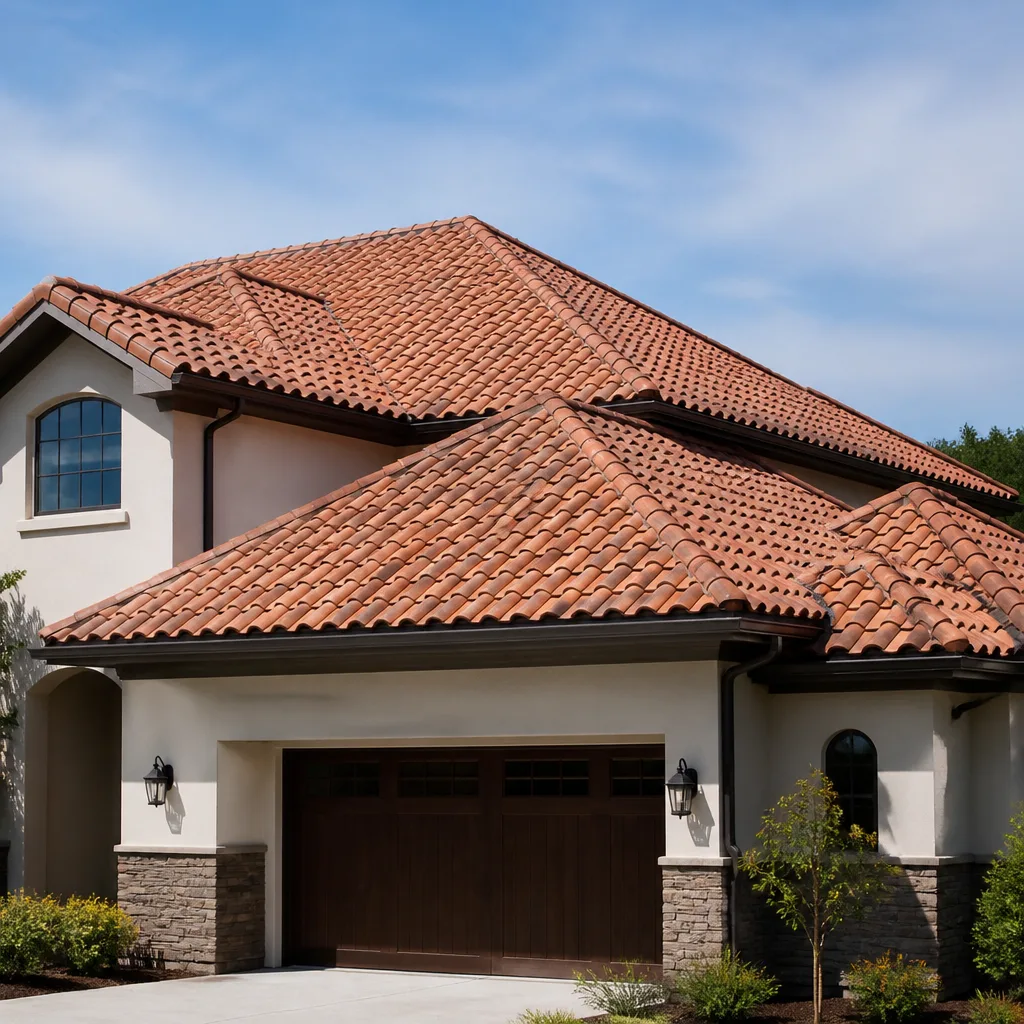
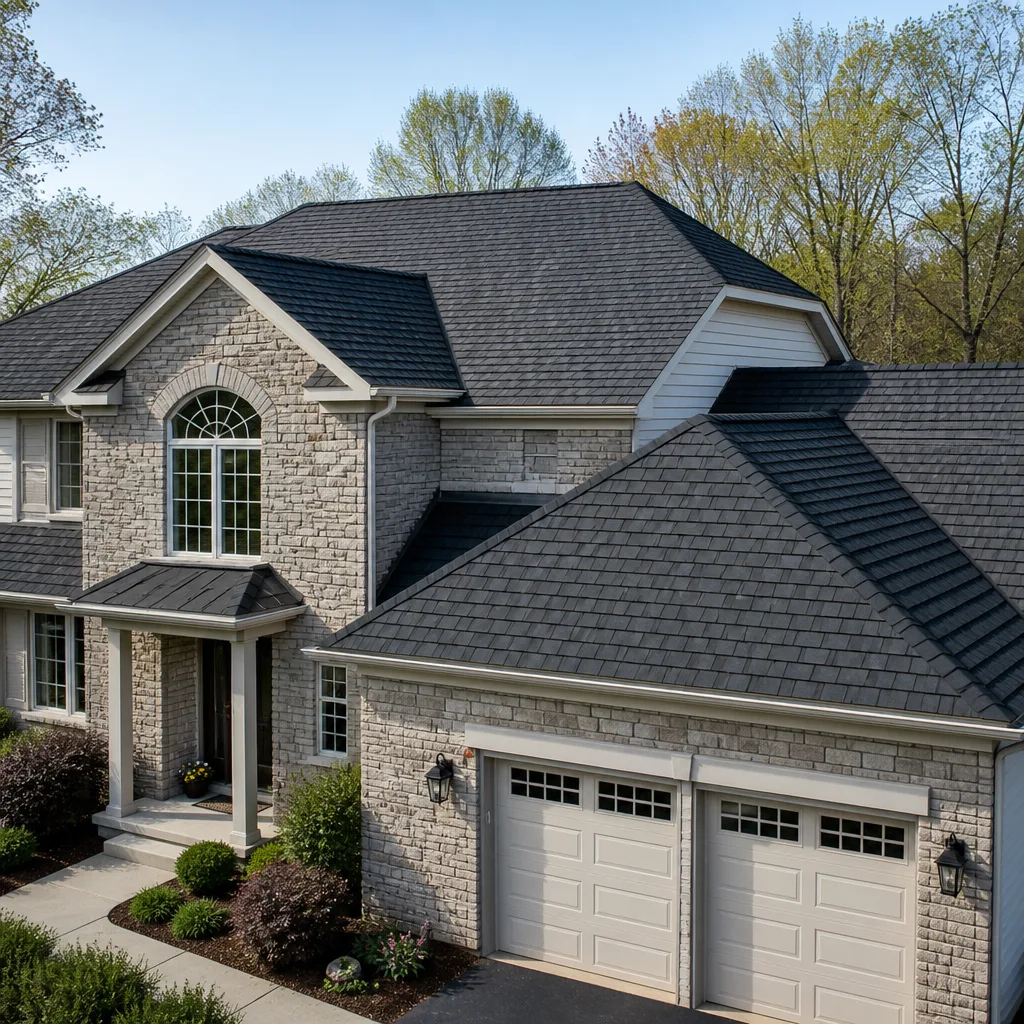
 Before
 After
After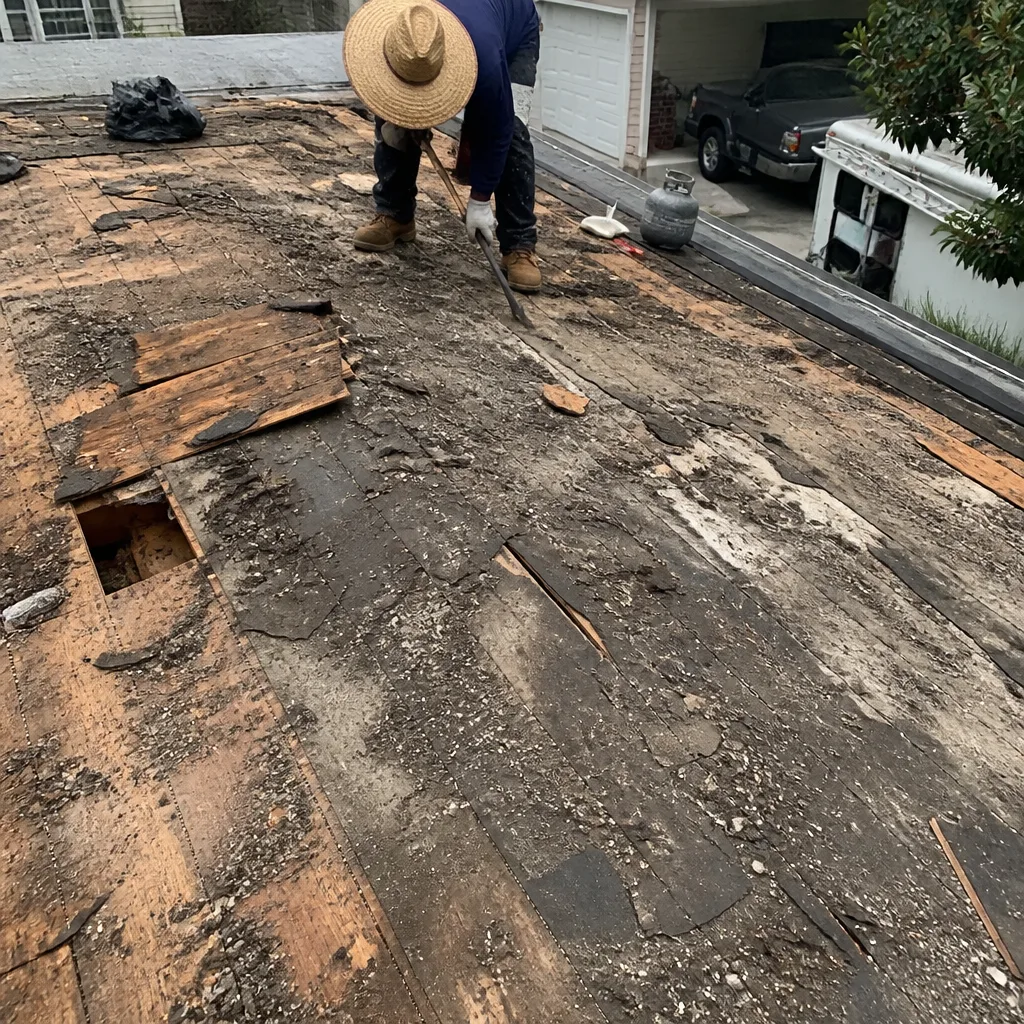 Before
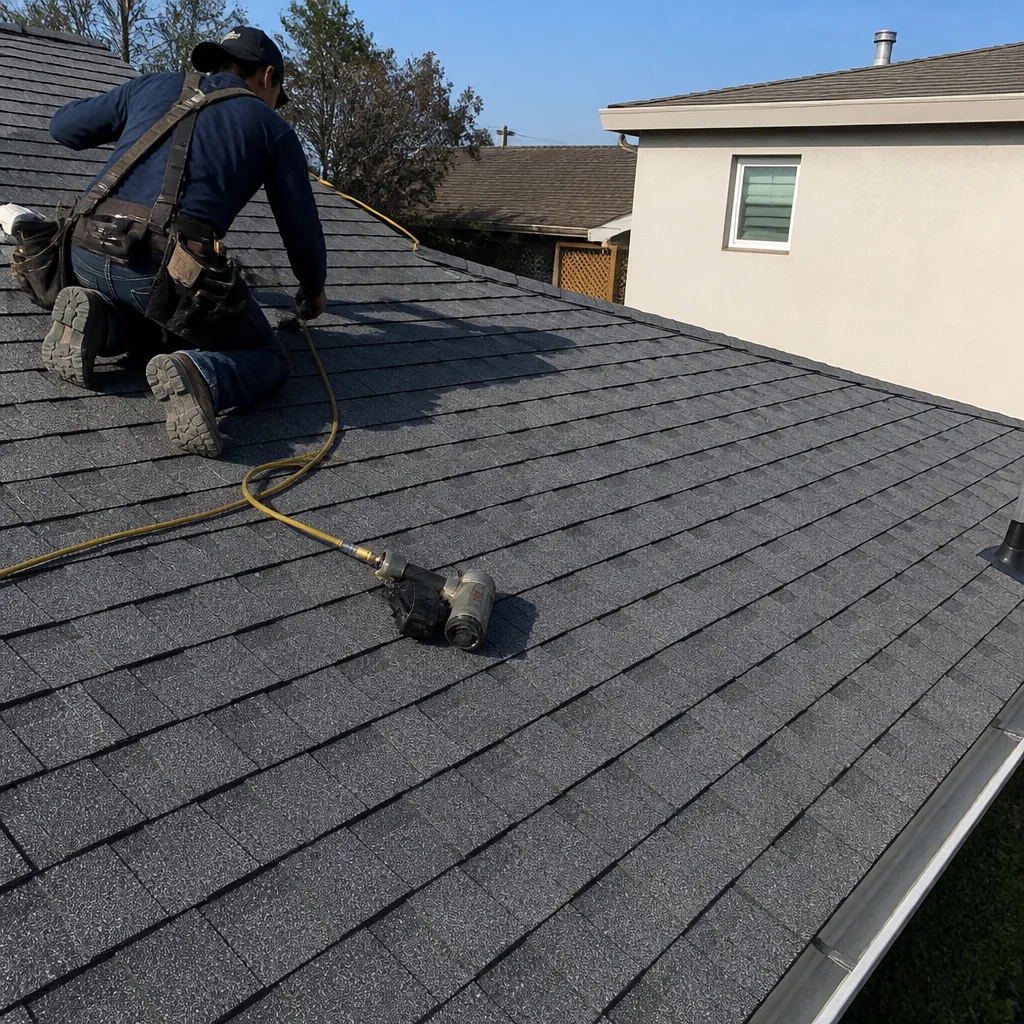 After
After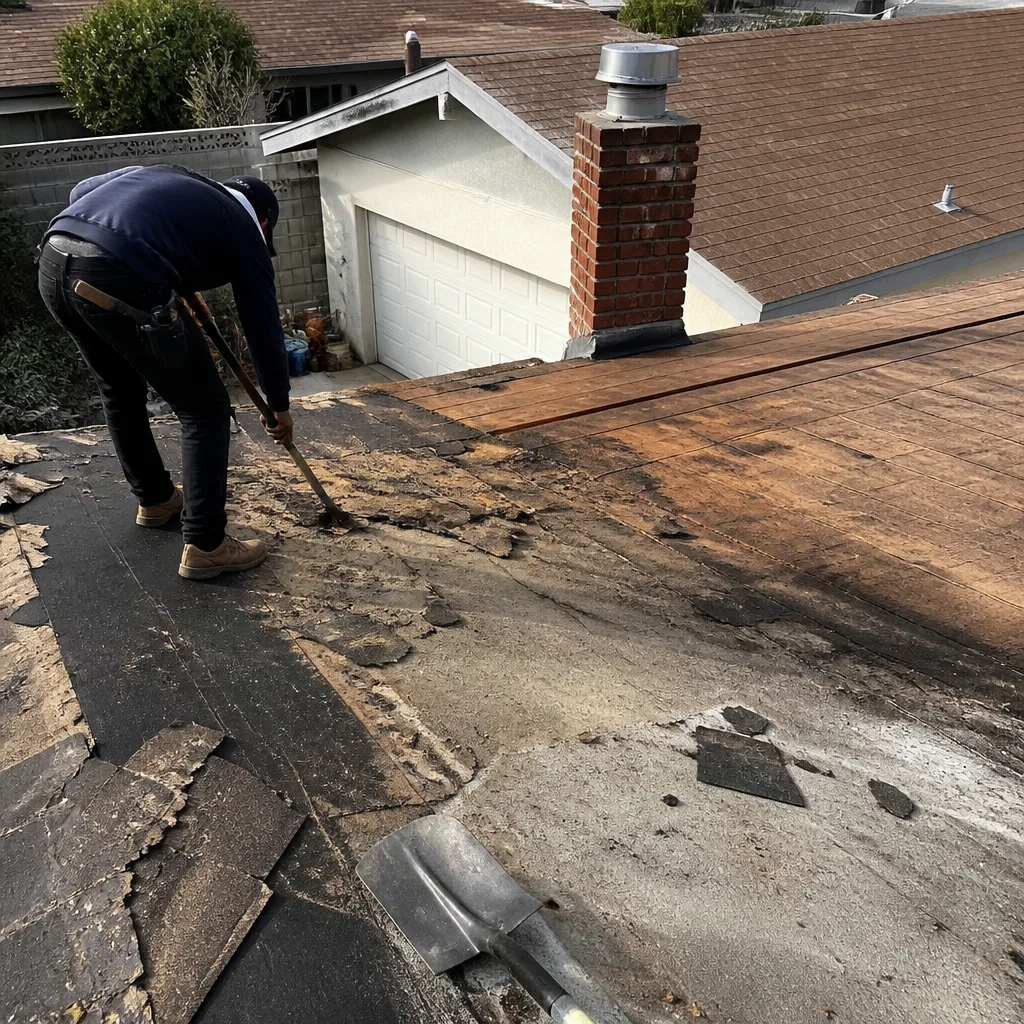 Before
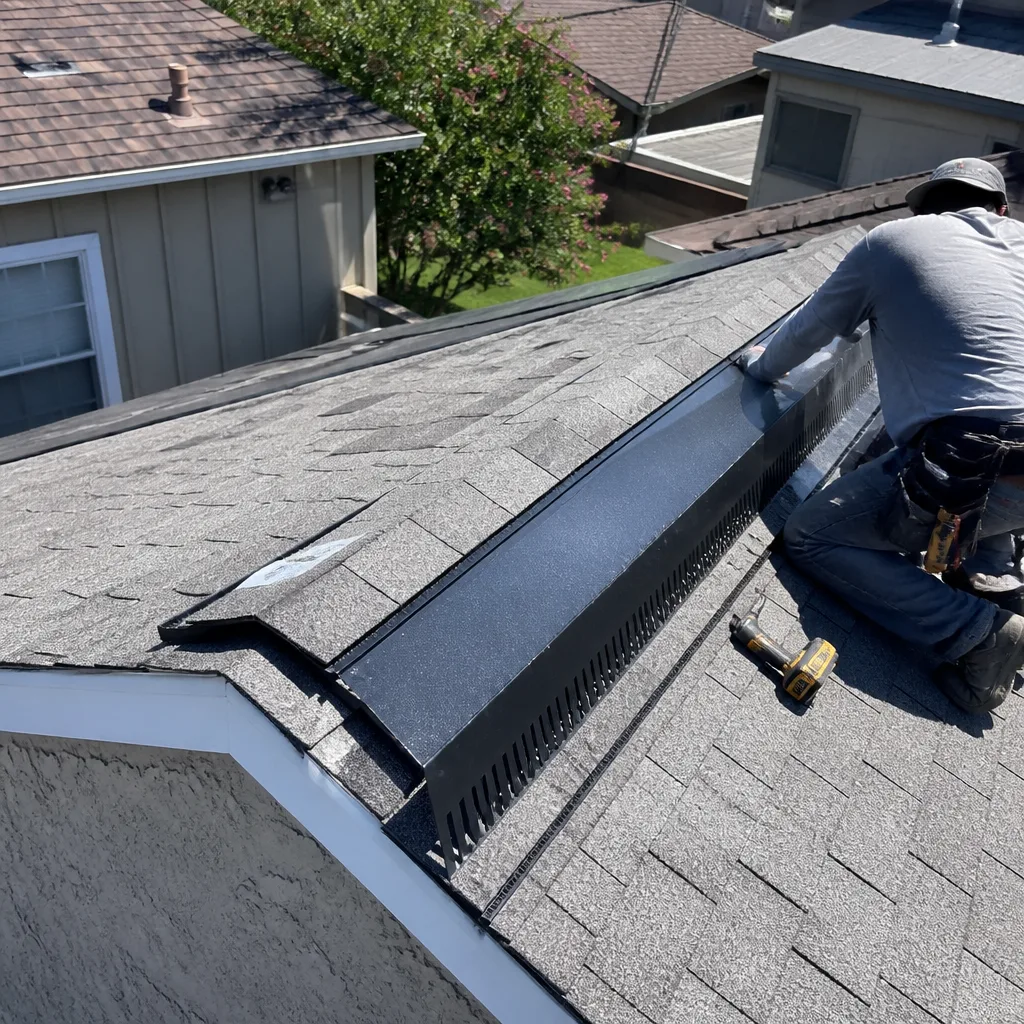 After
AfterRoof Replacement Maintenance Schedule: What to Do and When
Most roofing manufacturers void their warranty if you can’t show documented maintenance, and almost no contractor tells you that at the time of installation. A new roof without a maintenance schedule is like a new car without oil changes: the replacement cost was significant, and small neglected tasks are the only thing standing between that investment and another full replacement in 15 years instead of 30. This guide gives Los Angeles homeowners a month-by-month calendar built around Southern California’s actual seasonal patterns, not a generic national template. You’ll learn what to do from the ground, what requires a professional on the roof surface, and how to keep records that protect your warranty, your insurance claim, and your home’s resale value.
Quick Answer
A Roof Replacement maintenance schedule for Los Angeles homeowners means four seasonal tasks each year: pre-Santa Ana wind prep in September or October, post-rain inspection between December and March, spring debris clearing for eucalyptus and palm drop, and a summer UV and ventilation check. Document everything with a dated photo log and keep receipts for professional inspections. Most of this takes under four hours per year, and the payoff is a roof that lasts 25 to 30 years instead of 15.
Table of Contents
- Why Maintenance Matters More Than You Think
- The Southern California Seasonal Calendar: What to Do and When
- Tasks You Can Do Safely From the Ground
- Tasks That Require a Professional on the Roof
- Attic Ventilation: The LA Factor Most Schedules Miss
- Record Keeping: What ‘Documented Maintenance’ Actually Means
- How Maintenance Protects Your Warranty and the 365-Day Done Right Promise
- Common Mistakes to Avoid
- When to Call a Professional
- Frequently Asked Questions
- The Bottom Line
Why Maintenance Matters More Than You Think
A new roof in Los Angeles is a five-figure investment. What most homeowners don’t realize is that the warranty attached to that investment has strings. GAF, Owens Corning, and IKO all publish maintenance requirements in their warranty documentation, and they all reserve the right to deny a claim if the homeowner can’t produce evidence of routine care. This isn’t a scare tactic; it’s the reality of how material warranties work. A roof that gets zero attention for a decade will fail earlier, and the manufacturer will point to neglect. A roof that gets four hours of attention per year will perform better and carry a warranty that actually pays out when something goes wrong.
From our experience inspecting Los Angeles roofs, the pattern is consistent: the roofs that last longest are not the most expensive installations. They’re the ones homeowners checked twice a year. We’ve watched a properly maintained 3-tab asphalt roof in the San Fernando Valley outlast a neglected architectural shingle roof by several years. The installation matters, but the aftercare determines how much of that installation’s lifespan you actually get.
Los Angeles has a specific climate profile that shapes what maintenance looks like here. We don’t get snow or ice dams. We get six months of near-zero rain, intense UV exposure, Santa Ana winds that peel lifted shingles, and tree debris from eucalyptus, palm, and jacaranda that doesn’t break down the way oak leaves do. A maintenance schedule built for Seattle or Chicago misses the things that actually damage roofs in Southern California. That’s why this guide is organized around LA’s real seasons, not a generic spring-cleaning calendar.
The Southern California Seasonal Calendar: What to Do and When
Los Angeles seasons don’t look like the rest of the country’s, and your roof maintenance shouldn’t either. Here’s the month-by-month rhythm we recommend for a replacement roof in this climate. You can tuck this into your phone calendar and set repeating reminders.
September through October: Pre-Santa Ana Wind Prep
- Walk the perimeter of your home and look up. You’re checking for any shingle that’s already lifted, cracked, or visibly out of place before the winds arrive.
- Clear all gutters and downspouts. Santa Ana winds will fill them with dry debris within days, and a clogged gutter backs water up under the shingle edge at the eaves.
- Check all flashing points: chimney, skylights, vent pipes, and the valleys where roof planes meet. These are the first places wind-driven rain finds a way in.
- If you have large trees within striking distance, inspect for dead or loose branches. Palm fronds become windborne projectiles in 60 mph gusts.
- Take your dated pre-season photos from all four sides of the house. This becomes your baseline record.
Santa Ana season is the single most common time we get calls for wind damage in Los Angeles. The winds typically start in late September and peak October through November. A roof that was installed correctly handles these winds fine. A roof with one lifted shingle at the rake edge becomes a tear that grows with every gust. The pre-season walk catches that one shingle before it becomes a $900 repair or a full section replacement. For Roof Replacement Warning Signs Every Homeowner Should Know, this is one of the most critical to watch.
December through March: Post-Rain Inspection
LA’s rain comes in bursts. A dry November can give way to a week of atmospheric river storms, followed by another dry stretch. Your job during this window is to inspect after each significant rain event, not just once at the end of the season. Here’s the sequence:
- After the first heavy rain, check your ceilings in every room, especially corners and around light fixtures. Water intrusion on a new roof is rare, but it shows up fastest on interior surfaces.
- Check the attic if you have access. Look at the underside of the roof deck for dark spots, drips, or damp insulation.
- Inspect gutters during a rain if you can safely observe from the ground. Water should flow freely and exit through downspouts, not spill over the gutter edge.
- After each rain event, check the ground around your home’s perimeter for granule wash-off. Some granule loss is normal; a thick black streak of granules in a downspout splash zone can indicate shingle deterioration.
- Photograph any issues you find, mark them with a note in your calendar, and call a professional if water is involved.
March is also the right time for a professional inspection if you haven’t had one since installation. The rains have finished, and any damage they caused has had time to show itself. A professional will catch seal failures on the roof surface that you can’t see from the ground.
April through May: Spring Debris Clearing
Spring in Los Angeles is when the city’s signature trees drop their material. Eucalyptus bark peels in long strips, palm trees shed fronds and seed pods, and jacaranda drops sticky flower clusters. None of this breaks down quickly, and all of it traps moisture against the roof surface.
- Eucalyptus bark is oily and water-resistant. It will sit in a valley or behind a chimney for months, holding moisture against the shingles and growing moss or algae.
- Palm fronds are heavy and sharp. A frond resting on the roof surface abrades the shingle granules when the wind moves it, and the weight can dent the decking.
- Jacaranda flowers are sticky and acidic. They adhere to shingles and stain, and the sticky residue collects dust that retains heat.
- In canyon neighborhoods like Laurel Canyon or Beachwood Canyon, spring debris accumulates faster and includes oak leaves and sycamore bark that add to the load.
If you can safely reach your gutters from a ladder, clear them in May after most of the drop has finished. If you can’t, hire someone. A clogged gutter in August is the most preventable cause of roof edge damage we see in Los Angeles.
June through August: Summer UV and Ventilation Check
Summer is the season most homeowners ignore, and it’s the season that does the most invisible damage. Los Angeles gets roughly 284 sunny days per year, and the UV load in June, July, and August is intense. Asphalt shingles are designed for UV exposure, but their granule coating degrades faster when the attic underneath them runs hot.
- Check your attic temperature on a hot afternoon. If it’s 140°F or higher while the outdoor temperature is in the 80s, your ventilation is underperforming.
- Inspect visible shingles from the ground for blistering, curling at the edges, or a dull, washed-out appearance. These are early signs of UV and heat damage.
- Confirm that all attic vents are unobstructed: ridge vents clear of debris, soffit vents not painted over or blocked by insulation, and any powered vents running when they should.
- If you have a south- or west-facing roof plane with no shade, consider an elastomeric roof coating if your material qualifies, or at minimum schedule a professional inspection to assess UV wear.
Tasks You Can Do Safely From the Ground
Most roof maintenance does not require climbing onto the roof. In fact, we recommend against it for most homeowners. A roof surface is not a sidewalk, and a fall from even a single-story roof causes serious injury. Here are the tasks you can do safely from the ground or from a ladder that reaches only to gutter height:
- Visual inspections from all four sides. Walk the perimeter and look for missing, lifted, cracked, or curling shingles. Binoculars help if you have a two-story home.
- Gutter clearing at ladder height. If your gutters are at or below second-story height and you can reach them from a ladder without leaning, you can clear them. Use a sturdy ladder on level ground, and never work alone.
- Downspout flushing. A garden hose run from the top of the downspout clears clogs. If water backs up, the block is in the elbow, and a plumber’s snake or a professional’s help is needed.
- Photography. Take dated photos of all four roof planes, any visible flashing, and the gutters from ground level. This is the single most important record you keep.
- Interior checks. After rain, inspect ceilings, walls, and attic surfaces from inside. You’re looking for stains, dampness, or peeling paint.
- Tree trimming assessment. You can identify branches within 6 feet of the roofline that need professional trimming. We don’t recommend trimming large branches yourself; the fall risk and the branch’s weight both call for a pro.
Anything that requires standing on the roof surface should be left to a professional. The injury risk is real, and the cost of a fall far exceeds the cost of an inspection. If you’re not comfortable on a ladder, even the gutter work should be hired out. There’s no maintenance task on this list that’s worth a broken bone. For more guides & resources on safe roof care, see our blog.
Tasks That Require a Professional on the Roof
Some maintenance tasks genuinely require someone on the roof surface, and that someone should have training, insurance, and the right equipment. Here’s what we handle when we inspect a replacement roof in Los Angeles:
- Seal and flashing inspection at roof level. Pipe boots, chimney flashing, valley metal, and skylight seals all need close-up inspection. A professional can see sealant failures that are invisible from the ground.
- Shingle seal check. On a warm day, a roofer can test whether shingles are sealing properly by gently lifting the edge. Wind-rated shingles that never sealed are a warranty issue that needs documentation.
- Granule loss assessment. We can measure granule loss on the roof surface and determine if it’s normal aging or premature failure. This matters for warranty claims.
- Ventilation system testing. Verifying attic airflow requires checking ridge vents, soffit vents, and sometimes using smoke tests or thermal readings. This is professional work.
- Walk-deck inspection. If you have a roof deck or balcony, the waterproofing membrane underneath the walking surface needs regular professional inspection. This is a common leak source in Los Angeles hillside homes.
- Any repair, even minor ones. A lifted shingle can be resealed with the right adhesive and technique. Done wrong, it becomes a leak. Done right, it’s a 15-minute fix that preserves the roof.
For homeowners in Los Angeles, a professional inspection costs between $150 and $400 depending on roof size and complexity. That’s a small annual line item compared to the cost of a replacement roof, and it’s the difference between catching a $200 flashing repair early and paying $4,000 for a deck replacement after a season of hidden leaks.
Attic Ventilation: The LA Factor Most Schedules Miss
Attic ventilation is the most overlooked element of roof maintenance in Los Angeles, and it’s the one with the biggest impact on shingle lifespan. Here’s why: asphalt shingles are rated for a certain temperature range, and that range assumes the attic underneath them is properly ventilated. When an attic runs 30 to 40 degrees hotter than it should, the shingles above it cook from both sides. The granules degrade faster, the asphalt dries out, and a roof that should last 30 years gives you 18 to 20.
In Los Angeles, the heat load is significant. Summer attic temperatures in an unventilated or poorly ventilated attic regularly exceed 150°F. Even a well-insulated attic needs airflow. Ventilation isn’t about insulation; it’s about moving hot air out and pulling cooler air in. The standard is roughly 1 square foot of vent area for every 150 square feet of attic floor, split between intake vents at the soffits and exhaust vents at or near the ridge.
Here’s what to check on your annual summer schedule:
- Confirm soffit vents are not blocked. Insulation batts slide over soffit vents over time, especially after insulation work. Cardboard or rigid baffles solve this if installed correctly.
- Check that ridge vents run continuously. A ridge vent that’s been painted over or partially blocked by debris moves no air.
- Test powered ventilators. If you have a solar or electric attic fan, confirm it runs during hot hours. A dead fan in a sealed attic is worse than no fan, because it’s a vent that doesn’t move air.
- Look for signs of condensation in winter. Moisture on the underside of the roof deck after cold nights means warm, moist air from the house is reaching the attic, and ventilation isn’t moving it out.
If your attic has no ventilation or inadequate ventilation, correcting it is a roofing project rather than a maintenance task. The work involves cutting intake and exhaust openings and sometimes reconfiguring insulation. Done correctly, it can add years to the roof’s life and reduce cooling costs. Done poorly, it creates leaks. This is not a DIY project for a homeowner who values the living space below.
Record Keeping: What ‘Documented Maintenance’ Actually Means
When a manufacturer asks for “documented maintenance” to support a warranty claim, they’re not asking for a handwritten diary. They want evidence that can be dated, verified, and tied to specific work. Here’s the practical system we recommend for Los Angeles homeowners:
The Photo Log
Every season, take photos of all four roof planes, close-ups of flashing points, and shots inside the attic if accessible. Date the photos, and store them in a folder that’s backed up somewhere other than your phone. Cloud storage works well. The key is that the photos show a consistent, dated record of the roof’s condition over time. If a warranty claim comes up in year 12, you have 48 dated photos showing the roof was visually sound through year 11.
The Receipt File
Keep every invoice for professional inspections, gutter cleaning, tree trimming near the roofline, and any repair work. Paper receipts fade and get lost. Scan or photograph them and store them in the same folder as the photo log. A receipt from a licensed roofing contractor for an annual inspection is the strongest evidence in a warranty claim.
The Installation File
Your roof replacement came with paperwork: the contract, the materials list, the manufacturer warranty registration, and the workmanship warranty from the installer. Keep all of it. If you sell the home, this file transfers to the buyer and supports your asking price. If you file a claim, the materials list tells the manufacturer exactly which product line to look up.
Where to Store It
A cloud folder with a clear name like “Roof Records 2024” is ideal. Shareable with a spouse or partner, accessible from anywhere, and not subject to fire or water damage. If you prefer paper, a dedicated binder in a high shelf in a closet works, but back up the photos digitally regardless. Insurance adjusters and warranty inspectors will accept cloud-based documentation.
How Maintenance Protects Your Warranty and the 365-Day Done Right Promise
Your replacement roof comes with two layers of protection: the manufacturer’s material warranty and the installer’s workmanship warranty. Both have conditions. The manufacturer’s warranty covers defects in the shingles themselves: premature granule loss, seal failures, cracking. The workmanship warranty covers errors in installation: improper nailing, incorrect flashing, missed details. Maintenance protects your standing under both.
Birchbark Roofing covers every repair and replacement under a 365-Day Done Right Promise. If the work isn’t right, we make it right. That promise stands on its own, and it doesn’t require you to maintain anything to claim it. But after year one, the manufacturer’s warranty becomes your primary protection, and that’s where your maintenance records carry the load. Manufacturers like IKO and Atlas have challenged claims where the homeowner can’t show the roof was ever inspected. We don’t want our customers in that position.
As part of the Cedarwell family of roofing companies, we also hold every job to the Cedarwell Care Promise. That promise governs how we treat your home while we work on it: shoe covers at the door, drop cloths through the hallway, all debris cleared and photographed before we leave. The Care Promise applies to every visit we make, including maintenance inspections and repair calls, not just the original installation. What changes after year one is which coverage carries the cost of a defect. Your maintenance record is what keeps the manufacturer on the hook.
We recommend scheduling a professional inspection once a year, ideally in March after the rains. The written report from that inspection becomes part of your maintenance file and provides independent documentation for any warranty claim. If a problem is found, the repair is documented with photos and a receipt. That’s the full loop of manufacturer-compliant maintenance.
Common Mistakes to Avoid
- Ignoring the roof until it leaks. By the time water shows up on the ceiling, the damage has been happening for weeks or months. A leak on a new roof is always cheaper to catch in the attic than in the drywall. Los Angeles homes with textured ceilings hide early moisture extremely well; the first visible sign is often a sag or stain that’s already spread.
- Cleaning gutters only in fall. In Los Angeles, the debris calendar is year-round. Eucalyptus drops bark in spring, jacaranda drops flowers in June, and Santa Ana winds fill gutters with whatever isn’t bolted down. Gutters need checking at least twice a year here.
- Walking on an asphalt shingle roof for self-inspection. Foot traffic breaks the granule bond and shortens shingle life. It’s also a serious fall risk. Leave the roof surface to professionals.
- Painting over roof vents. It happens more often than you’d think, especially when the house gets repainted. Paint seals ridge vent baffles and soffit screens, which kills airflow. If you’re painting, tape the vents or instruct the painter to avoid them.
- Using a pressure washer on the roof. High-pressure water drives under shingles, strips granules, and forces water into places it shouldn’t go. Never pressure-wash a shingle roof. If the roof needs cleaning, soft-wash methods exist, but they’re a professional job.
- Assuming the warranty covers everything. Manufacturer warranties cover materials, not installation errors, and not damage from deferred maintenance. Read the warranty document, note the required maintenance, and keep the records we described above.
- Forgetting the attic. Most homeowners think of the roof as the exterior surface only. The attic is part of the roof system. An attic check takes ten minutes and reveals problems the exterior can hide. Skip it, and you miss the warning signs that matter most in LA’s heat.
When to Call a Professional
Call a professional if you see water stains on any interior ceiling or wall after rain, if you notice shingles in the yard or on the ground after a wind event, if you see daylight through the attic roof deck, or if your energy bills spike in summer without explanation. Also call if your roof is over 10 years old and you haven’t had an inspection in the past two years. Los Angeles sun ages roofs faster than most homeowners expect, and a $200 inspection can save you from a $15,000 premature replacement. Birchbark Roofing offers free estimates in Los Angeles. Call (424) 766-4937 to schedule yours, and you’ll get a written price before any work starts.
For a deeper look at what goes into a replacement, see our guide to Roof Replacement in Los Angeles. If you’re unsure whether a repair will do, our Roof Repair in Los Angeles page covers common fixes and their costs. And if you’re new to us, start at the Birchbark Roofing home page to see how we work.
Frequently Asked Questions
Once a year is the minimum for Los Angeles homes, and the ideal time is March after the winter rains finish. If your home sits under heavy tree cover or in a canyon neighborhood, twice a year is better: once in October before Santa Ana season and once in March. The inspection confirms the roof survived the wind and rain seasons and catches problems before summer heat accelerates them.
A professional roof inspection in Los Angeles typically runs between $150 and $400 depending on roof size, slope, and accessibility. Gutter cleaning service ranges from $120 to $350 for a single-story home. If inspection and cleaning are combined, you might pay $250 to $600 total per year. Compared to a $15,000 to $30,000 replacement roof, this is the lowest-cost insurance you’ll buy. Call (424) 766-4937 for an exact quote, and you’ll get a written price before anyone climbs the ladder.
You can do visual inspections, gutter clearing at ladder height, downspout flushing, photography, and interior checks yourself. Any task that requires standing on the roof surface should be hired out. The injury risk from falls is real, and the cost of a professional is far lower than the cost of a fall. If you’re not comfortable on a ladder, hire everything out. It’s not a badge of honor to risk your safety on gutter work.
Yes, in two ways. Insurance companies can deny storm damage claims if they determine the damage resulted from deferred maintenance rather than a covered event. A documented maintenance history shows you held up your end. Second, when you sell the home, a complete maintenance file with photos and receipts supports your asking price and speeds up the buyer’s inspection period. Los Angeles real estate moves fast, and a documented roof is a selling point.
With proper maintenance, an asphalt shingle roof in Los Angeles lasts 25 to 30 years. Without maintenance, the same roof might last 15 to 18 years. The difference is the maintenance, not the material. UV exposure, Santa Ana winds, and the heat load from poorly ventilated attics are the three factors that shave years off LA roofs. Your maintenance schedule directly addresses all three.
Lifted or unsealed shingles at the roof’s rake edges, which Santa Ana winds then tear off. A lifted shingle costs nothing to reseal if caught in September. A torn-off section after a 60 mph gust costs hundreds and sometimes requires replacing the roof edge trim. The second most common is blocked soffit vents, which quietly cook the roof from below. Both of these show up in a March inspection long before they become visible damage.
The Bottom Line
A replacement roof in Los Angeles is a long-term asset, and like any asset, it produces the best return when it’s maintained. Four seasonal tasks per year, a photo log, a receipt file, and one professional inspection in March. That’s the whole system, and it takes under four hours annually. The payoff is a roof that hits its full lifespan, a warranty that actually pays out, and an insurance or resale file that proves you did the work. If you’re in Los Angeles and want a professional inspection on a roof we installed or one we haven’t seen yet, call (424) 766-4937 for a free estimate. We’re also easy to find at our Roofing Company in Los Angeles page, where you can read more about how we work. Your roof is quiet, patient, and doing its job. Give it a few hours a year, and it’ll give you decades back.
Written by Erik Lindgren, Owner at Birchbark Roofing, serving Los Angeles since 2000.