
Free roof inspection with deck photos before we talk money - GAF and Owens Corning certified installation
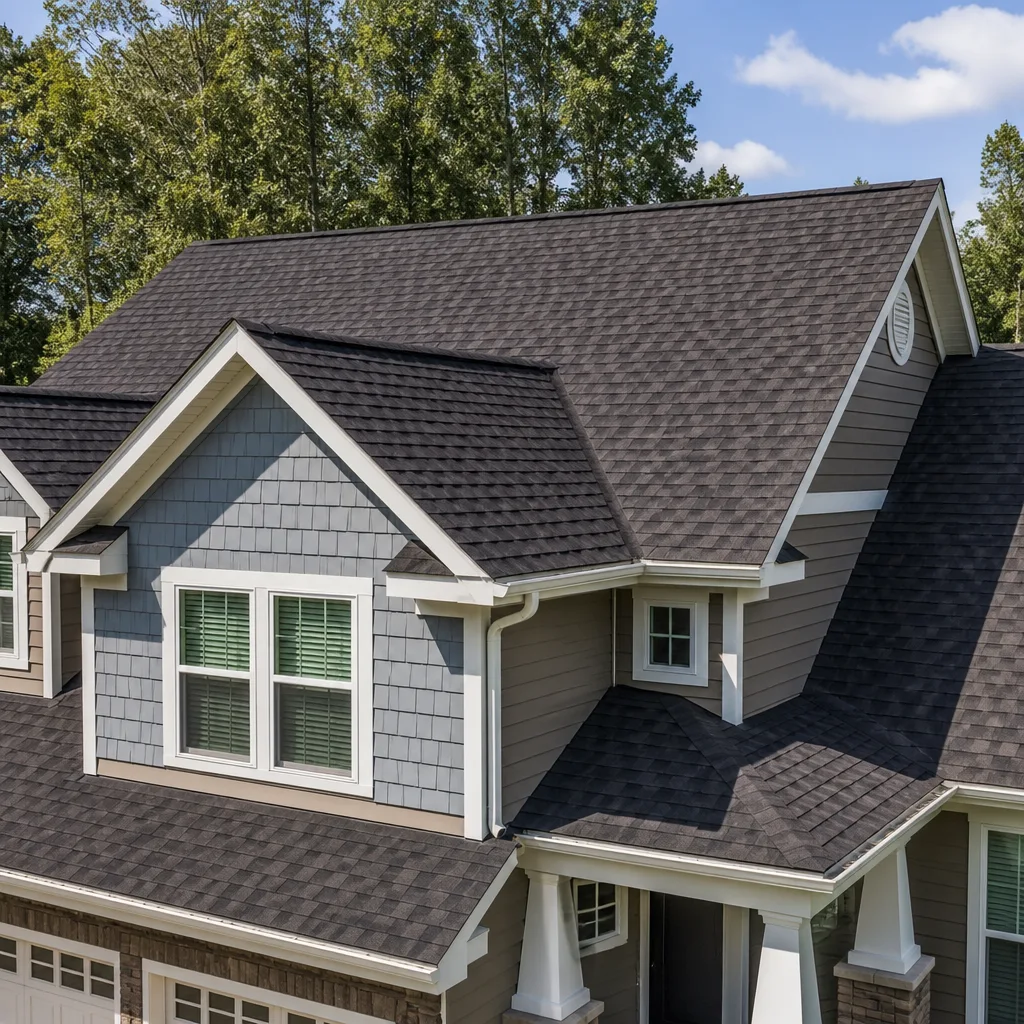
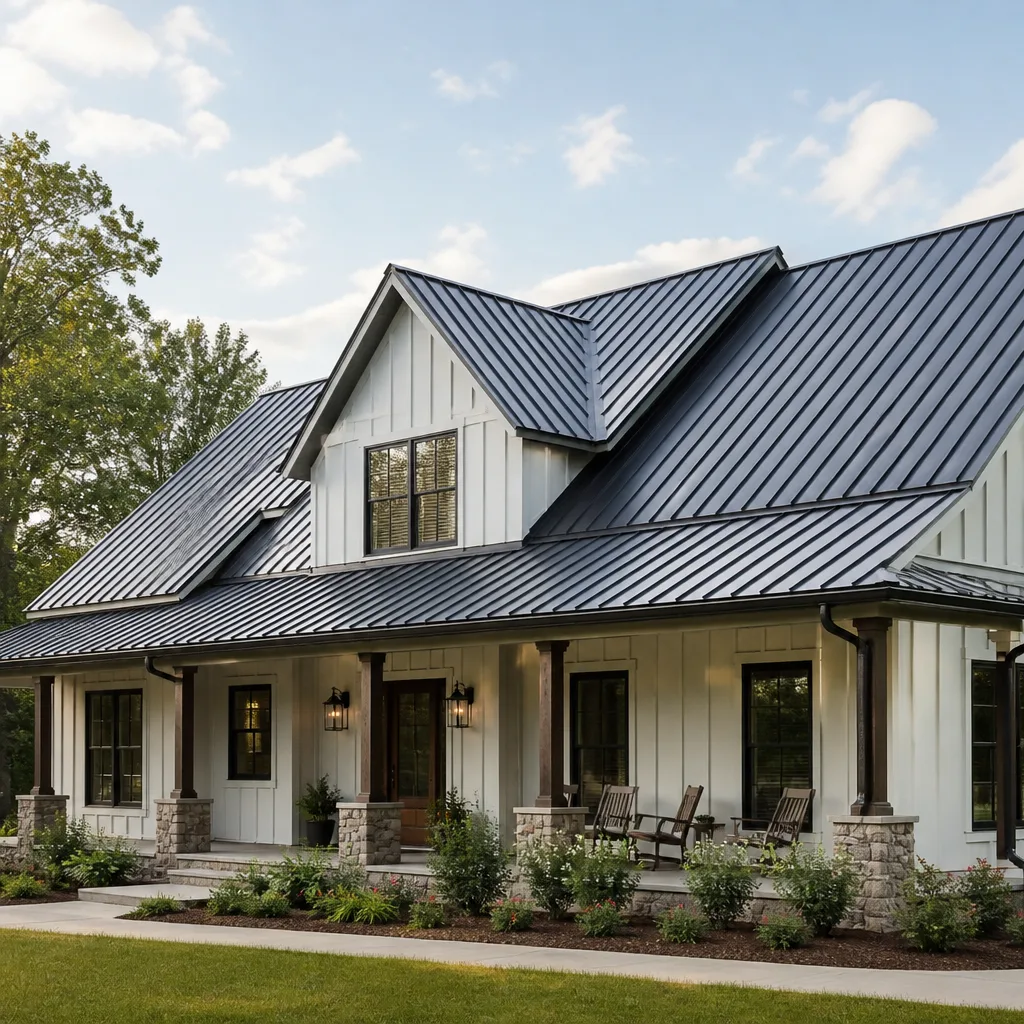
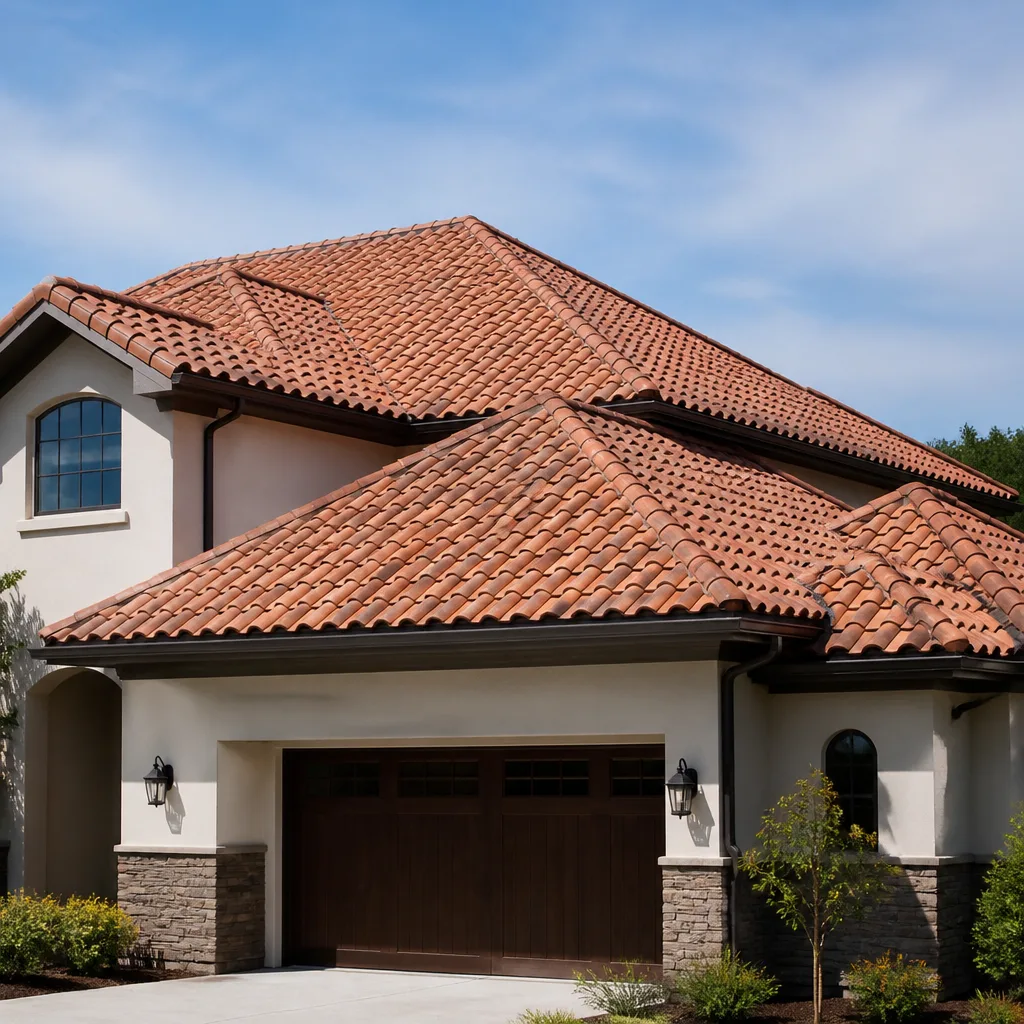
 Before
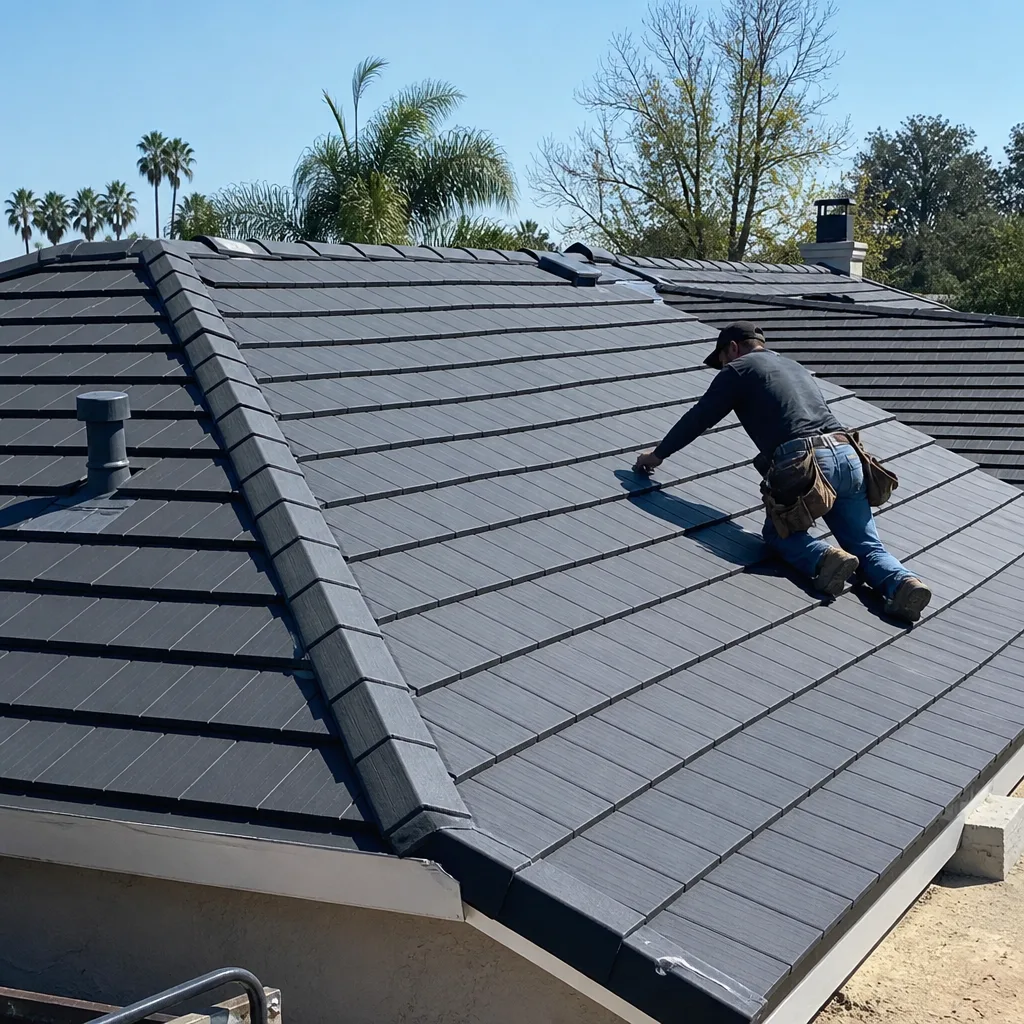 After
After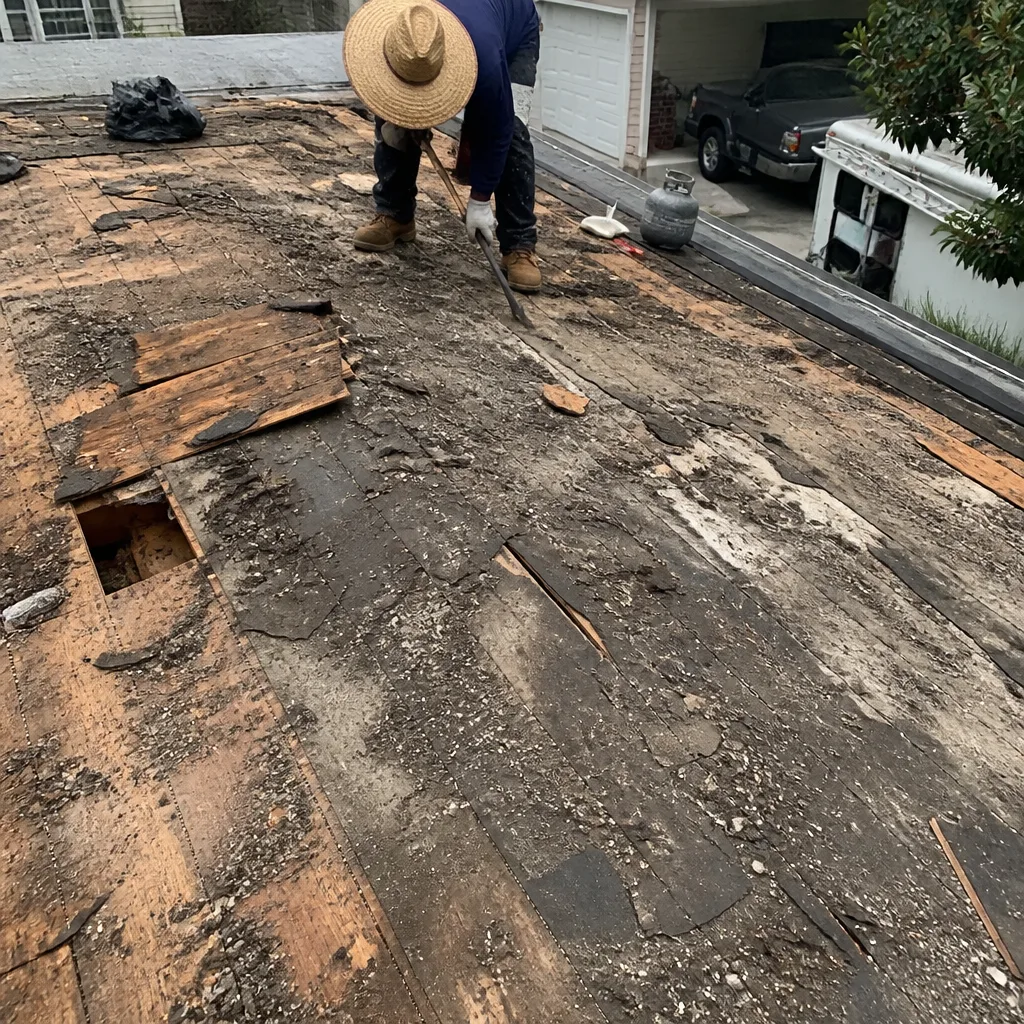 Before
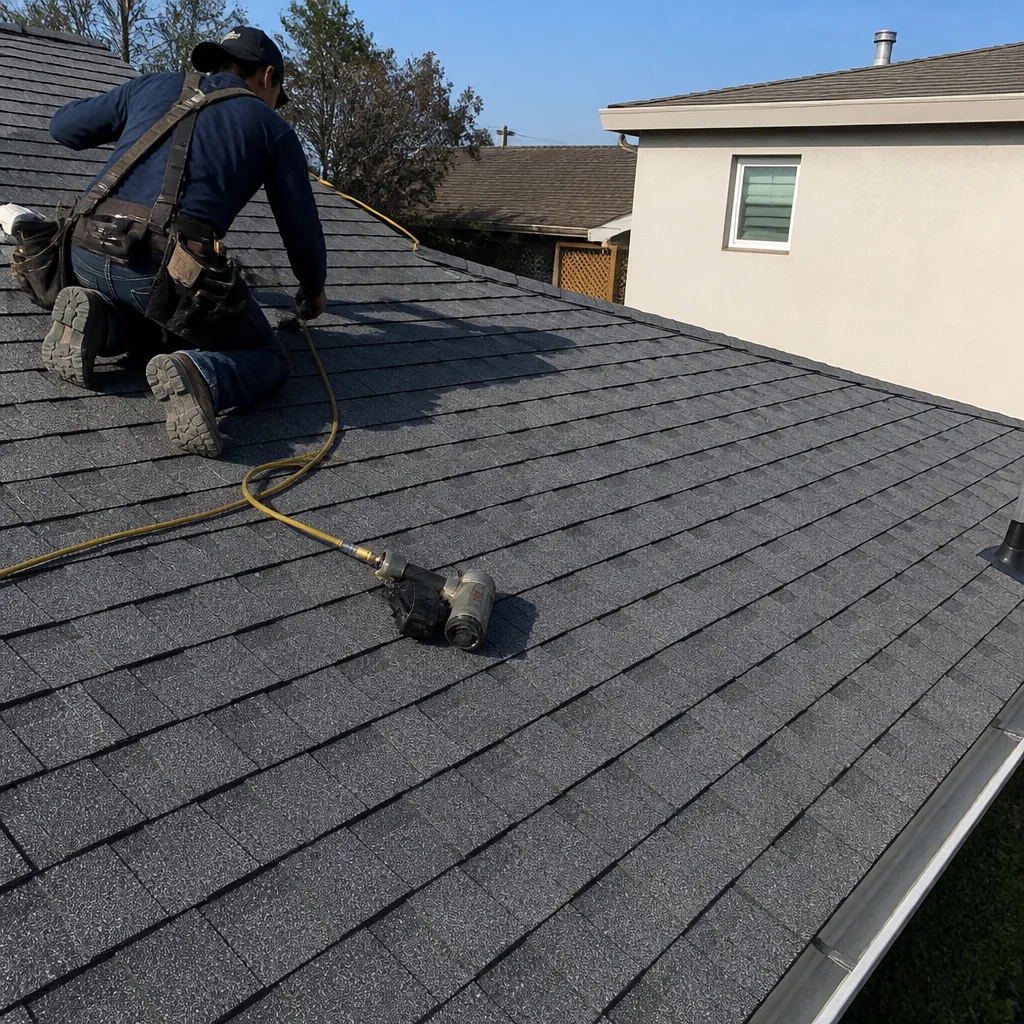 After
After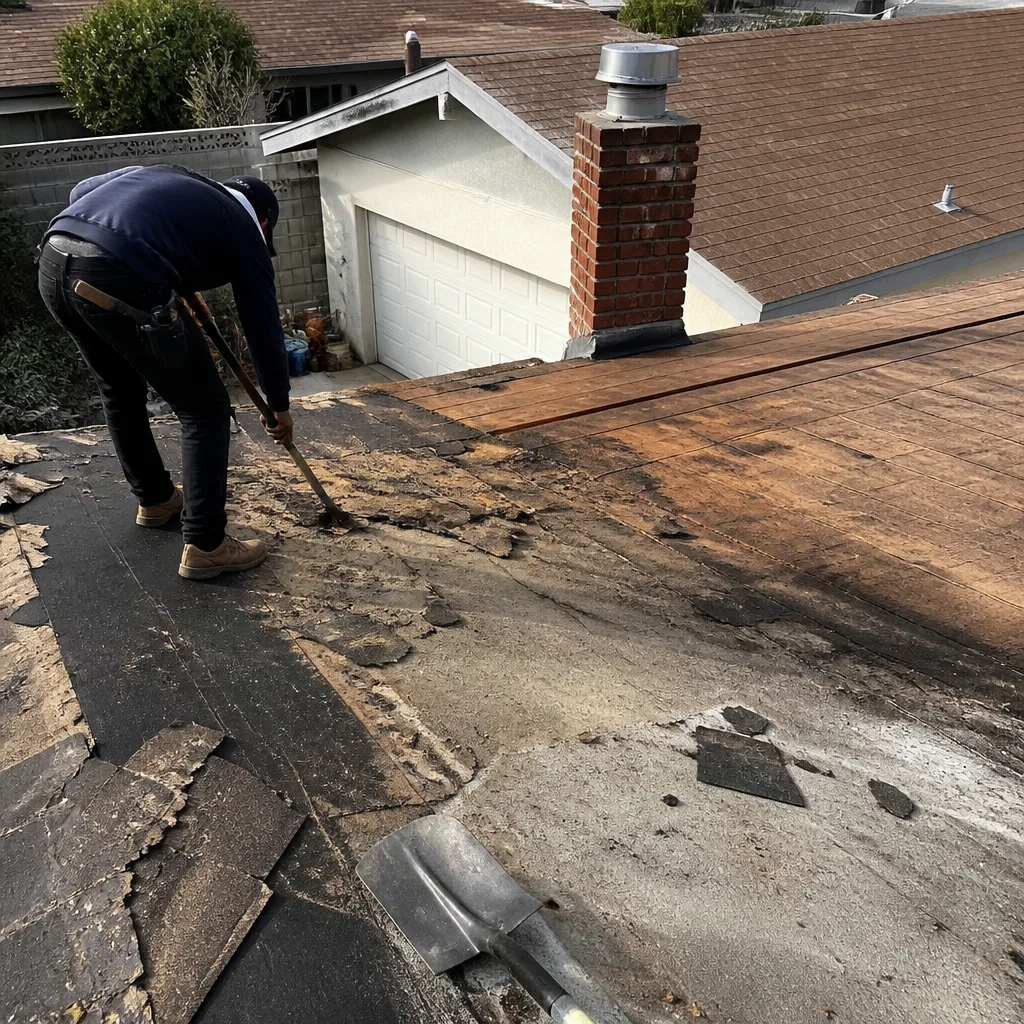 Before
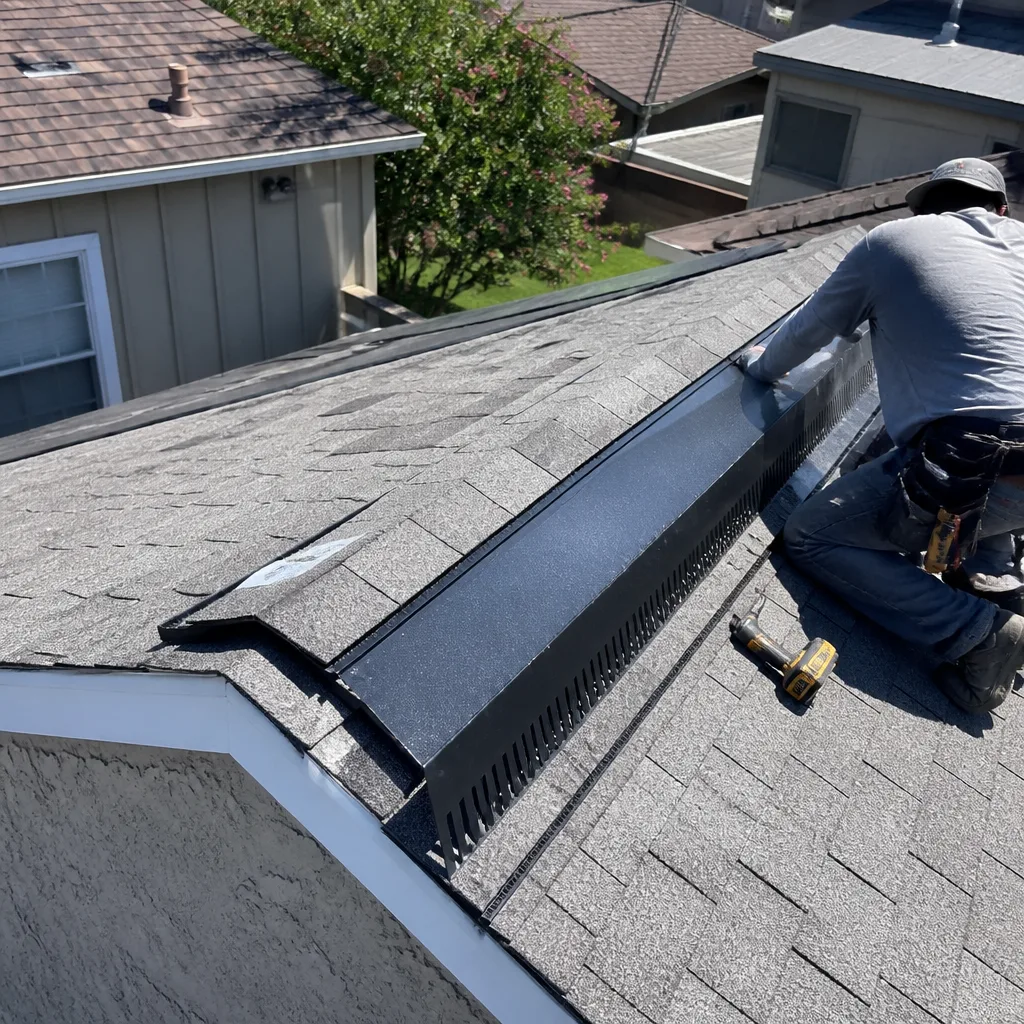 After
AfterSagging Roof Deck
What’s Happening
A sagging roof deck almost always means the structural layer of wood underneath your shingles – the sheathing, the rafters, or both – has been weakened by long-term moisture damage, rot, or physical overload. This is not a cosmetic problem, and it does not get better on its own. The sag you’re seeing from the ground or the attic is the roof telling you its structural support has been compromised.
When roof decking stays wet long enough – from a slow leak, failed flashing, or poor attic ventilation that traps condensation – the plywood or OSB panels begin to delaminate and soften. Rafters can follow. Once the wood loses its rigidity, the shingles above lose their flat, solid base. The surface you see dipping or curving from the outside is a reflection of what’s already lost underneath. The good news is that a trained eye can usually pinpoint the cause within the first visit, and the repair path is well understood.
Why It Happens
Moisture and Rot in the Decking
This is the most common cause by a wide margin. A slow leak – at a valley, around a chimney, or under lifted shingles – lets water sit on the plywood decking for months or years before anyone notices. The wood swells, softens, and eventually loses its load-bearing ability. If you press on the sagging area from inside the attic and it gives under light pressure, or if you can see dark staining and a musty smell, rotted decking is the likely culprit.
Failed or Undersized Rafters
Rafters are the structural ribs of your roof. They can fail when they’ve been cut or notched improperly during a past remodel, when a previous repair added weight the original framing wasn’t designed to carry, or simply when years of wet-dry cycling have dried them out and cracked them along the grain. From inside the attic, look for rafters that appear bowed, split lengthwise, or visibly cracked near the ridge or the eave. A straight board held next to a rafter will show a gap if it’s deflecting.
Poor Attic Ventilation Trapping Condensation
When warm, humid air from inside the house rises into an attic that doesn’t exhaust it properly, it condenses on the cold underside of the roof decking – especially through winter months. Over several seasons, that condensation soaks the wood from below without any roof leak ever occurring above. Signs that ventilation is the trigger: the sag is spread broadly across the roof rather than concentrated near one point, and the decking feels uniformly soft or shows widespread dark staining rather than one wet spot.
Snow Load, Ice Dams, or Physical Overload
In climates with heavy snowfall, a roof that wasn’t engineered for sustained snow load – or that had debris, a second layer of shingles, or rooftop equipment added over the years – can begin to sag under cumulative weight. Ice dams along the eaves trap meltwater that then backs up under the shingles and saturates the decking. If your sag appeared or worsened after a hard winter, or if you can see ice-dam staining along the lower edge of the roof, this combination is worth discussing with your local Birchbark Roofing team during the inspection.
What to Do Right Now
- Stop using any room directly below the sag. If the decking has lost structural integrity, the risk of further deflection or partial collapse is real. Move kids, pets, and furniture out of that room until a professional has assessed the framing.
- Go into the attic with a flashlight – but do not walk on or near the sagging section. Look from a safe vantage point. You’re looking for dark staining, soft or discolored wood, split rafters, or standing water. Photograph everything you see. That documentation is genuinely useful when your local Birchbark Roofing team arrives.
- Photograph the exterior sag from the ground. Take photos at a few angles in good daylight. Do not climb onto the roof yourself – a structurally compromised deck can fail underfoot without warning, and that is a serious fall hazard. Leave the roof surface to the crew.
- Cover anything below the leak path. If you’ve had any ceiling staining or dripping, put down buckets and move valuables. When our team arrives, drop cloths and shoe covers are standard on every visit – but protecting what’s already inside is worth doing now.
- Call (424) 766-4937 so a live person can hear what you’re seeing. A sagging deck is not a “schedule it next month” situation. Describe the size of the sag and whether the area below it is occupied – that information helps your local Birchbark Roofing team prioritize the visit.
How We Fix It
When your local Birchbark Roofing team arrives, the first step is a full inspection – roof surface, attic framing, and decking – before any work is quoted or started. The technician will probe the decking for soft spots, check rafter integrity, and look at the source of the moisture that caused the problem. Then you get a written price in dollars before anything is touched. That’s not a formality; it’s how every Birchbark job works.
The repair itself typically falls under roof repair when the damage is localized – replacing softened decking panels, sistering a cracked rafter, resealing or reflashing the leak source, and laying new shingles matched to your existing roof using materials from manufacturers like GAF, CertainTeed, Owens Corning, or IKO. When the damage is extensive, a roof replacement may be the more honest path, and we’ll tell you plainly which one your roof actually needs.
Most decking repairs on a contained area take one to two days. Every job is covered by the 365-Day Done Right Promise: if the work isn’t right, Birchbark makes it right.
Frequently Asked Questions
A sagging roof deck is a structural problem and should not wait weeks. Once the decking or rafters have lost rigidity, additional stress – rain, wind, anyone walking above – can accelerate the failure. The room below a significant sag should be cleared of people and pets until a professional has seen the framing. Call (424) 766-4937 and describe what you’re seeing so your local Birchbark Roofing team can advise you on how quickly they need to come out.
A live person answers every call at (424) 766-4937, around the clock, every day of the week – including nights and weekends. When you call, you’ll speak to someone immediately who can tell you what your local Birchbark Roofing team’s current schedule looks like and get you on the calendar. The sooner we see it, the sooner you know exactly what you’re dealing with and what it costs to fix it.
It depends on how much of the decking and framing is affected, and on the overall condition of the shingles and underlayment above it. A localized soft spot with one damaged rafter is usually a repair. Widespread decking rot, multiple failed rafters, or a roof that’s also at the end of its shingle life often makes replacement the better investment. Your local Birchbark Roofing team will tell you honestly which applies to your roof – and you’ll have the answer in writing before any work begins.
There’s no honest flat answer to that question, because the cost depends on how many decking panels need replacing, whether any rafters need sistering, what shingle material is going back on top, and the size of the affected area. What Birchbark does on every single job is give you a written price in dollars before work starts – no estimates that balloon once the crew is on the roof. Call (424) 766-4937 to schedule your free written estimate and get the actual number for your specific situation.
Get It Fixed
A sagging deck doesn’t stabilize itself. Call (424) 766-4937 – a live person answers every call, day or night – or book online to schedule your free written estimate. Your local Birchbark Roofing team will inspect the framing, explain what they find, and give you a price in writing before any work starts.
Written by Erik Lindgren, Owner at Birchbark Roofing, part of the Cedarwell family of independently owned and operated roofing companies since 2000.
What Our Customers Say
"Roof repair and they were meticulous about the cleanup, tarps over the garden beds and a magnet sweep for nails. We have a dog and a toddler so that mattered a lot."
- Thaddeus Bloom"New roof after hail. They covered everything below, kept the site neat each day, and did a full nail sweep of the whole yard twice. Thoughtful people."
- Caroline Prejean"New roof section and gutter guards. They protected everything below, worked tidy, and did a full nail sweep of the yard and driveway at the end. Thoughtful crew."
- Mariana Lopez