
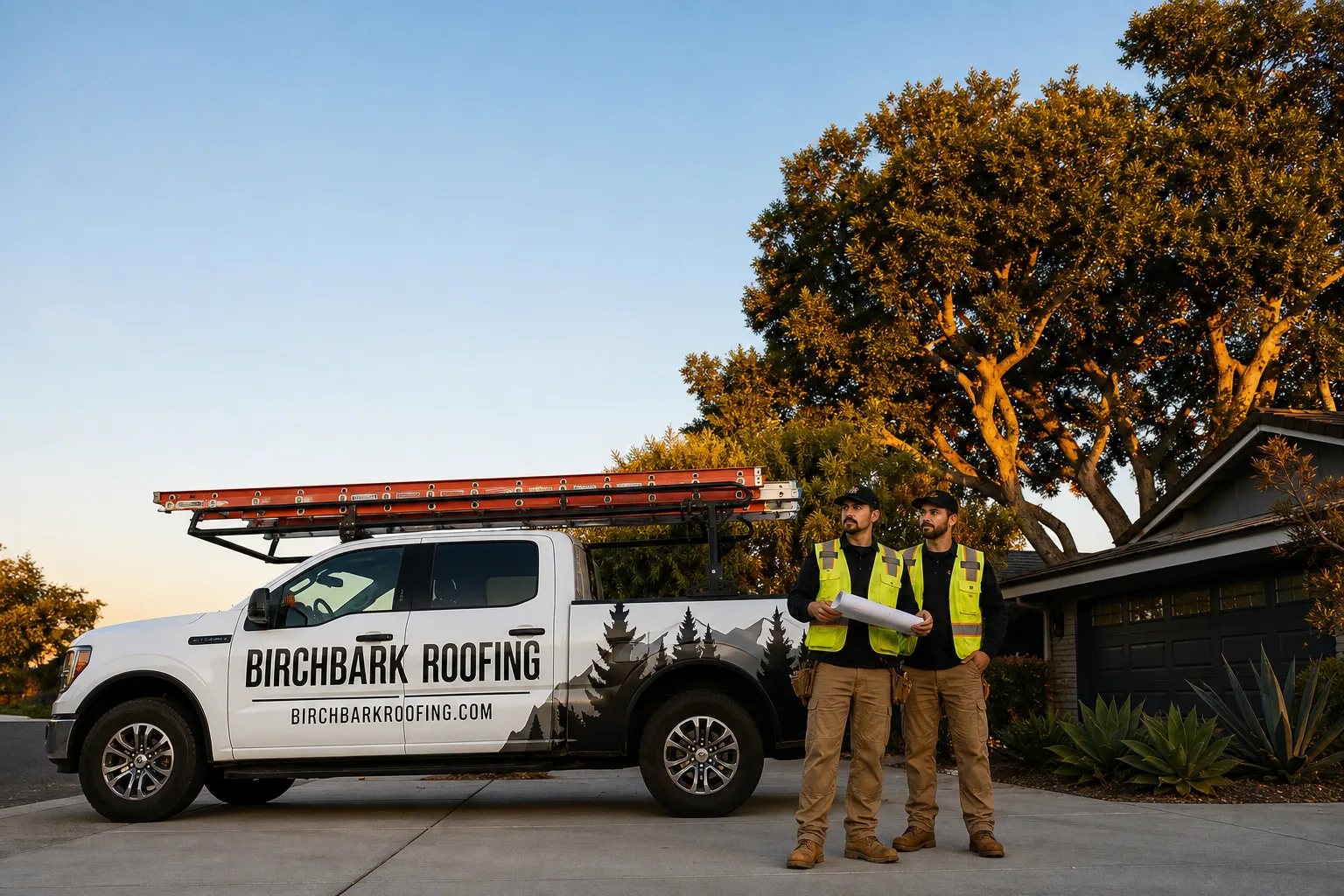
Free roof inspection with deck photos before we talk money - GAF and Owens Corning certified installation
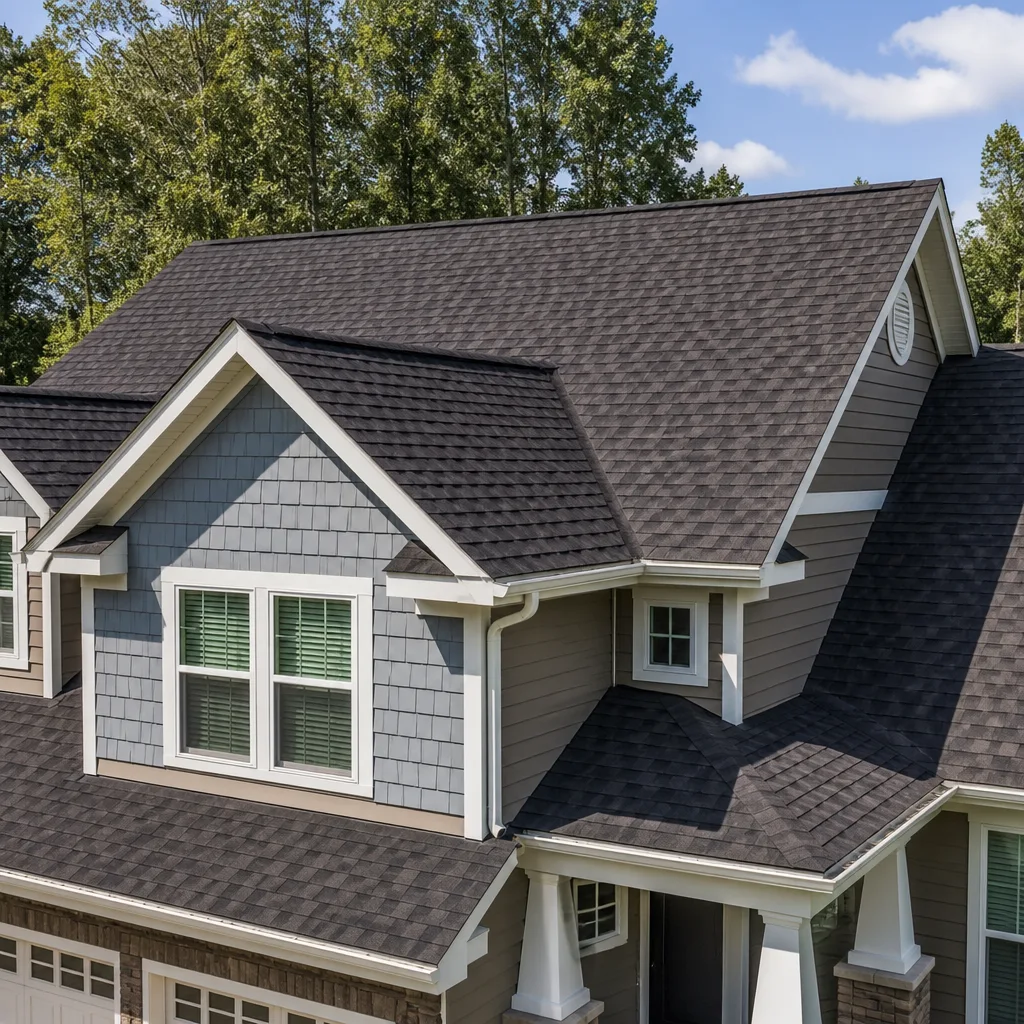
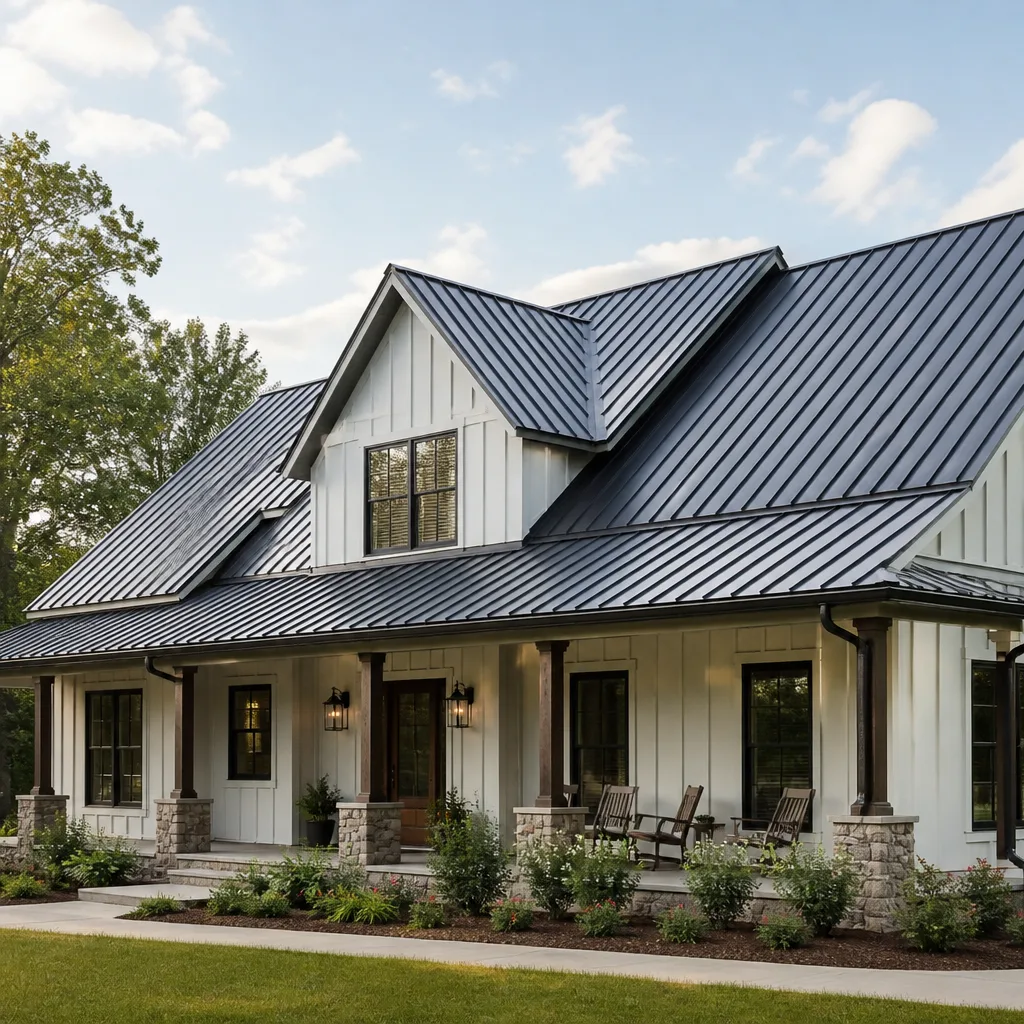
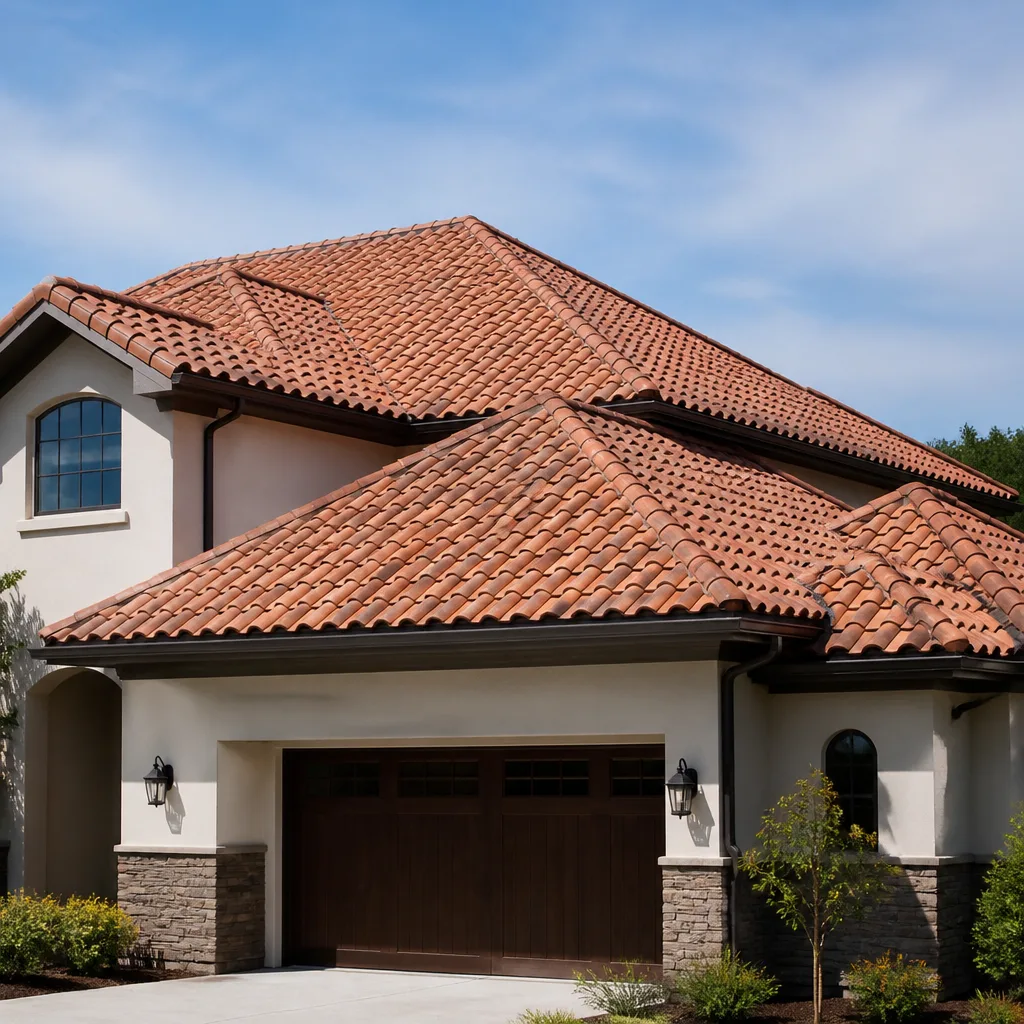
 Before
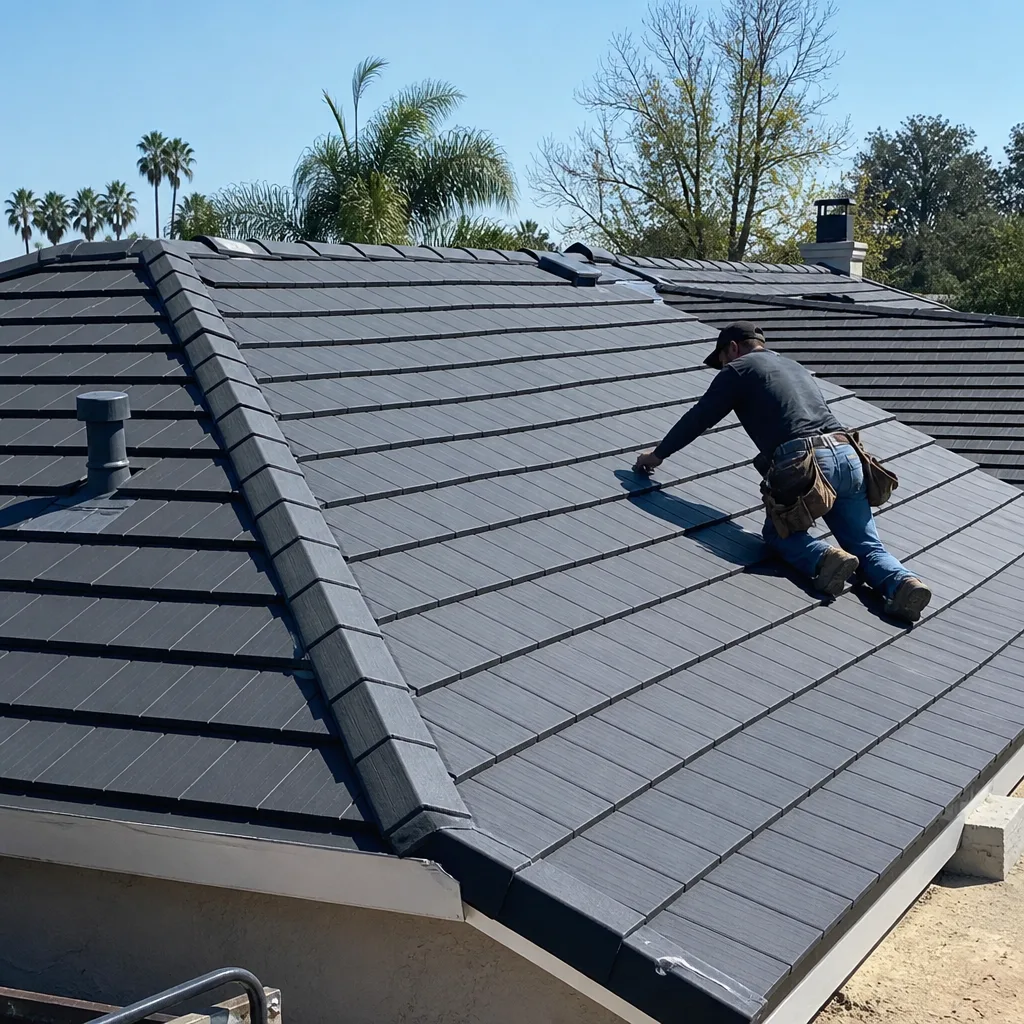 After
After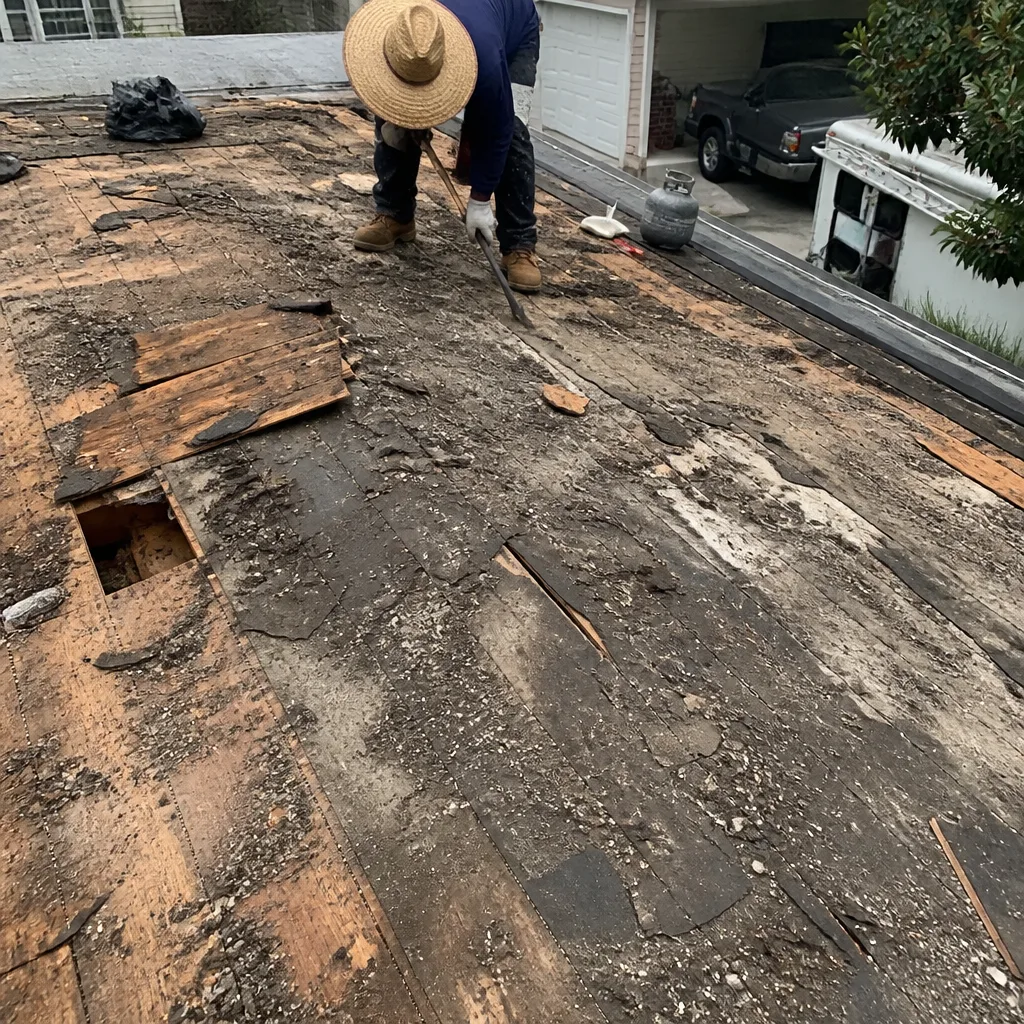 Before
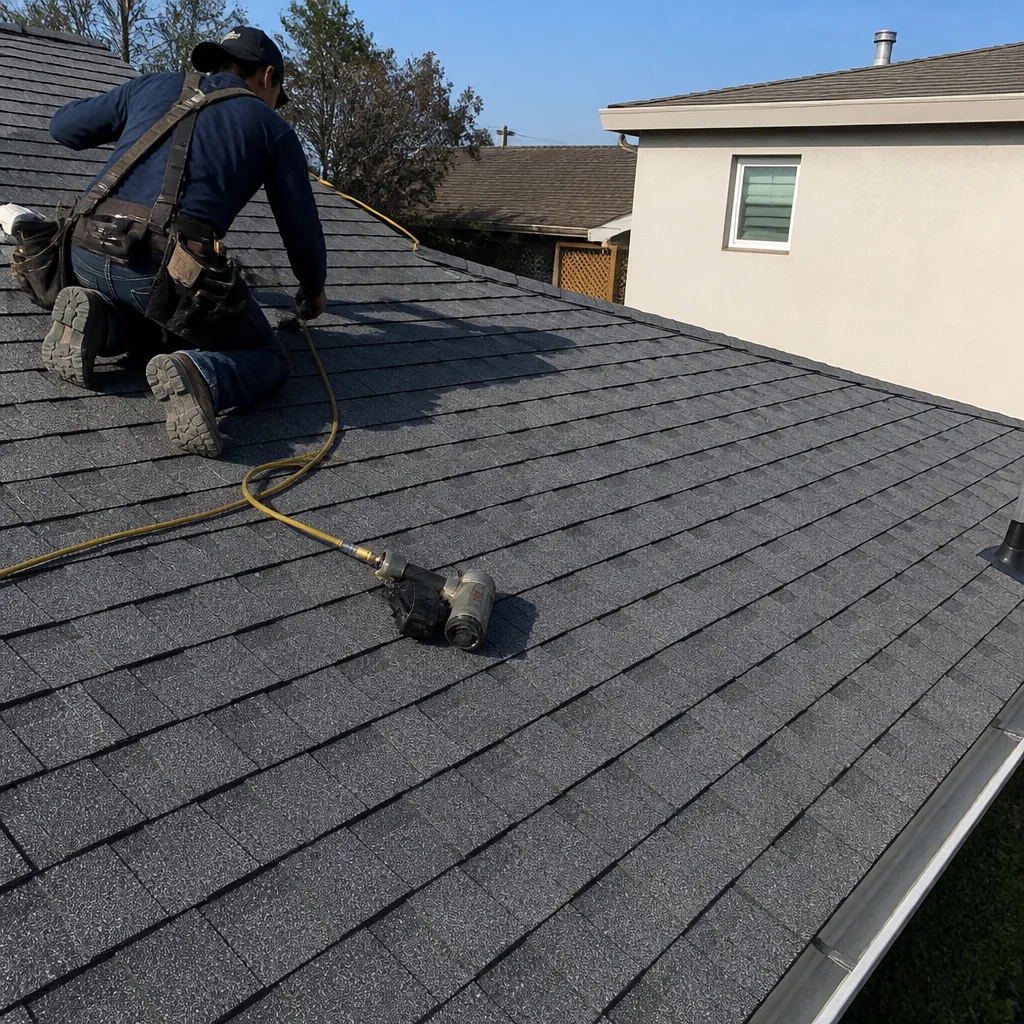 After
After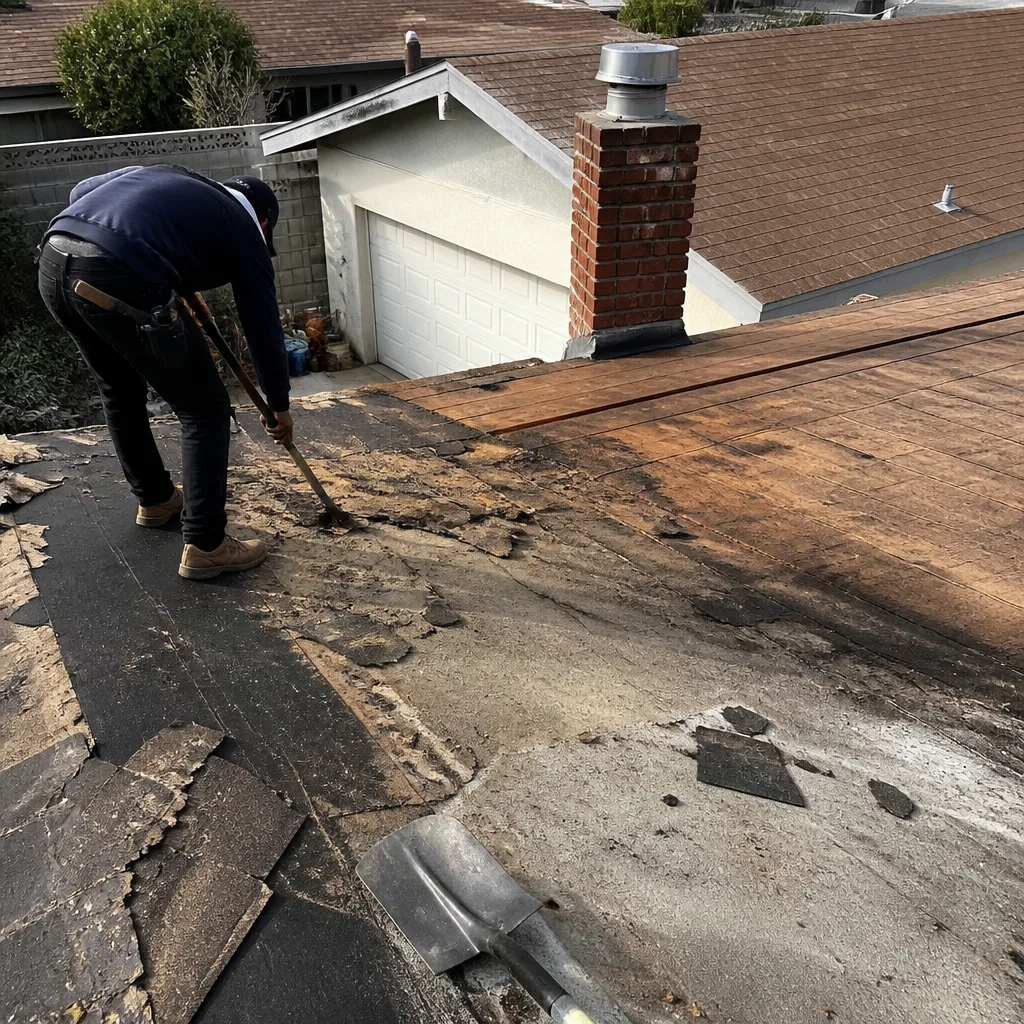 Before
 After
AfterThe Roofing Questions Artesia Homeowners Ask Us Most
Most Artesia homeowners call us because they see a dark streak on a north-facing roof plane, or a rust-colored drip from a fastener on a 1960s ranch. The answer usually comes down to two things happening at once here: marine-layer fog that sits on north slopes every June morning, and unshaded Basin sun baking the south and west slopes by noon. That combination means one roof can fail two different ways, and the fix depends on which slope you’re looking at. We’re Birchbark Roofing, and we inspect roofs across Artesia year-round. Call (424) 766-4937 and we’ll tell you what’s actually happening up there.
What Marine-Layer Fog and Basin Sun Actually Do to an Artesia Roof
Artesia is one of the smallest cities in LA County, under two square miles, and almost every house in it was built in the same postwar window, roughly late 1940s through early 1970s. That means the housing stock ages together. We see dozens of 1950s and 60s ranch homes now on their second roof system, and many of those second roofs were installed with the cheapest available fasteners in the 1990s and 2000s. Here is the Artesia-specific problem: the city sits flat on the LA Basin floor, only 8 to 10 miles from the Pacific. Fog reaches this far inland often enough to keep north-facing planes damp for hours after sunrise from June through September. That moisture feeds algae streaking and rusts electro-plated fasteners. But Artesia has almost no tree canopy, so the unshaded south and west planes get relentless UV the rest of the year, which strips granules off composition shingles faster than in neighboring cities with more shade. Two slopes, two failure modes, one roof.
Because our Roofing Company crews work Artesia every week, we spec roofs around both conditions. On fog-exposed planes we use algae-resistant shingles from CertainTeed and GAF, plus proper soffit and ridge ventilation to keep the underside dry. On the UV-blasted slopes we replace thin drip edge with heavier-gauge metal and switch every nail to hot-dip galvanized or stainless ring-shank. The upgrade costs more upfront, roughly $300 to $700 on a typical Artesia ranch depending on roof size, but it stops the rust-bleed streaks we see on nearly every aging roof in this city.
A Job We Did Near Pioneer Boulevard and 183rd
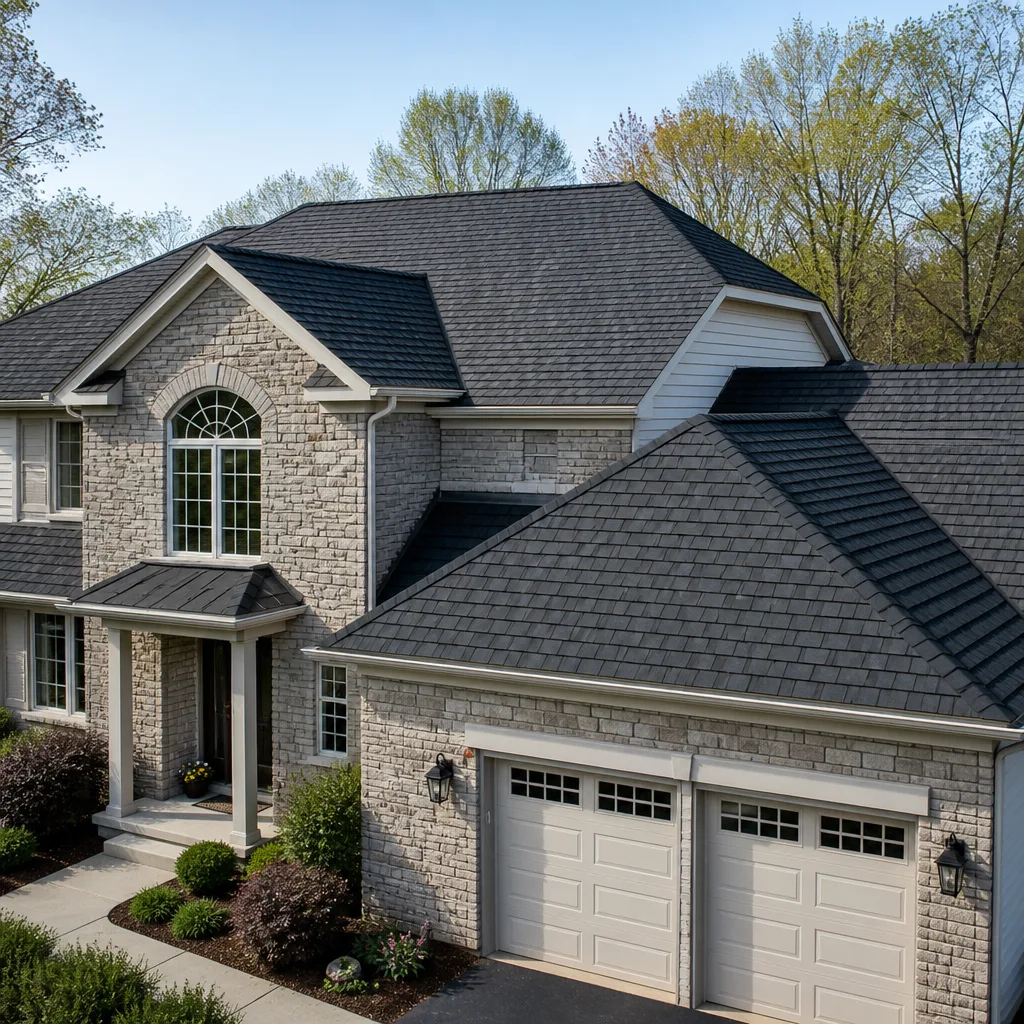
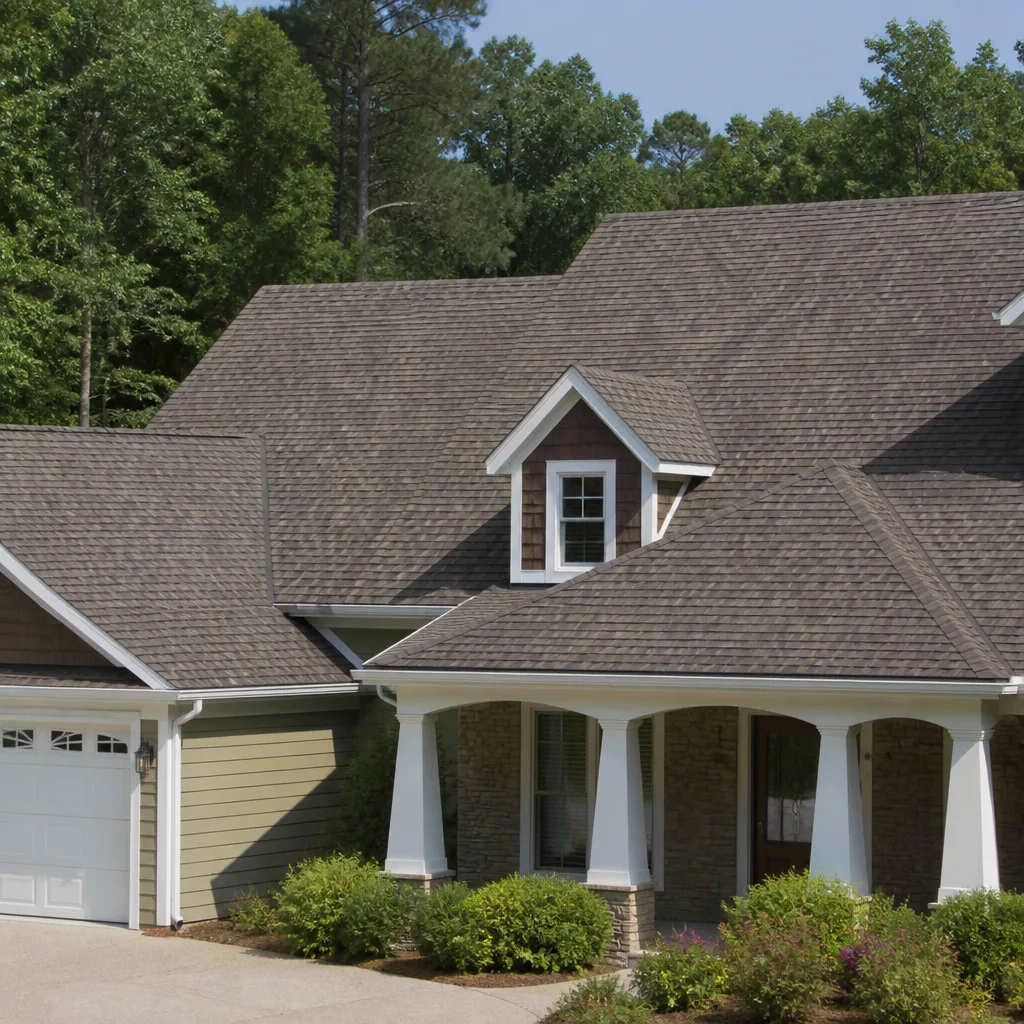
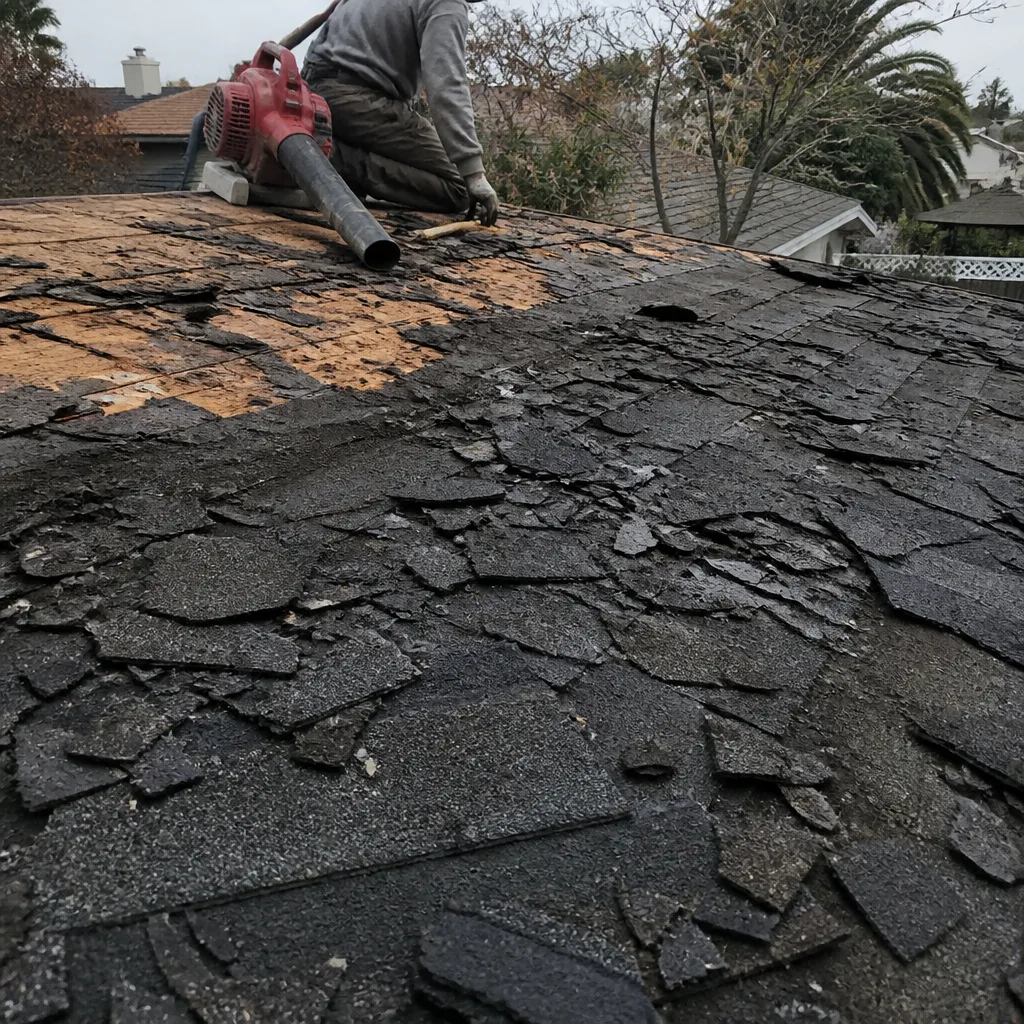
We tore off a 1958 ranch near Pioneer Boulevard and 183rd a while back. The homeowner was on a second-cycle roof and the shingles looked tired but not catastrophic. Underneath, the original 1×6 decking was soft at the valleys and around the plumbing penetrations. We replaced every bad board, laid ice and water shield through the valleys, and set GAF architectural shingles with a starter strip and stainless ring-shank nails. Two streets over, on the Pioneer Boulevard commercial block, we opened a jeweler’s flat roof that had been re-coated three times: elastomeric over aluminum over tar. After stripping to a clean substrate, we found rotted decking and rebuilt it before re-coating. Both jobs got hot-dip galvanized and stainless fasteners instead of electro-plated ones. That single choice is the difference between a roof that drains clean for twenty years and one that starts streaking rust in five.
Why Birchbark Roofing Is the Manner of Company Artesia Needs
Our Roofing Company team works differently than the crews who blow through Artesia between bigger jobs in Cerritos or Norwalk. We write the price down before any work starts. Not a text message estimate, not a verbal range. A line-item price in dollars, on paper, before a single shingle comes off. We back every repair and replacement with our 365-Day Done Right Promise: if the work is not right, we make it right. And before our crew walks through your door, we put on shoe covers at the threshold and lay drop cloths from the entry to the roof access. If you have a dog who needs to stay inside, we coordinate the door schedule with you. We use pet-safe products wherever there is a choice. When the job is done, we photograph the clean-up and hand you the proof before we leave. Erik Lindgren leads our team with one rule: the home gets treated like someone lives in it, because someone does.
Our technicians are background-checked and uniformed, so you know who is coming up your walkway before they knock. And when you call (424) 766-4937, a live person answers. No voicemail tree, no next-business-day callback, at any hour. Artesia deserves that. So does Norwalk.
Roof Maintenance in Artesia
Roof Maintenance in Artesia is not a once-a-decade event. It is a seasonal rhythm, and the timing here matters more than in most of LA County. The June-to-September fog cycle is when algae and moss get established on north-facing planes, so a good spring inspection catches the first dark streaks before they spread. The dry fall months are the best window for cleaning, sealing, and replacing worn flashing around vents and chimneys. A typical maintenance visit for a 1,200 to 1,600 square foot Artesia ranch runs $250 to $500, including gutter clearing, ridge vent inspection, shingle tab checks, and a written condition report with photos.
Where Artesia Roofs Fail First
On a 1950s or 60s ranch here, the first place we look is the valley where two roof planes meet. The original decking was installed before modern ice and water shield existed, and Artesia’s morning fog seeps into any exposed gap and rots the 1×6 boards from the underside. The second place is the fastener line. Electro-plated nails from a 1990s replacement roof start losing their coating within a decade in this climate and bleed rust down the shingle face. We catch both during maintenance before they become decking replacement jobs.
What a Maintenance Visit Covers
We walk every slope on foot, not from a ladder with binoculars. We photograph the decking condition through the attic, check soffit and ridge ventilation, clear debris from valleys and scuppers, and tighten or replace any loose flashing. If we find granule loss concentrated on the south and west slopes, we document it and give you a written recommendation with pricing, so you know what is urgent and what can wait.
Roof Coating in Artesia
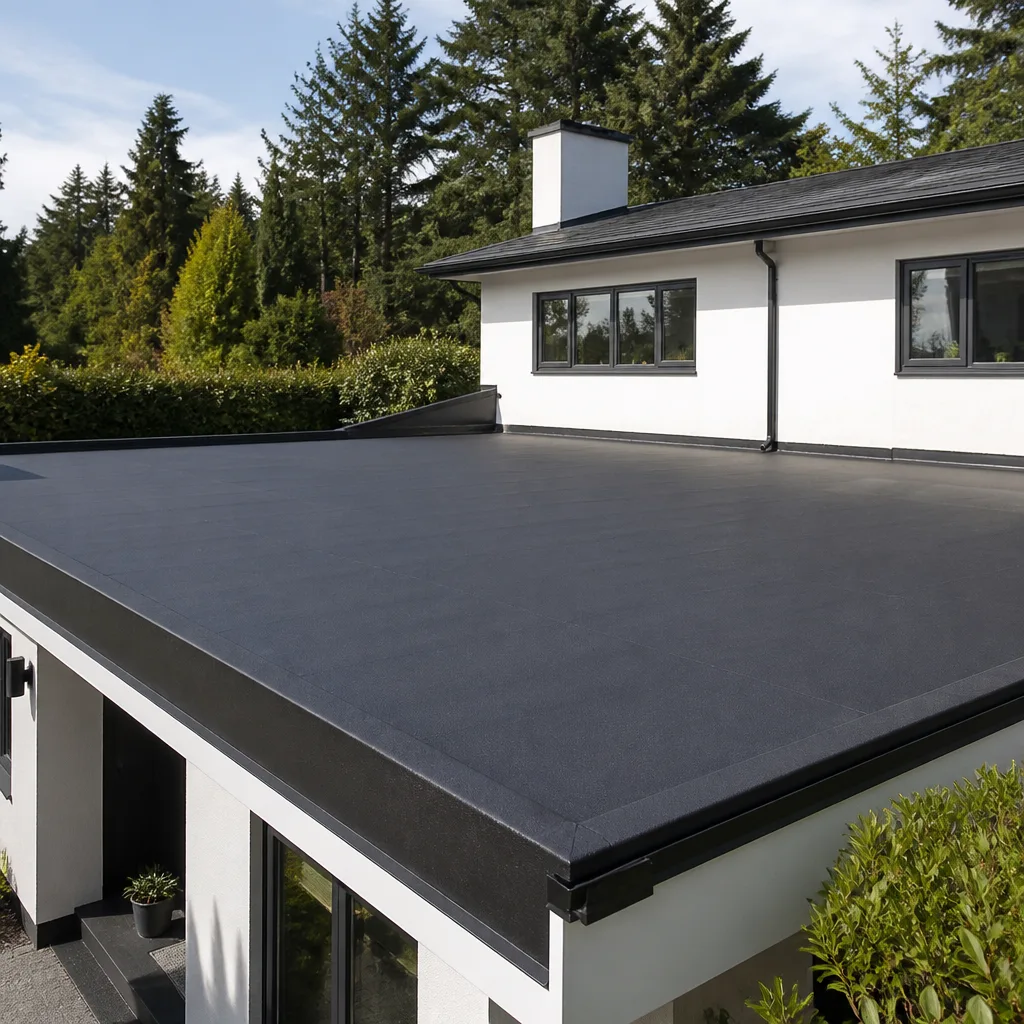
Roof Coating in Artesia gets complicated on the Pioneer Boulevard commercial strip, where flat and low-slope roofs have been repeatedly re-coated by different crews over different decades. The pattern we see on nearly every old strip building is elastomeric over aluminum over tar. Layers stack, moisture gets trapped between them, and the decking underneath rots quietly. A simple re-coat over that patchwork fails within a season because it never bonds to a clean surface. For an Artesia homeowner, coating a low-slope patio cover, garage roof, or an original 1950s flat-roofed addition typically runs $1.50 to $3.50 per square foot when done from a clean substrate. A proper commercial restoration on Pioneer Boulevard, including stripping to the deck, repairing rotted sections, and applying a compatible single-family of coatings, usually runs $8 to $15 per square foot depending on deck condition.
Why “Just Re-Coat It” Does Not Work Here
On Pioneer Boulevard specifically, we opened a jeweler’s roof coated in three incompatible layers and found rotted decking after stripping. That hidden damage is common, not rare, along this corridor. Small independent business owners have been deferring maintenance and layering coatings for forty years. The honest fix is stripping to clean decking, replacing what has rotted, then applying one compatible coating system. Anything less is a deposit on next season’s failure.
What We Specify Instead
For residential low-slope surfaces in Artesia, we use a modern self-adhered or torch-grade modified bitumen membrane with proper taper to the drains, or an acrylic elastomeric system applied only over clean, primed substrate. For commercial flat roofs, we rebuild first, then coat. We do not layer. The material choice depends on whether the plane sees fog or sun most of the day, because that determines the coating’s cure time and UV resistance.
Trusted Brands We Service in Artesia
We work with materials from GAF, CertainTeed, and Owens Corning, and we stock common Artesia-specific components locally: algae-resistant architectural shingles, stainless valley flashing, hot-dip galvanized vent boots, and heavier-gauge drip edge. If you have an existing roof with one of these brands and need a repair, we match the product line rather than patch with whatever is on the distributor’s pallet. That matters in Artesia because a mismatched shingle batch on a 1960s ranch shows from the street, and a mismatched flat-roof coating on Pioneer Boulevard peels within a year. We keep the supply chain short so Artesia customers are not waiting two weeks for a specific CertainTeed color matched from a photo.
Common Roofing Problems We See in Artesia Homes
- Rust-bleed streaks from electro-plated fasteners. Shingle roofs installed in the 1990s and 2000s here used cheap electro-plated nails. Artesia’s fog cycle rusts them within a decade, leaving red streaks down the shingle face, and the fix is a fastener replacement, not a coating.
- Algae streaking on north-facing planes. The marine layer arrives regularly from late spring through fall, and north slopes stay damp for hours. Standard shingles without algae-resistant granules turn black in streaks, which Artesia homeowners often mistake for roof rot.
- Second-cycle roofs hitting end of life all at once. Most of Artesia was built in a single postwar push, so the first and second roof replacements are aging on roughly the same schedule. Many homeowners on a 1960s ranch are about to face their third roof.
- Stacked incompatible coatings on flat roofs. Along Pioneer Boulevard, the commercial buildings carry the accumulated maintenance habits of decades: elastomeric over aluminum over tar. Trapped moisture rots decking, and the only honest fix is a full strip and rebuild.
Pricing for a Roofing Company in Artesia, CA
A typical Roof Replacement in Artesia for a 1950s or 60s ranch, 1,200 to 1,600 square feet of low-to-moderate pitch, runs $14,500 to $24,000 with architectural shingles from GAF or CertainTeed, including decking repairs in the valleys and around penetrations. A focused repair, like replacing a rusted valley or re-flashing a chimney, runs $450 to $1,200. Flat-roof restoration on a Pioneer Boulevard commercial unit starts around $8 per square foot and rises with decking replacement. Coastal-spec fasteners and heavier drip edge add $300 to $700 on most ranches. We write every number down before work starts, so you see the exact price in dollars, not a range, before you sign anything. Call (424) 766-4937 for a free estimate.
We Also Serve Cities Near Artesia
Our Roofing Company in Artesia crews work here weekly, and we also cover Cerritos, La Palma, Hawaiian Gardens, and Norwalk. Same written pricing, same 365-Day Done Right Promise, same crew standards across every nearby city. If you are in one of these neighborhoods and need a roof looked at, the process is the same: call, schedule, get the price in writing.
Serving Artesia, CA - Our Local Coverage Area
We’re based in the Artesia area and know this community well. Use the map below to see our service coverage - if you’re nearby, we can almost certainly help.
FAQs About Roofing Company in Artesia
Because the roofs have been re-coated in stacked, incompatible layers, usually elastomeric over aluminum over tar, for decades. Moisture gets trapped between those layers and rots the decking from underneath. A re-coat over the patchwork hides the damage and fails within a season, which is why we strip to clean substrate and rebuild what has rotted before applying one compatible coating system.
Yes, especially if your roof is original from the 1950s or 60s or was replaced in the 1990s. The marine layer reaches Artesia regularly from June through September, and electro-plated fasteners rust here nearly as fast as they do two blocks from the beach. We specify hot-dip galvanized or stainless ring-shank nails and heavier-gauge drip edge on every Artesia job. The added cost, roughly $300 to $700 on a typical ranch, buys decades of rust-free performance.
Look for granule loss on the unshaded south and west slopes first. If you see dark patches, loose granules in the gutters, or shingle tabs curling at the edges, the UV has done its work. Then check the north slopes for algae streaking and rust bleed from fasteners. If any of these show, call us. We inspect and tell you honestly whether you have two years left or two months.
Because the fasteners, flashing, and some underlayment materials are upgraded to resist fog-driven rust and algae. Hot-dip galvanized or stainless nails cost more than electro-plated ones, heavier-gauge drip edge costs more than thin aluminum, and algae-resistant shingle lines from GAF and CertainTeed carry a slight premium over standard architectural shingles. The inland-spec version looks cheaper on paper, but in Artesia it rusts and streaks within a decade, and the repair costs more than the initial savings.
Read the fastener and flashing line items first. One bid may specify electro-plated nails and thin drip edge, and the other may specify hot-dip galvanized or stainless fasteners and heavier-gauge metal. That accounts for $300 to $700 of the difference and is the deciding factor for longevity in Artesia’s fog-plus-UV climate. Then compare decking repair allowances and valley treatment. Bring both bids to us, and we will walk you through them line by line. Call (424) 766-4937 and we will help you make sense of it before you sign.
Written by Erik Lindgren, Owner at Birchbark Roofing, serving Artesia with written pricing and the 365-Day Done Right Promise.