
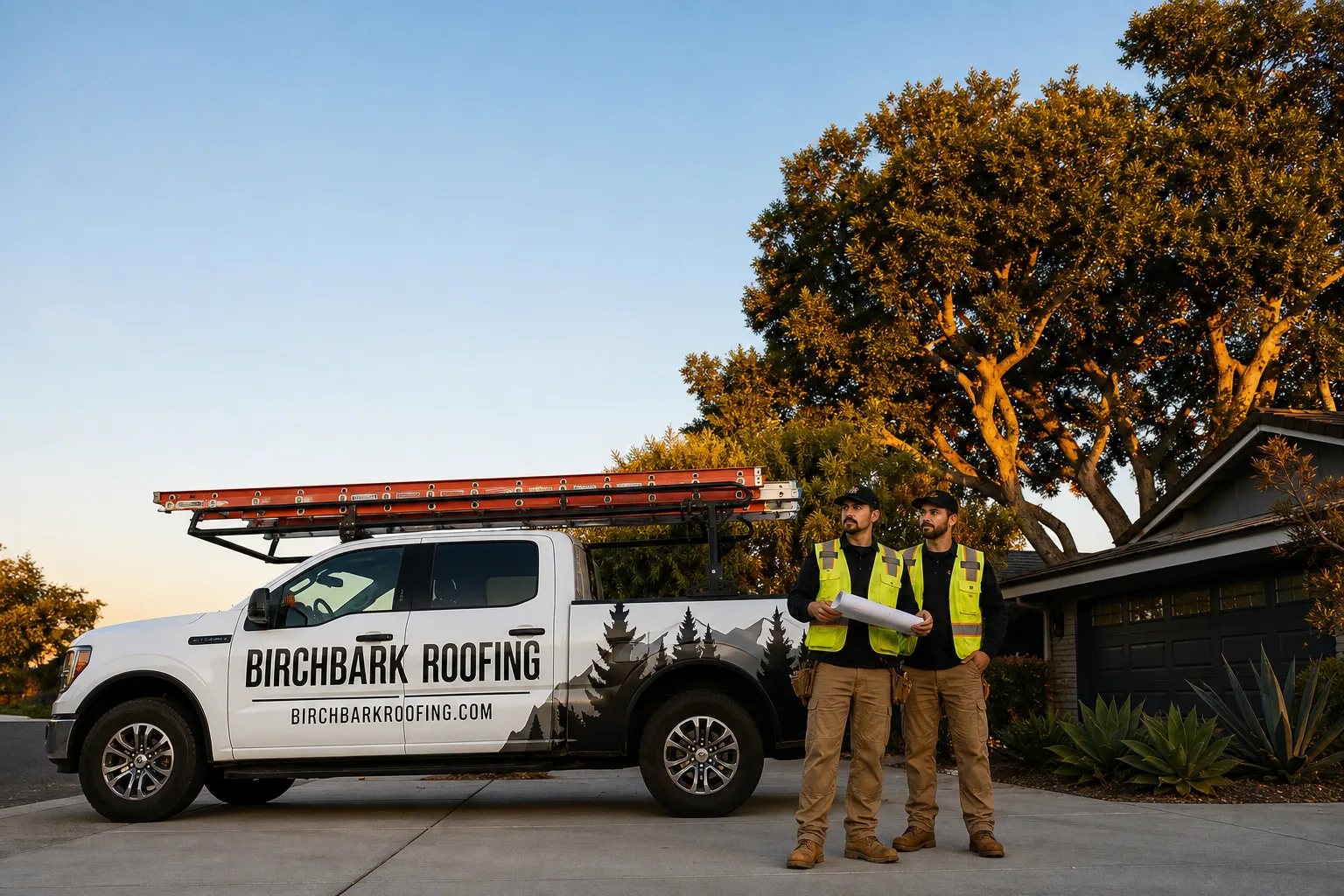
Free roof inspection with deck photos before we talk money - GAF and Owens Corning certified installation
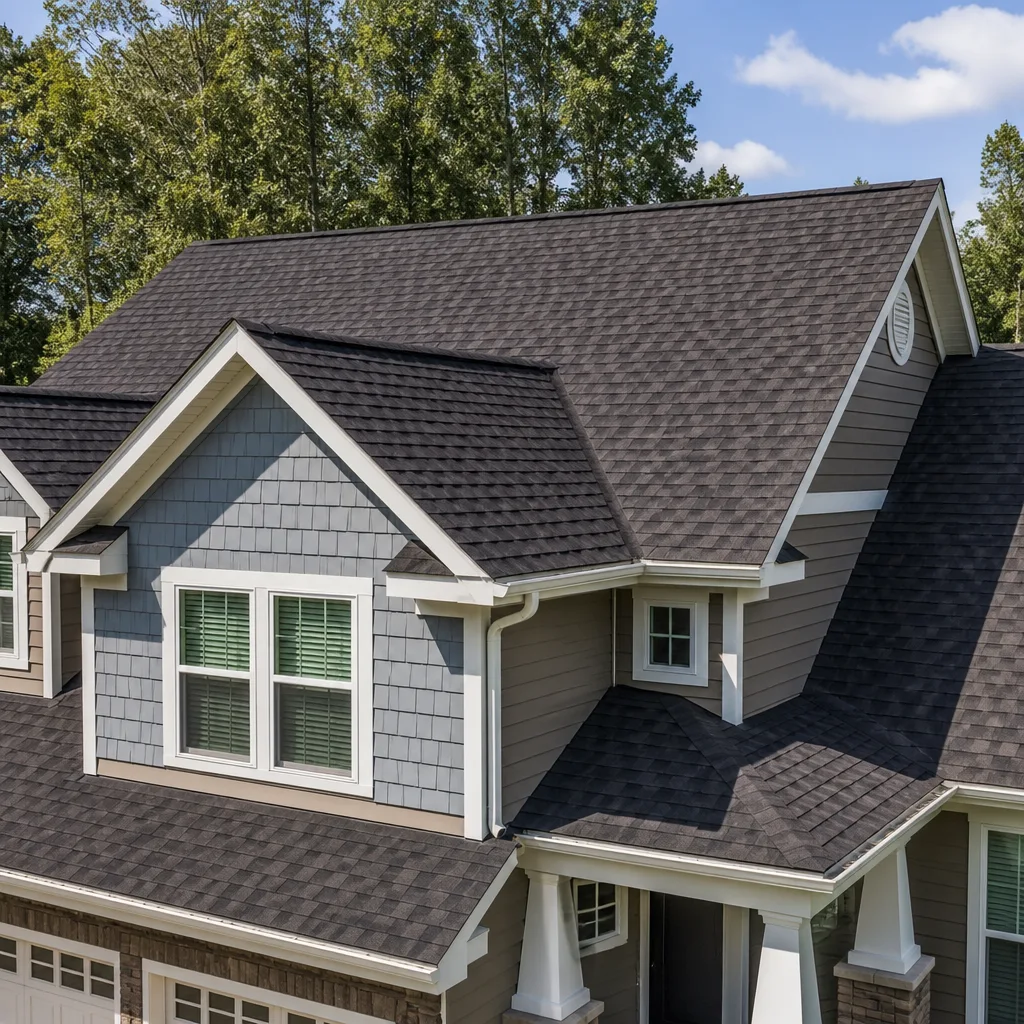
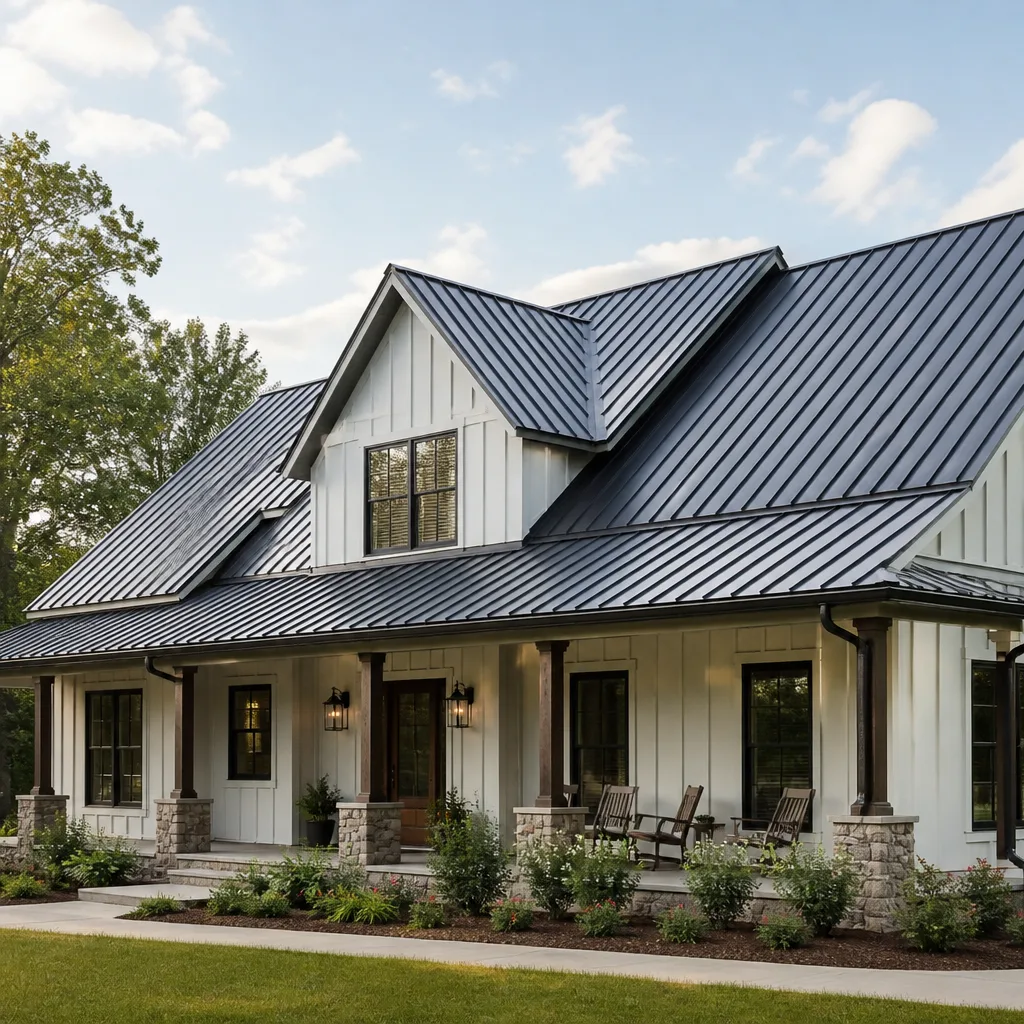
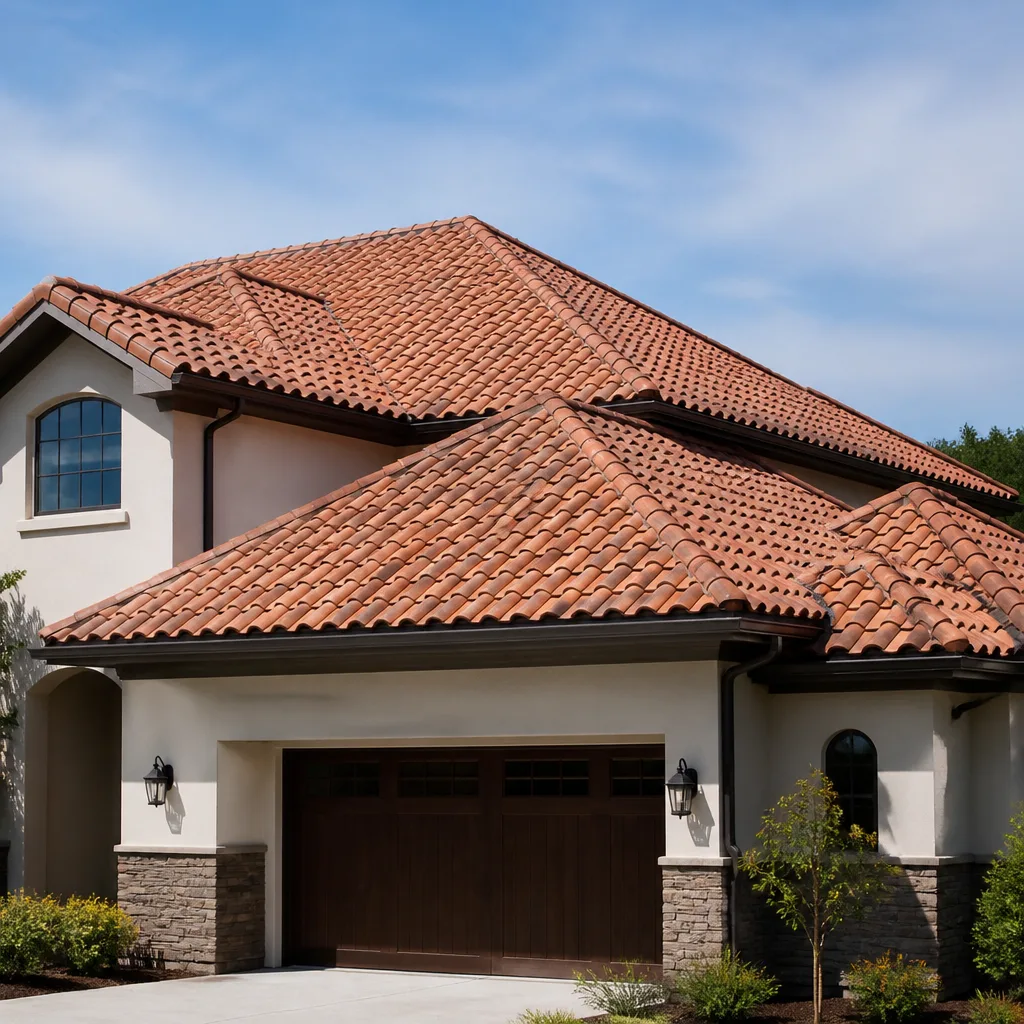
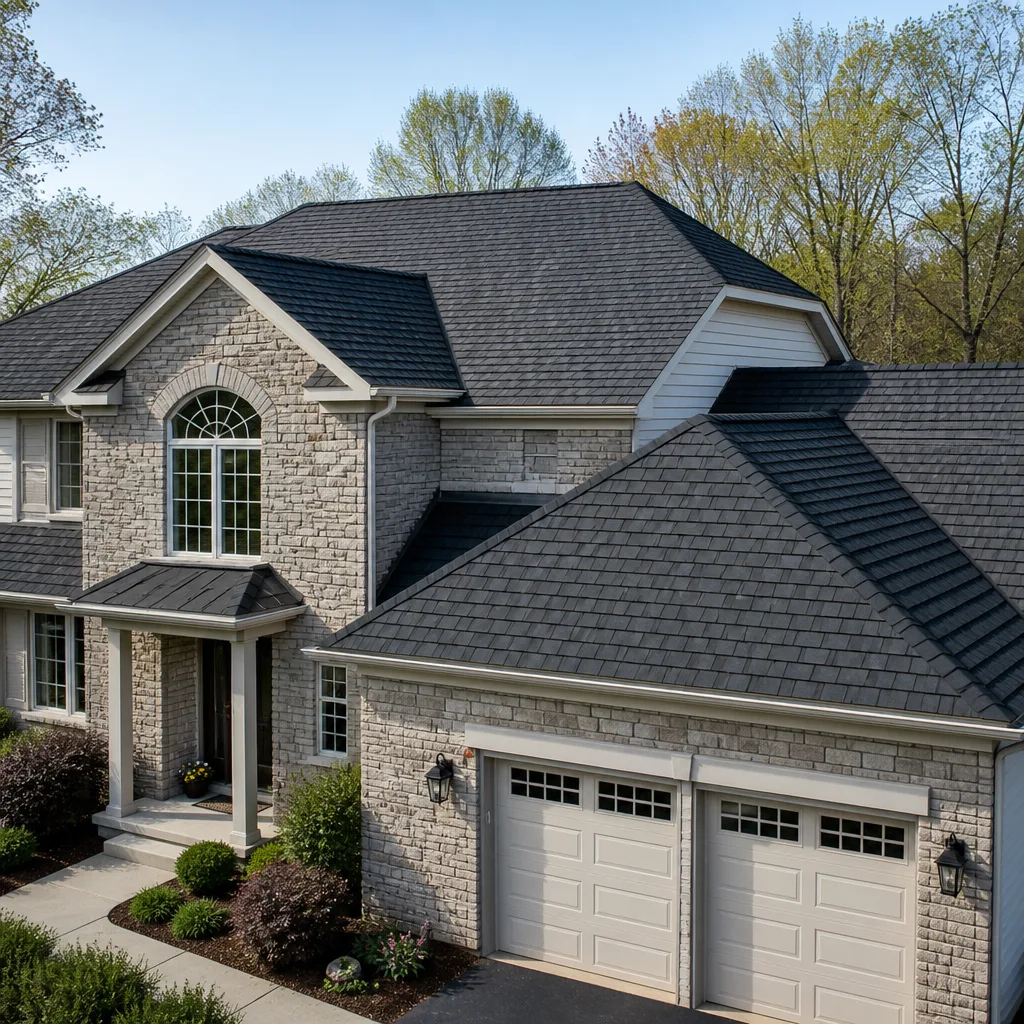
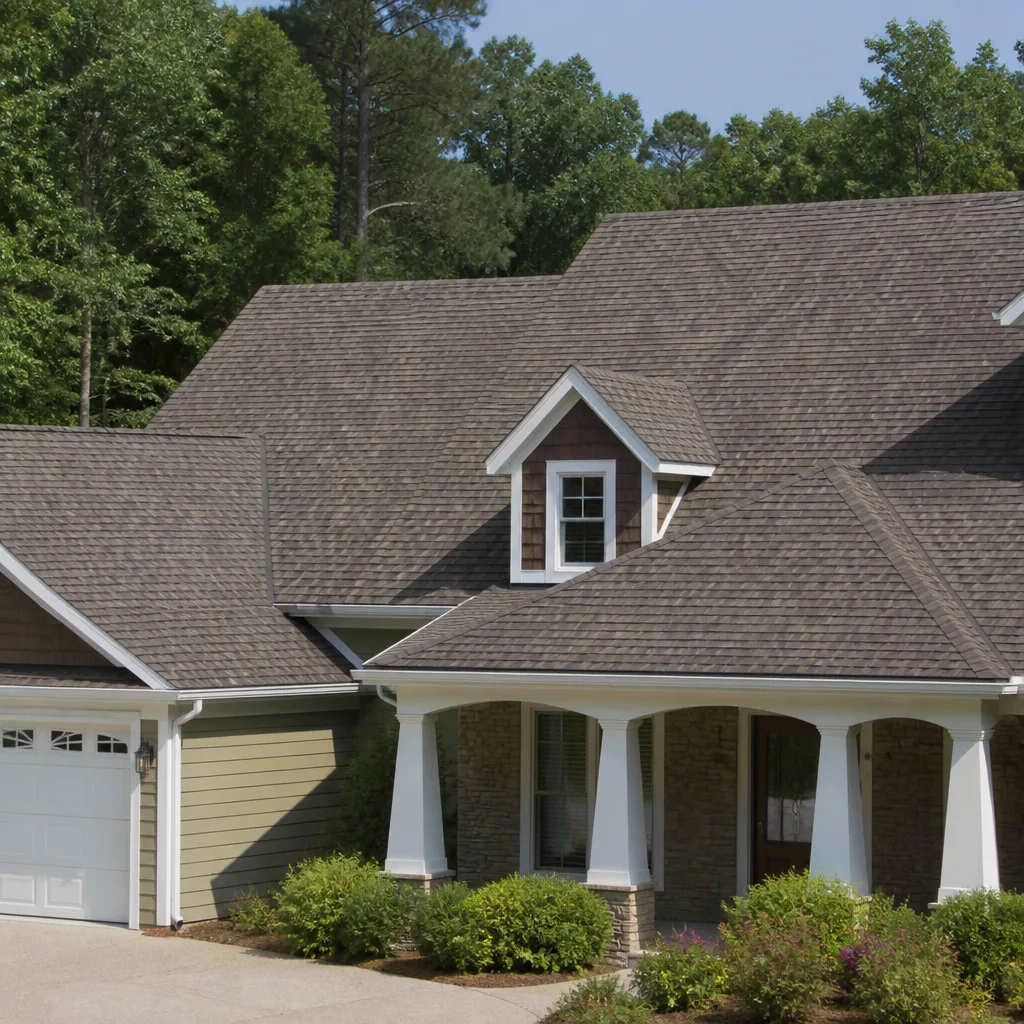
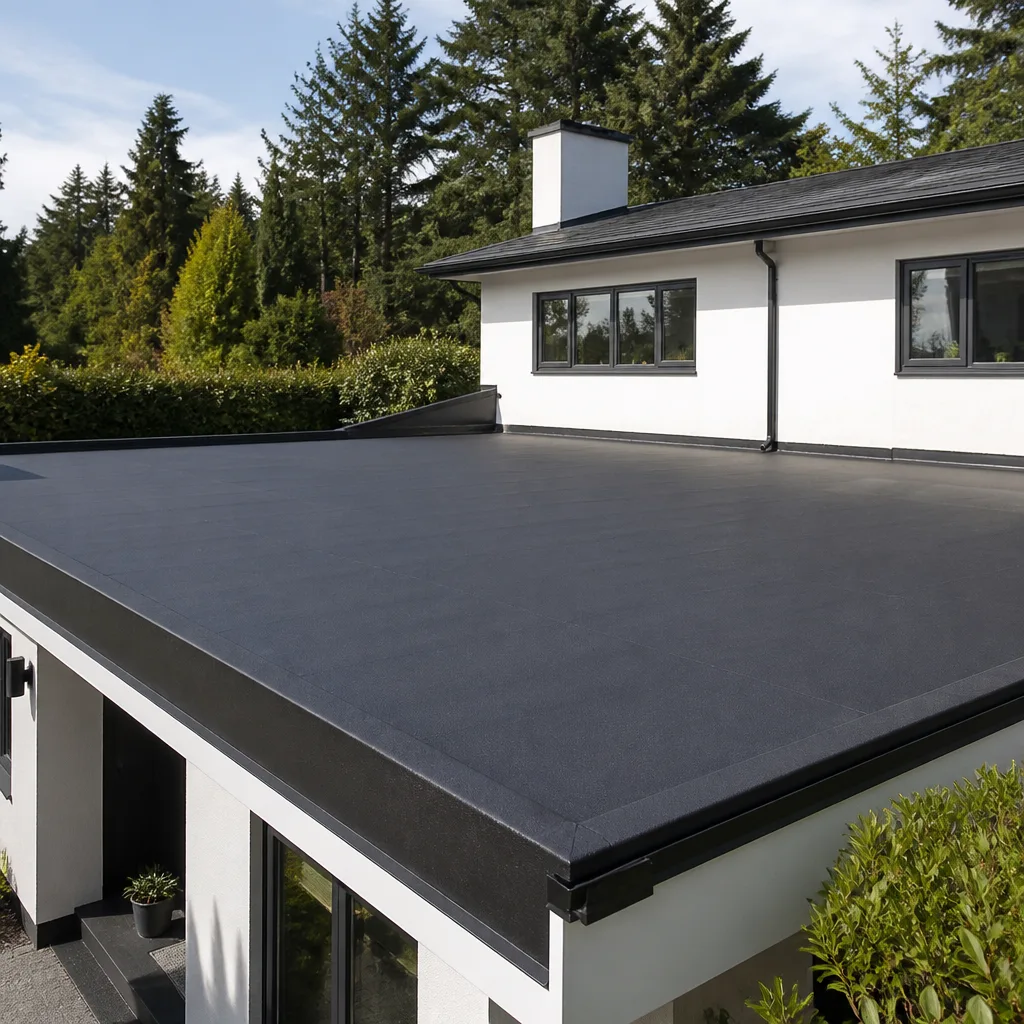
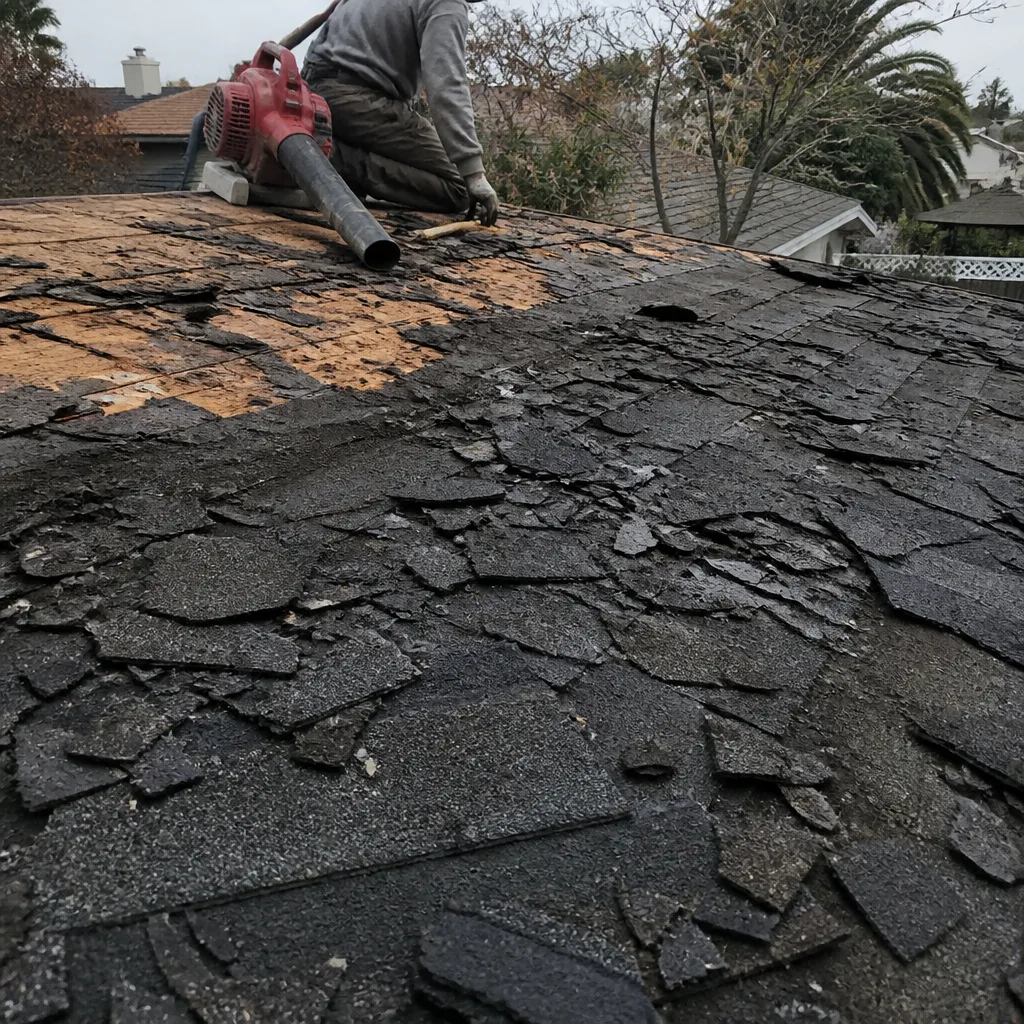 Before
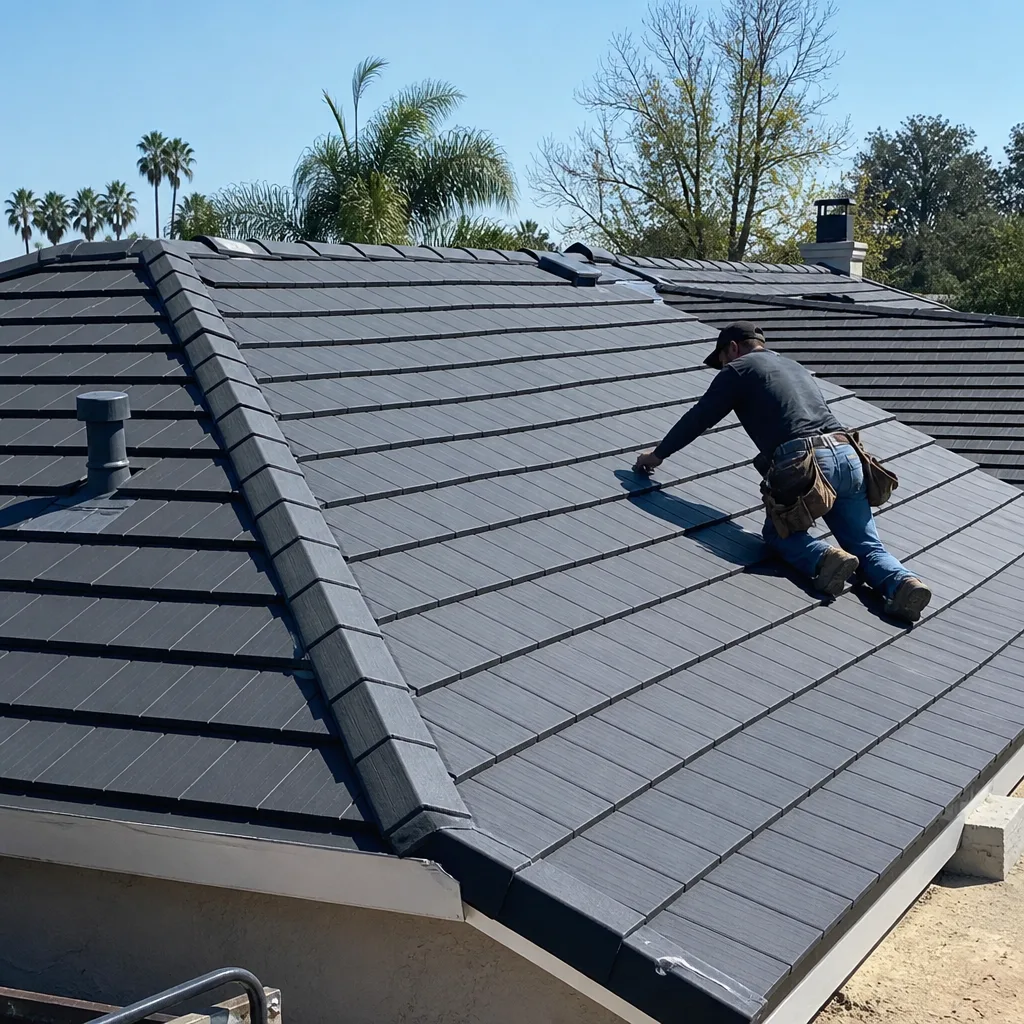 After
After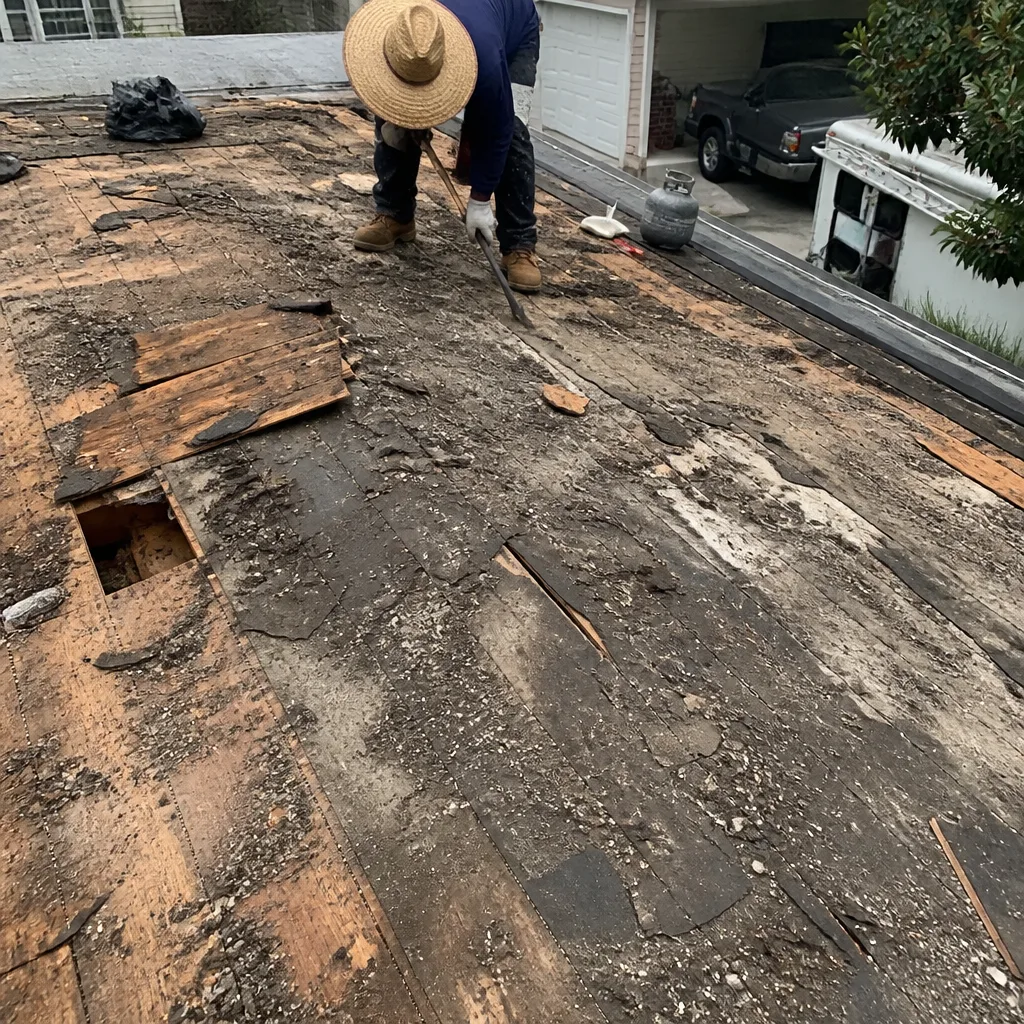 Before
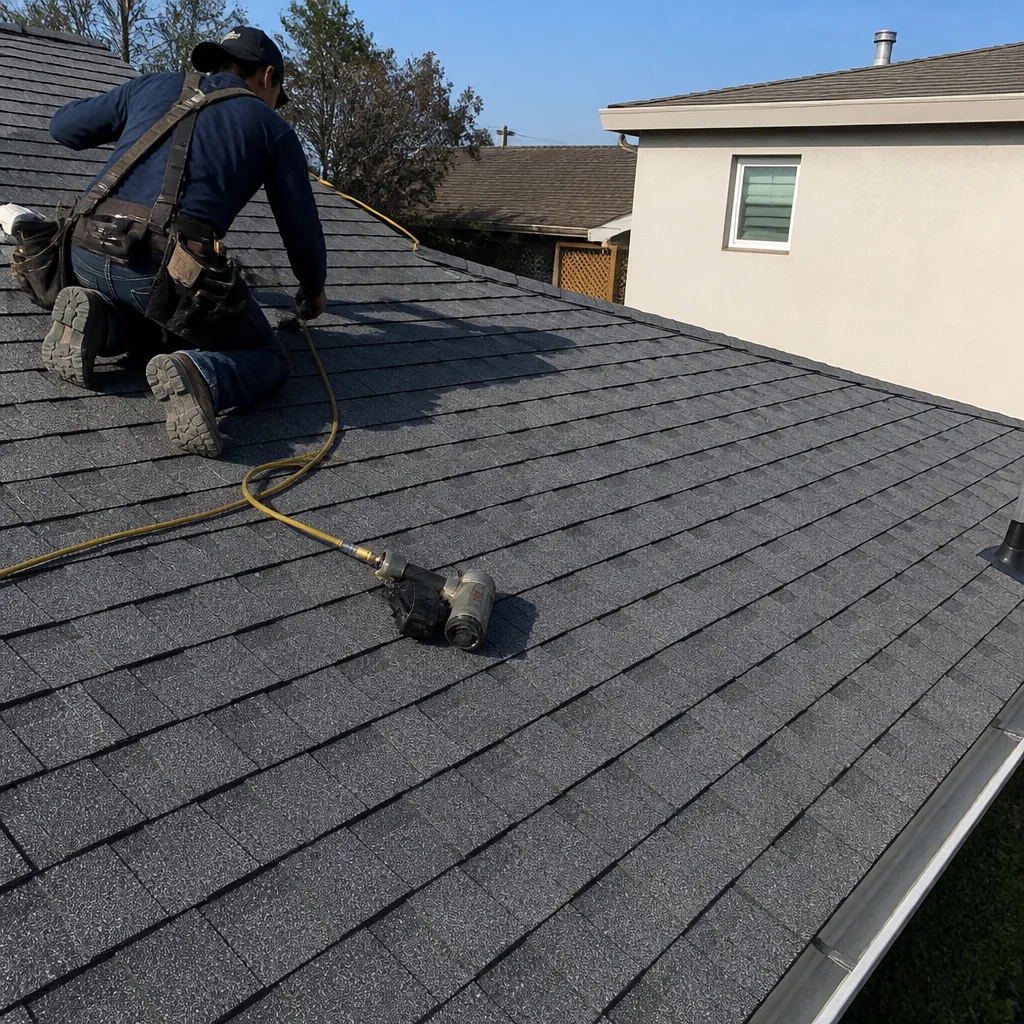 After
After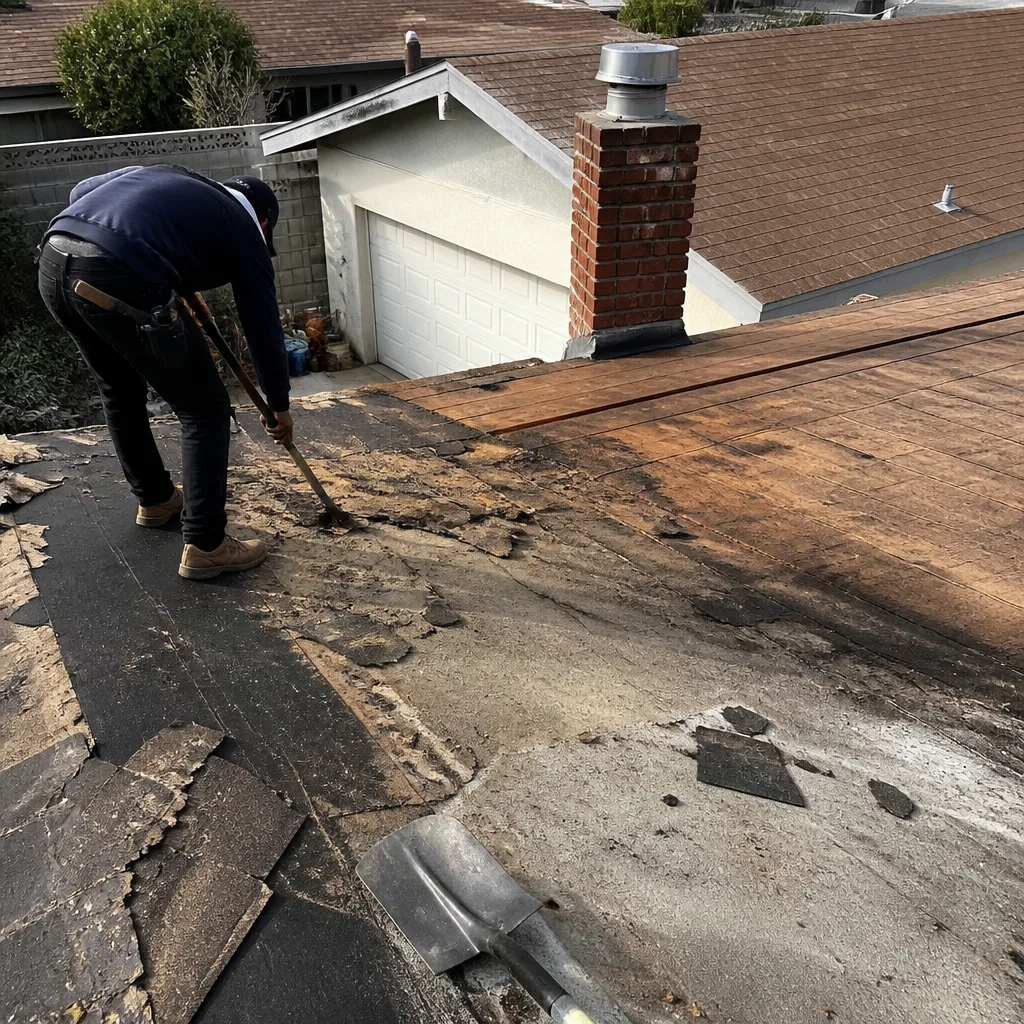 Before
 After
AfterFast, Reliable Roof Replacement Across Spring Valley Lake
Most full roof replacements in Spring Valley Lake run between $11,500 and $24,000 depending on square footage, the shingle profile your SVLCA approval specifies, and whether the decking underneath needs work. The job usually takes three to five days once materials are approved and on site. If you’re noticing granule loss in your gutters, cracked shingles, or daylight coming through the attic, call us at (424) 766-4937 and we’ll walk you through exactly what a replacement involves here, including the HOA approval step most out-of-town roofers forget to mention until it’s too late.
Why Birchbark Roofing Is Spring Valley Lake’s Preferred Roof Replacement Company
We’ve worked on enough roofs in Spring Valley Lake to know that the SVLCA architectural committee isn’t a formality. It’s the first step, and it shapes everything downstream: what materials you’re allowed to use, what color your shingles can be, and when we can actually start. Homeowners here don’t need a roofer who treats HOA approval as an afterthought. They need someone who submits the right documentation the first time and schedules around the committee’s timeline so the project doesn’t stall for three weeks after tear-off was supposed to begin.
Our crews know Spring Valley Lake’s streets. The Estates, the lakefront properties off Spring Valley Parkway, the homes along Ridgecrest and El Dorado, and the quieter cul-de-sacs off Tamarisk. We know that west-facing slopes here lose shingles first because the Mojave wind corridor hits them hardest. We know that original roofs from the 1970s and 1980s are at the end of their second or third decade and often hiding dry-rotted decking beneath shingles that still look acceptable from the street.
And we back every replacement with our 365-Day Done Right Promise. If something isn’t right, Erik Lindgren makes it right. That guarantee is stamped on every job we do in Spring Valley Lake, and it’s one reason homeowners here keep referring us to their neighbors.
Read more about how our Roof Replacement process works from the first inspection to the final clean-up photo.
Asphalt Shingle Roof Replacement in Spring Valley Lake
Asphalt shingle roof replacement in Spring Valley Lake is our most requested job, and for good reason. Most homes here were built with composition shingle roofs between the late 1960s and early 1990s. Those roofs have been baking under high-desert UV for 30 to 50 years now. When we tear one off along the Ridgecrest corridor or in the older section near Spring Valley Lake’s south shore, we typically find shingles that crack when you bend them and granule loss so advanced the fiberglass mat is showing through in patches.
At this elevation, roughly 2,800 feet, the summer sun is relentless and the winter season occasionally brings snow that sits on the roof and freezes. That combination ages asphalt shingles faster than almost anywhere else in the Inland Empire. A cheap three-tab shingle that might survive 20 years in a coastal climate is often cooked and brittle here in 12 to 15.
We install architectural shingles most often in Spring Valley Lake because they carry higher wind ratings and hold up better against both UV and blowing sand. The SVLCA’s aesthetic guidelines typically permit architectural profiles in approved color families, and we submit those samples with the application so there’s no guesswork later.
Wind-Rated Installation
Spring Valley Lake sits in a wind corridor where gusts above 50 mph are common in spring and fall. We use a six-nail pattern on every shingle and enhanced starter strips along the eaves and rakes. That gets the roof to a 130 mph wind rating, which is what this microclimate actually demands.
Decking and Underlayment
Most original Spring Valley Lake roofs have plywood decking that’s dried, split, or water-stained in places. We replace any decking section that’s no longer sound and lay synthetic underlayment with ice and water shield in the valleys and along the eaves, where snowmelt and wind-driven rain concentrate.
New Roof Installation in Spring Valley Lake
New roof installation in Spring Valley Lake usually means one of two things: a full replacement on an existing home, or a roof going onto new construction. The community has seen some custom lakefront builds over the years, but the more common scenario is the first. Either way, the process starts with the SVLCA architectural application, not with a dumpster on the driveway.
For a new roof on a typical 1,600 to 2,400 square foot ranch-style Spring Valley Lake home, expect to budget between $12,000 and $22,000. Architectural dimensional shingles from GAF or Owens Corning are the most common choice, and the HOA’s approved color palette matters more than you’d think. Driftwood and weathered gray tones are common around the lake, but we’ll pull the current approved list before you commit to anything.
New construction costs run higher per square foot because there’s typically more hip and ridge work, often a steeper pitch, and no existing roof to work over. That work runs anywhere from $14,000 to $30,000 or more depending on the house’s footprint and roof geometry.
What the HOA Process Looks Like
You’ll submit the architectural application with material samples, manufacturer specs, and color swatches. The committee typically takes one to three weeks to review. We handle this paperwork as part of the job and coordinate the start date around their decision. Starting before written approval arrives can trigger a stop-work order and a mandatory tear-off, which is a lesson nobody wants to pay for twice.
Phased to Fit the Community
Because Spring Valley Lake is a tight-knit HOA community, we’re mindful of noise, parking, and debris. We bring shoe covers into the house, lay drop cloths through any hallway we use, and photograph the completed clean-up before the crew leaves. The C.A.R.E. values we work by are simple: Clean up like it’s our own home, Ask before we move or touch anything, Respect the family’s time and quiet hours, and Explain the price before the work starts.
Trusted Brands We Service in Spring Valley Lake
We work with materials from GAF, Owens Corning, and Tamko most often in Spring Valley Lake because those manufacturers offer profiles and colors that fit the SVLCA’s approved lists while also meeting the wind and UV demands of this elevation. GAF’s architectural lines are a frequent choice for lakefront homes where the homeowner wants strong hail and wind ratings. Tamko and Owens Corning both offer staples that hold up well under Mojave sun. Because we’re part of the Cedarwell family of roofing companies, we can get materials staged quickly and keep your project moving once HOA approval lands. You’ll see your exact material lineup and line-item price in writing before anything gets ordered.
Common Roof Replacement Problems We See in Spring Valley Lake Homes
- Shingle blow-off on west-facing slopes and ridges. The Mojave wind corridor routinely pushes gusts past 50 mph in spring, and west-facing planes take the brunt. Shingles installed with four nails or old starter strips let go first, especially near the ridge.
- UV-baked shingles that crack and shed granules in 10 to 15 years. High-desert sun at 2,800 feet degrades asphalt faster than coastal heat. We regularly see roofs that were replaced once in the early 2000s already showing fiberglass mat and bald patches.
- Ice damming along eaves and in valleys during winter. Spring Valley Lake occasionally gets snow that melts and refreezes, forcing water under shingles and into the decking. Without ice and water shield in those zones, the leaks show up weeks after the snow is gone.
- Dry-rotted decking hidden under shingles that look passable. By the time a Spring Valley Lake roof is 30 years old, the shingles can look okay from the ground while the plywood below is split and powdery. We find this on a majority of the tear-offs we do in the Estates and along Spring Valley Parkway.
Pricing for Roof Replacement in Spring Valley Lake, CA
A full asphalt-shingle roof replacement on a standard Spring Valley Lake ranch home runs $11,500 to $18,000 for a simple, single-story roof with walkable pitch. Larger two-story homes or those with steep slopes, multiple hips, and skylight curbs run $18,000 to $24,000 or more.
New roof installation on a custom lakeside home starts around $14,000 and can exceed $30,000 depending on roof geometry and material choices. Added decking replacement runs $2 to $4 per square foot where plywood has failed. The biggest price driver in Spring Valley Lake is the wind-rated install: the six-nail pattern, enhanced starter strips, and upgraded underlayment add about 10 to 14 percent over a basic inland-spec job. But skipping that upgrade is how you end up re-roofing a home in eight years instead of twenty-five.
You’ll see your exact number in writing before we order a single bundle of shingles. Call (424) 766-4937 for a free estimate.
We Also Serve Cities Near Spring Valley Lake
While this page is built for homeowners inside the Spring Valley Lake community, our crews also take on roof replacements in Los Angeles, San Diego, San Jose, and San Francisco. Each area has its own roof profile, permitting rhythm, and weather pattern, and we spec the materials accordingly. If you own property in one of those cities in addition to your Spring Valley Lake home, we can handle both roofs under the same 365-Day Done Right Promise.
Serving Spring Valley Lake, CA - Our Local Coverage Area
We’re based in the Spring Valley Lake area and know this community well. Use the map below to see our service coverage - if you’re nearby, we can almost certainly help.
FAQs About Roof Replacement in Spring Valley Lake
Yes, and this step is mandatory. Spring Valley Lake is governed by the Spring Valley Lake Community Association, also known as the SVLCA, which requires architectural committee approval for any exterior change including roofing materials, colors, and profiles. Plan on one to three weeks for review. Starting without written approval can lead to a stop-work order and a forced tear-off. We prepare and submit the application as part of the job, with material samples and manufacturer specs included, and we schedule the work around the committee’s decision so you’re never on the hook for that mistake. Call (424) 766-4937 and we’ll walk you through the current requirements for your street.
Spring Valley Lake sits at roughly 2,800 feet in a Mojave Desert wind corridor. That combination stands out: seasonal gusts over 50 mph pull at shingles, while intense high-altitude UV bakes the asphalt and strips granules. Occasionally in winter, snow loads the roof and then melts and refreezes, which sends water under shingles instead of off the roof edge. A standard coastal-California roof assembly isn’t designed for that trio of stresses, and that’s why roofs here fail in 10 to 15 years instead of 20 to 25. We spec wind-rated, six-nail installation with synthetic underlayment and ice and water shield in the valleys to counter those exact failure modes.
Architectural asphalt shingles with high wind ratings are the best match for most Spring Valley Lake homes. They hold up to repeated 50 mph gusts, take the UV punishment better than three-tab shingles, and come in colors the SVLCA already lists. From there, the real difference comes from hardware: stainless steel fasteners and ice and water shield in valleys and along eaves. We work most often with GAF, Owens Corning, and Tamko in this community because their profiles line up well with the HOA’s approved palette and the wind requirements. A cheap inland-spec roof is a false economy here.
Plan on one to three weeks for SVLCA approval, then three to five days for the actual tear-off and installation once materials are staged. That means the full clock from application to finished roof is usually four to six weeks. Weather can shift the install window, especially in spring when the winds pick up. We work around the committee’s review timeline from day one so you’re not waiting in the dark between steps. Call us at (424) 766-4937 and we’ll give you a realistic schedule for your specific home and street.
You can, but it’s a bad trade. An inland-spec roof uses four nails per shingle instead of six, standard starter strips instead of enhanced, and basic underlayment without ice and water shield in the valleys. In Spring Valley Lake, that roof runs roughly 10 to 14 percent cheaper up front and then starts failing within a decade because the wind and UV hammer it. You end up paying for the roof twice over 12 years when a properly spec’d roof would still be in its first half of life. In this community, the cheap spec is the expensive spec. We’ll show you both numbers in writing and let you decide with your eyes open. Call (424) 766-4937 for a free estimate.
Written by Erik Lindgren, Owner at Birchbark Roofing, serving Spring Valley Lake with roof replacement and wind-rated installations.