
Free roof inspection with deck photos before we talk money - GAF and Owens Corning certified installation
 Before
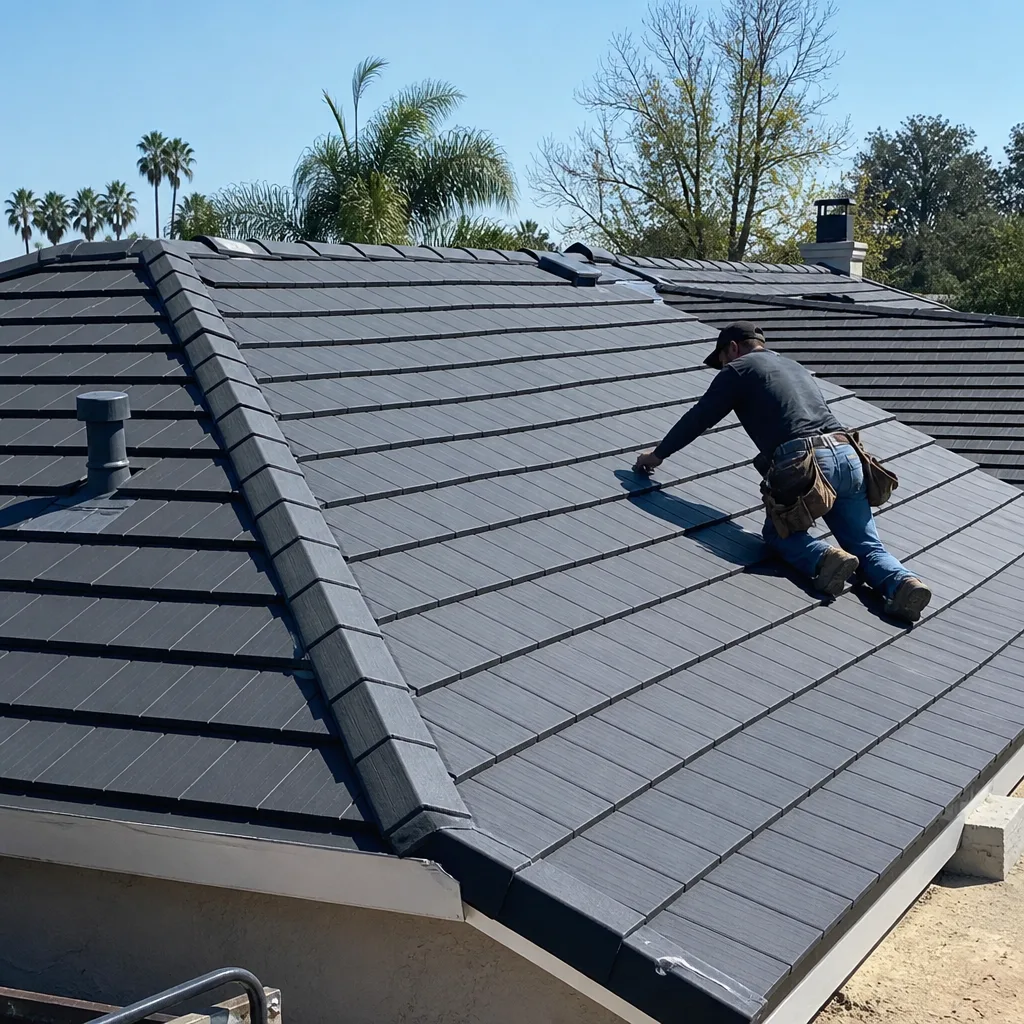 After
After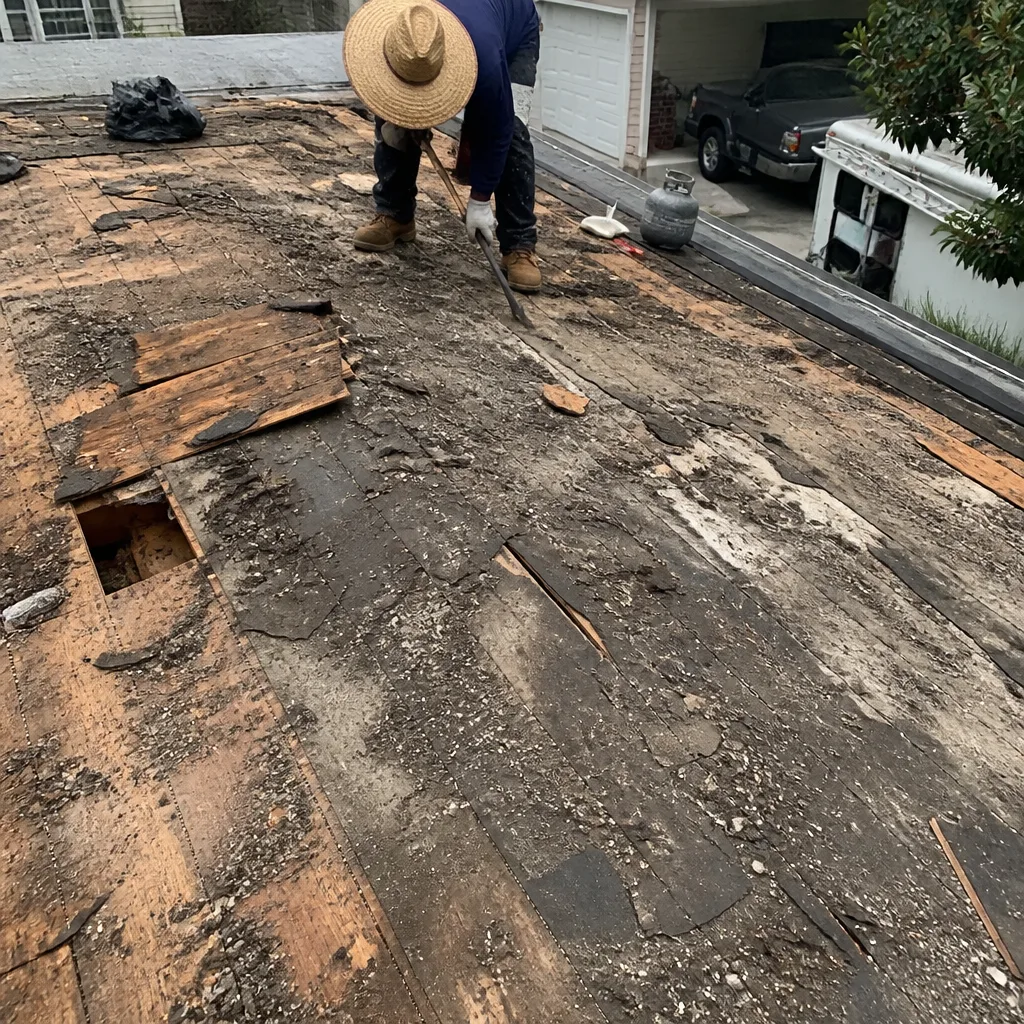 Before
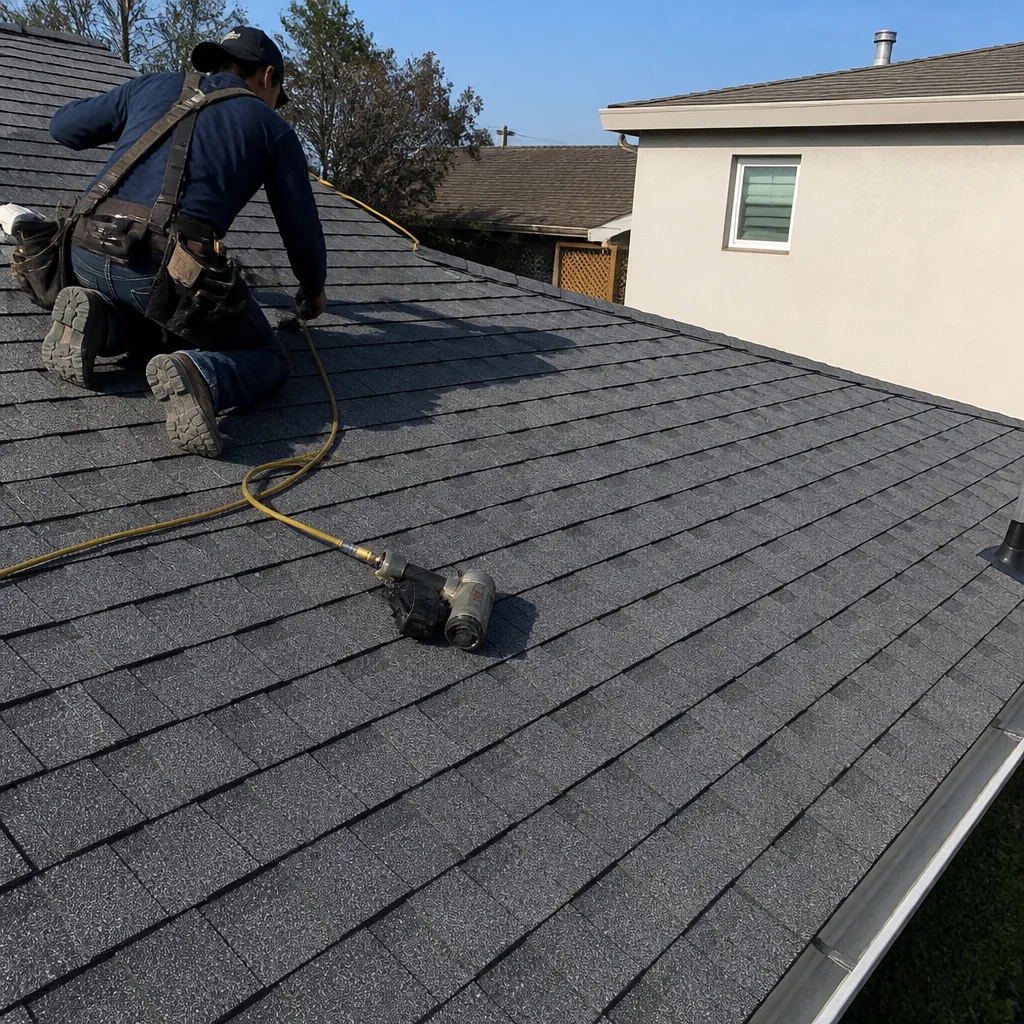 After
After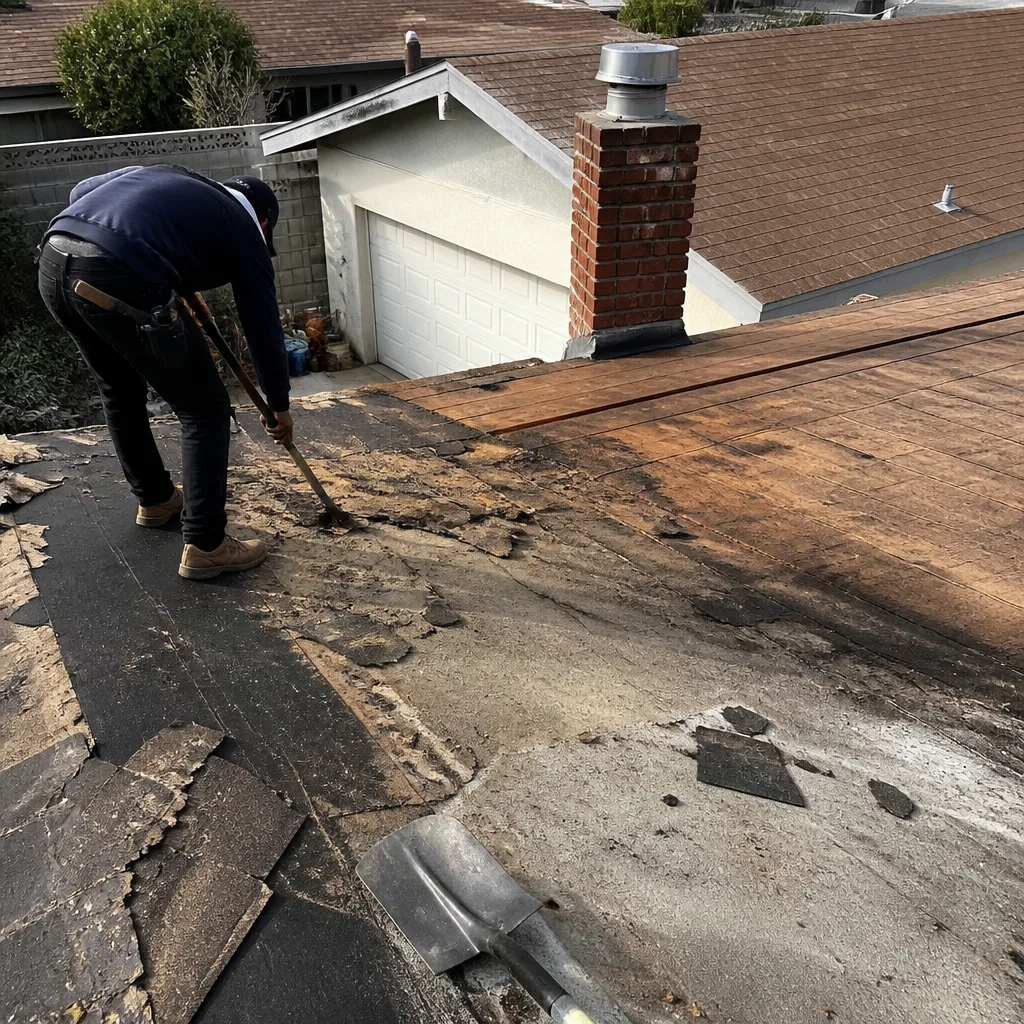 Before
 After
AfterFast, Reliable Roof Replacement Across Koreatown
Roof replacement in Koreatown means something different than it does in almost any other LA neighborhood. Our crews work on tight lots, around shared walls, and on buildings where a soft-story retrofit just finished. If you own a 1960s dingbat on Western or a Spanish courtyard building near Wilshire, you need a roofer who knows how to stage a job without shutting down your tenants’ lives or the sidewalk in front of a busy market. Birchbark Roofing has that experience. Call us at (424) 766-4937 and we’ll walk the roof with you, put a written price in your hands, and explain exactly what the job will look like from tear-off to final photo.
Why Birchbark Roofing Is Koreatown’s Preferred Roof Replacement Company
Koreatown homeowners call us because we treat a roof replacement as a job that happens inside their home, not just on top of it. Shoe covers go on at the door. Drop cloths run through the hallway to the roof access. Debris gets bagged and lowered in chutes, never tossed off the edge. And before our crew leaves, we photograph the completed clean-up and share it with you. That’s the Cedarwell Care Promise, and it’s how we’ve worked since joining the Cedarwell family of roofing companies in 2000.
Erik Lindgren, who leads Birchbark Roofing, set the standard early: background-checked, uniformed technicians on every job, a live person answering the phone 24/7, and a written price in dollars before any work starts. No one in Koreatown should have to trust a handshake when they’re spending five figures on a roof. Every replacement we do carries the 365-Day Done Right Promise: if the work isn’t right, we make it right. No fine print, no negotiation.
We also know the building stock here. The flat-roof dingbats, the clay-tile courtyard apartments, the parapet walls that crack after seismic retrofits, the sidewalk closure permits on Wilshire and Western. Our teams have worked through all of it, and we show up prepared for what tear-off will actually reveal. That local knowledge is why building owners in Koreatown call us back for the next building, and the one after that.
Flat Roof Replacement in Koreatown
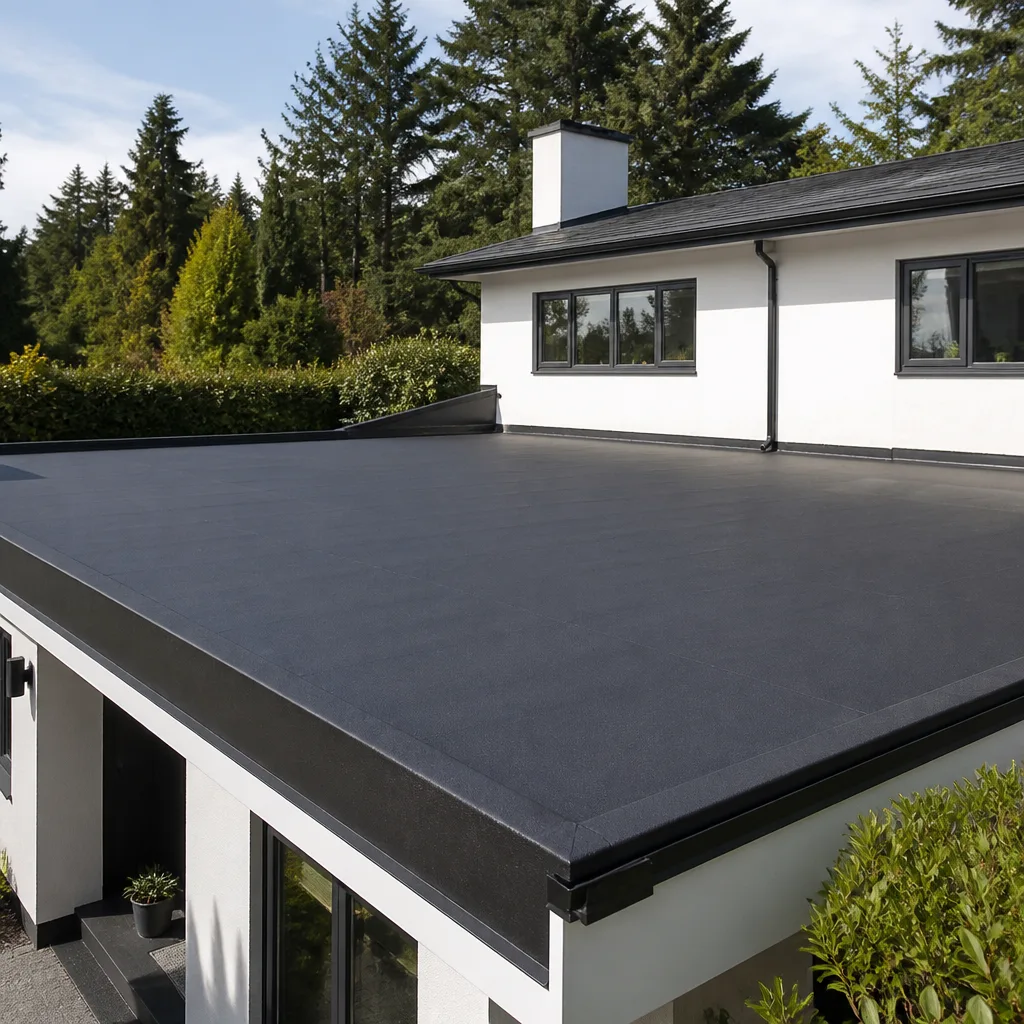
Flat Roof Replacement in Koreatown is the bread-and-butter job of this neighborhood. Most buildings here were built between the 1920s and 1970s, and a huge share of them have flat or very low-slope roofs. The original built-up tar-and-gravel systems on 1960s and 70s dingbats are decades past their service life. When we tear one off, we usually find saturated decking and failed flashing hiding underneath the layers. That’s not an upsell. It’s what decades of deferred maintenance looks like on a Koreatown flat roof.
A typical flat roof replacement in Koreatown runs between $12,000 and $28,000 depending on square footage, how many layers need to come off, and the condition of the decking beneath. Smaller courtyard building roofs on the lower end; larger dingbat footprints with parapet repairs and re-flashing on the higher end. You’ll see your exact number in writing before we start, and it won’t change once tear-off begins unless you authorize a change order in writing first.
Built-Up Roof Tear-Off and Replacement
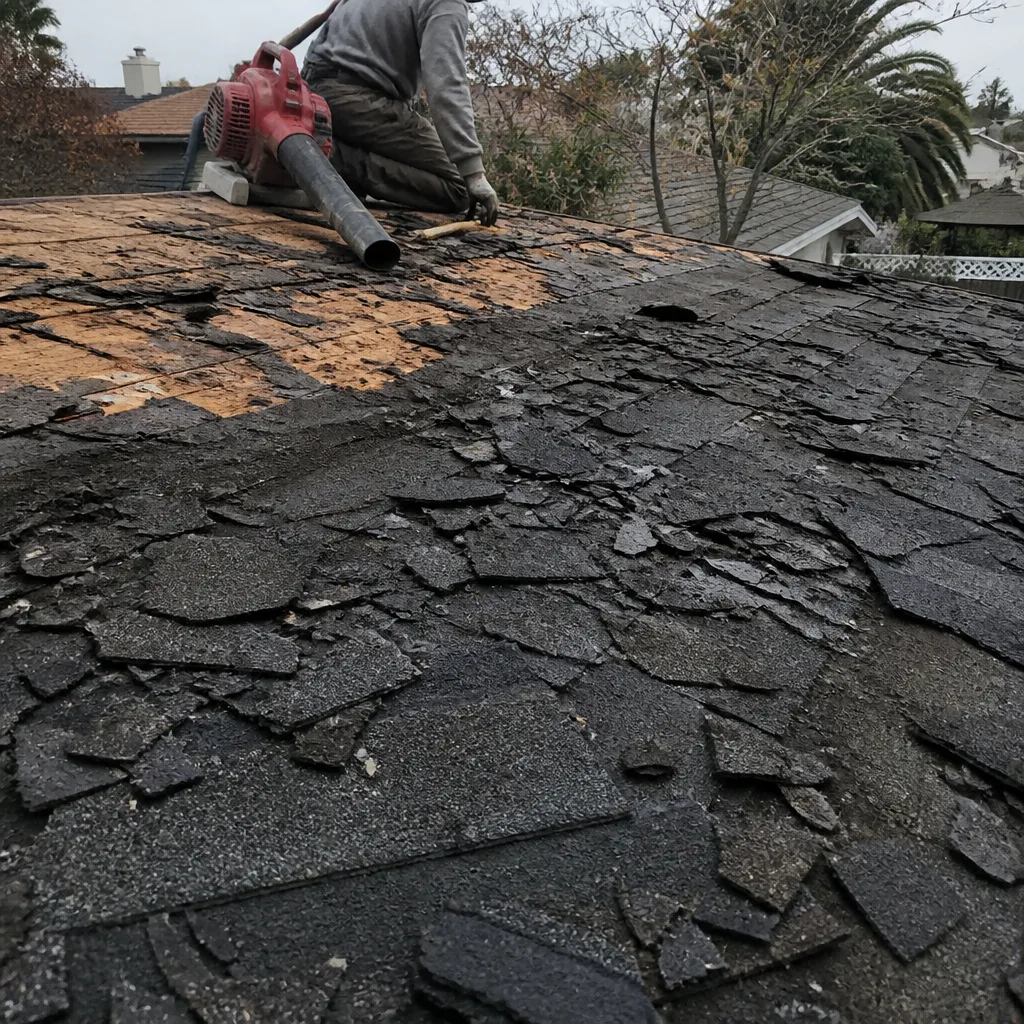
Built-up roofing, or BUR, is the tar-and-gravel system you see on most pre-1980 Koreatown apartment buildings. When we replace one, we tear off every layer down to the deck, inspect the wood, replace what’s rotted, and install a new membrane. Most owners choose modified bitumen or TPO for the replacement because both handle Koreatown’s urban heat island better than old asphalt BUR.
Re-Flashing After Soft-Story Retrofit Work
We’re seeing this more and more. The City of LA’s Mandatory Soft-Story Retrofit Ordinance pushed seismic bolting and moment-frame work onto hundreds of Koreatown dingbats. That structural work cracks parapet walls, tears flashings, and shifts roof-to-wall connections. When we replace the roof after a retrofit, we often have to re-flash penetrations and rebuild parapet caps that the structural crew damaged. Owners are surprised by this scope; we’re not. We look for it before we quote, and we show you photos of what we found.
Roof Installation in Koreatown
Roof Installation in Koreatown usually means one of two things: replacing a flat roof on an older apartment building, or installing a new roof system on a building that’s being renovated or rebuilt. New construction is less common here than it is in the Valley, but we do handle it, along with full replacements on courtyard buildings where the original clay tile has outlived its underlayment and flashing.
Roof installation cost in Koreatown depends mostly on square footage and the system you choose. A new TPO or modified bitumen flat roof system typically runs $9 to $14 per square foot installed. Architectural shingle installations on the rare pitched roof in the neighborhood run $7 to $11 per square foot. Clay tile replacement, when a courtyard building needs selective re-roofing, starts higher because of the material and the care required to preserve original tile where it’s still sound.
TPO and Modified Bitumen Systems
TPO is the white, heat-reflective membrane you see on a growing number of Koreatown flat roofs. It reflects UV instead of absorbing it, which matters here because Koreatown’s density creates a heat island that cooks dark roofing membranes faster than the LA metro average. Modified bitumen is the tougher, more puncture-resistant option that holds up well on roofs with a lot of foot traffic or rooftop equipment.
Clay Tile Preservation on Courtyard Buildings
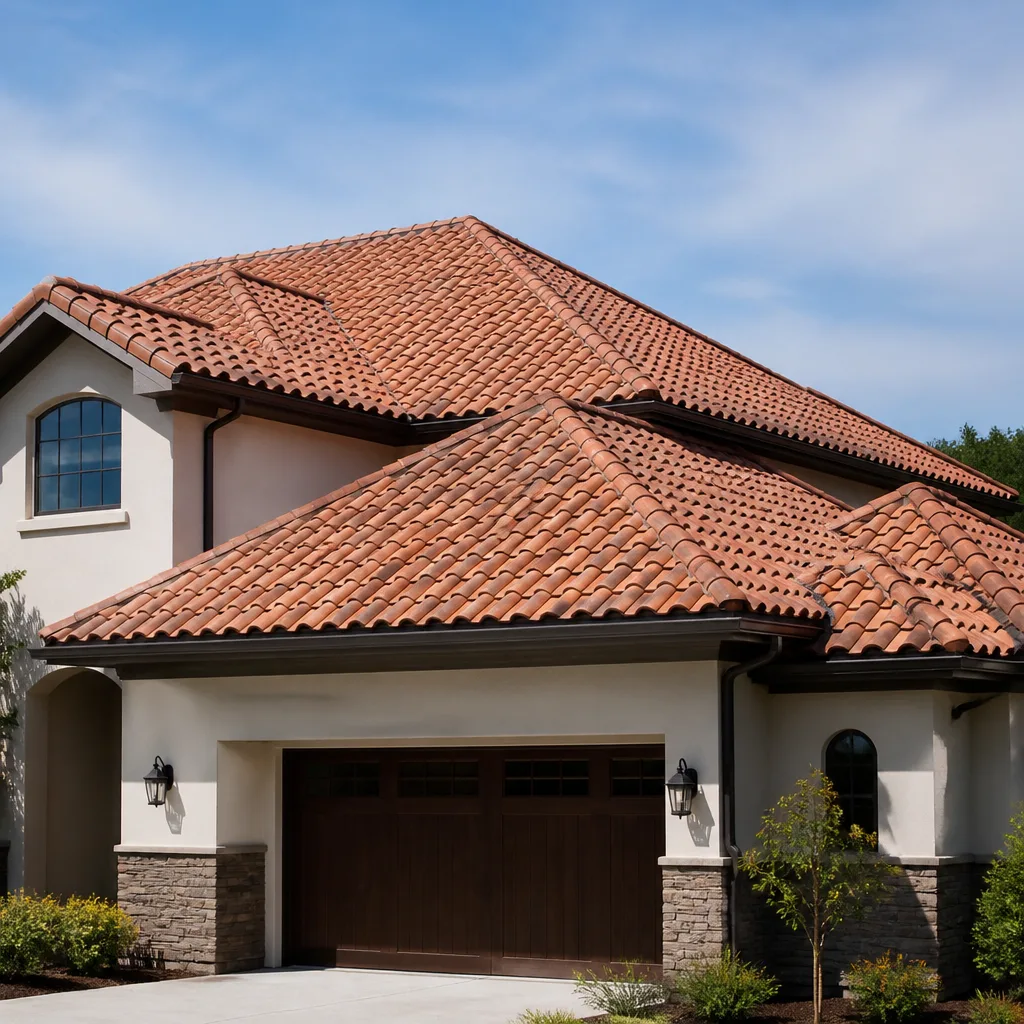
If you own a 1920s or 30s Spanish Colonial Revival courtyard building, your original clay tile is probably still doing its job. The underlayment beneath it is not. We work carefully to lift, set aside, and re-lay original tile where it’s intact, replacing only the broken pieces and the failed underlayment and flashing below. That preserves the building’s historic character and saves you the cost of a full tile replacement.
Trusted Brands We Service in Koreatown
We work with materials from GAF, CertainTeed, Owens Corning, IKO, Atlas, Tamko, and Boral. For Koreatown flat roofs, we most often recommend GAF modified bitumen or TPO systems because they hold up to the heat island and handle the parapet and flashing details these buildings demand. When a courtyard building needs selective clay tile work, we source compatible tile through Boral and Atlas. Because we stock common parts and have local supplier relationships, we can turn around material orders for Koreatown jobs quickly, even when tear-off reveals more decking replacement than the original quote assumed.
Common Roof Replacement Problems We See in Koreatown Homes
- Post-retrofit parapet cracks and torn flashings. Soft-story retrofit work on dingbats regularly cracks parapet walls and tears the original flashing where the roof meets the wall. The roof didn’t fail; the structural crew damaged it. We discover this during inspection and show you the photos before we quote.
- Saturated decking hidden under old BUR layers. Built-up tar-and-gravel roofs hide water damage well. By the time a leak shows inside a unit, the decking beneath has often been rotting for years. We budget for decking replacement in our quote when we suspect it, and we document what we find during tear-off.
- Sidewalk staging nightmares on Western and Wilshire. On commercial corridors and dense residential blocks alike, there’s nowhere to put a dumpster or a crane. We coordinate sidewalk closure permits with LADOT and adjacent businesses before we schedule anything. It adds time to the front end of the job, but it keeps the work safe and the neighbors cooperative.
- Party-wall complications on shared courtyard buildings. In a Spanish courtyard building, the roof belongs to the whole structure, but the tenants below each section feel the work personally. We post notice, communicate schedules, and keep noise within permitted hours. A party-wall notice isn’t just courtesy here. It’s how you finish a Koreatown roof job without a dispute.
Pricing for Roof Replacement in Koreatown, CA
Here’s what we actually tell Koreatown owners when they ask about price. A flat roof replacement on a 1960s dingbat with a standard footprint, single tear-off layer, and clean decking runs roughly $13,000 to $24,000. The same job with saturated decking replacement, parapet cap rebuilds, and re-flashing after a soft-story retrofit can push to $28,000 or more. Clay tile selective replacement on a courtyard building starts around $18,000 and climbs with the size of the footprint. Square footage drives the base price; the condition underneath drives the final number. You get a written, line-item price before any work starts, and it doesn’t change unless you approve a written change order. Call (424) 766-4937 for a free estimate.
We Also Serve Cities Near Koreatown
Birchbark Roofing crews serve Koreatown and the surrounding area, including Los Angeles, San Diego, San Jose, and San Francisco. If you own a building in any of these cities and need a roofer who prices in writing and cleans up like it’s their own home, give us a call at (424) 766-4937.
Serving Koreatown, CA - Our Local Coverage Area
We’re based in the Koreatown area and know this community well. Use the map below to see our service coverage - if you’re nearby, we can almost certainly help.
FAQs About Roof Replacement in Koreatown
The soft-story retrofit almost certainly cracked the parapet walls and tore the original flashing where the roof meets the wall. The structural work shifts the building’s frame, and the old BUR flashing is too brittle to move with it. When we re-flash, we tie the new roofing membrane into the repaired parapet, seal every penetration, and replace the cap so water can’t get in at the wall line. This is not optional work. If we skip it, the new roof leaks at the first heavy rain. Call (424) 766-4937 and we’ll send someone to look at the roof-to-wall connections before you spend a dime.
We coordinate with LADOT for sidewalk closure permits and arrange the dumpster, crane, and material staging during the permitted off-peak window. On a recent job on Western near 6th, we staged the dumpster and crane on the street during the allowed hours, ran debris chutes into the alley side, and kept the sidewalk open for pedestrians and the businesses. Street staging is part of the quote. If we know in advance that a crane or a full sidewalk closure will be required, you’ll see that cost and schedule in the written price before we start.
Yes, in most cases. The original clay tile on 1920s and 30s Koreatown courtyard buildings often has decades of life left. What fails is the underlayment beneath it and the flashing at the walls and penetrations. We lift the tile carefully, set aside what’s sound, replace the underlayment and flashing, and re-lay the original tile with matching replacements only where pieces are cracked or missing. The building keeps its historic character, and you avoid the cost of a full tile replacement.
A roofing square is 100 square feet of roof area. Most Koreatown dingbat footprints run between 30 and 60 squares. The square count drives the base material and labor cost, but the condition underneath drives the final number. Two roofs of the same square count can quote thousands apart if one has soaked decking, cracked parapet caps, and torn flashing from a retrofit. We measure the roof, inspect the deck and flashings, and hand you a written line-item price that reflects what we actually saw, not a guess. Call (424) 766-4937 to schedule a measurement.
Yes. We post notice to all adjacent units, schedule tear-off and loud work within LA’s permitted construction hours, and coordinate roof access so tenants aren’t surprised by a crew at their door. On shared-wall courtyard buildings, we often phase the work by section so one set of tenants isn’t living under active tear-off for the entire job. It adds a day or two to the schedule. It’s worth it. A roof job in Koreatown is a shared experience for the whole building, and we run it that way from the first notice to the final clean-up photo.
If you own a flat-roof dingbat, a clay-tile courtyard building, or any property in Koreatown that needs a roof replacement, call Birchbark Roofing at (424) 766-4937. We’ll walk the roof, explain what we find, and hand you a written price before any work starts. The estimate is free, and it comes with the same care we bring to the job itself.
Written by Erik Lindgren, Owner at Birchbark Roofing, serving Koreatown and greater Los Angeles.