
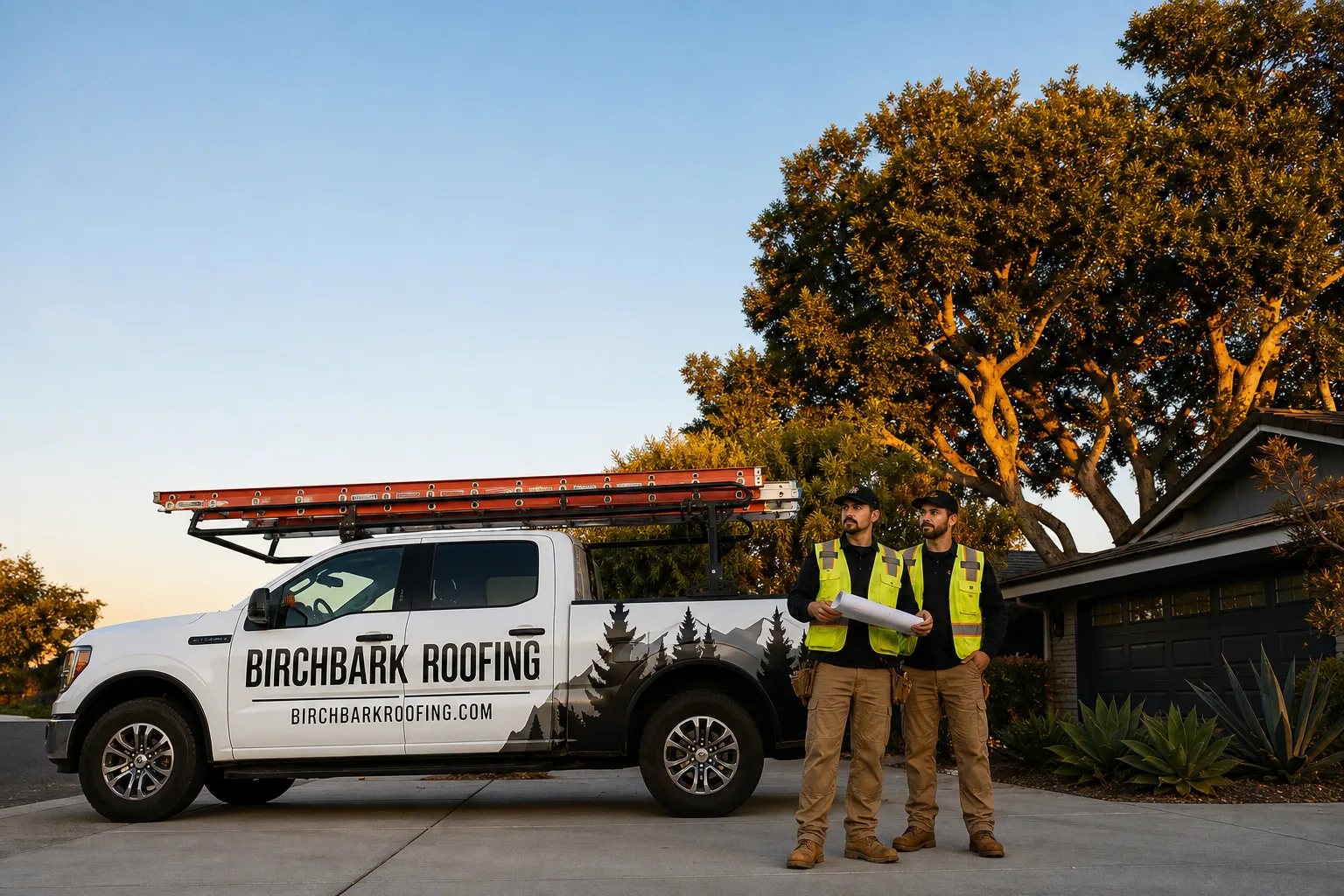
Free roof inspection with deck photos before we talk money - GAF and Owens Corning certified installation
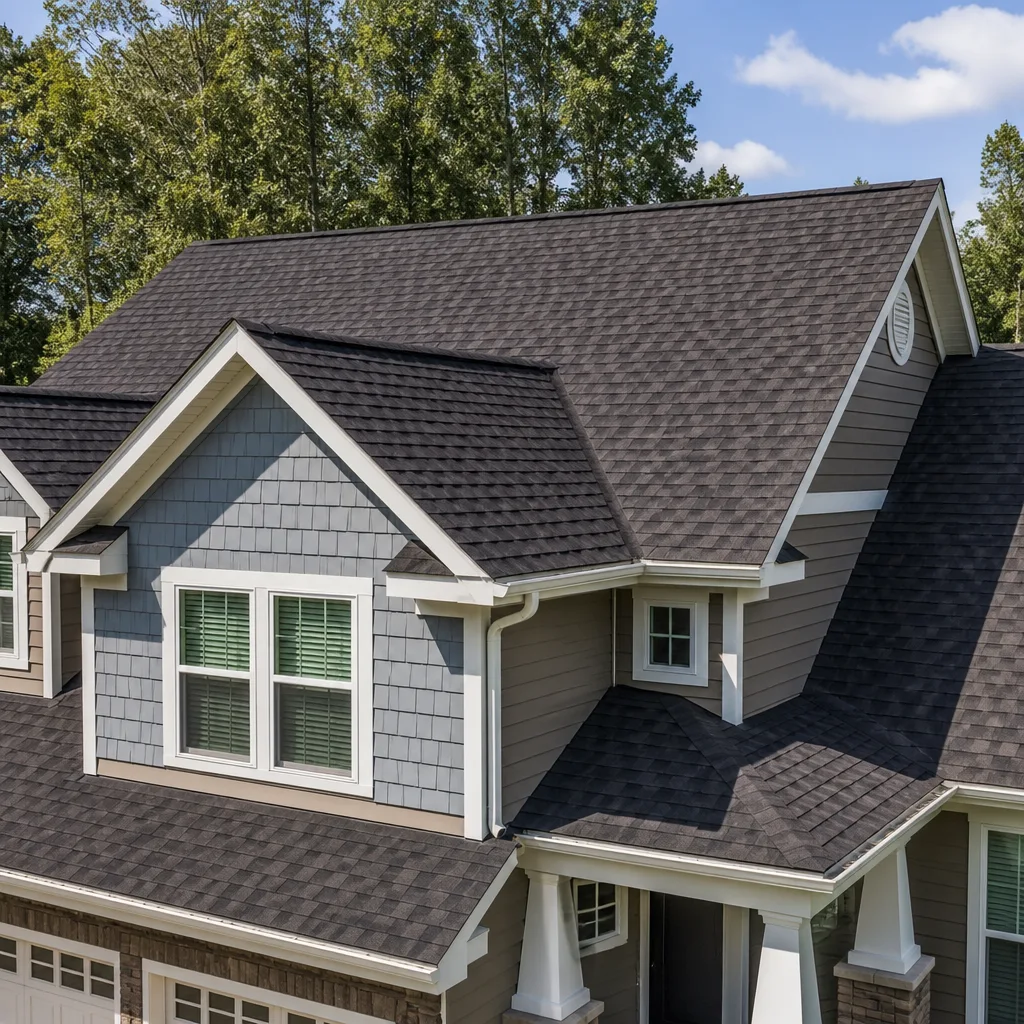
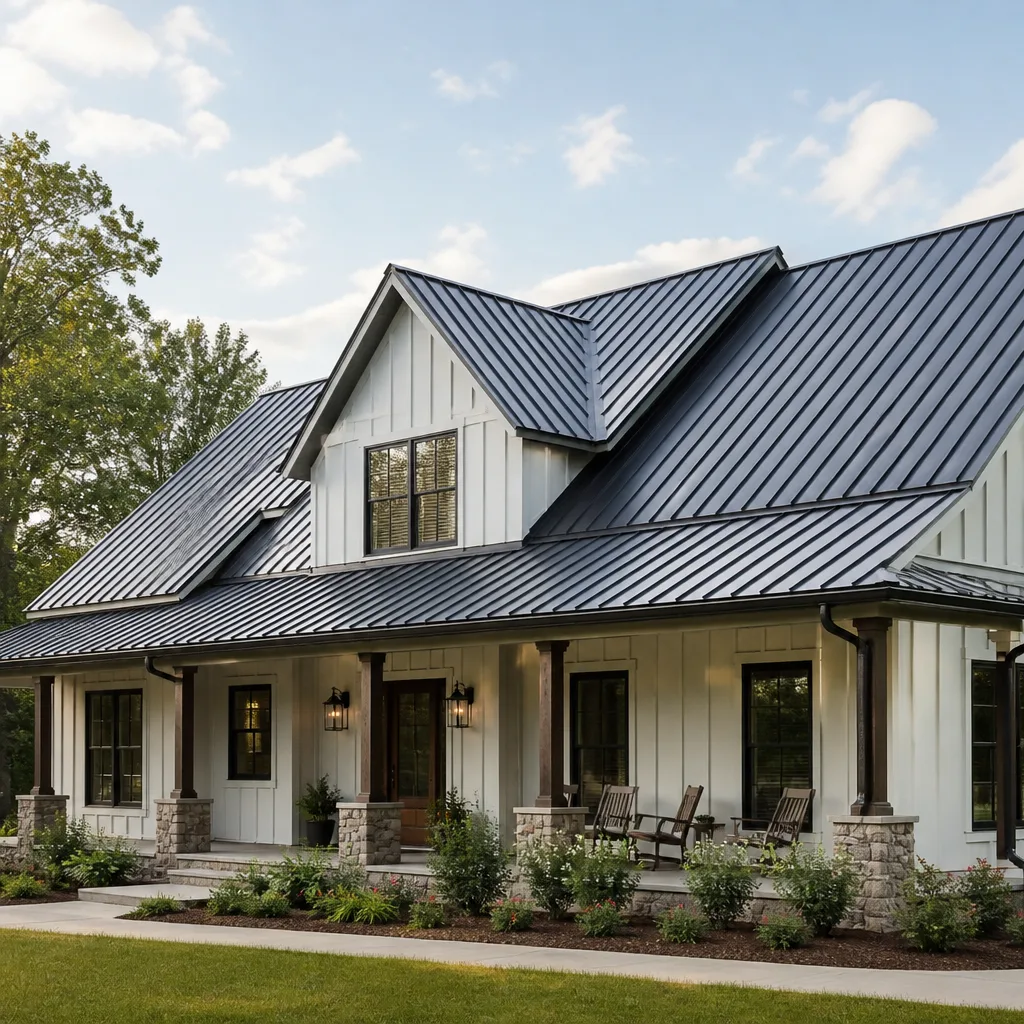
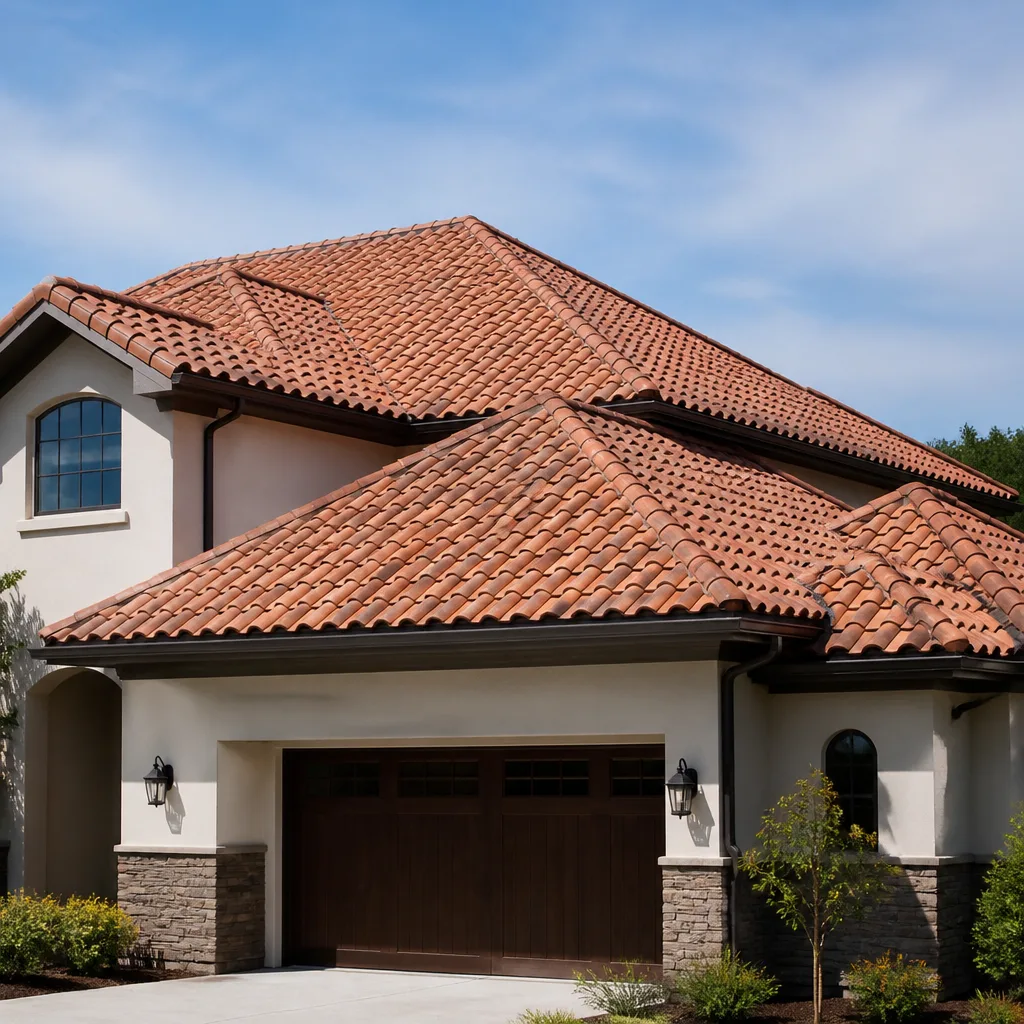
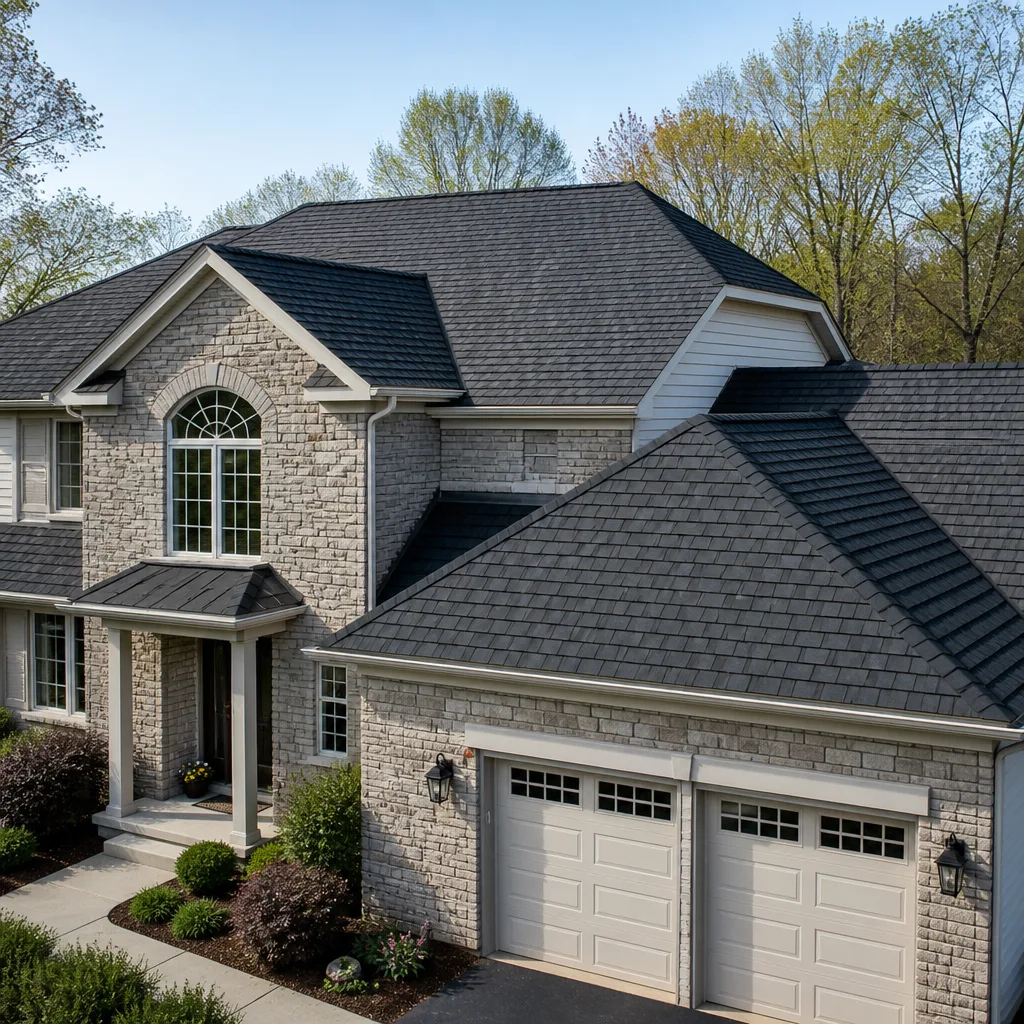
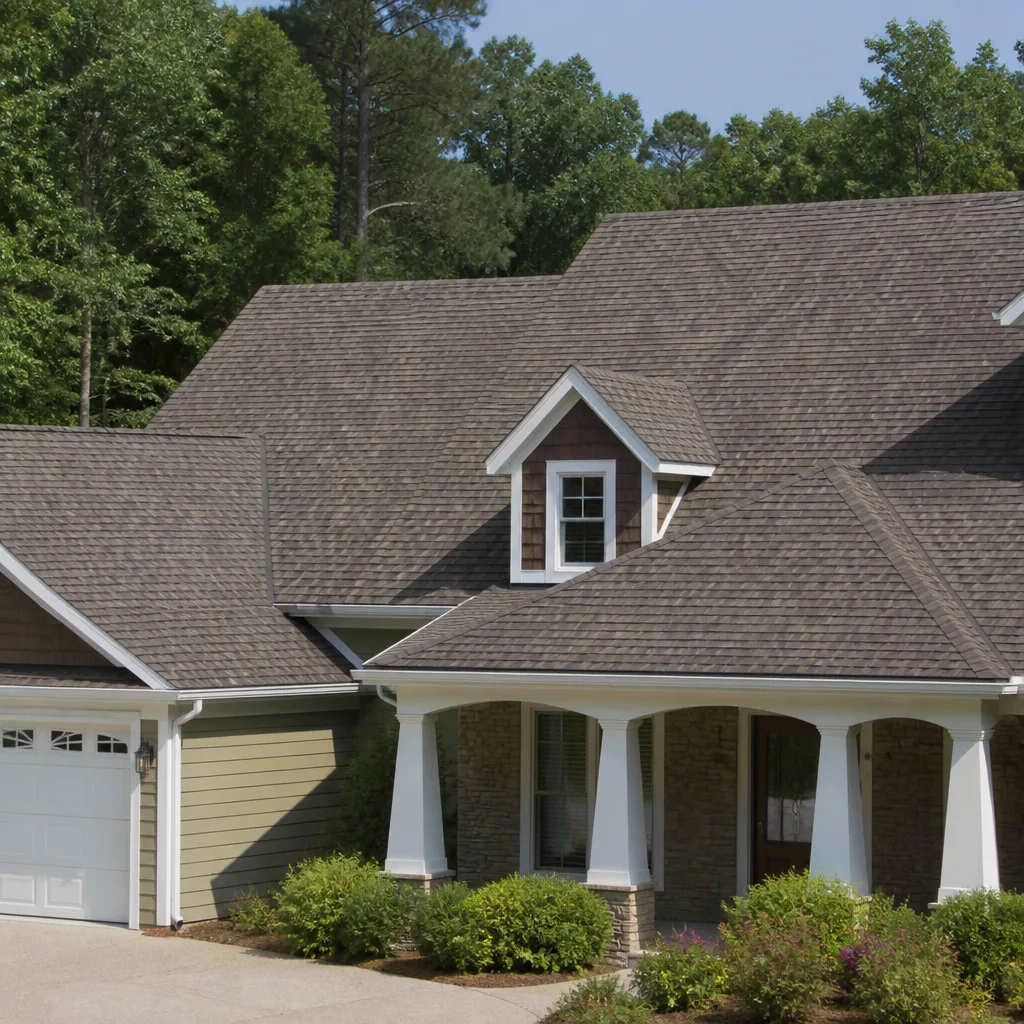
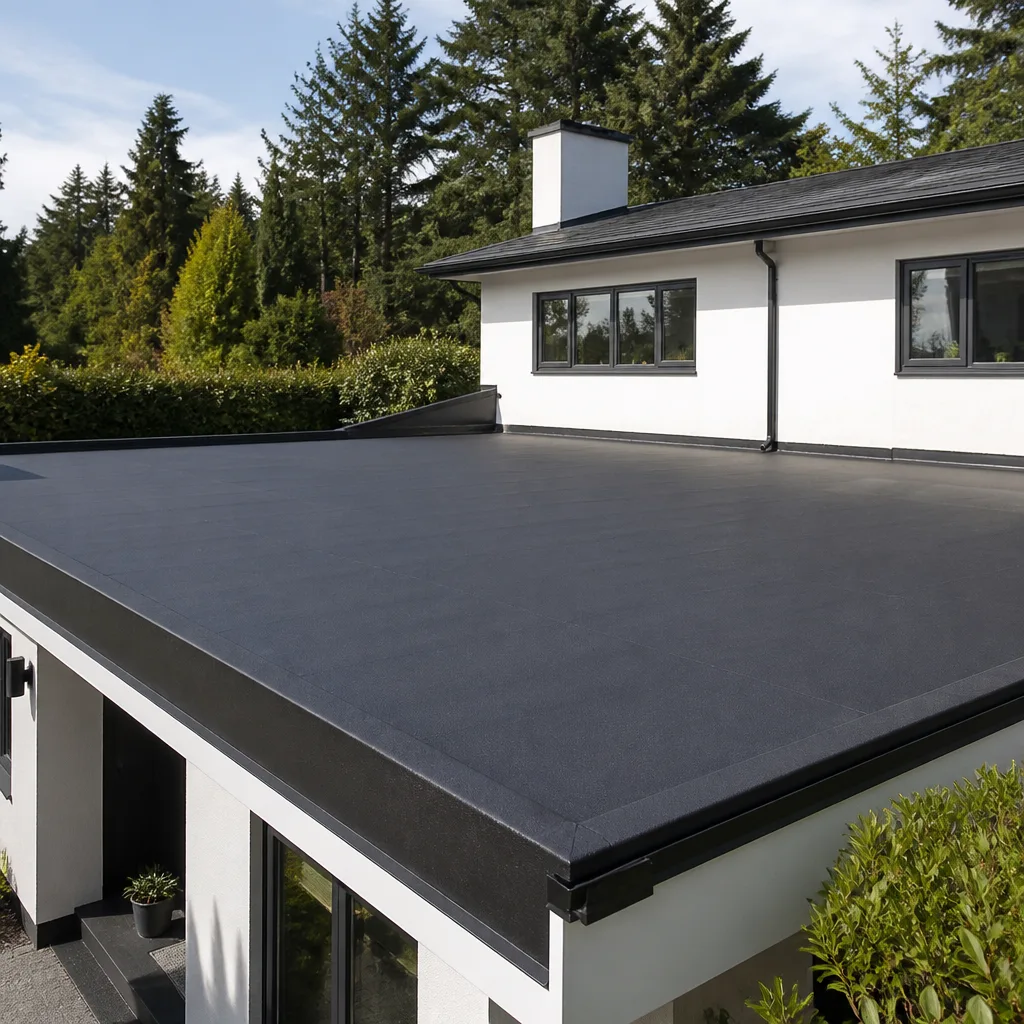
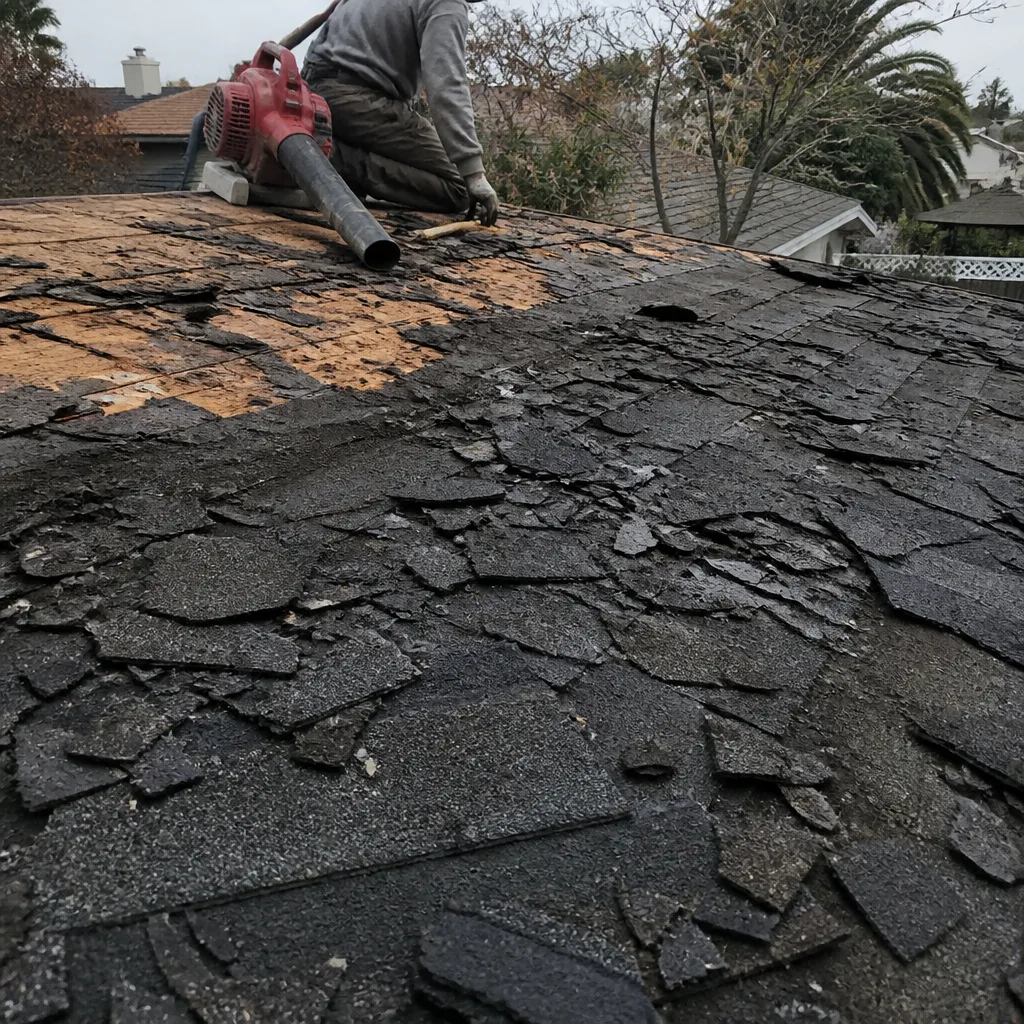 Before
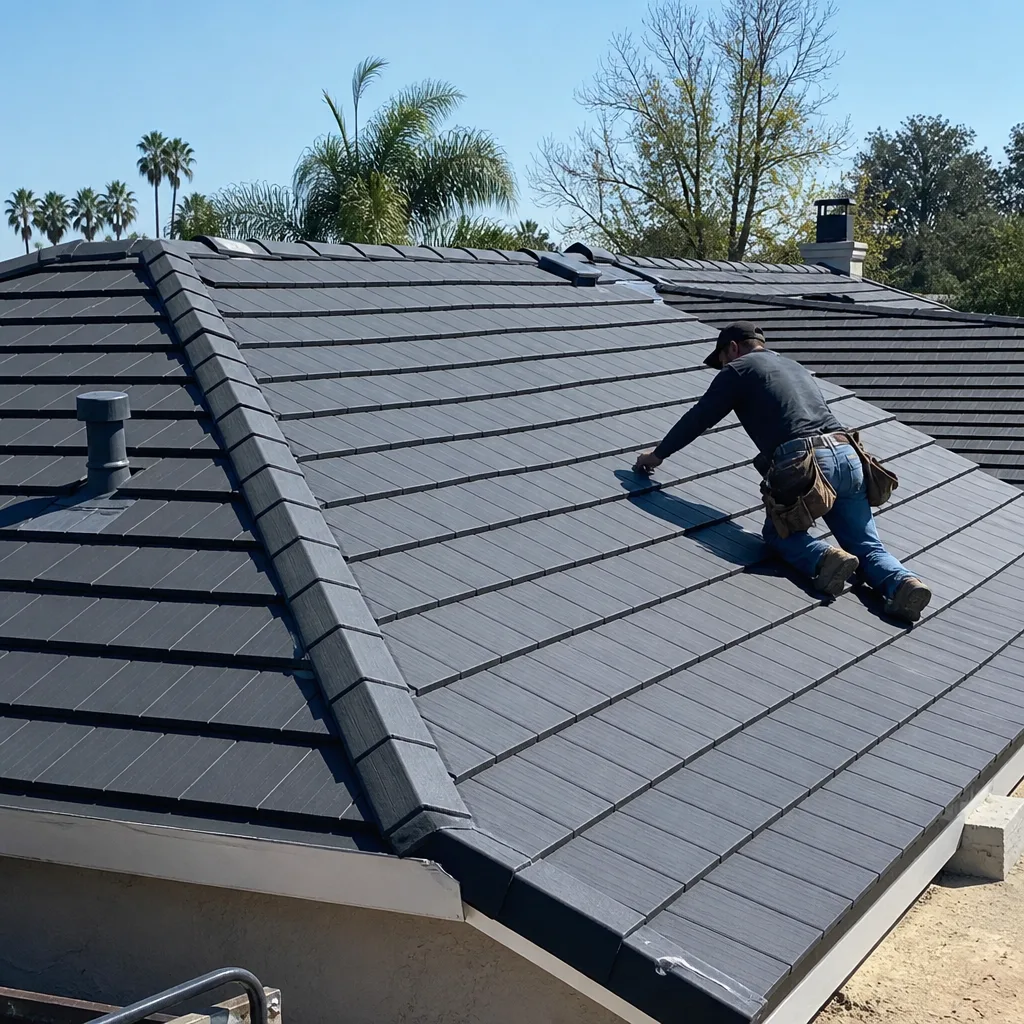 After
After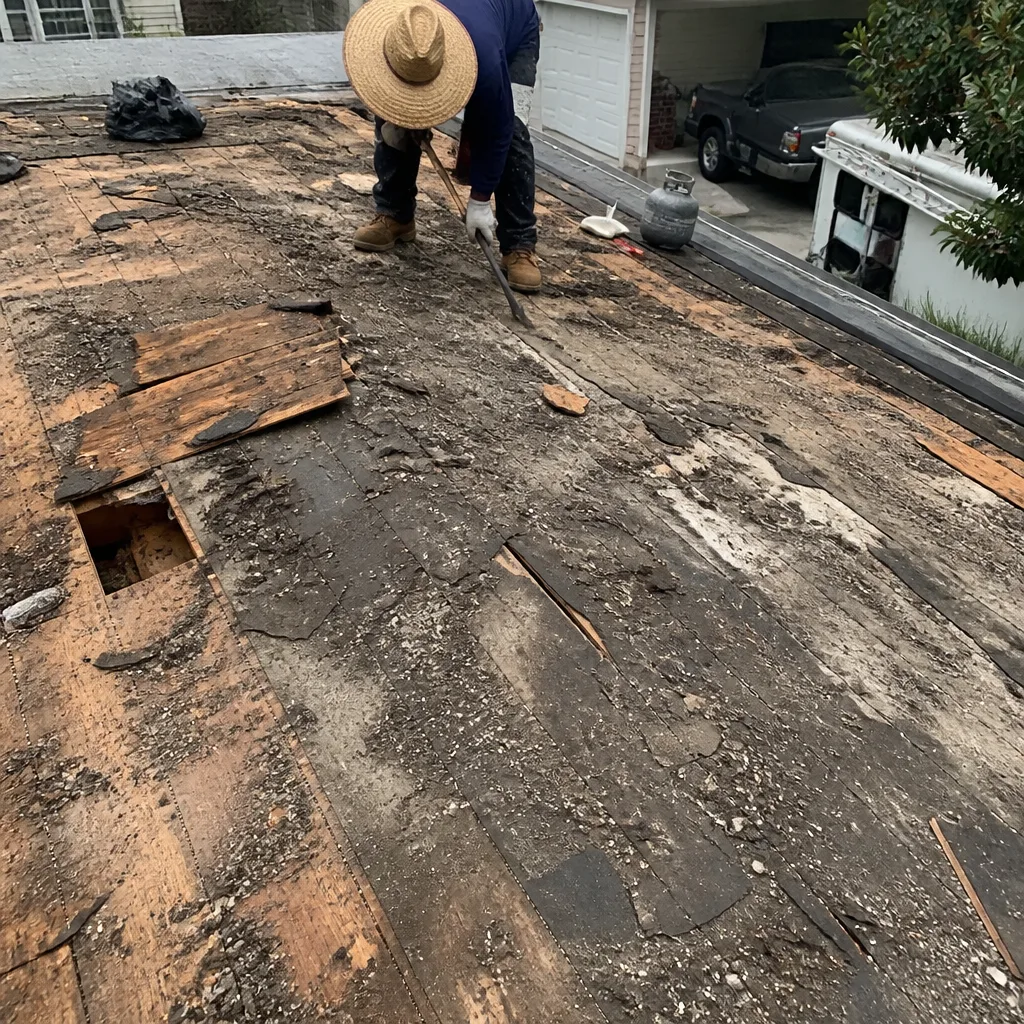 Before
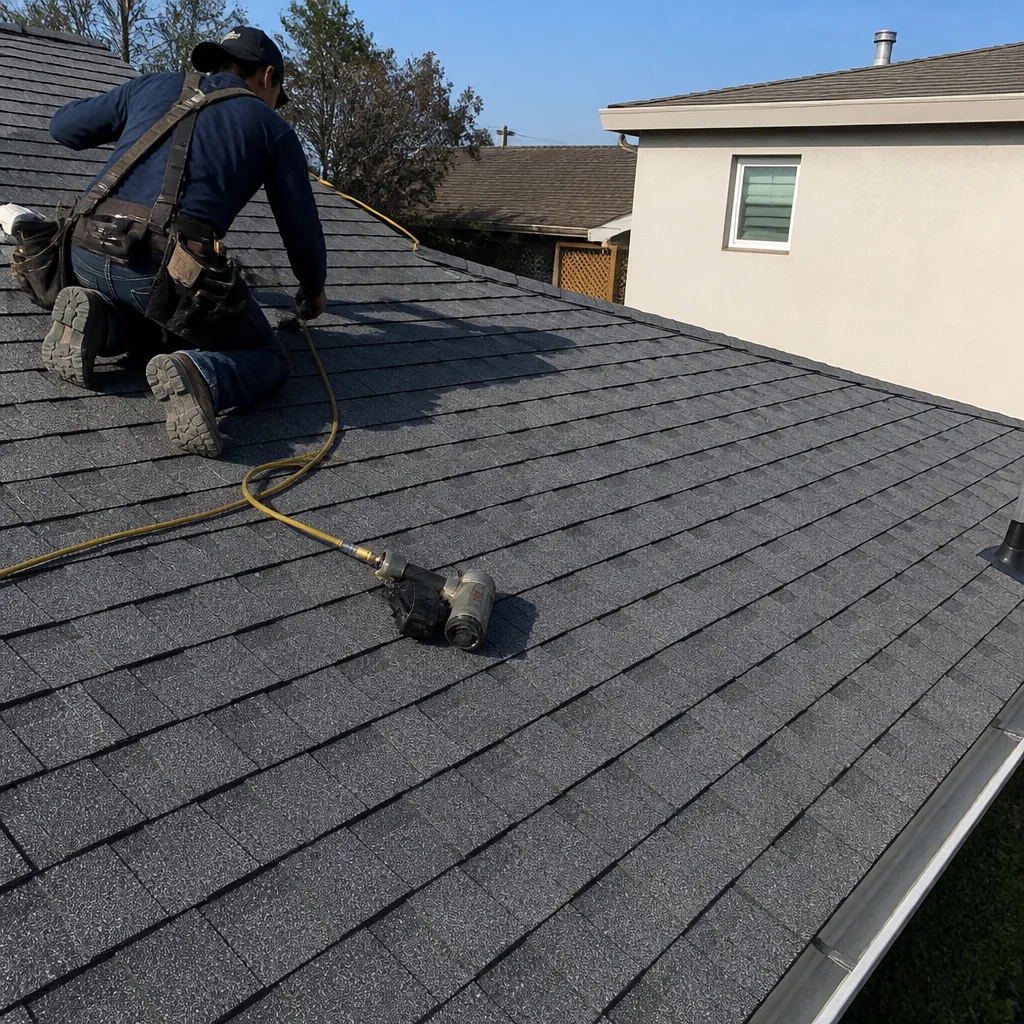 After
After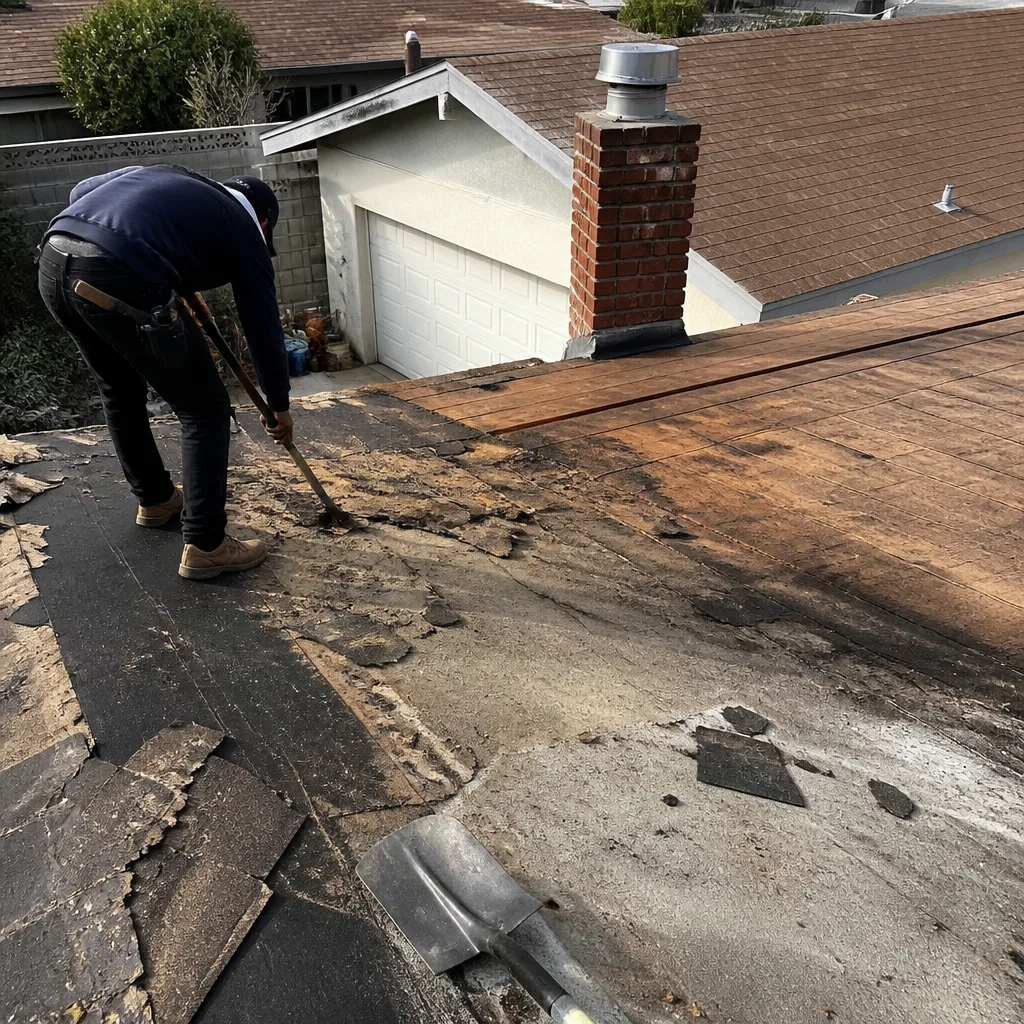 Before
 After
AfterFast, Reliable Roof Replacement Across Highland
Roof replacement in Highland typically runs between $9,800 and $24,000 for a standard single-family home, with the largest cost driver being which fire-rated assembly your permit requires. Most tear-off and re-roof jobs here take three to five working days once materials are on site. If you’re calling from East Highland Ranch, north of Base Line, or anywhere along Greenspot Road, we know the terrain, the permit office, and the specific code triggers your roof will face. Call (424) 766-4937 and we’ll walk you through what your roof actually needs, in writing, before anything gets torn off.
Here’s the thing about Highland that no generic roofing page will tell you: your roof isn’t just a roof. It’s a fire-code document. A huge share of this city sits inside CAL FIRE’s High and Very High Fire Hazard Severity Zones, which means the county won’t sign off on a re-roof permit unless your assembly is documented as Class A. That’s a stack of paperwork and material-verification obligations flatland neighbors like Fontana or Colton never deal with. We do. It’s why our Roof Replacement team keeps fire-rating documentation on every material we install here, not just the tile or shingle on top.
Key Takeaways for Highland Homeowners
- Most full roof replacements in Highland fall between $9,800 and $24,000 depending on square footage, decking condition, and fire-zone requirements.
- If your home sits in a CAL FIRE High or Very High Fire Hazard Severity Zone, Class A fire-rated materials are legally required for your permit to close.
- Original 1970s-90s tile and composition roofs in East Highland Ranch are hitting end-of-life now from decades of 105°F-plus thermal cycling, even when the surface still looks okay.
- We provide a written price before any work starts, and every job is covered by our 365-Day Done Right Promise.
Why Birchbark Roofing Is Highland’s Preferred Roof Replacement Company
We’re part of the Cedarwell family of roofing companies, a group that’s been doing this work since 2000, and we hold every Highland job to the Cedarwell Care Promise. That’s not a slogan. It means shoe covers at the door, drop cloths through the hallway, and a photo of the completed clean-up before the crew leaves. If the dog needs to stay inside while we work, we coordinate door schedules with you. If your kids nap from one to three, we keep the loudest tear-off work to the morning. These are the things Highland homeowners with young families ask about most, and we’d rather name them up front than make you wonder.
Erik Lindgren, who leads our team, has walked dozens of re-roof jobs in Highland where the permit officer flagged non-Class-A assemblies installed by earlier contractors. That’s the local reality. We handle the documentation so you don’t get a retroactive compliance order six months after the job closes. Our technicians are background-checked and uniformed, so you know exactly who’s walking through your door and onto your roof. And a live person answers our phone 24 hours a day, seven days a week, including nights and weekends. No voicemail tree when you call (424) 766-4937.
Roof Installation in Highland
Roof installation in Highland means something specific: it means installing an assembly that can survive sustained summer heat above 105°F, Santa Ana wind uplift funneling through the Cajon and San Gorgonio passes, and a permitting process that treats your roof as a fire-code event. When a Highland homeowner needs a new roof because the original tile mortar has cracked and the underlayment is brittle, our crew tears off to the deck, replaces any soft or water-damaged sheathing, lays fresh underlayment rated for the fire zone, and sets the new material with fasteners that won’t work loose in the next wind season. A full replacement runs $9,800-$24,000 depending on square footage and decking condition.
Decking Assessment and Replacement
Before anything new goes on, we inspect the deck. In East Highland Ranch especially, decades of heat cycling can leave plywood decking soft at the edges without visible warning from below. If we find rot or delamination, we replace those sheets before the new roof goes down. It’s the difference between a roof that lasts thirty years and one that needs a tear-off again in ten.
Class A Assembly Documentation
Here’s what the permit office needs from you: proof that every layer of your assembly, from the deck up, meets Class A fire-rating requirements. That’s not just the tile or shingle. It’s the underlayment, the drip edge, the valley metal, and the fasteners. We compile that documentation as part of the job. No extra charge. It’s built into how we work in Highland, because it has to be.
Roof Replacement Contractor in Highland
A roof replacement contractor in Highland who doesn’t understand fire-zone codes will cost you more than the price on their invoice. Up in the foothills north of Greenspot Road, we’ve seen homes where a previous contractor put on a non-Class-A assembly and the homeowner got flagged during the next county fire inspection. Fixing that is a second full roof. Choosing the right contractor the first time means choosing someone who can produce the fire-rating paperwork when the inspector asks. That’s us. We work with materials from Boral, GAF, and Atlas specifically because their Class A lines are well documented and consistently available for Highland jobs.
Fire-Zone Permit Compliance
If your home sits in the High or Very High Fire Hazard Severity Zone, every layer of your roofing assembly has to be documented. We handle that. You’ll get copies of the fire-rating documentation for your underlayment, your tile or shingle product, and the assembly as a whole. If the county ever questions the roof, you have the paper trail.
Written Price Before Any Work Starts
The number you see on your estimate is the number you pay. We don’t do change orders for code compliance surprises, because we account for Highland’s fire-zone documentation requirements before we quote. If we find decking damage during tear-off that we couldn’t see during the estimate, we show you photos and agree on an addendum in writing before we proceed. You’re never operating blind.
Trusted Brands We Service in Highland
We work with materials from GAF, Atlas, and Boral most often on Highland jobs, because their Class A fire-rated lines hold up under our specific heat and wind profile. CertainTeed, Owens Corning, IKO, and Tamko are in our material list as well. What matters locally is availability: we keep common Highland-spec underlayment, drip edge, and fasteners in stock so a permit-required material upgrade doesn’t add two weeks to your timeline. If your house sits in a fire hazard zone and you need a Class A documented assembly, we can spec and source it without the lead-time delays that hit contractors who only order materials after the permit is pulled.
Common Roof Replacement Problems We See in Highland Homes
- Thermal cycling cracks in original 1970s-90s tile. East Highland Ranch was built mostly in the 1980s and 90s, and those original concrete tile roofs have now lived through thirty-plus summers of 105°F-plus daytime heat and cool mountain nights. The surface tile can look fine while the mortar underneath is cracked powder and the underlayment is paper-thin.
- Santa Ana uplift popping under-fastened tile. Wind through the Cajon Pass and San Gorgonio Pass doesn’t slow down when it hits Highland. We regularly find tile that was nailed with plain electro-galvanized fasteners on the original install, and after twenty or thirty wind seasons, dozens of them have backed out. The tile slides. Sometimes it doesn’t slide all the way off, but the nail holes are now leaks.
- Cedar shake that can’t legally go back as cedar shake. Some of the older blocks near Base Line Street still have mid-century wood-frame homes with original cedar shake roofs. Current California fire-zone code won’t allow like-for-like replacement. Homeowners who assumed a simple re-roof now face a full assembly upgrade: new decking, new drip edge, Class A underlayment, and fire-rated material on top.
- Brittle underlayment failing before the surface product shows wear. In Highland’s sustained heat, the underlayment under composition shingles degrades faster than the shingles themselves. We’ve torn off roofs where the shingle granules looked worn but acceptable from the ground, and the felt underneath disintegrated when we touched it. That’s a hidden leak waiting for the next winter rain.
Pricing for Roof Replacement in Highland, CA
Let’s talk real numbers for the Highland market. A basic architectural shingle re-roof on a 1,800-square-foot single-story rambler typically lands between $9,800 and $14,500, assuming the decking is sound. If we’re replacing original concrete tile with a new Boral tile over a Class A assembly with hot-dip galvanized fasteners, expect $16,000 to $24,000 depending on the roof’s pitch, cut-up complexity, and how much decking needs replacement. The fire-zone documentation itself doesn’t add a line item cost from us, it’s absorbed into the material spec we’d use anyway. What does add cost is a hidden decking failure discovered at tear-off, and we’ll always show you the photos before we spend a dollar of your money. Call (424) 766-4937 to schedule a free estimate. You’ll get a written price before any work starts, always.
We Also Serve Cities Near Highland
Our crews work throughout the San Bernardino foothills and valley: San Bernardino, Loma Linda, Redlands, and Mentone are all regular stops. If you’re in one of those cities, the same fire-zone documentation standards and written-price practice apply. Read more about what we do on our Roof Replacement in Highland page, or call us and we’ll send someone out.
Serving Highland, CA - Our Local Coverage Area
We’re based in the Highland area and know this community well. Use the map below to see our service coverage - if you’re nearby, we can almost certainly help.
FAQs About Roof Replacement in Highland
Current California fire-zone code treats wood shake as a non-compliant roofing material for homes inside the High and Very High Fire Hazard Severity Zones, and a significant portion of Highland sits inside those zones. If you have original cedar shake, your re-roof permit will require a full material upgrade to a Class A assembly, which typically means new decking, new underlayment, and new tile or shingles. Call (424) 766-4937 and we’ll tell you exactly what your address requires before you apply for the permit.
Yes. If your Highland home falls inside a CAL FIRE High or Very High Fire Hazard Severity Zone, the county requires a documented Class A fire-rated assembly from the deck up, including the underlayment, drip edge, and fasteners, not just the surface material. Your roofer has to produce that documentation for the permit to close. We compile the fire-rating paperwork on every Highland job so it’s ready when the inspector comes. Call (424) 766-4937 for a free estimate that includes the correct fire-zone spec.
Sustained summer temperatures above 105°F accelerate UV degradation and thermal cracking far beyond what manufacturers’ standard life-cycle estimates assume. In practical terms, a roof that might last 25 years in a cooler coastal market can fail inspection here in 15 to 18 years, and the underlayment often goes before the surface product looks worn. If your roof is original to a 1980s or 90s build in East Highland Ranch, it’s already past the realistic life-cycle for our climate. Call (424) 766-4937 to schedule a roof inspection with a written condition report.
A square is 100 square feet of roof surface, and it’s the unit roofers use to calculate material and labor costs. Comparing Highland quotes by total dollar amount without comparing the price per square, plus the spec of the underlayment and fasteners included, will mislead you. A low total price usually means a cheaper assembly spec, not savings. Call (424) 766-4937 and we’ll walk through the per-square math with you line by line.
Yes. Santa Ana wind uplift through the Cajon and San Gorgonio passes is strong enough to back out plain electro-galvanized nails over time, and we regularly find dozens of loose nails on original Highland tile installs from the 80s and 90s. We use hot-dip galvanized fasteners on tile and high-wind-rated nail patterns on shingles in Highland, and we document the spec on the permit paperwork. Call (424) 766-4937 for a quote that names the exact fasteners we’ll use on your roof.
One Highland Job That Sticks With Us
Up in East Highland Ranch, we tore off a 1990s concrete tile roof where decades of 105°F-plus thermal cycling had cracked the tile mortar and left the underlayment brittle as paper. The original builder had nailed the tile with plain electro-galvanized fasteners, and the Santa Ana cycles through the Cajon Pass had worked dozens of them loose. We replaced the decking where it was soft, laid down ice and water shield in the valleys, and set new Boral tile over a Class A assembly with hot-dip galvanized fasteners so the fire-rating paperwork matched what was actually on the roof. That’s the difference between a roof that passes a county inspection and a roof that performs for the next thirty years. And when we left, the homeowners had a photo of the clean-up before the crew pulled away, because that’s the Cedarwell Care Promise.
Written by Erik Lindgren, Owner at Birchbark Roofing, serving Highland and the surrounding San Bernardino foothill communities.