
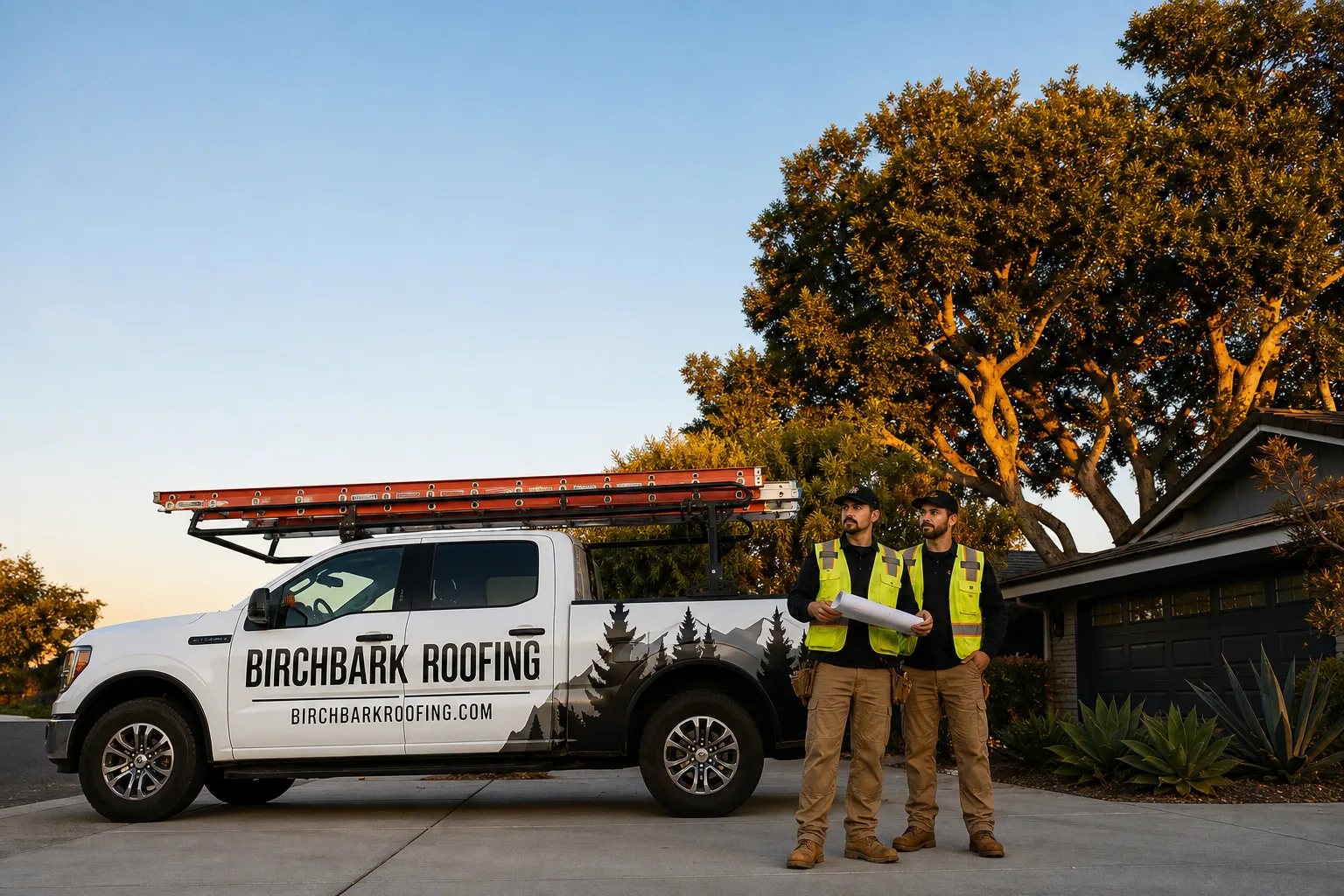
Free roof inspection with deck photos before we talk money - GAF and Owens Corning certified installation
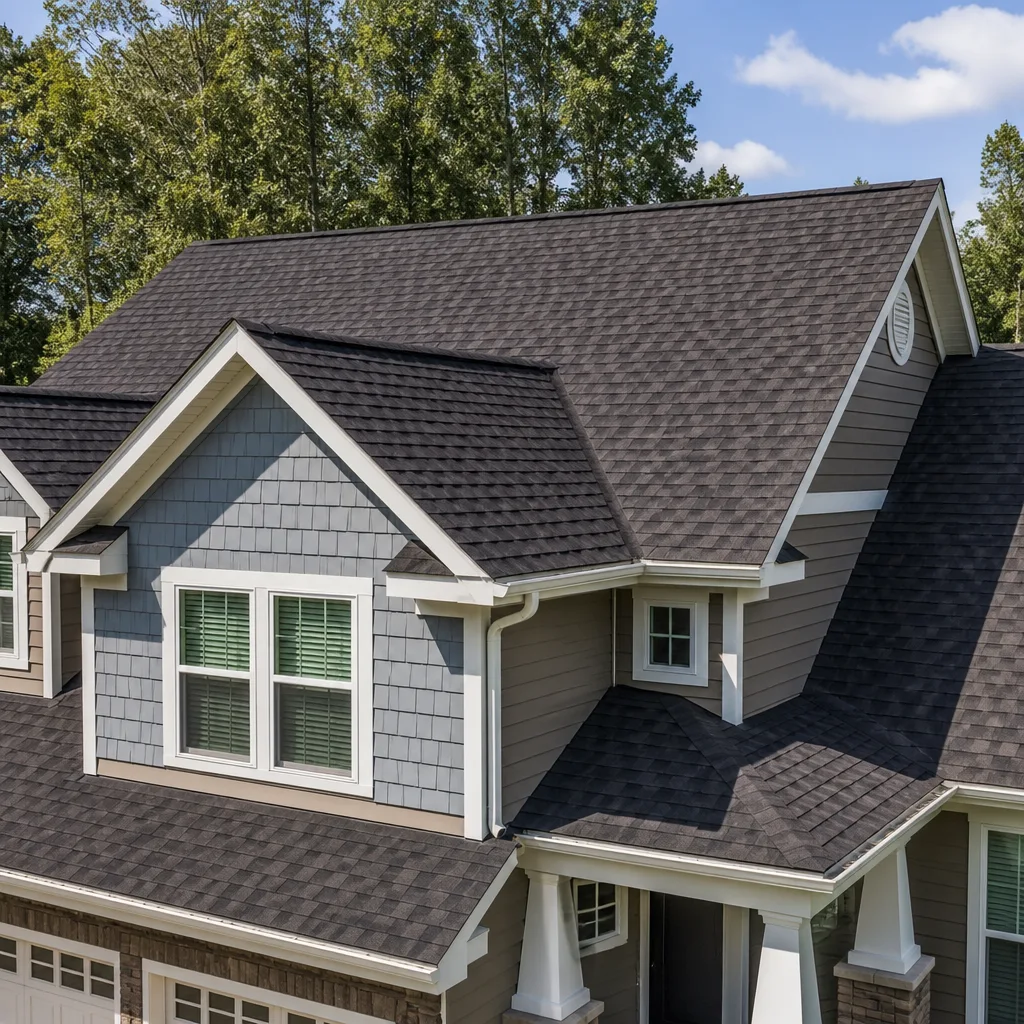
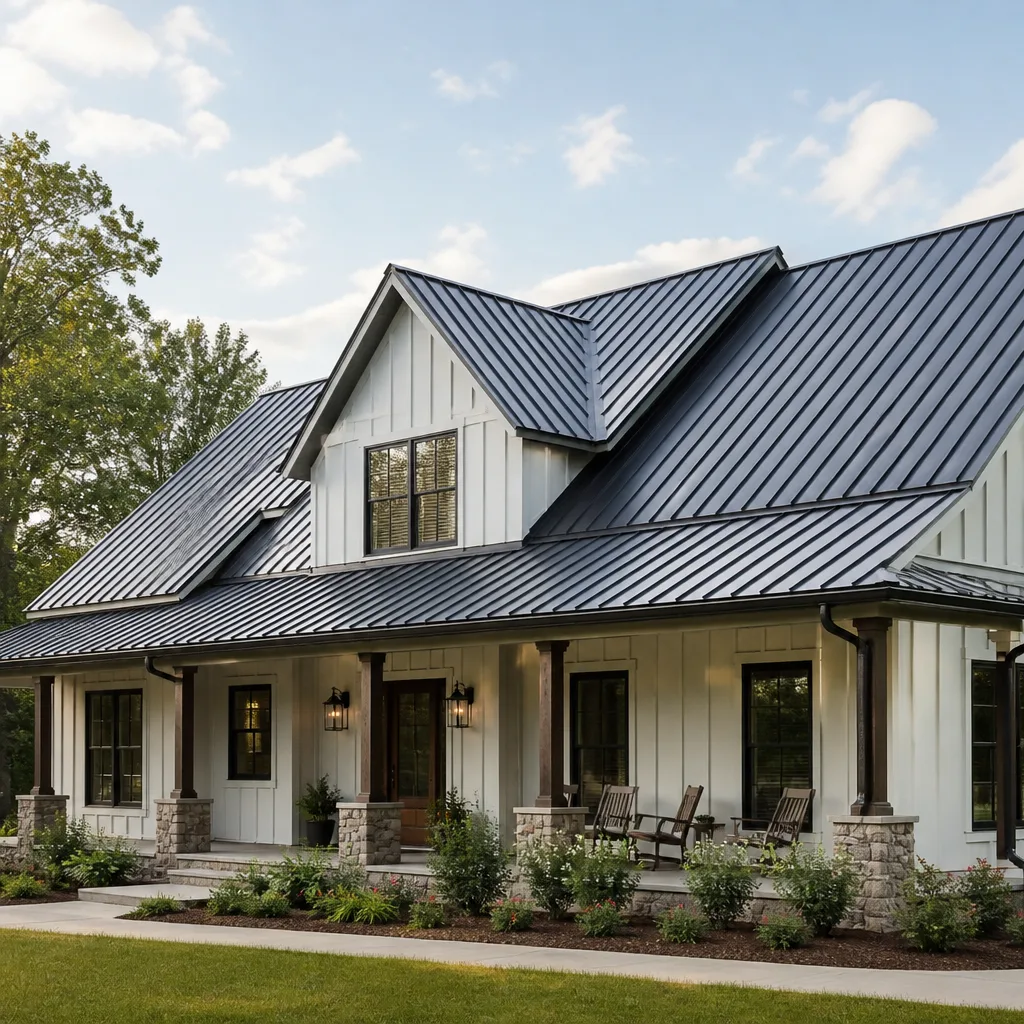
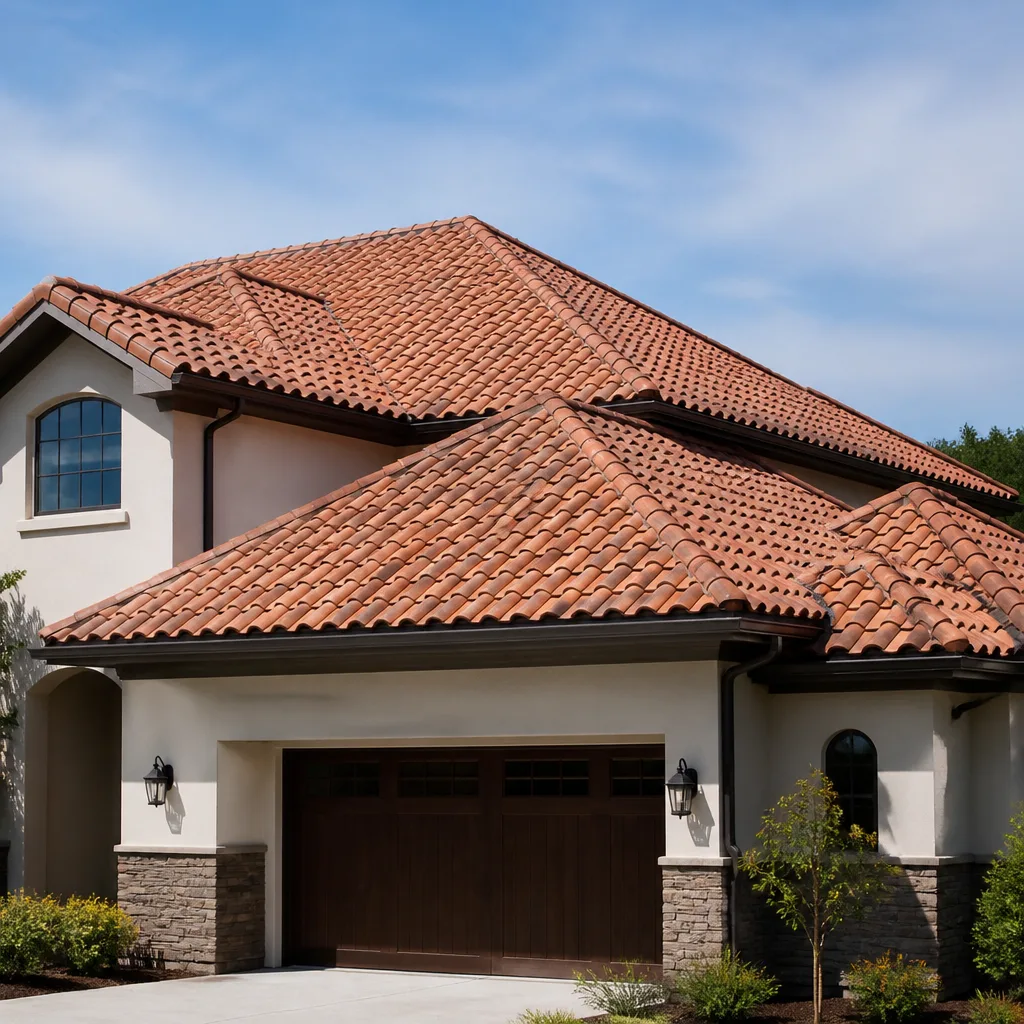
 Before
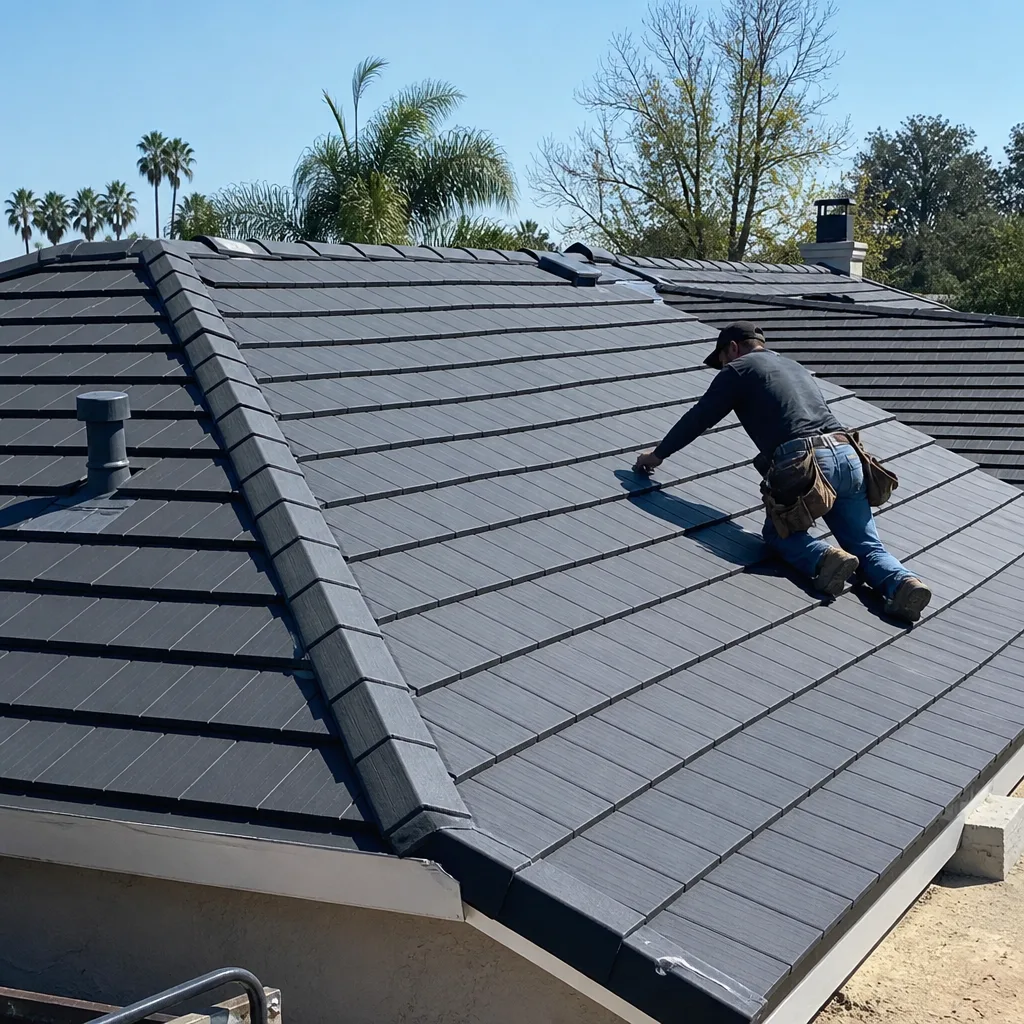 After
After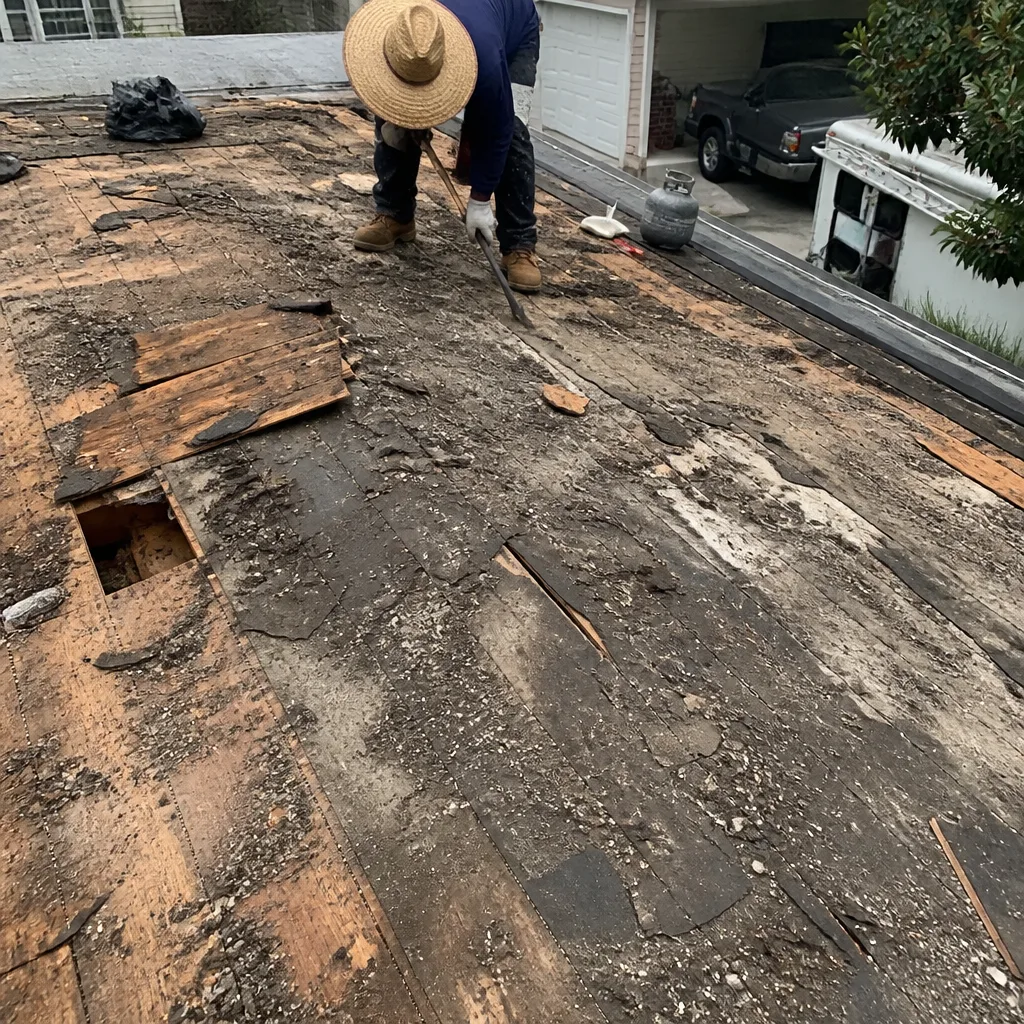 Before
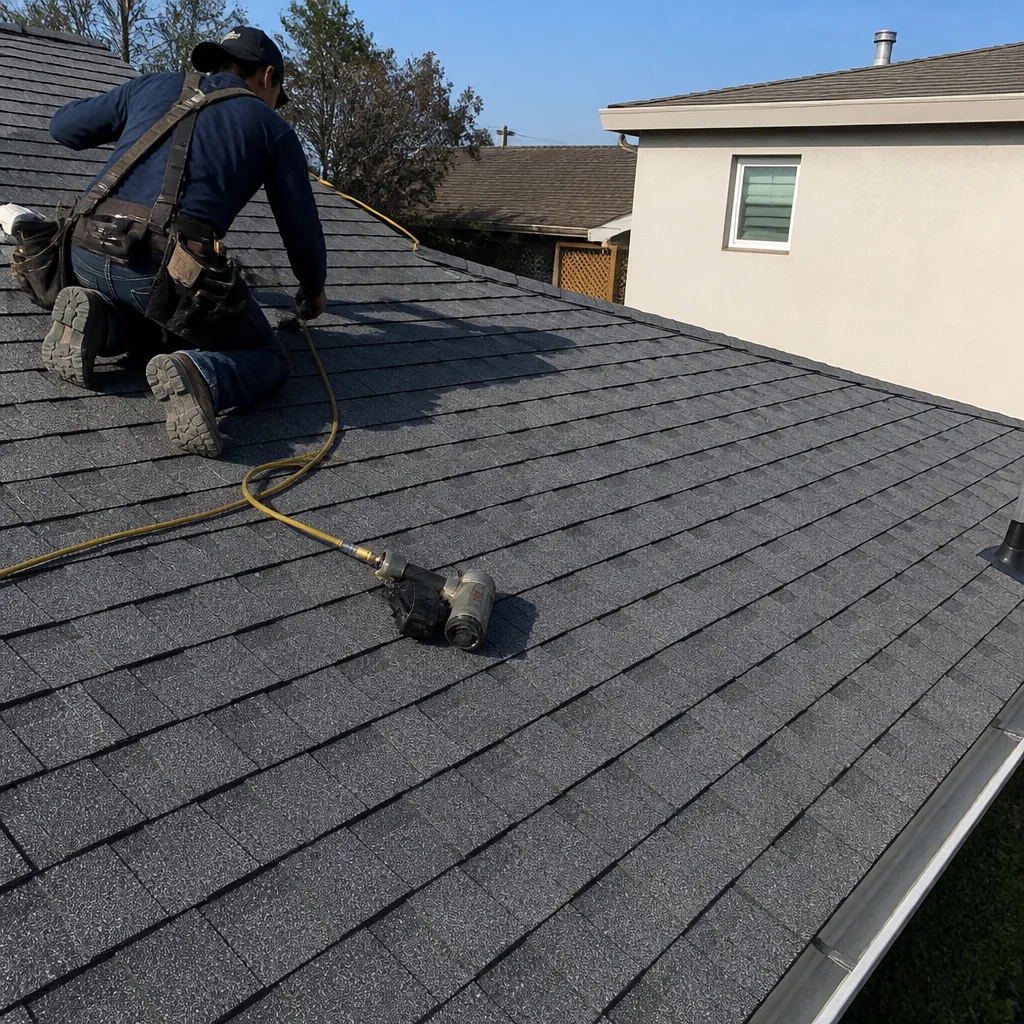 After
After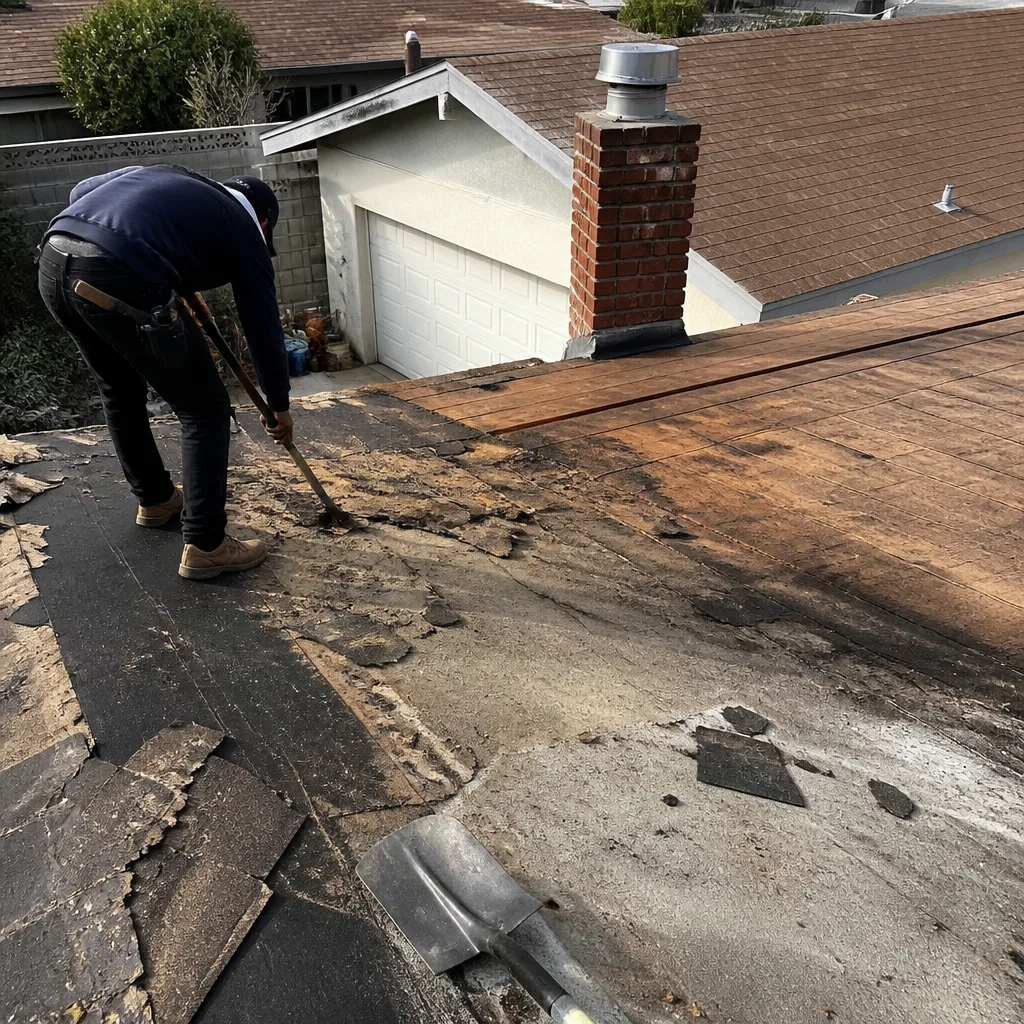 Before
 After
AfterFast, Reliable Roof Repair Across West Hollywood
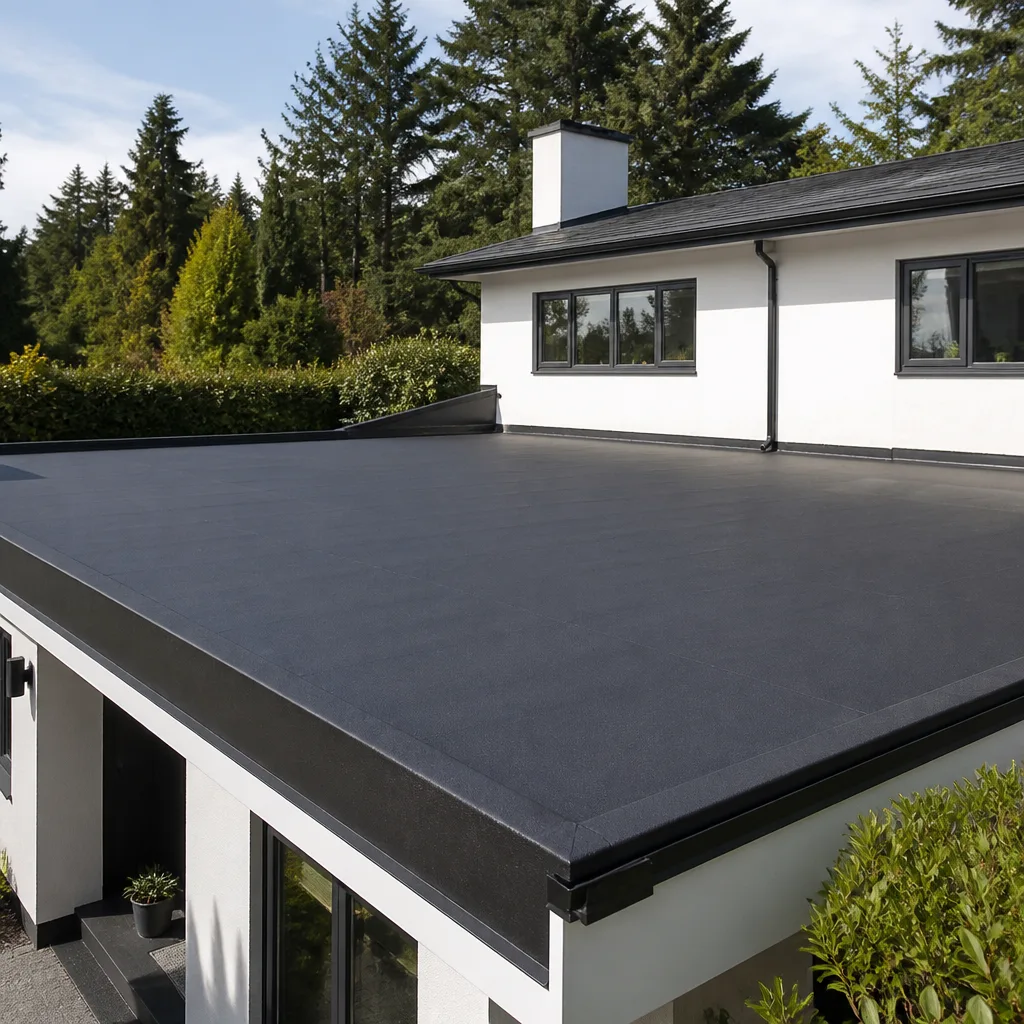
Roof repair in West Hollywood almost always means working on a pre-1979 apartment building with a flat or low-slope membrane roof, often one that hasn’t been properly drained or flashed in decades. We coordinate every job around the city’s own permitting office, its Rent Stabilization Ordinance paperwork, and the tuck-under parking layouts that make staging a crew on residential streets like Havenhurst Drive a genuine logistical challenge. If you’ve got a leak, a ponding flat roof, or flashing that’s pulling away, call Birchbark Roofing at (424) 766-4937 and we’ll send someone who already knows West Hollywood’s building stock and its rules.
Why Birchbark Roofing Is West Hollywood’s Preferred Roof Repair Company
West Hollywood is not the City of Los Angeles. It’s an independent city with its own building department, its own permit counter, and its own Rent Stabilization Ordinance that governs roughly 80% of the housing stock. Most roofers working the west side treat WeHo as just another LA neighborhood and file permits through the wrong jurisdiction. We don’t. When you call us about a roof leak on a 1920s Spanish-style courtyard apartment or a 1950s dingbat complex, the person who answers already knows that your flat roof drains to the interior, that tuck-under parking will change how we stage the job, and that the city will want documentation in a format its own staff recognizes. That’s local knowledge you can’t fake, and it’s why property owners and managers across West Hollywood call us first when a roof starts leaking into multiple rent-stabilized units at once.
Erik Lindgren leads our team, and he’s built the company around one idea: a roofing crew should treat your building the way they’d treat their own. That means shoe covers at the door, drop cloths through the hallway, and a photo of the completed clean-up before the crew leaves. Not as an upgrade. As the default. Our 365-Day Done Right Promise covers every repair we perform, in writing, and our written price comes before any work starts. We’re part of the Cedarwell family of independently owned roofing businesses, which means we’re held to the Cedarwell Care Promise on every job, from the first inspection to the final walk-through.
Storm Damage Roof Repair in West Hollywood
Storm Damage Roof Repair in West Hollywood rarely looks like what you see after a hurricane in the South. What we see instead is the aftermath of El Niño wet seasons, when months of accumulated UV damage to a membrane suddenly meets days of steady rain and interiors that have been dry for a decade start dripping. WeHo’s aging built-up roofs are especially vulnerable: nine-plus months of direct Southern California sun oxidizes the asphalt, creates blisters, and breaks down the felts, and when the first significant rain arrives, water finds every flaw at once. If you have water coming through a ceiling or walls after a storm, call (424) 766-4937. We’ll inspect the membrane, the flashing, and the drains, and you’ll get a written price before any repair work begins.
Interior Drain Failures During Wet Seasons
On flat roofs, water doesn’t shed off an edge. It drains through interior roof drains that run down through the building. When those drains clog with leaves, gravel from the roof itself, or decades of debris, water ponds. During a wet El Niño season, that ponding can cascade across multiple units because the drains serve more than one floor. We clear the drains, test them, and repair the membrane around them. It’s the most common storm-related repair we make in West Hollywood, and it’s often mistaken for a “leaky roof” when the real problem is that nobody inspected the drainage in years.
Flashing and Penetration Repairs After High Winds
Wind gusts that rattle windows in West Hollywood can do real damage to exposed flashing around parapet walls, HVAC curbs, and vent pipes. When flashing lifts, water gets under the membrane at the most vulnerable points. We re-secure or replace flashing, re-seal penetrations, and inspect the surrounding membrane for hidden tears. Most storm-related flashing repairs in West Hollywood run between $400 and $1,200, depending on access and how much existing flashing is salvageable.
Metal Roof Repair in West Hollywood
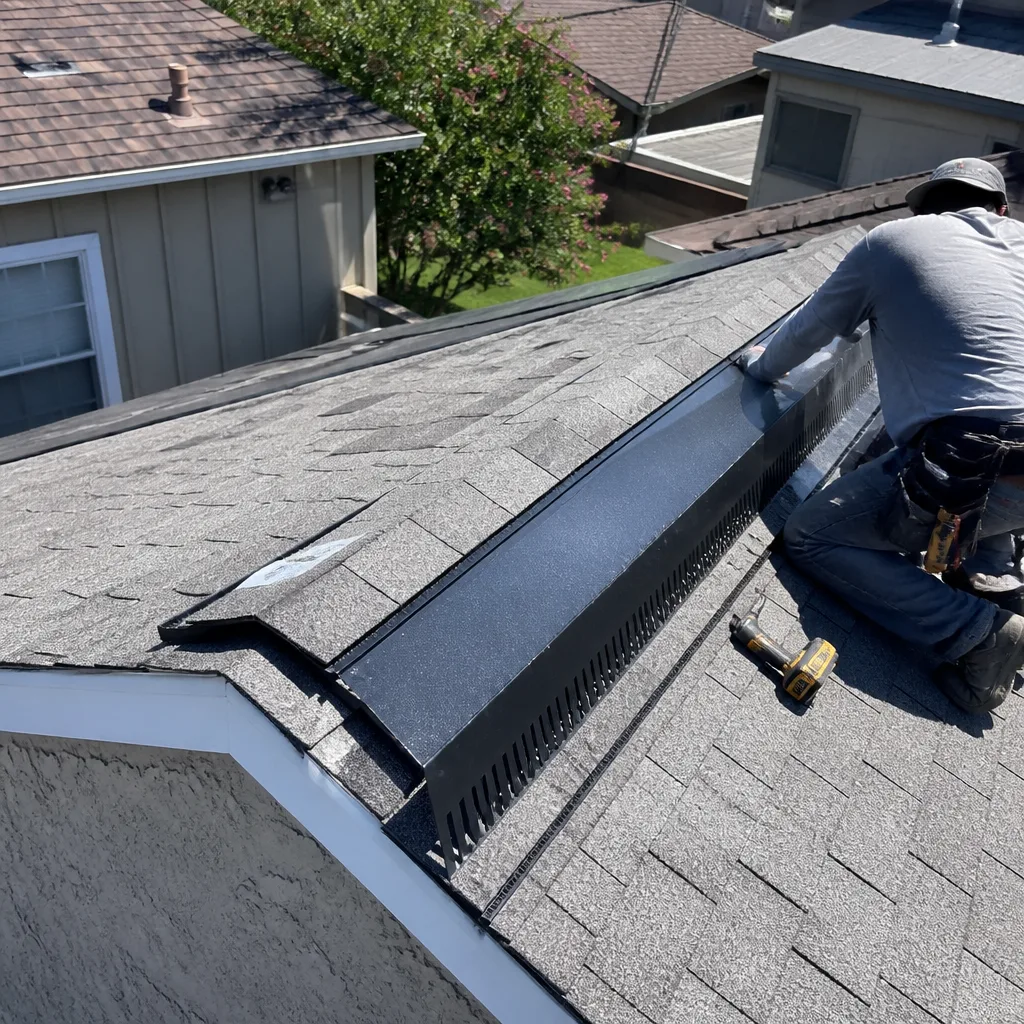
Metal Roof Repair in West Hollywood is less common than membrane work, but it comes up more often than people expect: metal flashing, metal drip edges, metal valley liners, and occasional metal panels on mixed-material apartment buildings and a handful of owner-occupied properties. The metal components on WeHo roofs tend to be the first thing that fails after the membrane itself, especially where two roof sections meet or where a metal edge has been caulked and re-caulked over decades. If water is getting in near a roof edge, a wall intersection, or a valley, call us at (424) 766-4937. We’ll identify what’s failing and give you a written price before anything is touched.
Valley and Flashing Repairs on Older Courtyard Buildings
On 1920s and 1930s Spanish-style courtyard apartments, the visual charm often hides a messy roof system where a low-slope built-up section meets a steeper gable or a parapet wall. Those transition points rely on metal flashing that’s now 80 or 90 years old. We replace valley metal, re-flash wall intersections, and seal the transitions properly. It’s exacting work, and it’s the difference between a patch that lasts a season and a repair that holds for years.
Drip Edge and Parapet Cap Repairs
Parapet walls are everywhere in West Hollywood, and the metal cap on top of a parapet is the roof’s first line of defense against wind-driven rain. When the cap rusts through or pulls away, water enters the wall cavity and migrates down into units. We replace parapet caps, install new drip edges where needed, and inspect the membrane terminations underneath. Metal repairs like these typically run between $600 and $1,800 in West Hollywood, depending on how much metal we’re replacing and whether we can stage materials from the street or need an alley-access approach.
Trusted Brands We Service in West Hollywood
We work with materials from GAF, Tamko, Atlas, and Boral, and we stock common repair components locally so West Hollywood jobs don’t stall waiting on a warehouse shipment from the Valley. For membrane replacements on WeHo’s aging built-up roofs, we frequently recommend GAF systems because they handle the UV load and the ponding conditions we see on dingbat roofs better than most. For metal components and flashing, we use whatever the existing roof system calls for, whether that’s a matched Atlas drip edge or a Tamko underlayment. You’ll see the exact product names and line-item costs in your written estimate, before any work starts.
Common Roof Repair Problems We See in West Hollywood Homes
- Clogged interior roof drains on flat built-up roofs. Most flat roofs in West Hollywood drain through the building, not off the edge. When those drains clog with gravel and debris, water ponds, migrates under the membrane, and leaks into units that haven’t been wet in years.
- Failed flashing at parapet and wall transitions. On pre-1979 apartments, the original metal flashing has often been patched, re-caulked, and painted over so many times it’s no longer attached to anything. Water gets in at the transition points and travels far from where the leak first appears.
- UV-baked membrane blisters and oxidation. Nine months of intense Los Angeles Basin sun every year breaks down asphalt felts and accelerates aging on low-slope roofs. What looks like a small blister is often the visible sign of a membrane that’s failing across a much larger area.
- Patching over water-damaged decking without a written allowance. This is the one we see most often on second-opinion calls. The previous roofer patched the membrane but didn’t specify what happens if the decking underneath is rotted. First rain, leak returns, and the owner is told it’s a “new problem.” We write a decking allowance into every repair contract, in dollars, so you’re never surprised.
Pricing for Roof Repair in West Hollywood, CA
A typical West Hollywood roof repair runs between $400 and $2,500 for the most common issues we see: drain clearing and re-flashing, flashing replacement at transition points, and localized membrane patching. A full flat-roof membrane replacement on a small dingbat complex in West Hollywood typically runs between $18,000 and $45,000, driven by how many squares of membrane we’re replacing, how much rotted decking we find, and whether the job requires an encroachment permit for street or alley staging. The single biggest variable is decking: on buildings where water has been sitting under the membrane for years, the decking allowance matters. You’ll see every allowance and every line item in writing before we start, and we don’t change the price once the work begins without your written approval. Call (424) 766-4937 to schedule a free inspection and get your exact number.
We Also Serve Cities Near West Hollywood
While this page focuses on Roof Repair in West Hollywood, our crews also take on jobs in nearby Beverly Hills, Studio City, North Hollywood, and Sherman Oaks. Each city has its own building department and its own approval process, and we handle the paperwork accordingly. If your building sits just outside WeHo’s city limits, Roof Repair service is available through the same team, with the same West Hollywood standards applied. Call (424) 766-4937 to confirm coverage.
Serving West Hollywood, CA - Our Local Coverage Area
We’re based in the West Hollywood area and know this community well. Use the map below to see our service coverage - if you’re nearby, we can almost certainly help.
FAQs About Roof Repair in West Hollywood
Because West Hollywood is an independent city, not a neighborhood within the City of Los Angeles. WeHo has its own building department at 8300 Santa Monica Boulevard, its own inspectors, and its own permitting process. A roof replacement on a pre-1979 apartment building that’s subject to the city’s Rent Stabilization Ordinance gets filed as a capital improvement, and the paperwork must go through WeHo’s own system so that the documentation is in a format the city’s RSO staff will accept. We pull the permits ourselves, through the correct department, every time. Call (424) 766-4937 for more detail on how the pass-through process works for your specific building.
It changes the staging, not the repair itself. Tuck-under parking means the ground floor is a carport, not a room, and the perimeter walls block access to the roof from the sides. We have to stage tear-off debris and new material either from the street or from a narrow rear alley, and in West Hollywood that usually means pulling a Public Works encroachment permit and coordinating with the city on timing. Out-of-area contractors skip this step all the time and get shut down mid-job. We don’t. On a 1962 dingbat on Havenhurst Drive, our crew opened the original built-up roof to chase chronic ponding leaks and found failed flashing and waterlogged underlayment around three interior drains that were clogged enough to cascade into two rent-stabilized units below. That job required street staging under a WeHo encroachment permit, a GAF membrane replacement with a written decking allowance, and the owner’s written approval before we tore off a single square. Call (424) 766-4937 to talk about your building’s access.
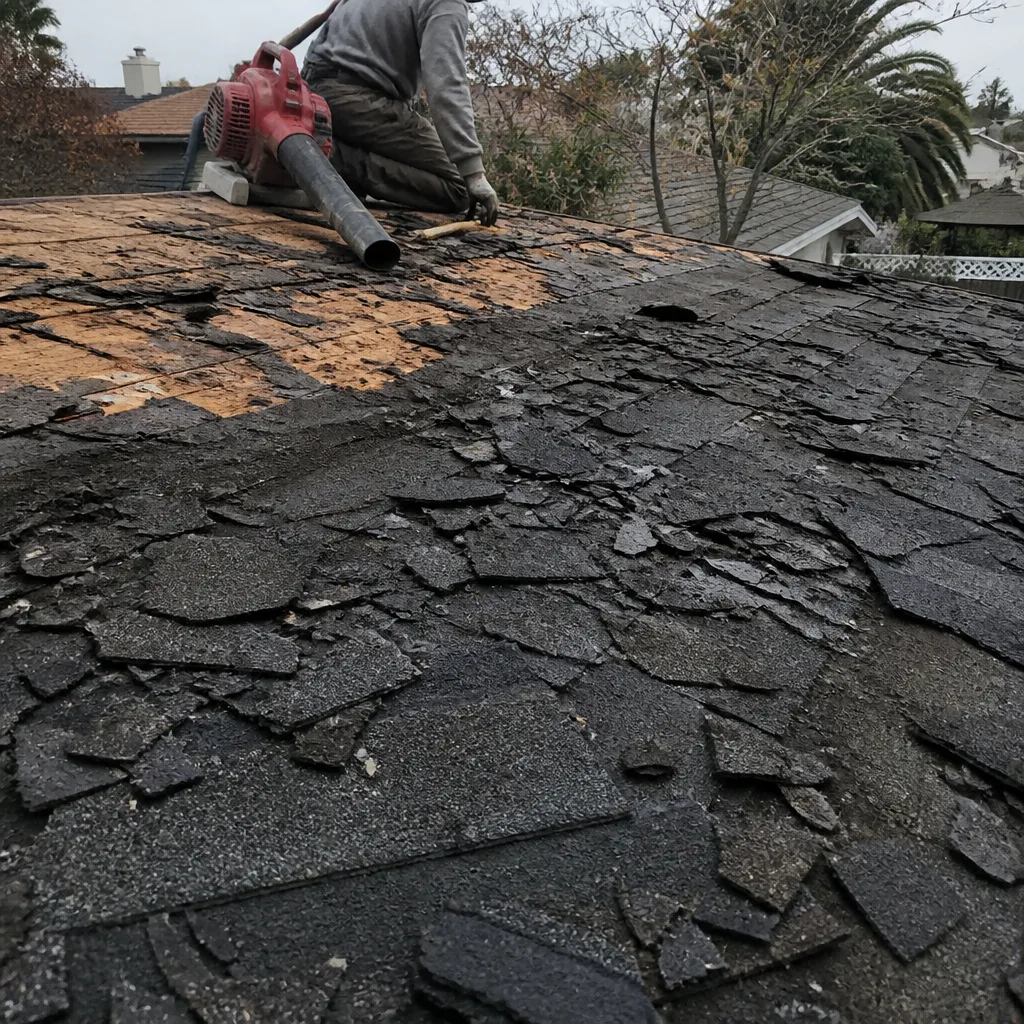
On pre-1979 buildings, we typically find the same three things: water-damaged decking under the membrane, failing or detached flashing at walls and curbs, and a drainage system that hasn’t been inspected since the building was built. The roof itself is often blamed for leaks that are actually caused by clogged drains or failed flashing. That’s why our inspection is the most important part of the job: we open the roof, photograph what we find, and price the repair in writing before anything gets replaced. You’ll know exactly what’s under there and what it costs to fix it properly. Call (424) 766-4937 for a free inspection and written report.
Because on a flat-roofed West Hollywood apartment building, one clogged interior drain or one failed flashing detail can channel water into multiple stacked units below. The water follows the building’s structure, not the floor plan, so a leak that starts at a drain on the roof often shows up two floors down in a unit that’s nowhere near the roof. During El Niño years, when rain arrives after a long dry stretch, the drains are already clogged with accumulated debris and the membrane has had months of UV stress. Multiple simultaneous leaks are the predictable result. We clear the drains, repair the membrane and flashing, and document everything for your RSO file. Call (424) 766-4937 if you’re seeing water in more than one unit.
Yes, repair is often the right call, and yes, rent stabilization matters. For a building subject to West Hollywood’s Rent Stabilization Ordinance, a documented repair-as opposed to a full replacement-may not qualify as a capital improvement pass-through in the same way a full membrane replacement would. That’s a conversation to have with your building’s management and the city’s RSO staff, and we can provide the documentation and itemized costs in the format WeHo expects. The repair-versus-replace decision depends on the roof’s condition, the decking underneath, the drainage system, and how many years are left on the current membrane. We’ll inspect and give you an honest recommendation, in writing, with a price for each option. Call (424) 766-4937 to schedule that inspection.
If you’re dealing with a roof leak in West Hollywood, the fastest way to get answers is to call us at (424) 766-4937. We’ll schedule a free inspection, document what we find, and put a written price in front of you before any work begins. No handshake agreements, no surprises, no crew that disappears after the first rain. Just a roof that drains, flashing that holds, and a clean-up photo before we leave.
Written by Erik Lindgren, Owner at Birchbark Roofing, serving West Hollywood with roof repair, replacement, and maintenance.