
Free roof inspection with deck photos before we talk money - GAF and Owens Corning certified installation
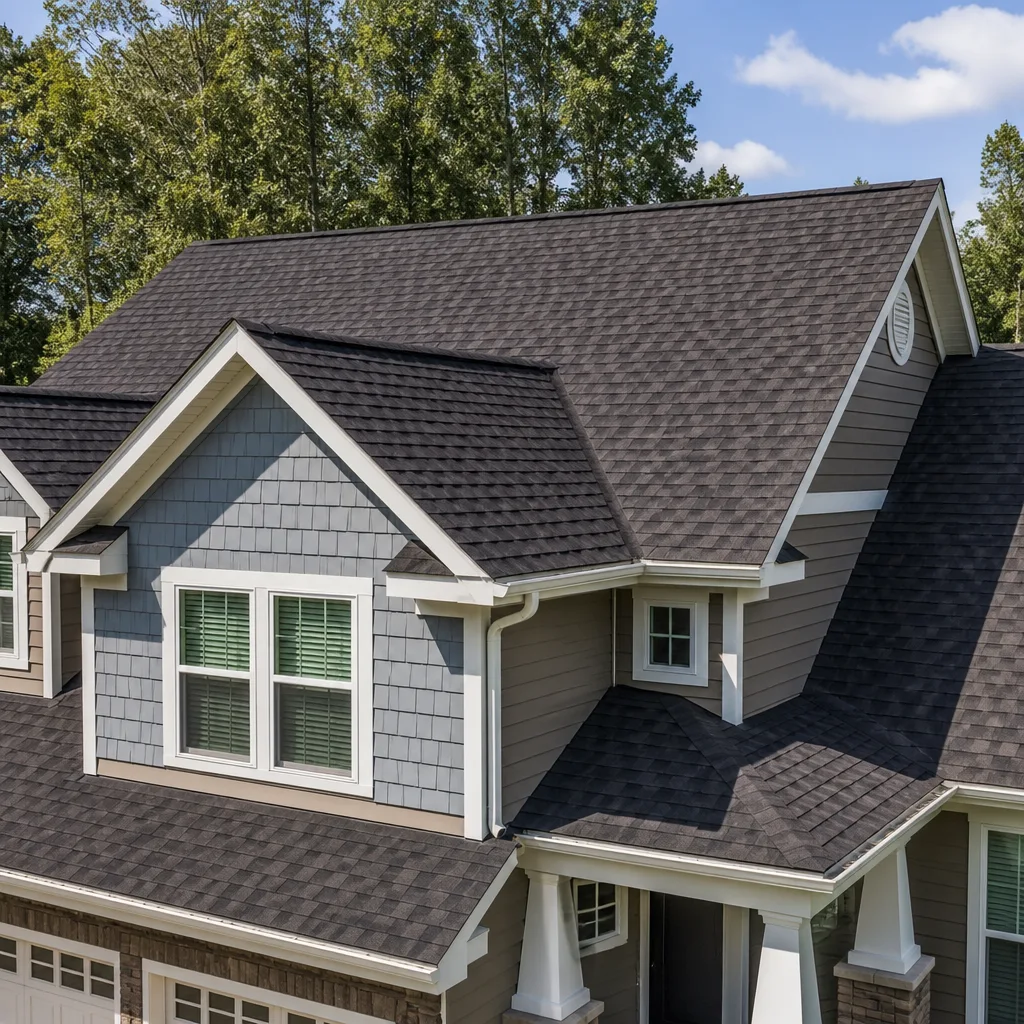
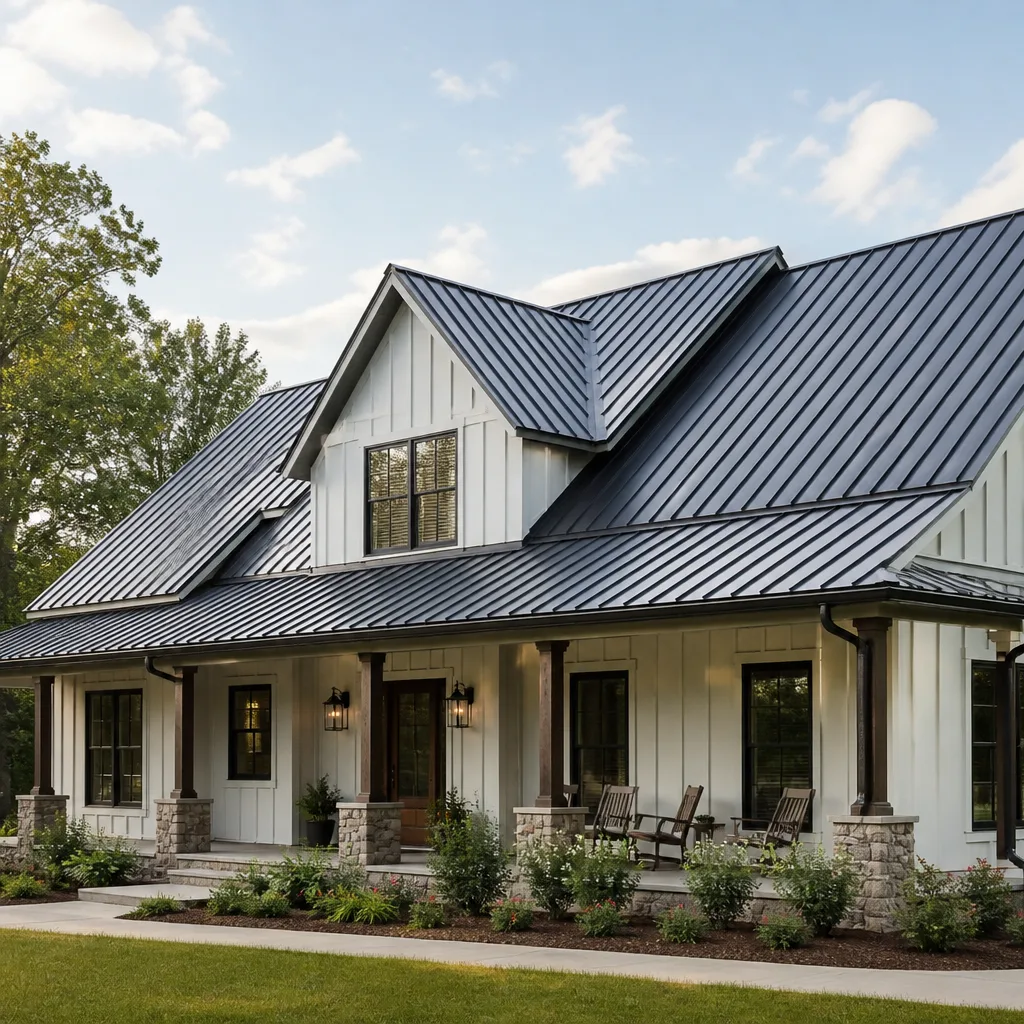
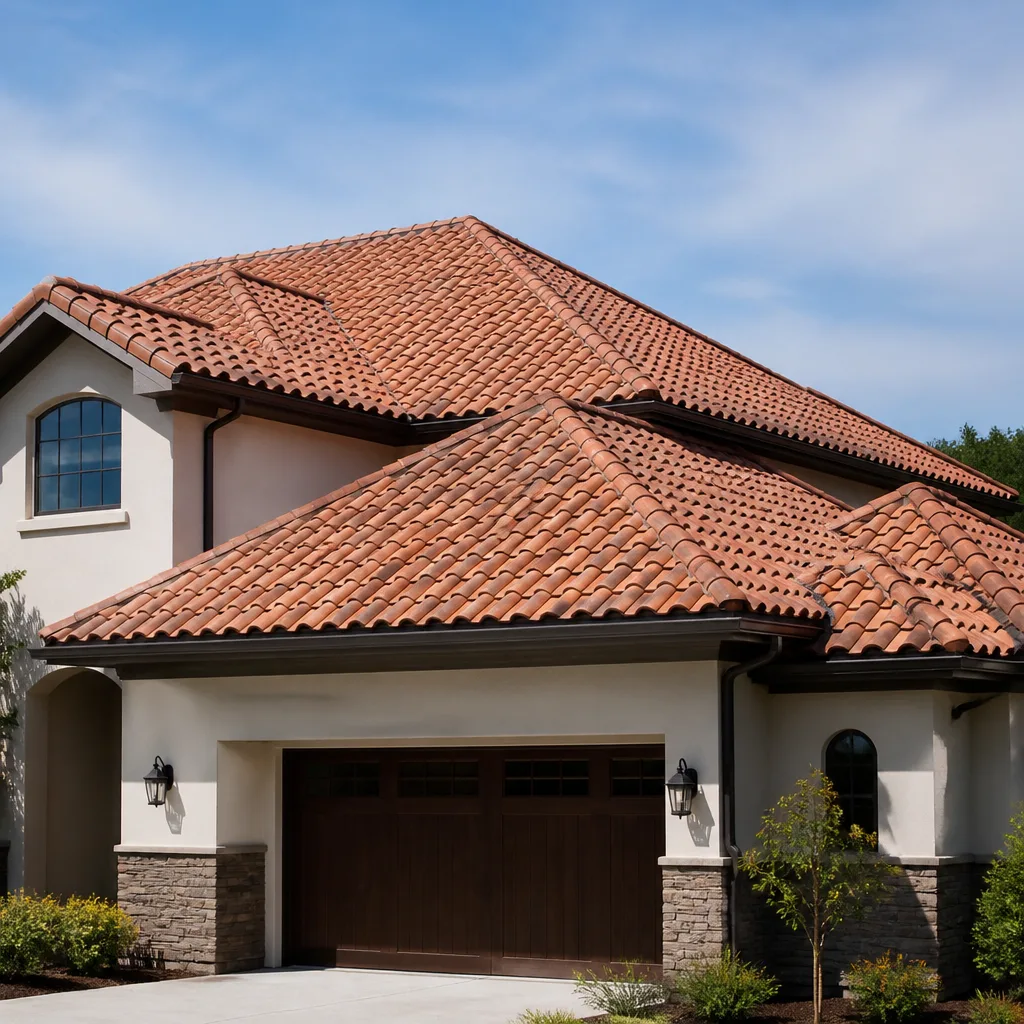
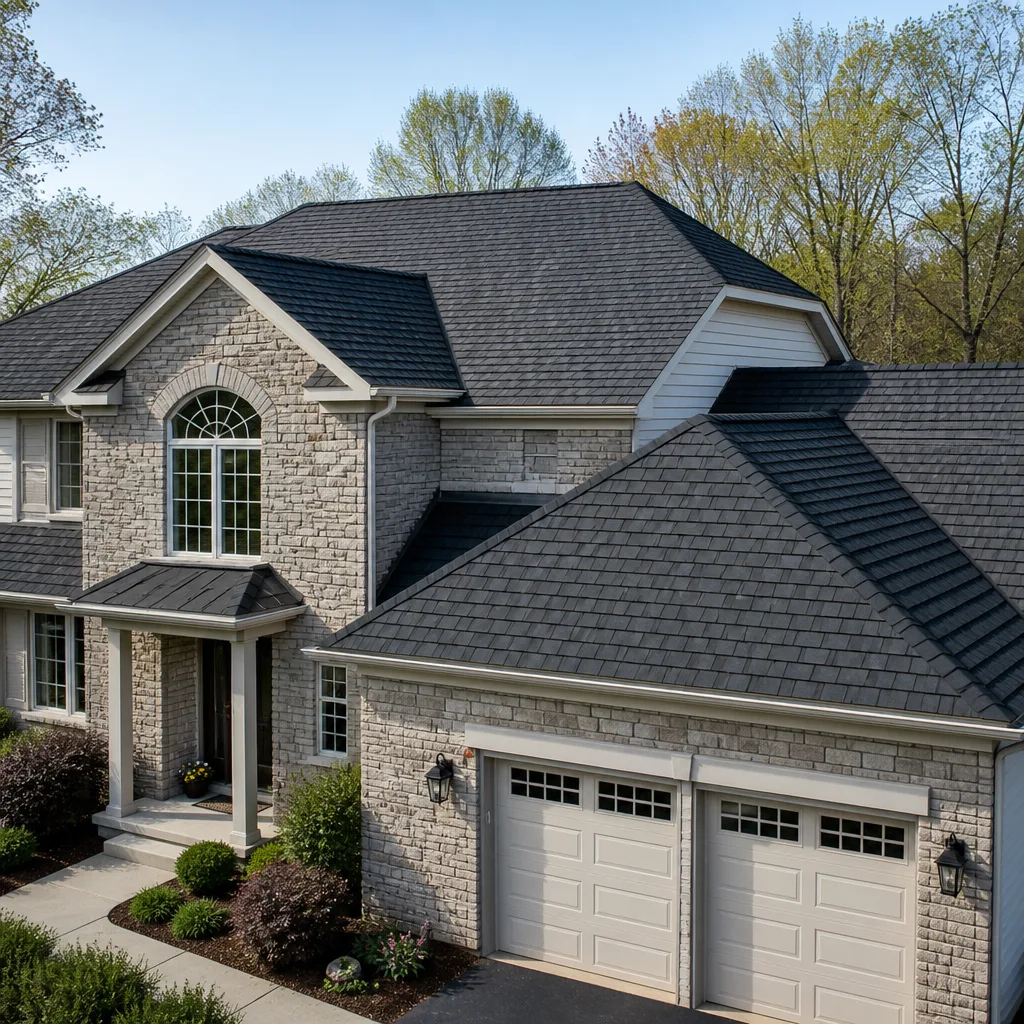
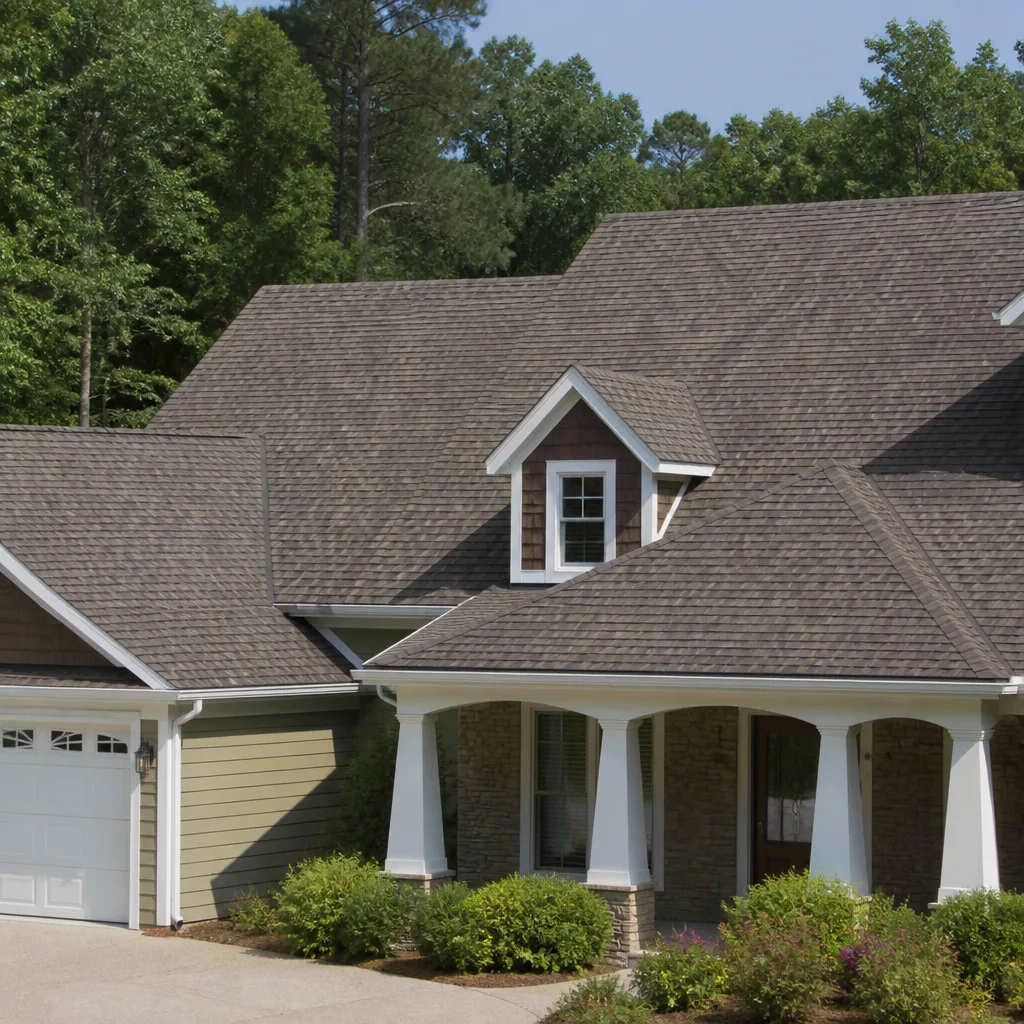
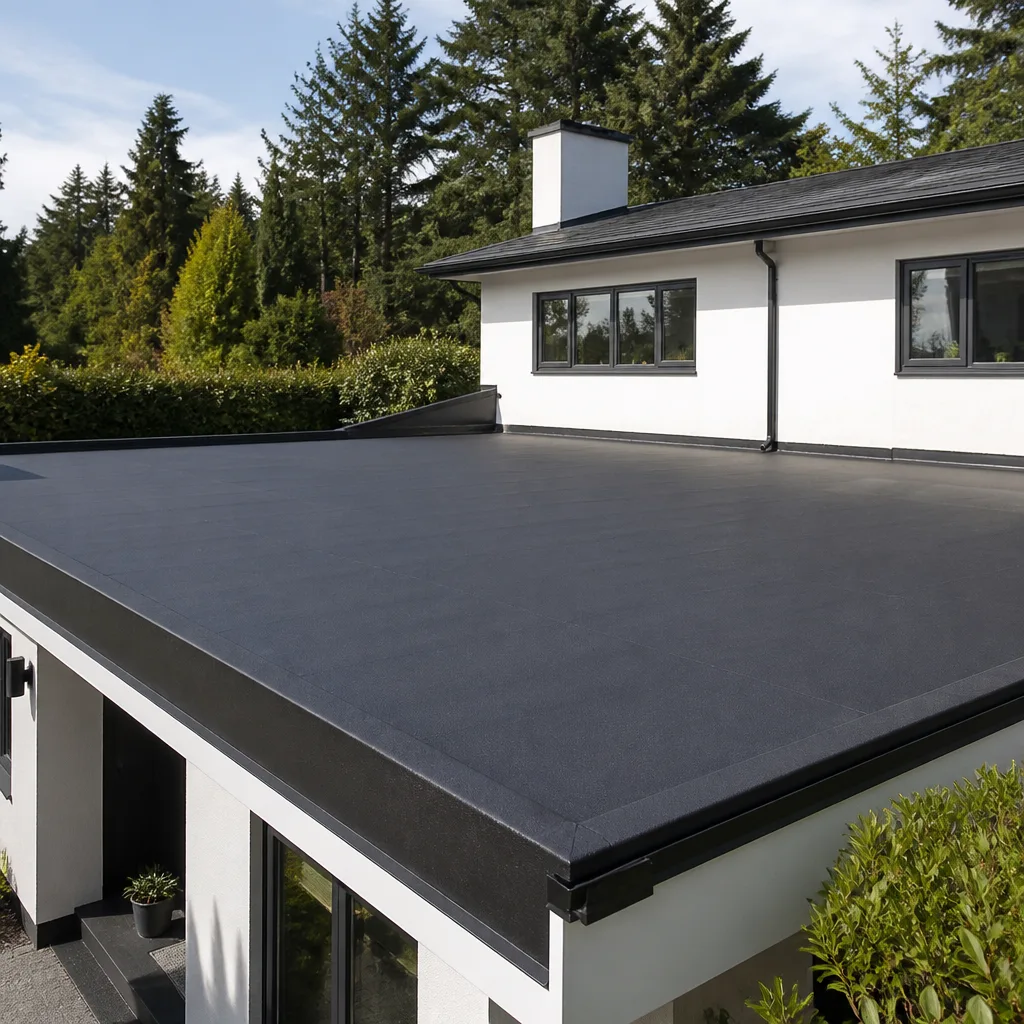
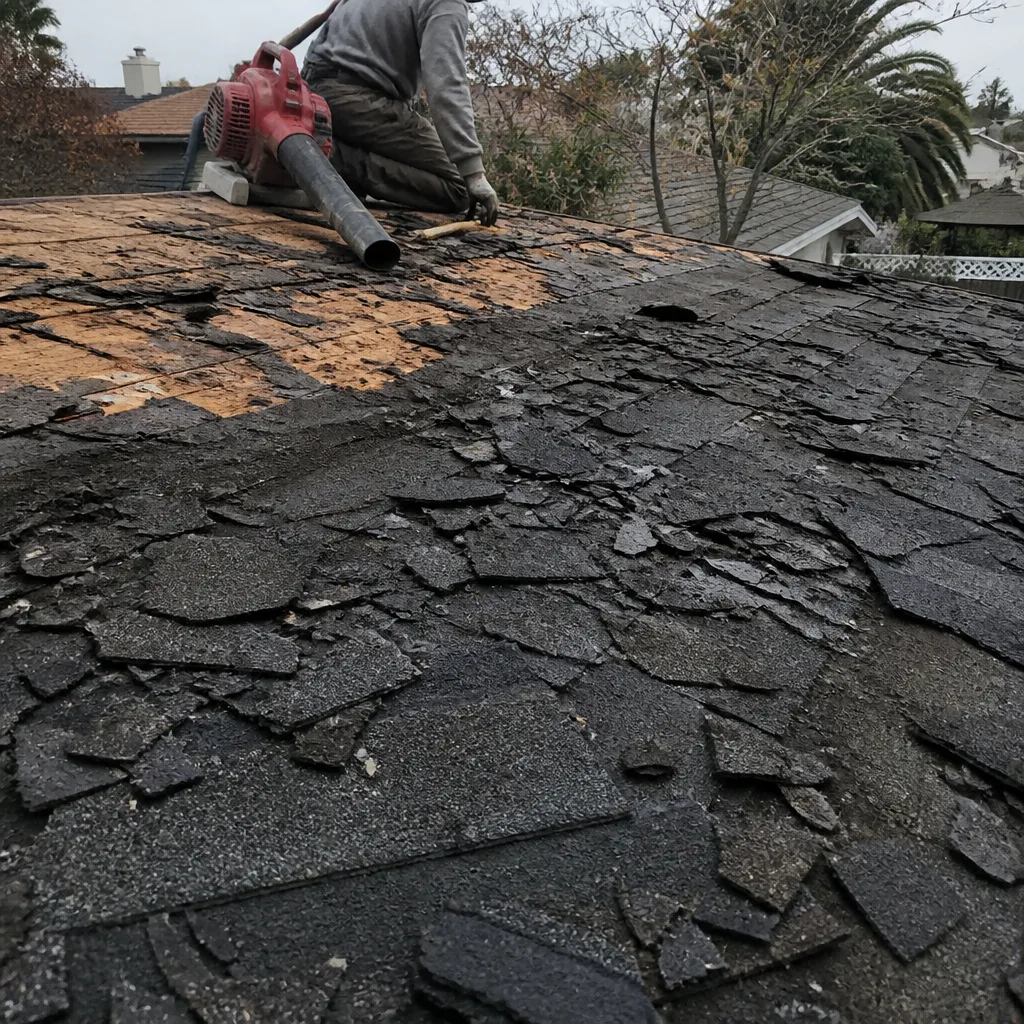 Before
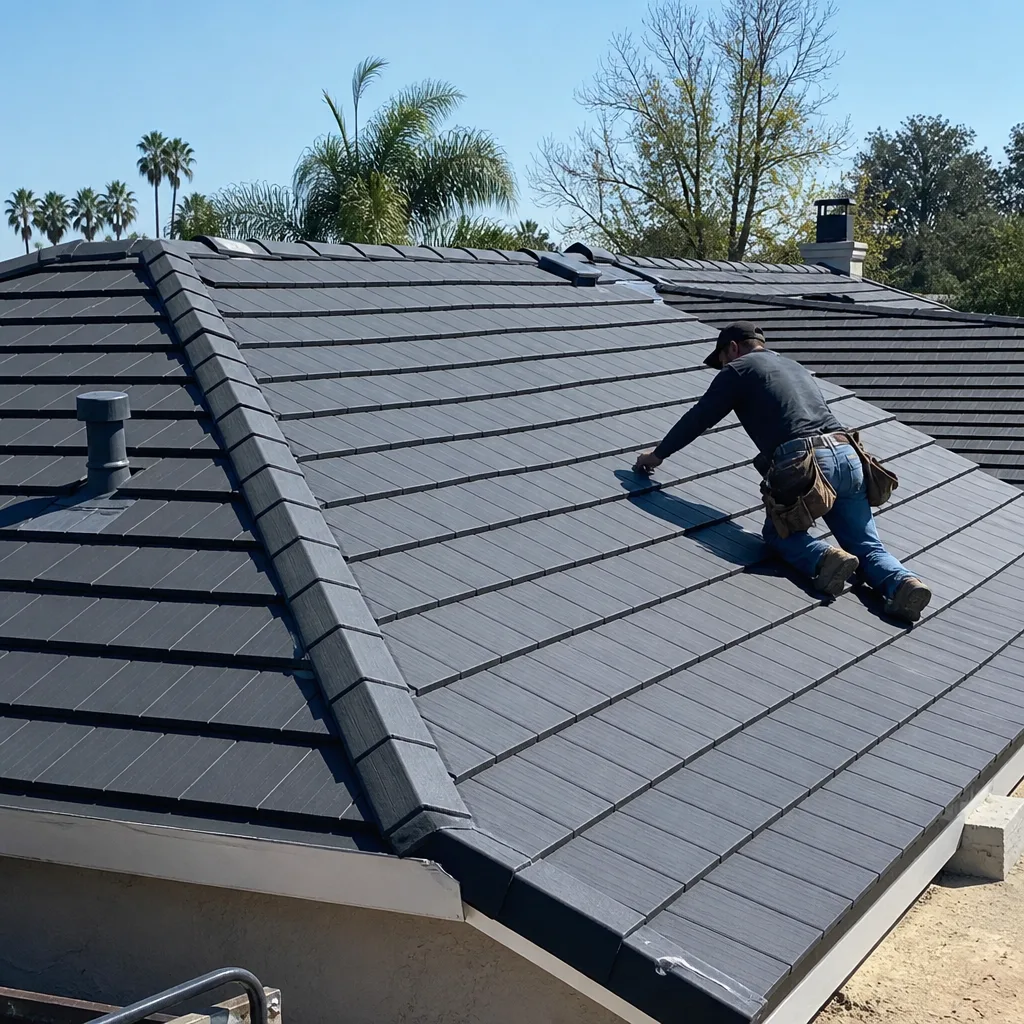 After
After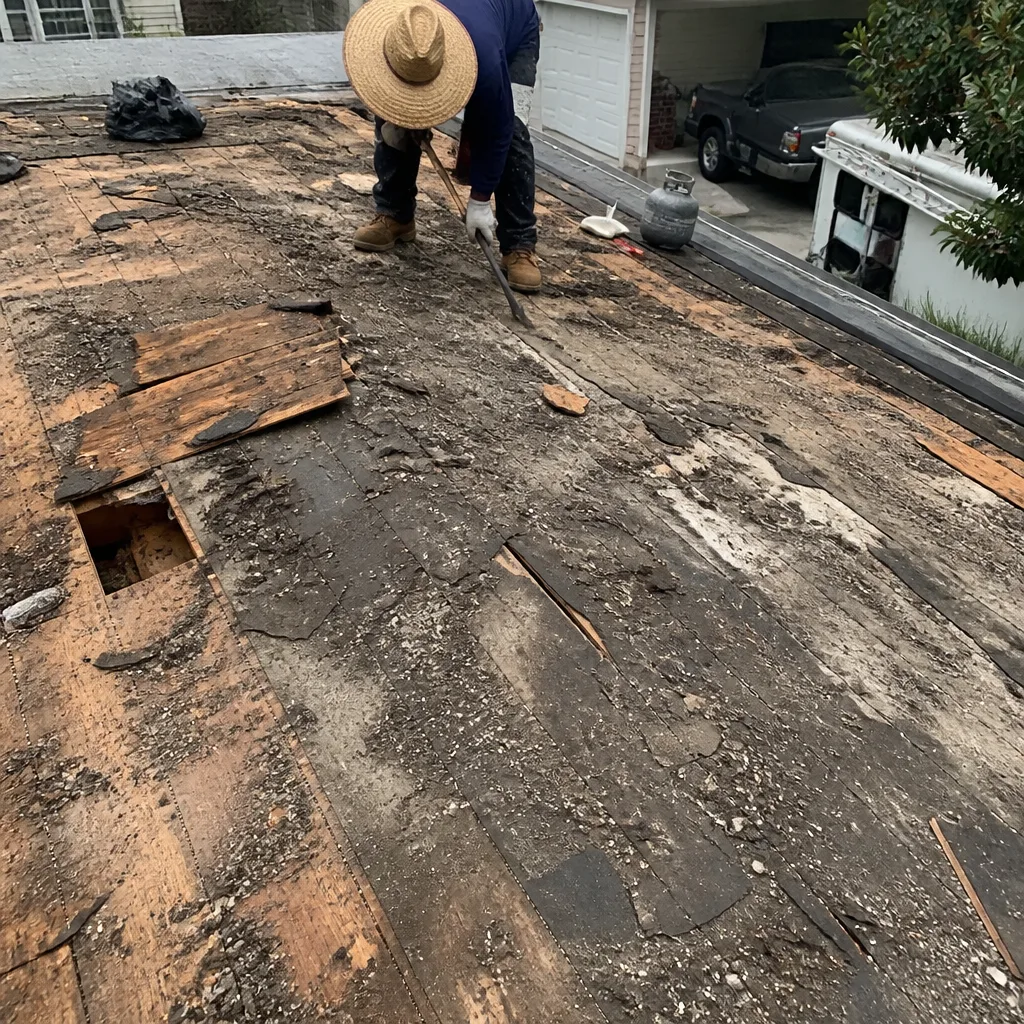 Before
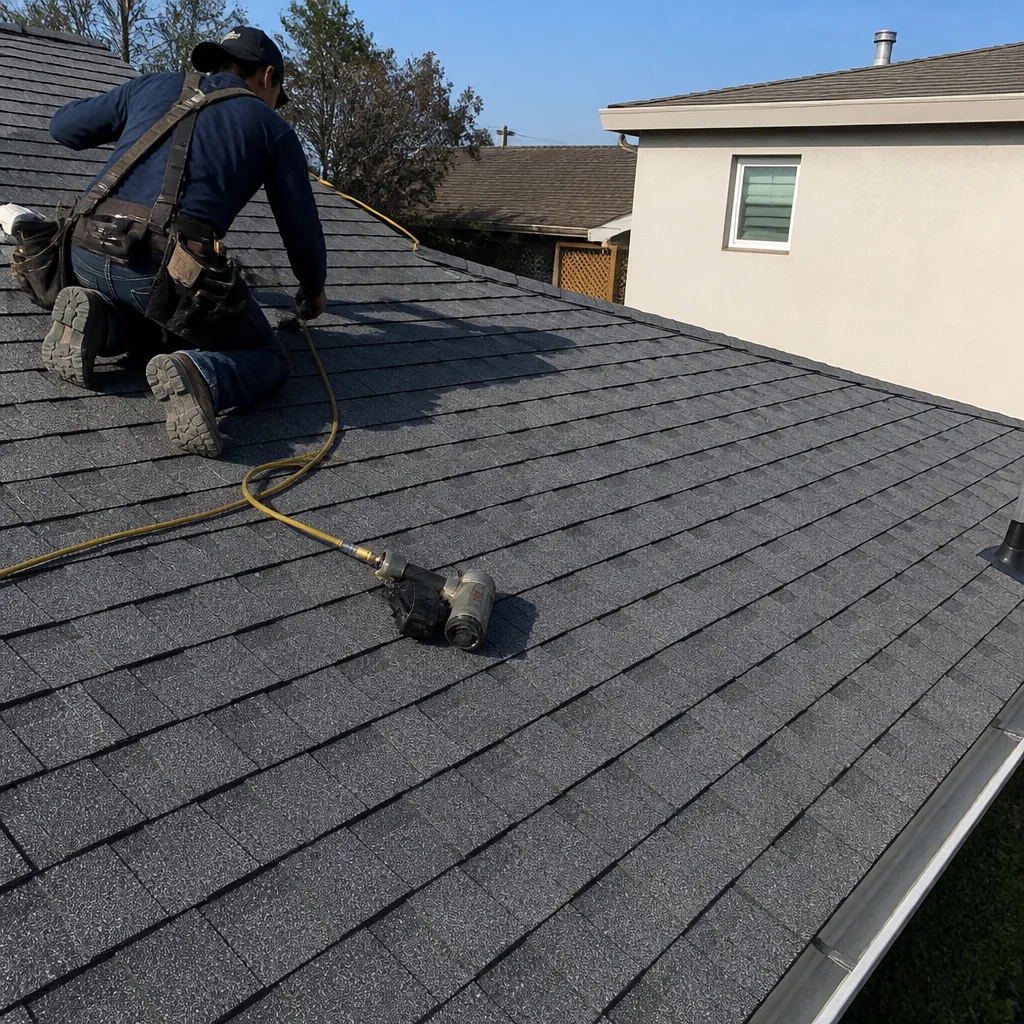 After
After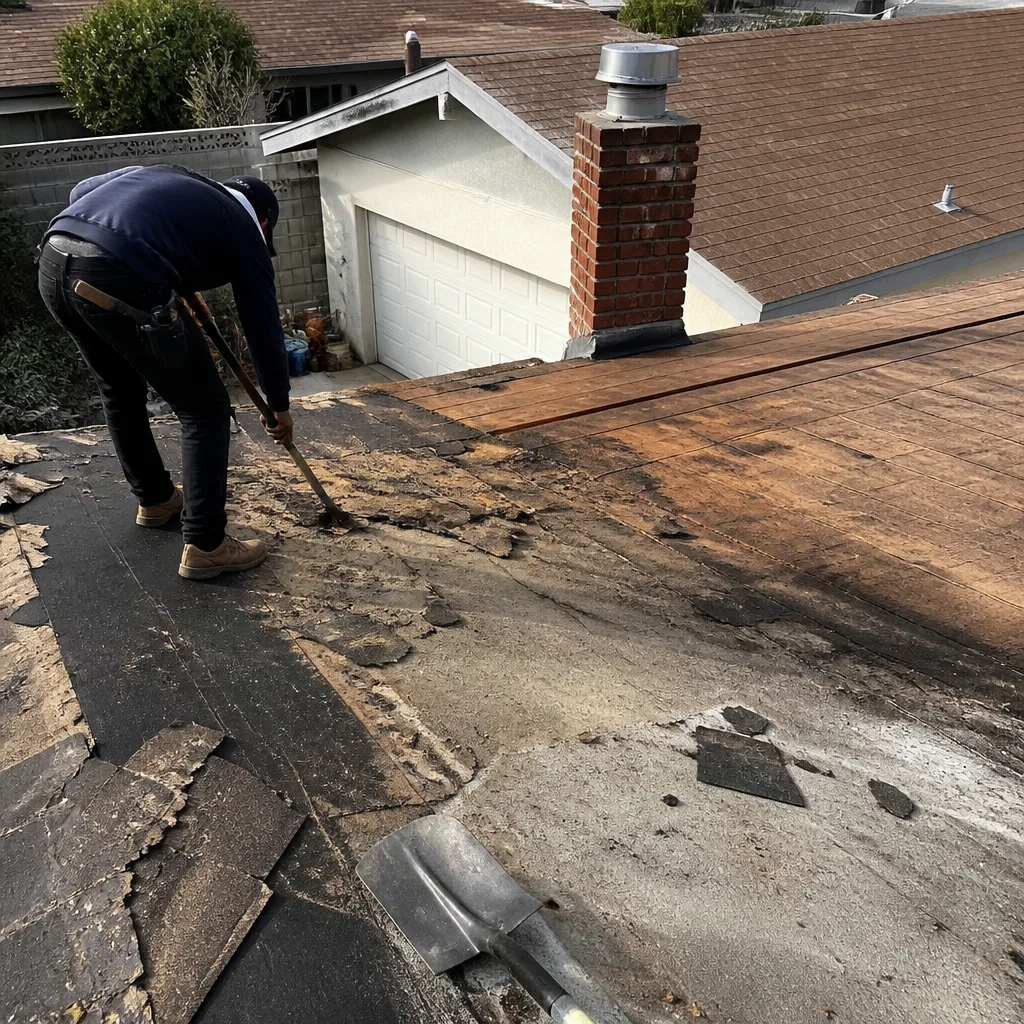 Before
 After
AfterFlashing Pulling Away from the Chimney
What’s Happening
Flashing pulling away from the chimney is almost always a failed seal between the metal flashing and the chimney masonry, the roofing surface, or both. Water can enter the gap immediately, even in a light rain. This is an active leak path that needs a professional look before the next storm.
Chimney flashing does two jobs at once: it bridges the joint where a rigid masonry chimney meets a moving, expanding roof deck, and it directs water away from that joint. When the seal fails, that gap becomes the most direct route water has into your attic and ceiling. Most homeowners notice it when they spot a dark stain on the ceiling near the fireplace wall, or when they walk outside and can see a visible gap or lifted edge on the metal. Both of those observations are telling you the same thing.
Why It Happens
The caulk or roofing sealant dried out and cracked
The most common reason flashing lifts is that the sealant holding the metal edge against the chimney masonry has simply aged out. Sealant exposed to years of sun, heat, and freeze-thaw cycles becomes brittle, shrinks, and eventually lets go. You’ll see it as a white or gray crumbled line running along the top edge of the flashing where it meets the brick or stone, sometimes with a visible gap underneath. This is extremely common on roofs that haven’t had any maintenance work in a decade or more.
The step flashing or counter-flashing was never properly embedded
Counter-flashing (the upper piece) should be cut into a mortar joint in the chimney and bent down over the base flashing below it. If the original installer just surface-applied it with sealant alone and skipped the mortar-joint anchor, it will eventually work loose on its own. You can tell this is the case if the entire upper flashing piece is lifting away cleanly rather than crumbling at a caulk line – the metal looks intact but the edge has no grip.
The chimney mortar joints have deteriorated
Even properly embedded flashing loses its hold when the mortar joint it’s tucked into crumbles away. Brick chimneys are constantly cycling through wet and dry, hot and cold, and the mortar joints are often the first thing to go. If you can see white chalky residue (efflorescence) on the chimney bricks, or if you can see gaps between the bricks where mortar used to be, the flashing may be lifting simply because there’s nothing left to hold the top edge in place.
The roof deck shifted or the chimney settled unevenly
A chimney and a roof deck move independently. The chimney is anchored to the foundation; the deck sits on the framing and expands and contracts with temperature. Over years, small but repeated movement can pop the flashing edge loose even when the sealant is still in reasonable shape. You’ll notice this cause most often if the separation is worse on one side of the chimney than the others, or if the flashing itself looks buckled or wavy rather than flat and even.
What to Do Right Now
- Photograph the gap from the ground before you do anything else. A clear photo showing where the flashing has lifted, taken from a safe angle, is the single most useful thing you can hand a technician. Note the date and whether it has rained recently.
- Check the ceiling inside near the fireplace wall. Press lightly on any soft or discolored drywall patch. If it feels damp, put a bucket down and call right away – water is already moving through.
- Do not attempt to re-seal the flashing yourself from the roof. Chimney flashing sits at height on a pitched surface near a masonry edge. The fall risk is serious, and a surface patch over failed flashing almost never holds through rain. Save the photo, and let a trained technician assess it from the roof safely.
- If you use the fireplace, stop until the flashing is repaired. An open gap near a chimney can allow wind-driven rain directly into the firebox or the surrounding framing. More importantly, until a technician confirms the flashing’s condition, you don’t know whether the gap has allowed moisture to reach materials near the flue.
- Keep pets and kids away from any area with active dripping or wet drywall. If water has pooled in a ceiling cavity, it can carry debris or mold spores when it finally breaks through. That area is worth treating as off-limits until the source is fixed and the ceiling is assessed.
How We Fix It
When your local Birchbark Roofing team arrives, the technician goes up and inspects the full chimney flashing system: the base flashing, the step flashing, and the counter-flashing. We look at where the separation actually started, not just where it’s visible from the ground. From there, the scope of the repair becomes clear.
A minor seal failure – where the metal is still sound and properly anchored – is addressed with proper flashing sealant applied to a clean, dry surface. Where the counter-flashing has lost its mortar-joint anchor, we recut the joint and re-embed the flashing correctly before sealing. Where the flashing itself is corroded or misshapen, we replace it using compatible metal.
This is a roof repair job in most cases, though we’ll tell you honestly if we find underlying deck damage that changes the scope. Before any work starts, you get a written price – dollars, in writing, with no surprises. Every repair Birchbark performs is covered by the 365-Day Done Right Promise: if it’s not done right, we make it right. Most chimney flashing repairs are completed in a single visit.
Frequently Asked Questions
It shouldn’t wait. A gap in chimney flashing is an open water entry point, and even a modest rain can move enough water through it to soak ceiling insulation, saturate drywall, or reach the framing below. The longer it sits open, the more material gets wet, and wet framing takes a long time to dry out fully. Call (424) 766-4937 to get a technician out before the next weather event.
Call us at (424) 766-4937 and a live person will answer – any time of day, any day of the week, including nights and weekends. We’ll tell you what your local Birchbark team’s schedule looks like and get you on it as quickly as possible. There’s no voicemail tree and no waiting until the next business day to find out.
The price depends on what the technician finds: how much of the flashing has failed, whether the metal needs to be replaced or just resealed, and whether any underlying deck or framing material was affected by water. We don’t publish a flat rate because a surface sealant job and a full counter-flashing re-embed are very different scopes of work. What we will give you is a written price before anything starts – no estimates that quietly grow once work begins. Call (424) 766-4937 to schedule your free written estimate.
Failed chimney flashing almost never means the whole roof needs to be replaced. It’s a localized component, and in most cases the rest of the roof is unaffected. Your local Birchbark technician will inspect both the flashing system and the surrounding roof surface and give you an honest assessment of what actually needs attention. If a full roof replacement were ever the right call, we’d explain exactly why – in writing, with a written price, before any decision is made.
Get It Fixed
Call (424) 766-4937 – a live person answers every call, including nights and weekends. Your local Birchbark Roofing team will schedule an inspection, assess the flashing system, and give you a written price before any work begins. The 365-Day Done Right Promise covers every repair we do.
Written by Erik Lindgren, Owner at Birchbark Roofing, part of the Cedarwell family of roofing companies since 2000.
What Our Customers Say
"Roof repair and they were meticulous about the cleanup, tarps over the garden beds and a magnet sweep for nails. We have a dog and a toddler so that mattered a lot."
- Thaddeus Bloom"New roof after hail. They covered everything below, kept the site neat each day, and did a full nail sweep of the whole yard twice. Thoughtful people."
- Caroline Prejean"New roof section and gutter guards. They protected everything below, worked tidy, and did a full nail sweep of the yard and driveway at the end. Thoughtful crew."
- Mariana Lopez