
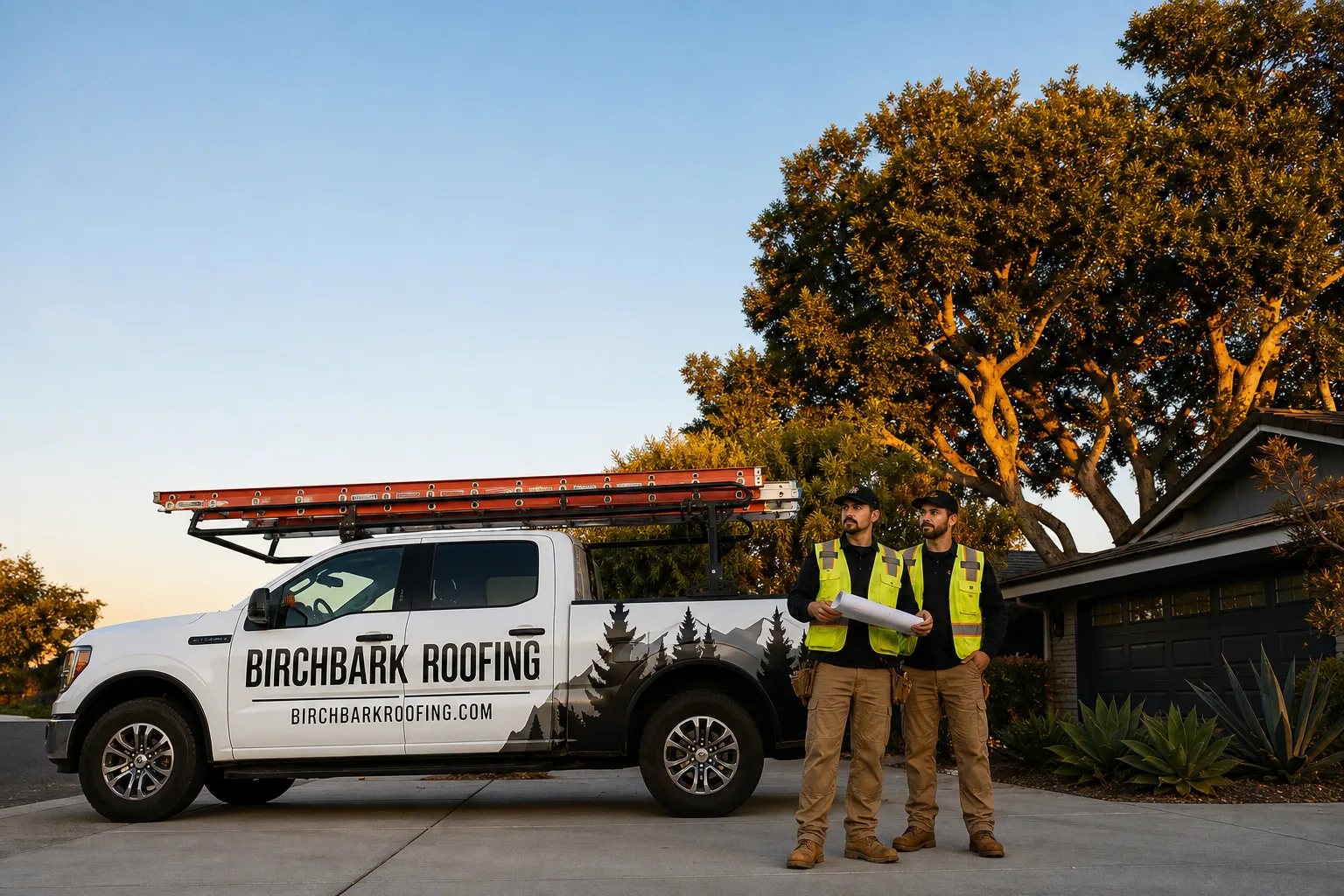
Free roof inspection with deck photos before we talk money - GAF and Owens Corning certified installation
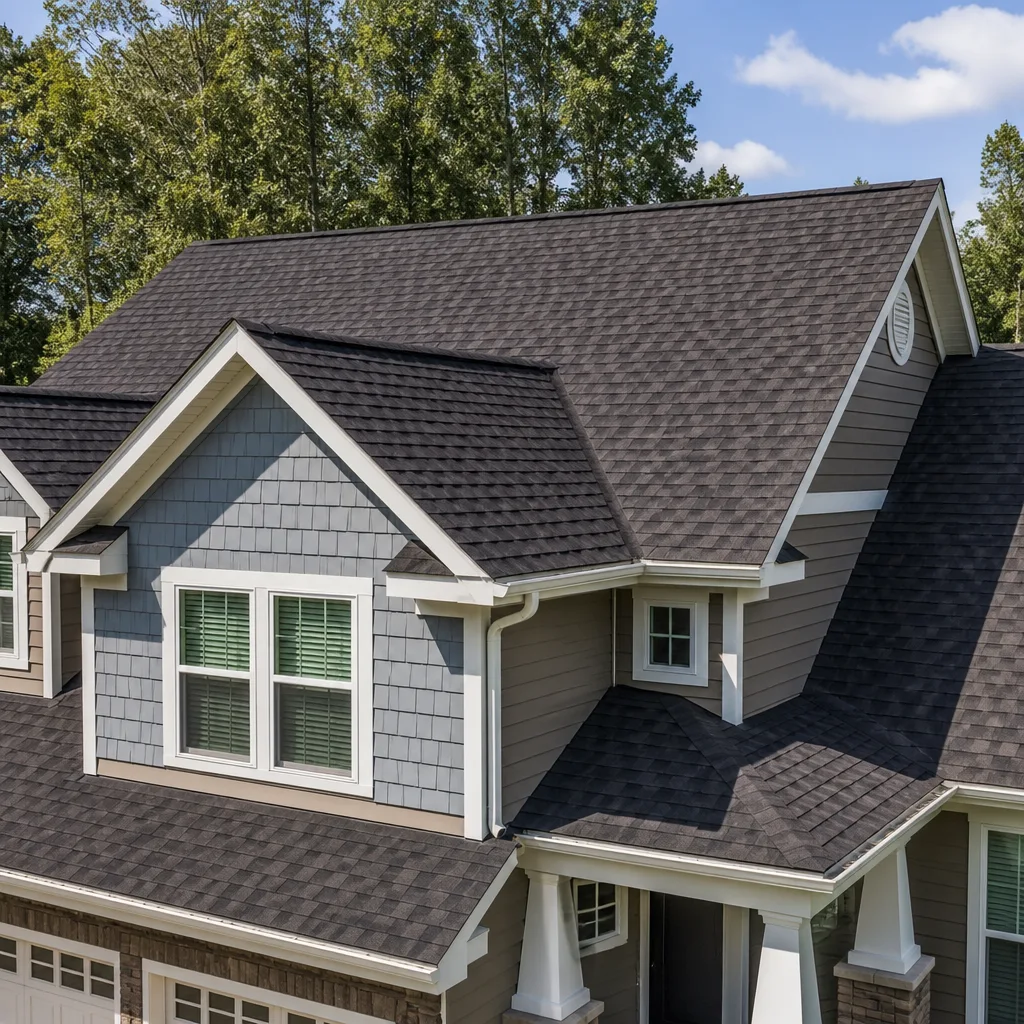
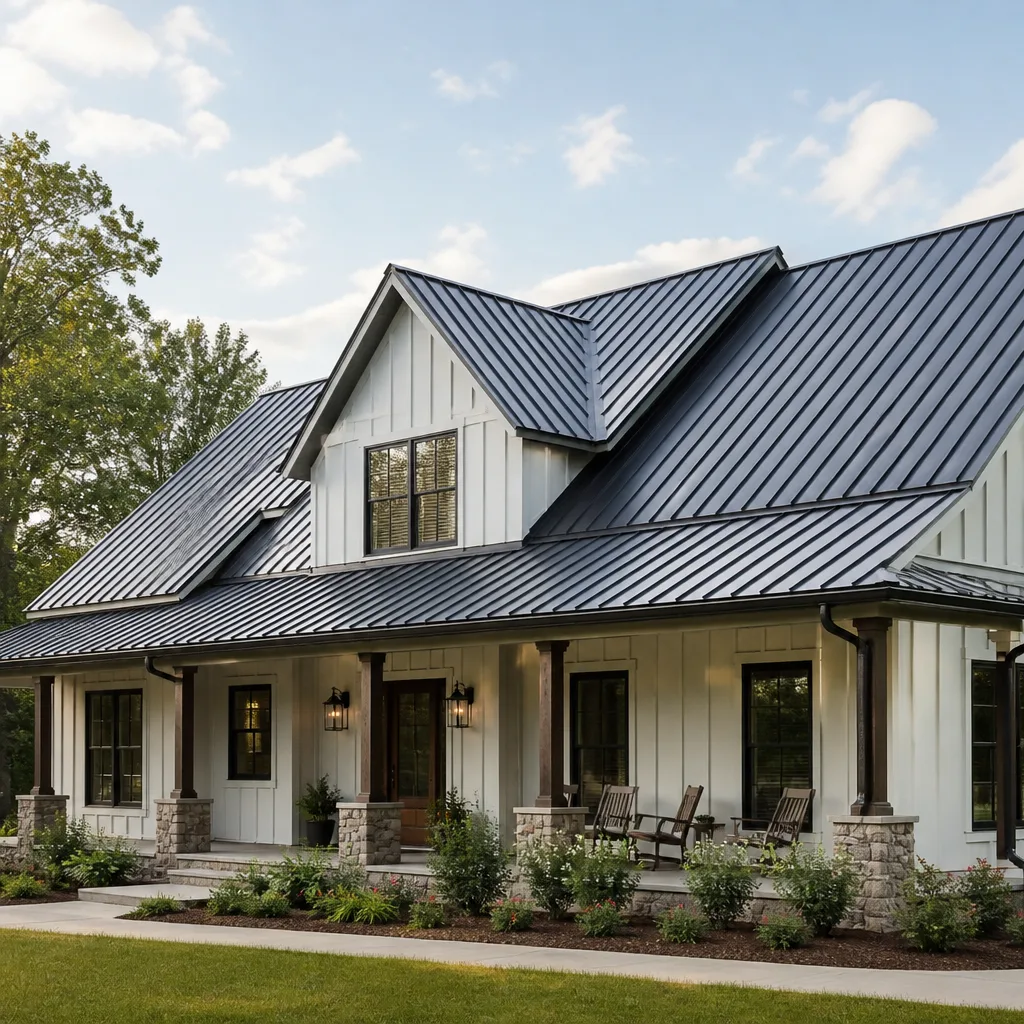
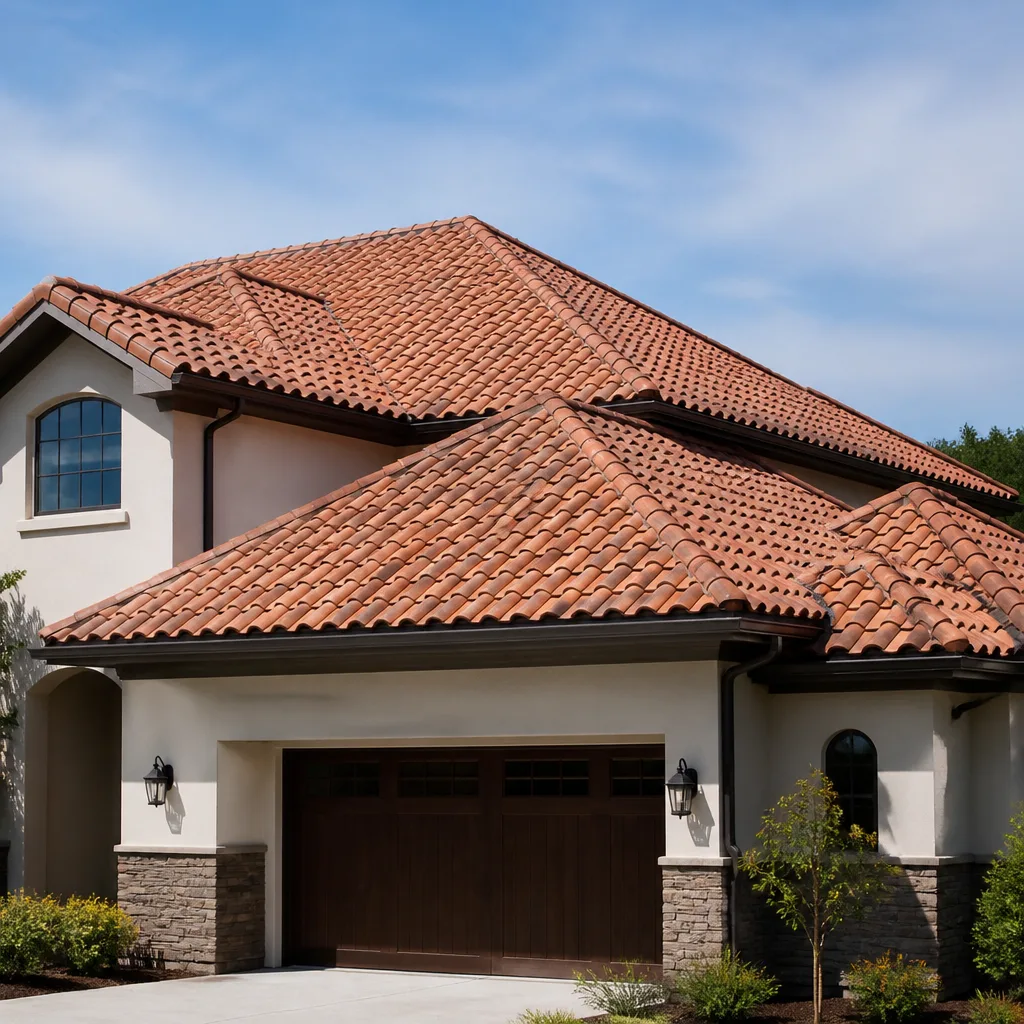
 Before
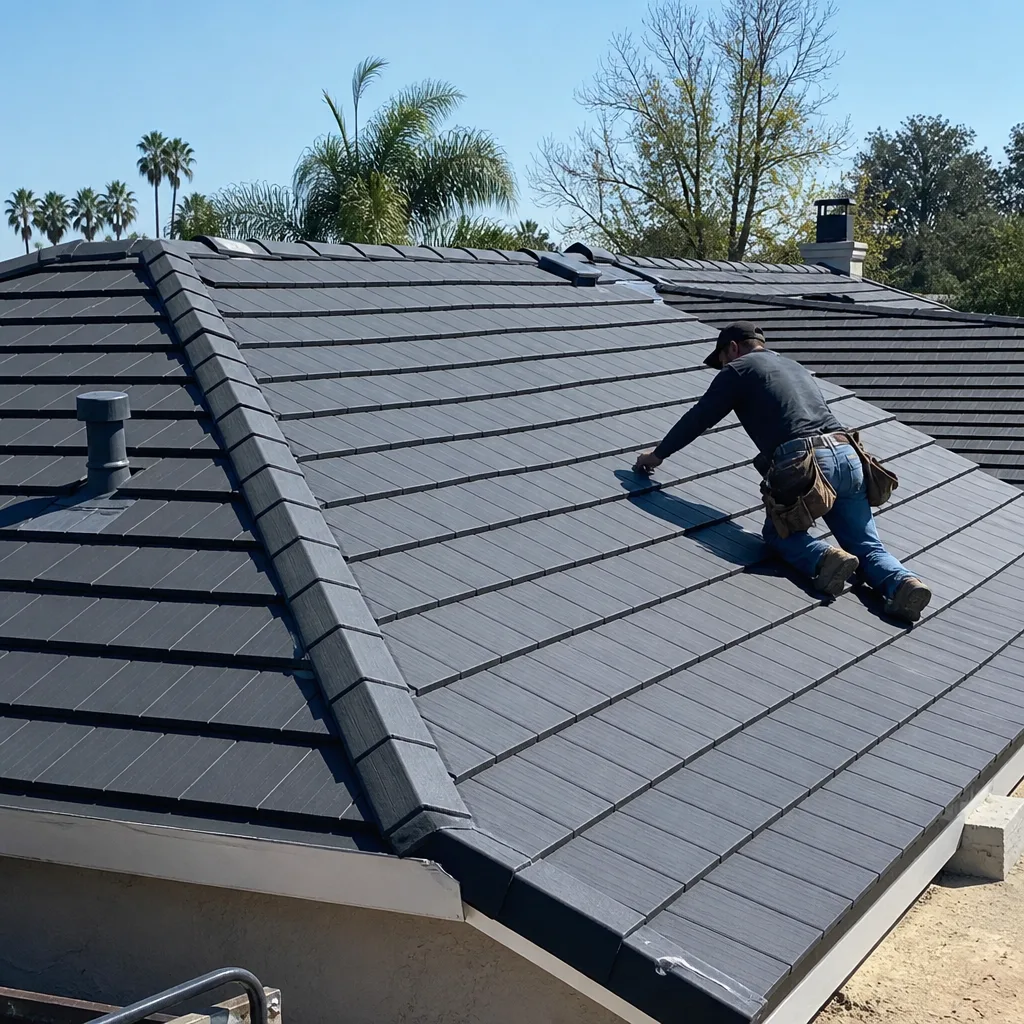 After
After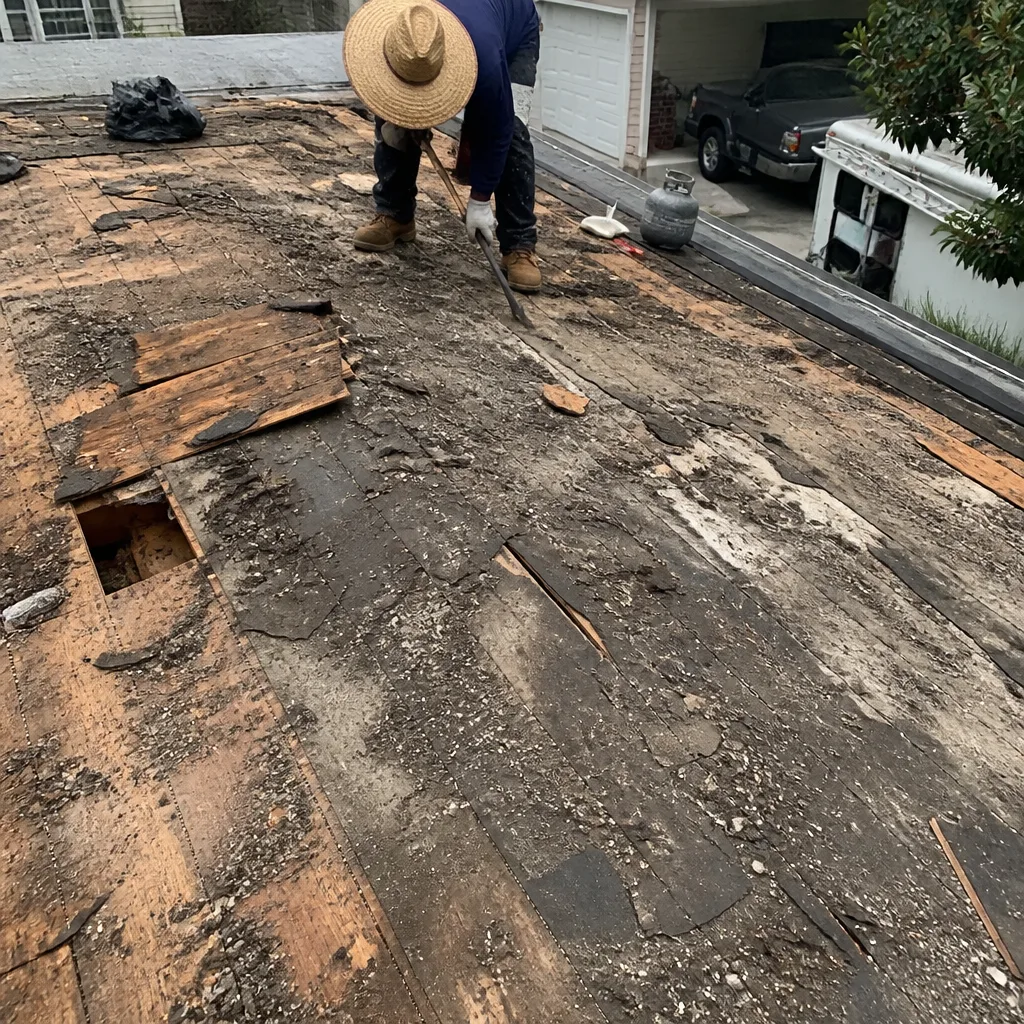 Before
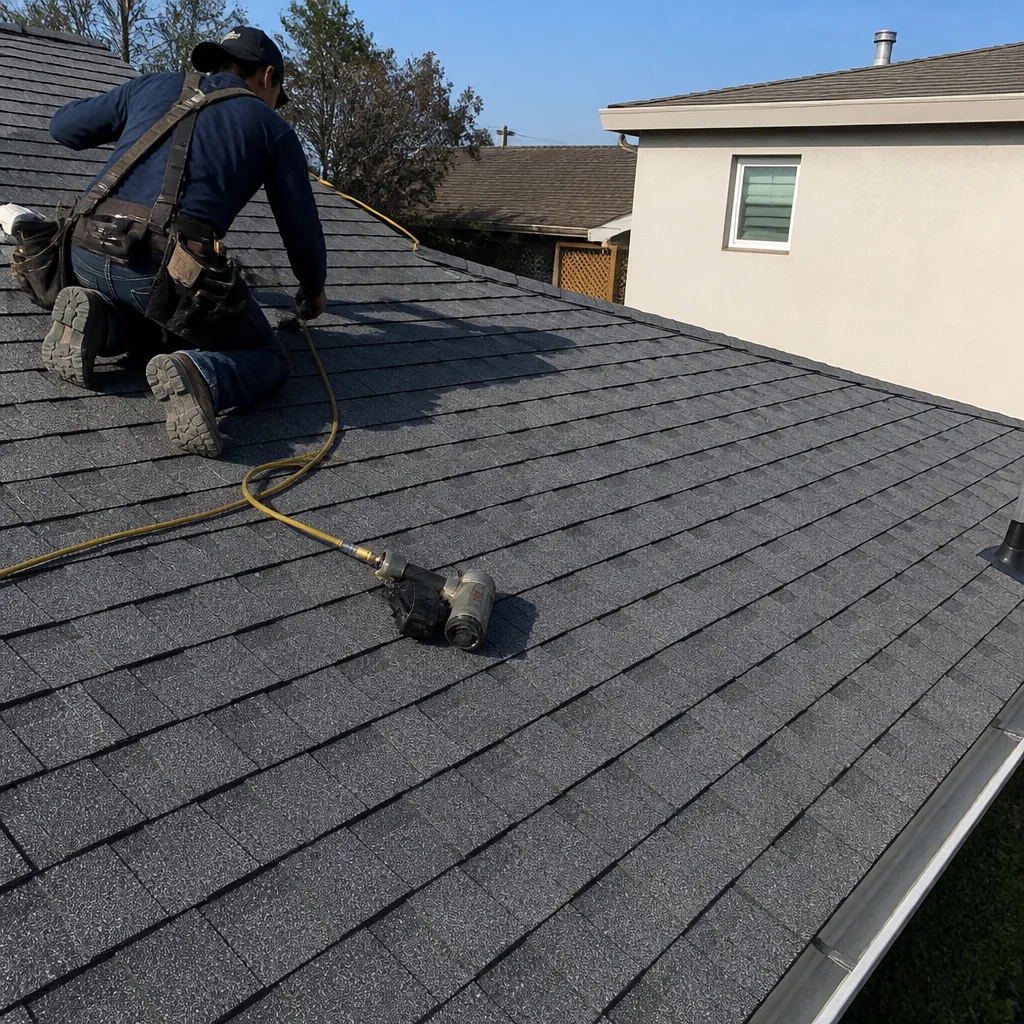 After
After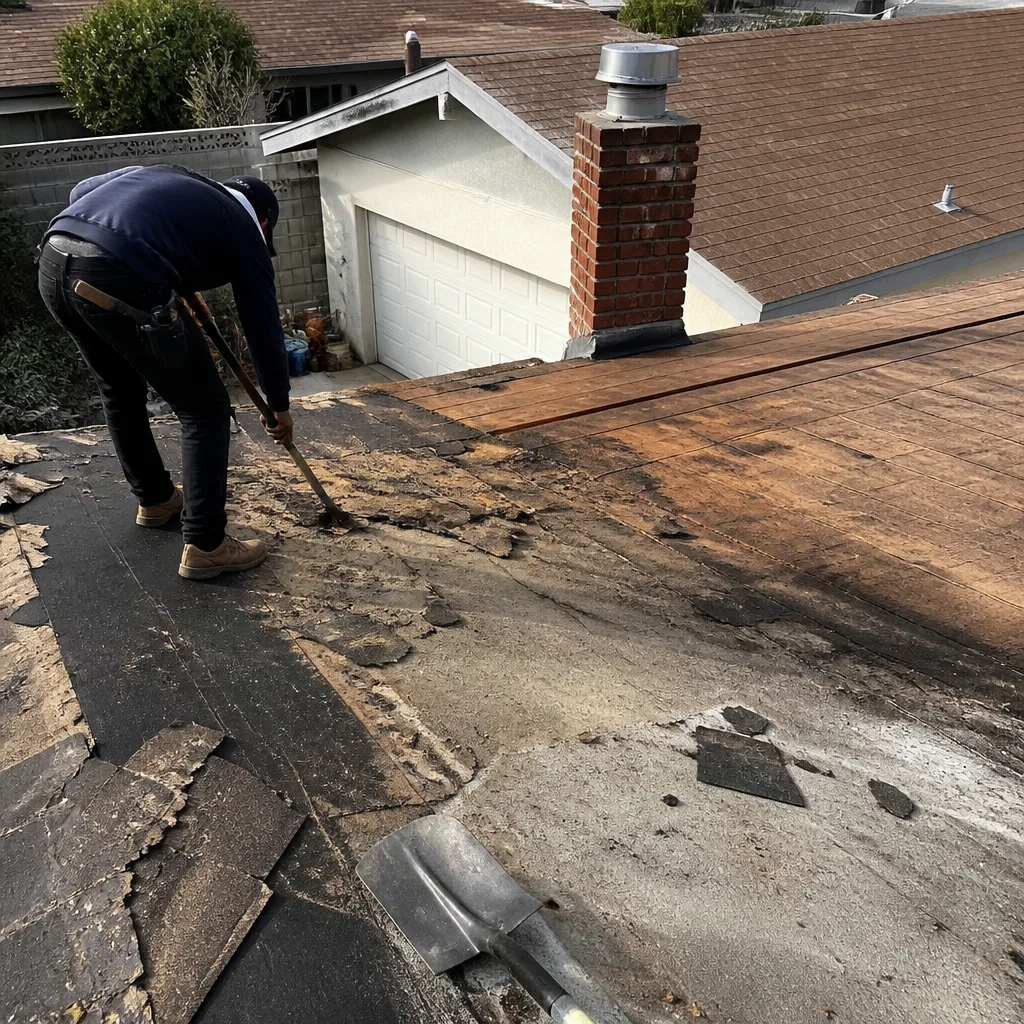 Before
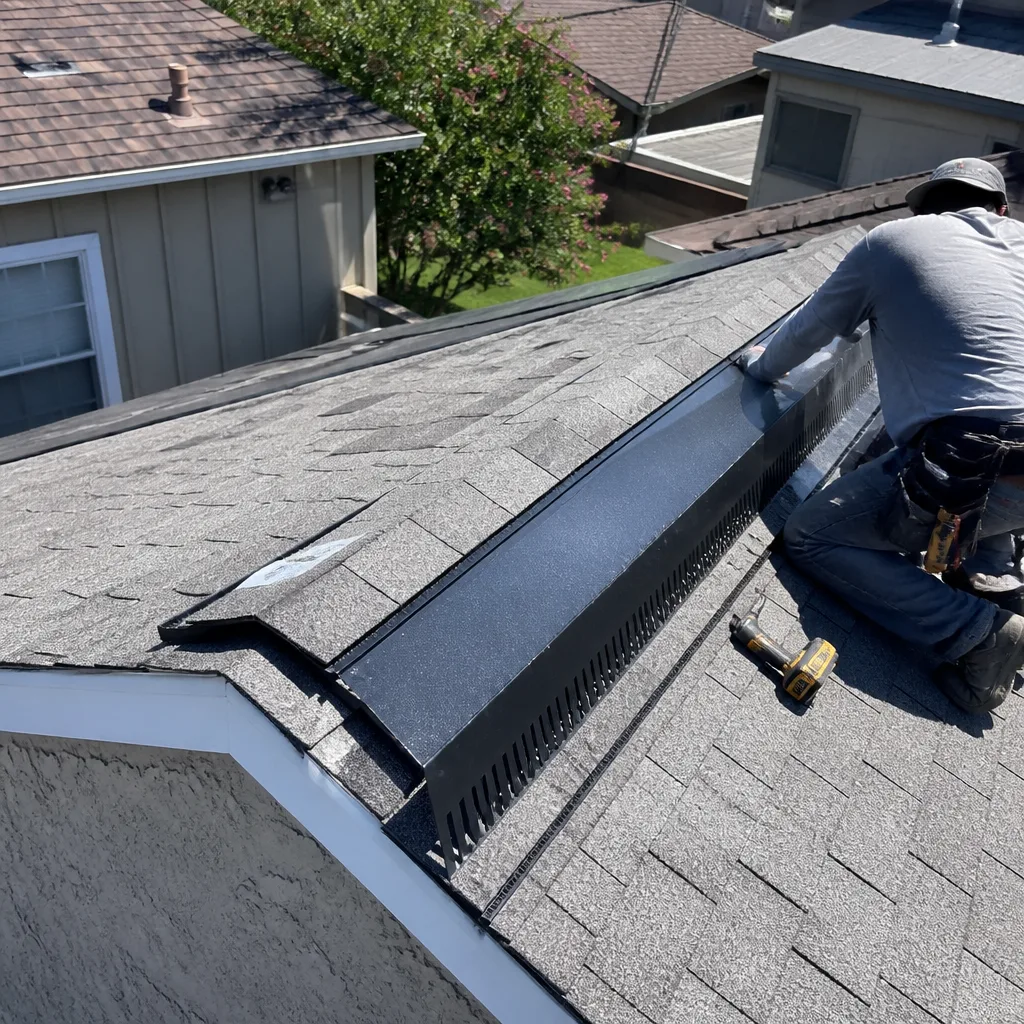 After
AfterDaylight Visible Through the Attic Boards
What’s Happening
Daylight coming through your attic boards almost always means there are gaps in your roof deck – missing shingles, failed flashing, or rotted decking that has opened a direct line between the outside air and the inside of your home. This is an active opening in the weather envelope of your house, and rain, insects, and outdoor air are using it. It needs a professional inspection as soon as you can arrange one.
The attic is where roof problems announce themselves before they become visible anywhere else in the house. What looks like a single pinhole of light can represent a shingle that blew off in a storm, a ridge cap that has cracked apart, or a flashing joint around a vent pipe that separated years ago. Some gaps are small and stable. Others are growing every time it rains. You can’t tell which one you have from inside the attic – but a trained eye on the roof can figure it out in a single visit, and your local Birchbark Roofing team does exactly that.
Why It Happens
Missing or Blown-Off Shingles
High wind events are the most common reason daylight appears in an attic. A shingle that lifts, tabs off, or tears free leaves the underlayment – and sometimes the raw decking – exposed to the sky. From inside the attic, you’ll see a bright, well-defined rectangle or strip of light, often with the felt paper or wood visible just beyond it. If there are granules scattered in your gutters after a recent storm, blown shingles are the likely explanation.
Failed or Separated Flashing
Flashing is the thin metal that seals every place the roof surface meets something else – a chimney, a skylight, a plumbing vent, a wall. It’s attached with screws or nails and sealed with roofing cement, both of which can fail as the material expands and contracts through years of temperature swings. When flashing lifts or separates, you’ll often see a narrow triangle or crescent of light around a penetration point rather than a broad gap. Water stains on the sheathing nearby are a strong secondary signal.
Rotted or Deteriorated Roof Decking
Plywood or OSB decking that has been wet for a long time softens, delaminates, and eventually opens. This kind of gap often looks irregular – ragged edges, soft dark wood around the perimeter, maybe a sagging spot you can see from inside. Press on nothing. Decking that looks soft from below may not hold weight from above, and walking on deteriorated areas is genuinely dangerous. This one is a hands-off, call-the-roofer situation.
Open or Deteriorated Ridge and Hip Caps
The cap shingles that run along the ridge and hips of a roof take more wind punishment than any other section because they sit at the highest exposure point. When they crack, curl, or blow off, light can come through the peak of the attic – which means you’re also losing most of your roof’s primary wind-sealing point. Ridge gaps tend to show as diffuse light along a line rather than a concentrated point, and you may notice a draft near the ridge vent even on calm days.
What to Do Right Now
- Photograph the light before you do anything else. Take a few photos showing the location of the gap relative to structural elements like rafters or vent pipes. This helps the technician locate it from outside and documents the condition before weather changes anything.
- Mark the spot without touching the decking. Set a shoe or a piece of tape on the attic floor directly below the gap. Do not climb onto the roof yourself, and do not press on soft or discolored decking – deteriorated wood can fail underfoot without warning.
- Check the rooms directly below for water stains or damp drywall. Run your eye along ceilings and the tops of walls. A stain doesn’t always appear right below a gap – water travels along framing members before it drips – but new or spreading stains tell you water has already entered.
- Move anything stored in the attic that you wouldn’t want wet. Boxes, insulation batts, holiday items – shift them away from the gap area until the inspection is done.
- Call your local Birchbark Roofing team to schedule an inspection. Don’t wait for the next rain to confirm it’s a problem. An opening in the roof is already a problem. A live person answers at (424) 766-4937 around the clock, including nights and weekends.
How We Fix It
When a Birchbark technician arrives, the inspection starts on the roof, not in the attic. Using the location you’ve marked and the photographs you took, the technician finds the gap, traces its edges, and checks whether the surrounding decking is structurally sound before any repair begins.
Most gaps caused by missing shingles or separated flashing are resolved through a targeted roof repair – removing the damaged section, replacing any compromised decking, and installing new material from GAF, CertainTeed, Owens Corning, or one of our other approved material lines. Where the damage is extensive or the deck shows widespread moisture damage, a roof replacement may be the right path, and the technician will tell you plainly which one applies and why.
Before any work starts, you’ll have a written price in dollars. That’s not a policy we talk about at the office – it’s how every Birchbark job works, every time. The repair is covered by the 365-Day Done Right Promise: if it’s not done right, we make it right. Most targeted repairs are completed in a single visit.
Frequently Asked Questions
An opening in your roof is not safe to leave unaddressed, even if it looks small. Water, insects, and outdoor air enter through gaps that are too small to see clearly from inside the attic, and a single rain event can turn a contained gap into soaked insulation and stained ceilings. A few weeks is enough time for a minor repair to become a significantly larger one. Call (424) 766-4937 to get someone out as soon as possible.
Your local Birchbark Roofing team will work to get to you as quickly as the schedule allows. A live person answers every call at (424) 766-4937, day or night, seven days a week – no voicemail, no callback queue. When you call, ask about current availability in your area and the team will tell you exactly when they can get there.
It’s possible, and it’s worth noting the shape of the light. Vent openings are usually round, louvered, or screened and appear in a predictable location near the ridge or the soffits. A gap from a failed shingle or flashing tends to have an irregular shape or sharp edges and may shift slightly as clouds move overhead. If there’s any doubt, let the technician confirm it from the outside during the inspection – that’s the only way to know for sure.
No. The written price you receive before work begins is the price of the job. Birchbark’s upfront pricing commitment means that number doesn’t shift after the crew is on the roof. If the technician finds additional damage during the repair that changes the scope, they will stop, explain what they found, and give you a revised written price before continuing. Nothing proceeds without your knowledge and agreement.
Get It Fixed
Daylight in the attic doesn’t fix itself. Call (424) 766-4937 – a live person answers around the clock – or book online to schedule your free written estimate. Your local Birchbark Roofing team will inspect the roof, explain what they find, and give you a written price before a single shingle moves.
Written by Erik Lindgren, Owner at Birchbark Roofing, part of the Cedarwell family of independently owned and operated roofing companies since 2000.
What Our Customers Say
"After a storm we had a few spots to fix. They were gentle around the garden, laid tarps, and swept the driveway spotless. You'd never know a roof crew had been here."
- Dawn Kirkland"Roof repair after a leak. What won me over was the cleanup, they ground sheeted the flower beds so no debris fell in, and they ran a magnet over the whole yard for nails. Careful crew."
- Gordon Fiske"They repaired some lifted shingles and were so neat about it. Covered the deck, cleaned the gutters of debris when they were done, and checked the yard twice for nails. Kids play out there so that mattered."
- Lena Hargrove