
Free roof inspection with deck photos before we talk money - GAF and Owens Corning certified installation
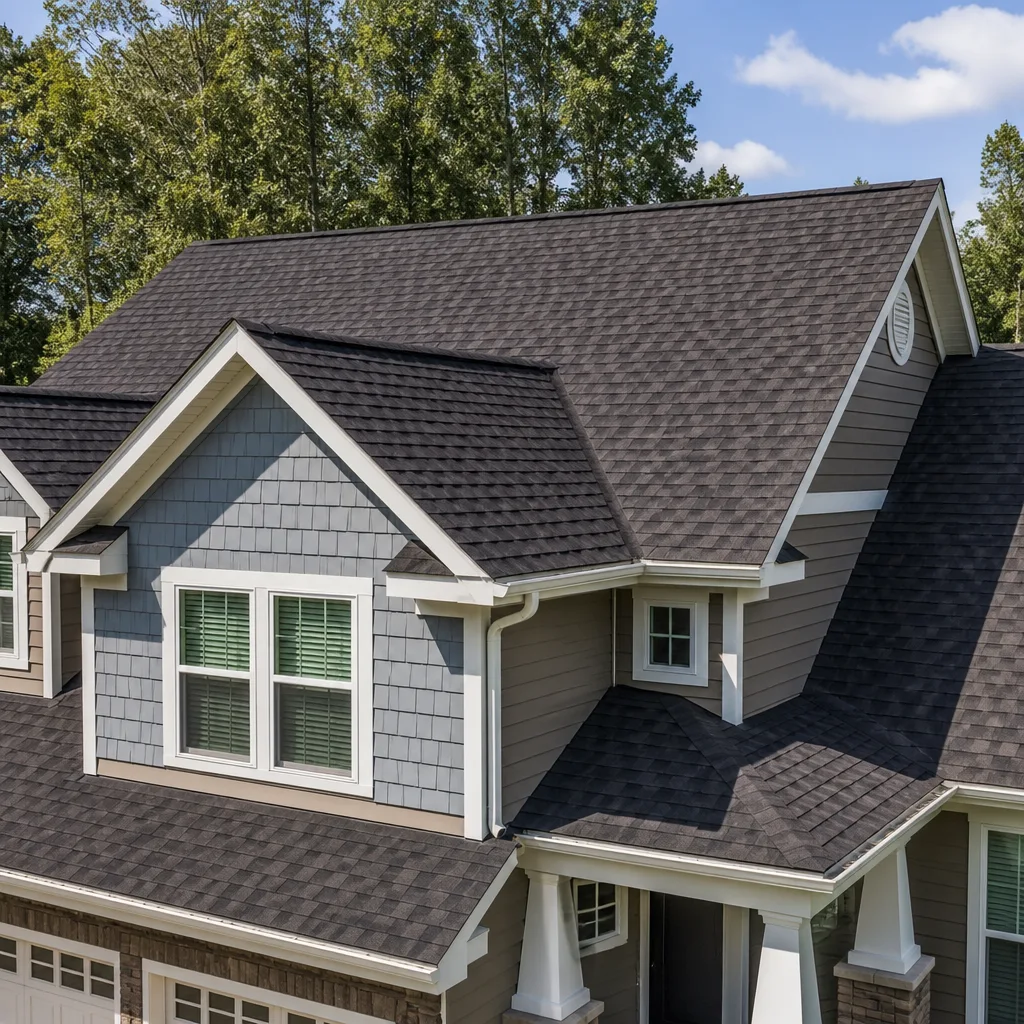
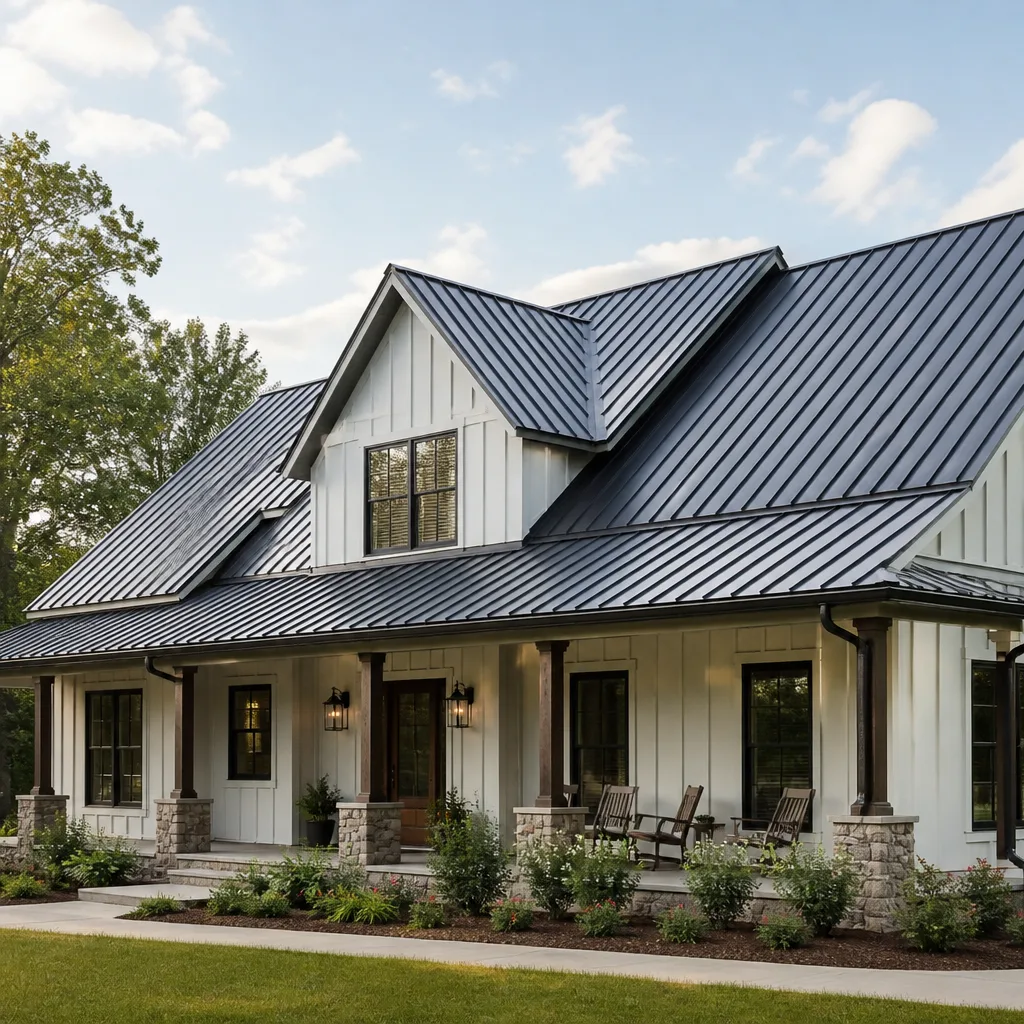
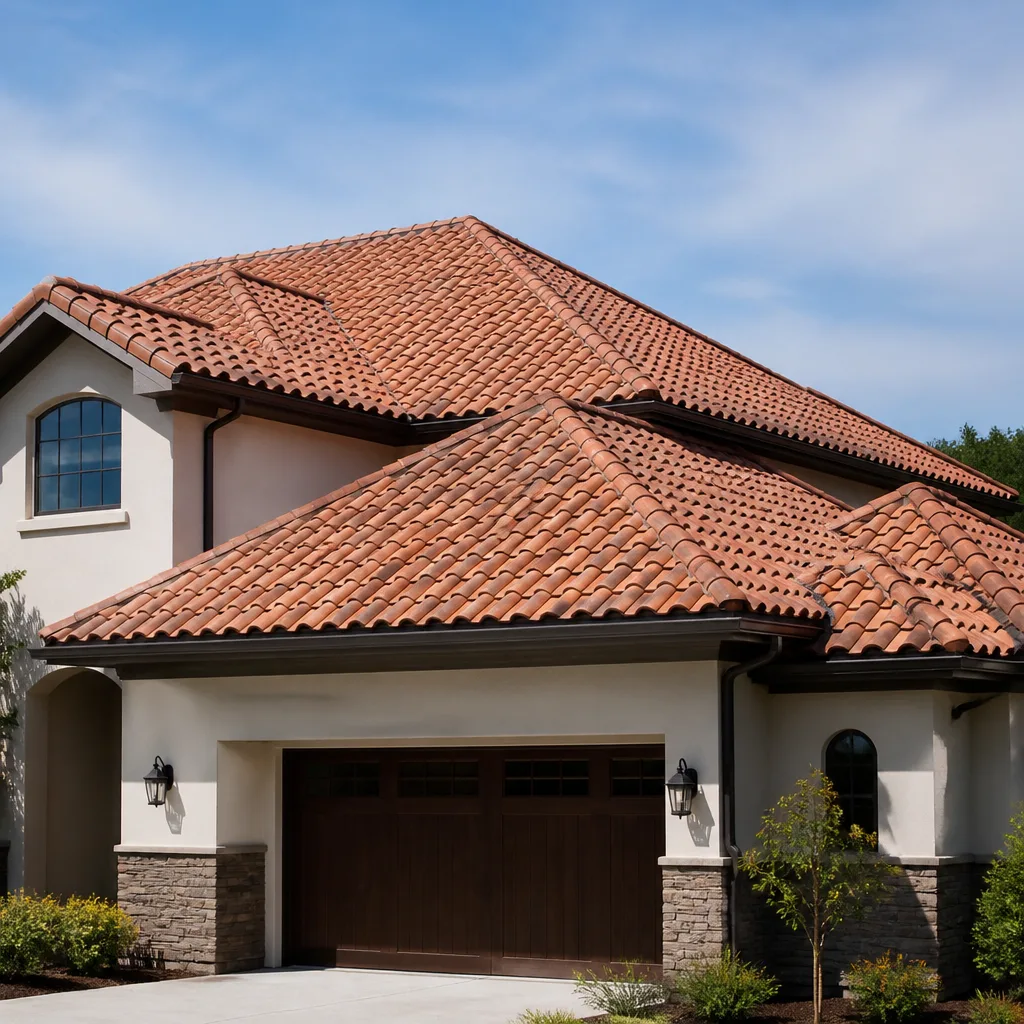
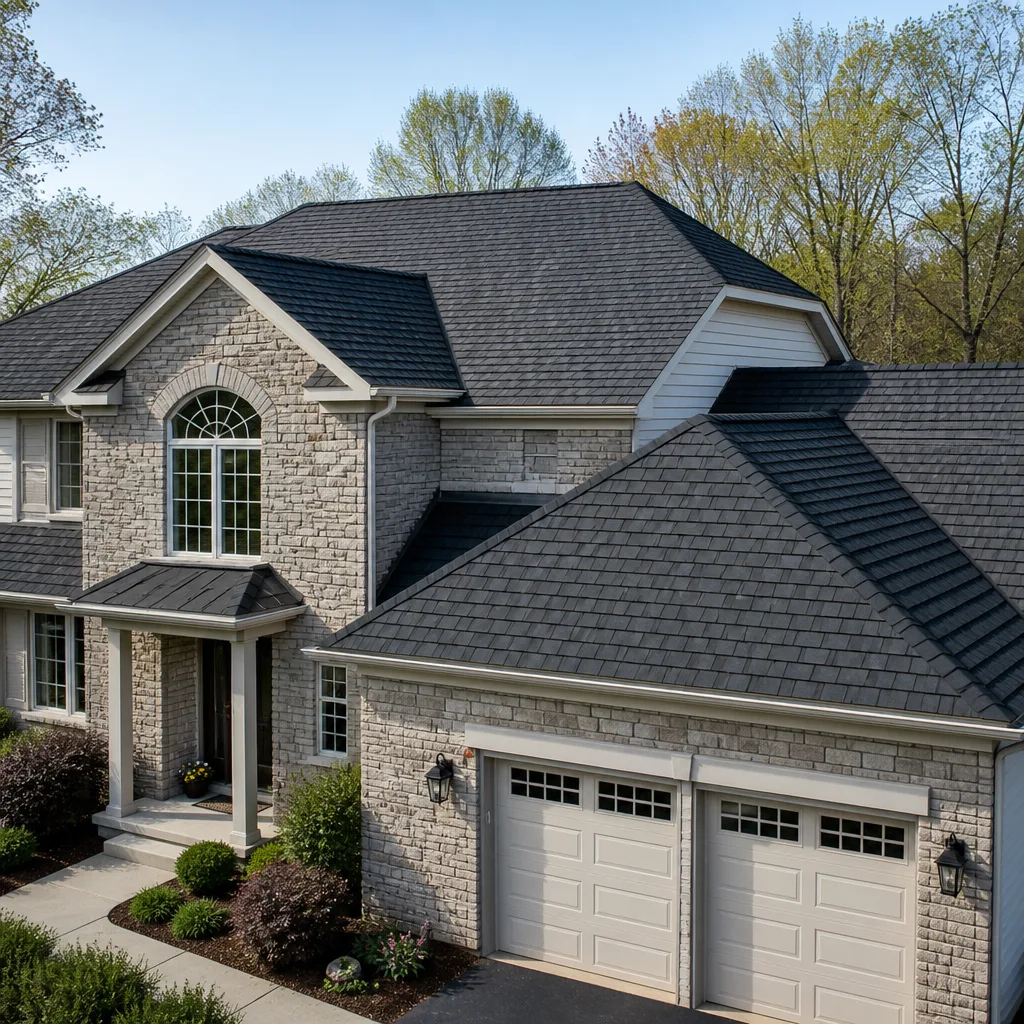
 Before
 After
After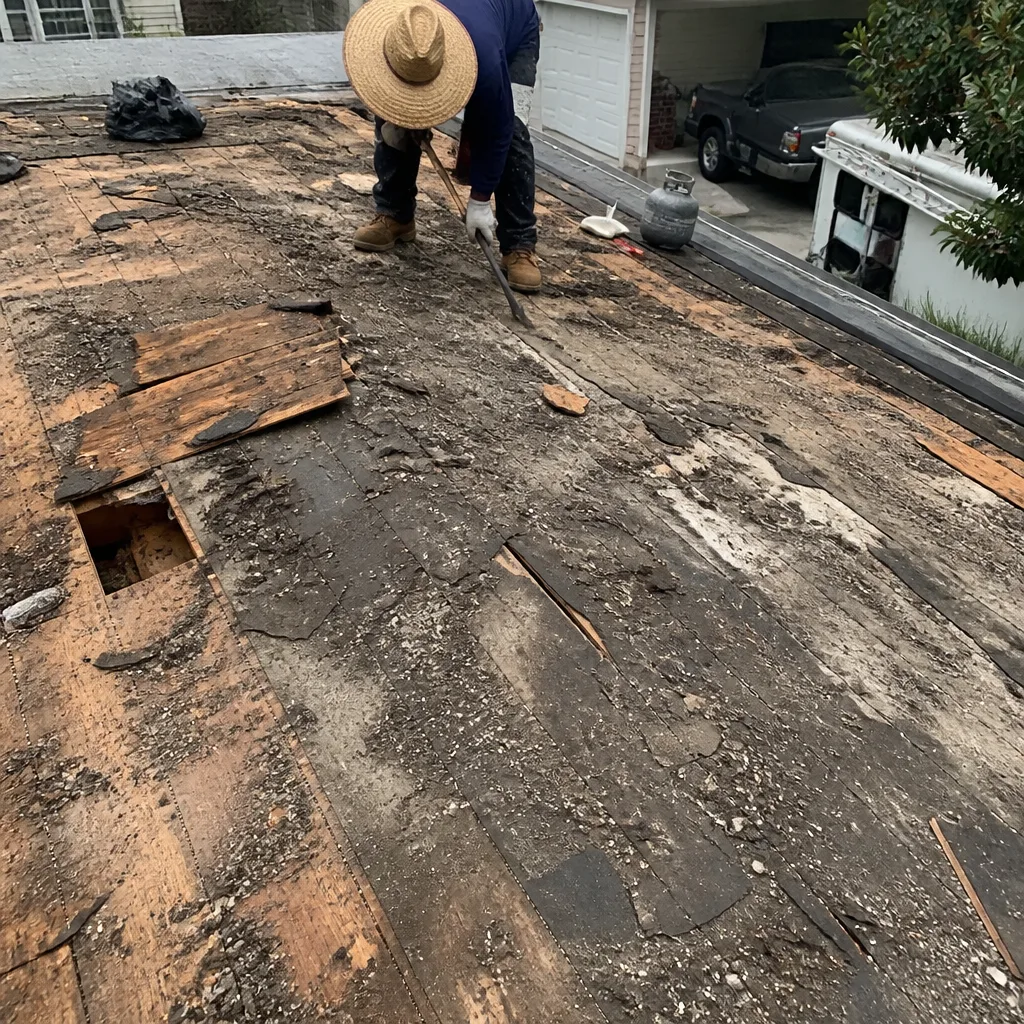 Before
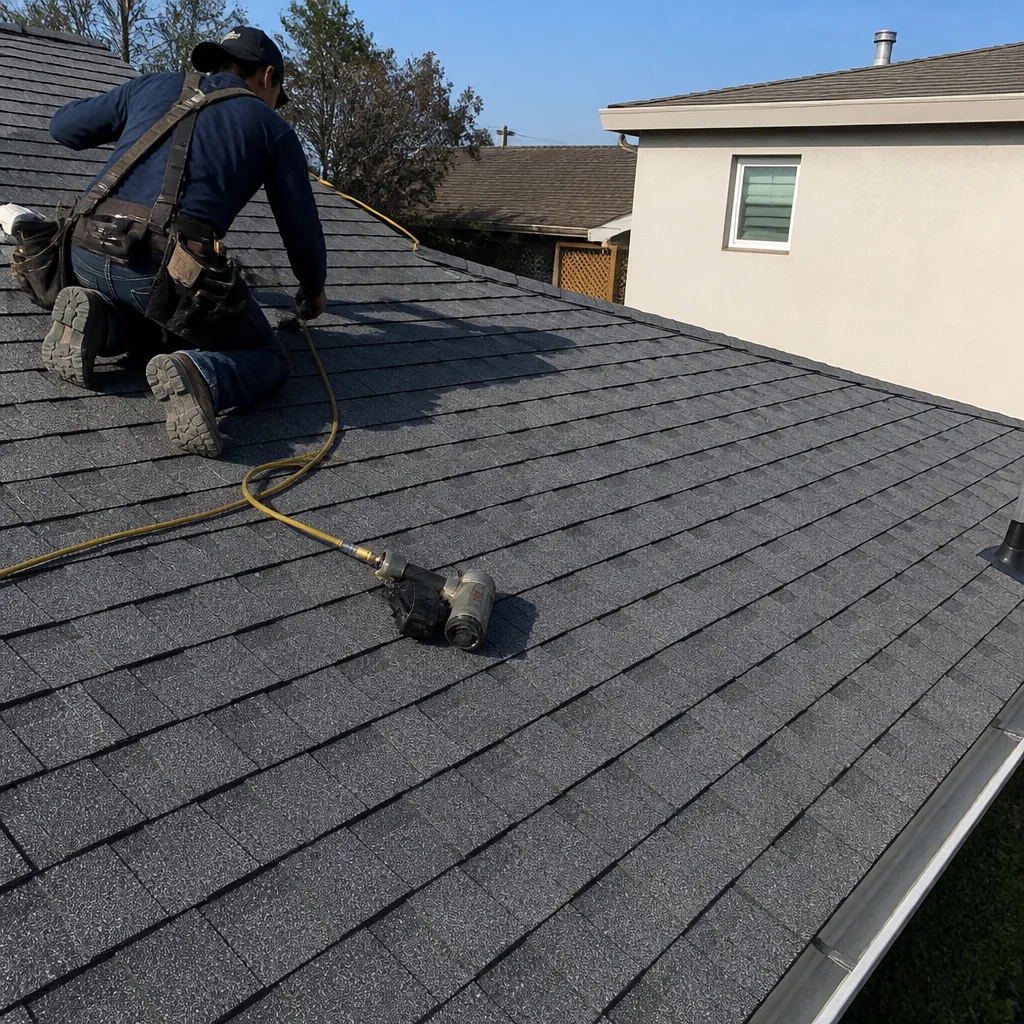 After
After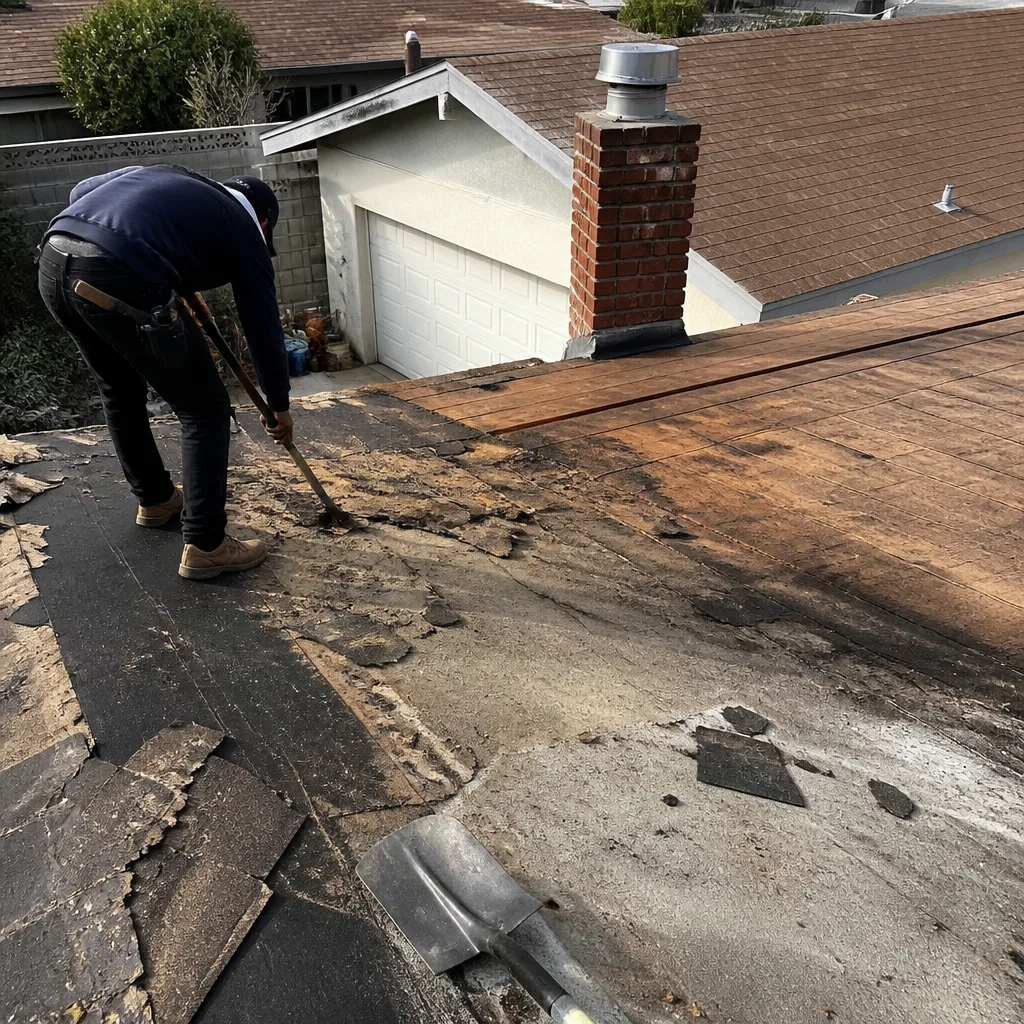 Before
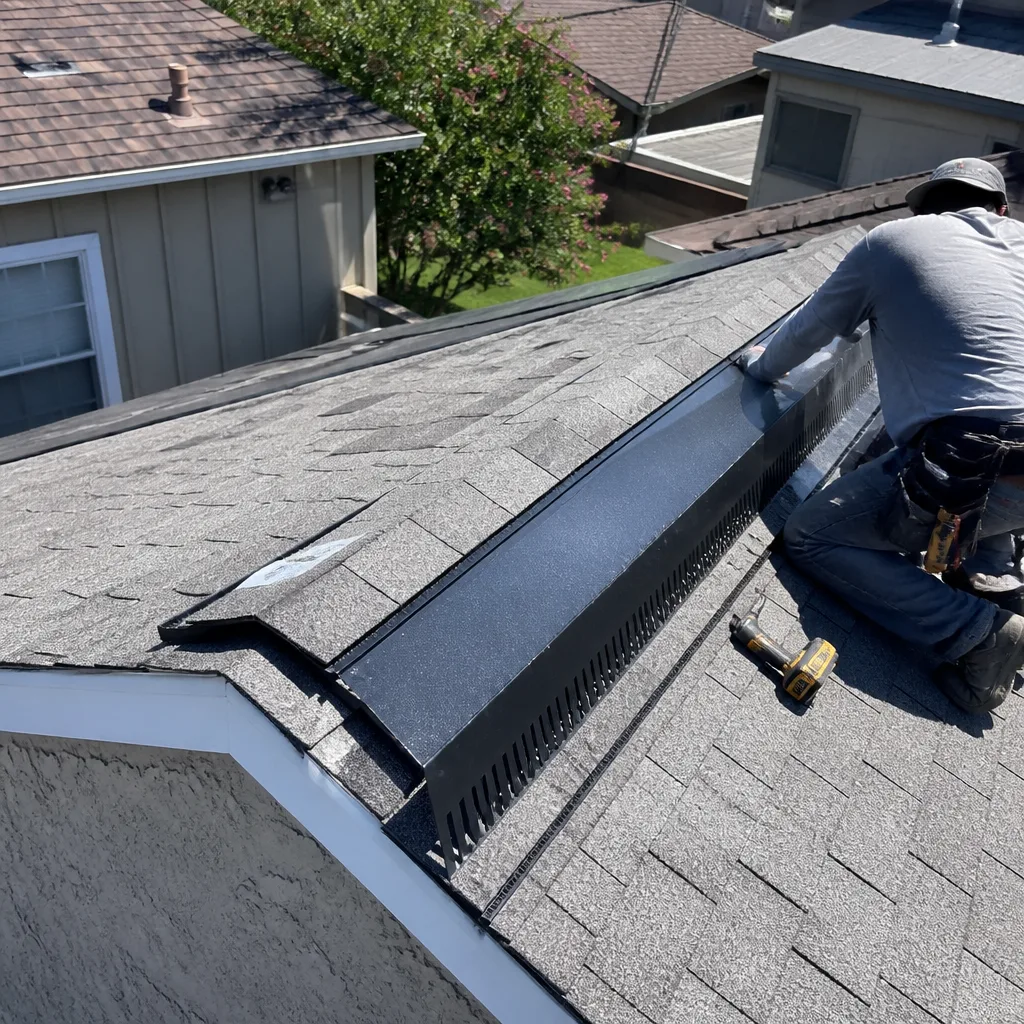 After
AfterTamko Underlayment & Deck Repair: The Los Angeles Owner’s Guide
If your Tamko underlayment has torn, wrinkled, or started peeling back from the deck, we can match it and replace it, usually within a few days of your call. Most Tamko underlayment and deck repairs in Los Angeles run between $850 and $2,400 installed, depending on how much decking needs to be replaced and how far the underlayment has failed. You’ll see your exact number in writing before any work starts. The typical discovery comes after a wet winter: a ceiling stain appears in a bedroom, or you spot a lifted section of underlayment flapping at the roof edge from the driveway. By the time it’s visible, it has usually been failing for a while. Tell me what you’re seeing, and I’ll tell you exactly what it means for your roof.
Birchbark Roofing is an independent Los Angeles roofing company. We are not affiliated with Tamko, but we install and repair Tamko underlayment products every week, and we keep the common sizes and accessories stocked for Los Angeles homes.
Which Tamko Models This Applies To
Tamko makes two underlayment families most Los Angeles roofs use: the synthetic line (Tamko TW-60, TW-40, and Apex) and the traditional asphalt-saturated felt line (Tamko Pro-Felt, typically #15 and #30). The synthetic products are the current standard for most reroofs and repairs, because they lie flatter, resist tearing in high wind, and tolerate the heat coming off an L.A. roof deck without degrading. The felt products still show up on older roofs and in some spot-repair applications, particularly under tile in certain hillside neighborhoods.
The compatibility issue we see most often is this: Tamko synthetic underlayment is wider and thicker than old felt, so if you’re patching a failed felt section with synthetic, the lap lines and nail patterns need to be adjusted, or the patch telegraphs through the final surface. We verify the existing product by checking the print line on the exposed underlayment itself. If it’s obscured, we measure the roll width. A #15 felt is 36 inches wide; Tamko synthetic rolls are typically 48 inches or wider. That’s the fastest identification method, and it’s one of the first checks our technicians do on the roof.
When it comes to OEM versus aftermarket: for underlayment, Tamko’s own product is what we recommend for Tamko systems, because the warranty language on the finished roof often ties back to the underlayment spec. There are quality third-party synthetics that perform well, but with underlayment, the savings are usually small enough that matching the system is the better decision.
Signs Your Tamko Underlayment & Deck Repair Is Failing
- Visible waves or wrinkles under the roofing surface. This usually means the underlayment absorbed moisture and expanded, or it was installed over a wet deck. In Los Angeles, we see this after the January-February rain stretch, especially on roofs with moss or debris buildup holding moisture against the surface.
- Staining on the underside of the deck in the attic. A watermark on the plywood or OSB from underneath is the most reliable signal that the underlayment above has been compromised. By the time the ceiling shows a stain, the underlayment has been letting water through for weeks or months.
- Underlayment visible and peeling at roof edges or rakes. Wind-driven rain gets under the edge and starts peeling the fabric back, especially on roofs with no drip edge. Santa Ana winds don’t help. Once an edge lifts, it flaps and tears further with every wind event.
- Brittle or cracked felt under roof penetrations. Around vents, pipes, and skylights, the underlayment gets concentrated UV exposure and heat. Tamko felt in those areas can crack and split years before the rest of the roof needs attention.
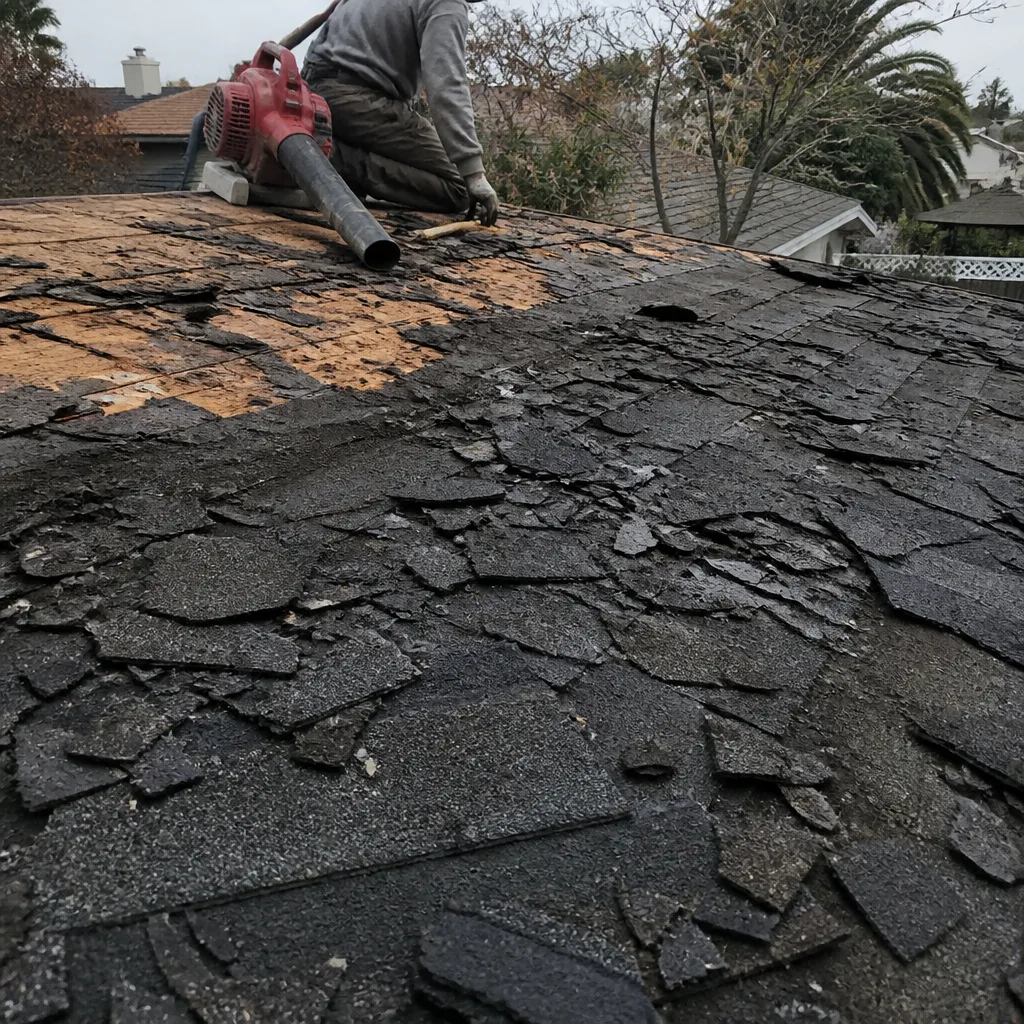
- Soft spots or sag in the deck when walked. This means the deck itself has water damage under the underlayment. The underlayment failure is the cause; the deck rot is the result. That’s when repair scope jumps from a patch to a full deck replacement in that section.
Replacement Cost & What’s Included
For Los Angeles homes, plan on these installed ranges:
- Spot underlayment repair (under 100 sq ft): $450-$850. This covers removing the damaged section, replacing any bad decking, installing matched Tamko underlayment with proper laps, and resealing the area. Works when the failure is localized and caught early.
- Partial deck replacement with new underlayment (100-500 sq ft): $900-$2,400. This includes pulling and disposing of the old roofing material in that section, replacing the deck sheathing, installing new underlayment, and tying the patch into the surrounding roof. The big driver is deck condition: if the plywood is sound, you’re on the low end. If water got in and rotted the deck, the scope and cost increase.
- Full reroof underlayment replacement: $4,800-$9,500 for a typical Los Angeles home, though that’s really a reroof conversation, not a repair.
Every quote includes the materials, labor, disposal, and the written line-item breakdown so you see exactly where the dollars go. There are no change orders on our work. The job is covered by the 365-Day Done Right Promise: if something isn’t right, we make it right. Erik Lindgren is the one who walks the estimate with you line by line until the number makes sense.
DIY or Call Us?
What a homeowner can safely do: go into the attic on a bright day and look for light coming through the deck, water staining, or sagging between rafters. You can also photograph any visible underlayment from the ground with a phone zoom. That documentation helps us quote accurately before we even climb up.
What we don’t recommend doing yourself: pulling back roofing material, nailing into a wet deck, or using sealant to “patch” torn underlayment from above. The risk isn’t just the roof damage. Working on a sloped Los Angeles roof without proper tie-off is dangerous, and an incorrect underlayment patch traps moisture under the surface, which accelerates deck rot. The failure then hides until the deck is beyond repair. If you need a hand figuring out what you’re seeing, call (424) 766-4937 and describe it. We’ll tell you whether it’s urgent, and if it is, we’ll get a technician out to look.
FAQs
Tamko synthetic underlayment is rated for the life of the roof system when installed correctly, and we routinely see 20 to 30 years from it in Los Angeles’s climate. The limiting factor is almost never the underlayment itself. It’s the deck condition underneath, the quality of the lap installation, or UV exposure at edges and penetrations. Felt products have a shorter real-world lifespan, typically 15 to 20 years under L.A. heat, and they degrade faster if the roof stays wet, which shade from overhanging trees can cause. If you want a professional assessment of the underlayment on your roof, call (424) 766-4937 for a free estimate.
Yes, localized repairs work when the failure is caught before the deck underneath has water damage. We cut out the torn or cracked section, install a correctly lapped Tamko underlayment patch, and seal the transitions properly. The repair is only as good as the deck beneath it, so we check that first. If the deck is soft or showing water stains, a patch alone will fail. We’ll tell you which situation you have, and the repair quote comes in writing before anything starts. Call (424) 766-4937 to schedule a look.
Most spot repairs take one day, including the deck check, the replacement, and the clean-up. Partial deck replacements with new underlayment run one to two days, depending on how much sheathing needs to come out and how complex the tie-in is around vents, skylights, or chimneys. You should expect noise during the work hours, and we coordinate the schedule with you if you have kids napping or pets that need to stay inside. Before the crew leaves, you get a photo of the completed clean-up. For an exact timetable on your roof, call (424) 766-4937.
We stock Tamko TW-60 and TW-40 synthetic underlayment along with the standard accessories on our trucks, plus Tamko Pro-Felt for older roof systems. If your roof uses a specific Tamko product we don’t have on the truck that day, our Los Angeles supplier typically delivers within one to two business days. We also work with GAF, Owens Corning, and CertainTeed products, so if a cross-brand match makes sense for your roof, we’ll tell you and price it honestly. Call (424) 766-4937 and we’ll confirm what’s available for your repair timeline.
If you’re seeing signs of underlayment failure or deck damage, the sooner we look, the smaller the repair tends to be. Call us at (424) 766-4937 for a free estimate. We’ll send a background-checked technician to assess the roof, and you’ll get a written price before any work is agreed to. Shoe covers at the door, drop cloths through the hallway, all debris cleared and photographed before we leave. That’s how every Birchbark Roofing job works, from a small deck patch to a full Tamko reroof.
Written by Erik Lindgren, Owner, Birchbark Roofing at Birchbark Roofing, serving Los Angeles and nearby areas.