
Free roof inspection with deck photos before we talk money - GAF and Owens Corning certified installation
 Before
 After
After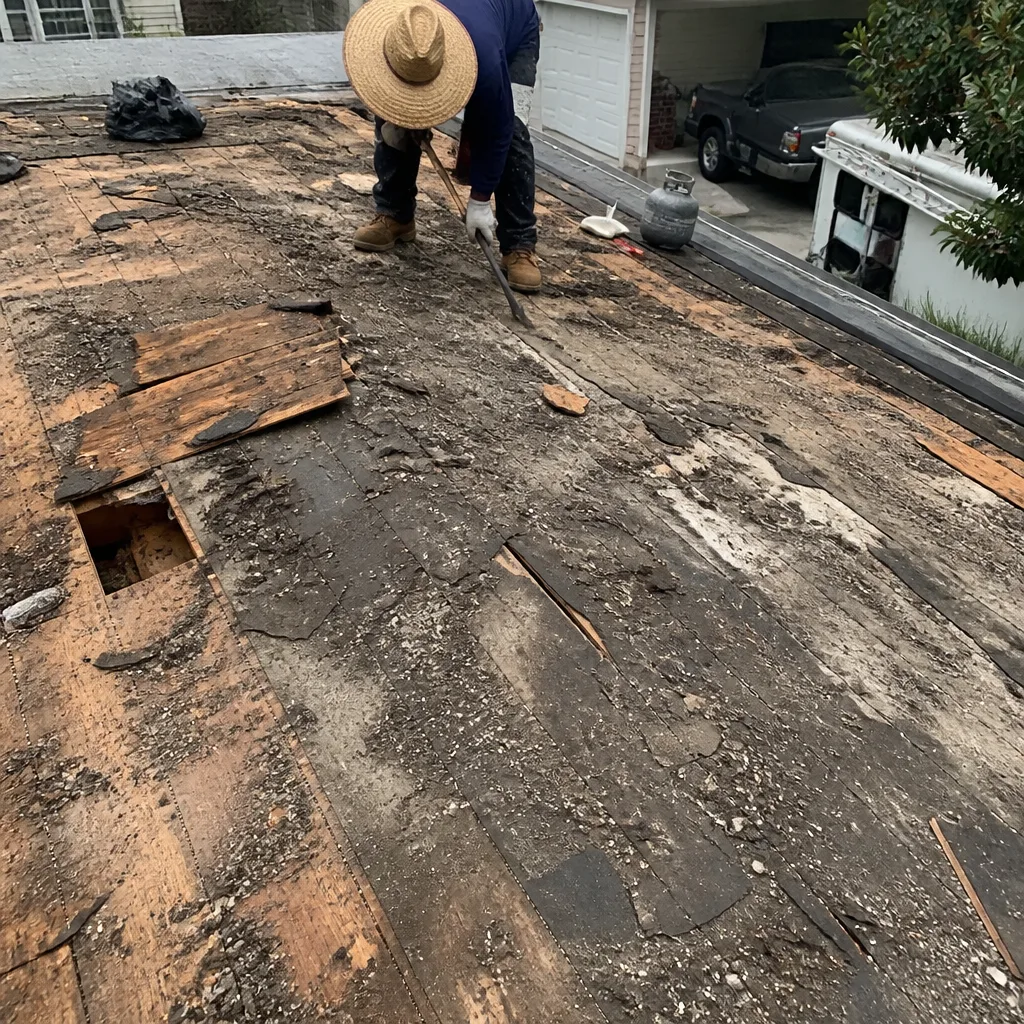 Before
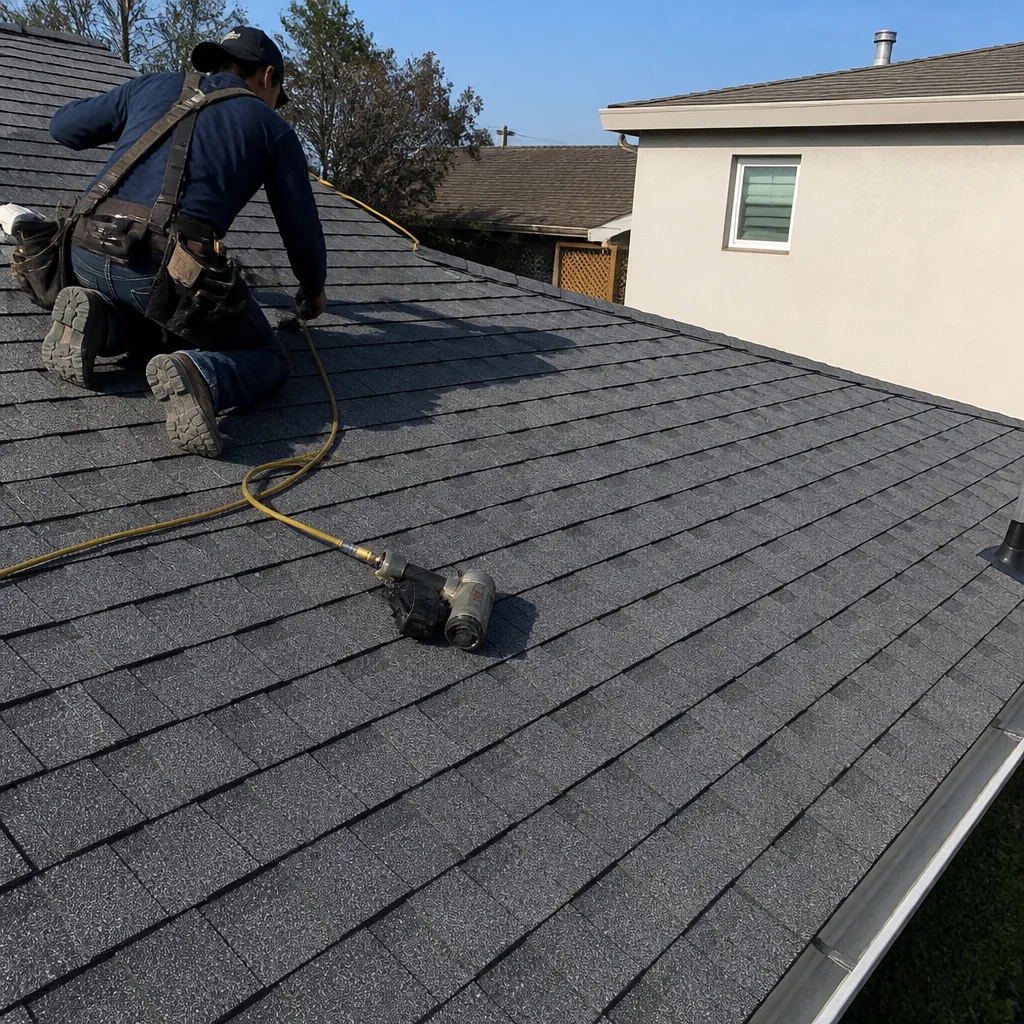 After
After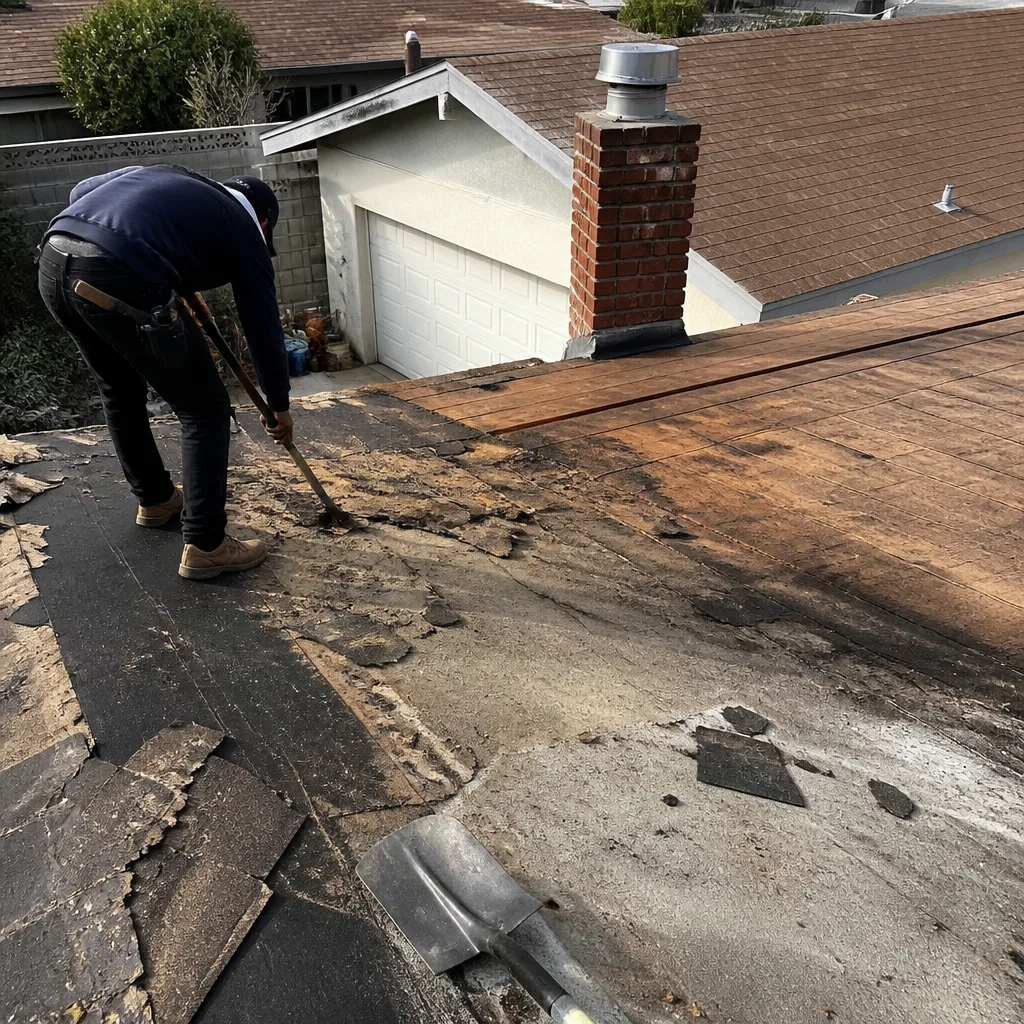 Before
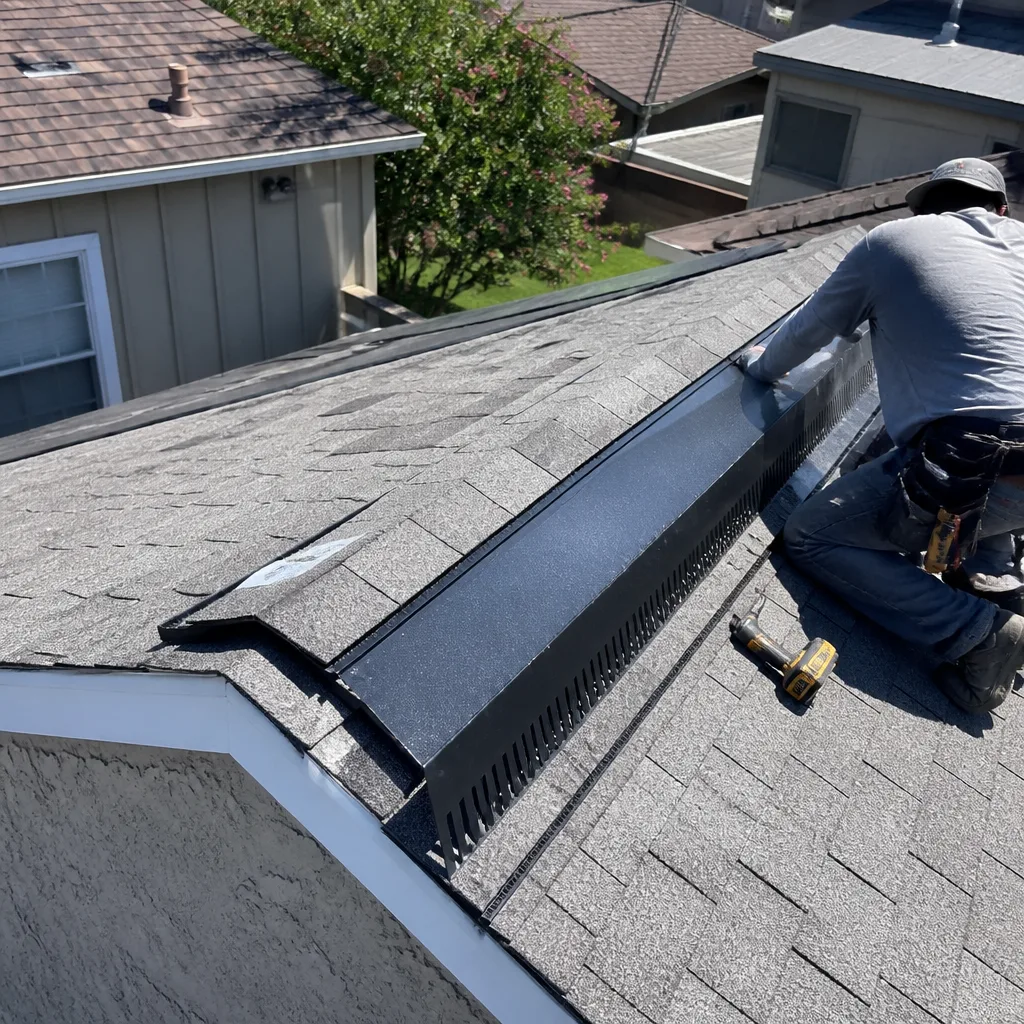 After
AfterAtlas Flashing Replacement: The Los Angeles Owner’s Guide
Atlas flashing replacement in Los Angeles typically runs between $450 and $1,100 installed, depending on the flashing type, roof pitch, and how many penetrations need attention. We stock Atlas-compatible step flashing, pipe collars, valley metal, and headwall flashing, and most single-penetration replacements are done in one visit.
The way most homeowners discover failed flashing isn’t a dramatic roof leak. It’s a water stain on the ceiling after the first real rain, or a damp spot in the attic that showed up quietly. Sometimes it’s granules collecting in the gutter below a valley. Flashing fails slowly, then suddenly. When it goes, the water has usually been working its way in for months. Erik Lindgren has walked enough Los Angeles attics to know the pattern: the flashing corrodes at the fastener line, the sealant dries out and cracks, and the next Santa Ana wind season flexes the metal just enough to let water through. Then January rains do the rest.
Key takeaways:
- Installed Atlas flashing replacement in Los Angeles: $450-$1,100 typical range
- Most single-penetration jobs are one-visit repairs
- We stock Atlas-compatible flashing on the truck, not special-ordered
- Written price before any work starts, every time
- Birchbark Roofing is an independent service provider, not affiliated with Atlas
Which Atlas Models This Applies To
Atlas flashing isn’t tied to one shingle line. Whether your roof wears an Atlas Pinnacle, StormMaster, or GlassMaster shingle, the flashing product is chosen by penetration type, not by the shingle model. That said, the compatibility question matters. Atlas architectural shingles are thicker than three-tab, and the step flashing needs to rise high enough up the sidewall to account for that extra thickness. A flashing piece cut too short leaves the top edge vulnerable, especially on Los Angeles hillside homes where wind-driven rain hits sidewalls at an angle.
Here’s the compatibility gotcha we see repeatedly: older Los Angeles homes often have 4-inch step flashing, which worked fine with thin three-tab shingles from the 1980s. When an Atlas architectural shingle goes on, that 4-inch flashing is undersized. The correct spec is 5-inch rise with an 8-inch run, and the kickout at the bottom should extend at least 1.5 inches past the gutter line. If a previous contractor used the smaller flashing to save a few dollars, water intrusion at the roof-to-wall intersection is a question of when, not if.
For homeowners weighing OEM versus aftermarket: Atlas manufactures its own flashing line, but the reality is that most Atlas flashing sold in the Los Angeles market is made to the same ASTM standards by regional metal fabricators. We install both. The OEM products carry the Atlas label and a known gauge; quality aftermarket equivalents from local fabricators are often the same 26-gauge galvanized or aluminum alloy. What matters more than the brand stamp is the gauge, the coating, and whether the installer replaces the entire piece instead of patching over it. We’ll show you the old piece we removed and the new one going on, and you’ll see the exact line item on your written estimate.
Signs Your Atlas Flashing Replacement Is Failing
- Ceiling stains or attic dampness near exterior walls. This is the classic sidewall flashing failure. Water runs behind the flashing at the roof-to-wall junction and travels down the wall cavity before showing itself on the ceiling below.
- Moisture around plumbing vents in the attic. Rubber pipe collars crack under Los Angeles sun exposure. The rubber boot around the vent pipe degrades from UV and heat, splitting where it joins the metal base. Once split, it channels water directly into the attic.
- Granule accumulation in gutter below a valley. Valley flashing carries the heaviest water volume on the roof. When it corrodes or loosens, the shingles above the valley get saturated, shed granules faster than the rest of the field, and those granules end up concentrated in one section of gutter.
- Damp drywall around chimney or skylight. Headwall and counter flashing depend on a watertight sealant line. That sealant dries out in the Southern California sun within a few years. When it cracks, water follows the crack line behind the flashing and stains the wall or ceiling below the chimney chase or skylight enclosure.
- Visible rust or lifted flashing edges. Walk the perimeter of the roof line with binoculars. If you see flashing that has pulled away from the wall, rust streaks at fastener points, or missing pieces after a wind event, the system has already failed and is letting water behind the shingle layer.
Replacement Cost & What’s Included
In the Los Angeles market, plan on these ranges for Atlas-compatible flashing replacement:
- Pipe collar replacement: $450-$650 installed per penetration
- Step flashing replacement (without re-siding): $600-$900 per wall run, depending on length
- Valley flashing replacement: $700-$1,100 per valley
- Complete flashing package during reroof: $1,200-$2,200, depends on roof complexity and count of penetrations
The spread comes from roof access, pitch, number of stories, and how much of the surrounding shingle field has to be lifted to remove the old flashing cleanly. Steep roofs on Los Angeles hillside homes run higher because the crew works slower and safety setup takes longer. The parts themselves are modest; the labor is where the real cost lives, and that’s the honest math.
What you get from Birchbark Roofing: a written price in dollars before any work begins, replacement of the full flashing piece (not a patch over the damaged section), the removed part shown to you, and the work covered by our 365-Day Done Right Promise. If it’s not right, we make it right. You’ll also get a photo of the completed clean-up before the crew leaves, and the crew shows up in uniform with shoe covers and drop cloths so your hallway floors stay untouched.
DIY or Call Us?
Flashing replacement sits in a category we’d describe as “look from the ladder, don’t work from the ladder.” What you can safely do: use binoculars to inspect the flashing line for visible rust, lifted edges, or missing pieces. Go into the attic during daylight and look for water tracks on the underside of the sheathing. Note which penetrations line up with interior stains. That information is gold when you call us, because it lets us pinpoint the failure without exploratory demolition. As Erik puts it: “Tell me what you’re seeing, and I’ll tell you exactly what it means for your roof.”
Where DIY flashing goes wrong in Los Angeles is the roof itself. Flashing replacement requires lifting shingles without cracking them, removing old fasteners without widening the holes, and sealing everything in the correct order so water sheds away from the penetration. Get the sequence wrong and you’ve created a leak where there wasn’t one before. Roof work at height also carries real fall risk, and a flashing job done from a ladder on a two-story home is not the place to learn the trade. If the idea of working along a roof edge makes you pause, that’s your instinct telling you to call someone who does this every week. Call (424) 766-4937 and we’ll take it from there.
FAQs
Atlas flashing in the Los Angeles climate typically lasts 20 to 30 years before it fails, but the failure usually happens at the sealant lines and fastener penetrations well before the metal itself wears out. The intense UV exposure here breaks down sealant within 5 to 10 years, which is why regular inspection matters more than the nominal lifespan of the metal. If your flashing was installed with the roof and the roof is over 20 years old, the flashing is due for a close look. Call (424) 766-4937 and we’ll inspect it as part of your free estimate.
The short answer is no, not in a way that lasts. Sealant patching can buy you a few months in an emergency, but it fails again because the underlying metal has already fatigued or the original installation was deficient. A proper replacement of the full flashing piece is the only fix that holds, and it’s often cheaper long-term than repeated patch visits. You’ll see the exact number in writing before we start.
A single-penetration flashing replacement, like one pipe collar or a short step flashing run, takes our crew 2 to 4 hours from setup to clean-up. A full valley replacement or a complete flashing package runs a full day. We protect your floors with drop cloths, wear shoe covers inside the house, and send you a photo of the finished clean-up before the crew pulls away.
We keep Atlas-compatible step flashing, pipe collars in common sizes, and valley metal on our trucks and in our Los Angeles yard. Odd sizes or specialized pieces may require a same-week order from our metal fabricator. We also stock compatible parts for GAF, Owens Corning, and CertainTeed roof systems, so we can handle mixed-brand roofs without delays. Call (424) 766-4937 to confirm we have your piece ready before the crew arrives.
If the flashing on your Los Angeles home is failing, call Birchbark Roofing at (424) 766-4937. A live person answers 24/7, and we’ll get you on the schedule for a free estimate, written price first, no surprises after the work begins.
Written by Erik Lindgren, Owner, Birchbark Roofing at Birchbark Roofing, serving Los Angeles and nearby areas.