
Free roof inspection with deck photos before we talk money - GAF and Owens Corning certified installation
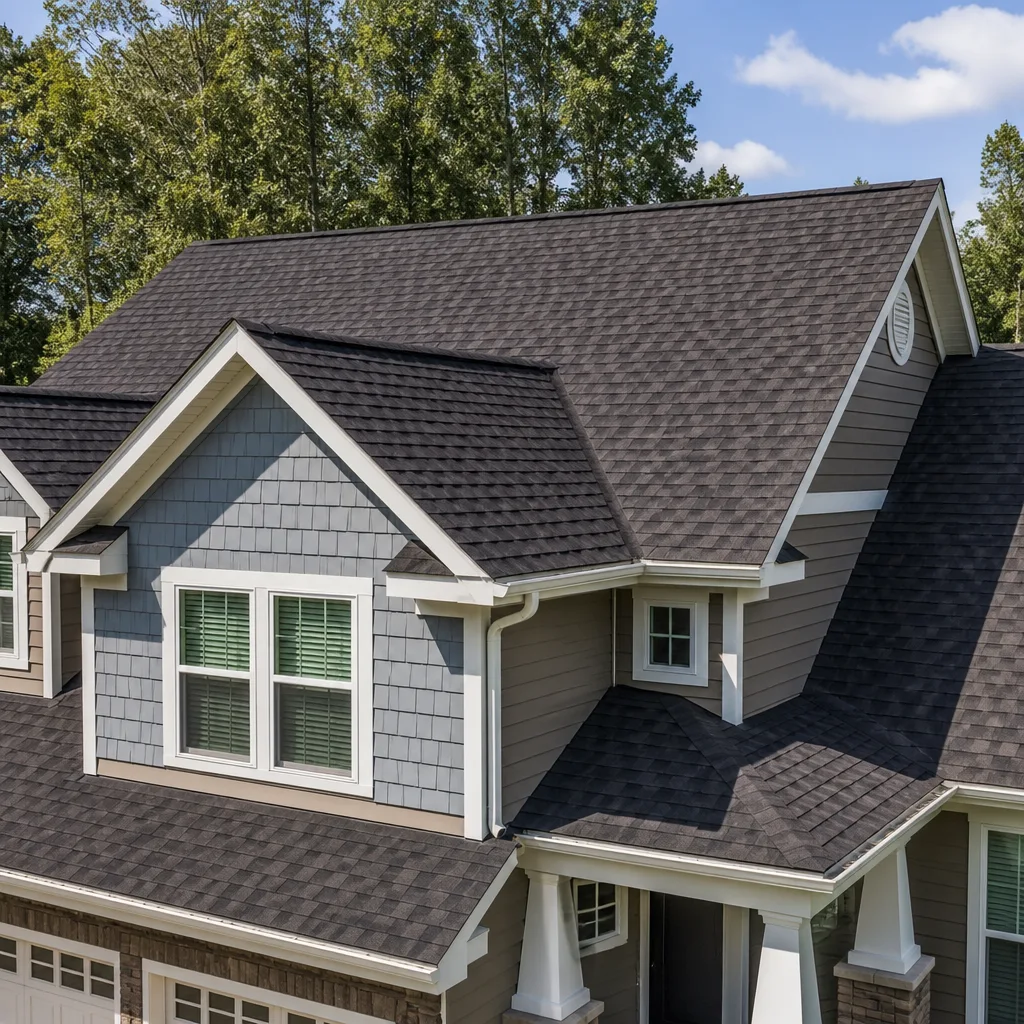
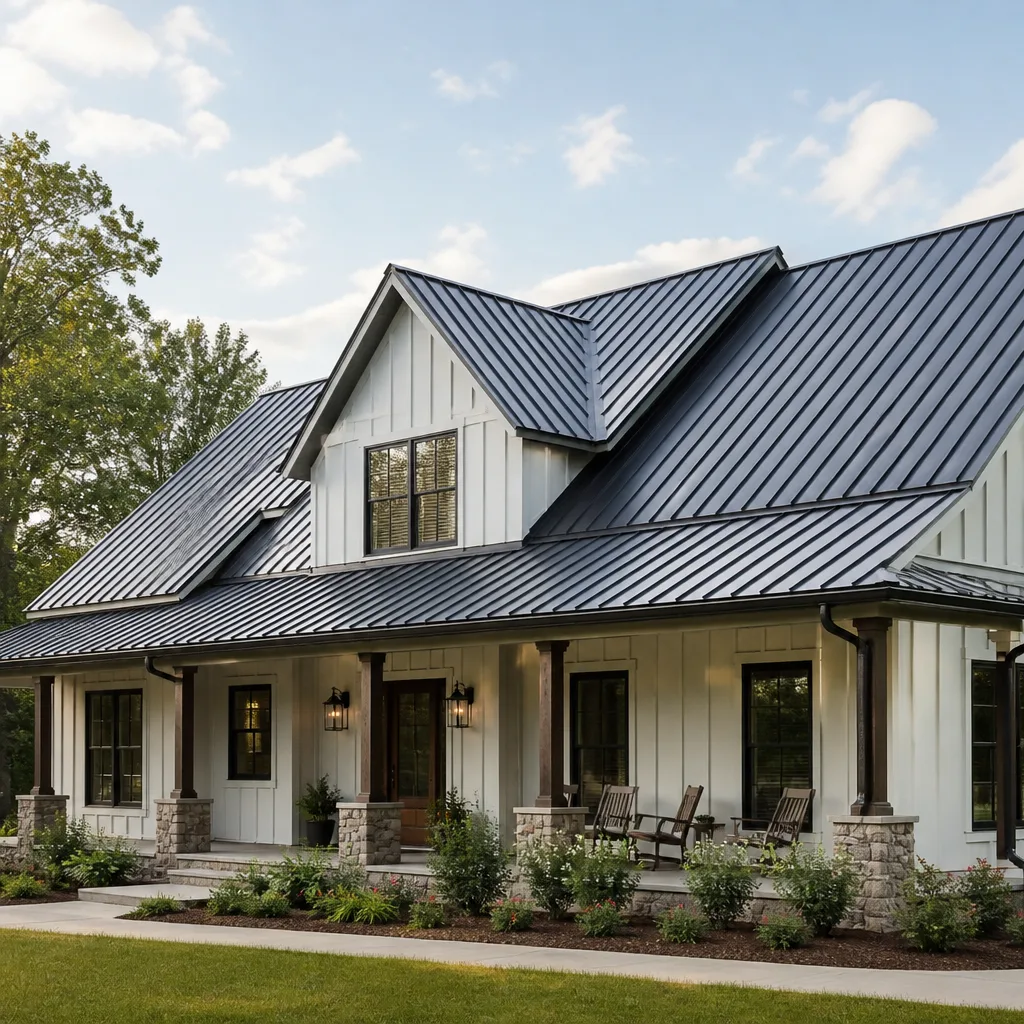
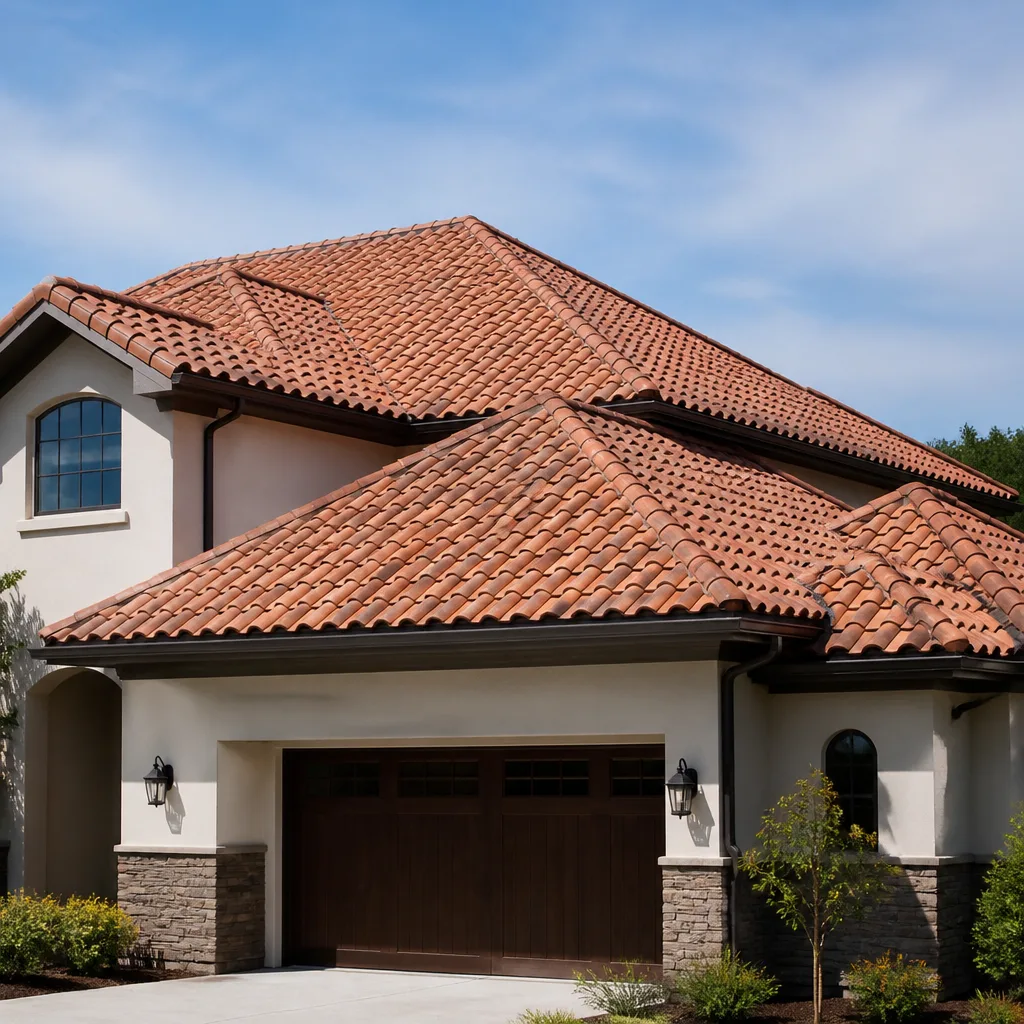
 Before
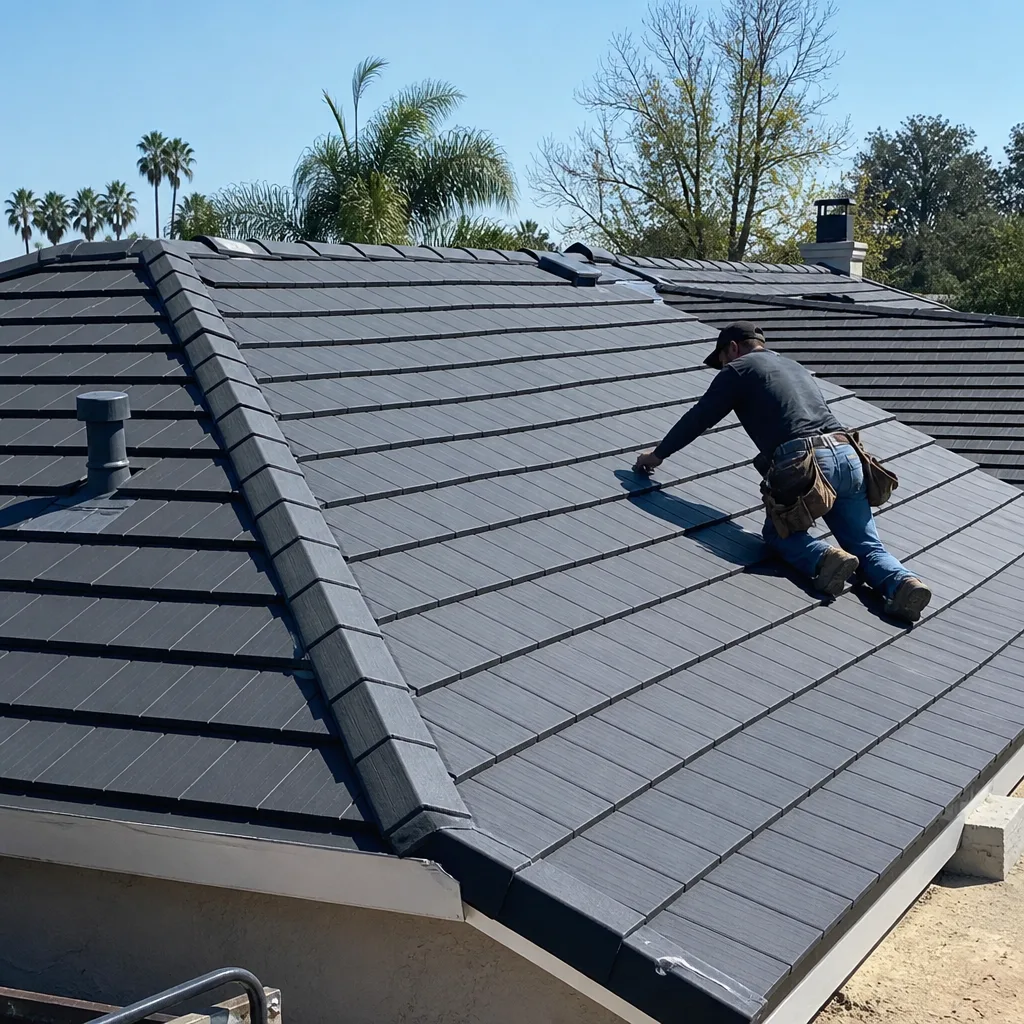 After
After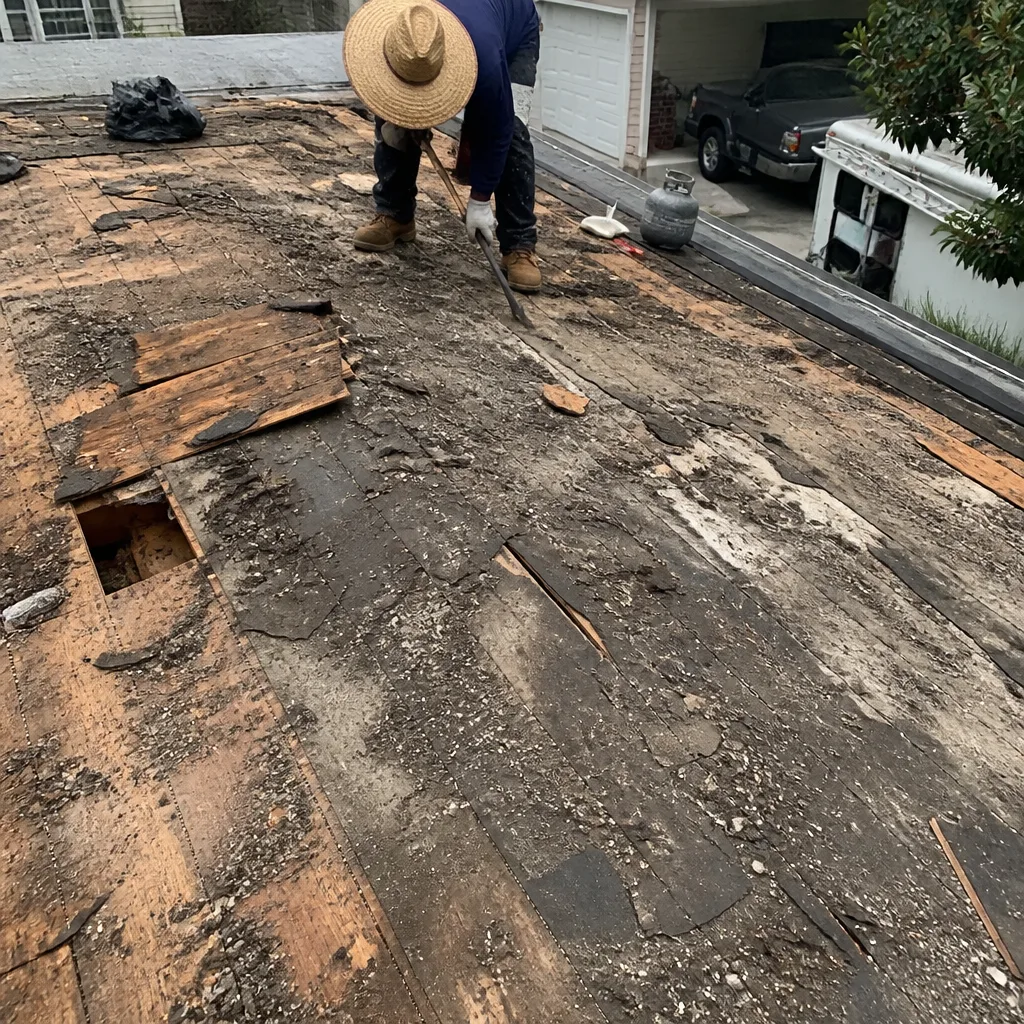 Before
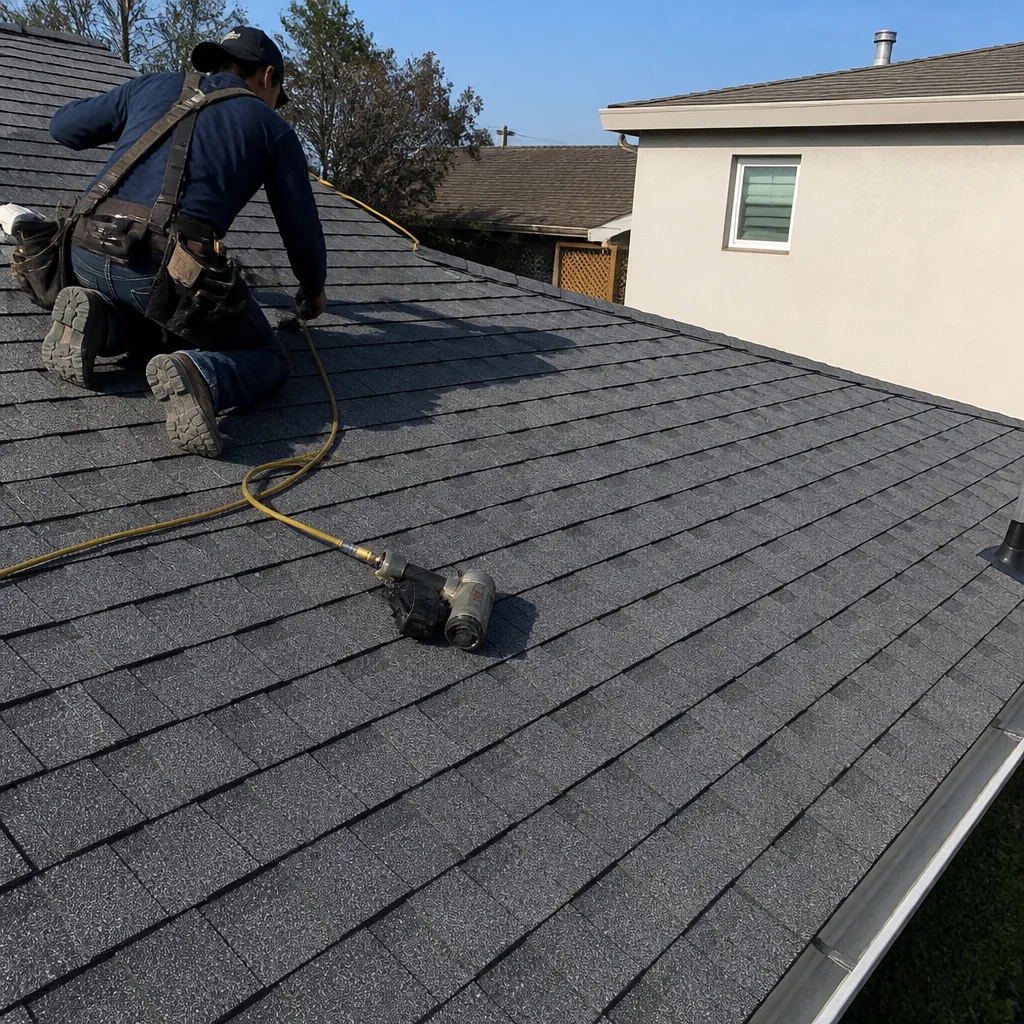 After
After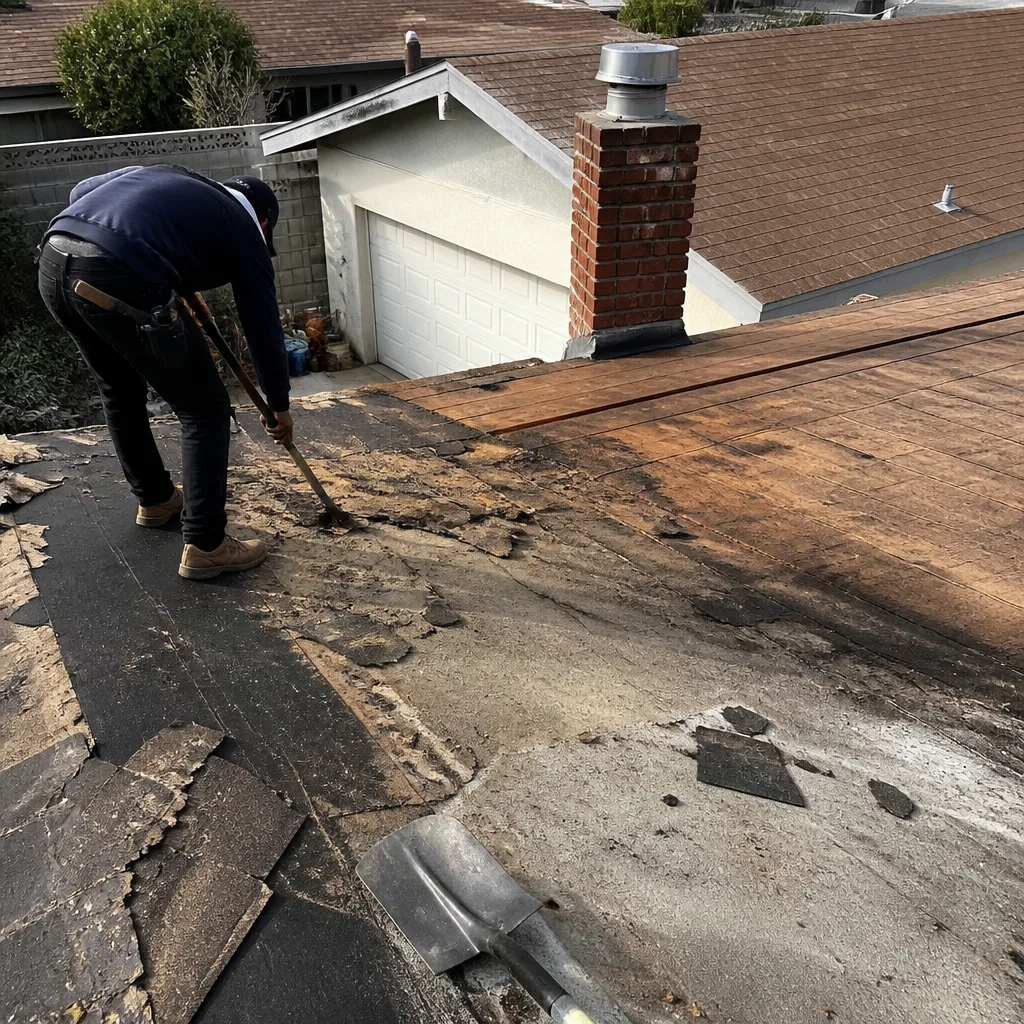 Before
 After
AfterFast, Reliable Roof Repair Across Joshua Tree
Roof repair in Joshua Tree, CA usually means one of two calls: a monsoon downpour just exposed a leak in a mid-century flat roof, or an out-of-state owner just got photos from a property manager showing water staining on a rental ceiling. Most repairs on Joshua Tree’s older desert cabins and short-term rentals run between $400 and $1,800 depending on whether we’re patching a membrane or replacing rotted decking. Our Roof Repair crews know the difference between a quick patch and a structural problem hiding under old tar-and-gravel. Call (424) 766-4937 and we’ll send someone who has opened hundreds of these roofs.
At Birchbark Roofing, we don’t treat your Joshua Tree home like a quick stop between jobs. Erik Lindgren runs our crews with a simple rule: leave the house cleaner than we found it, with a written price in your hand before anyone climbs a ladder. That’s not marketing speak. It’s how we’ve operated since the day we joined the Cedarwell family of roofing businesses.
Key Takeaway: Most Joshua Tree roof repairs cost $400-$1,800. Flat-roof membrane work on 1950s-70s cabins is our most common call. You get a written price before we start, and a 365-Day Done Right Promise after we finish.
Why Birchbark Roofing Is Joshua Tree’s Preferred Roof Repair Company
Joshua Tree homeowners don’t call us because they saw a billboard. They call because a neighbor, a property manager, or a cleaner who works a dozen rentals gave them our number. The short-term rental community in Joshua Tree talks, and when water is coming through a flat roof at midnight before a Saturday check-in, nobody wants a roofing company that sends a guy who’s never touched mod-bit. We’ve worked on cabins along Twentynine Palms Highway, out by Sunfair, and down residential streets near the village where the original 1960s bungalows still carry their first built-up roof. We know what those roofs look like when we peel them back.
Our background-checked, uniformed technicians show up in clean trucks with shoe covers at the door and drop cloths through the hallway. If you have a dog that needs to stay inside, we coordinate the door schedule with you. Erik Lindgren insists on it. We’ve been part of the Cedarwell family since 2000, and every Birchbark job carries the Cedarwell Care Promise: Clean up like it’s our own home, Ask before we move or touch anything, Respect the family’s time and quiet hours, and Explain the price before the work. That last one matters in Joshua Tree, where out-of-state owners can’t walk the job themselves. They need a written price and a photo of the finished clean-up before the crew leaves. That’s standard on every job we touch, not an add-on.
Emergency Roof Repair in Joshua Tree
Emergency Roof Repair in Joshua Tree almost always follows the same pattern: a rare but intense summer monsoon dumps an inch or two in under an hour, and a flat roof that’s been bone-dry for seven months suddenly has water running through cracks the owner never knew existed. The Mojave doesn’t get much rain, but when it does, it’s violent. A roof that’s been thermally cycling 40 to 55 degrees every single day all year doesn’t just leak, it lets water in fast. A true emergency repair, where we tarp or patch the same day to stop active intrusion, typically runs $350 to $800 for temporary protection. The permanent fix, done once the decking dries, usually lands between $800 and $2,400 depending on what we find underneath. A live person answers our phones 24 hours a day, 7 days a week, including nights and weekends. Call (424) 766-4937 and you’ll talk to a human being, not a voicemail tree.
Stopping Active Leaks
The first job is containment. We locate the low point where water is ponding, trace the intrusion back to the failed penetration or split seam, and get a temporary cover or targeted patch on before the next cell rolls through. Suction cups, weighted tarps, and cold-process mastic get us through the night. Then we write up the permanent repair, in dollars, and schedule it before the next rain. No handshake deals. No “we’ll figure it out later.”
Permanent Repairs After the Storm
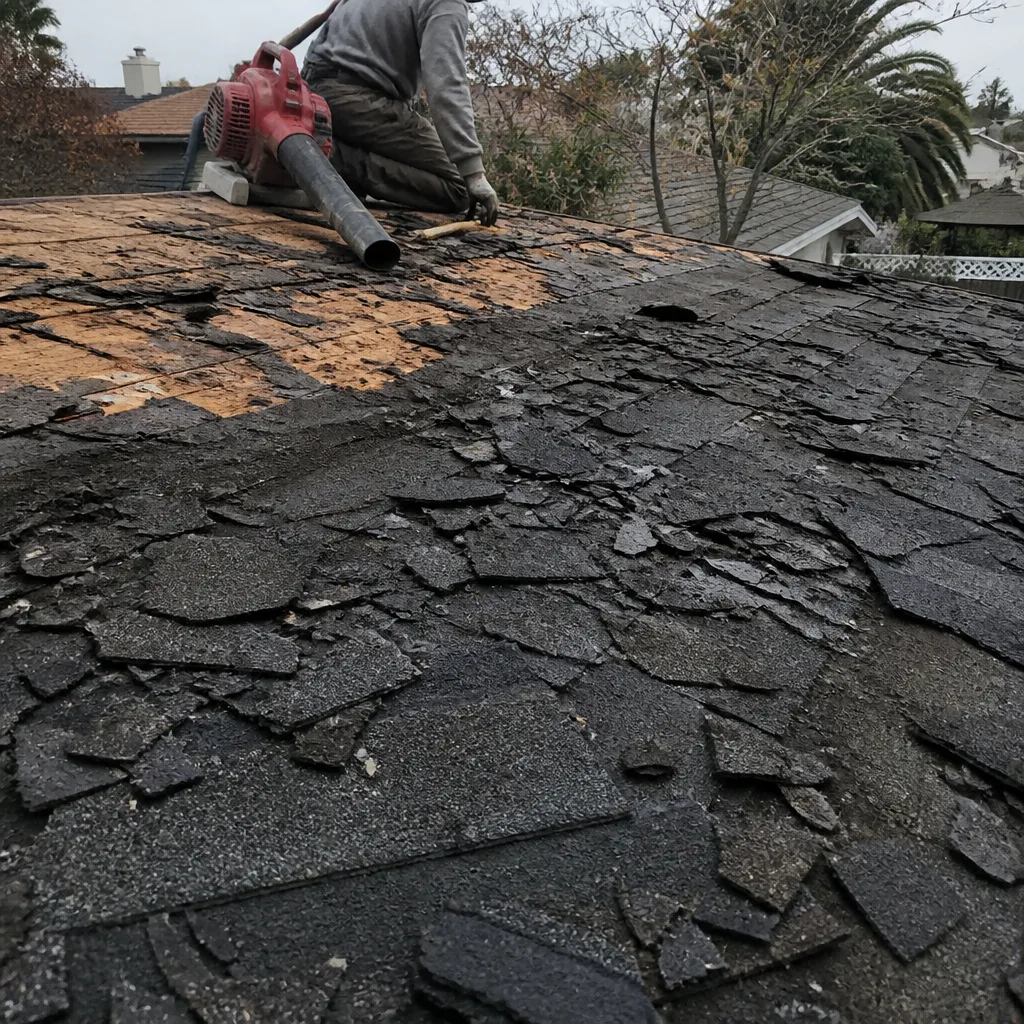
Once the roof is dry, the real repair starts. On Joshua Tree’s older flat roofs, that usually means cutting out the cracked mod-bit or built-up section, replacing any rotted sheathing, resetting gravel-stop edge metal, and laying new membrane with fresh flashing at the penetrations. We set new ice and water shield where the original roof never had it. The goal isn’t just stopping this leak, it’s making sure the next monsoon doesn’t find the same weak spot.
Flat Roof Repair in Joshua Tree
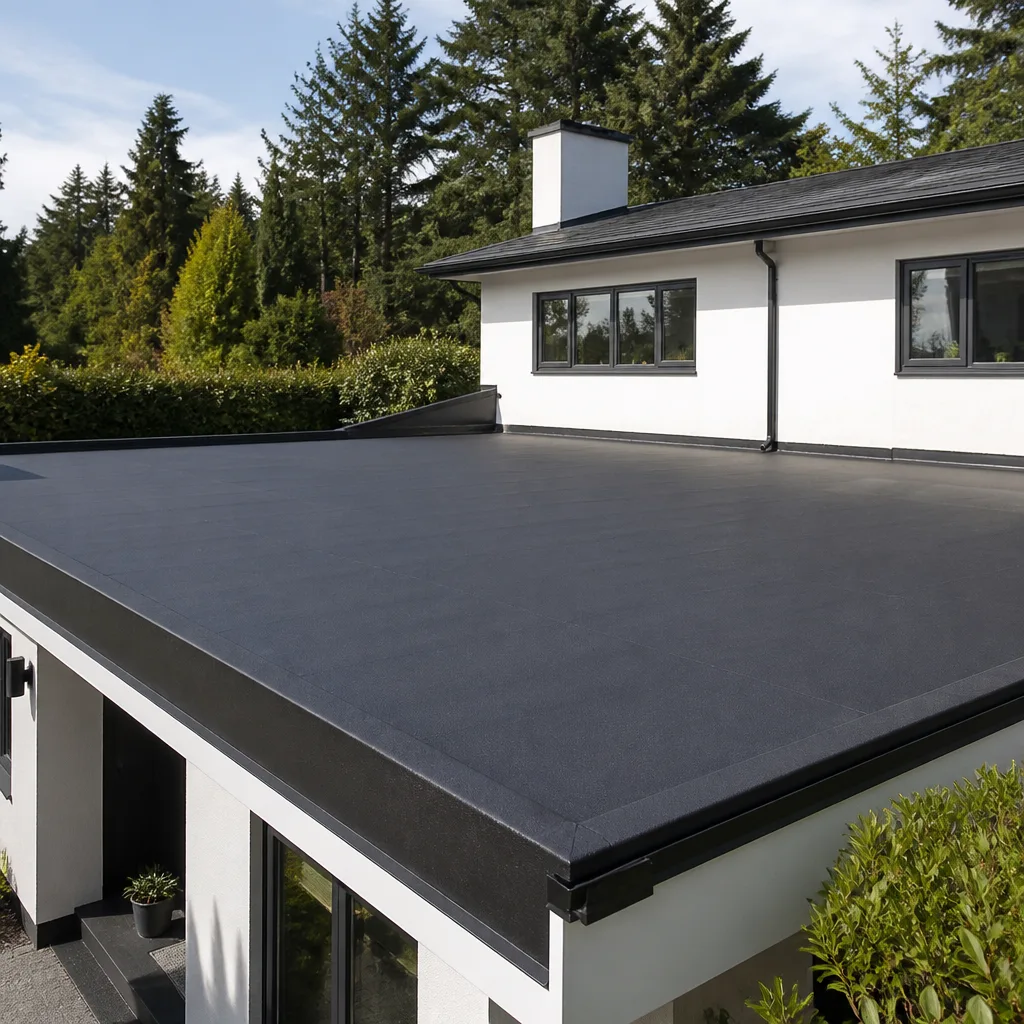
Flat Roof Repair in Joshua Tree is the bread and butter of what we do out here. The dominant housing stock is 1950s through 1970s desert retreats and homesteader cabins, often under 1,000 square feet, built in a low-slope or flat-roof desert modernist style. Many still carry their original built-up tar-and-gravel or first-generation modified bitumen. Those systems weren’t designed for 25 years of high-desert UV at 2,900 feet elevation. They crack. They alligator. Pitch pockets fail. And because so many of these properties are short-term rentals managed remotely, the first sign of trouble is usually a guest complaint or a stained ceiling in a cleaning photo. A standard flat roof patch in Joshua Tree runs $500 to $1,400. A full membrane section replacement, including new edge metal and flashing, runs $1,800 to $4,000. You’ll see your exact number in writing before we start.
Membrane Patching and Seam Repair
Not every flat roof leak needs a tear-off. When the membrane is mostly sound and the leak is at a seam, pitch pocket, or penetration, we cut back the failed material, clean the substrate, and apply torch-down or self-adhered patch material from GAF or CertainTeed. Over a properly prepped deck, a good patch buys an older roof another three to five years. That matters when a Joshua Tree owner is deciding between a repair now and a replacement after the next rental season.
Decking and Edge Metal Replacement
The bigger flat roof jobs happen when water has been sitting unnoticed for months. Rotted decking at the low point, rusted gravel-stop edge metal, fascia boards soft at the bottom, insulation saturated and holding water. On a rental that’s been managed remotely for a full season, this is common. We strip back to sound sheathing, replace what’s compromised, and rebuild with new drip edge and flashing. Then we lay fresh membrane, photograph the completed clean-up, and send the owner a written record of everything we touched. Erik Lindgren wants every out-of-state owner to see exactly what happened, in order, before they release payment.
Trusted Brands We Service in Joshua Tree
We work with materials from GAF, CertainTeed, Owens Corning, IKO, Atlas, Tamko, and Boral. For flat roof work in Joshua Tree, we most often reach for GAF and CertainTeed membrane systems because they hold up better under high-desert UV than some budget alternatives. We don’t push a single brand. We match the material to the roof’s slope, sun exposure, and the owner’s budget. Because we dispatch crews to Joshua Tree regularly, we can pull material quickly when a repair can’t wait. That’s the practical side of being part of a larger roofing network: the warehouse is never two weeks away.
Common Roof Repair Problems We See in Joshua Tree Homes
- Cracked built-up and mod-bit membranes from thermal cycling. The daily 40 to 55 degree Fahrenheit temperature swing at this elevation works roofing material like a hinge. After 20 or 30 years, it splits. That split is where monsoon water finds its way in.
- Failed pitch pockets and deteriorated pipe penetrations. Original pitch pockets baked hard by the sun, cracked, and stopped holding water back decades ago. We reseal them with fresh mastic and reinforcing fabric on nearly every older Joshua Tree roof we open.
- Rusted gravel-stop edge metal letting water run behind the fascia. The edge of a flat roof is its most vulnerable point. When the metal fails, water moves horizontally under the membrane edge and into the wall. By the time a stain shows, the fascia and sometimes the top plate are wet.
- Rotted decking from undetected monsoon intrusion on short-term rentals. This is the Joshua Tree classic: a property manager only notices damage after a guest complaint or a bounce-back review. What would have been a $400 patch has become a $2,500 decking and membrane replacement by the time we’re called.
Pricing for Roof Repair in Joshua Tree, CA
Here’s what we actually charge in this market. A targeted leak repair at a pipe boot or vent in Joshua Tree runs $350 to $600. A membrane patch on a flat roof runs $500 to $1,400. Flashing replacement at a chimney, skylight, or parapet wall runs $450 to $1,100. A valley repair or shingle replacement on a rare pitched roof runs $600 to $1,500. Full membrane section replacement with new edge metal runs $1,800 to $4,000. The variables are decking condition, roof access, and how much of the old material has to come off. Every estimate is written, in dollars, before any work begins. Call (424) 766-4937 to schedule a free estimate.
We Also Serve Cities Near Joshua Tree
Our crews serve all of Joshua Tree and the surrounding high desert communities. If you own a rental in Yucca Valley, a family home in Twentynine Palms, or a property in Desert Hot Springs or Thousand Palms, the same Birchbark crew and the same written-price promise apply. One call covers the whole Morongo Basin. Call (424) 766-4937 and we’ll schedule a time that works.
Serving Joshua Tree, CA - Our Local Coverage Area
We’re based in the Joshua Tree area and know this community well. Use the map below to see our service coverage - if you’re nearby, we can almost certainly help.
FAQs About Roof Repair in Joshua Tree
Because the water that came through in a single downpour is already inside your roof system, and it won’t dry out on its own. Sitting moisture rots decking, rusts fasteners, and spreads mold through insulation. Waiting until fall means the next monsoon, even a small one, moves through already-compromised material. In Joshua Tree’s rental market, a leak that’s “only in monsoon season” has already damaged the deck by the time you’re asking the question. Call (424) 766-4937 and we’ll inspect it now. The estimate is free.
Elevation and thermal swing. Joshua Tree sits at 2,700 to 3,000 feet in the Mojave, where daily temperature swings of 40 to 55 degrees are normal year-round. That constant expansion and contraction cracks membrane, separates seams, and fails pitch pockets far faster than the same material on the Coachella Valley floor, where the swing is closer to 25 to 30 degrees. Add hard winter freezes and extreme UV, and a flat roof that would last 25 years in Palm Springs might fail at 15 to 18 up here. That’s why we stock material rated for high-desert temperature cycles and inspect edge metal aggressively.
The honest answer: when we strip an old Joshua Tree roof, we sometimes find issues that have to be addressed before we can re-cover it. Rotted decking has to come out. If we find exposed wiring running through the roof cavity - common in 1960s and 70s cabins - that wiring may need to be brought to current code before we can seal the roof back up. Undersized or deteriorated framing around the low point may need reinforcement. None of this is done on a handshake. We write allowances into every contract for exactly this kind of discovery, and any surprise is priced and approved in writing before we touch it. That’s how Erik Lindgren protects homeowners from open-ended change orders.
In most cases, you can repair just the failed section. If the rest of the membrane is sound, the leak is isolated, and the decking underneath is still solid, a targeted repair makes sense and buys years. We’ll tell you if we find conditions that change that calculation, like widespread cracking or multiple failed penetrations. But we won’t sell you a full replacement you don’t need. The arithmetic is simple: if repair costs less than a third of replacement and buys you five years, repair wins. We’ll show you the numbers in writing and let you decide. Call (424) 766-4937 for an exact quote.
Low points and ponding areas first. Water always finds the low spot, and on old built-up or mod-bit roofs, the low spot is where cracks form first. Then we check pitch pockets and penetrations, edge metal and gravel stop, and finally the condition of the decking at the eaves and corners. We got called to a 1962 flat-roof cabin near the Park Boulevard entrance after a monsoon dumped two inches in an hour. The property manager found a guest’s ceiling stained. Pulling the failed gravel-surface mod-bit revealed a four-square section of rotted decking at the low point, plus missing gravel-stop edge metal that let water run behind the fascia. We stripped to sound sheathing, set new ice and water shield and two plies of GAF membrane with fresh drip edge and flashing, and the owner had photos and a written change order before we ordered material. That’s the order of operations on every inspection: low spots, penetrations, edges, decking.
Call Birchbark Roofing for Roof Repair in Joshua Tree
When you’re ready for a straight answer about your roof, call (424) 766-4937. We’ll send a background-checked technician in a clean uniform, with shoe covers at the door and drop cloths through the hallway. You’ll get a written price before work begins, a photo of the completed clean-up before the crew leaves, and a 365-Day Done Right Promise on the work we do. Whether you’re a full-time Joshua Tree resident, a part-timer, or an out-of-state owner with a rental up on Sunfair, we treat your home like a home. That’s the whole job.
Written by Erik Lindgren, Owner at Birchbark Roofing, serving Joshua Tree and the surrounding Morongo Basin.