
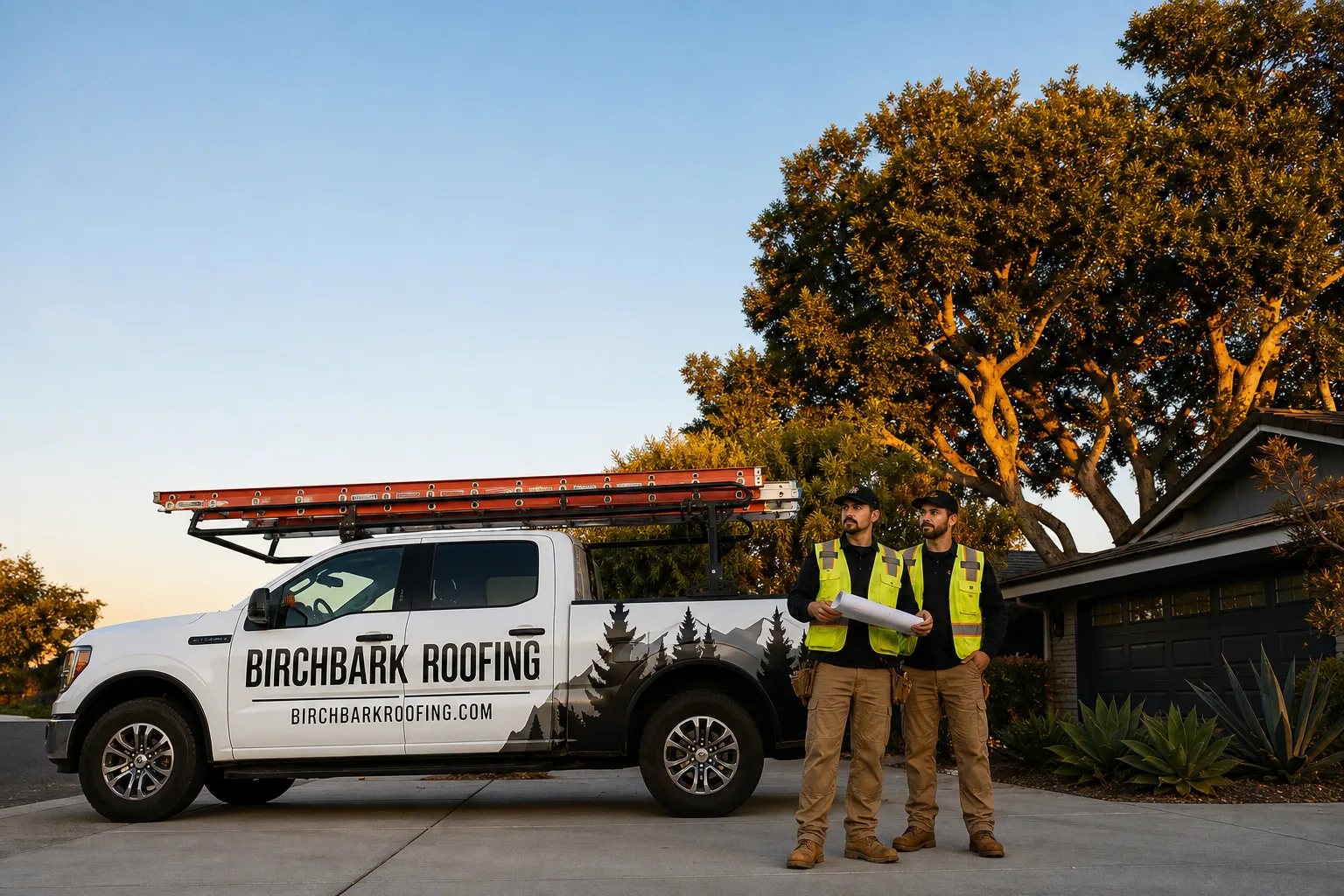
Free roof inspection with deck photos before we talk money - GAF and Owens Corning certified installation
 Before
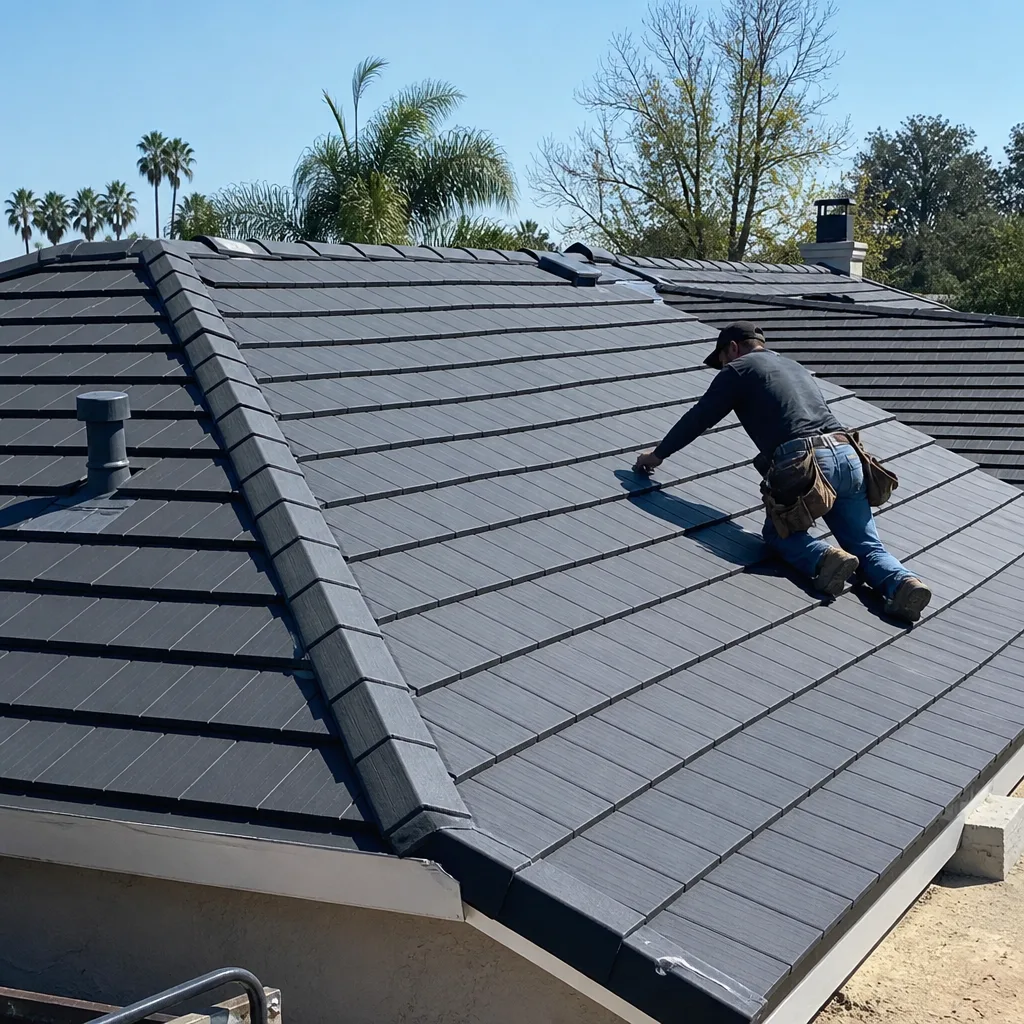 After
After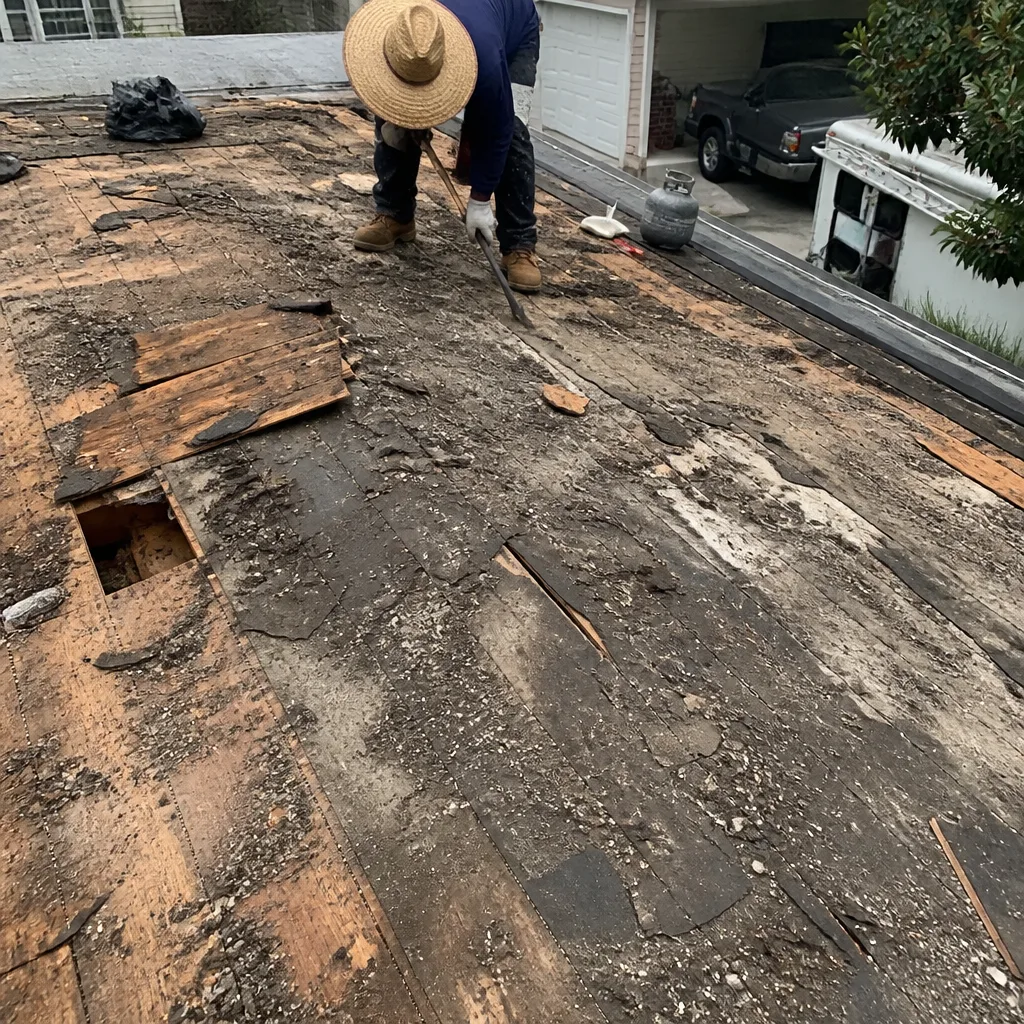 Before
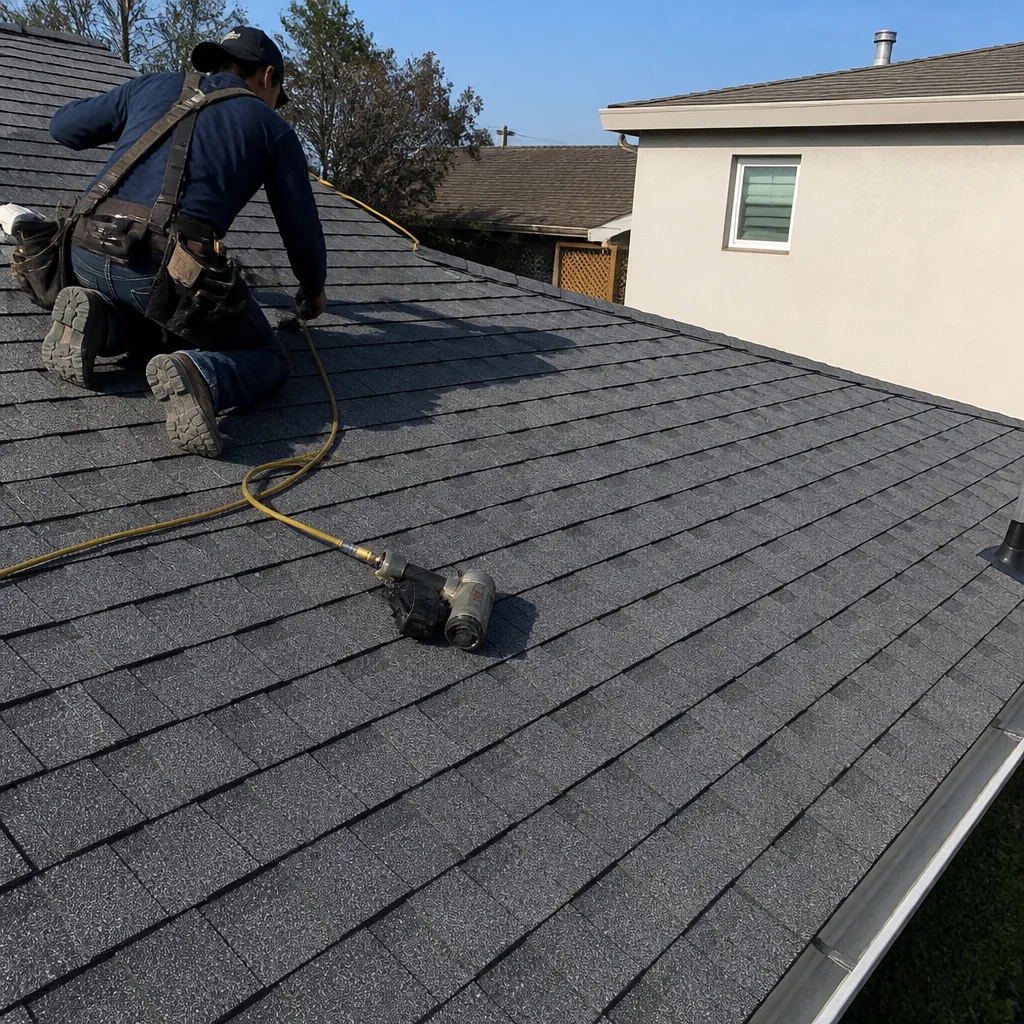 After
After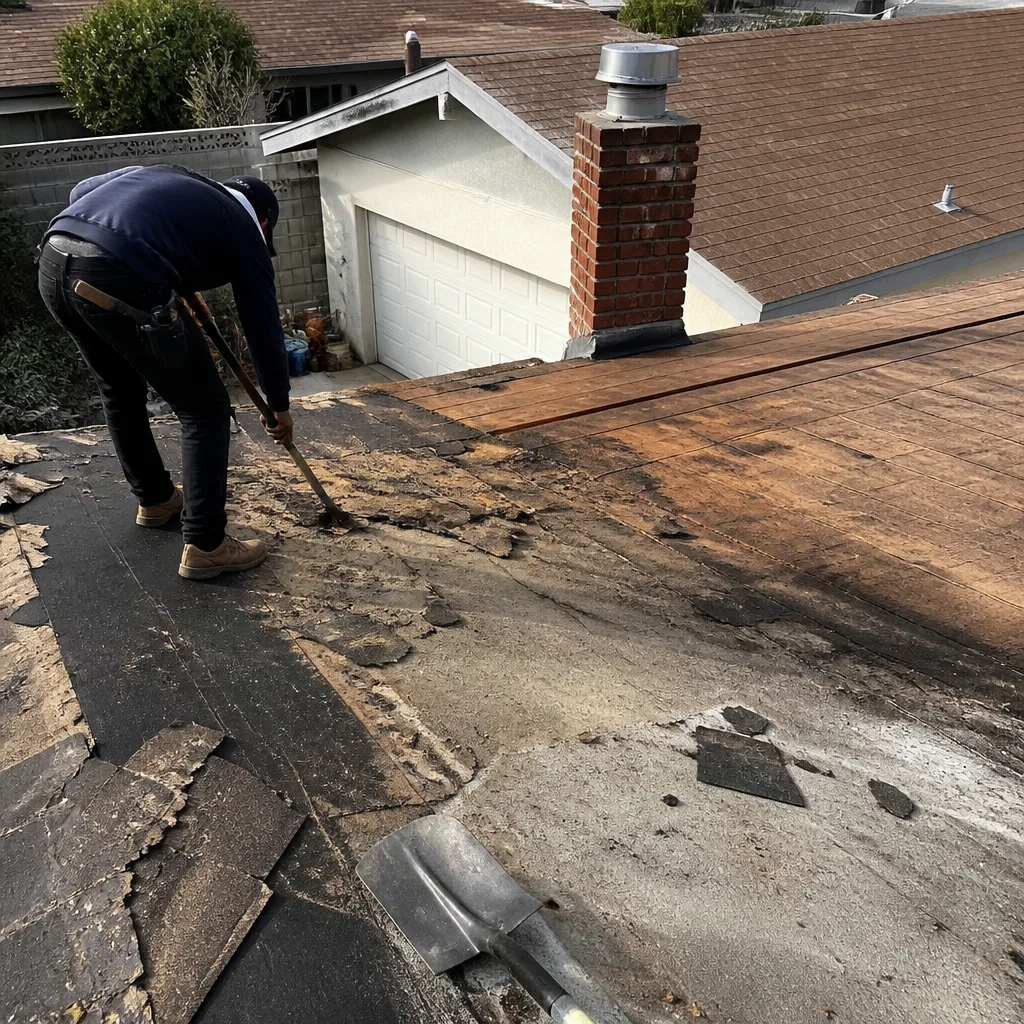 Before
 After
AfterIce Dams in Winter
What’s Happening
Ice dams form when heat escaping through your roof melts snow near the ridge, and that water refreezes at the cold eave before it can drain off. The result is a wall of ice that forces water backward under your shingles. Left alone, that backed-up water finds every gap it can and moves into the attic, insulation, and ceilings below.
The shingles themselves are not designed to hold standing water. They shed it. When an ice dam holds water against the roof surface for days or weeks, it works its way under the laps, past the underlayment, and into the decking. You may already be seeing water stains on an interior ceiling, frost on attic rafters, or paint bubbling near an exterior wall. Those are the signs that water has already gotten in. The ice at the edge is visible and dramatic, but the damage it is causing is invisible and in progress right now.
Why It Happens
Insufficient Attic Insulation
The most common cause is a warm attic. When the attic floor is under-insulated, conditioned heat from inside the house rises straight into the attic space and warms the roof deck from below. The roof surface above the living space climbs above freezing while the eave overhangs stay cold – that temperature split is exactly what turns snowmelt into a dam. You can often confirm this by looking at your roof during a cold snap: if the snow is melting in a clear band above the main wall but staying frozen out over the soffit, inadequate insulation is almost certainly the reason.
Blocked or Inadequate Attic Ventilation
Attics need a continuous path for cold outside air to move in at the soffits and out at the ridge. When that airflow is blocked – by improperly placed insulation, sealed soffit vents, or a ridge vent that has been painted over – heat has nowhere to go and builds up near the deck. The sign to look for: icicles that form not just at the gutter edge but across a wide span of the eave, often accompanied by heavy condensation or frost inside the attic when you check with a flashlight.
Damaged or Missing Ice-and-Water Barrier
Building codes in cold climates require a self-adhering ice-and-water barrier membrane installed at the eaves before shingles go on. If your roof is older, was installed without it, or had it applied incorrectly, there is no secondary line of defense when a dam forms. You will not be able to see this from ground level, but a roofer can confirm it during inspection. If ice dams appear every winter on a relatively new roof, this is the first thing worth checking.
Gutters Packed with Debris
Gutters do not cause ice dams – the underlying heat issue does – but clogged gutters make them worse. When water cannot flow off the eave and freezes in place inside a packed gutter, the ice mass grows upward and back onto the roof faster. If you saw leaves and debris in the gutter going into winter and the dam appeared shortly after the first snow, that is a contributing factor your technician will note and address.
What to Do Right Now
- Do not go on the roof to chip ice. Ice-covered roofing in freezing temperatures is genuinely dangerous footing, and chopping at an ice dam with a hatchet or hammer can cut through the shingles and membrane below. Working at height on a slick surface is one of the leading causes of serious injury in residential roofing – leave physical ice removal to a professional with the right equipment and footing.
- Clear a channel if you can safely reach it from ground level. Using a roof rake (a long-handled tool designed for this) to pull snow back from the lowest two to three feet of the roof reduces the supply of meltwater feeding the dam. Stay flat-footed on the ground while doing it.
- Move anything under the affected ceiling inside. If you are seeing water stains, drips, or soft spots in the drywall, assume water is pooling above. Move furniture, rugs, electronics, and anything irreplaceable out from underneath before the ceiling gives way.
- Photograph everything you can see now. Take photos of the ice mass at the eave, any icicles, the interior water stains, and the area of roof affected. Time-stamped photos document the extent of damage before any repairs begin and help your technician understand how long the water has been moving.
- Locate your attic hatch and look inside with a flashlight – but do not touch the insulation or wiring. Frost on rafters, wet insulation, or water dripping from the sheathing confirms active infiltration. Note what you see and let us know when you call. Do not attempt to remove or reposition insulation yourself, particularly near any electrical fixtures or junction boxes.
How We Fix It
When your local Birchbark Roofing team arrives, the first step is a full inspection of the eave, the attic, and the interior ceiling below. The technician is looking at the insulation depth, the ventilation path, the condition of the ice-and-water barrier membrane at the eave edge, and the state of the shingles and decking underneath.
From there, the repair path typically involves one or more of the following: correcting the insulation to stop heat from reaching the deck, restoring proper soffit-to-ridge airflow, replacing damaged shingles, and installing or replacing the ice-and-water barrier. Where decking has taken on water, that gets addressed before new material goes over it. The specific scope depends entirely on what the inspection finds.
This work falls under roof repair and, in more severe cases, roof replacement – the services Birchbark Roofing performs. Before any of it starts, you get a written price. That is not optional at Birchbark – it is how every single job works. And every repair is covered by the 365-Day Done Right Promise: if the work is not right, we make it right.
Frequently Asked Questions
An active ice dam is causing damage right now and should not wait. Every day the water sits backed up against the shingles, it has more opportunity to work through the underlayment and into the decking, insulation, and framing below. Water damage that reaches the structural framing or triggers mold growth becomes a much larger and more expensive problem than the roof repair that would have stopped it. Call (424) 766-4937 to get someone out to assess it – the inspection and written estimate are free.
Yes. A Birchbark technician can inspect the roof and give you a written assessment even with ice present. Some repairs require the ice to be safely managed before work can proceed, and the technician will walk you through exactly what needs to happen and in what order. Call (424) 766-4937 – a live person answers around the clock, and we can get you scheduled.
Many homeowner’s policies cover the interior damage caused by an ice dam – the water stains, insulation loss, and damaged drywall – but coverage for the underlying roofing deficiencies that allowed the dam to form varies by policy. Your insurer will want documentation, which is exactly why photographing the damage now matters. Birchbark provides a written, itemized assessment you can submit to your adjuster.
The fix is almost always in the attic: adequate insulation on the attic floor and unobstructed ventilation from soffit to ridge so the roof deck stays close to the outdoor temperature. A roof that is the same temperature as the air above it does not create the melt-refreeze cycle that builds dams. Your local Birchbark Roofing team will identify the specific gap during inspection and include the corrective work in the written estimate.
Get It Fixed
Ice dams do not pause for the weekend. Your local Birchbark Roofing team is ready to inspect, diagnose, and give you a written price before a single shingle moves. Call (424) 766-4937 – a live person answers day or night – or book online. The estimate is free, the price is in writing, and the 365-Day Done Right Promise covers every repair we do.
Written by Erik Lindgren, Owner at Birchbark Roofing, part of the Cedarwell family of independently owned and operated roofing companies since 2000.
What Our Customers Say
"New roof after hail. They covered everything below, kept the site neat each day, and did a full nail sweep of the whole yard twice. Thoughtful people."
- Caroline Prejean"New roof section and gutter guards. They protected everything below, worked tidy, and did a full nail sweep of the yard and driveway at the end. Thoughtful crew."
- Mariana Lopez"After a storm we had a few spots to fix. They were gentle around the garden, laid tarps, and swept the driveway spotless. You'd never know a roof crew had been here."
- Dawn Kirkland