
Free roof inspection with deck photos before we talk money - GAF and Owens Corning certified installation

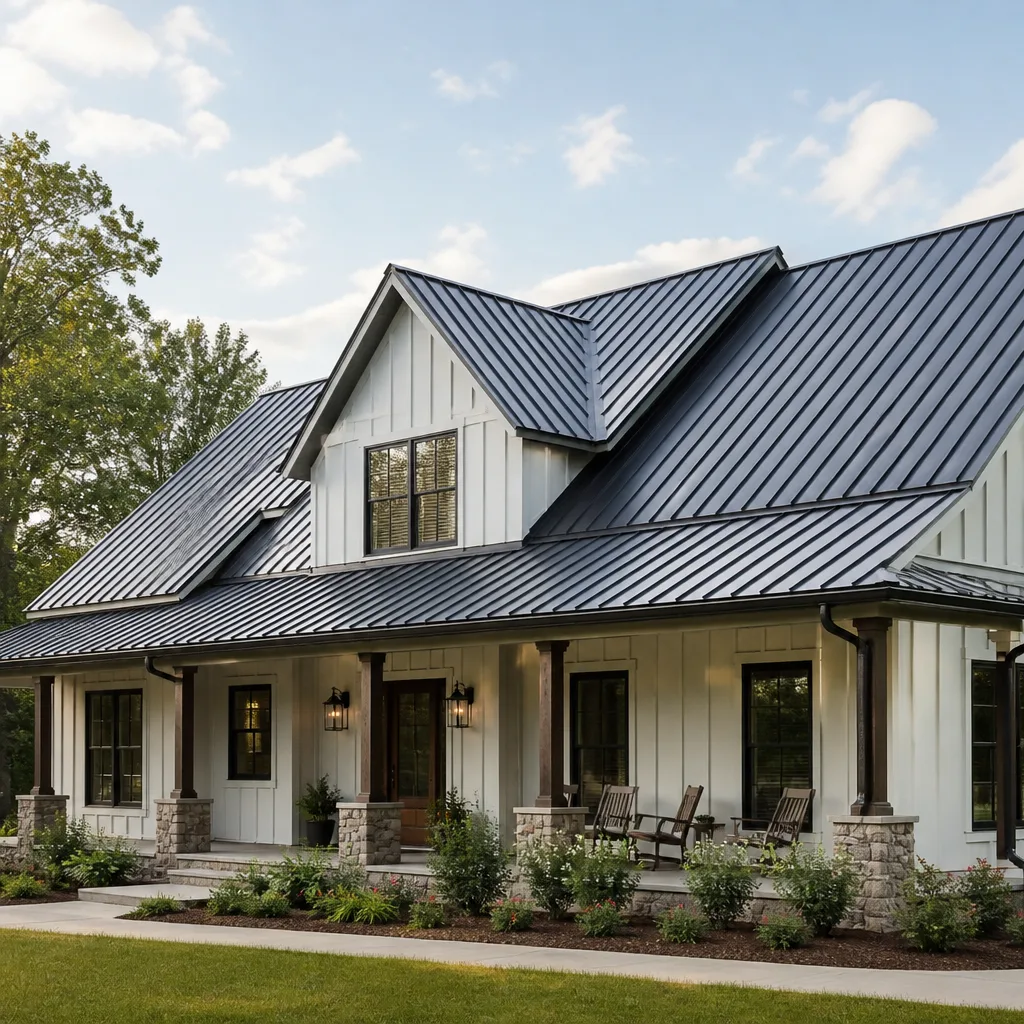


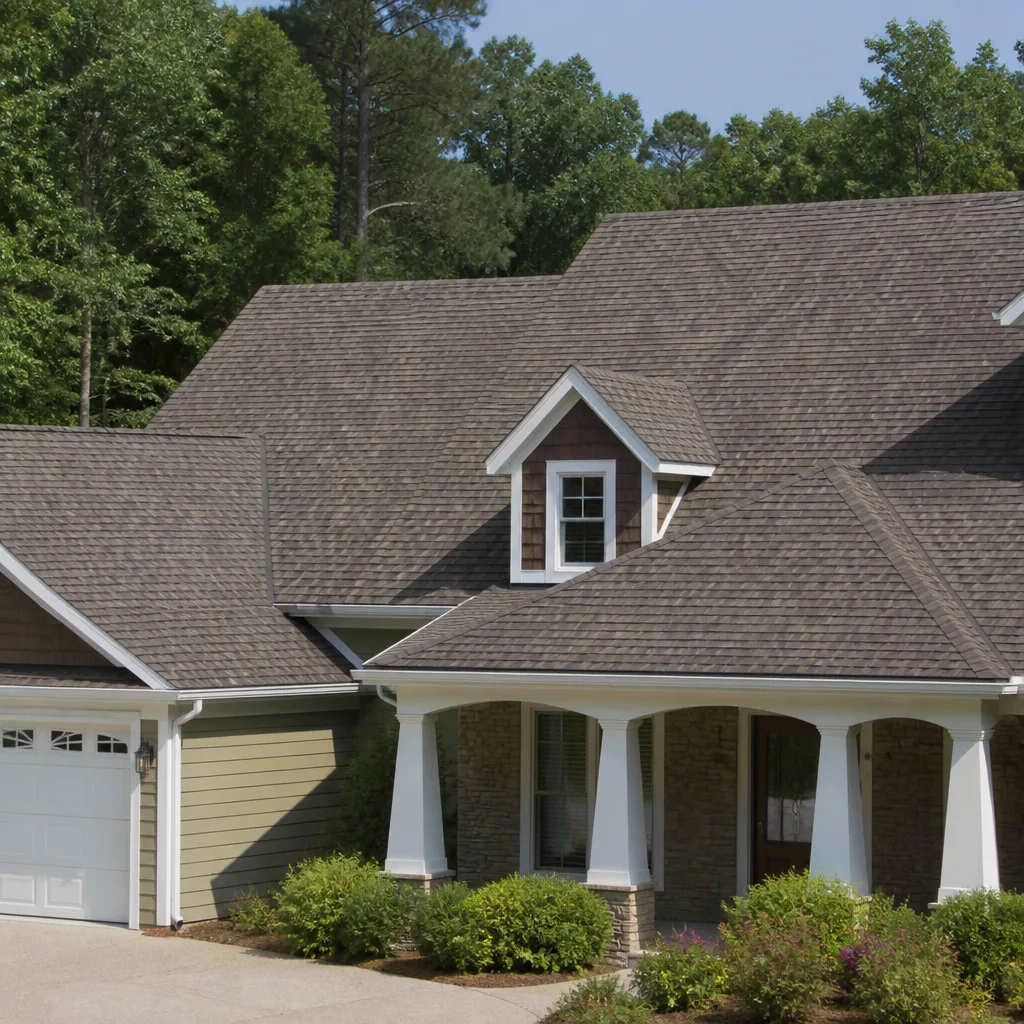
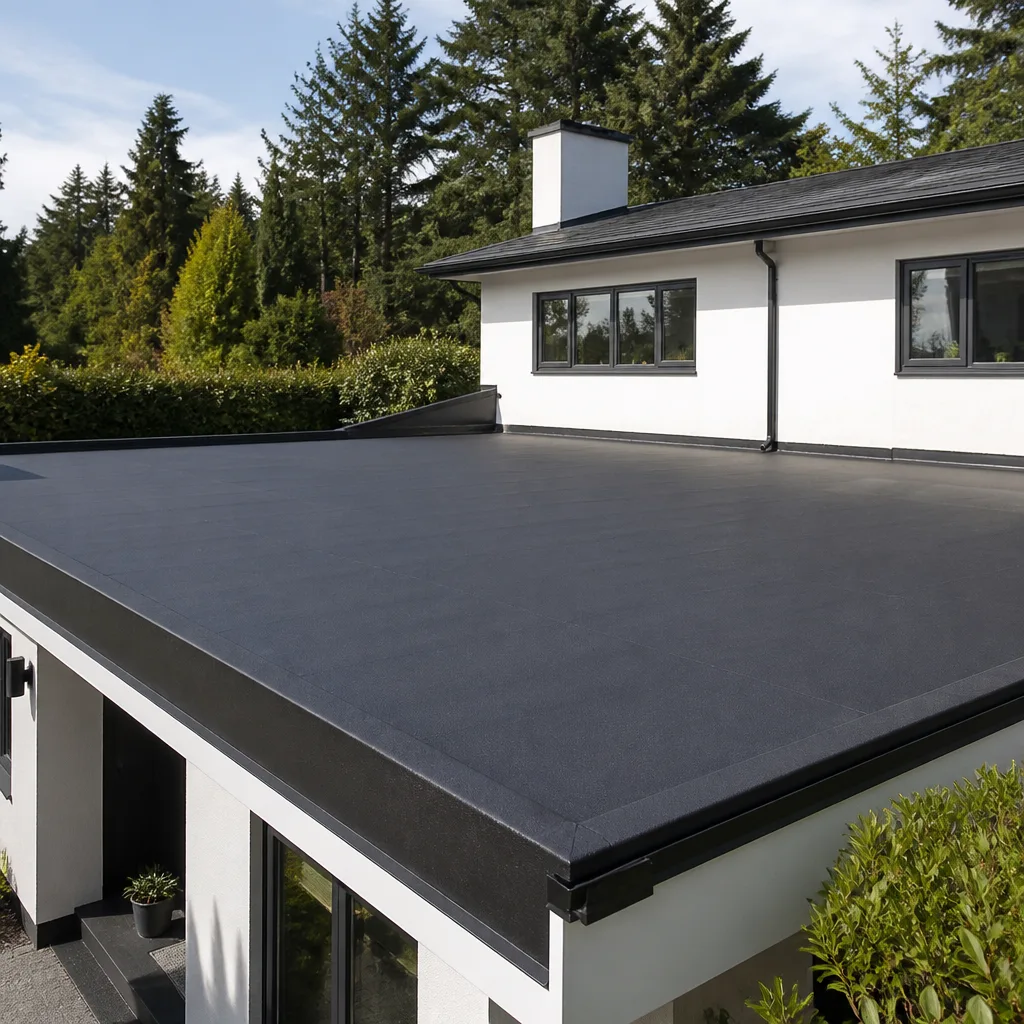
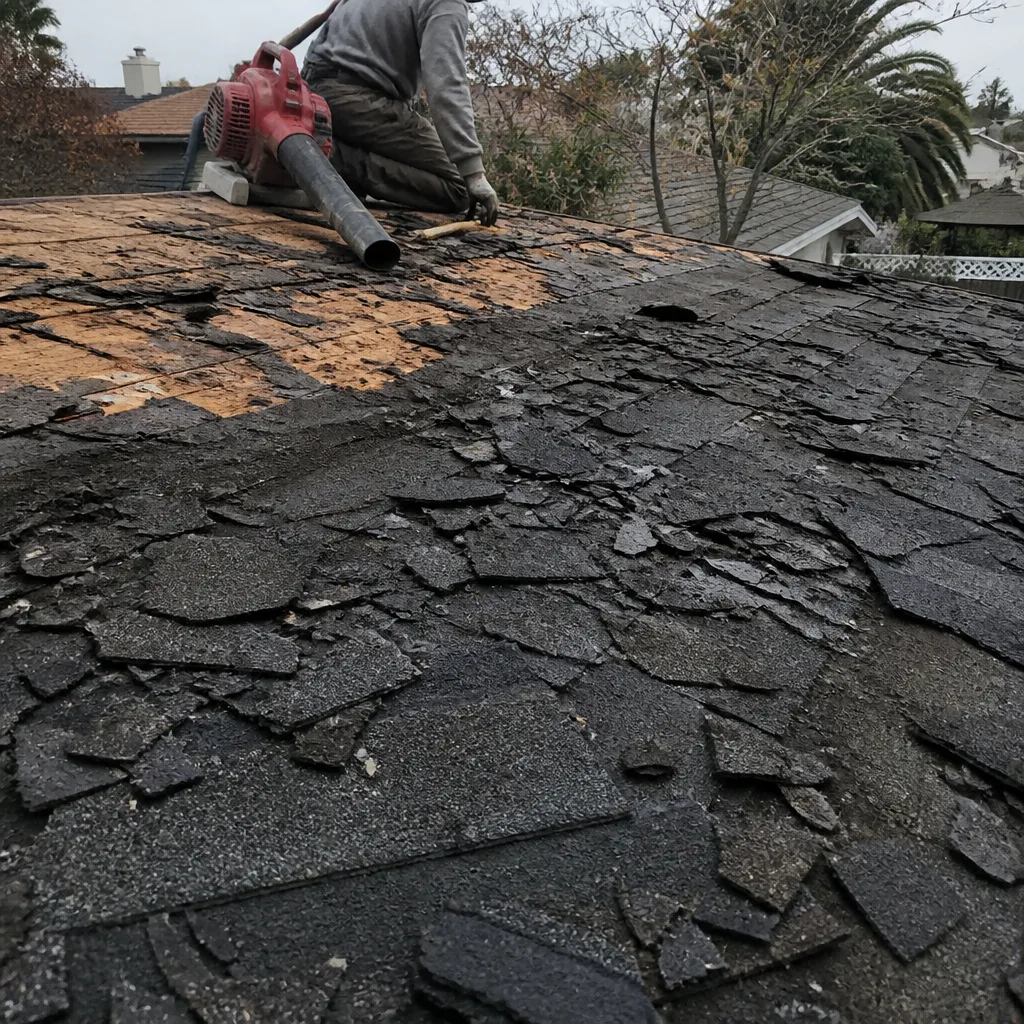 Before
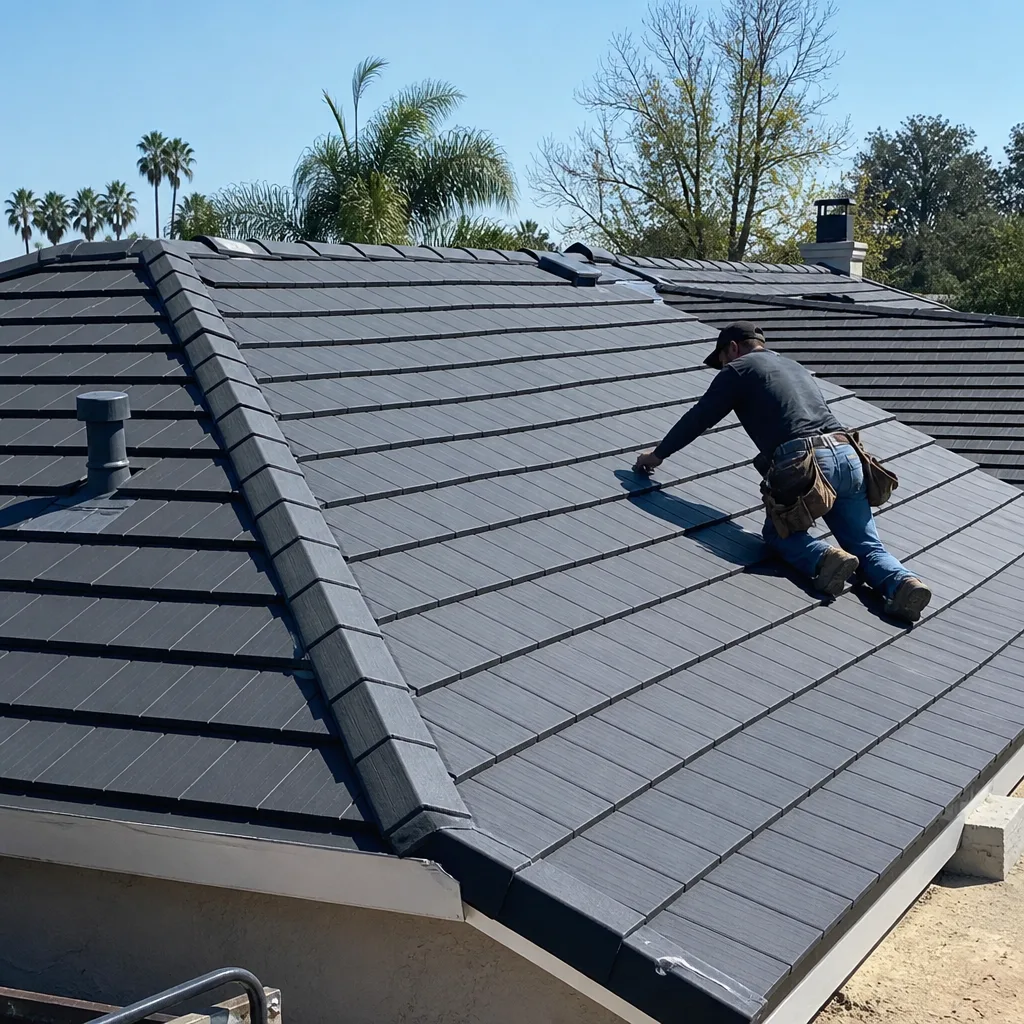 After
After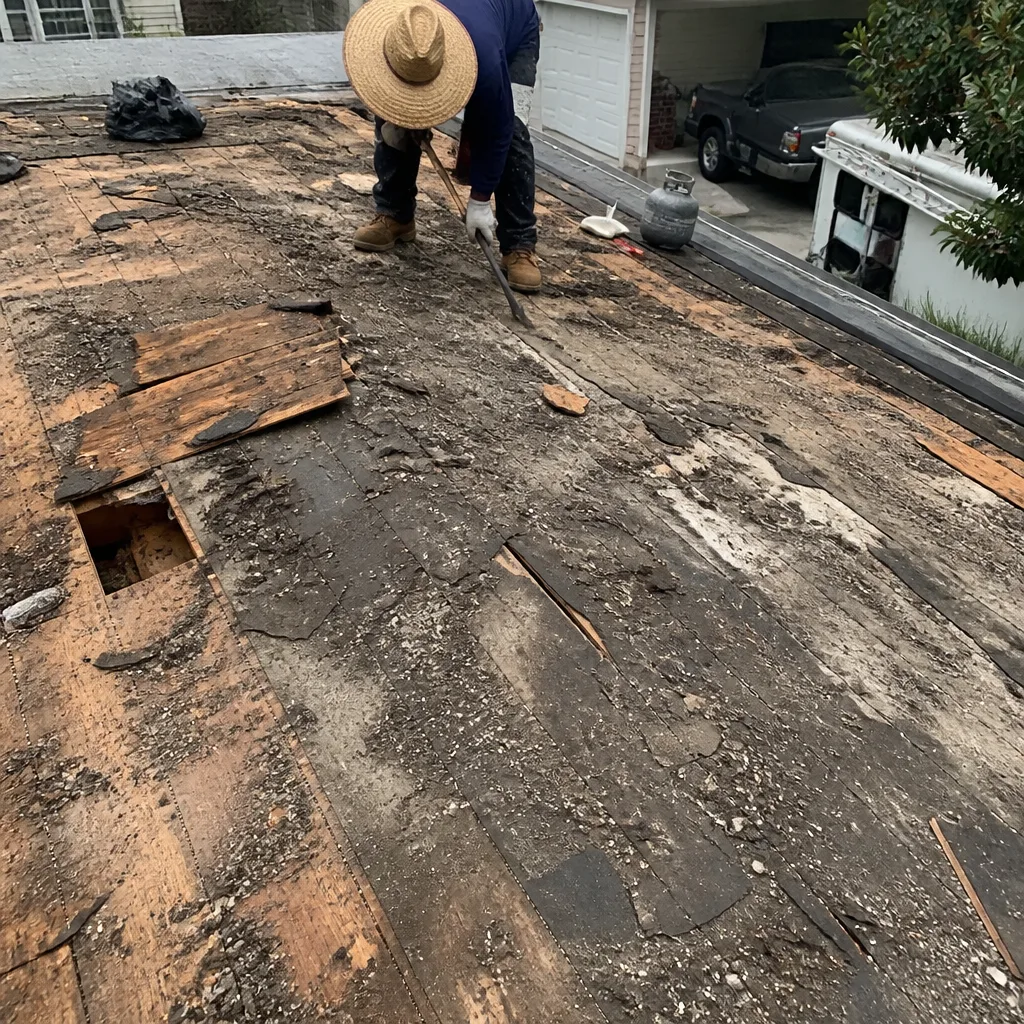 Before
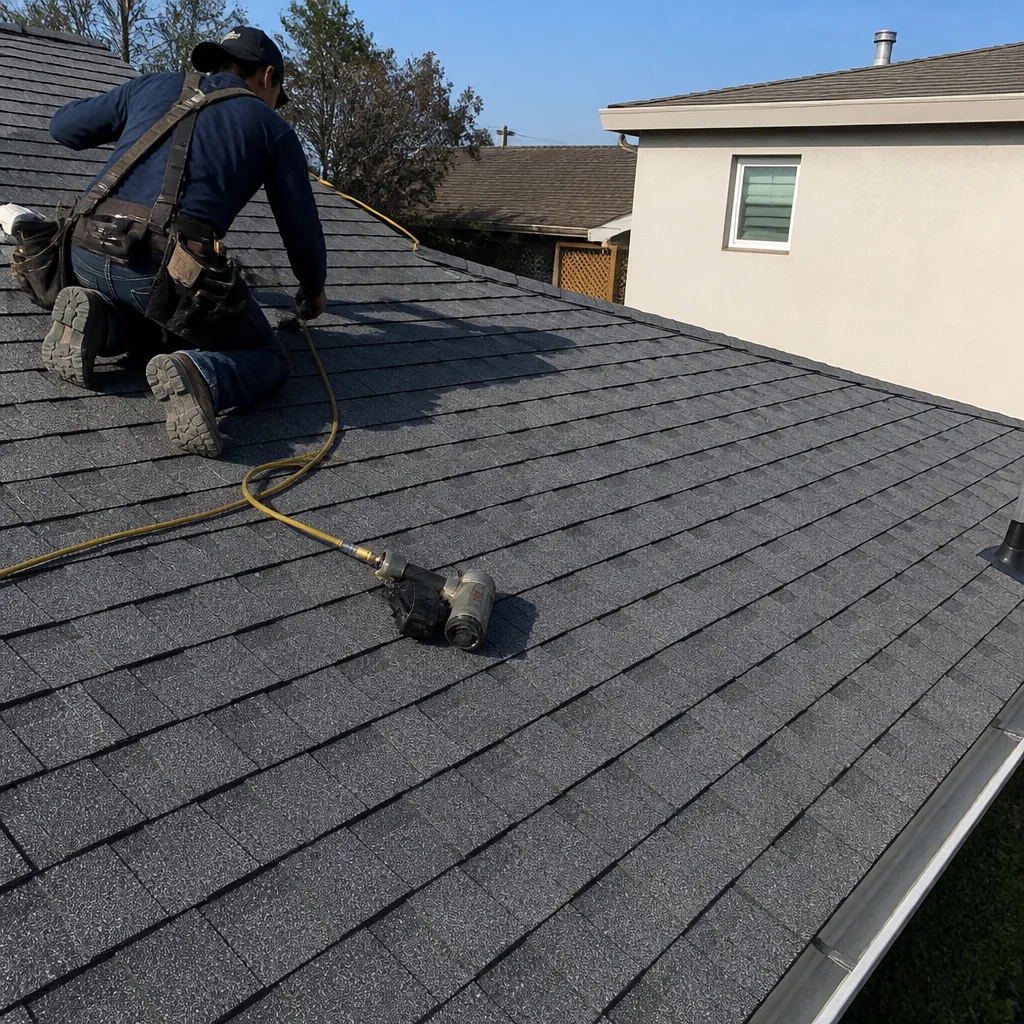 After
After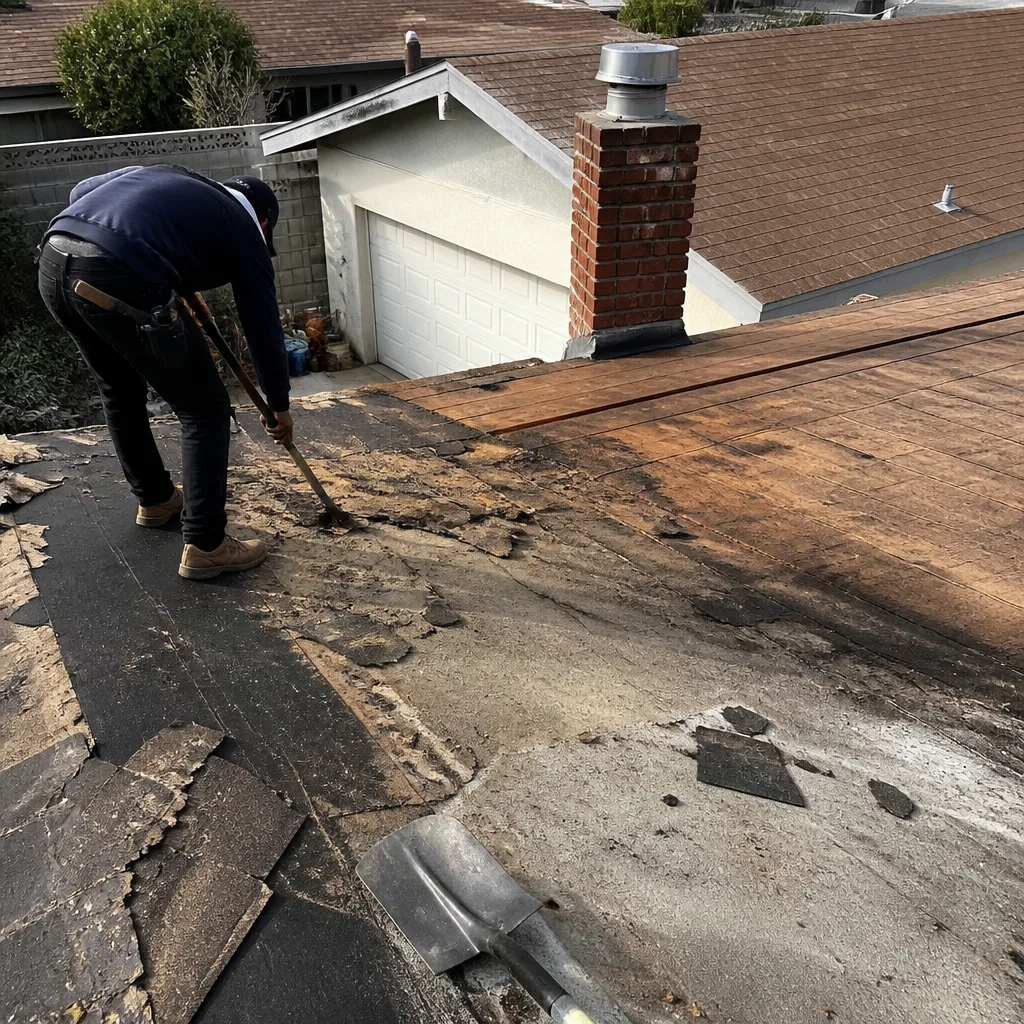 Before
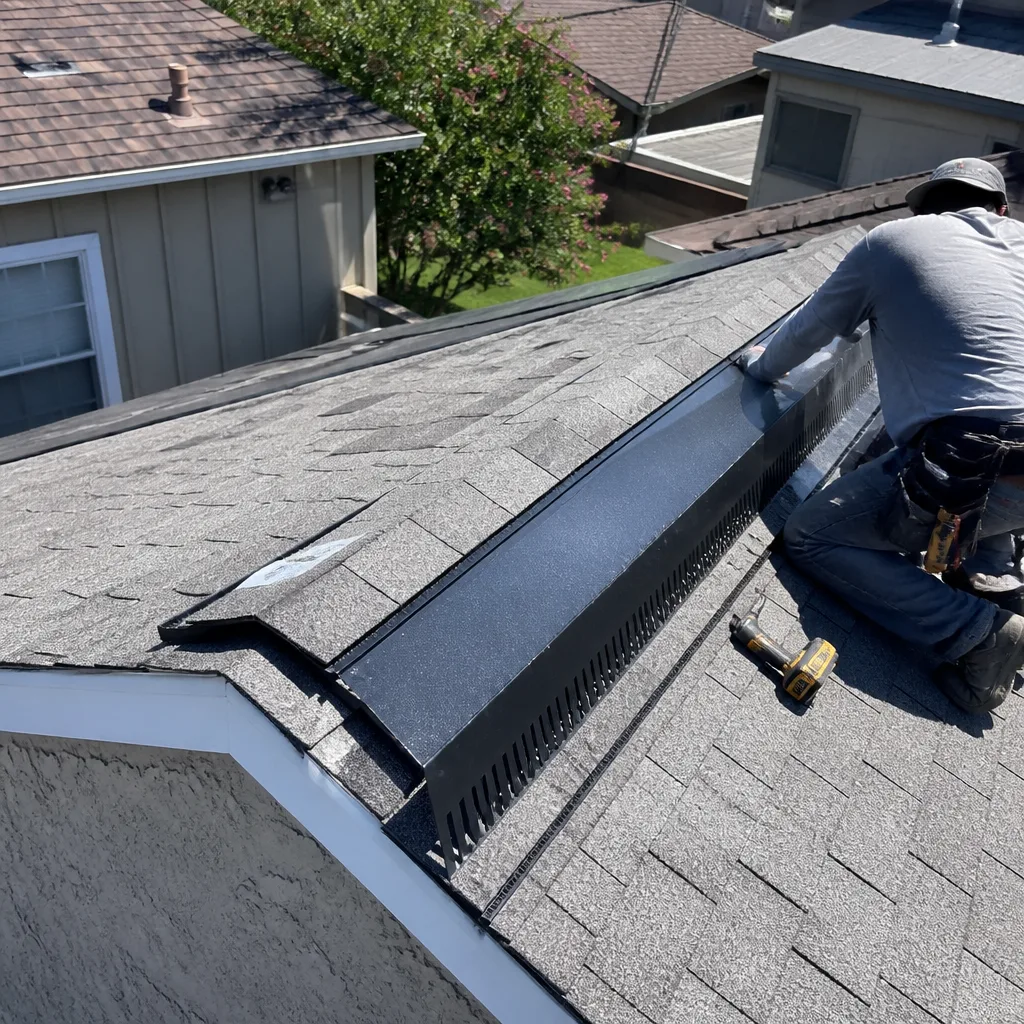 After
AfterWhat’s Happening
Granules in the gutters almost always mean your asphalt shingles are losing their protective coating – the granules that shield the underlying asphalt from UV rays and weather. This is a normal sign of age in older roofs, but it can also signal accelerated wear, storm damage, or a manufacturing defect in a younger one. Either way, it deserves a close look soon.
Those granules aren’t decorative. They’re the first line of defense your shingles have against sun, rain, and temperature swings. Once they wash off in significant volume, the asphalt underneath starts to dry out, crack, and curl. A handful of granules after a storm is one thing. A steady stream collecting in your downspout elbows every time it rains is your roof telling you something is changing. The question is whether it’s changing slowly or quickly – and that answer determines what needs to happen next.
Why It Happens
Normal Aging and Granule Weathering
Asphalt shingles shed a small number of granules throughout their life – this is expected and built into how manufacturers rate their products. What separates normal aging from a problem is the volume and the pattern. If you’re seeing a thin scattering of granules in the gutter after years of service, that’s the shingle doing what shingles do. If you’re pulling out handfuls, or if you notice bare patches on the shingle surface that look lighter or shinier than the surrounding area, the granule loss has moved past normal.
Storm Impact and Hail Damage
Hail, heavy wind-driven rain, and falling debris can knock granules loose in clusters rather than evenly across the surface. The tell-tale sign here is pattern: hail damage tends to create circular bare spots scattered across the shingles, sometimes visible from the ground as darker or shinier patches. If you noticed a significant storm recently and the gutter granules appeared shortly after, that’s the most likely culprit. This type of damage often qualifies for an insurance claim, which is one reason to document it carefully with photos before anyone touches the roof.
Foot Traffic or Poor Installation
Shingles aren’t designed to be walked on repeatedly, and granules can shear off wherever someone stepped, dragged equipment, or landed on the surface at a bad angle. If you had any work done on or near your roof recently – HVAC service, satellite dish installation, gutter cleaning – check the areas directly below those access points. You may see a localized cluster of granules in the gutter below the spot where someone walked, rather than a uniform distribution along the whole roofline.
Manufacturing Defect or Poor Adhesion in Younger Roofs
A roof that’s only five or eight years old shouldn’t be losing significant granules. If yours is relatively new and you’re seeing heavy loss, the shingles may have a bonding issue – either a manufacturing defect in that batch or an installation problem that caused the granule layer to separate prematurely. This is worth noting because it may be covered under the shingle manufacturer’s warranty. Your local Birchbark Roofing team can help you identify the product and document what’s happening while the evidence is still fresh.
What to Do Right Now
- Scoop and photograph what’s in the gutter. Before the next rain flushes it away, take a photo showing how much has accumulated. Note which section of gutter it came from – that tells you roughly which part of the roof to focus on.
- Look at the roof from the ground. Use binoculars if you have them. You’re looking for patches that look lighter, shinier, or bare compared to the surrounding shingles. Don’t get on the roof yourself – a wet or granule-dusted shingle is a serious slip hazard, and the ridge and edges are particularly dangerous at height.
- Check your downspout discharge area. Granules settle at the base of downspouts. If there’s a visible pile of dark, sand-like grit there, the loss is ongoing, not a one-time event.
- Note when the problem started. Was it after a storm? After recent work near the roof? Or has it been gradual? That timeline helps a technician narrow the cause before they even get on the ladder.
- Keep the attic hatch closed and minimize the area below. If you suspect the roof has any breaches, water can find its way in before visible interior damage appears. Keeping sensitive items away from the attic and the rooms directly below the affected area is a sensible precaution until someone can take a look.
How We Fix It
When your local Birchbark Roofing team arrives, the first thing a technician does is a ground-level assessment followed by a careful roof inspection – checking shingle condition, looking at flashing, and documenting any bare or compromised areas. From there, the path splits based on what they find.
If the granule loss is concentrated in a specific section and the underlying asphalt is still sound elsewhere, a roof repair targeting those sections is often the right call. The damaged shingles are removed and replaced with matching material from manufacturers like GAF, CertainTeed, or Owens Corning, and the surrounding field is checked to make sure nothing adjacent is close to failing.
If the granule loss is widespread and the shingles are near or past their useful life, a roof replacement is the honest recommendation. There’s no benefit in patching a roof that’s uniformly worn.
Either way, you get a written price before anything starts – that’s not optional, it’s how every Birchbark job works. And every repair or replacement is covered by the 365-Day Done Right Promise: if it’s not done right, we make it right. The inspection itself typically takes under an hour, and your written estimate follows shortly after.
Frequently Asked Questions
Granule loss isn’t an immediate safety emergency, but waiting makes the outcome worse and the repair more expensive. Once the asphalt layer is exposed to UV and moisture, it deteriorates faster than most homeowners expect – what starts as a granule problem can become a cracking, leaking problem within a single season. If you’re seeing significant accumulation, it’s worth getting a technician out for a look sooner rather than later. Call (424) 766-4937 and a live person will answer – no voicemail, no callback queue.
It depends entirely on how much of the roof is affected and how far the underlying asphalt has degraded. Localized granule loss from storm impact or foot traffic often means a targeted repair. Widespread, even loss across an aging roof is usually a sign that the whole surface is at the end of its life, and spot repairs won’t hold. A technician needs to see the actual condition to give you an honest answer – and that inspection comes with a written estimate, not a verbal ballpark.
Your local Birchbark Roofing team schedules inspections based on current availability in your area, so the best way to find out what’s open is to call (424) 766-4937 right now. Someone answers that line around the clock, every day of the week, and they can tell you exactly what’s available near you. Don’t leave a message somewhere and wait – the answer is a live phone call away.
No. Birchbark provides a written price in dollars before any work begins, and that price doesn’t move once you’ve agreed to it. The only time a number changes is if you and the technician agree to add scope – and even then, any addition is documented in writing before it happens. No-hassle upfront pricing isn’t a marketing line; it’s how every single job is run.
Get It Fixed
Call (424) 766-4937 right now – a live person answers every hour of every day, including tonight. Your local Birchbark Roofing team will schedule an inspection, put a written price in your hands before anything starts, and back the work with the 365-Day Done Right Promise.
Written by Erik Lindgren, Owner at Birchbark Roofing, part of the Cedarwell family of independently owned and operated roofing companies since 2000.
What Our Customers Say
"After a storm we had a few spots to fix. They were gentle around the garden, laid tarps, and swept the driveway spotless. You'd never know a roof crew had been here."
- Dawn Kirkland"Roof repair after a leak. What won me over was the cleanup, they ground sheeted the flower beds so no debris fell in, and they ran a magnet over the whole yard for nails. Careful crew."
- Gordon Fiske"They repaired some lifted shingles and were so neat about it. Covered the deck, cleaned the gutters of debris when they were done, and checked the yard twice for nails. Kids play out there so that mattered."
- Lena Hargrove