
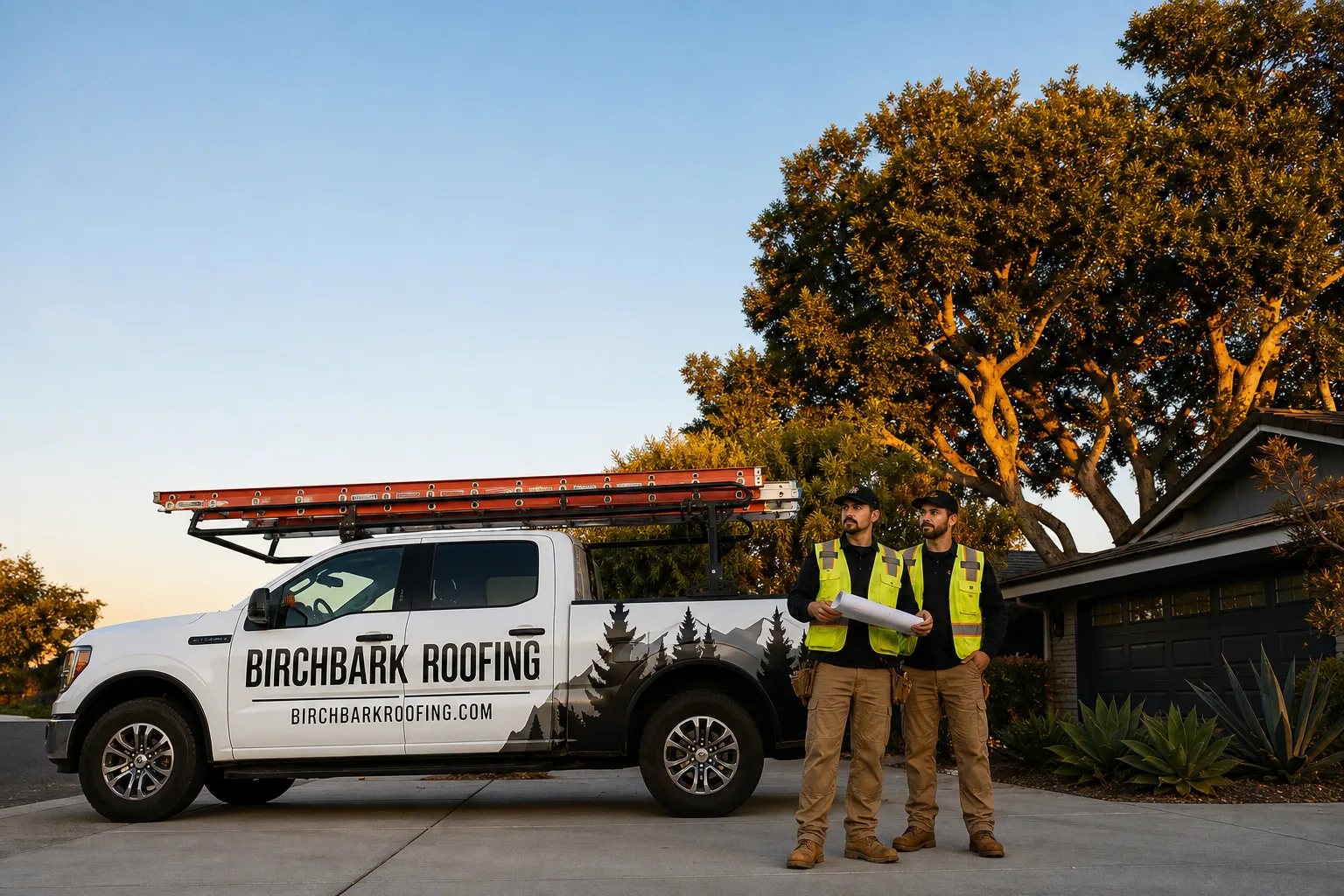
Free roof inspection with deck photos before we talk money - GAF and Owens Corning certified installation

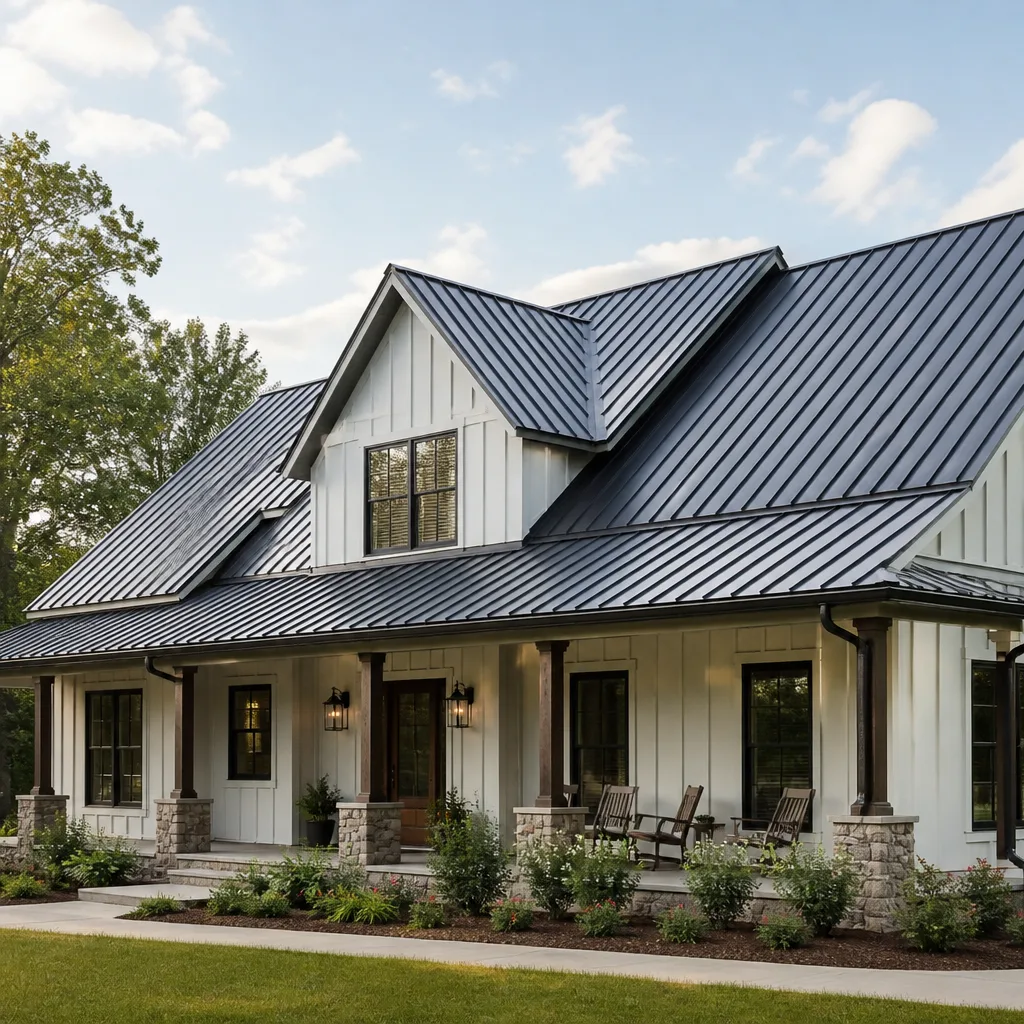


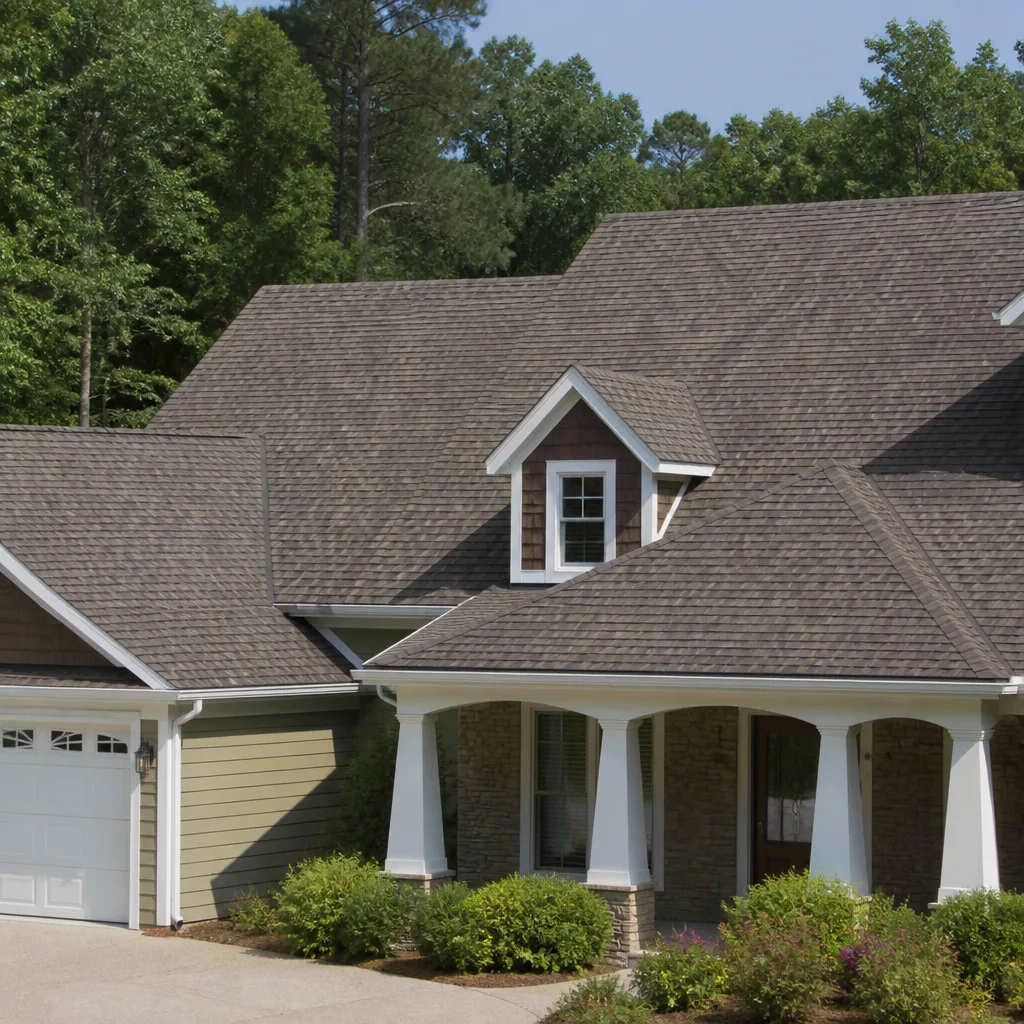
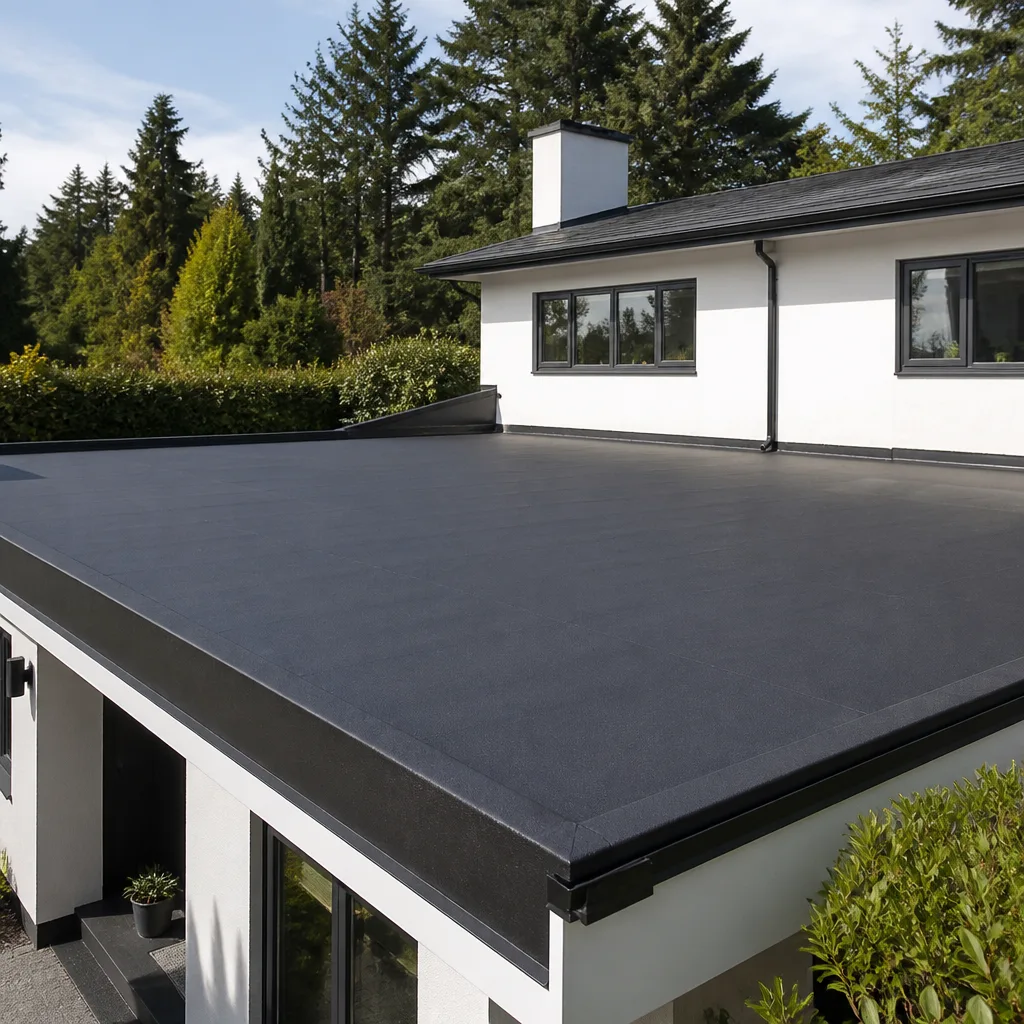
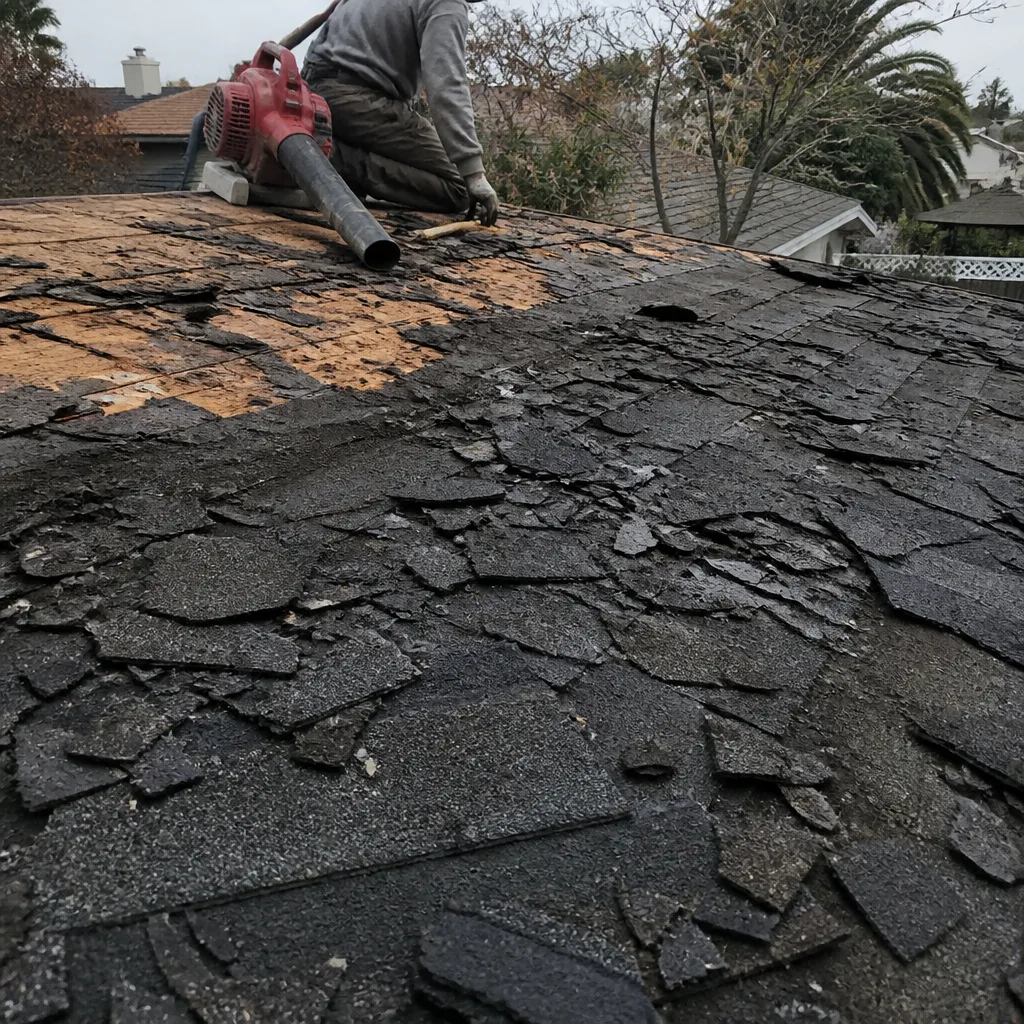 Before
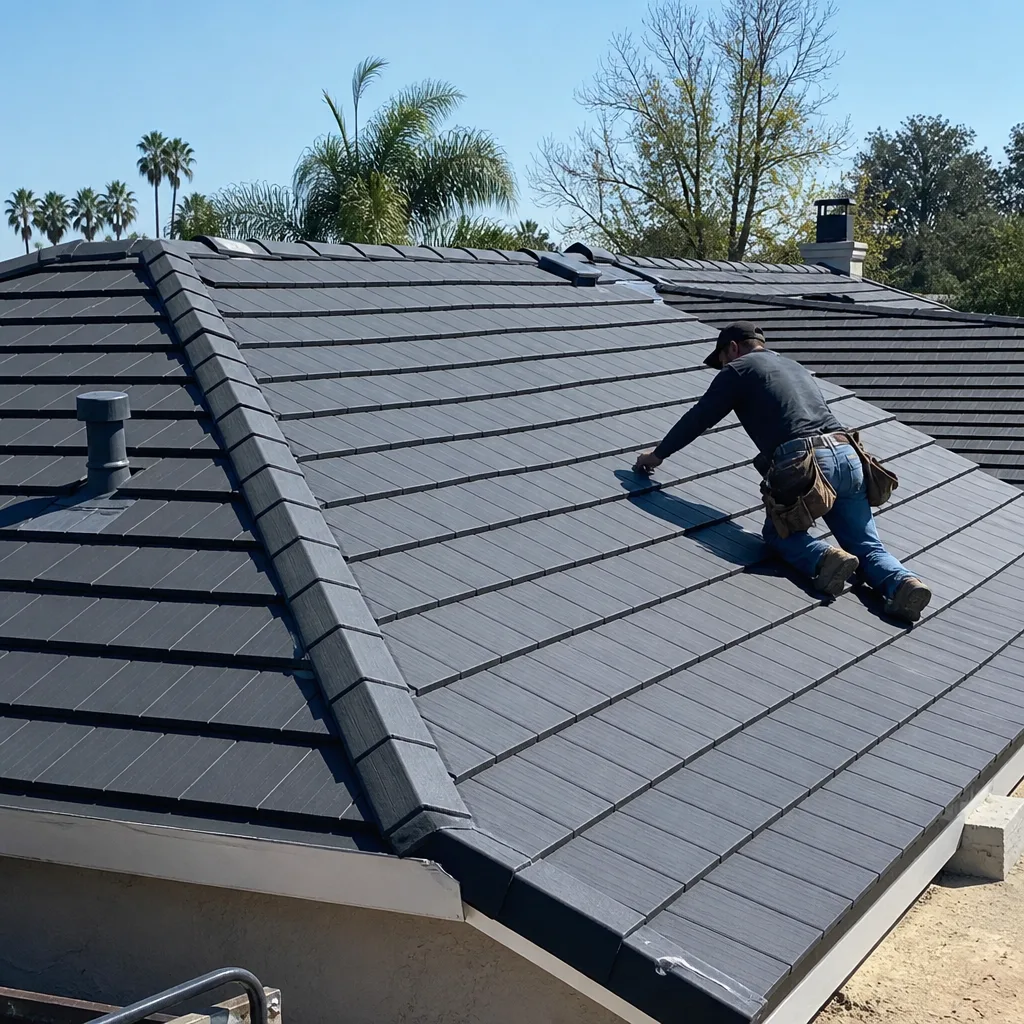 After
After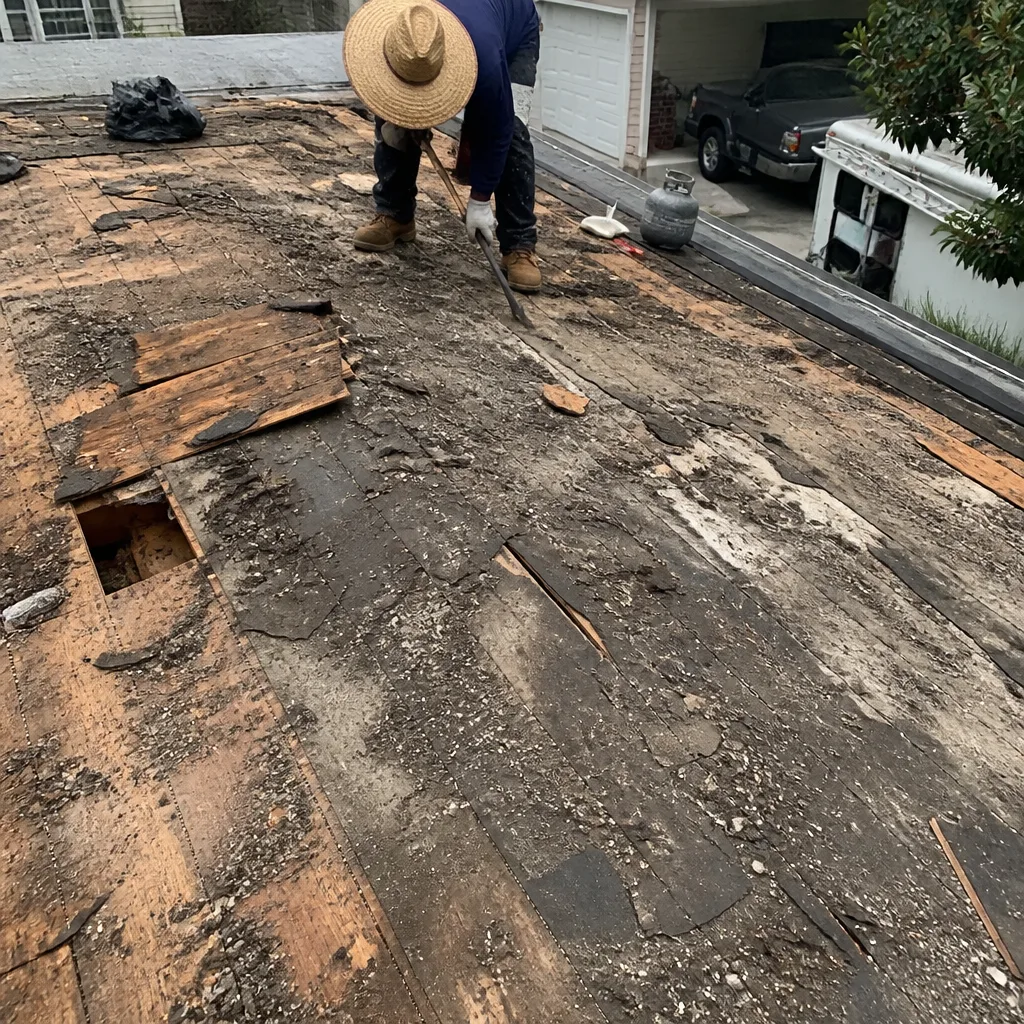 Before
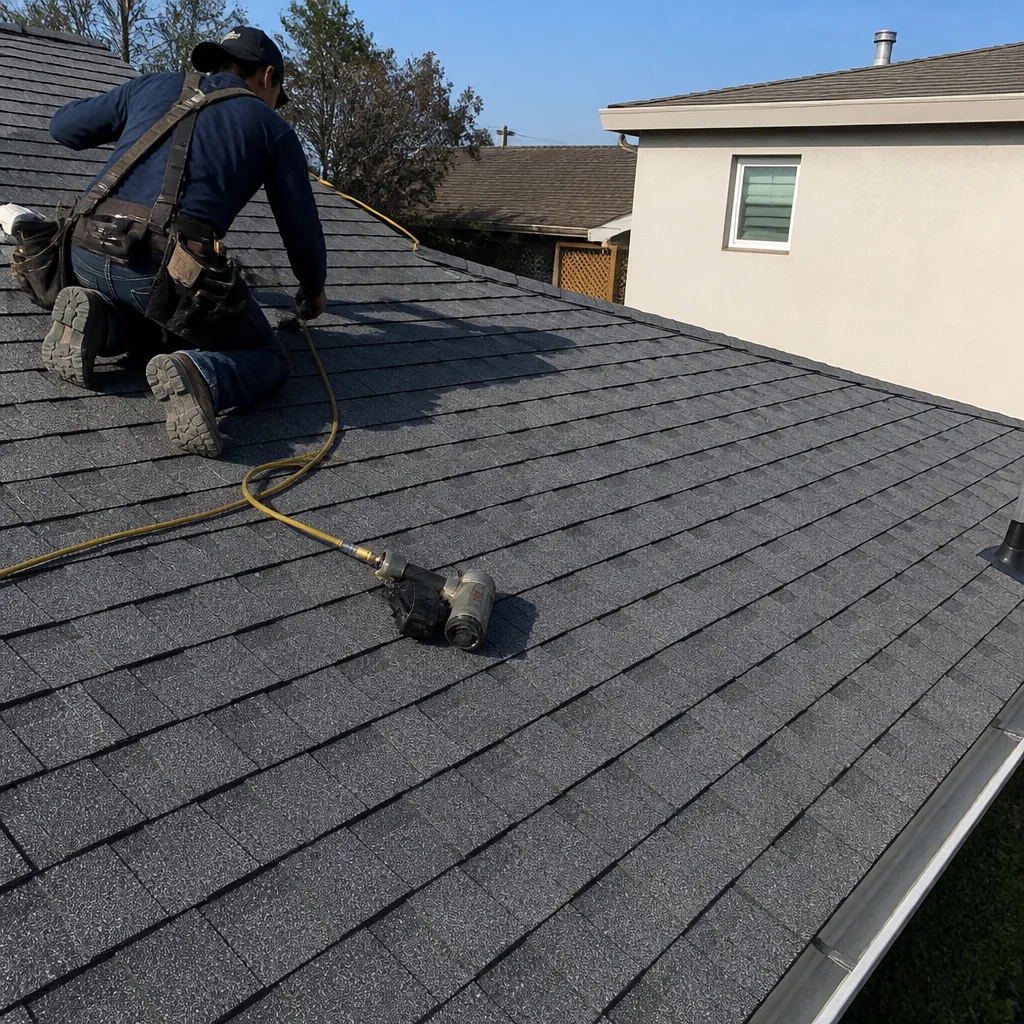 After
After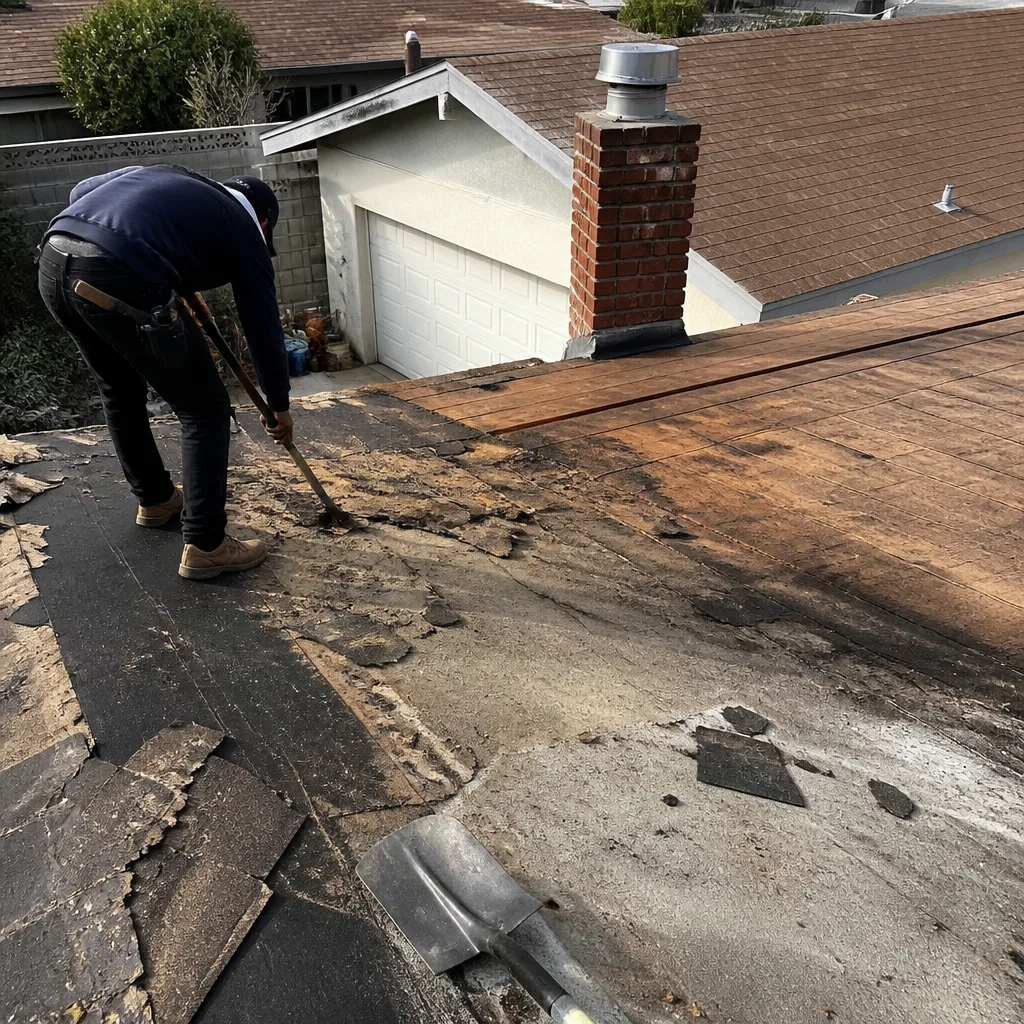 Before
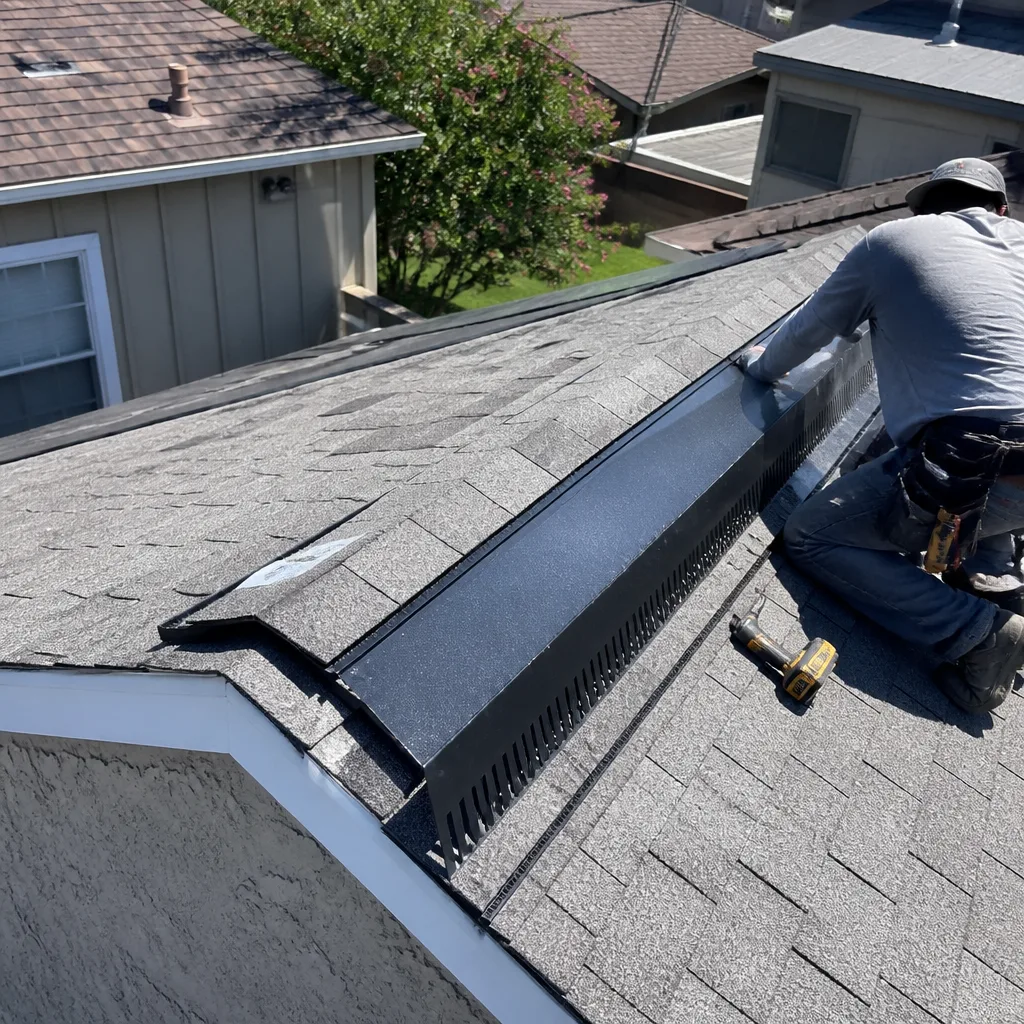 After
AfterRoof Leak After Heavy Rain
What’s Happening
A roof leak that shows up during or right after heavy rain almost always means water found a gap in your roofing system – a failed flashing joint, a cracked or missing shingle, or a sealant that finally gave out under the pressure of sustained rainfall. It is rarely the whole roof; it is almost always one specific weak point that the storm exposed.
The tricky part is that where you see the water inside your home is usually not directly below where the water got in. Rain enters at the breach, then travels along a rafter, a roof deck seam, or a piece of insulation before it drips onto your ceiling or runs down a wall. That gap between entry point and visible damage is why a quick patch in the wrong spot often fails to solve the problem. A technician needs to trace the water path from the stain back to the actual opening – and that is exactly what your local Birchbark Roofing team does on every call.
Why It Happens
Failed or Lifted Flashing
Flashing is the thin metal (usually aluminum or galvanized steel) that seals the joints where your roof meets a chimney, a skylight, a dormer wall, or a plumbing vent. It is also the most common source of rain leaks we find. When the caulk around flashing dries out and cracks, or when the metal itself lifts from wind or freeze-thaw movement, that joint becomes an open channel for water. If your leak shows up near a chimney or a vertical wall, flashing is the first thing to suspect.
Damaged, Missing, or Curling Shingles
Shingles protect your roof deck the way shingles protect a fish – each one overlaps the one below it to shed water downhill. When a shingle cracks, curls at the edges, loses its granules, or blows off entirely, that overlap breaks and rain hits bare felt or bare wood. You can sometimes spot this from the ground: look for a patch where the roof surface looks different in color or texture, or for shingles lying in the yard after a storm.
Clogged or Damaged Valleys and Gutters
Roof valleys are the V-shaped channels where two roof slopes meet – they carry a large volume of water and are under constant stress during heavy rain. When valley flashing corrodes or the valley liner tears, water backs up and seeps under the surrounding shingles. Clogged gutters can make this worse: water that cannot drain properly pools at the eave and works backward under the shingle edge, a condition sometimes called “back-surge.” If your leak appears along an exterior wall near the roofline rather than near a penetration, this is a strong candidate.
Deteriorated Pipe Boots and Vent Seals
Every plumbing vent and exhaust stack that exits through your roof is surrounded by a rubber or neoprene boot that keeps rain out. Those boots are often the first component to age out on an otherwise sound roof – rubber dries, cracks, and eventually gaps away from the pipe. The leak from a failed pipe boot tends to appear directly below the vent stack location on your ceiling, and it often gets noticeably worse during wind-driven rain when water is pushed upward against the pipe.
What to Do Right Now
- Contain the water inside. Put a bucket or towels under any active drip. If the ceiling is bulging or the paint is blistering, a pocket of water has collected above it – carefully puncture the lowest point of the bulge with a small screwdriver to let it drain in a controlled stream rather than all at once across a wide area. Keep kids and pets clear of that spot.
- Photograph everything before you mop it up. Take photos of the stain, the drip location, any visible ceiling or wall damage, and anything you can see on the roof from the ground – lifted shingles, debris, standing water in a valley. These images help your technician trace the water path before they even climb up.
- Do not go on the roof yourself. A wet roof surface is genuinely dangerous, and the problem area may not hold weight the way a dry, intact roof would. Height work after a storm is where injuries happen. Leave the roof access to the crew.
- Check your attic if you can get there safely from inside. Shine a flashlight along the underside of the roof deck and look for daylight, wet insulation, or dark staining on the rafters. This can narrow down the leak location significantly without anyone going outside. Do not step between joists onto insulation – step only on the joists themselves.
- Call your local Birchbark Roofing team. A live person answers at (424) 766-4937 around the clock, including nights and weekends. The sooner the entry point is identified, the less secondary damage – soaked insulation, mold-favorable moisture, damaged drywall – you have to deal with later.
How We Fix It
When your local Birchbark Roofing team arrives, the first thing a technician does is trace the leak – not just look at the stain, but follow the water path back to the opening. That usually means a careful inspection of the roof surface, the flashing joints, the penetrations, and the attic deck before any repair work is discussed.
Once the source is confirmed, you receive a written price in dollars before anything starts. That is not a rough ballpark – it is a line-item written price for the specific work this specific roof needs. No surprises after the fact.
The repair itself – whether that is roof repair on a localized failure or a recommendation toward a broader roof replacement if the deck or shingle field is too far gone – is covered by the 365-Day Done Right Promise: if the work is not right, Birchbark makes it right. Most targeted leak repairs are completed in a single visit. The crew works with materials from GAF, CertainTeed, Owens Corning, IKO, Atlas, Tamko, and Boral, and every visit follows the Cedarwell Care Promise – shoe covers, drop cloths, and a photo of the clean-up before we leave.
Frequently Asked Questions
A roof leak should not wait – even a slow drip is actively wetting insulation, wood framing, and drywall every time it rains, and that moisture creates conditions where mold can establish quickly. A leak near a light fixture or electrical box is a more immediate safety concern and should be treated as urgent. Call (424) 766-4937 so a live person can help you assess how quickly you need someone on site.
A live person answers at (424) 766-4937 at any hour, and your local Birchbark Roofing team will get you scheduled as quickly as the work requires. Call us directly – no voicemail, no next-business-day callback – and we will tell you exactly when someone can be there.
The cost depends entirely on what failed and how much of the surrounding material needs to be addressed – a single pipe boot swap is a different job than reflashing a chimney or replacing a damaged section of shingle field. Birchbark does not quote prices before a technician has seen the roof, because a number pulled from thin air is just a number. What you will get is a written price in dollars for the actual work before anything starts – that is the Cedarwell Care Promise. Call (424) 766-4937 to schedule your free written estimate.
No. The written price you receive before work starts is the price. If a technician opens the roof and finds something unexpected that changes the scope, they will stop, show you what they found, and give you a revised written price before continuing. You decide – always. That is what “no-hassle upfront pricing” means at Birchbark.
Get It Fixed
Call (424) 766-4937 any time – a live person picks up nights, weekends, and holidays. Your local Birchbark Roofing team will schedule a visit, trace the leak to its source, and hand you a written price before any work starts. The 365-Day Done Right Promise covers every repair we perform.
Written by Erik Lindgren, Owner at Birchbark Roofing, part of the Cedarwell family of roofing companies since 2000.
What Our Customers Say
"After a storm we had a few spots to fix. They were gentle around the garden, laid tarps, and swept the driveway spotless. You'd never know a roof crew had been here."
- Dawn Kirkland"Roof repair after a leak. What won me over was the cleanup, they ground sheeted the flower beds so no debris fell in, and they ran a magnet over the whole yard for nails. Careful crew."
- Gordon Fiske"They repaired some lifted shingles and were so neat about it. Covered the deck, cleaned the gutters of debris when they were done, and checked the yard twice for nails. Kids play out there so that mattered."
- Lena Hargrove